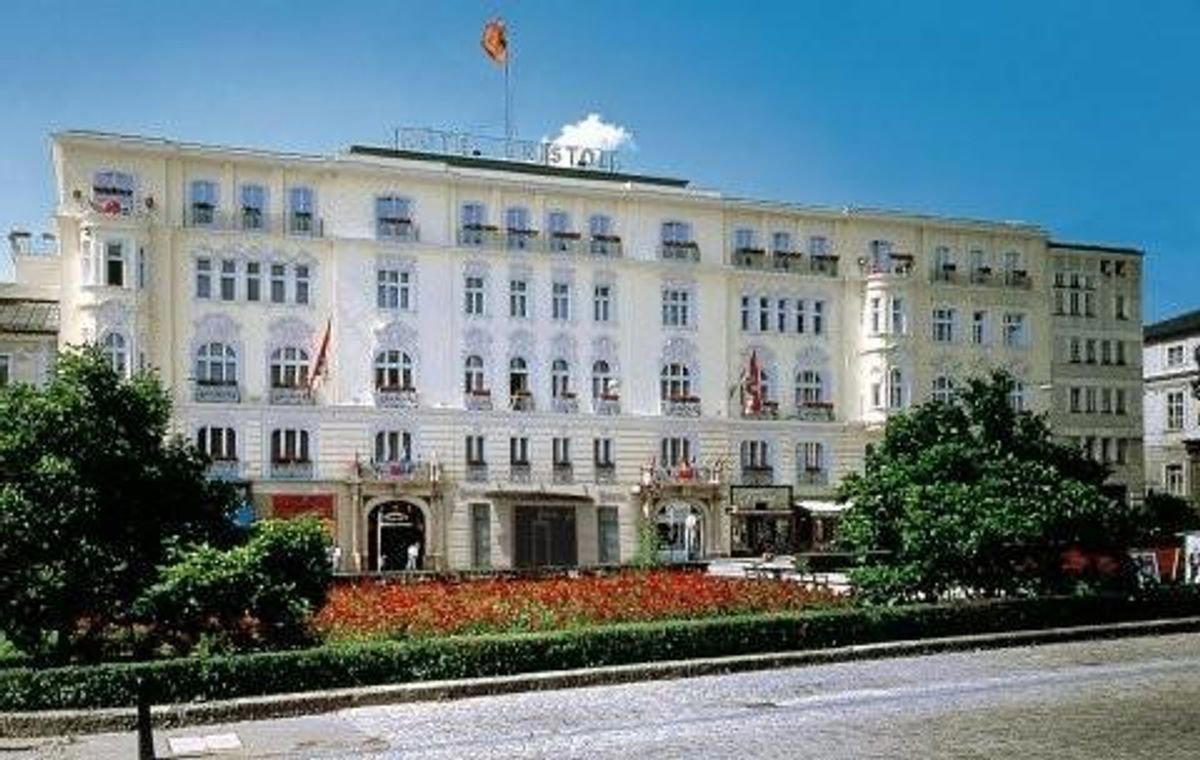
Arthotel Blaue Gans occupies a house on Herbert-von-Karajan-Platz with recorded roots stretching back centuries, placing it among the oldest hostelries in the Austrian-speaking world. The property sits at the intersection of Salzburg's arts district and its Old Town core, drawing visitors who want proximity to the Festspielhaus without the anonymity of a chain hotel. For context on where it fits within Salzburg's broader dining and hospitality scene, see our full city guide.
 Discover on Pearl
Pearl is the En Primeur Club membership app — saves, bookings, and concierge access live there. Same editors, same standards.
- Address
- Herbert-von-Karajan-Platz 3, 5020 Salzburg, Austria
- Phone
- +43 662 842491
- Website
- blauegans.at
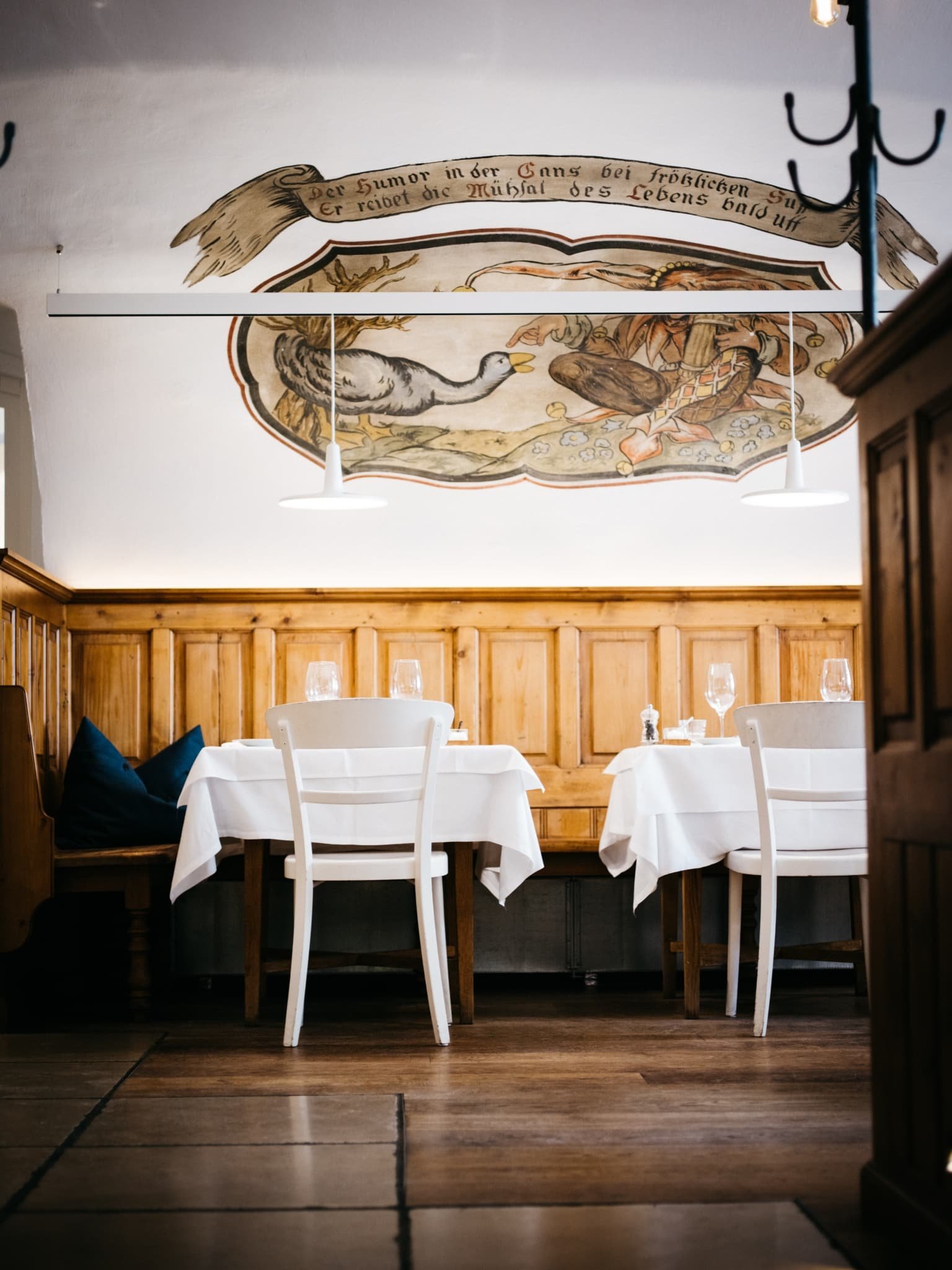
Where the Old Town Announces Itself
Herbert-von-Karajan-Platz positions a guest immediately inside Salzburg's argument with itself: a city that has traded on Mozart and the Festival for so long that its built environment now reads as stage set as much as living neighbourhood. The square sits a short walk from the Festspielhaus, and the address alone tells you something about the kind of traveller the property is calibrated for. Salzburg's hospitality offer splits cleanly between large international-chain hotels that absorb festival overflow and smaller, historically rooted properties that trade on place rather than loyalty points. Arthotel Blaue Gans belongs to the second category, and the building itself, with documented occupation stretching back to the fifteenth century, is the primary credential it brings to that conversation.
The name translates as the Blue Goose, a naming convention common to Central European inns that used animal symbols as identifiers before street numbering standardised address systems. That detail matters because it locates the property inside a very specific strand of Alpine hospitality history: the gasthof tradition, where an inn was simultaneously a waystation, a dining room, and a community space. What distinguishes the Blaue Gans from a direct heritage exercise is the art-hotel framing layered over that foundation, a model that has become more common across the DACH region as independent hoteliers look for ways to differentiate from both boutique chains and pure-restoration projects.
Art as Organising Logic
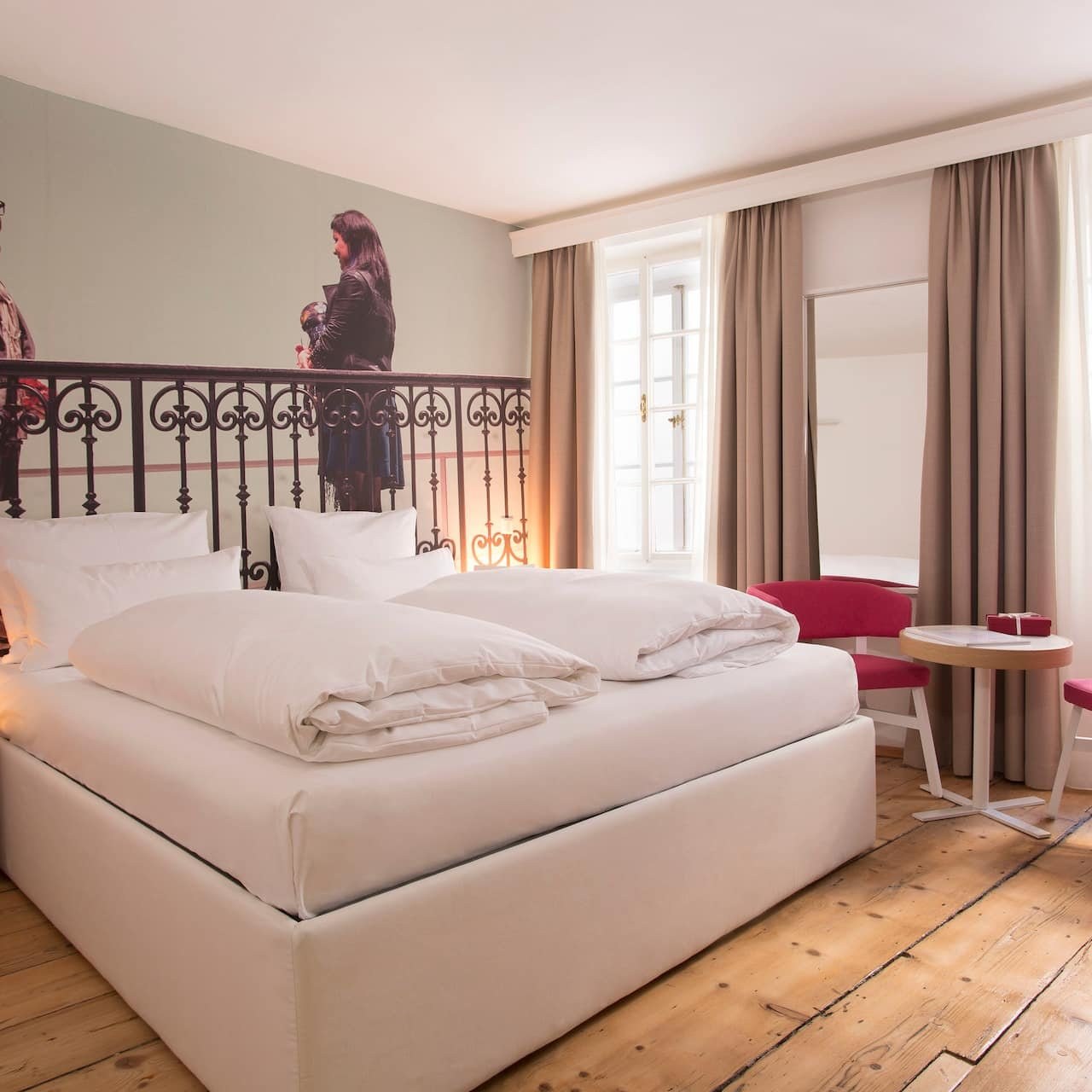
The art-hotel format, when it works, uses a permanent collection or curatorial programme to structure how a guest moves through and reads a property, not as decoration applied to walls, but as a system that generates a point of view. In Central Europe, the model has proliferated to the point where the label sometimes carries less weight than it once did, but properties that commit to the format with depth rather than as a branding gesture occupy a distinct position. Blaue Gans has maintained a contemporary art collection within a medieval shell, a pairing that forces the architecture and the art into dialogue rather than letting one dominate the other. That tension is, by most accounts, more productive than a curated collection housed in a purpose-built contemporary structure where nothing pushes back.
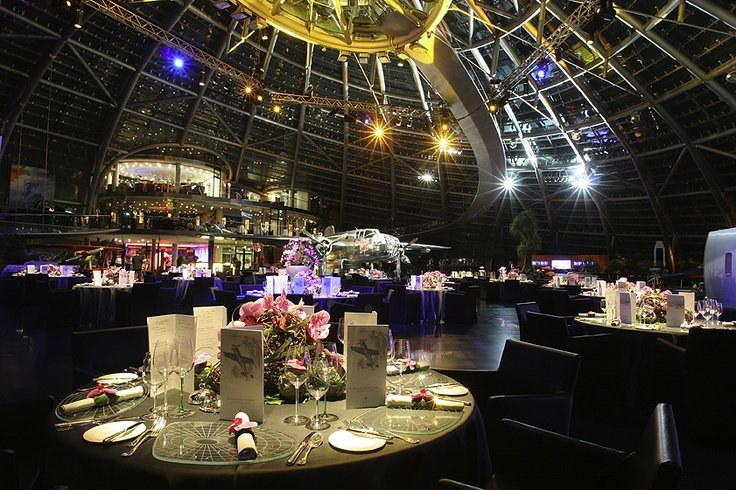
For comparison, the Austrian fine-dining scene has developed its own version of this productive tension. Ikarus, operating within the Hangar-7 complex at Salzburg Airport, places visiting chefs inside an aviation museum, a format that foregrounds institutional ambition over culinary tradition. Esszimmer and Senns take the opposite approach, anchoring contemporary Austrian cooking in more conventional spaces where the food carries the full argumentative weight. Blaue Gans sits in a third position: the setting does real work, but in the service of hospitality rather than gastronomy per se.
The Dining Question in Context
The dining offer is structured around modern Austrian regional cooking. Blaue Gans presents modern Austrian regional cooking in an art-hotel setting. Its category and positioning place it within Salzburg's food scene.
Salzburg's serious dining is handled by a cluster of properties that have accumulated Michelin recognition at various levels. Pfefferschiff and Ikarus operate at the top of the local price tier (€€€€), while Esszimmer sits at €€€ with a creative Austrian-modern approach. The Glass Garden adds a further creative voice to the mix. A hotel restaurant operating within an art-hotel format like Blaue Gans typically serves a different function in a city's food ecology: it absorbs guests who want competent, contextually appropriate food without committing to a full tasting menu at a destination restaurant. That is not a lesser ambition, it is a different one, and in a city that draws festival audiences who may be eating late after performances, the value of reliable, atmosphere-rich hotel dining should not be underestimated.
The broader Austrian dining conversation extends well beyond Salzburg's city limits. Obauer in Werfen, roughly forty kilometres south, operates at a level of ambition that has made it a regional reference point for decades. Döllerer in Golling an der Salzach has built a reputation for Alpine-driven cuisine that draws comparison to what Steirereck im Stadtpark in Vienna does with a more urban ingredient palette. Further into the Austrian Alpine corridor, Gourmetrestaurant Tannenhof in Sankt Anton am Arlberg, Stüva in Ischgl, and Kräuterreich by Vitus Winkler in Sankt Veit im Pongau each represent the strand of Austrian cooking that treats altitude and seasonality as primary creative constraints. Schwarzer Adler in Hall in Tirol, Restaurant 141 by Joachim Jaud in Mieming, Landhaus Bacher in Mautern an der Donau, and Ois in Neufelden extend that picture across the country's diverse wine and agricultural regions. Internationally, properties that have successfully layered destination dining onto a hotel format, from Le Bernardin in New York City to the community-table ambition of Lazy Bear in San Francisco, demonstrate how differently the hotel-dining relationship can be configured when the kitchen carries independent prestige.
Planning a Stay
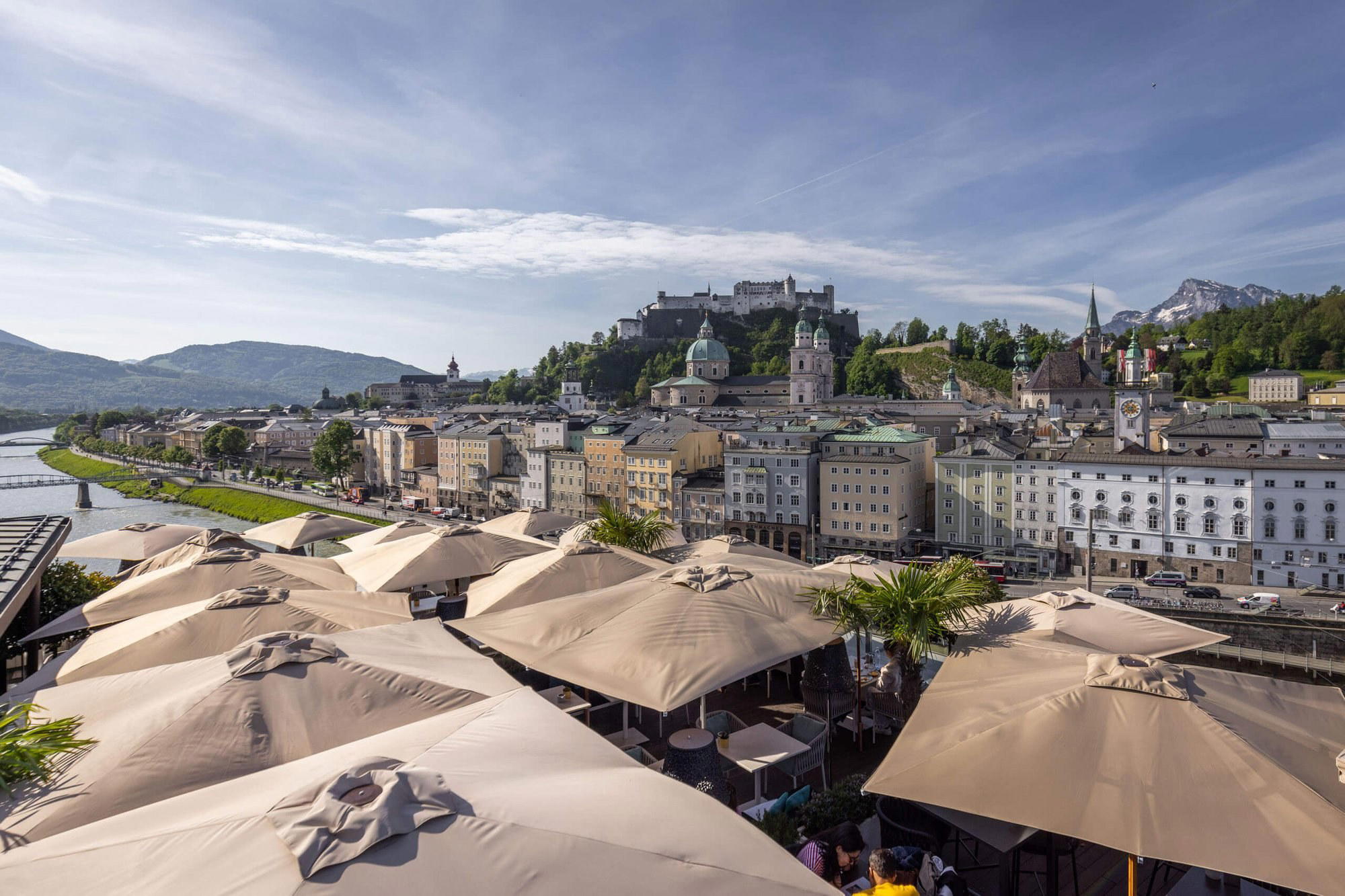
The property's address at Herbert-von-Karajan-Platz 3 puts guests within walking distance of the Festspielhaus and the main Old Town pedestrian zones. During the Salzburg Festival, room availability across all city-centre properties tightens considerably. Outside Festival season, Salzburg draws a quieter but consistent visitor stream.
Accolades, Compared
Comparable venues nearby, for context on price, style, and recognition.
| Venue | Cuisine | Price | Awards | Notes |
|---|---|---|---|---|
| Arthotel Blaue GansThis venue — the venue you are viewing | Modern Austrian Regional | $$$$ | , | |
| Restaurant Zirbelzimmer | Austrian Fine Dining | $$$$ | , | Rechte Altstadt |
| Zum Buberl Gut | Modern Austrian with Mediterranean Influences | $$$ | Michelin Plate | Morzg |
| Huber's im Fischerwirt | Modern Austrian with Seafood | $$$ | Michelin Plate | Altliefering |
| Brandstätter | Creative Austrian Regional Cuisine | $$$ | Michelin Plate | Altliefering |
| Heiße Kiste | Austrian Sausage Stand | $ | , | Rechte Altstadt |
Continue exploring
More in Salzburg
Restaurants in Salzburg
Browse all →
Bars in Salzburg
Browse all →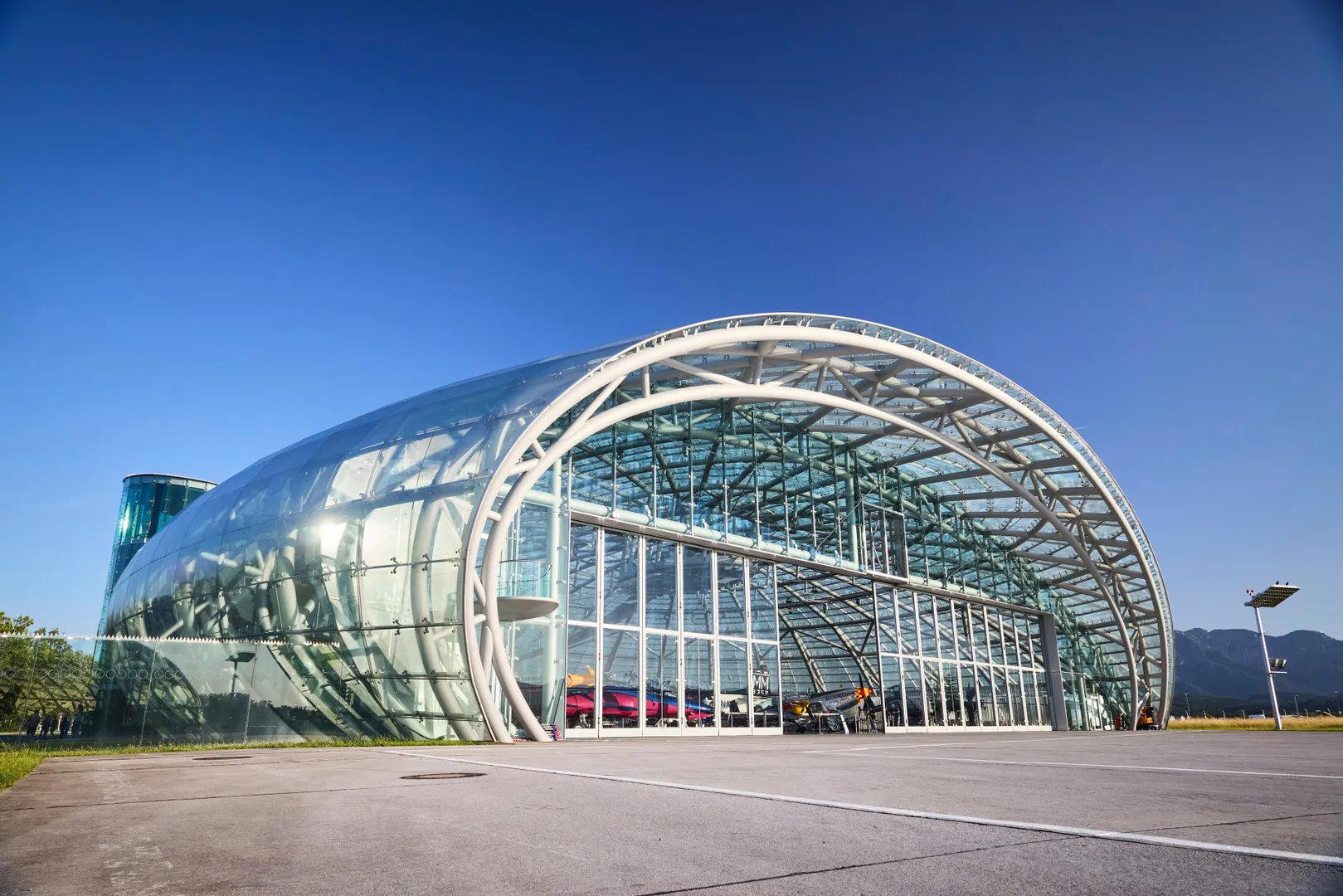
Hotels in Salzburg
Browse all →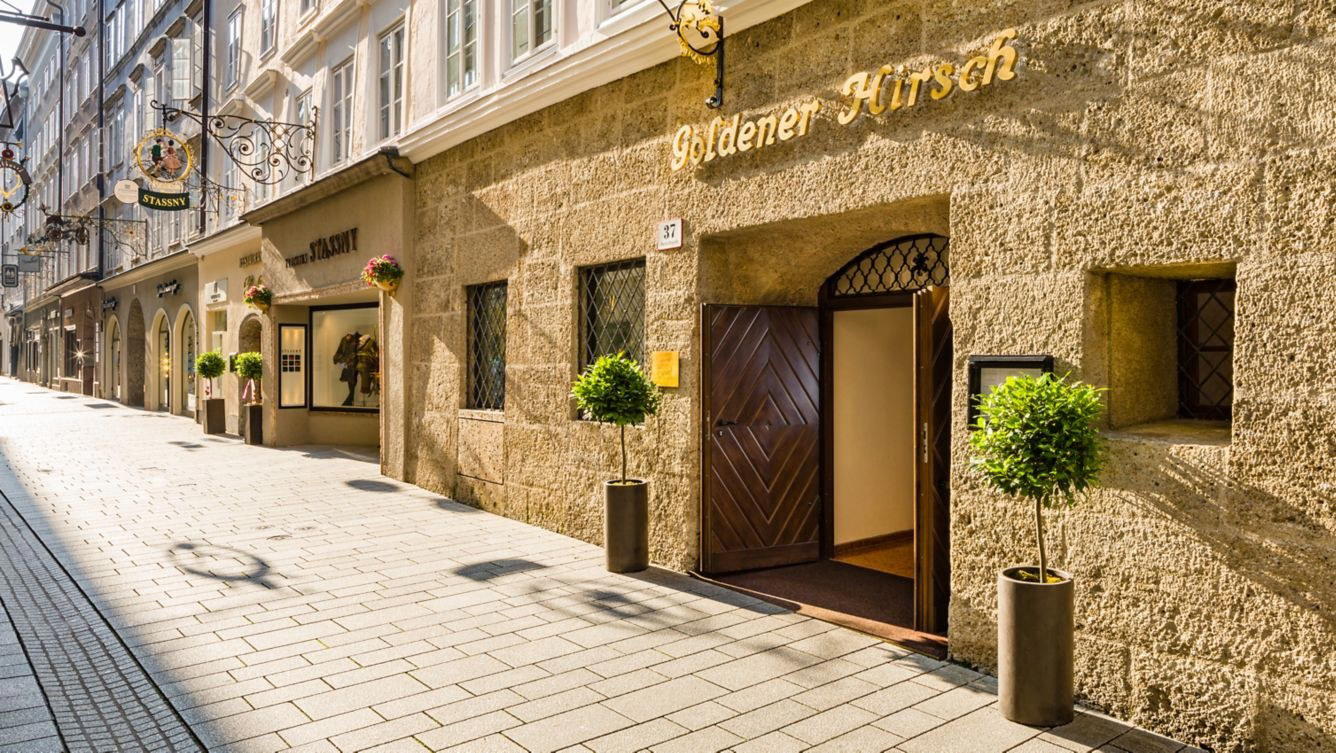
At a Glance
- Elegant
- Cozy
- Historic
- Sophisticated
- Special Occasion
- Date Night
- Historic Building
- Hotel Restaurant
- Terrace
- Extensive Wine List
- Local Sourcing
Blend of historic charm and modern comfort with stylish yet cozy décor that invites lingering.