Artesano
Our verdict
Artesano occupies a ground-floor address at 90 Chambers Street in Lower Manhattan, a corridor where civic architecture and working neighborhoods intersect in ways that shape how you arrive and how long you stay. The address places it in a different register from Midtown's power-dining tier, offering a counterpoint to the concentrated fine-dining density further uptown.

Pearl is the En Primeur Club membership app, where members save venues, book tables and use the concierge.
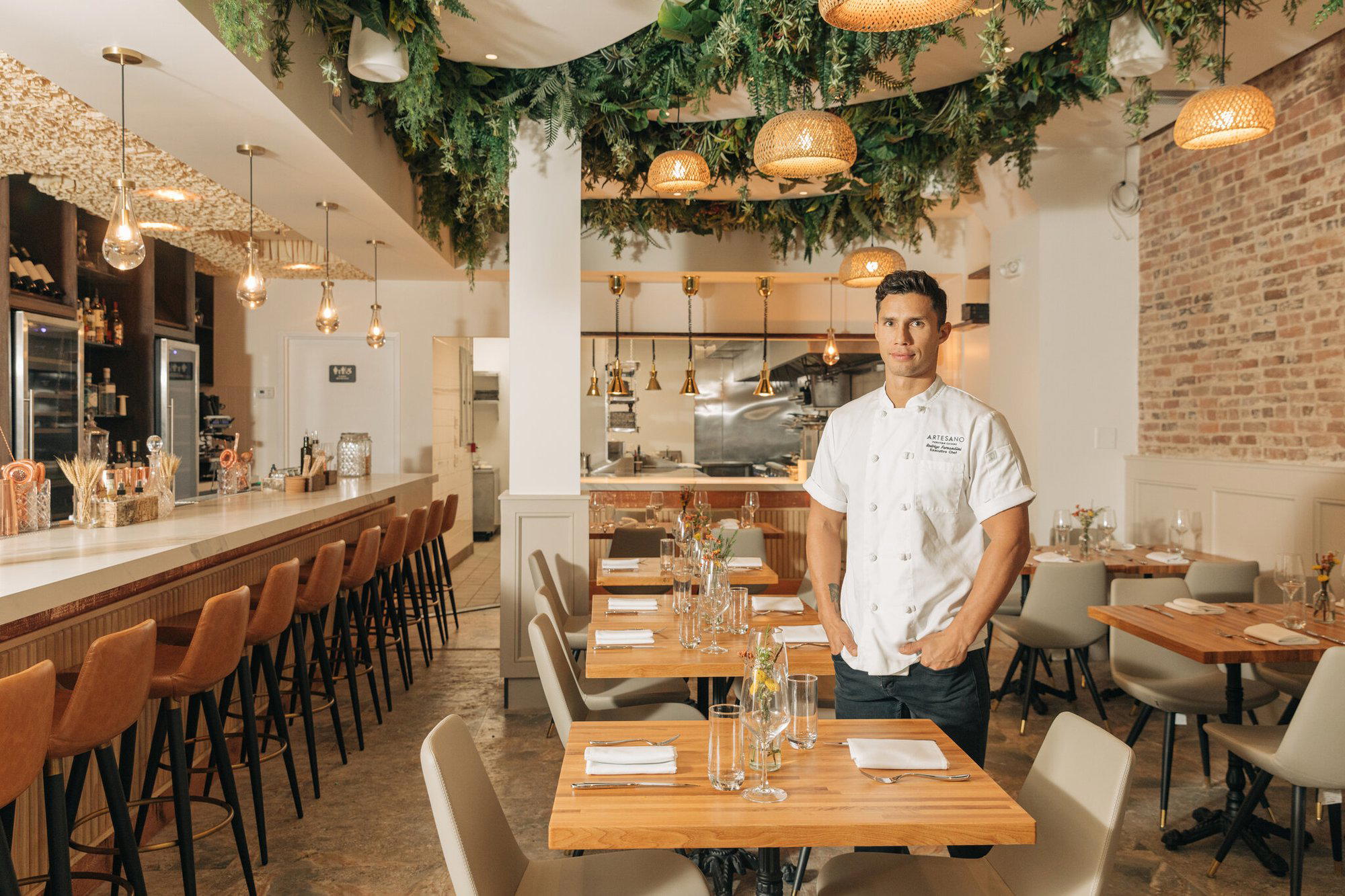
Chambers Street and the Downtown Dining Shift
Lower Manhattan's dining scene has reorganized steadily over the past decade. What was once a neighborhood that emptied after business hours has developed a more layered restaurant presence, partly driven by residential growth in Tribeca and the Financial District and partly by operators who see value in addresses that carry lower overhead than Midtown's trophy blocks. The stretch around Chambers Street, within sight of City Hall and the courthouses that define the civic core, sits at the intersection of that shift. Artesano, at 90 Chambers Street, occupies that context: a ground-floor unit in a building that places it among government workers at lunch, residents in the evening, and visitors who have wandered south from the cultural institutions along Broadway.
That address matters for how a meal here is likely to unfold. Downtown diners tend to arrive with a different pace than their Midtown counterparts, less beholden to the pre-theatre window or the power-lunch hour. The neighborhood context rewards a slower rhythm, and restaurants that read their surroundings well tend to calibrate their service accordingly.
The Ritual of Eating Downtown
In New York's fine-dining conversation, the meal's structure often mirrors its setting. Counters like Masa in Columbus Circle impose a format so strict that the pacing is almost non-negotiable; tasting menus at Eleven Madison Park or Per Se run on a choreographed sequence where the kitchen's rhythm governs the room. Downtown addresses have historically allowed for more elasticity. A table at a Chambers Street restaurant is less likely to feel like an auditorium performance and more likely to resemble a long conversation.
That distinction is part of what makes the lower-Manhattan restaurant corridor worth watching. The dining ritual here is shaped by a clientele that can include everyone from federal attorneys on a case deadline to architecture students who know the civic buildings better than any tourist map. Getting the pacing right for that mix is its own editorial challenge for any kitchen.
New York's reference points for calibrated, course-driven dining are mostly Midtown or Flatiron: Le Bernardin on West 51st, Atomix in Koreatown. Downtown operators who want to compete in that tier have to work against geography and against the assumption that serious dining happens above 14th Street. The ones that manage it tend to build a local loyalty that Midtown restaurants, dependent on tourists and expense accounts, rarely achieve.
What the Address Signals About the Room
90 Chambers Street is a civic-adjacent block, and the architecture of that part of Lower Manhattan tends toward the substantial: stone, weight, formality. Restaurants that open on those streets often either lean into that gravity or work deliberately against it. The tension between the neighborhood's institutional character and whatever warmth a dining room needs to function well is a real one, and how a restaurant resolves it says something about its ambitions.
Across American cities where similar dynamics play out, the most durable downtown operations have tended to be those that create a self-contained atmosphere rather than fighting the street outside. Smyth in Chicago's West Loop made that transition successfully; so did Lazy Bear in San Francisco, which turned a former pop-up in an unlikely Mission District address into one of the city's reservation priorities. The parallel is instructive: neighborhood context shapes expectation, and restaurants that understand their zip code tend to outlast those that ignore it.
Placing Artesano in the Broader New York Picture
New York's restaurant tier structure is steep. At the leading, a small number of addresses with sustained critical recognition and multi-year waitlists command prices that rival any city in the world. Below that sits a much larger middle tier where price points are lower but ambition is not always proportional. For visitors who have already worked through the obvious reference points, finding reliable mid-tier options in neighborhoods outside the standard tourist circuit is genuinely useful. For a full picture of where different neighborhoods and price tiers fit, the EP Club New York City restaurants guide maps the full range.
Comparable situations exist in other American cities. Providence in Los Angeles built its reputation over years in a neighborhood that wasn't on the dining circuit before it arrived. Addison in San Diego operates in a part of the city visitors don't automatically associate with serious food. Blue Hill at Stone Barns, north of the city in Tarrytown, built its entire identity around an address that requires deliberate effort to reach. Location, when handled with conviction, becomes an asset rather than a liability.
For international reference, restaurants like Dal Pescatore in Runate and Atelier Moessmer Norbert Niederkofler in Brunico have made deliberate location part of their editorial identity. The principle transfers: a downtown Manhattan address that trades on civic gravity and neighborhood loyalty is making a version of the same argument.
Other American comparisons worth noting include The French Laundry in Napa, Single Thread Farm in Healdsburg, Frasca Food and Wine in Boulder, The Inn at Little Washington, and Emeril's in New Orleans, each of which has built destination status from addresses that weren't automatically associated with fine dining when they opened.
Planning Your Visit
Address: 90 Chambers Street, Unit A, New York, NY 10007. Getting there: The Chambers Street subway station (2, 3 lines) is directly adjacent; the 4 and 5 trains stop one block east at Fulton Street. Budget: Dress: Not confirmed; the civic-institutional character of the neighborhood suggests smart casual as a reasonable baseline.
Frequently asked questions
Is Artesano a family-friendly restaurant?
The venue is located at 90 Chambers Street in Lower Manhattan, a civic-adjacent block that draws a mixed crowd of professionals, residents, and visitors to the area. check the venue's official channels for seating arrangements before visiting with young children.
What kind of setting is Artesano?
Artesano occupies Unit A at 90 Chambers Street, a block defined by the weight and formality of Lower Manhattan's civic architecture. The address places it among stone-fronted buildings near City Hall, lending the surrounding environment a grounded, serious character distinct from the louder energy further uptown. The Chambers Street 2 and 3 train stop is directly adjacent, making access straightforward from most of the borough.
What neighborhood is Artesano in, and what else is nearby in Lower Manhattan?
Artesano sits at 90 Chambers Street in New York City's Civic Center district, steps from City Hall Park and within walking distance of Tribeca to the west and the Financial District to the south. The 2 and 3 trains stop at Chambers Street immediately adjacent, and the 4 and 5 lines are also accessible nearby, making it one of the better-connected dining addresses in downtown Manhattan. The neighborhood has seen a steady expansion of serious restaurant openings over the past decade as the area's residential population has grown.
What should I eat at Artesano?
For the most current dishes and seasonal offerings, reaching out to the restaurant directly at 90 Chambers Street, New York City, is the most reliable approach before your visit.
What's the address for Artesano?
Artesano is located at 90 Chambers St Unit A, New York, NY 10007, New York City.
Do they take walk-ins at Artesano?
Lower Manhattan restaurants in this category vary widely, with some operating on a reservation-only basis and others holding walk-in capacity at the bar or early in service. Plan ahead and contact Artesano directly to confirm before arriving without a booking.
Category Peers
Comparable venues nearby, for context on price, style, and recognition.
| Venue | Cuisine | Price | Awards | Notes |
|---|---|---|---|---|
| ArtesanoThis venue (the venue you are viewing) | Modern Peruvian Ceviche | Not listed | Not listed | Not listed |
| Surfish Bistro | Peruvian Fusion | $30–50 | Not listed | Carroll Gardens-Cobble Hill-Gowanus-Red Hook |
| Soba Ulala | Japanese Soba House | Not listed | Not listed | Soho |
| Metropolis | Contemporary American | $50–100 | Not listed | Tribeca-Civic Center |
| Le Jardin Bistro | Authentic French Bistro | $50–100 | Not listed | Lower East Side |
| Teruko | Traditional Edomae Sushi & Japanese Cuisine | $50–100 | Wine Spectator Award of Excellence | Chelsea-Hudson Yards |
Continue exploring
More in New York City
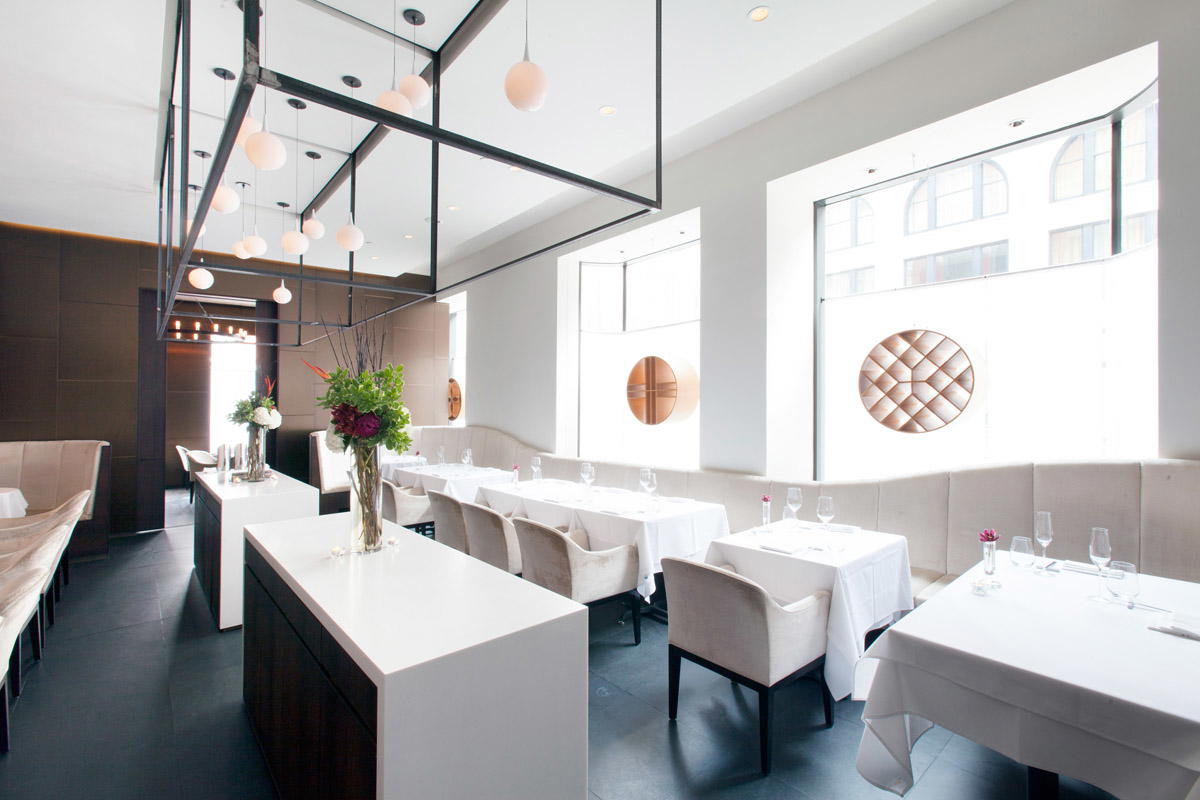
Restaurants in New York City
All restaurants in New York City →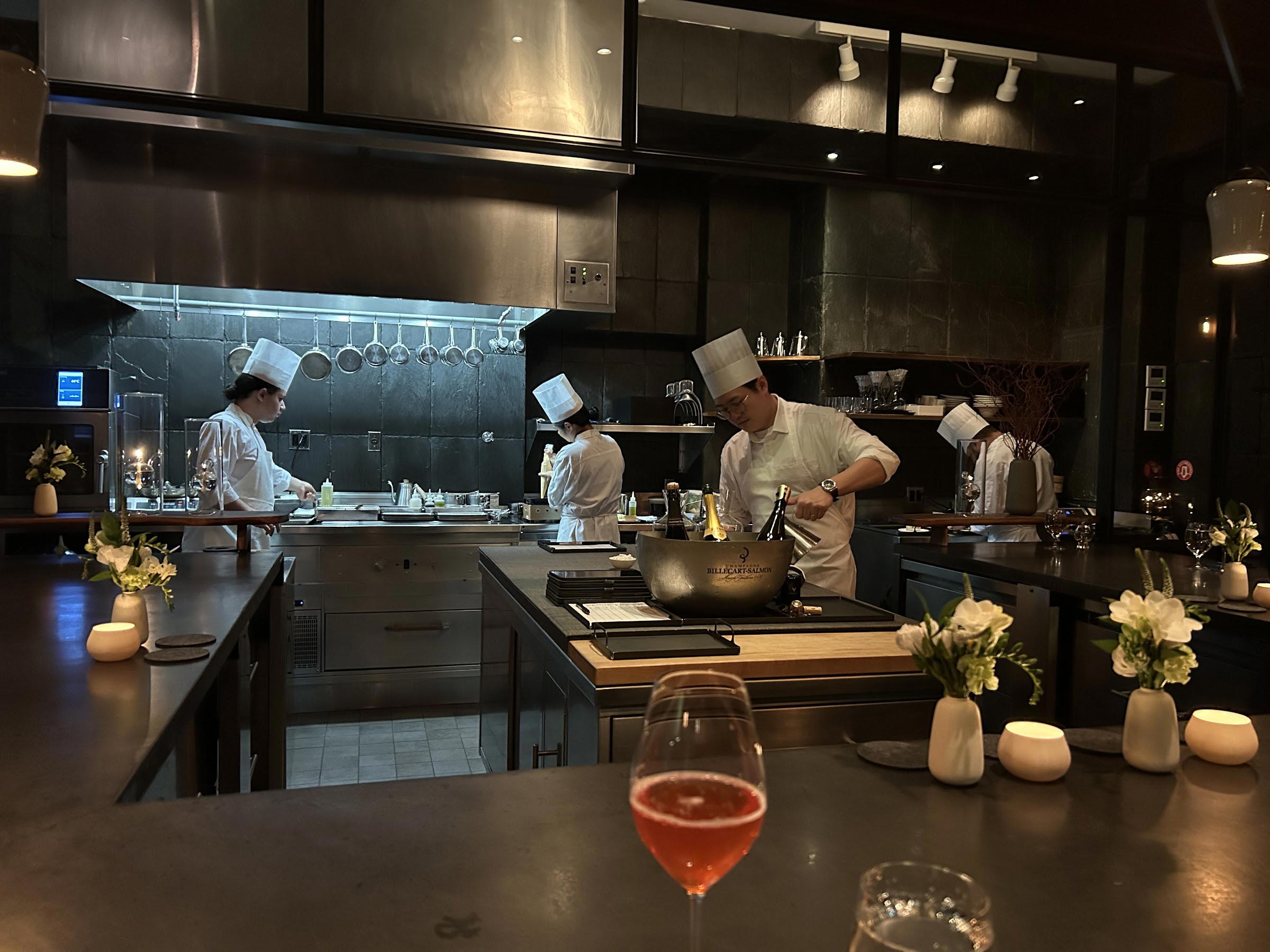
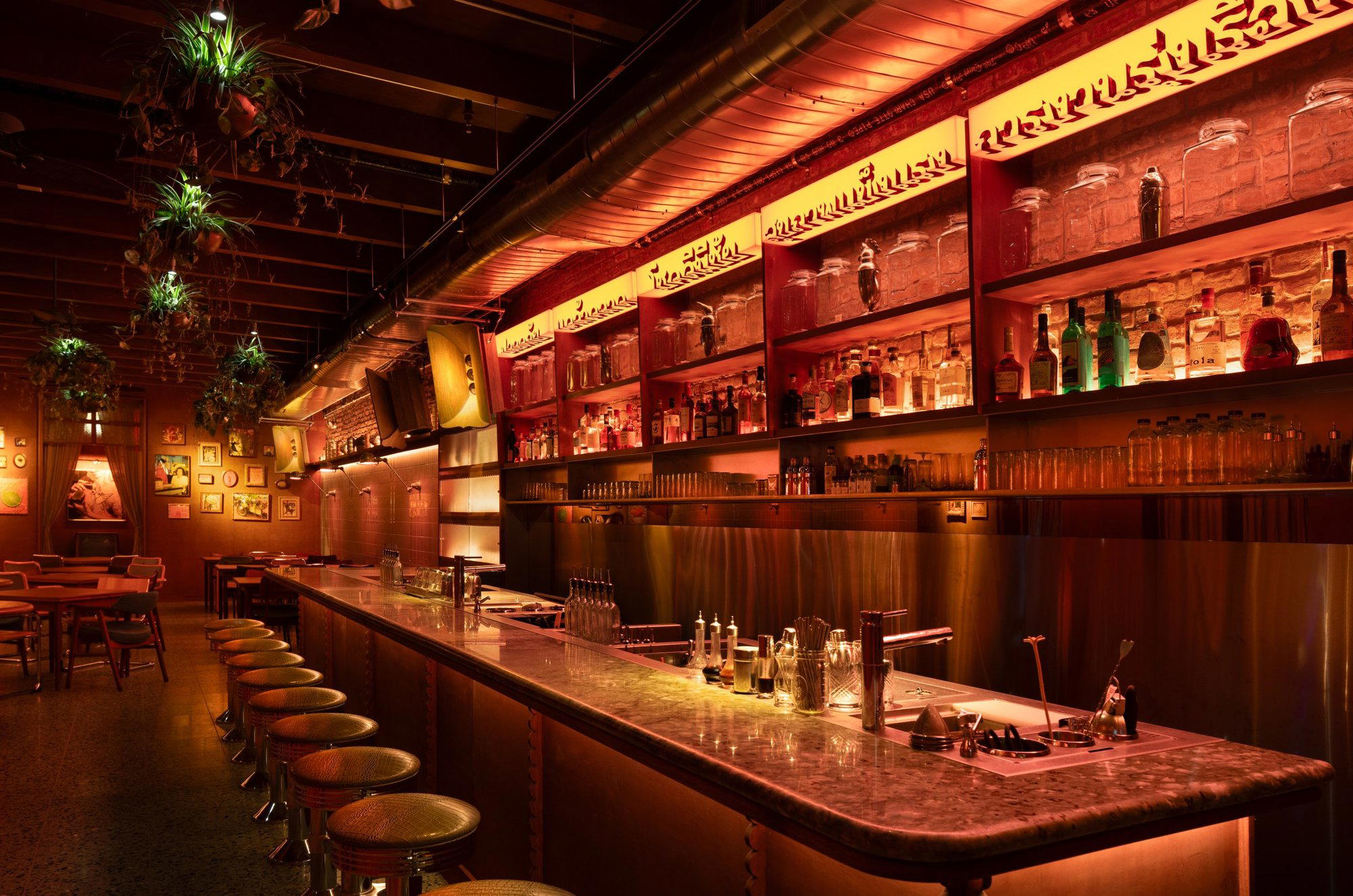
Bars in New York City
All bars in New York City →
Details
- Elegant
- Modern
- Sophisticated
- Date Night
- Special Occasion
- Open Kitchen
- A La Carte
- Small Plates
Current opening hours
- Monday
- 12–10:30 PM
- Tuesday
- 12–10:30 PM
- Wednesday
- 12–10:30 PM
- Thursday
- 12–10:30 PM
- Friday
- 12 PM–12 AM
- Saturday
- 11 AM–12 AM
- Sunday
- 11 AM–10 PM
Hours can change for holidays and private events. Hours as of .
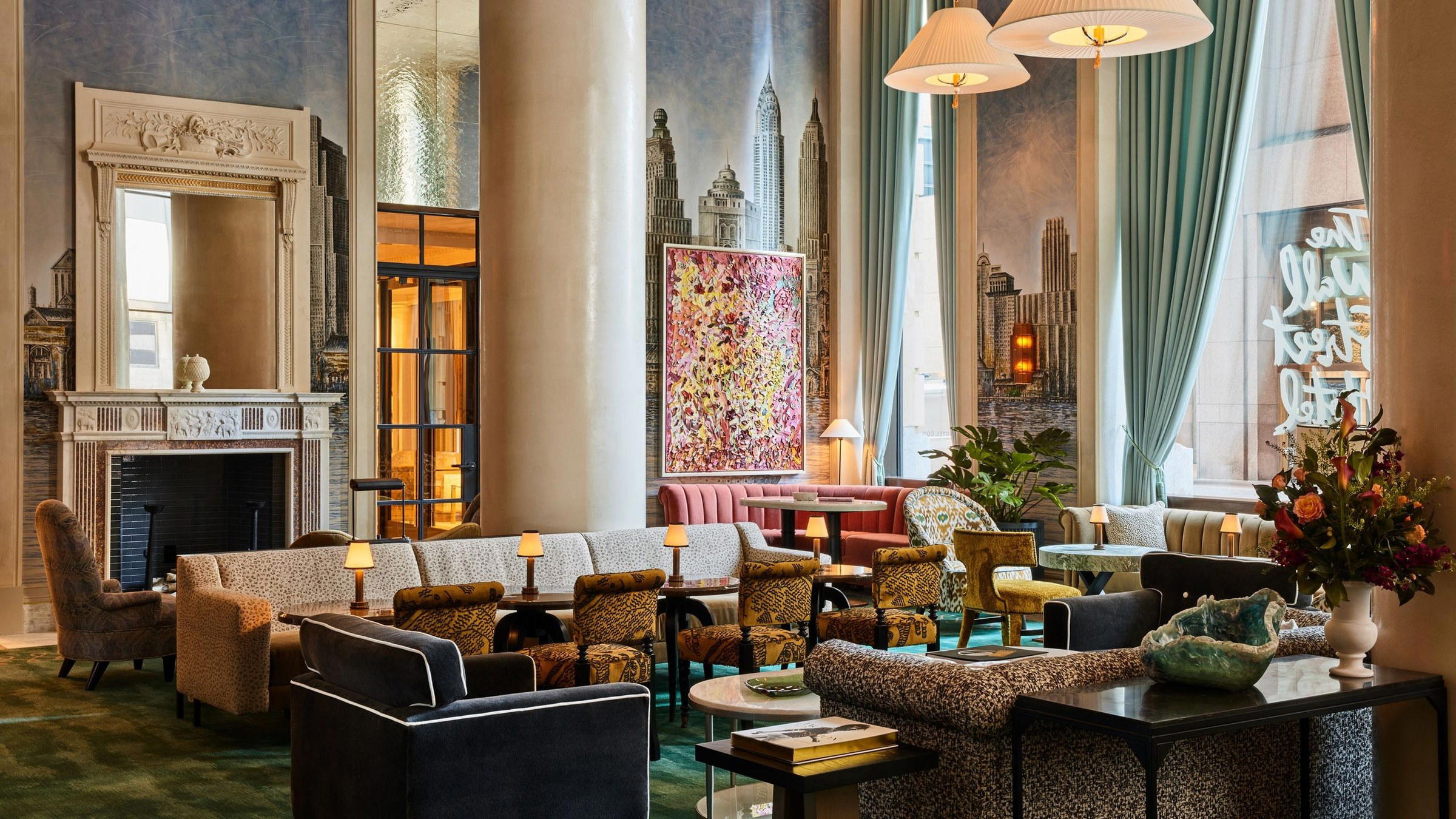
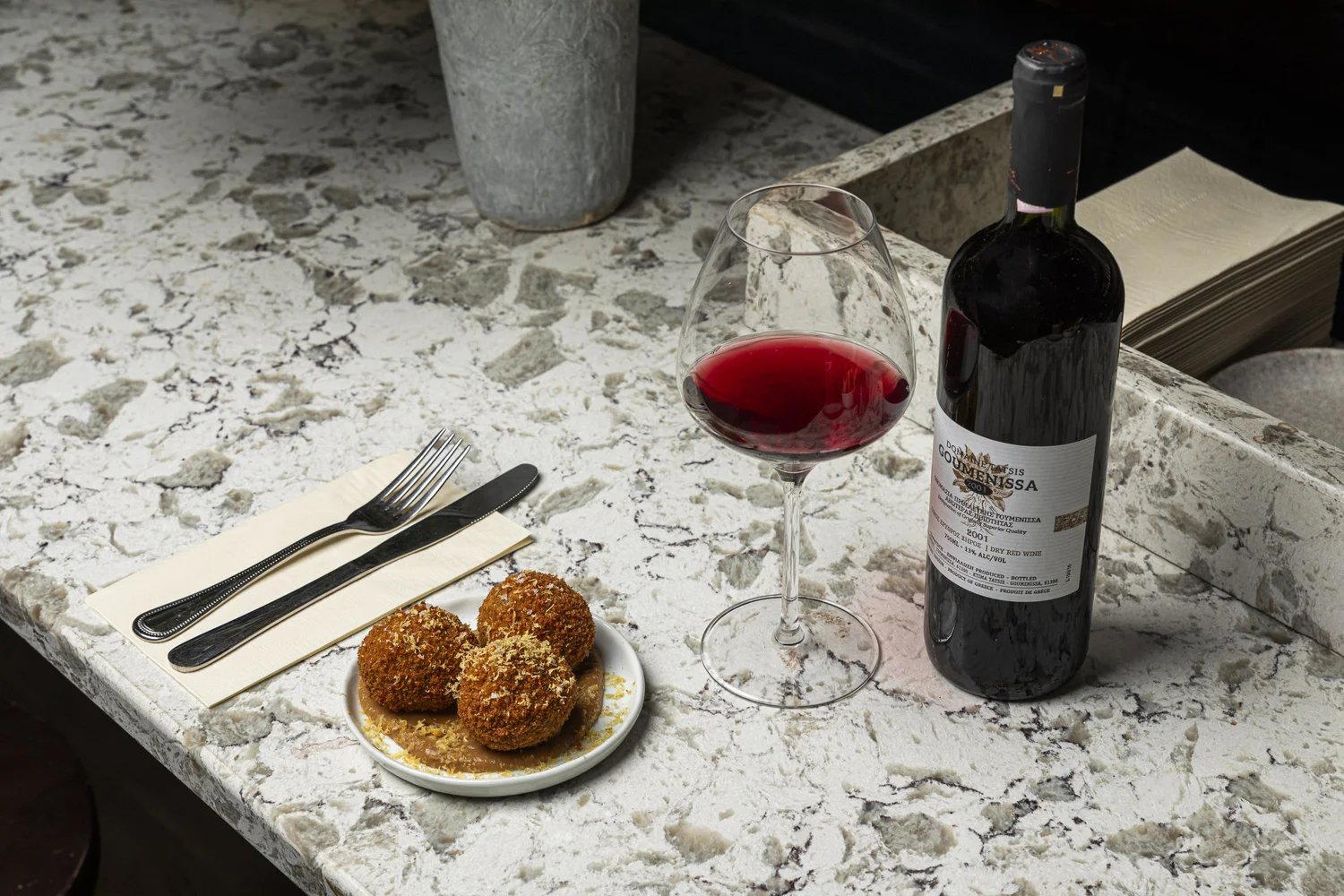
Polished and stylish with an open kitchen, moderate noise, and thoughtful plating that emphasizes artistry.