Arroyo
Arroyo serves Traditional Mexican cooking in Mexico City, with barbacoa, carnitas, and mixiotes on a casual, lively floor that suits brunch through dinner.
Pearl is the En Primeur Club membership app — saves, bookings, and concierge access live there. Same editors, same standards.
- Address
- Av. Insurgentes Sur 4003, Sta Úrsula Xitla, Tlalpan, 14420 Ciudad de México, CDMX, Mexico
- Phone
- +525555734344
- Website
- arroyorestaurante.com.mx
- Directions
- Get directions
 Saves & bookings on Pearl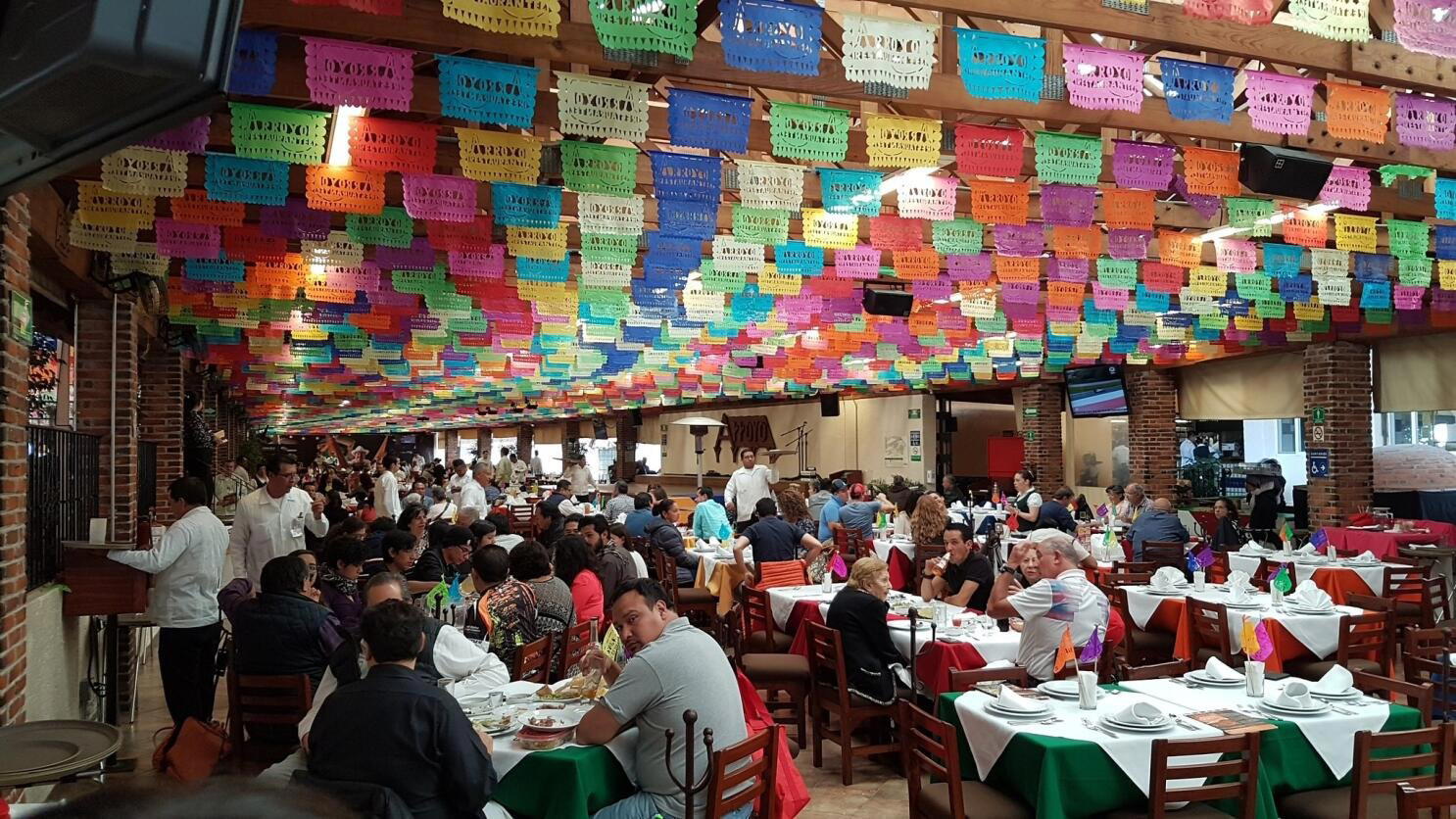
Tlalpan and the Southern Dining Shift
Mexico City's dining conversation has long concentrated in Polanco, Roma, and Condesa, where the density of internationally reviewed restaurants creates a kind of critical gravity. The southern borough of Tlalpan sits at a different register. Quieter, historically rooted, and less trafficked by the expense-account circuit, it draws a crowd that knows where it is going. Arroyo occupies an address on Avenida Insurgentes Sur deep in Santa Úrsula Xitla, a location that filters out casual visitors and rewards those who have made the trip deliberately.
That southward pull matters for understanding what Tlalpan-area dining represents. The neighbourhood carries a longer relationship with traditional Mexican cooking than the design-led restaurants of Roma Norte, where menus often court international press as much as local loyalty. Down here, the reference points are different: weekend carnivore feasts, mezcal poured without ceremony, and dining rooms that have been feeding the same families across generations. Arroyo sits inside that tradition rather than against it.
The Atmosphere South of the City Centre
Insurgentes Sur is one of the longest urban avenues in the world, and by the time it reaches Tlalpan it has shed the frenetic energy of the north. The approach to Arroyo along this stretch is already its own kind of atmospheric transition, moving from the compressed mid-city grid toward something more open, slightly colonial in texture, and noticeably slower in pace. Mexico City's southern reaches share a different relationship with space than its central neighbourhoods, and that spatial generosity tends to translate into the dining formats that take root here.
Traditional Mexican restaurants at this scale, in this part of the city, typically operate around large communal environments built for groups rather than couples or solo diners. Sound carries differently in these spaces: the percussion of a mariachi ensemble warming up, the mid-afternoon surge of families settling in for a long Sunday lunch, the clatter of clay cazuelas moving from kitchen to table. These are not quiet rooms, and they are not designed to be. The sensory register is higher, the expectation of lingering built into the architecture.
What the Southern Tlalpan Table Represents
Mexico City's most discussed restaurants, places like Pujol and Quintonil, have built their international reputations on contemporary interpretations of Mexican ingredients and technique. Both carry Michelin recognition and price at the summit tier of the city's market. The proposition at a Tlalpan institution operates from an entirely different premise: longevity and volume over curation, tradition over transformation. Where Em or Rosetta might frame a single ingredient across multiple preparations as an intellectual exercise, the southern weekend table answers a different question entirely, one about sustenance, ritual, and communal appetite.
That distinction is not a hierarchy. It reflects two genuinely separate functions that Mexico City's dining culture holds simultaneously. The tasting-menu circuit and the carnitas-and-pulque circuit coexist without contradiction, and serious eaters move between them without apology. Sud 777, located further south along the same general axis, represents a mid-point of sorts, applying contemporary technique within a southern-suburb context. Arroyo sits closer to the traditional anchor.
Mexico's Broader Regional Restaurant Culture
Understanding Arroyo's place in the Mexico City landscape also means situating it within the broader Mexican restaurant tradition that extends well beyond the capital. Regional specialists have emerged across the country, from Levadura de Olla Restaurante in Oaxaca, which foregrounds indigenous ingredients with documentary precision, to Animalón in Valle de Guadalupe, where the wine country setting shapes a format built around open fire and local producers. In Monterrey, KOLI Cocina de Origen and Pangea anchor a northern scene with distinct culinary logic, while coastal destinations like Le Chique in Puerto Morelos, HA' in Playa del Carmen, and Arca in Tulum operate in entirely different registers shaped by geography and visitor demographics.
The common thread running through particularly durable Mexican restaurants, whether in Guadalajara at Alcalde or Baja at Olivea Farm to Table in Ensenada or further north at Lunario in El Porvenir, is a rootedness to place. The restaurants that last here tend to be the ones rooted in place.
Placing Arroyo in the Visitor's Decision
For visitors working through Mexico City with a list that already includes the Polanco tasting-menu circuit, the Roma natural-wine bars, and the Condesa all-day cafes, Arroyo represents a different category of experience altogether. The distance from the city centre, roughly following Insurgentes Sur south past the university and into Tlalpan, is a practical consideration that also functions as a commitment signal. You go because you have decided to go, not because you passed it on the way somewhere else.
That intentionality tends to produce better meals, or at least more honest ones. Dining rooms that serve primarily local clientele calibrate differently than those built around visiting reviewers or expense accounts. The kitchen is accountable to repeat customers rather than to the single visit from a foreign food guide, which tends to produce food that prioritises consistency and generosity over spectacle.
Visitors planning a full day in the south of the city might pair Arroyo with time in the Tlalpan historic centre, which retains a colonial-era scale that feels genuinely distinct from the 20th-century sprawl of the rest of the city. The combination of neighbourhood context and table time rewards a slower approach than the efficiency of a Polanco lunch.
Those building a longer itinerary across the country will find useful parallels in the way international critics have approached comparable traditions: the sustained-attention model visible at Le Bernardin in New York City or the community-driven format of Lazy Bear in San Francisco both illuminate, by contrast, what makes Mexico City's traditional-format restaurants a structurally different proposition.
Know Before You Go
- Address: Av. Insurgentes Sur 4003, Santa Úrsula Xitla, Tlalpan, 14420 Ciudad de México, CDMX, Mexico
- Getting There: Arroyo sits in the southern reaches of Tlalpan along Insurgentes Sur. Uber and CABIFY are particularly reliable options from the city centre; the journey from Roma or Polanco typically runs 30-45 minutes depending on traffic.
- Leading Timing: Weekend lunchtimes are the format for which southern Mexico City restaurants of this type are designed. Arriving early in the lunch window gives more space and shorter waits.
- Price Range: About $25 per person.
Cuisine and Credentials
Comparable venues nearby, for context on price, style, and recognition.
| Venue | Cuisine | Price | Notes |
|---|---|---|---|
| ArroyoThis venue — the venue you are viewing | Traditional Mexican | $$ | Not listed |
| La Jacinta Restaurant | Casual Mexican with botanero influences | $$ | San Ángel Inn |
| Círculo del Sureste | Traditional Yucatecan | $$ | Tabacalera |
| MIGAS La Guera | Traditional Mexican Migas Soup | $$ | Unidad Candelaria Los Patos |
| El Gran Cazador | Mexican Exotic Meats & Insects | $$ | Cuauhtémoc |
| Los Arcos | Traditional Mexican Seafood | $$ | San Ángel Inn |
Continue exploring
More in Mexico City
Restaurants in Mexico City
Browse all →
Bars in Mexico City
Browse all →

At a Glance
- Lively
- Well Known
- Energetic
- Family
- Group Dining
- Celebration
- Casual Hangout
- Live Music
- Open Kitchen
Current opening hours
- Monday
- 8 AM–8 PM
- Tuesday
- 8 AM–8 PM
- Wednesday
- 8 AM–8 PM
- Thursday
- 8 AM–8 PM
- Friday
- 8 AM–8 PM
- Saturday
- 8 AM–8 PM
- Sunday
- 8 AM–8 PM
Hours can change for holidays and private events. Last verified .
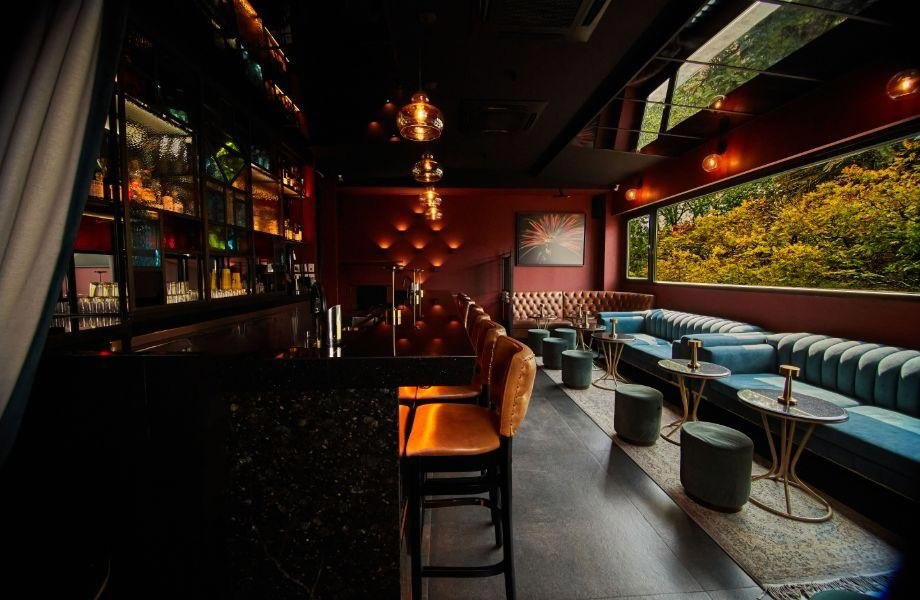
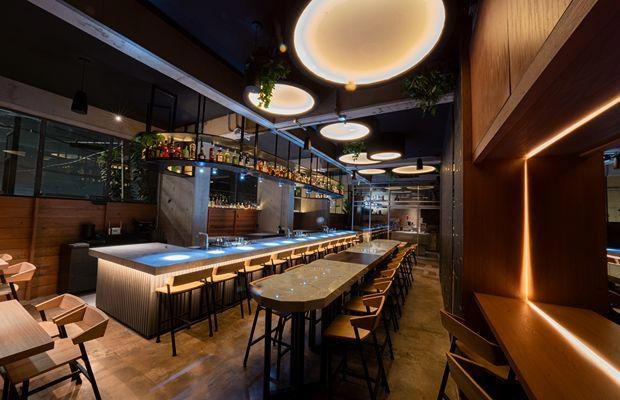
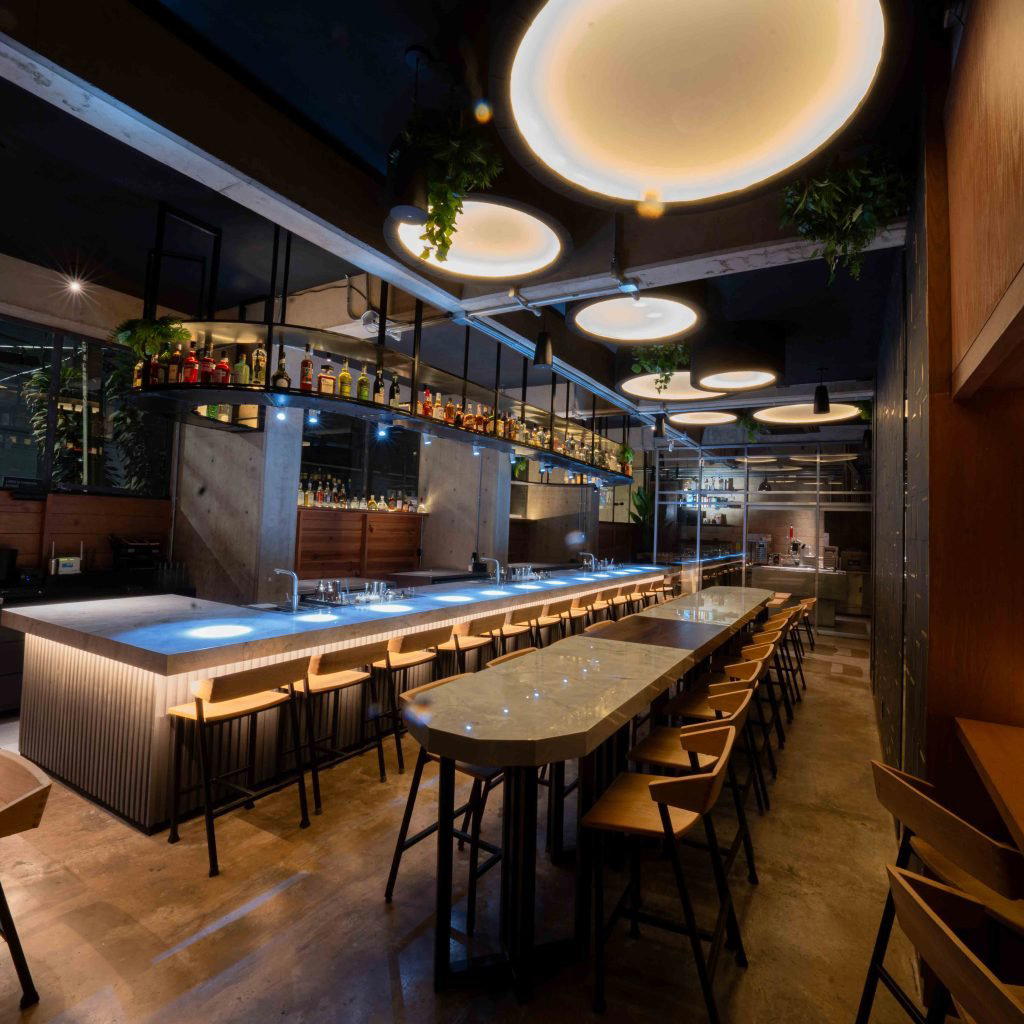
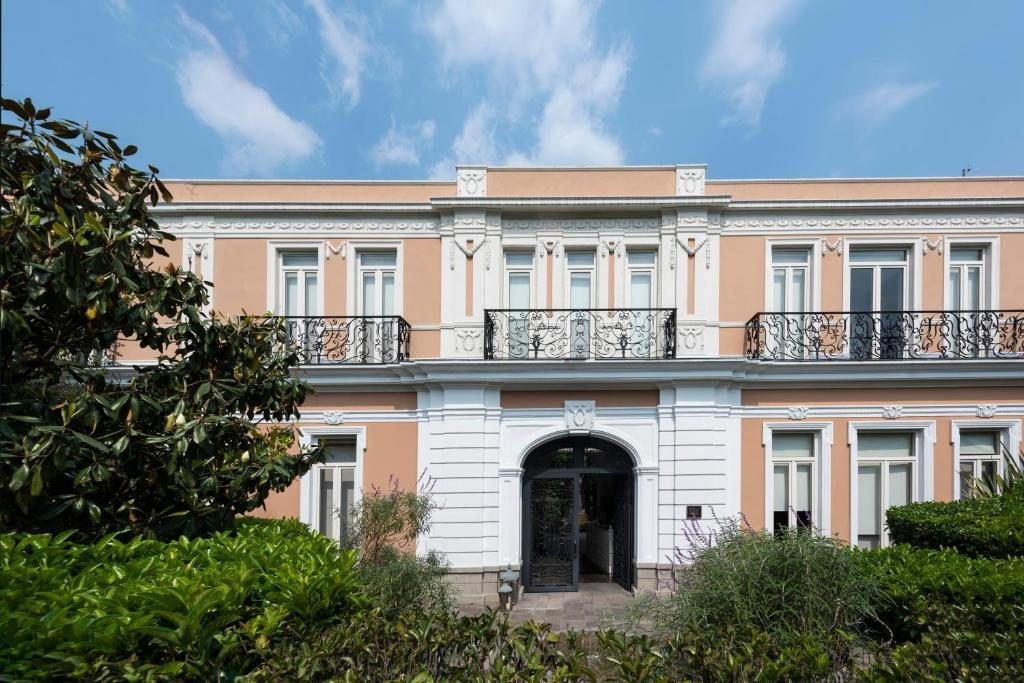
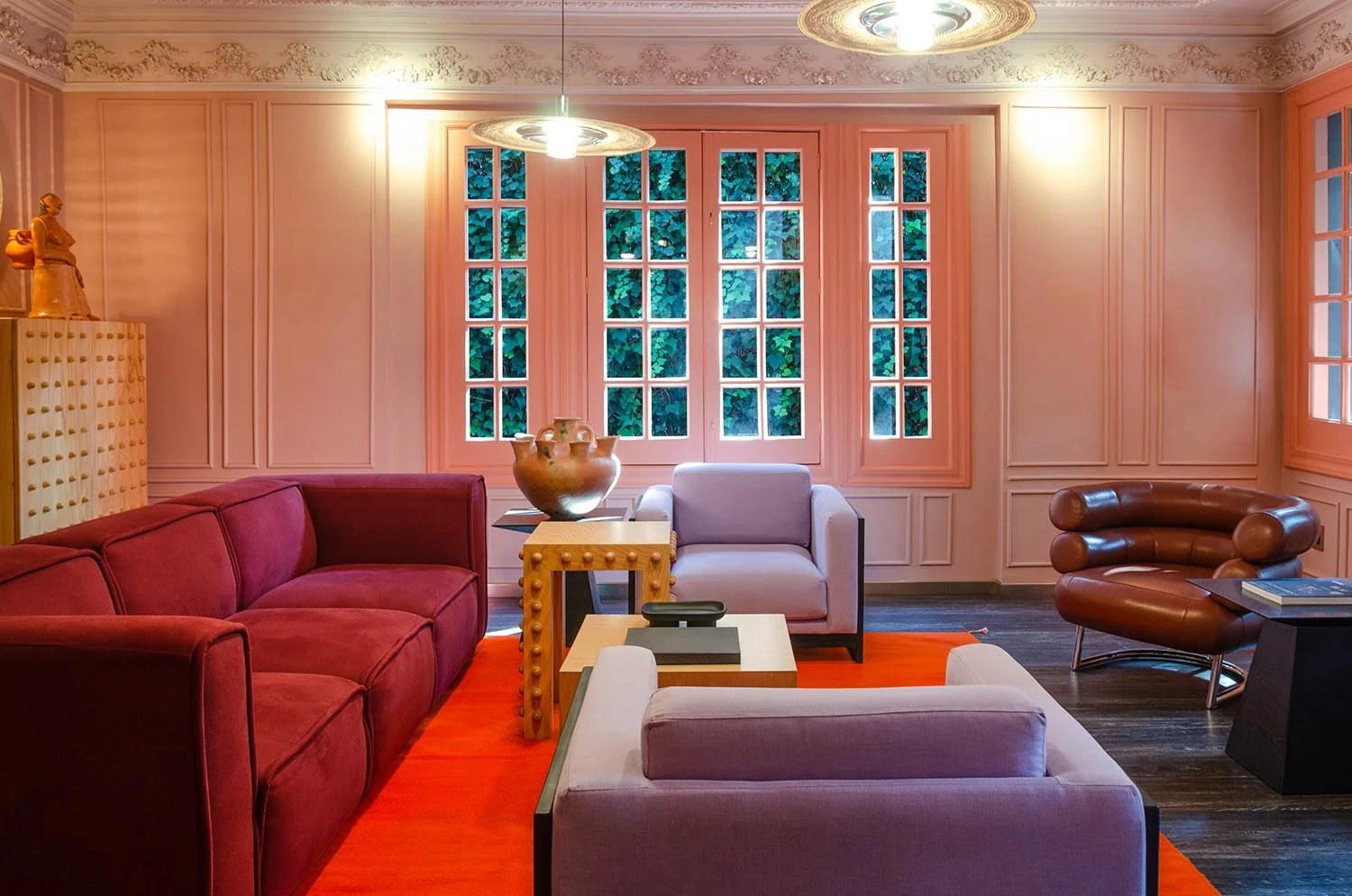
Festive atmosphere under high ceilings with colorful Mexican motifs, live mariachi bands wandering among tables, and stages for musical shows and dances.