Arrels

Washingtonian 100 Very Best Restaurants #83
Our verdict
Arrels brings a tasting-menu format to Washington D.C.'s Penn Quarter, occupying a considered dining room at 333 G St NW that positions it among the capital's more deliberate, course-driven restaurants. In a city where multi-course ambition has intensified across several neighborhoods, Arrels represents the kind of measured progression through a meal that rewards patience and attention. Reservations and current details are best confirmed directly with the venue.
The menu
What to order
- Gambas al Ajillo
- Branzino
- Conejo y Alcachofa Paella
The Architecture of a Meal in Penn Quarter
Penn Quarter has spent the better part of a decade becoming Washington D.C.'s most argument-worthy dining corridor. The blocks around the Verizon Center and the National Portrait Gallery have drawn everything from fast-casual experiments to full tasting-menu operations, and the neighborhood now holds a cross-section of the capital's dining ambitions in a relatively compact geography. It is inside this context that Arrels, at 333 G St NW, occupies its position: a restaurant whose name, borrowed from the Catalan word for "roots," signals an orientation toward sourcing and culinary origin that has become a recurring grammar among serious multi-course restaurants across American cities.
The broader shift in American fine dining over the past fifteen years has moved the focal point from single dishes to the arc of the entire meal. Restaurants from Lazy Bear in San Francisco to Smyth in Chicago have built their identities around sequenced progression rather than à la carte selection, and that format now defines the upper tier in most American cities, including Washington. Arrels belongs to this cohort in structural terms, framing the dining experience as something to be read chapter by chapter rather than sampled at will.
How the Progression Reads
In tasting-menu formats that have proven durable across American cities, the opening courses carry a particular burden. They establish the kitchen's vocabulary before the diner has any context for it. Snacks and amuse-bouche sequences, at their most disciplined, function as a compressed argument for what follows. Mid-tier courses, typically vegetables or seafood, then expand the syntax. The final savory and sweet courses close a loop the kitchen opened in the first ten minutes. The restaurants that handle this architecture with the most precision, places like The French Laundry in Napa or Atomix in New York City, treat sequencing as a compositional discipline, not merely a service format.
Arrels operates within this tradition. The name's Catalan resonance also connects to a broader pattern in contemporary American restaurants: the tendency to anchor menus in a defined regional or cultural root system, then let that anchor govern ingredient decisions and presentation choices. This approach, when executed with consistency, gives a multi-course meal the internal logic that justifies asking a diner to surrender menu control for two or three hours.
Where Arrels Sits in the D.C. Competitive Set
Washington's tasting-menu tier has grown more competitive and more differentiated over the past several years. Jônt operates a counter-style omakase format with a distinctly Japanese-influenced sequence. minibar by José Andrés has held its position at the experimental end of the spectrum for well over a decade. Meanwhile, restaurants like Albi and Causa have brought Middle Eastern and Peruvian frameworks respectively to the upper price tier, demonstrating that D.C. diners have an appetite for cuisine-specific fine dining, not just generic luxury formats. Oyster Oyster occupies a distinct lane with its vegetable-forward, sustainability-driven approach at a slightly lower price point.
Within this field, a restaurant with a roots-oriented identity and tasting-menu format competes primarily on the quality of its sourcing narrative, the discipline of its sequencing, and the degree to which its courses feel like a coherent argument rather than a collection of technically proficient plates. Those are the terms on which Penn Quarter's more deliberate restaurants are now judged. For a broader view of how Arrels fits within the capital's full dining range, the EP Club Washington D.C. restaurants guide maps the city's competitive tiers in more detail.
The Wider Context: Roots-Driven Fine Dining in American Cities
The restaurant model that Arrels evokes has parallels across the American fine dining spectrum. Blue Hill at Stone Barns in Tarrytown made farm-to-table sourcing the organizing principle of its entire tasting format, influencing a generation of kitchens. Single Thread Farm in Healdsburg extended that model to include a kaiseki-influenced sequencing discipline. Providence in Los Angeles has anchored its multi-course format in seafood sourcing with similar consistency over many years. Even Atelier Moessmer Norbert Niederkofler in Brunico has built an internationally recognized tasting format on the logic of hyper-regional ingredient commitment.
The pattern across these restaurants is consistent: the most durable tasting-menu formats are those where the sourcing logic is not a marketing layer but an actual constraint that shapes what appears on the plate. Whether Arrels achieves that level of integration in its current form is a question that the meal itself answers more reliably than any description can.
For comparison across price tiers and cities, Addison in San Diego, Emeril's in New Orleans, and Le Bernardin in New York City each represent different interpretations of how a multi-course format can be organized around a culinary identity with sufficient depth to sustain a full evening. Closer to home, The Inn at Little Washington remains the reference point for long-form, occasion-driven dining in the greater D.C. region.
Planning Your Visit
Arrels is located at 333 G St NW in Washington D.C.'s Penn Quarter, within walking distance of several Metro lines, making it accessible without a car for most visitors staying near the Mall or downtown. For a tasting-menu format restaurant in this tier and neighborhood, advance reservations are standard practice: booking windows at comparable D.C. operations typically open three to six weeks ahead for midweek tables and further out for weekend slots. Current hours, reservation availability, and pricing are best confirmed directly with the restaurant, as specific operational details were not available at time of publication.
Frequently asked questions
What is the signature dish at Arrels?
In tasting-menu formats organized around a roots-and-sourcing identity, the menu typically shifts with season and availability rather than anchoring to a fixed signature plate. For current menu information, contacting the restaurant directly is the most reliable approach. The broader cuisine approach and any current nominations or awards can also indicate what the kitchen is prioritizing at any given moment.
How hard is it to get a table at Arrels?
In D.C.'s upper tasting-menu tier, where restaurants like Jônt and minibar operate with limited seat counts and high demand, booking windows of four to eight weeks are common for prime slots. Penn Quarter restaurants in this price bracket tend to fill weekend seatings fastest. Checking the restaurant's booking channel directly and setting up alerts through third-party reservation platforms is the practical approach if your preferred date is already close.
What culinary tradition does Arrels draw from, and how does that compare to other Washington D.C. fine dining options?
The name Arrels references Catalan roots, suggesting a Mediterranean or Iberian culinary orientation that would place it in a distinct lane from the Japanese-influenced counter formats (Jônt), the Levantine approach at Albi, or the Peruvian framework at Causa. In D.C.'s increasingly differentiated fine dining field, a cuisine-specific identity at the tasting-menu level tends to attract diners seeking a defined cultural throughline rather than a neutral luxury format.
Cuisine and Awards Snapshot
| Venue | Cuisine | Price | Awards | Notes |
|---|---|---|---|---|
| ArrelsThis venue (the venue you are viewing) | Modern Spanish Tapas | Not listed | Washingtonian 100 Very Best Restaurants #83 | Not listed |
| Oyster Oyster | Modern Vegetable-Focused Tasting Menu | Not listed | 1 Michelin Star · James Beard Award Outstanding Chef #1 | New American, Vegetarian, Vegetarian (Sustainable) |
| Albi | Modern Levantine Fine Dining | $300–500 | 1 Michelin Star · World's 50 Best #6 | United States, Middle Eastern |
| Causa | Modern Peruvian Fine Dining | $150–200 | 1 Michelin Star · James Beard Award Best Chef: Mid-Atlantic | Peruvian |
| Rooster & Owl | Modern Global Fusion Fine Dining | $50–100 | 1 Michelin Star · Washingtonian 100 Very Best Restaurants #65 | Contemporary |
| Rose’s Luxury | Modern American Fine Dining | $200–300 | 1 Michelin Star · James Beard Award Best Chefs | New American, Contemporary |
Recognition history
Dated appearances from independent guides and award organizations, with the underlying list record or original source where available.
Washingtonian 100 Very Best Restaurants #83
Washingtonian
Arrels
Featured Guides

Continue exploring
More in Washington DC
Restaurants in Washington DC
All restaurants in Washington DC →
Bars in Washington DC
All bars in Washington DC →



Details
- Modern
- Elegant
- Cozy
- Date Night
- Special Occasion
- Business Dinner
- Open Kitchen
- Chefs Counter
- Hotel Restaurant
- Craft Cocktails
- A La Carte
- Small Plates
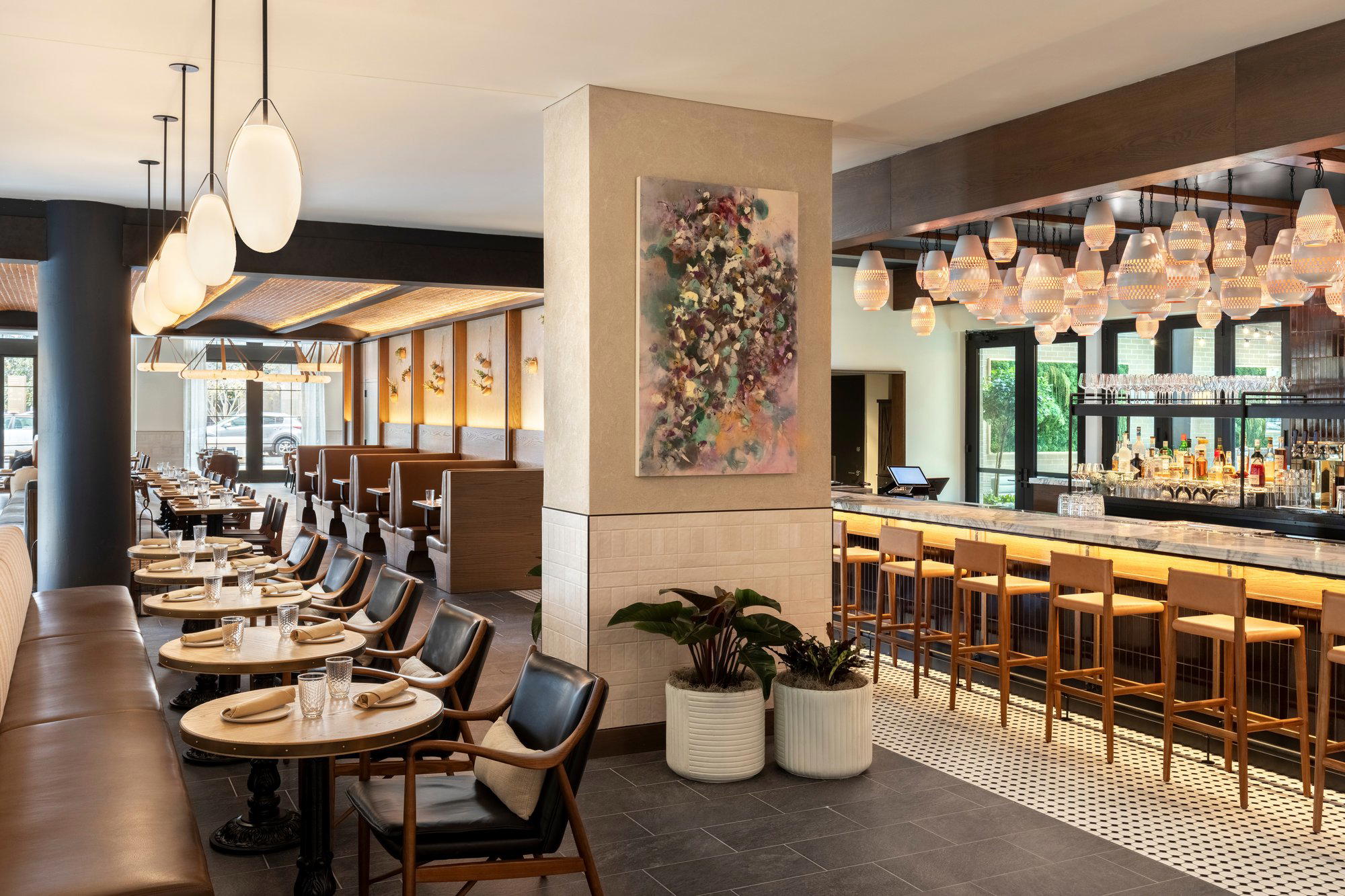
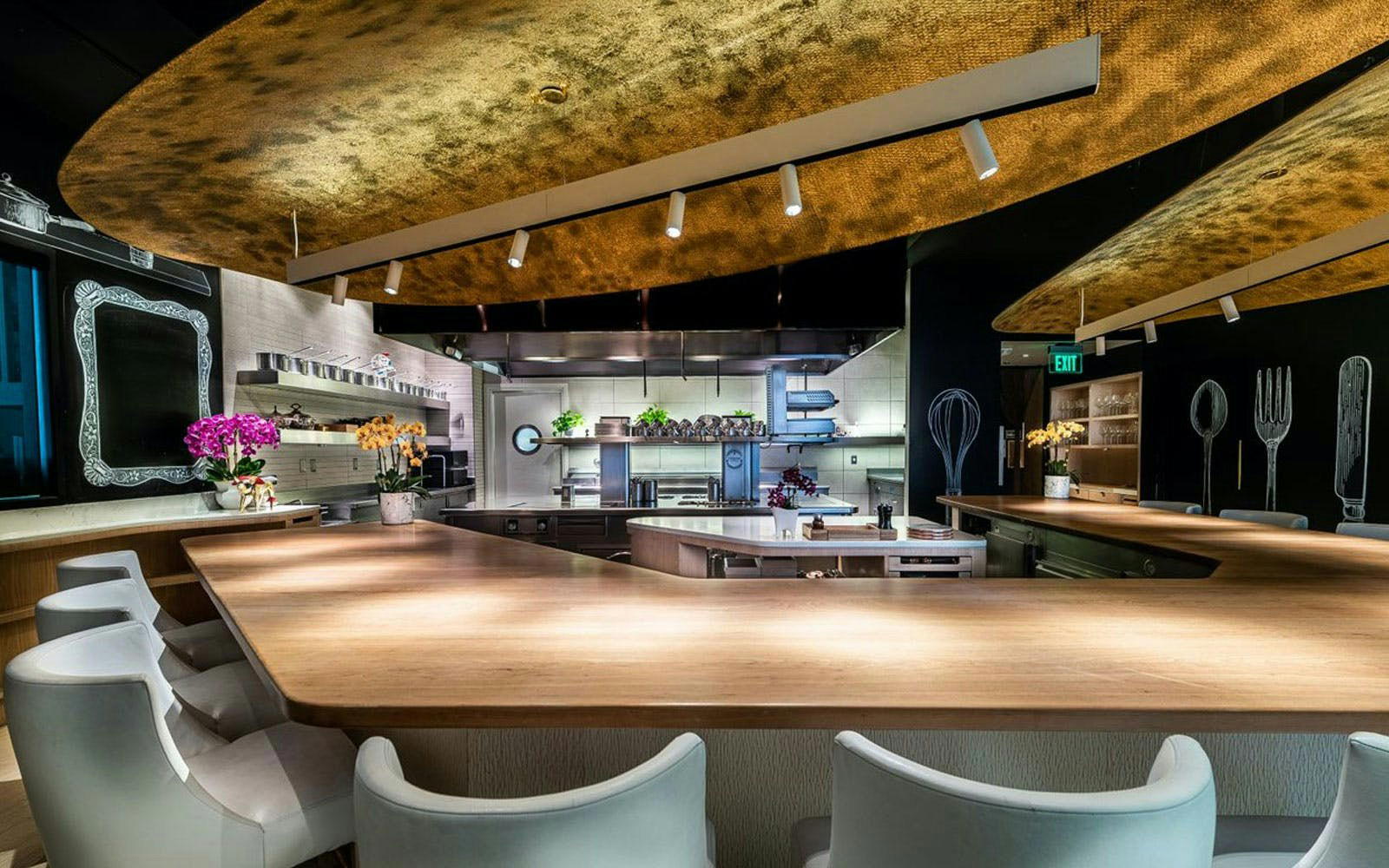
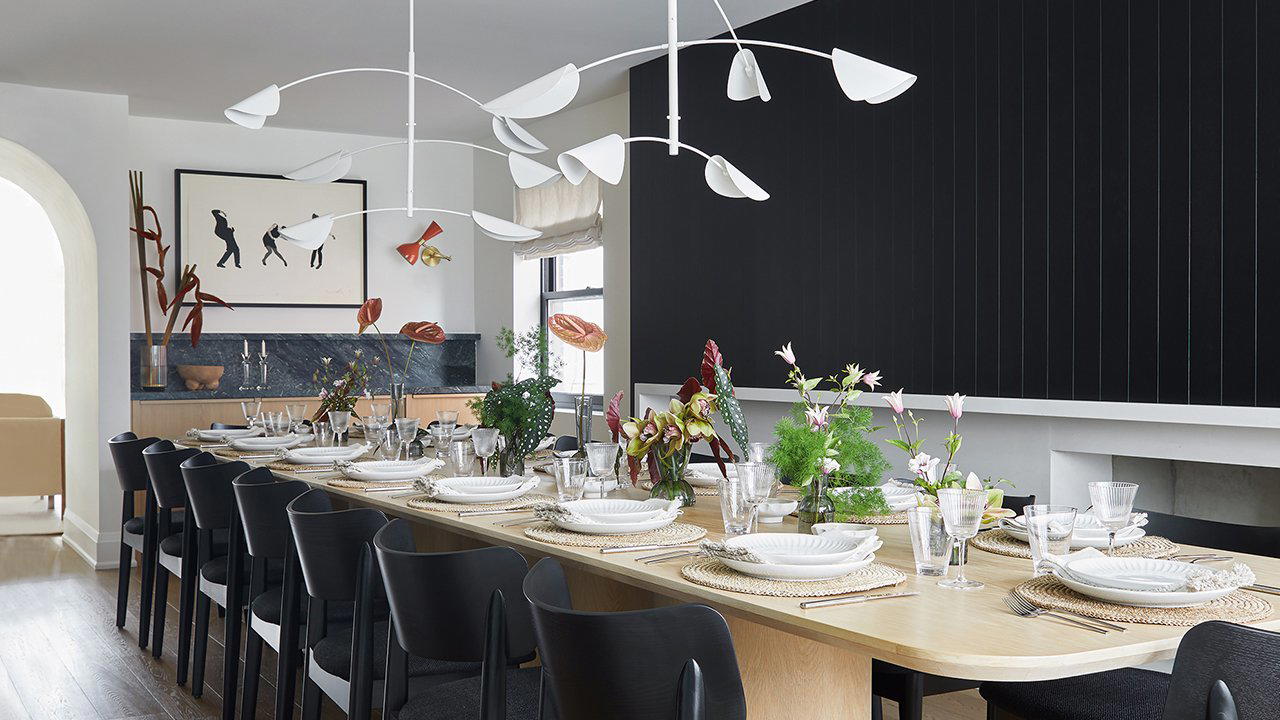
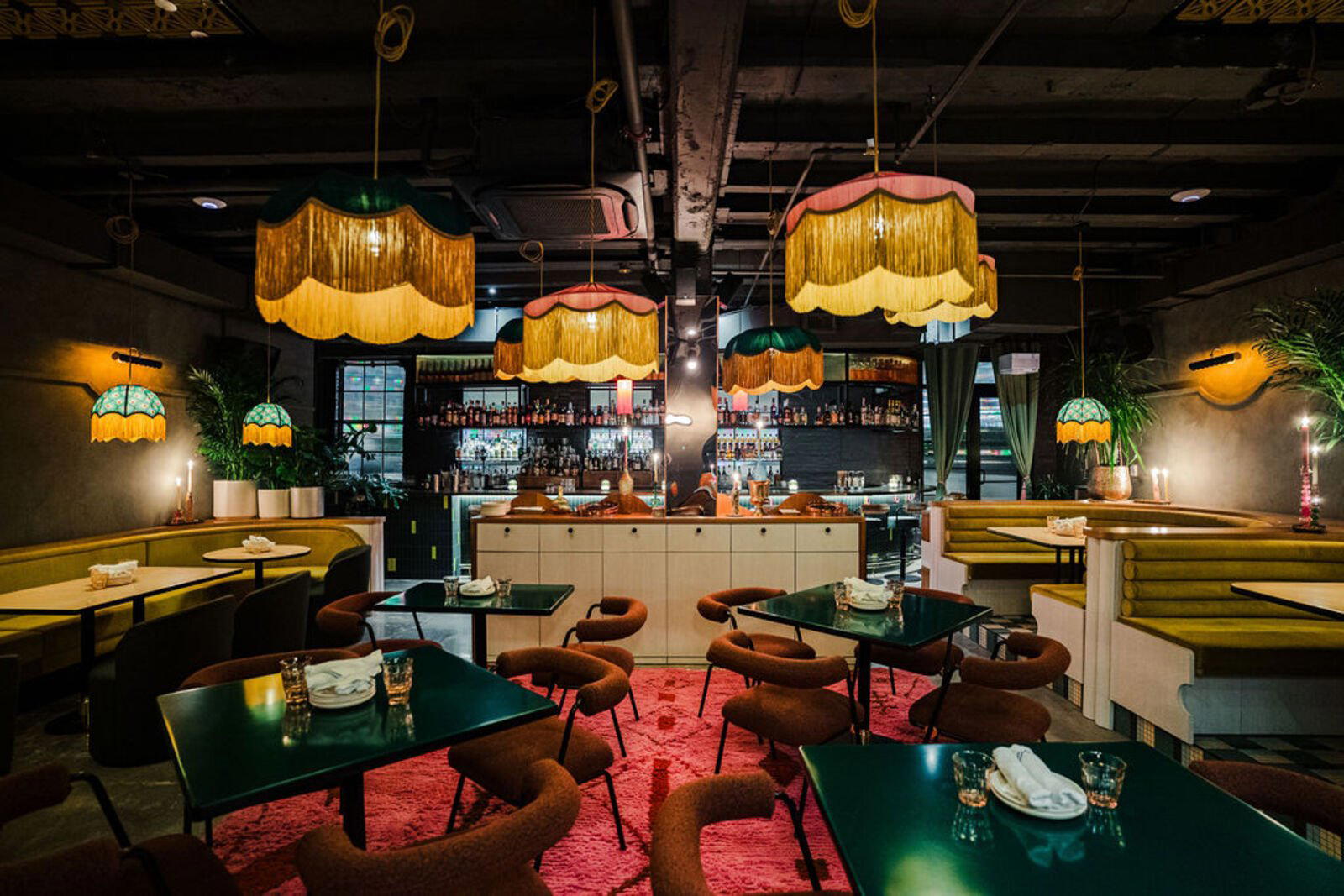
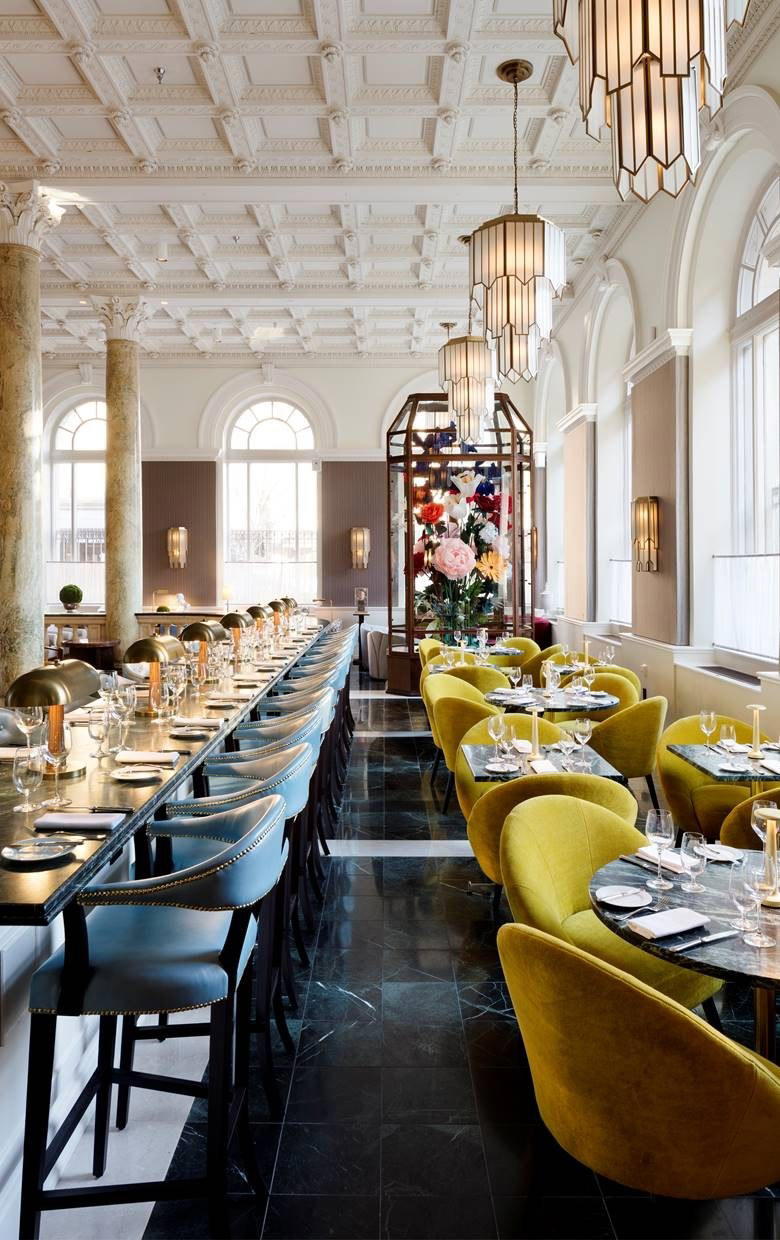
Warm hospitality with an open kitchen providing culinary theater through large windows and chef's counter seating.