Bulerias Tapas
Bulerias Tapas occupies the third floor of a Wicker Park address on West North Avenue, placing Spanish small-plate dining inside one of Chicago's most food-forward neighbourhoods. The format trades on the tapas tradition of shared, ingredient-led eating rather than formal plating, a format that travels well to a city where casual ambition increasingly defines the mid-tier dining scene.
Pearl is the En Primeur Club membership app — saves, bookings, and concierge access live there. Same editors, same standards.
- Address
- 2507 W North Ave Floor 3, Chicago, IL 60647
- Phone
- +17734042855
- Website
- buleriaschicago.com
- Directions
- Get directions
 Saves & bookings on Pearl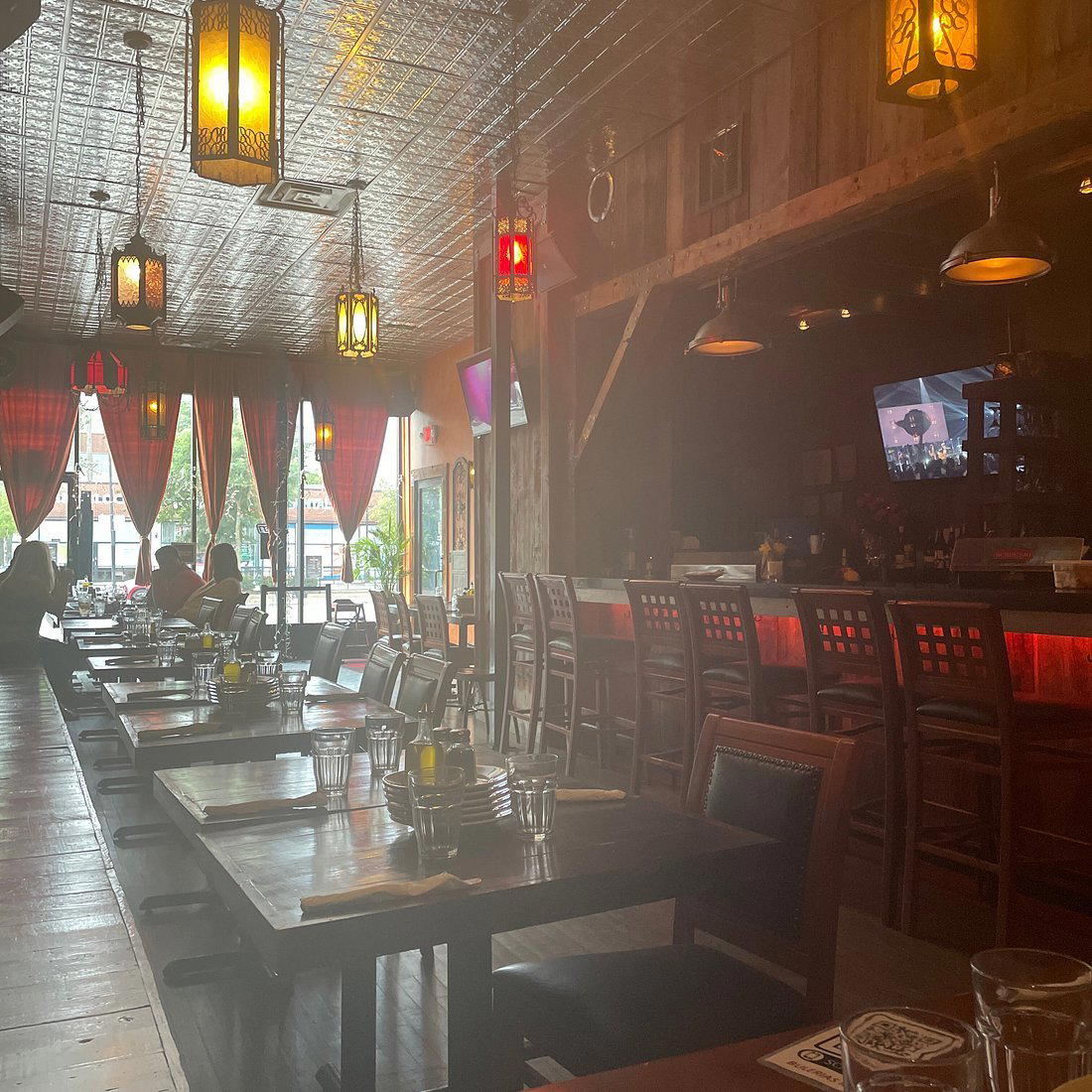
Third Floor, Wicker Park: What the Address Tells You
Bulerias Tapas is a casual Spanish tapas restaurant at 2507 W North Ave Floor 3, Chicago, IL 60647, with. The neighbourhood's West North Avenue stretch sits a few blocks from the kind of progressive tasting-menu rooms, Smyth, Oriole, Alinea, that have made Chicago a serious reference point in American fine dining. Bulerias Tapas occupies a different register entirely: a third-floor room at 2507 W North Ave that pulls the Spanish tapas tradition into a city where shared-plate formats have moved steadily upmarket without always keeping pace on sourcing integrity.
The third-floor position matters physically. You arrive at a ground-level entrance, climb past the street noise, and reach a room that feels deliberately removed from the boulevard below. In Spanish bar culture, the distance from the street often signals the transition from casual pintxos counters to something slower and more considered. Here, that vertical displacement frames an expectation before a plate arrives.
The Sourcing Logic Behind the Tapas Format
Tapas, in their Andalusian origins, were never primarily about portion size. The format emerged from a logic of quality over quantity: a few precisely sourced ingredients, applied with minimal interference, repeated across many small servings. The name Bulerias itself references a fast, rhythmic flamenco form from Jerez, a corner of southern Spain where sherry production, jamón ibérico culture, and the freshest Atlantic seafood converge in a cuisine built almost entirely on provenance rather than technique.
That sourcing-first framework is what separates serious tapas from the generalist small-plate format that has proliferated across American cities. The difference shows most clearly in a few key categories: cured products, tinned seafood, and the quality of olive oil and vinegar used as finishing elements. Spanish cuisine at its most honest is largely an argument that great ingredients require almost no cooking, the jamón carves itself, the anchovy needs only good bread, the aged Manchego speaks without adornment.
Restaurants like Single Thread Farm in Healdsburg and Blue Hill at Stone Barns in Tarrytown have built their entire identity around this sourcing-first philosophy at the high end of American dining. At the tapas scale, the same principle applies but the execution is more exposed: there is nowhere to hide a mediocre anchovy under a sauce, nowhere to disguise a poor olive oil with a reduction. The ingredient is the dish.
Wicker Park's Dining Character and Where Tapas Fit
Chicago's dining conversation tends to centre on its tasting-menu tier. Kasama holds a Michelin star in the Filipino fine-dining space; Next Restaurant operates on a ticketed, rotating-concept model that treats the dining room as a programme rather than a fixed entity. These are restaurants designed to be events.
The tapas format operates on a different social contract. The meal is designed to expand and contract with the table's appetite, to support conversation rather than demand it pause for a procession of courses. In cities with strong Spanish immigrant communities, New York, Miami, Los Angeles, tapas bars have long served as neighbourhood anchors rather than destination restaurants. Chicago's Spanish dining scene has historically been thinner, which means that a tapas room in Wicker Park draws from a neighbourhood audience rather than a city-wide one, and that distinction shapes everything from pacing to price sensitivity.
For a point of comparison at the serious end of ingredient-led dining in other American cities, Le Bernardin in New York City represents what sourcing discipline looks like when applied to seafood at the highest tier. Providence in Los Angeles takes a similar position on the West Coast. The tapas format at Bulerias operates at a different price point and with a different intention, but the underlying logic, that the quality of the primary ingredient determines the quality of the dish, is consistent across those tiers.
How This Room Compares to the City's Broader Spanish Offering
Chicago's Spanish dining options are narrower than those in cities with large Spanish-American populations. That relative scarcity means a dedicated tapas address in Wicker Park is not competing against a dense field of peers in the same neighbourhood. The competitive set is less about comparable Spanish restaurants and more about how the format competes for the same occasion as other casual-but-considered mid-tier rooms in the area.
Restaurants like Lazy Bear in San Francisco, Frasca Food & Wine in Boulder, and Emeril's in New Orleans each represent a regional dining identity expressed through a specific format discipline. The tapas model has its own equivalent discipline: the menu should be read as a sourcing list as much as a food list. What produce is coming in this week, which conservas have arrived, what vinegar is on the shelf, these are the variables that determine what a good tapas kitchen sends out.
At the international reference level, Atelier Moessmer Norbert Niederkofler in Brunico has built a globally recognised argument for sourcing-led cuisine as a complete creative framework. The tapas tradition makes an analogous argument at a different scale: the discipline is not about technical showmanship but about knowing where your product comes from and having the restraint to leave it largely alone.
Know Before You Go
Address: 2507 W North Ave, Floor 3, Chicago, IL 60647
Neighbourhood: Wicker Park
Format: Spanish tapas, shared plates
Booking: Walk-in friendly; hours are Mon to Thu and Sun 4 to 9 PM, Fri and Sat 4 to 10:30 PM.
Getting There: Address is 2507 W North Ave Floor 3, Chicago, IL 60647.
Timing Note: Open Mon to Thu and Sun 4 to 9 PM, and Fri and Sat 4 to 10:30 PM.
- Paella
- Gambas al Ajillo
- Patatas Bravas
- Croquetas
- Datiles
- Tortilla Española
Price Lens
Comparable venues nearby, for context on price, style, and recognition.
| Venue | Cuisine | Price |
|---|---|---|
| Bulerias TapasThis venue — the venue you are viewing | Humboldt Park, Authentic Spanish Tapas | $$ |
| Azucar Tapas & Cocktails | Logan Square, Spanish Tapas | $$ |
| Call Your Mother | Wicker Park, Modern Bagel Deli | $$ |
| Barcocina West Town | West Town, Modern Mexican | $$ |
| Big Star West Town | West Town, Mexican Seafood Taqueria | $$ |
| Saigon Sisters | West Loop, Modern Vietnamese Street Food | $$ |


At a Glance
- Lively
- Energetic
- Well Known
- Casual Hangout
- Group Dining
- After Work
- Late Night
- Live Music
- Beer Program
Current opening hours
- Monday
- 4–9 PM
- Tuesday
- 4–9 PM
- Wednesday
- 4–9 PM
- Thursday
- 4–9 PM
- Friday
- 4–10:30 PM
- Saturday
- 4–10:30 PM
- Sunday
- 4–9 PM
Hours can change for holidays and private events. Last verified .
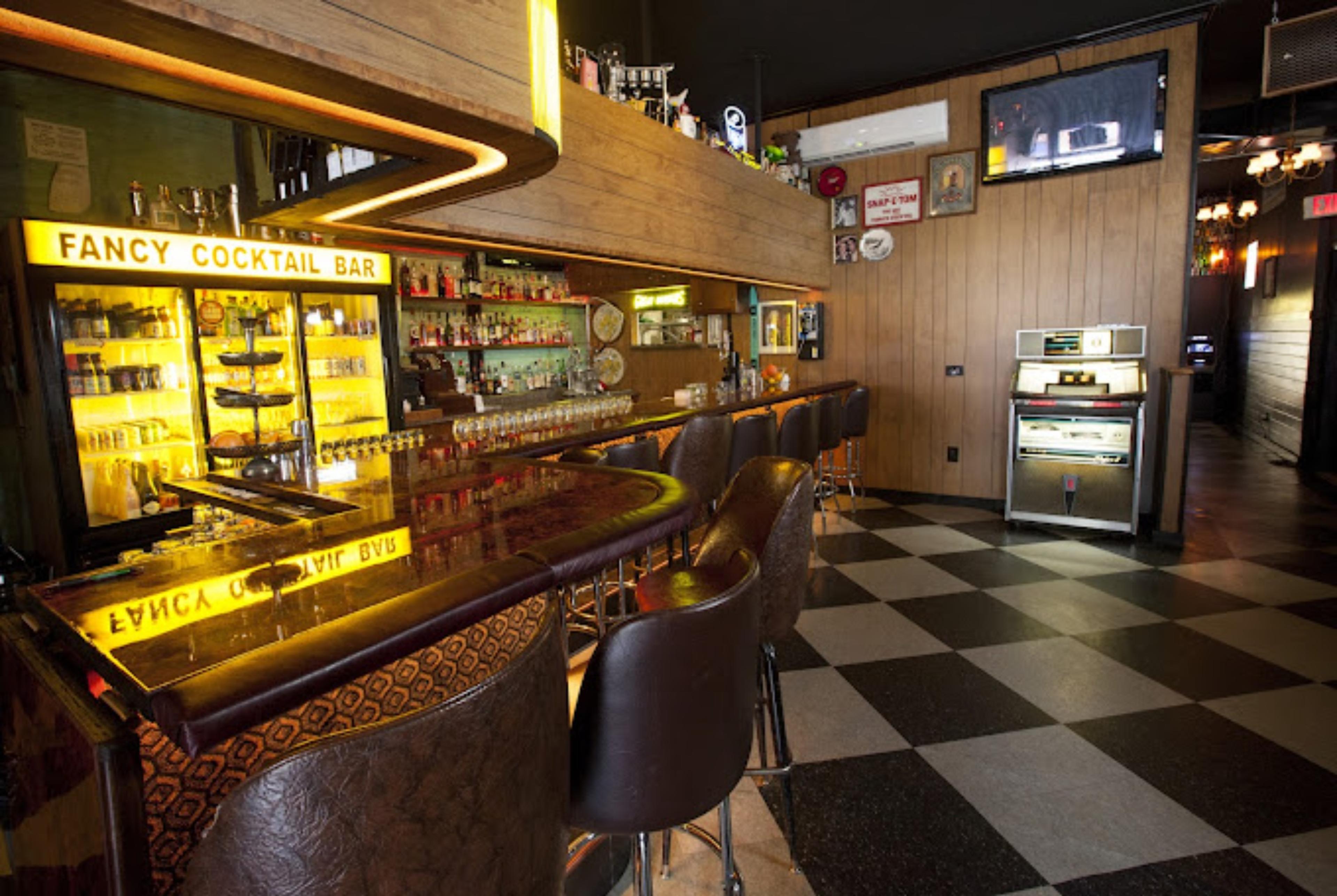
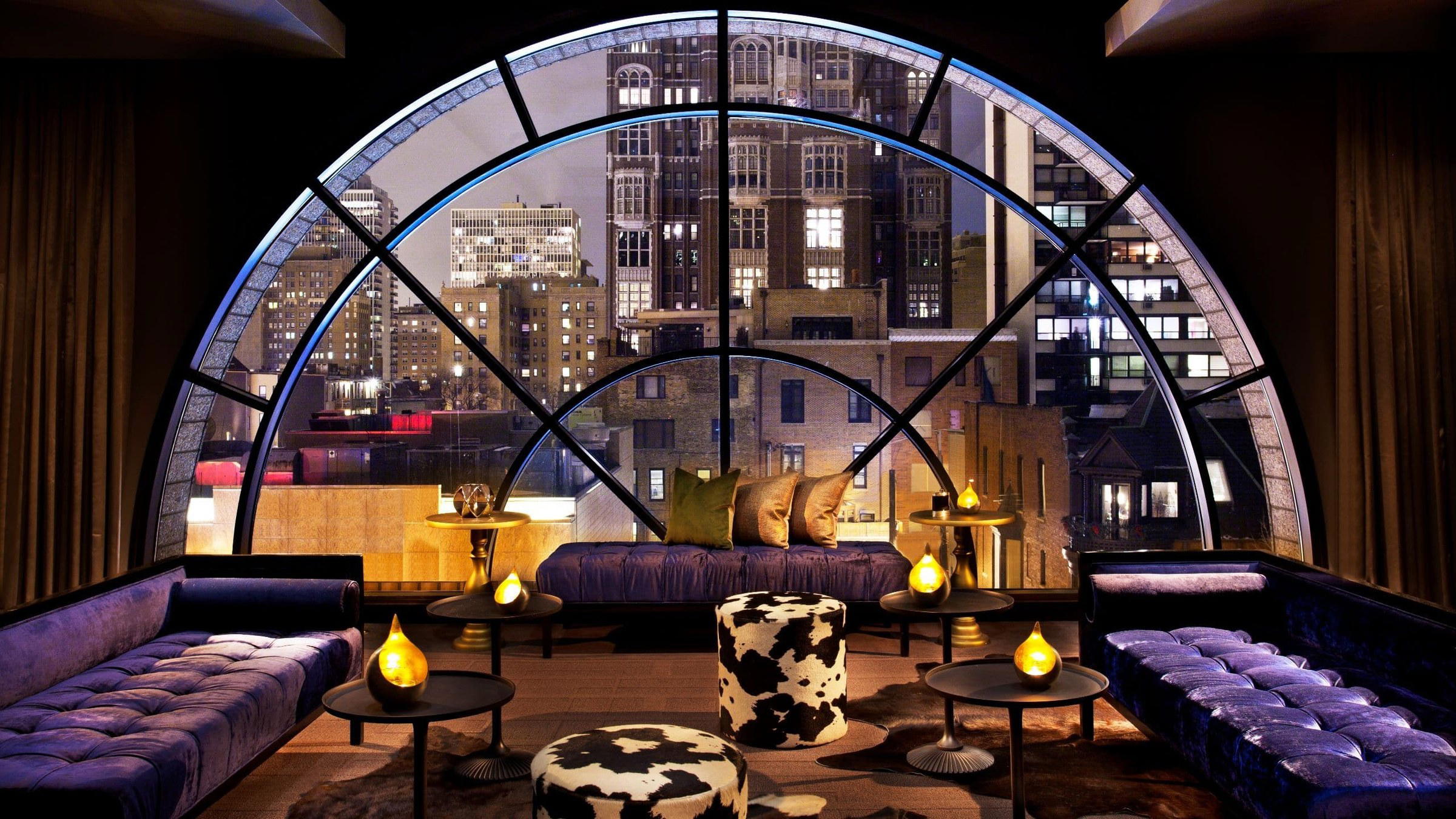
Lively and energetic with passionate staff energy; described as a fun, casual place to unwind with lively atmosphere.