Appalachia Kitchen
Our verdict
Appalachia Kitchen sits at 5811 Snowshoe Drive in Snowshoe, West Virginia, drawing on the Allegheny highlands tradition of cooking close to the land. The restaurant occupies a niche in a ski-resort town with few serious dining options, making it the most deliberate food stop in the area. For visitors arriving from the slopes, it offers a grounding point between mountain recreation and regional cuisine.

Pearl is the En Primeur Club membership app — saves, bookings, and concierge access live there. Same editors, same standards.
- Address
- 5811 Snowshoe Dr, Snowshoe, WV 26209
- Phone
- (304) 572-2030
- Website
- appalachiakitchen.com
- Directions
- Get directions
The menu
What to order
- Venison Meatloaf with Red Wine Demi-Glace
- Char Grilled Filet Mignon with Bordelaise Sauce
- Pan-Seared Atlantic Swordfish
- Pork Belly
- Tuna Tartare
- Beet Salad
- Scallops
- Mussels
- Pan Roasted Chicken with Squash Risotto
Cooking at Altitude: Mountain Sourcing in West Virginia's Allegheny Highlands
Resort dining in the American mountain interior has long operated on a short menu of assumptions: proximity to a ski lift justifies frozen proteins, generic comfort food, and the kind of institutional consistency that prioritizes throughput over intention. The Allegheny Highlands of West Virginia sit far enough from the culinary infrastructure of the Eastern Seaboard that most kitchens in the region default to that model. Appalachia Kitchen, at 5811 Snowshoe Drive in Snowshoe, WV, positions itself differently. The name is a statement of geography and, implicitly, of sourcing logic: the Appalachian region's forested ridgelines, river valleys, and small-scale agricultural producers offer a distinct pantry that has historically been overlooked by ambitious American kitchens in favor of more fashionable regional identities. That oversight has been correcting itself gradually across the broader American dining scene, and restaurants that anchor their menus to this particular piece of terrain are doing serious editorial work on what Southern Appalachian cooking actually means.
For context on how ingredient sourcing defines restaurant identity, consider how operations like Blue Hill at Stone Barns in Tarrytown and Single Thread Farm in Healdsburg have built entire dining programs around the logic of place-specific agriculture. Both sit at the top of their respective price tiers, and both treat sourcing transparency as a primary editorial commitment. The Snowshoe context is materially different: Appalachia Kitchen operates within a mountain resort ecosystem, not a destination dining corridor, which means the sourcing story serves a different kind of diner, often one who arrived primarily for the mountain and is discovering the food as a secondary experience.
The Allegheny Pantry and What It Actually Offers
West Virginia's agricultural character is shaped by terrain. The state's ridges and hollows have historically sustained small farms, wild ramps, pawpaws, black walnuts, sourwood honey, and trout fisheries. These are not exotic ingredients by global standards, but they are genuinely place-specific: ramps, for instance, grow across a wide Appalachian arc and have a short spring harvest window that no amount of supply-chain management can extend. Black walnuts carry a bitterness and depth that differentiates them sharply from the commercially dominant California English walnut. Wild game and venison move in and out of regional kitchens depending on season and regulatory framework. A restaurant that takes this pantry seriously is working with ingredients that carry verifiable regional identity, the kind of sourcing logic that informs operations like Smyth in Chicago and The Wolf's Tailor in Denver, both of which have built critical reputations around translating specific agricultural terroir into a dining format.
The broader American conversation about ingredient provenance has moved well past novelty. Oyster Oyster in Washington, D.C. has built a nationally recognized program around hyper-local and foraged sourcing. Lazy Bear in San Francisco treats American regional food traditions as the raw material for technically ambitious cooking. What distinguishes Appalachia Kitchen's geographic position is that the Snowshoe area sits within a few hours' drive of a cluster of serious Appalachian producers, yet the region itself remains relatively underdocumented as a culinary source compared to the Carolinas or coastal Virginia. That gap between sourcing potential and public recognition is exactly the condition that tends to produce interesting restaurants.
Resort Dining Context: Where Appalachia Kitchen Sits in Snowshoe
Snowshoe Mountain Resort is West Virginia's primary alpine destination, operating at roughly 4,800 feet of elevation on Cheat Mountain. The resort draws skiers, mountain bikers, and hikers across seasons, and its food-and-beverage infrastructure is organized primarily around that traffic. Most resort dining in this format prioritizes speed and familiarity: casual bars, grab-and-go operations, and mid-market sit-down formats that serve a large volume of guests with variable culinary interests. Within that ecosystem, a restaurant that makes an explicit commitment to regional Appalachian food culture occupies a distinct and relatively uncrowded position. For visitors spending more than a day or two at Snowshoe, it represents the most considered dining option in the immediate area. Our full Snowshoe restaurants guide maps the broader dining options across the resort and surrounding area.
For comparison, consider how destination restaurants in other American mountain resort towns have navigated the same dynamic. Frasca Food and Wine in Boulder operates at a James Beard Award level within a university and outdoor recreation city. Addison in San Diego holds a Michelin star while serving a leisure-oriented market. Both demonstrate that serious culinary ambition and resort-adjacent geography are not mutually exclusive, though both also operate in cities with substantially deeper culinary infrastructure than Snowshoe.
How to Approach a Visit
Snowshoe's seasonal rhythms shape when a visit to Appalachia Kitchen makes most sense. The resort's peak seasons run winter (ski season, roughly December through March) and summer (mountain biking and hiking, peaking in July and August), with shoulder periods in spring and fall that see reduced visitor traffic and, in some resort-based restaurants, reduced operating hours or limited programming. Spring is also when Appalachian foragers are most active, with ramp season typically running late March through early May in West Virginia's higher elevations, which makes it a particularly interesting moment for a restaurant anchored to regional sourcing if it is tracking that calendar. The address at 5811 Snowshoe Drive places it within the resort's central village infrastructure, accessible on foot from the main base area. Given the resort context, checking current operating hours before visiting is advisable, as mountain resort restaurants adjust schedules more frequently than urban counterparts.
The broader American mountain dining scene is worth situating here. Operations like The Inn at Little Washington in Virginia and Bacchanalia in Atlanta have demonstrated that the mid-Atlantic and Appalachian South can support serious, regionally grounded dining. Emeril's in New Orleans and Providence in Los Angeles each built nationally recognized programs around a declared regional identity. Le Bernardin in New York City, Atomix in New York City, and The French Laundry in Napa operate at a different price tier and competitive set entirely, but the underlying logic of translating geographic specificity into a dining identity connects across all of them. ITAMAE in Miami and Atelier Moessmer Norbert Niederkofler in Brunico each demonstrate how mountain and regional terroir can anchor a dining program with international credibility. Appalachia Kitchen's ambition, whatever its current scope, exists within that broader movement.
Frequently asked questions
Is Appalachia Kitchen child-friendly?
Snowshoe Mountain Resort at 5811 Snowshoe Dr draws a broad family demographic across its ski and summer seasons, and resort-anchored restaurants typically accommodate families. Appalachia Kitchen sits within that resort infrastructure, making a family-friendly format the reasonable expectation. Confirm specific children's menu availability directly with the resort before visiting.
What is the atmosphere like at Appalachia Kitchen?
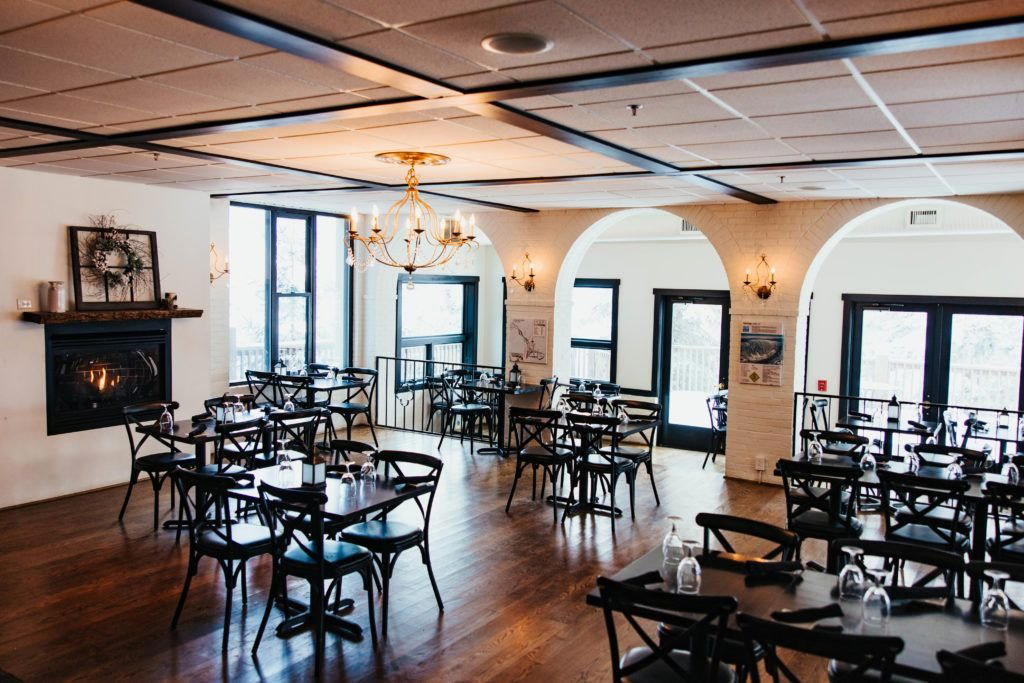
Positioned inside Snowshoe Mountain Resort on Cheat Mountain at roughly 4,800 feet elevation, the setting frames the dining experience with the physical context of the Allegheny Highlands. Resort mountain dining at this altitude tends toward a relaxed, post-activity register rather than formal service. The venue's name signals a deliberate regional identity, suggesting interiors and tone that reflect Appalachian character rather than generic alpine genericness.
Does Appalachia Kitchen serve food that reflects West Virginia's foraging and farming traditions?
The venue's name and its location within the Allegheny Highlands of West Virginia point directly to a regionally grounded approach. West Virginia's terrain has historically produced wild ramps, pawpaws, and small-farm products that define Appalachian food culture, ingredients rarely featured in resort dining elsewhere. Whether the current menu draws on that pantry seasonally is best confirmed with the restaurant at 5811 Snowshoe Dr, Snowshoe, WV 26209, but the regional framing is the restaurant's stated identity.
What's the best thing to order at Appalachia Kitchen?
What the venue's positioning within West Virginia's Allegheny Highlands does suggest is an orientation toward regional ingredients: the state's wild ramps, pawpaws, and small-farm products have shaped the local food culture across these ridges and hollows. Ask staff on arrival which items reflect current seasonal sourcing from the surrounding region.
What's the address for Appalachia Kitchen?
Appalachia Kitchen is located at 5811 Snowshoe Dr, Snowshoe, WV 26209, Snowshoe.
Is Appalachia Kitchen reservation-only?
During Snowshoe Mountain Resort's peak seasons — ski season from roughly December through March and summer from June through August — demand across resort dining increases considerably. Contacting the resort directly ahead of a visit is advisable during those windows.
What is Appalachia Kitchen known for?
Appalachia Kitchen operates within Snowshoe Mountain Resort in West Virginia and positions itself around the regional food character of the Allegheny Highlands. In a resort dining context where convenience often overrides provenance, a focus on Appalachian sourcing — wild foraged ingredients, local farm products, and the specific agricultural identity of West Virginia's ridge-and-hollow terrain — distinguishes the concept from standard mountain resort fare. The venue's name makes the regional commitment explicit.
At-a-Glance Comparison
| Venue | Cuisine | Price | Awards | Notes |
|---|---|---|---|---|
| Appalachia KitchenThis venue — the venue you are viewing | Farm-to-Table Modern American | $30–50 | Not listed | Not listed |
| Le Bernardin | French Seafood Fine Dining | $300–500 | 3 Michelin Stars · World's 50 Best #13 | French, Seafood |
| Lazy Bear | Modern American Tasting Menu | Not listed | 2 Michelin Stars · World's 50 Best #25 | Progressive American, Contemporary |
| Atomix | Modern Korean Tasting Menu | $300–500 | 2 Michelin Stars · World's 50 Best #7 | Modern Korean, Korean |
| Per Se | French Fine Dining Tasting Menu | $300–500 | 3 Michelin Stars · World's 50 Best #40 | French, Contemporary |
| Masa | Traditional Japanese Omakase | $500+ | 2 Michelin Stars · World's 50 Best #27 | Sushi, Japanese |
Appalachia Kitchen
The wine
- Wine program
- Curated wine list
- Extensive wine list
Details
- Elegant
- Cozy
- Romantic
- Scenic
- Date Night
- Special Occasion
- Celebration
- Group Dining
- Family
- Panoramic View
- Private Dining
- Terrace
- Extensive Wine List
- Farm To Table
- Local Sourcing
- Mountain
- A La Carte
- Wine
- Vegetarian Friendly
Moody and high-end with candlelit tables, large windows offering mountain views, cozy fireplace during winter, and spacious dining room with elegant but casual atmosphere.