The Greenbrier
The Greenbrier is a historic resort in White Sulphur Springs, West Virginia, occupying a 19th-century white-columned estate in the Allegheny Mountains. Few American resort properties carry this density of architectural, political, and cultural history in a single address. It operates in a tier of American grand resort hotels where the building itself is the primary argument for the visit.

Pearl is the En Primeur Club membership app — saves, bookings, and concierge access live there. Same editors, same standards.
- Address
- 101 W Main St, White Sulphur Springs, WV 24986
- Phone
- (844) 837-2466
- Website
- greenbrier.com
- Directions
- Get directions
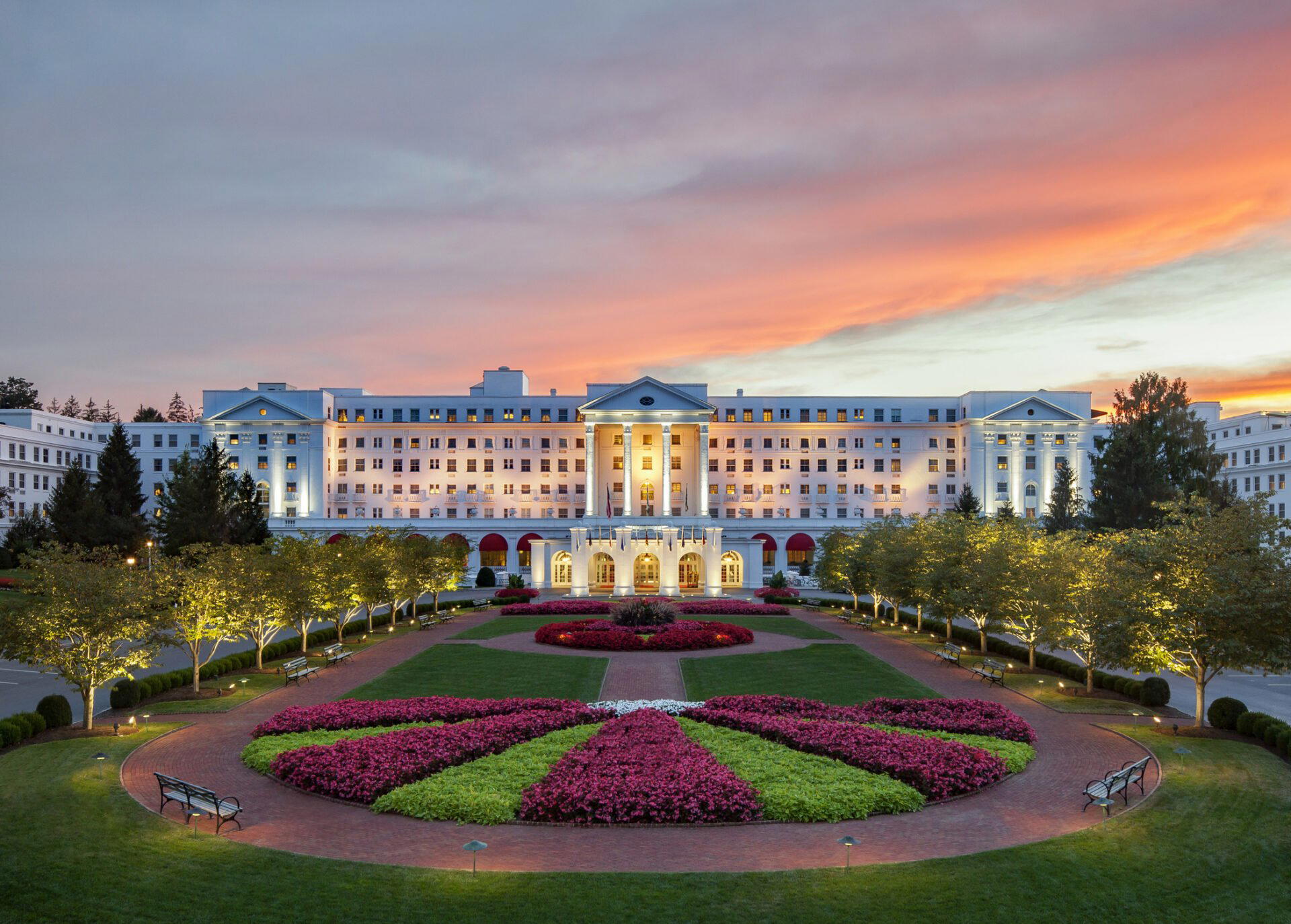
A Grand Resort Built Before the Category Existed
The approach to The Greenbrier tells you most of what you need to know before you reach the entrance. The long drive through the Allegheny foothills of West Virginia delivers you to a white-columned Georgian Revival facade that sits at a scale and address quite unlike anything else in the American South or Mid-Atlantic. This is not a property that renovated itself into grandeur. The bones predate the American Republic's mature form, with the site's history as a mineral spring destination stretching back to the late 18th century and the current main hotel building dating to 1913. For readers considering American grand resort hotels, see our full White Sulphur Springs restaurants guide for broader context on what the surrounding area offers.
The Architecture as the Argument
American resort design has a complicated relationship with scale. Many large properties built in the mid-20th century defaulted to institutional bulk, filling square footage with corridors and meeting rooms rather than considered spaces. The Greenbrier belongs to an older tradition, one in which the resort's physical fabric was the primary hospitality gesture. The main building's colonnaded facade, the formal gardens laid against the mountain backdrop, and the interiors associated with Dorothy Draper's postwar redesign place this property in a distinct architectural lineage that most American hotels cannot claim.
Dorothy Draper's 1948 interior commission remains the most discussed element of the property's design history. The approach she brought, high-contrast colors, oversized botanical prints, bold geometric carpets, represented a deliberate departure from the restrained interiors common to luxury hotels of the period. That design logic has been maintained and extended through subsequent renovations. The result is an interior environment that reads as period-specific rather than period-approximate, which is a distinction worth drawing: many hotels invoke the aesthetics of a particular era; The Greenbrier's main public rooms genuinely belong to one. Properties like Chicago Athletic Association in Chicago and The Fifth Avenue Hotel in New York City operate in the same tradition of historically loaded interiors, but the Draper commission at The Greenbrier is among the most complete examples of a single mid-century design vision applied at resort scale.
Placing It in the American Grand Resort Tier
The American grand resort category is smaller than it appears. Properties that combine genuine architectural age, mountain or landscape setting, and the infrastructure required for a multi-day stay number in the dozens at most, not the hundreds. The Greenbrier competes within that group, alongside properties like Blackberry Farm in Walland and, at a different scale and geography, Amangiri in Canyon Point. What separates The Greenbrier within this group is the combination of institutional scale and genuine historical continuity. Most American resort properties of comparable size were built after the Second World War; The Greenbrier's core structures predate that period by several decades.
The property's footprint is also worth situating. At over 11,000 acres, the grounds include golf courses, a spa, sporting facilities, and a range of accommodation types. This places it in a category of self-contained resort destinations, closer in operating logic to Canyon Ranch Tucson in Tucson or Kona Village, A Rosewood Resort in Kailua Kona than to boutique properties where the room count stays under fifty. The Greenbrier's draw has always been the proposition of total immersion in a particular landscape and aesthetic environment, not the intimacy of a small-footprint property.
The Underground and the Political History
No account of The Greenbrier's architectural story is complete without the Cold War-era congressional bunker built beneath the West Wing between 1958 and 1961. The facility, constructed under a cover renovation project and kept classified for over three decades, was designed to house the entire United States Congress in the event of a nuclear attack. The Washington Post disclosed its existence in 1992, and the bunker has since operated as a public tour destination. This is not a footnote to the property's history; it represents one of the more extraordinary examples of infrastructure embedded within an American hospitality building. For travelers arriving specifically for that element of the visit, the tours operate on a structured schedule and are among the more unusual afternoon programs available at any American resort. Compare the historically layered proposition here to what properties like Hotel Bel-Air in Los Angeles or Raffles Boston in Boston offer, and the West Virginia property occupies genuinely different ground.
Access, Timing, and the Planning Logic
White Sulphur Springs sits roughly four hours from Washington, D.C. by road, and the property is served by Greenbrier Valley Airport, which handles charter and regional commercial service. The drive through the Allegheny Mountains is a legitimate part of the arrival experience rather than a logistical obstacle. Peak season runs through summer and fall foliage, with the autumn months drawing travelers specifically for the mountain setting. Golf season aligns with late spring through early fall. For travelers building multi-destination American itineraries, the property pairs logically with properties in the Virginia wine country or the broader Appalachian region, or serves as a standalone destination for longer stays given the range of on-property programming. Other remote American resort destinations that operate on a similar multi-night, self-contained logic include Sage Lodge in Pray, Post Ranch Inn in Big Sur, and Little Palm Island Resort and Spa in Little Torch Key. For comparable scale with a farm-driven food program, SingleThread Farm Inn in Healdsburg and Bernardus Lodge and Spa in Carmel Valley occupy adjacent territory in the American luxury resort conversation. Travelers drawn to design-led mountain properties might also consider Amangani in Jackson Hole or Ambiente, A Landscape Hotel in Sedona as alternatives with a different but overlapping logic.
At-a-Glance Comparison
| Venue | Price | Awards |
|---|---|---|
| The GreenbrierThis venue — the venue you are viewing | Not listed | Not listed |
| Aman New York | Not listed | 3 Michelin Keys · World's 50 Best #87 |
| Amangiri | $1,000–1,500 | 3 Michelin Keys · World's 50 Best #45 |
| Hotel Bel-Air | $750–1,000 | 3 Michelin Keys · World's 50 Best #57 |
| The Beverly Hills Hotel | Not listed | 3 Michelin Keys · World's 50 Best #65 |
| The Carlyle, A Rosewood Hotel | $1,500–2,500 | 2 Michelin Keys · World's 50 Best #64 |
Continue exploring
More in White Sulphur Springs
Hotels in White Sulphur Springs
Browse all →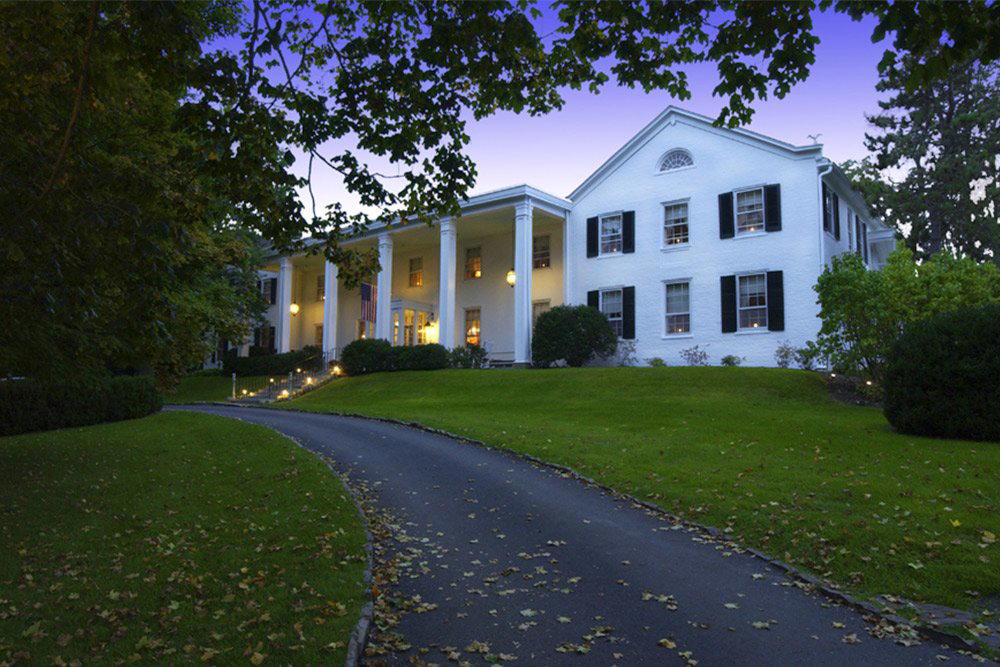
Bars in White Sulphur Springs
Browse all →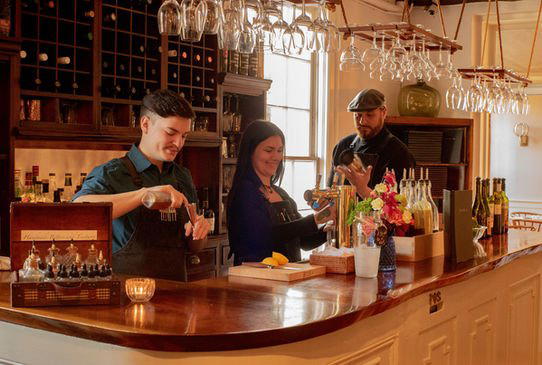
Restaurants in White Sulphur Springs
Browse all →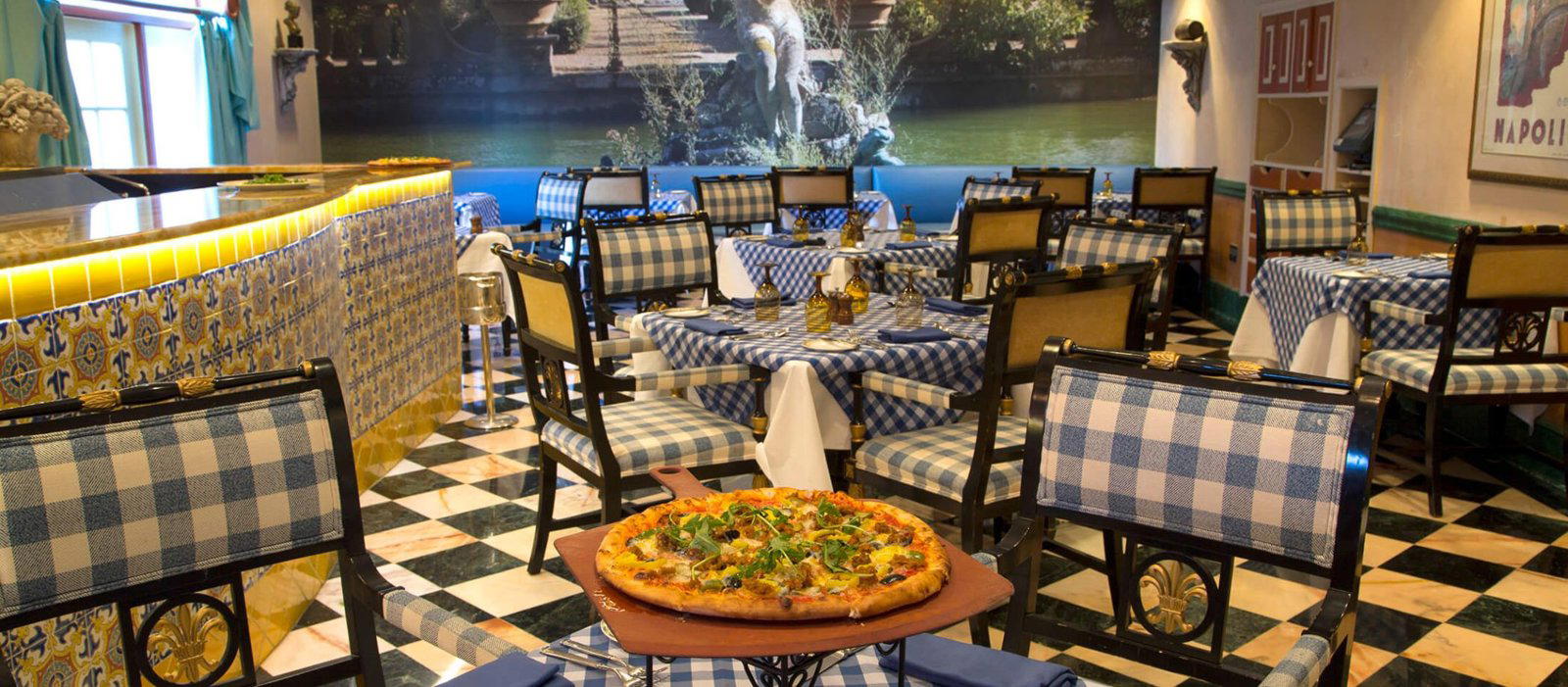

Wineries in White Sulphur Springs
Browse all →
Details
- Classic
- Elegant
- Well Known
- Ornate
- Sophisticated
- Romantic Getaway
- Family Vacation
- Wellness Retreat
- Anniversary
- Weekend Escape
- Celebration
- Golf Course
- Historic Building
- Destination Spa
- Panoramic View
- Spa
- Pool
- Golf Course
- Fitness Center
- Concierge
- Room Service
- Valet Parking
- Mountain
- Garden
Classic architecture with precise interior design, carefully sculpted landscapes, and an atmosphere of timeless opulence and polished service.