Aotori & Akaton
Aotori & Akaton adds a Japanese address to Copenhagen’s dining map, better read through restraint, sequence and seasonal thinking than through spectacle. The useful frame is kaiseki’s influence: balance, pacing, temperature and visual order, adapted for a city already fluent in Nordic minimalism and produce-led menus.
 Discover on Pearl
Pearl is the En Primeur Club membership app — saves, bookings, and concierge access live there. Same editors, same standards.
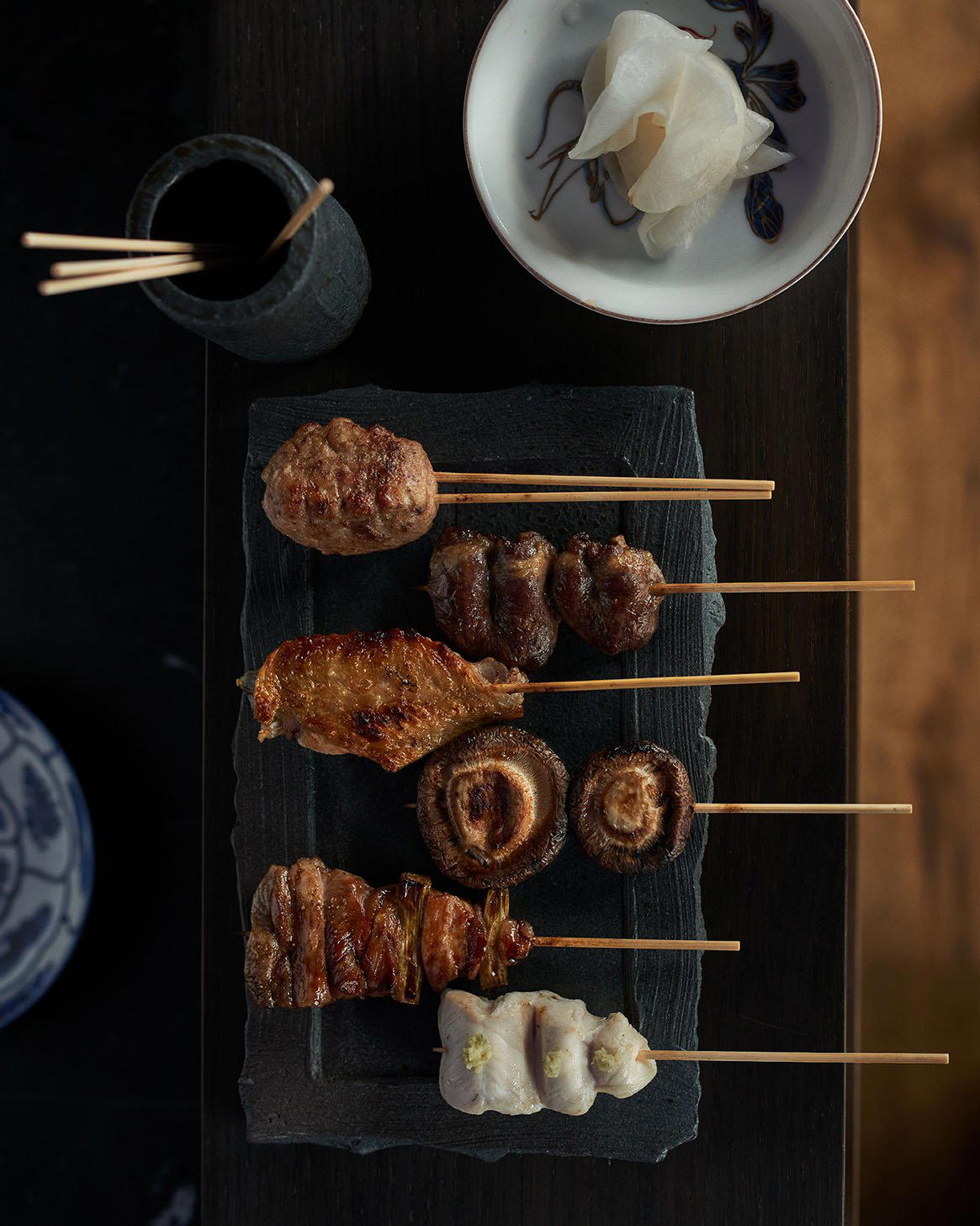
Japanese dining in Copenhagen often begins before the first plate: clean lines, lowered voices, a room arranged to slow the evening down rather than accelerate it. Aotori & Akaton belongs in that register. With no public award trail or chef biography shaping the narrative, the sharper way to read it is through the grammar of the meal itself: sequence, restraint, seasonality and the discipline of not overexplaining what is on the table.
Copenhagen is unusually receptive to that kind of Japanese cooking. The city’s modern restaurant culture has spent two decades treating acidity, fermentation, raw seafood, pickling and vegetable detail as serious material. That gives Japanese formats a more literate audience here than in cities where the category is reduced to sushi shorthand. For a wider scan of the city’s dining range, start with Our full Copenhagen restaurants guide, then map Japanese meals against the city’s Nordic, brasserie and smørrebrød traditions.
Kaiseki logic in a Nordic capital
Kaiseki is often misread abroad as ceremony first and dinner second. Its real discipline is editorial: what appears, what is withheld, and how each course changes the temperature and tempo of the table. Aotori & Akaton is most useful to understand through that lens. The point is not excess; it is calibration. A Japanese meal built around progression asks the diner to notice smaller shifts, a broth after something sharper, rice after greater intensity, a quiet ending rather than a final flourish.
That logic sits neatly beside Copenhagen’s own preference for reduction. The city’s restaurants have made an argument for fewer elements on the plate, not as minimalism for its own sake but as a way to expose texture, acidity and season. Japanese cooking brings an older framework to the same problem. Where Nordic kitchens may use the language of locality and preservation, Japanese kitchens often express season through cut, temperature, vessel and order. The overlap is the reason the category works here without needing theatrical translation.
Readers comparing Japanese options across Copenhagen can usefully separate sushi-led counters from broader Japanese dining. Saito and Uni give the city additional reference points within the Japanese category, while broader Copenhagen dining ranges from cocktail-adjacent restaurant culture at 1105 Copenhagen to Danish lunch traditions at Aamann - Closed and Aamanns 1921 (Smørrebrød, Modern Cuisine). Those contrasts matter: Japanese restraint reads differently in a city where open sandwiches, seafood, natural wine bars and tasting-menu rooms all compete for the same evening.
What the room should signal
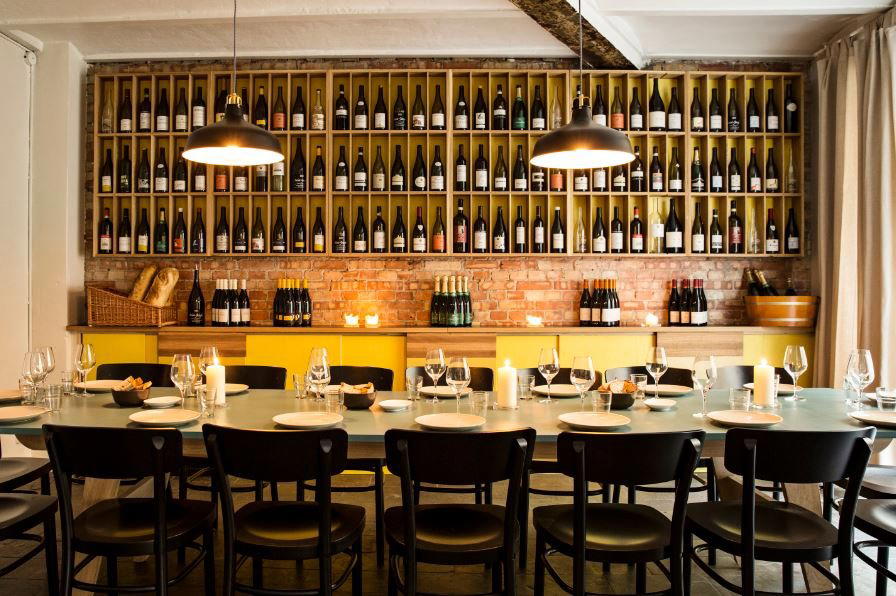
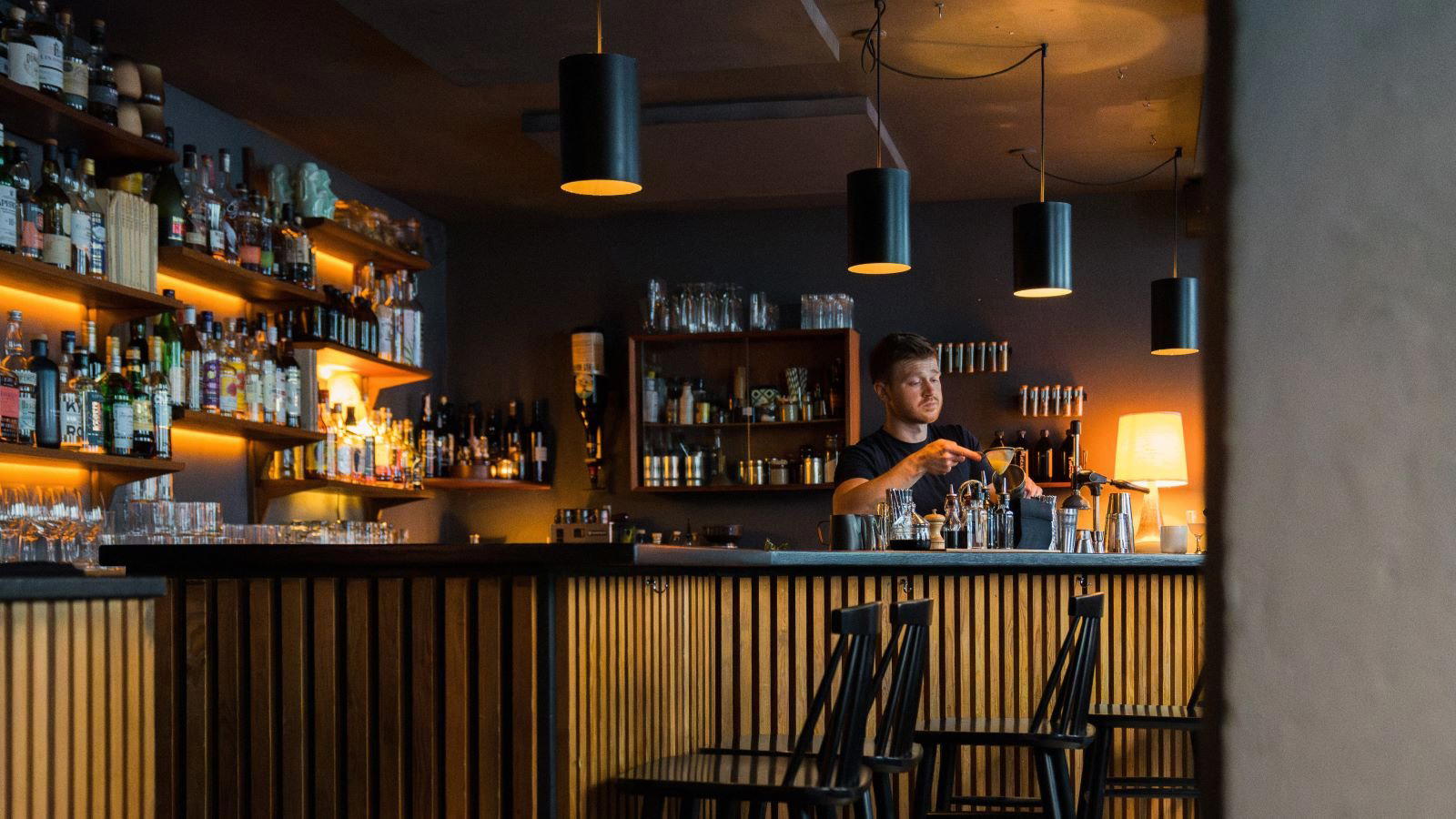
Atmosphere in this category should not be judged by volume. A Japanese restaurant shaped by kaiseki principles is usually at its strongest when the room leaves space for timing: plates landing without rush, conversation held at table level, a meal that rewards attention rather than interruption. In Copenhagen, where dining rooms can swing between candlelit informality and highly designed seriousness, the Japanese register offers another mode: composed, controlled and less dependent on social energy.
That makes Aotori & Akaton a better fit for diners who want a measured evening than for those looking for a loud, free-form table. Families can work here if the group is comfortable with a slower meal and a Japanese format; younger children who need speed, substitutions or constant menu flexibility may be better served elsewhere in the city. Copenhagen has enough range to make that distinction without forcing every restaurant into every occasion.
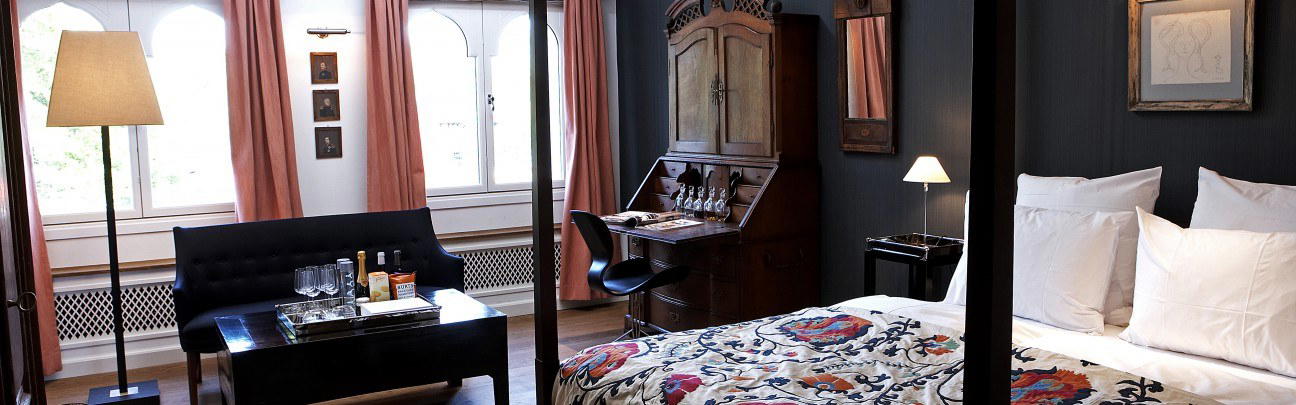
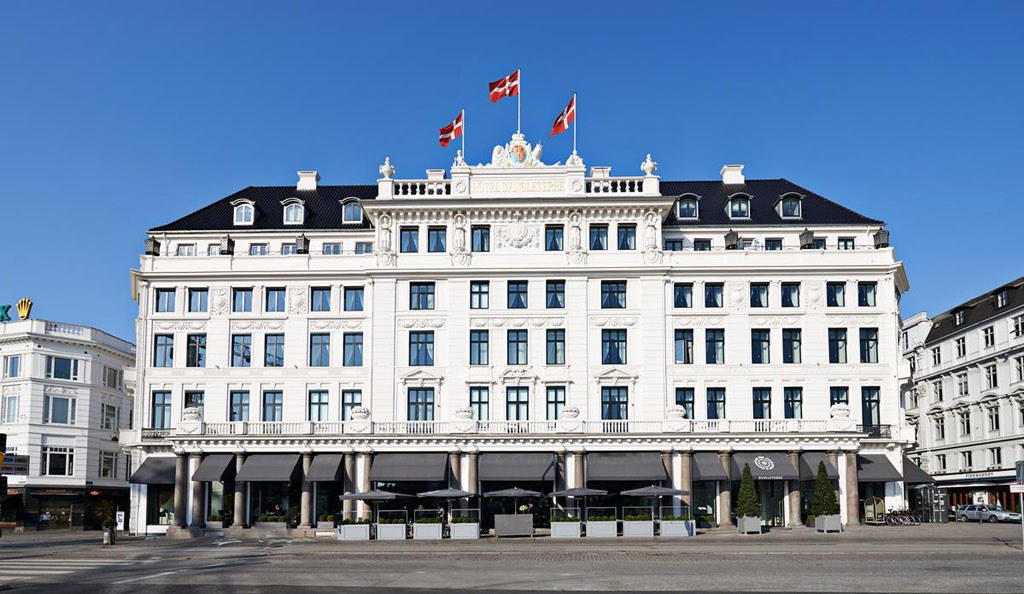
The wider itinerary matters too. Japanese dining pairs naturally with a night built around restraint rather than excess: a quiet pre-dinner drink, a focused meal, then a hotel within easy reach rather than a cross-city scramble. For planning around the table, the city’s broader rails are useful: Our full Copenhagen hotels guide, Our full Copenhagen bars guide, Our full Copenhagen wineries guide and Our full Copenhagen experiences guide give the surrounding context.
How to place it in a Denmark itinerary
Copenhagen concentrates Denmark’s international dining attention, but the national picture is broader and more varied than one capital-city narrative suggests. A meal at Aotori & Akaton makes sense as part of a Copenhagen sequence, especially for travellers balancing Japanese precision with Danish culinary identity. Outside the capital, the restaurant map changes quickly: coastal brasserie cooking at 2takt Café & Brasserie in Frederikshavn, Thai cooking at A-Kin Thai in Aarhus, inn culture at Aagaard Kro in Egtved, local dining at Aalekroen in Silkeborg, sushi in Aji Sushi in Roskilde and contemporary Nordhavn cooking at akmē in Nordhavn.
That spread is useful because it prevents Japanese dining in Copenhagen from being treated as an isolated import. It is part of a larger Danish habit of absorbing outside forms while measuring them against local expectations for clarity, sourcing and design. For travellers tracking Japanese restaurants internationally, the contrast extends beyond Denmark as well, from 715, Japanese in Los Angeles to 99 sushi bar, Japanese in Alcobendas. The Copenhagen version is less about scale and more about fit: Japanese sequence meeting a city already trained to appreciate quiet precision.
Peer Set Snapshot
Comparable venues nearby, for context on price, style, and recognition.
| Venue | Cuisine | Price | Awards | Notes |
|---|---|---|---|---|
| Aotori & AkatonThis venue — the venue you are viewing | Japanese Yakitori & Tonkatsu | $$$ | , | |
| Sticks'n'Sushi | Japanese Sushi and Yakitori with Nordic Fusion | $$$ | , | Vesterbro-Kongens Enghave |
| Posh Jah | Japanese Izakaya | $$$ | , | Indre By |
| Bento Copenhagen | Authentic Japanese | $$$ | , | Vesterbro-Kongens Enghave |
| Pastis | Classic French Bistro | $$$ | , | Indre By |
| Bottega Estadio | Latin American Fusion with Mediterranean Influences | $$$ | , | Østerbro |
Continue exploring
More in Copenhagen
Restaurants in Copenhagen
Browse all →
Bars in Copenhagen
Browse all →


At a Glance
- Modern
- Intimate
- Sophisticated
- Minimalist
- Hidden Gem
- Date Night
- Special Occasion
- Casual Hangout
- Chefs Counter
- Standalone
- Sake Program
- Local Sourcing
- Street Scene
Discreet, focused, and craft-driven, with an intimate counter setting for Aotori and a casual dining room for Akaton.