Aamann - Closed
Smørrebrød and the Sourcing Question at the Heart of Copenhagen’s Open-Sandwich Tradition The address on Øster Farimagsgade, in the Østerbro district of Copenhagen, once housed one of the city’s more considered takes on smørrebrød. Aamann has...
 Discover on Pearl
Pearl is the En Primeur Club membership app — saves, bookings, and concierge access live there. Same editors, same standards.
- Address
- Øster Farimagsgade 10, 2100 København Ø, Denmark
- Phone
- +4520805201
- Website
- aamanns.dk
Smørrebrød and the Sourcing Question at the Heart of Copenhagen’s Open-Sandwich Tradition
The address on Øster Farimagsgade, in the Østerbro district of Copenhagen, once housed one of the city’s more considered takes on smørrebrød. Aamann has since closed, but the dining conversation it contributed to remains active: where does the produce come from, and does provenance determine quality in a format as specific and technically demanding as the Danish open sandwich?
Smørrebrød sits at the intersection of craft and sourcing in a way that few lunch formats do. The rye bread base, the cured fish, the pickled vegetables, the rendered fats: each element carries the agricultural and artisanal fingerprint of its origin. When Copenhagen’s better smørrebrød kitchens were at their most rigorous, they were operating almost like small procurement offices, mapping ingredient routes from Danish fisheries, local dairies, and regional smokeries back to the plate. Aamann occupied that tier, where the sourcing discipline was not incidental to the menu but structural to it.
Where Smørrebrød Fits in Copenhagen’s Dining Architecture
Copenhagen’s restaurant reputation internationally rests on the tasting-menu format. Geranium holds three Michelin stars and represents the upper ceiling of the New Nordic creative tradition. Noma reshaped global ideas about Nordic ingredients before transitioning away from its restaurant format. Alchemist extended the experimental thread further into conceptual territory. Koan brings kaiseki structure into dialogue with New Nordic technique. These are the rooms that generate international attention.
Smørrebrød occupies a different register. It is a midday format, historically rooted in the working lunch, refined over the twentieth century into something closer to a culinary art form, and now contested between traditionalists and modernizers. The sourcing-led approach that defined Aamann placed it alongside, rather than beneath, the tasting-menu tier: the technical demands of proper smørrebrød execution are not lesser than those of a dinner service, simply different. The cured herring has to be brined at the right salinity. The rye has to carry structure without overwhelming. The garnishes require the same precision as a composed amuse-bouche.
The Ingredient Sourcing Logic Behind Copenhagen’s Smørrebrød Kitchens
The New Nordic movement formalized what Copenhagen’s smørrebrød traditions had practiced for generations: Denmark’s coastal geography and agricultural density make local sourcing both practical and distinctive. The North Sea and the Kattegat deliver herring, plaice, and shrimp with seasonal regularity. Danish dairies produce the butter and cheeses that underpin the richer open-sandwich preparations. Smokeries in Jutland and on the islands cure and prepare the proteins that arrive at restaurant kitchens already partway through their transformation.
What separated the more serious operations from the tourist-facing smørrebrød counters was the specificity of those sourcing relationships. A kitchen working with a named smokery in Bornholm, sourcing rye from a named mill in Funen, or specifying the fishing vessel for its herring delivery is making an editorial argument through its supply chain: that the format’s quality ceiling is set before the kitchen begins work. Aamann operated within that argument.
This sourcing discipline connects to a wider pattern visible across Danish fine dining outside Copenhagen as well. Kadeau built its reputation on Bornholm island produce, extending that sourcing logic into a Copenhagen dining room. Jordnær in Gentofte, just north of the city, holds two Michelin stars and works from a similar premise: that proximity and relationship with producers defines what is possible on the plate. Henne Kirkeby Kro in Henne on the Jutland coast, Frederikshøj in Aarhus, and LYST in Vejle all reflect a Danish dining culture in which provenance is the argument, not the decoration.
Comparable Sourcing-Led Formats Elsewhere
The sourcing-first logic that Copenhagen’s smørrebrød kitchens practiced is not uniquely Nordic, though the Nordic context gives it particular force. Le Bernardin in New York City built its seafood identity around supply-chain relationships with specific fisheries decades before provenance became a standard menu talking point. Atomix in New York City applies a comparable rigor to Korean ingredients and fermentation traditions. In both cases, the quality argument begins upstream of the kitchen.
Across Denmark’s regional dining rooms, the same sourcing logic recurs at different price points and formats. Alimentum in Aalborg, ARO in Odense, MOTA in Nykøbing Sjælland, Domæne in Herning, Frederiksminde in Præstø, and Dragsholm Slot Gourmet in Hørve all represent the regional expression of a cooking culture that takes ingredient origin as a first principle rather than an afterthought.
What Aamann’s Closure Indicates About the Smørrebrød Tier
Restaurant closures in the sourcing-led segment of any city’s dining market tend to reflect the same pressures: the cost of maintaining ingredient relationships at the quality level the format demands, the difficulty of sustaining a midday lunch operation against rising rents and labor costs, and the narrower commercial margin when a kitchen refuses to compromise on inputs. Smørrebrød kitchens operating at Aamann’s tier face a structural tension that their tasting-menu counterparts, with higher per-cover revenues and dinner-service efficiencies, do not.
That tension is worth understanding for anyone considering a Copenhagen dining itinerary that extends beyond the headline tasting-menu rooms. The smørrebrød tier is smaller than it was a decade ago, and the rooms still operating at genuine sourcing depth are fewer. The format itself is not in decline; the casual and tourist-facing versions of smørrebrød are abundant across the city. But the tier that Aamann represented, where the ingredient sourcing logic was held to the same standard as the kitchen technique, requires more active research to locate now.
Know Before You Go
- Status: Closed. Aamann is no longer in operation at Øster Farimagsgade 10, 2100 København Ø, Denmark.
- Reservations: Not applicable; the venue is closed.
- Format: Smørrebrød (Danish open sandwich), lunch-format tradition.
- District: Østerbro, Copenhagen.
- For current Copenhagen dining: See our full Copenhagen restaurants guide for active alternatives.
Cost Snapshot
Comparable venues nearby, for context on price, style, and recognition.
| Venue | Cuisine | Price | Awards | Notes |
|---|---|---|---|---|
| Aamann - ClosedThis venue — the venue you are viewing | Indre By, Modern Danish Smørrebrød | $$$ | , | |
| Restaurant Bror | Indre By, Modern Nordic Nose-to-Tail | $$$ | , | |
| Frederiks Have | $$$ | 1 recognition | Frederiksberg, Modern Danish Nordic Fine Dining | |
| Madklubben Vesterbro | $$ | , | Vesterbro-Kongens Enghave, Multicultural Danish-Inspired | |
| Manfreds & Vin | $$ | , | Nørrebro, Vegetable-focused small plates with natural wines | |
| Parterre Christianshavn | Indre By, Danish Café | $$ | , |
Continue exploring
More in Copenhagen
Restaurants in Copenhagen
Browse all →
Bars in Copenhagen
Browse all →

At a Glance
- Modern
- Elegant
- Sophisticated
- Business Dinner
- Open Kitchen
- Craft Cocktails
- Organic
- Local Sourcing
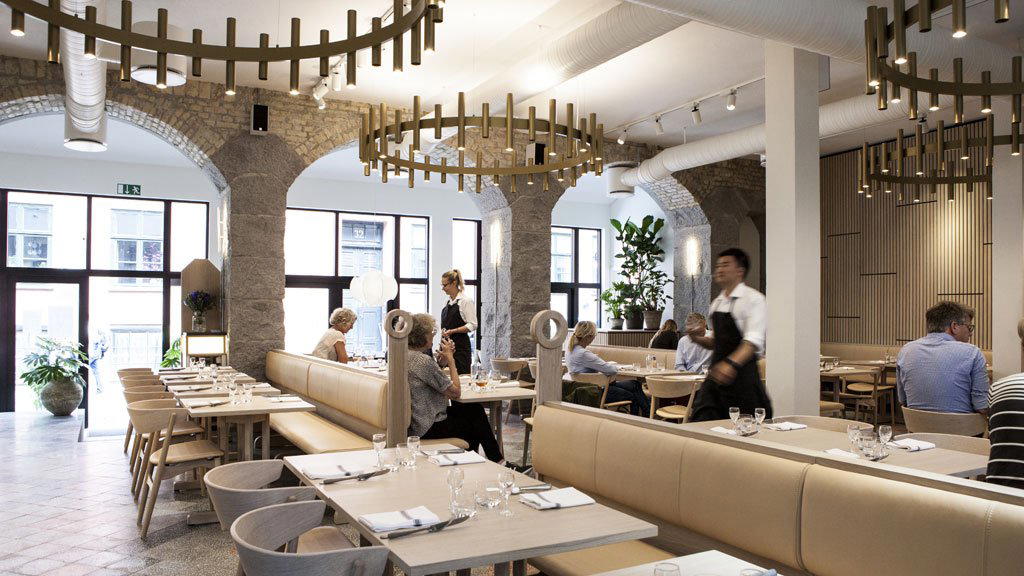
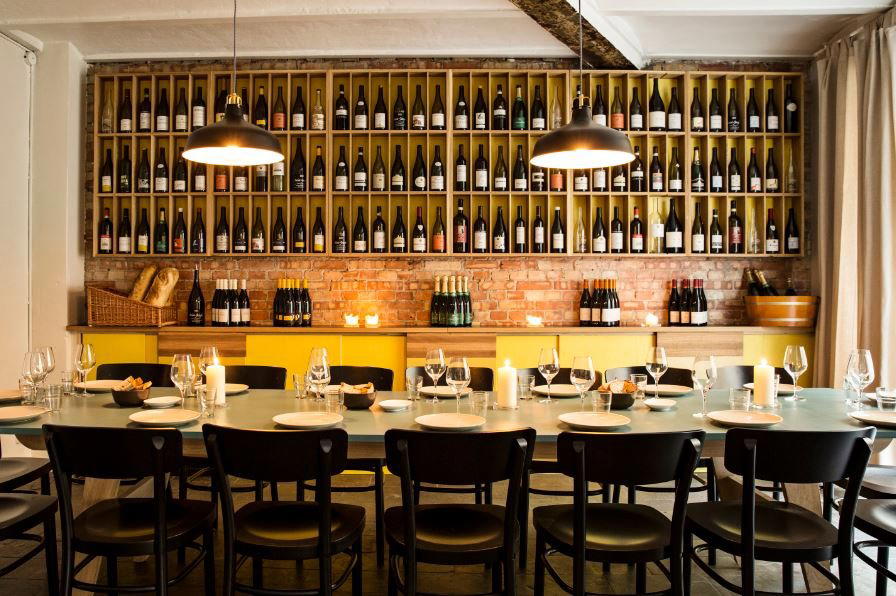
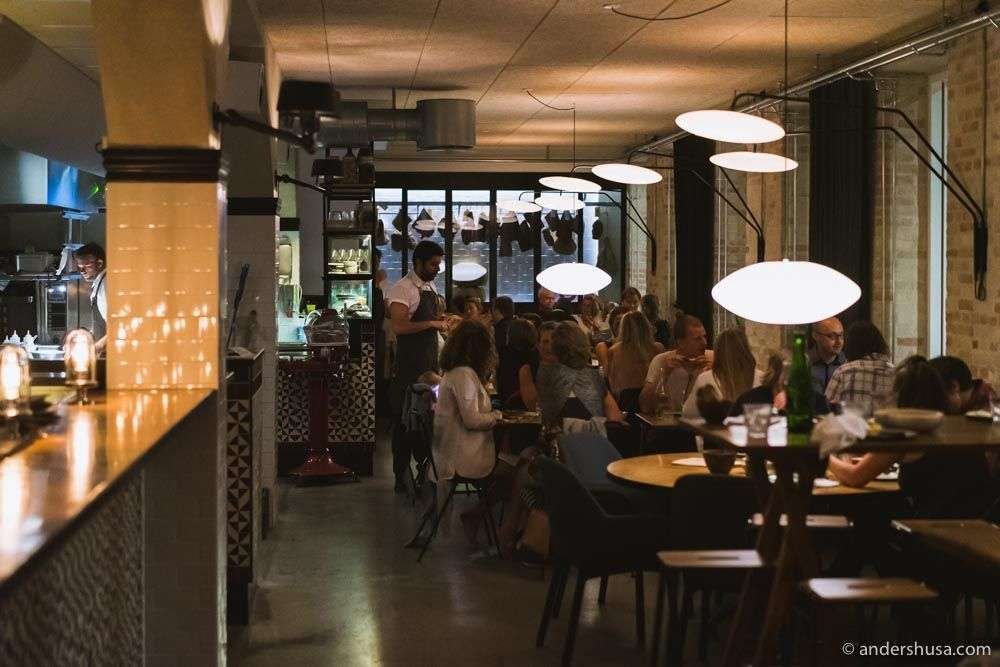
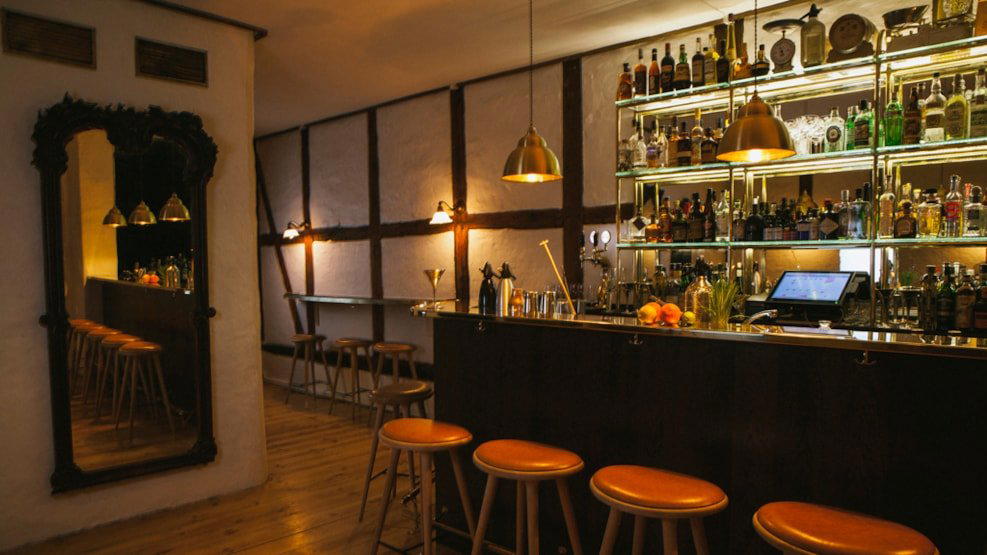
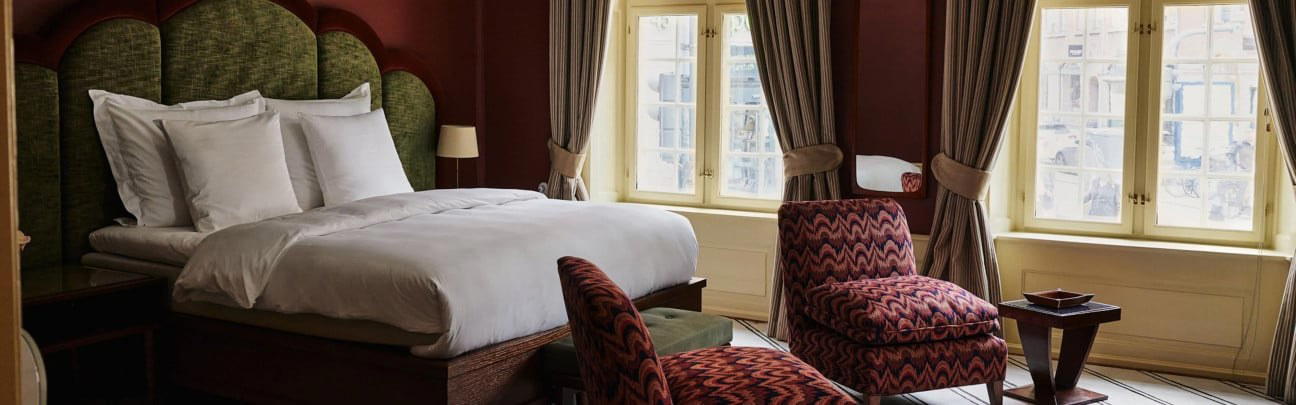
Light, modern design with high ceilings, terrazzo floors, bright materials, brass chandeliers, old stone columns, and church-like arches creating an elegant yet relaxed atmosphere.