Bento Copenhagen
Bento Copenhagen occupies a basement address on Helgolandsgade in the Vesterbro district, operating in a city that has spent two decades redefining what ethical, place-rooted dining looks like at a serious level. The venue sits at an intersection of Japanese bento discipline and Copenhagen's waste-conscious kitchen culture, offering a format that rewards returning guests who track seasonal sourcing shifts.
Pearl is the En Primeur Club membership app — saves, bookings, and concierge access live there. Same editors, same standards.
- Address
- Helgolandsgade 16, Kælder, 1653 København, Denmark
- Phone
- +4588714646
- Website
- uki.dk
- Directions
- Get directions
 Saves & bookings on Pearl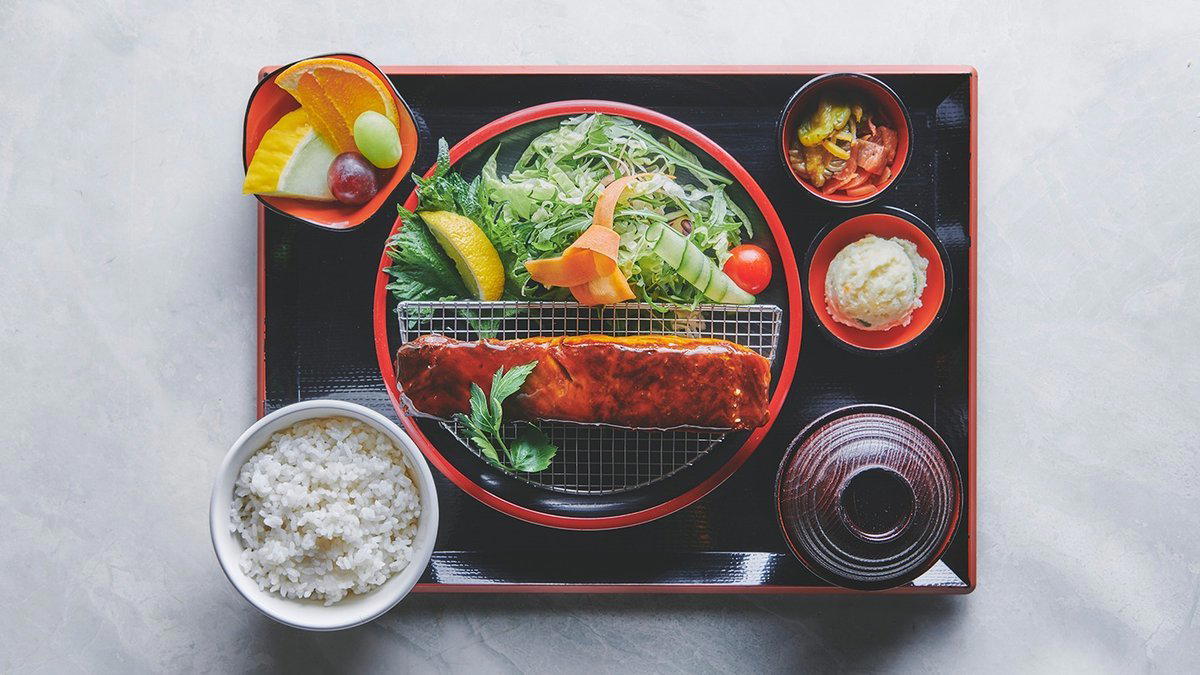
A Basement on Helgolandsgade, and What It Signals
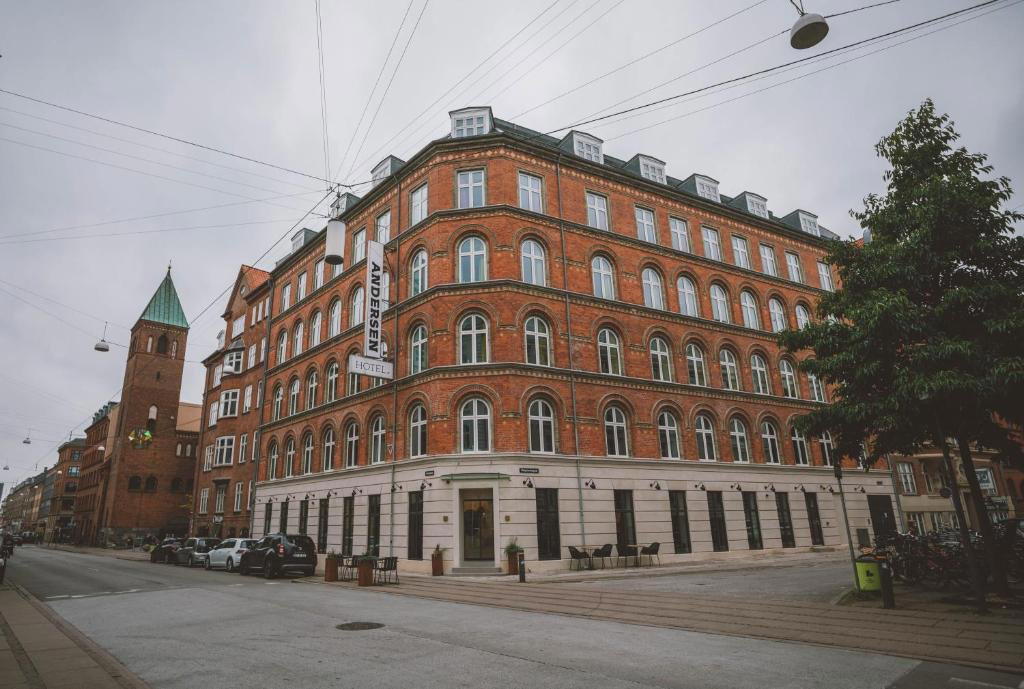
Vesterbro has a particular grammar. The neighbourhood that once ran on meatpacking and working-class commerce now houses some of Copenhagen's more considered small-format restaurants, the kind where the room is compact and the sourcing conversation is not an afterthought. It occupies a below-street-level address that announces, before you have even descended the stairs, that the operation prioritises what happens on the plate over the address it occupies.
In a city where Noma spent years making foraging and zero-waste kitchens part of the global dining conversation, and where Geranium holds three Michelin stars on a New Nordic and Creative ticket, the pressure on mid-tier and specialist formats to have a coherent environmental position is real. Copenhagen diners have been trained by that upper tier to ask where produce comes from and what happens to what is left over. Bento Copenhagen enters that context carrying the structural logic of the Japanese bento format, a discipline built around portion calibration, ingredient respect, and the elimination of excess by design.
The Sustainability Case Built Into the Format
The bento as a culinary structure is inherently anti-waste. Each compartment demands a defined quantity; nothing overflows, nothing is left vague. That architectural logic, transplanted into a Copenhagen kitchen culture that already prizes nose-to-tail and root-to-tip thinking, produces a format with genuine environmental coherence rather than bolted-on green credentials.
Copenhagen's most discussed sustainability signals at the restaurant level tend to come from stronger examples from the market. Alchemist folds environmental messaging directly into its theatrical Progressive format. Kadeau builds its New Nordic identity around Bornholm island seasonality and preservation techniques that were sustainability practice long before they became marketing language. What distinguishes Bento Copenhagen from both is scale and format: the bento structure enforces portion discipline at the unit level rather than relying on kitchen philosophy alone to reduce waste. The constraint is designed in.
Across Denmark's broader fine-dining circuit, the ethical sourcing conversation has reached venues well outside Copenhagen. Henne Kirkeby Kro in Henne and Dragsholm Slot Gourmet in Hørve both operate kitchen gardens as primary sourcing infrastructure, not decorative additions. Tri in Agger and LYST in Vejle each anchor their menus to hyper-local coastal and fjord produce. Bento Copenhagen occupies a different position in that national conversation: urban, basement-format, Japanese-influenced, operating in a capital city where the sustainability signal must cut through considerable noise.
Copenhagen's Cross-Cultural Kitchen and Where Bento Sits
The city has become increasingly fluent in culinary cross-referencing. Koan fuses New Nordic, Kaiseki, and Creative formats at the four-figure price tier, demonstrating that Japanese structural thinking and Nordic ingredient philosophy are not incompatible. The restaurant works in adjacent territory at what appears to be a more accessible format level, using the bento compartment structure to impose Japanese portion rigour on what is likely a Nordic-inflected ingredient story.
That cross-cultural positioning is not unusual in Copenhagen's current dining moment, but the format choice matters. Where most fusion operations lead with flavour and let sourcing follow, the bento format reverses that sequence: sourcing and portioning come first, flavour is built within those constraints. It is a more disciplined starting point, and in a city that respects kitchen discipline as a signal of seriousness, it is a credible one.
For comparison points outside Denmark, the ethical sourcing and format-discipline combination recalls what Lazy Bear in San Francisco has demonstrated in the American context: that a communal-format, ethos-led operation can hold critical attention without a conventional fine-dining price structure. In European waters, Le Bernardin in New York City represents the opposite pole: maximum formal investment with ingredient sourcing as a given rather than a differentiator. The restaurant, from its basement address and Japanese format logic, is closer to the Lazy Bear model: the concept does heavy lifting in communicating values before the food arrives.
Where Bento Copenhagen Sits in the Capital's Competitive Set
Copenhagen's upper tier is well documented. Copenhagen's dining scene is well documented, with Geranium and Alchemist at the recognised peak and a dense mid-tier below them. Jordnær in Gentofte holds two stars just outside the city centre. Frederikshøj in Aarhus, Ti Trin Ned in Fredericia, Frederiksminde in Præstø, Pearl by Paul Proffitt in Kruså, and Syttende in Sønderborg extend the country's serious dining map well into Jutland and the islands. The restaurant does not compete directly with any of them on price tier or format. It operates in the specialist, concept-driven corner of the Copenhagen market where the premise of the restaurant is itself the differentiator.
Planning a Visit
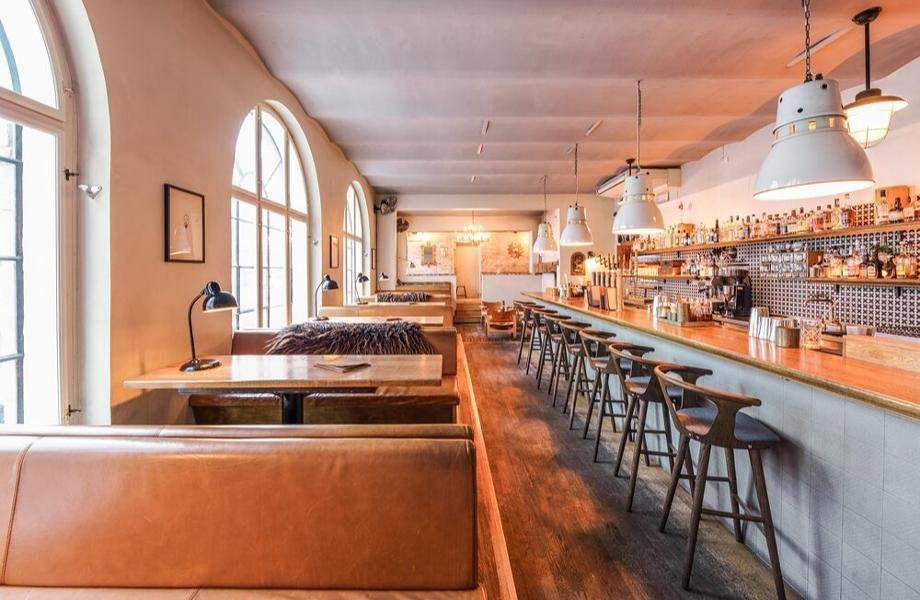
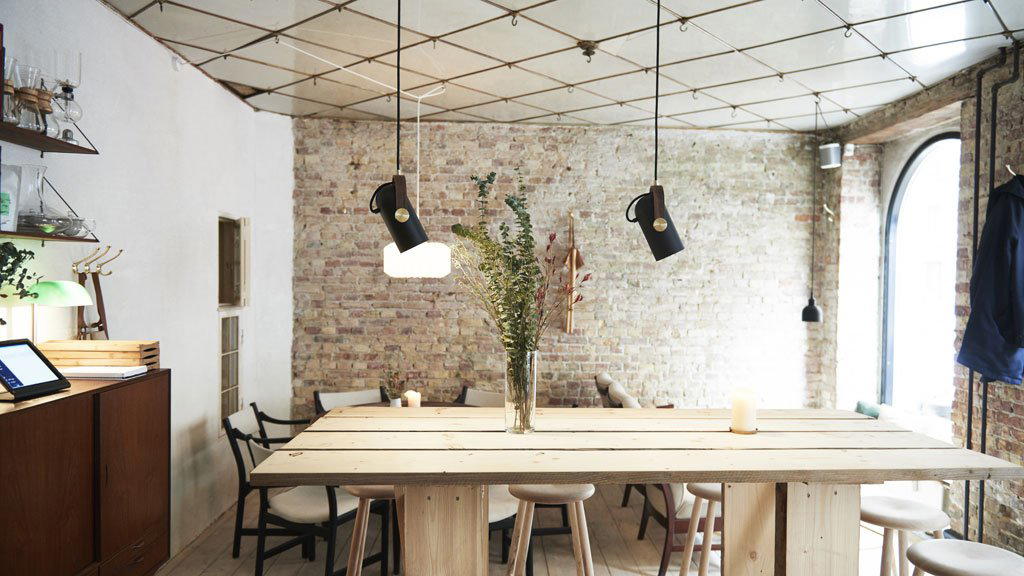
The address at Helgolandsgade 16, Kælder, places the restaurant in central Vesterbro, walkable from Copenhagen Central Station and within the area's concentration of food-forward small operators. Kælder designates a basement or cellar-level entrance, which typically means a compact room with limited natural light, the kind of setting that rewards the food and format rather than the view. The restaurant is open Tuesday through Saturday from 5 to 9:30 PM, with Monday and Sunday closed. Reservations are essential, and casual dress is appropriate.
Price Lens
Comparable venues nearby, for context on price, style, and recognition.
| Venue | Cuisine | Price | Notes |
|---|---|---|---|
| Bento CopenhagenThis venue — the venue you are viewing | Not listed | $$$ | Not listed |
| Sticks'n'Sushi | Not listed | $$$ | Vesterbro-Kongens Enghave, Japanese Sushi and Yakitori with Nordic Fusion |
| Ramen to Bíiru Vesterbro | Not listed | $$ | Vesterbro-Kongens Enghave, Japanese Ramen with Craft Beer |
| Retour | Not listed | $$$ | Vesterbro-Kongens Enghave, Steakhouse Bistro |
| Radio Gentofte | Indre By, Modern Scandinavian | $$$ | Not listed |
| Pastis | Indre By, Classic French Bistro | $$$ | Not listed |
Continue exploring
More in Copenhagen
Restaurants in Copenhagen
Browse all →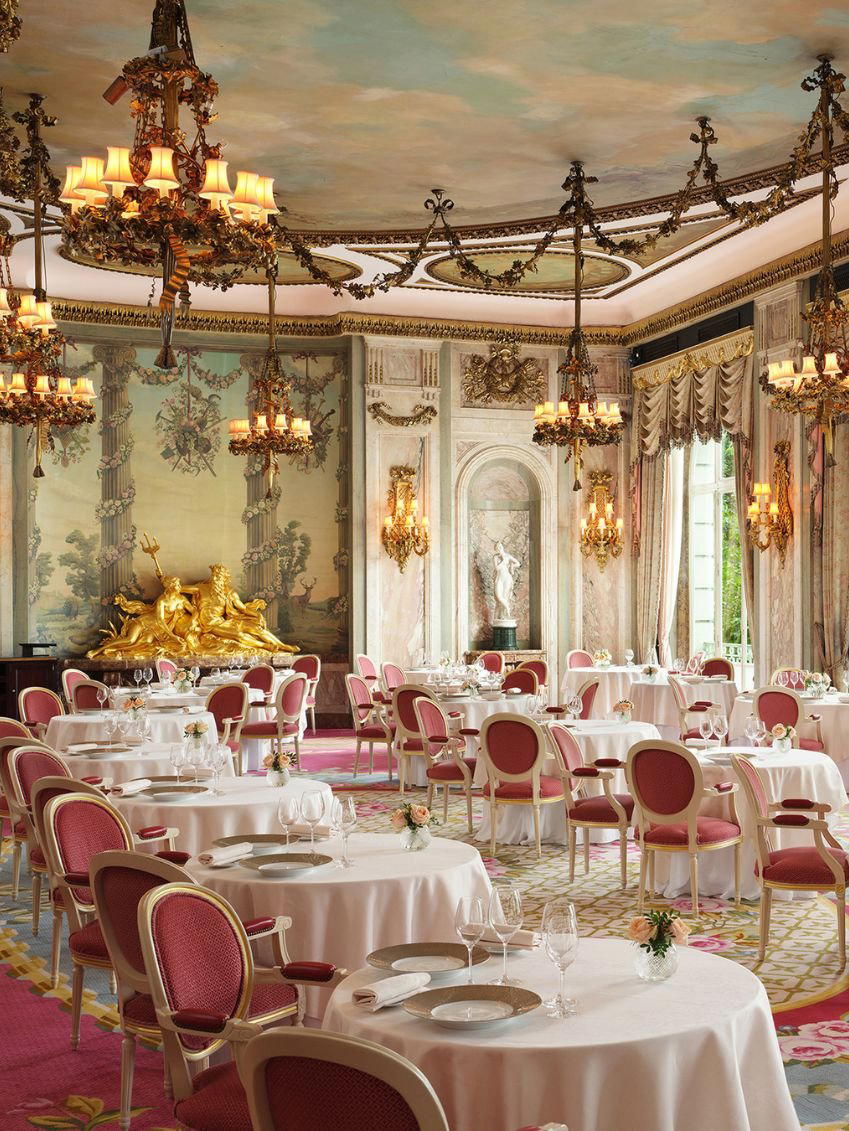
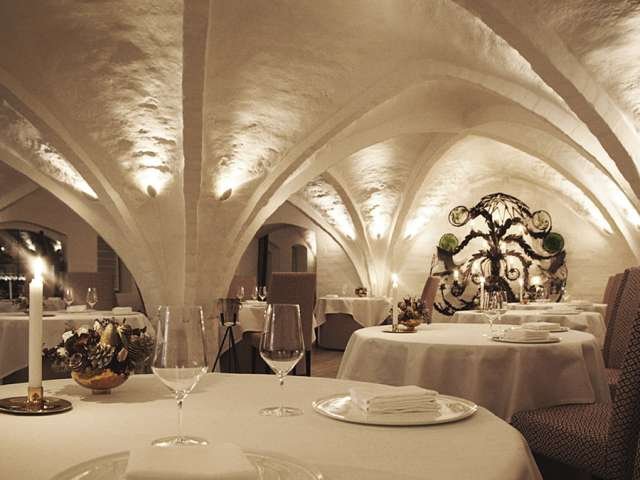
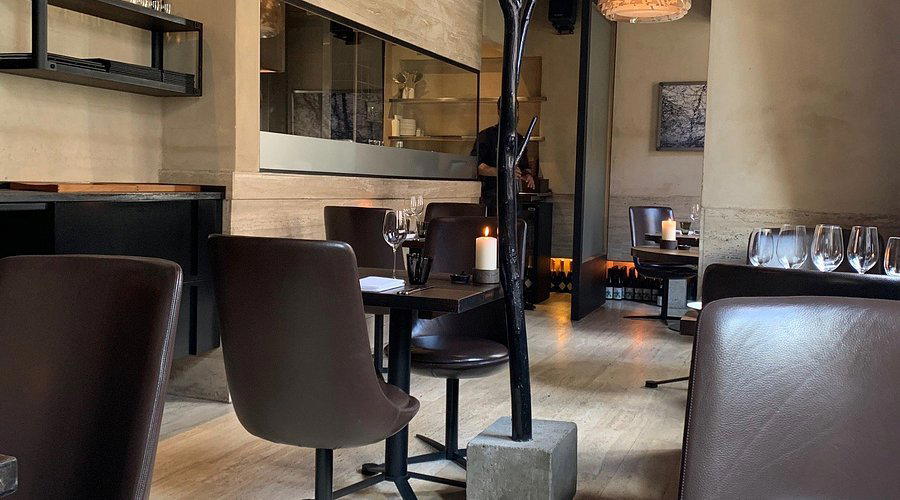
Bars in Copenhagen
Browse all →

At a Glance
- Cozy
- Intimate
- Date Night
- Casual Hangout
- Standalone
Current opening hours
- Monday
- Closed
- Tuesday
- 5–9:30 PM
- Wednesday
- 5–9:30 PM
- Thursday
- 5–9:30 PM
- Friday
- 5–9:30 PM
- Saturday
- 5–9:30 PM
- Sunday
- Closed
Hours can change for holidays and private events. Last verified .
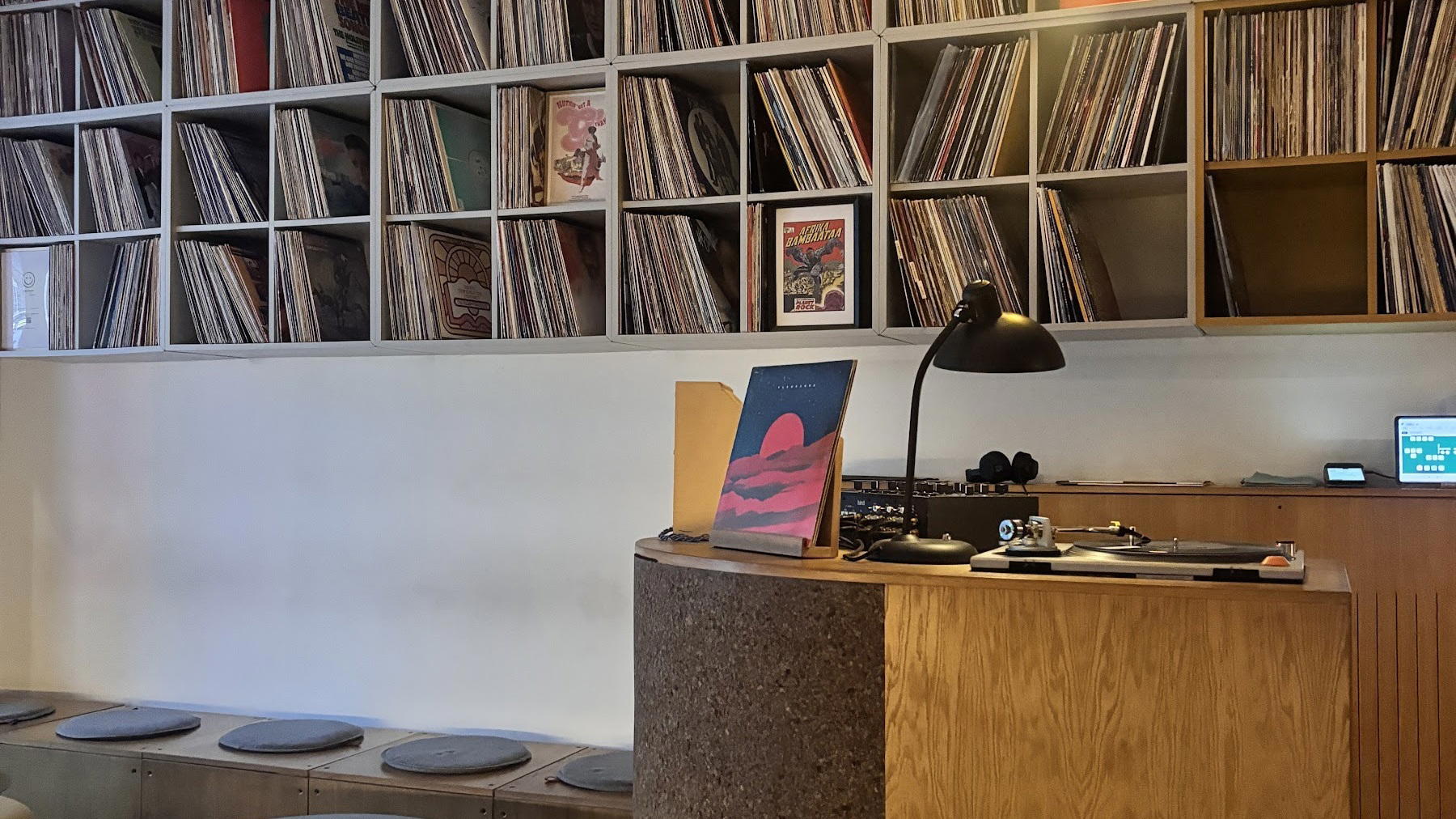
Warm, welcoming, and cozy Japanese cellar atmosphere with simple decor.