Limoncello
Our verdict
Limoncello occupies a North End address on Boston's oldest residential street, placing it inside the neighborhood that has anchored Italian-American dining in the city for over a century. The room signals the kind of collaborative front-of-house discipline that separates a polished neighborhood Italian from a tourist-facing trattoria.

Pearl is the En Primeur Club membership app, where members save venues, book tables and use the concierge.

The menu
What to order
- Rosette al Montasio
- Mama's Homemade Meatballs
North End, Italian Tradition, and the Room That Sets the Tone
Boston's North End is one of the more concentrated Italian-American dining districts on the East Coast. Hanover Street gets the foot traffic and the cannoli queues, but North Street runs quieter, and that distinction matters. Restaurants that survive on North Street do so because the neighborhood feeds them a local clientele, not a tourism cycle. Limoncello sits at 190 North Street inside that dynamic, and the address alone places it in a different competitive register than the louder, more performative trattorias a block over.
The Italian restaurant tier in Boston has split in recent years. On one side: large, volume-driven rooms chasing the pre-theater crowd and Freedom Trail visitors. On the other: smaller, more disciplined operations where the kitchen, the floor, and the wine program are coordinated as a single project. Limoncello belongs to the latter category, and the difference is felt before any food arrives. The physical approach along North Street is lower-key than the neighborhood's main drag; the room inside reads as a working restaurant rather than a set piece.
The Collaborative Architecture of the Room
In the Italian dining tradition, the leading rooms are run by teams rather than personalities. The front-of-house rhythm, the way wine lands on the table, the timing between courses: these are ensemble achievements. Venues that get this right tend to produce the kind of regularity that builds a neighborhood following rather than a one-time dining event. The editorial angle on Limoncello's reputation, where it has any, is that the floor operation and the kitchen operate with shared intent.
This matters because North End Italian is a category with a clear ceiling when only one element functions well. A kitchen that outpaces its floor produces beautiful plates that arrive awkwardly. A wine program disconnected from the food side generates lists that exist in parallel rather than in conversation. The better North End rooms avoid this by treating service, sommelage, and cooking as coordinated outputs. That coordination is what places a venue in the local regulars bracket rather than the one-visit bracket.
For context, consider how this plays out in the broader American fine dining scene. Places like Single Thread Farm in Healdsburg or Blue Hill at Stone Barns in Tarrytown have made team cohesion a formal part of their identity. At that tier, the collaboration is explicit and documented. At the neighborhood Italian level, it operates more quietly, but the reader who has eaten in both rooms recognizes it immediately.
Where Limoncello Sits in Boston's Italian Tier
Boston's serious Italian options span a wide range. Agosto, which runs a Portuguese-inspired fine dining format with a tasting-menu chef's counter, represents the more formal, tasting-led end of the city's European-influenced dining. The North End's Italian rooms, by contrast, tend to operate in a more relaxed idiom: à la carte, seasonal, pasta-forward, with wine lists that skew toward regional Italian producers rather than global selections.
Within that North End tier, the differentiators are consistency and service discipline. The neighborhood has enough Italian restaurants that visitors rarely struggle to find a seat somewhere. The question is whether the room delivers the kind of coordinated experience that warrants a return visit. That question is answered by the relationship between kitchen and floor, and Limoncello's position on North Street suggests it has earned its place by that measure.
For those building a broader Boston itinerary, the waterfront options nearby are worth noting. 1928 Rowes Wharf and 75 on Liberty Wharf operate in a different register: larger rooms, waterfront views, and a more occasion-driven positioning. Limoncello competes on different terms, prioritizing the kind of neighborhood intimacy that those rooms are structurally unable to replicate.
The Italian-American Canon and What It Demands
Italian-American dining in the North End carries the weight of a specific culinary inheritance. The neighborhood's restaurant culture dates back more than a century, and diners arrive with inherited expectations: pasta cooked to a specific texture, sauces built from patient reduction rather than shortcut intensification, desserts that reference the Italian bakery tradition rather than pastry-kitchen modernism. Venues in this tradition are measured against a collective memory as much as against each other.
This is a harder brief than it appears. The comfort of the familiar is also its trap: a room that executes the canon competently but without precision reads as generic rather than accomplished. The Italian restaurants that hold a loyal following in the North End are those that execute familiar forms with enough internal consistency that the regular can return and find the same result. That is a logistical and operational achievement as much as a culinary one, and it depends on a kitchen-floor partnership that runs without visible seams.
For readers who track Italian-American cooking at the international tier, the reference points shift considerably. 8 1/2 Otto e Mezzo Bombana in Hong Kong operates at the three-Michelin-star level, applying Italian technique to an entirely different market context. The North End operates closer to source, with the inherited weight of the American Italian diaspora community rather than the formal fine-dining Italian genre. The two traditions are related but not interchangeable, and the North End's value is precisely its unreconstructed character.
Planning a Visit
Limoncello is located at 190 North Street in Boston's North End, a walkable neighborhood from the Financial District and the waterfront. The North End is leading approached on foot from the Haymarket MBTA station or along the Rose Kennedy Greenway from downtown. For visitors building a wider Boston dining itinerary, our full Boston restaurants guide maps the city's dining across neighborhoods and price tiers, including the waterfront options at 75 on Liberty Wharf, the raw bar program at 1928 Rowes Wharf, and the more format-driven Agosto.
Given the North End's density and the neighborhood's weekend foot traffic, booking ahead is advisable for Friday and Saturday evenings regardless of the venue. The neighborhood runs busy from May through October, with the summer festival season on Hanover Street generating spillover traffic that affects all nearby restaurants.
Frequently asked questions
What's Limoncello's location?
Limoncello is located at 190 North St, Boston, MA 02113, Boston.
How is Limoncello different from other Italian restaurants on Hanover Street in Boston's North End?
Limoncello's address at 190 North Street puts it off the main Hanover Street corridor, which means a materially different room dynamic: less foot-traffic spillover, a more local clientele, and generally a quieter pace than the neighborhood's highest-volume tourist draws. In a district where many rooms compete for the same passing crowds, that address distinction shapes the entire experience.
What do regulars order at Limoncello?
What the North End context does tell you: the neighborhood's Italian-American tradition runs heavily toward housemade pasta, braised proteins, and preparations rooted in Southern Italian technique. Asking your server what has come in fresh that week is standard practice in this part of Boston and usually the most reliable guide.
Do I need a reservation for Limoncello?
The North End is one of Boston's most consistently busy dining corridors on weekends, and 190 North Street, while quieter than Hanover, still draws neighborhood regulars alongside destination diners. Booking ahead is the safer approach for Friday and Saturday evenings. Weekday visits, particularly early in the week, tend to offer more walk-in flexibility across the district.
Pricing, Compared
Comparable venues nearby, for context on price, style, and recognition.
| Venue | Cuisine | Price | Notes |
|---|---|---|---|
| LimoncelloThis venue (the venue you are viewing) | Traditional Italian | $30–50 | Not listed |
| Pagliuca's | Traditional Southern Italian Trattoria | $30–50 | North End, Traditional Southern Italian Trattoria |
| Joia | Modern Italian | $30–50 | Downtown, Modern Italian |
| Si Cara South Boston | Canotto-Style Italian Pizzeria | $20–30 | South Boston, Canotto-Style Italian Pizzeria |
| Isabella | Traditional Italian | $30–50 | North End, Traditional Italian |
| Artu | Italian Rosticceria & Trattoria | $30–50 | North End, Italian Rosticceria & Trattoria |
Continue exploring
More in Boston
Restaurants in Boston
All restaurants in Boston →

Bars in Boston
All bars in Boston →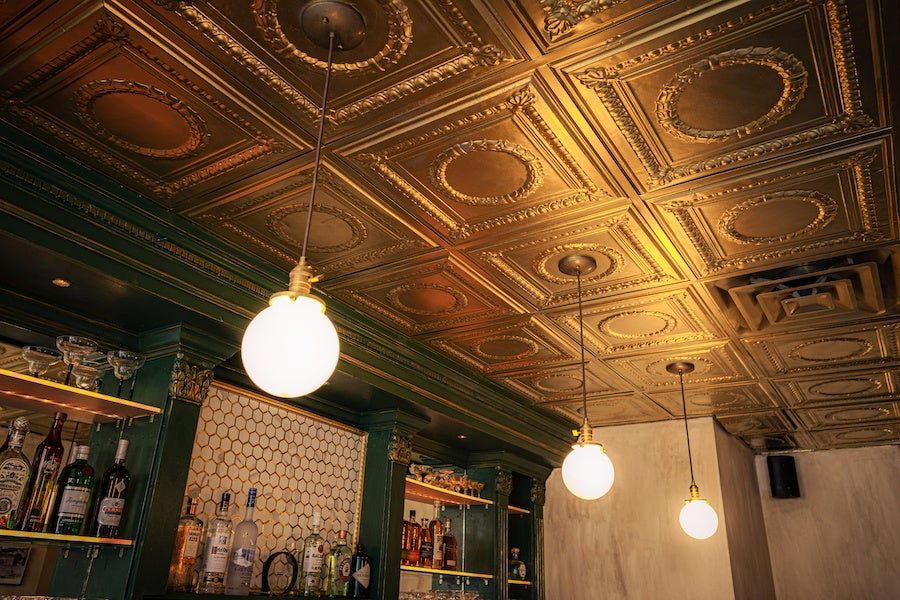


Details
- Classic
- Cozy
- Intimate
- Family
- Group Dining
- Date Night
- Historic Building
- Extensive Wine List
- A La Carte
- Family Style
- Vegetarian Friendly
- Vegan Options
- Gluten Free Options
Current opening hours
- Monday
- 12–10 PM
- Tuesday
- 12–10 PM
- Wednesday
- 12–10 PM
- Thursday
- 12–10 PM
- Friday
- 12–10 PM
- Saturday
- 12–10 PM
- Sunday
- 12–9:30 PM
Hours can change for holidays and private events. Hours as of .
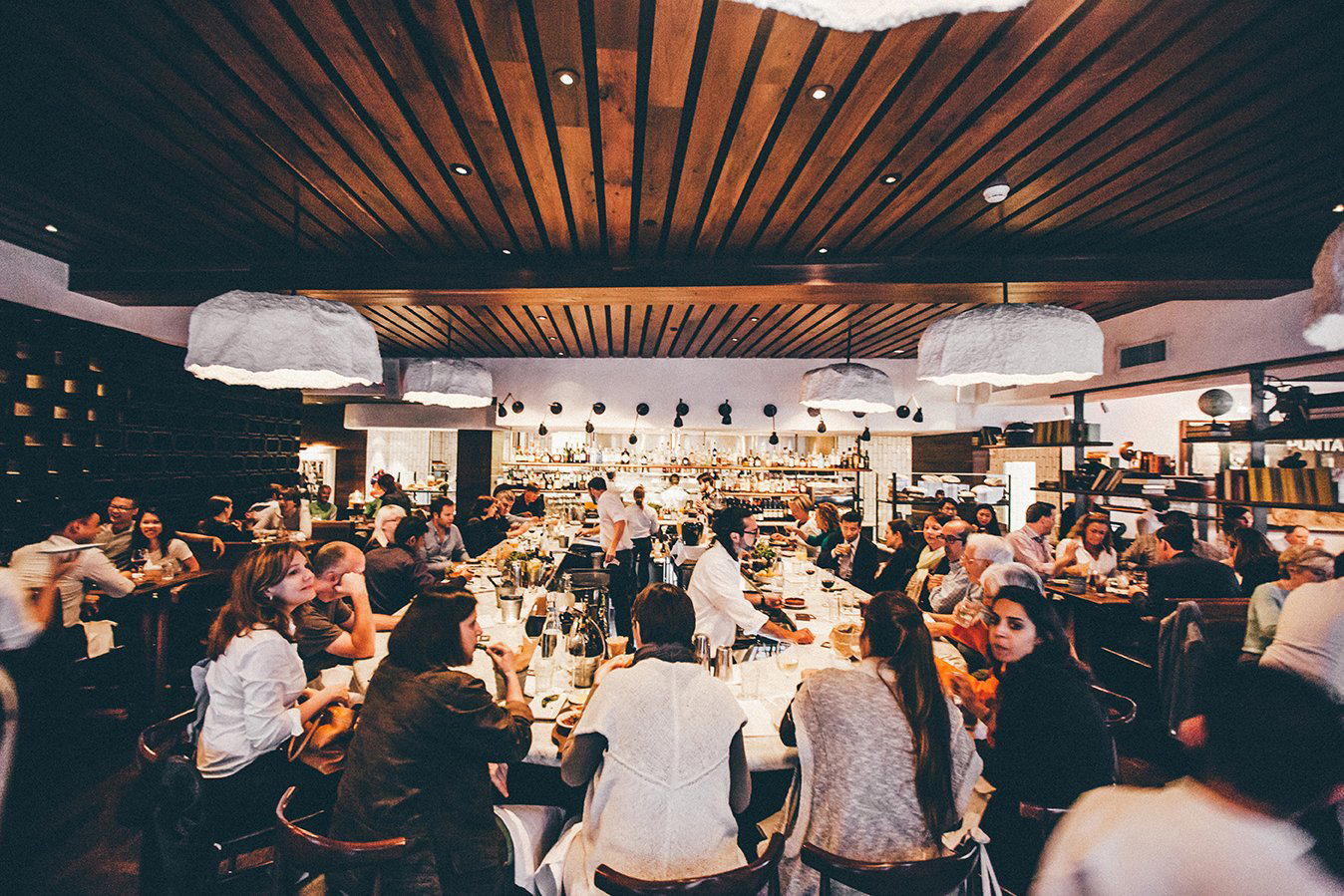
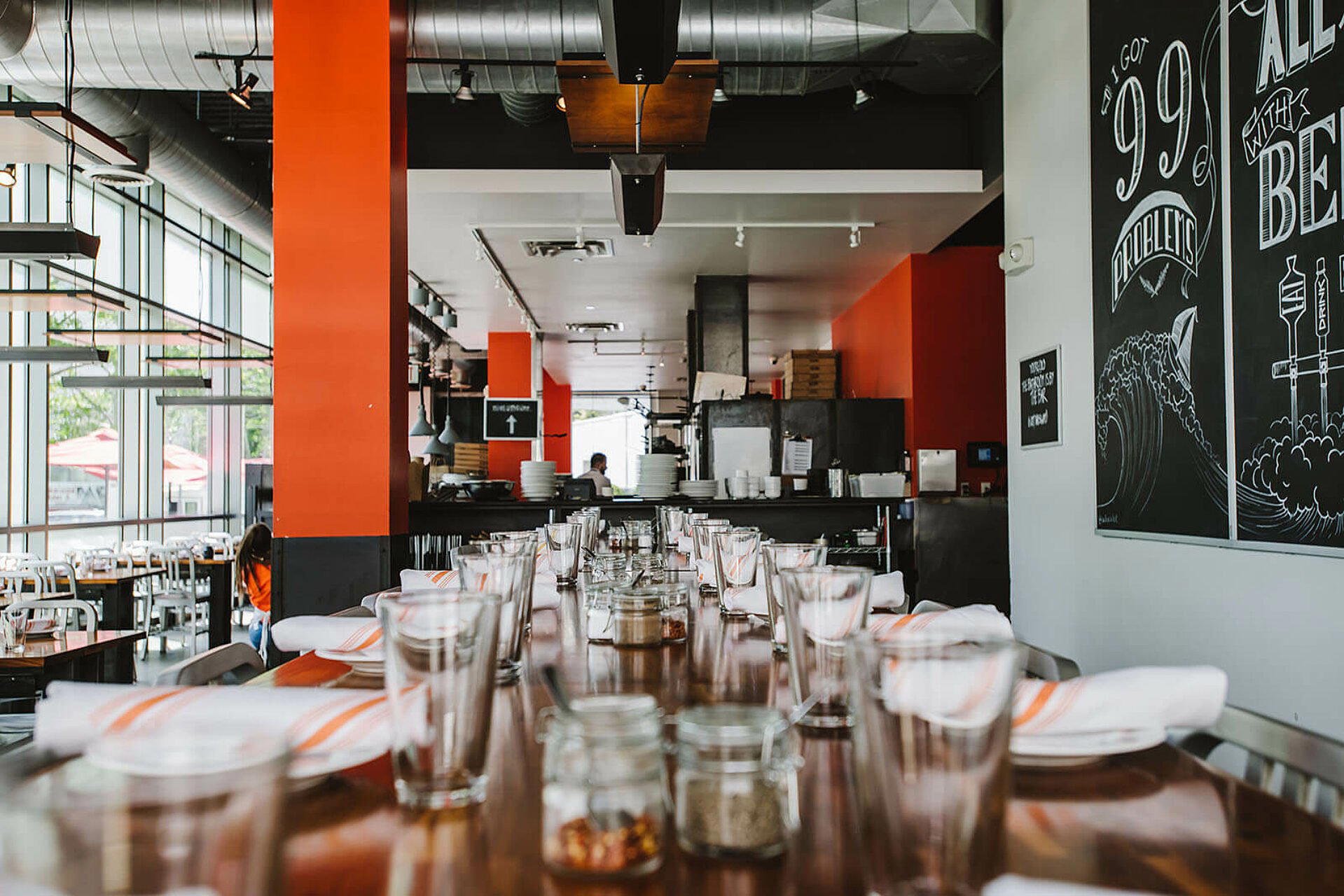
Rustic decor with mural walls, cheerful chaotic atmosphere, well-lit, and classic Italian family dining feel.