Antica Terra

Antica Terra is a Willamette Valley winery operating from Amity, Oregon, with a first vintage dating to 1989 and winemaker Maggie Harrison at the helm. Holder of a Pearl 4 Star Prestige award in 2025, it works within the Pinot Noir and Chardonnay-oriented tradition that defines the northern Willamette's cooler growing zones. The property sits among a small peer group of Oregon producers who trade on allocation-model distribution and minimal-intervention philosophy.
Pearl is the En Primeur Club membership app — saves, bookings, and concierge access live there. Same editors, same standards.
- Address
- 5100 SE Rice Ln, Amity, OR 97101
- Phone
- +1 503-244-1748
- Website
- anticaterra.com
 Saves & bookings on Pearl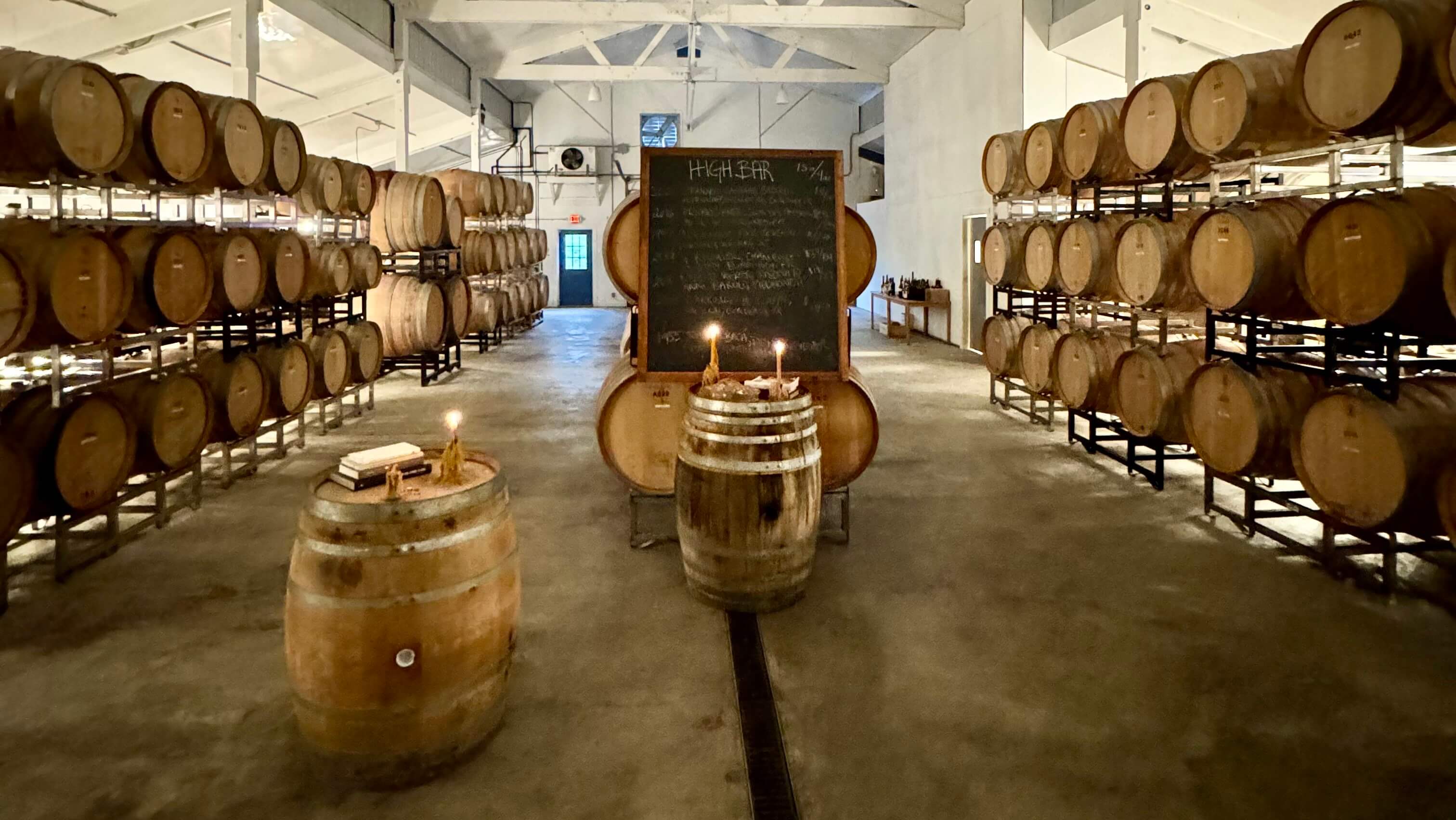
What the Eola-Amity Hills Ask of the Vine
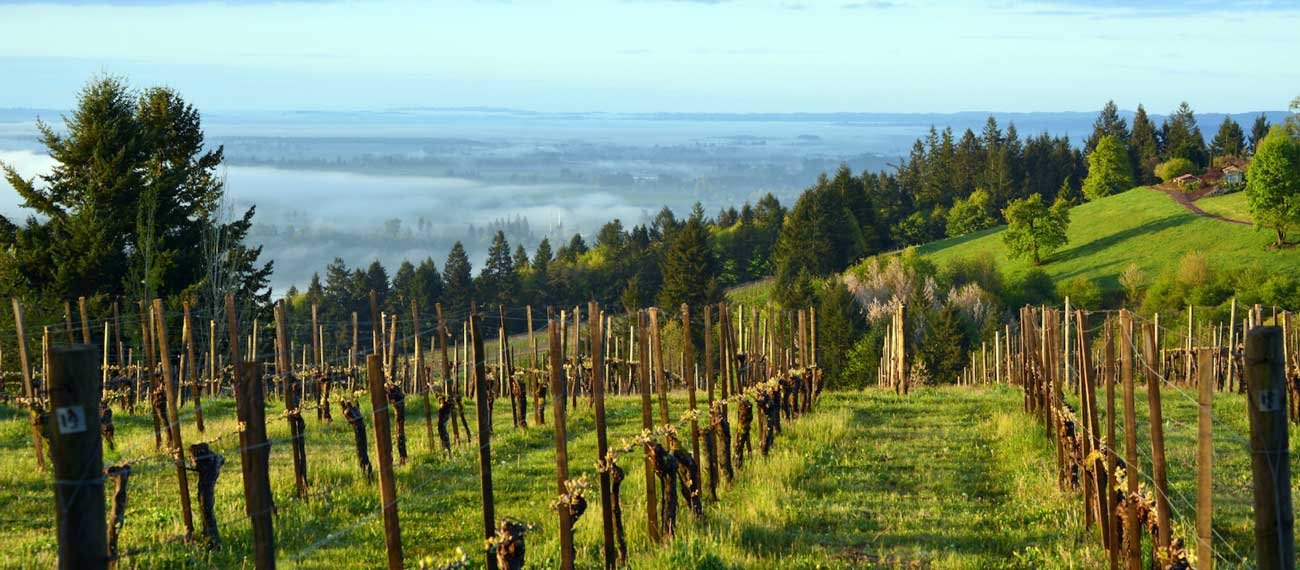
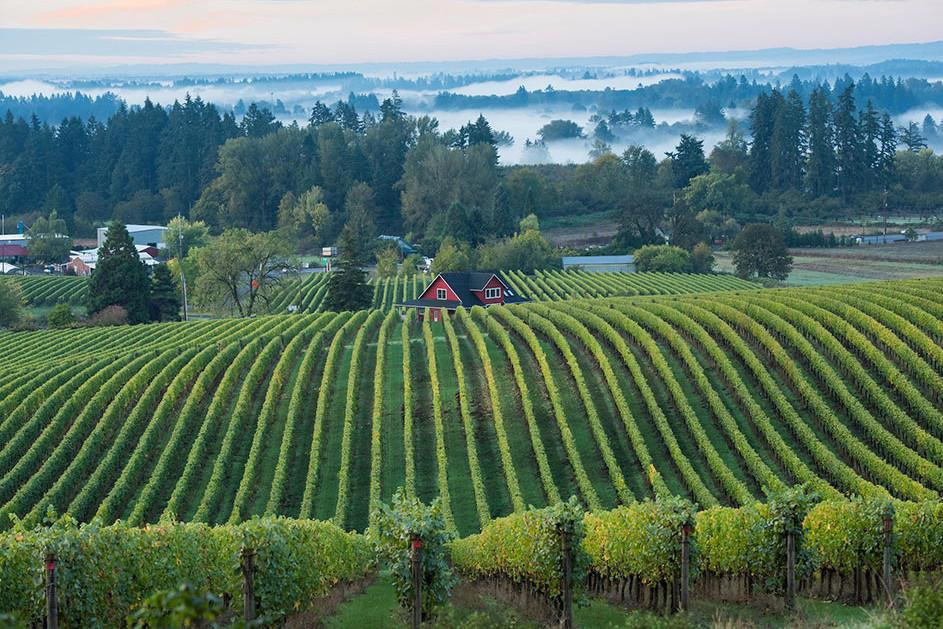
Oregon's Willamette Valley has always resisted the tidier narratives of California wine country. The northern Willamette is cold enough to make ripening a conversation, not a guarantee, and that tension is precisely what its advocates consider the point. In the Eola-Amity Hills sub-appellation, which frames the town of Amity on its western edge, the Van Duzer Corridor funnels marine air off the Pacific through a gap in the Coast Range every afternoon, dropping temperatures during the growing season well below what most other Oregon AVAs experience. The result is a longer hang time for Pinot Noir, more gradual accumulation of phenolic complexity, and an acidity structure that distinguishes the sub-appellation's wines from the warmer benchmarks set further north around Dundee. Antica Terra is a winery in Amity, Oregon, with a price tier of 4 and an appointment-only visit pattern.
What makes the Eola-Amity Hills a coherent winemaking proposition rather than just a geographic designation is the combination of Jory soils, the sub-appellation's volcanic basalt-derived ground, and the marine influence that the corridor delivers with near-daily consistency. Jory retains heat while draining well, which moderates the risk that cool afternoons would otherwise pose to full ripening. It also tends to produce wines with a particular mineral grip, a quality that shows up in peer-appellation producers across the Hills and links them to a broader conversation about site expression. Winemaker Maggie Harrison works within this framework at Antica Terra, and the 2025 Pearl 4 Star Prestige award the winery carries reflects where the property sits within that sub-appellation comparable set.
Inside the Allocation Model
A significant portion of serious Willamette Valley production never reaches retail shelves in any conventional sense. The allocation-and-mailing-list structure that governs how estates like Antica Terra distribute their wine is part of the winery's competitive identity. This model, common across the premium end of Oregon's Pinot-focused producers and shared in different configurations by properties like Adelsheim Vineyard in Newberg and Brooks Winery nearby in Amity, creates a self-selecting audience that engages with the wine on the producer's terms rather than through third-party retail. It also signals a production scale that keeps the winemaking oriented toward quality per bottle rather than consistency at scale.
The contrast with larger-footprint Oregon operations is instructive. Producers working in higher volumes tend toward blended appellation bottlings that prioritize accessible fruit profiles; estates working at Antica Terra's scale can afford to keep individual block identities intact, tracking how specific parcels on volcanic or sedimentary soils perform year by year. Across California's premium tier, a similar division of labor appears between larger appellations and tighter specialist properties. Accendo Cellars in St. Helena and Aubert Wines in Calistoga occupy analogous niches in Napa, where the allocation model similarly filters engagement toward a core of attentive buyers.
Maggie Harrison and the Terroir Conversation
Harrison's presence at Antica Terra places the winery within a specific lineage of West Coast winemaking that prizes site fidelity. That lineage includes producers who came up through properties where restraint was not a selling point but an operating principle: low yields, careful cellar handling, and a preference for letting the vintage's character override formula. In the Willamette Valley, where each harvest presents a materially different set of climatic conditions, that orientation matters more than in warmer, more predictable growing regions. A Pinot Noir from the Eola-Amity Hills in a cool, late year looks and tastes different from one produced in a warmer, early harvest, and winemakers who embrace that variability rather than correcting for it produce a substantially different kind of wine.
The peer group this places Antica Terra in is not defined by geography alone. Across the West Coast, a cluster of producers working in cool-climate zones with Burgundian varieties and Burgundy-inflected technique share a competitive set that cuts across state lines. Au Bon Climat in Santa Barbara established part of the California template for this approach; Alban Vineyards in Arroyo Grande pushed into Rhône varieties with a similar fidelity to site. In Oregon, the tradition runs deeper still, with the Willamette Valley's founding generation having made the case for Pinot Noir in a cool, marginal climate when most of the American wine industry thought the argument was lost before it started.
How Amity Positions Within the Willamette
Amity is not the Willamette Valley's most prominent address. Dundee and McMinnville attract more visitor traffic, and the concentration of tasting rooms along Highway 99W gives those towns a more immediate wine-country legibility. Amity, by contrast, rewards deliberate planning. The Eola-Amity Hills AVA designation, formally established in 2006, gave the area a clearer identity separate from the broader valley, and producers here have gradually built a case for the sub-appellation as a distinct expression rather than a second-tier postcode. Antica Terra's tenure predates the formal AVA designation, which means the winery's attachment to the area precedes the institutional framework that later gave it market coherence.
For context on Oregon's broader winemaking positioning, the state operates at a scale that keeps its most respected producers below the radar of buyers who default to Napa or Sonoma. Properties like Alexander Valley Vineyards in Geyserville, Alpha Omega Winery in Rutherford, or Artesa Vineyards and Winery in Napa operate in a market where name recognition opens doors more efficiently. Oregon's premium tier trades on a different currency: the credibility that comes from making a difficult climate work, and from a production model that resists the kind of volume scaling that California appellations can accommodate. Adelaida Vineyards in Paso Robles and Andrew Murray Vineyards in Los Olivos work warm-climate Rhône varieties with a comparable level of intention but in a fundamentally different climatic argument. Oregon's case, and Antica Terra's case within it, rests on cool-climate tension rather than warm-climate generosity.
Planning a Visit
Antica Terra sits at 5100 SE Rice Ln in Amity, Oregon 97101, placing it in the Eola-Amity Hills farming corridor west of the town center. Tasting access at this tier of Willamette Valley production typically operates by appointment rather than walk-in, and given the winery's Pearl 4 Star Prestige standing and allocation-driven distribution model, confirming availability before arriving is advisable. Reaching out through the winery's mailing list or direct email is the recommended route. The broader Amity area warrants a full day if you're orienting around the Eola-Amity Hills: the sub-appellation's tasting options are more dispersed than Dundee's, but the concentrated focus on Pinot Noir and the relative absence of tourist infrastructure makes the experience more direct. Visitors comparing Oregon producers against other West Coast benchmarks may also find value in reviewing properties like B.R. Cohn Winery in Glen Ellen or international reference points such as Aberlour in Aberlour and Achaia Clauss in Patras to calibrate how terroir expression differs across climates and traditions.
Comparable Spots, Quickly
Comparable venues nearby, for context on price, style, and recognition.
| Venue | Cuisine | Price | Awards | Notes |
|---|---|---|---|---|
| Antica TerraThis venue — the venue you are viewing | Pinot Noir, Chardonnay | $$$$ | ||
| Brooks Winery | Riesling, Pinot Noir | $$ | World's 50 Best #28 | Eola-Amity Hills |
| Stoller Family Estate | Pinot Noir, Chardonnay | $$$ | Dundee Hills | |
| Domaine Drouhin | Pinot Noir, Chardonnay | $$$ | Dundee Hills | |
| Willakenzie Estate | Pinot Noir, Pinot Blanc | $$$ | Yamhill-Carlton AVA | |
| Argyle Vineyards | Pinot Noir, Chardonnay | $$$ | downtown Dundee |
Continue exploring
More in Amity
Wineries in Amity
Browse all →
Bars in Amity
Browse all →



Restaurants in Amity
Browse all →




At a Glance
- Elegant
- Intimate
- Sophisticated
- Rustic
- Special Occasion
- Wine Education
- Barrel Room
- Private Tasting
- Biodynamic
- Organic
- Vineyard
- Garden
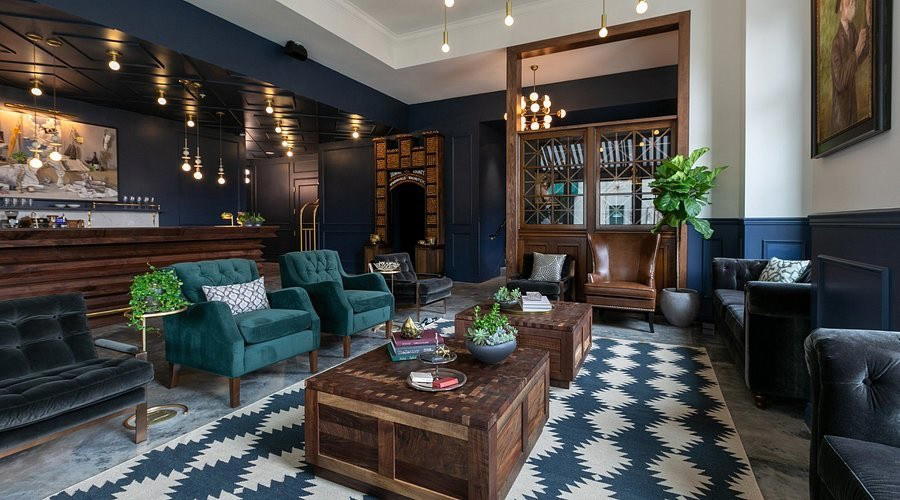
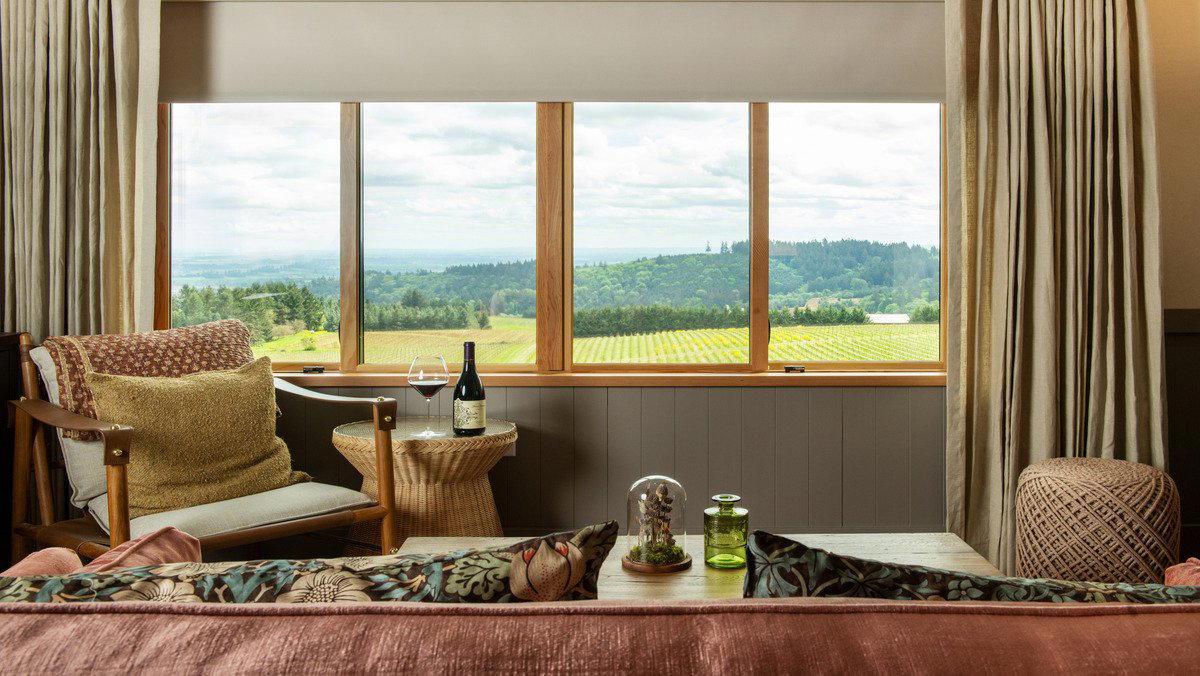
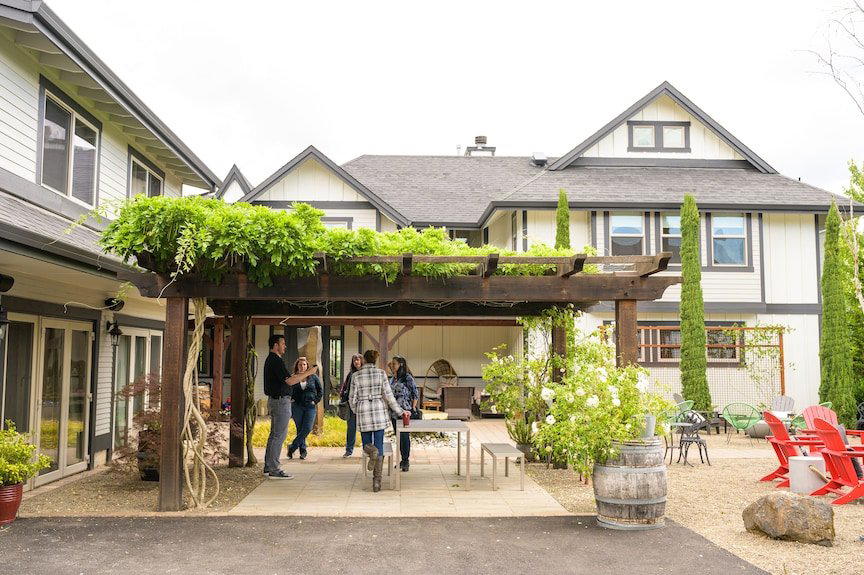
Dimly lit barrel room with tiny white lights, candles, and backlit wine collections creating a cozy, artistic, and inspiring atmosphere.