Tabelog 100 #73
Our verdict
Osaka’s tachinomi culture rewards speed, proximity, and appetite rather than ceremony. Ankera So belongs to that compact standing-bar tier: counter-led, drink-forward, and selected for Tabelog 100 Tachinomi 2025, with tripe anchoring its food identity and sake, shochu, wine, and cocktails keeping the format broader than a single-drink specialist.

Pearl is the En Primeur Club membership app, where members save venues, book tables and use the concierge.
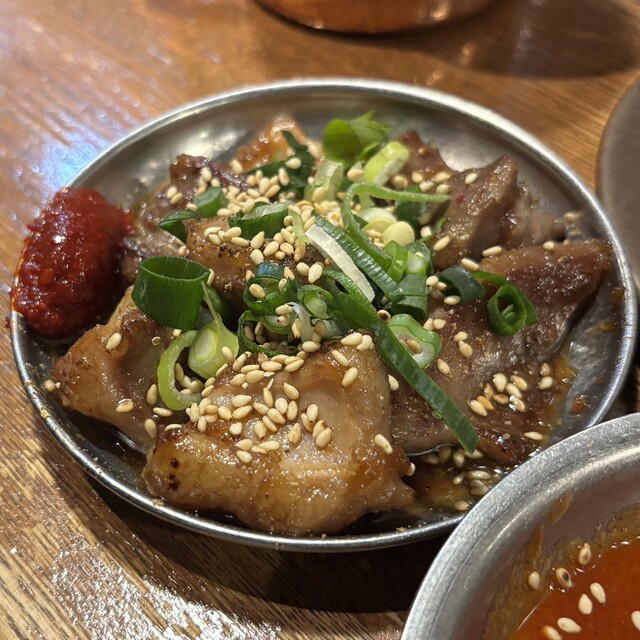
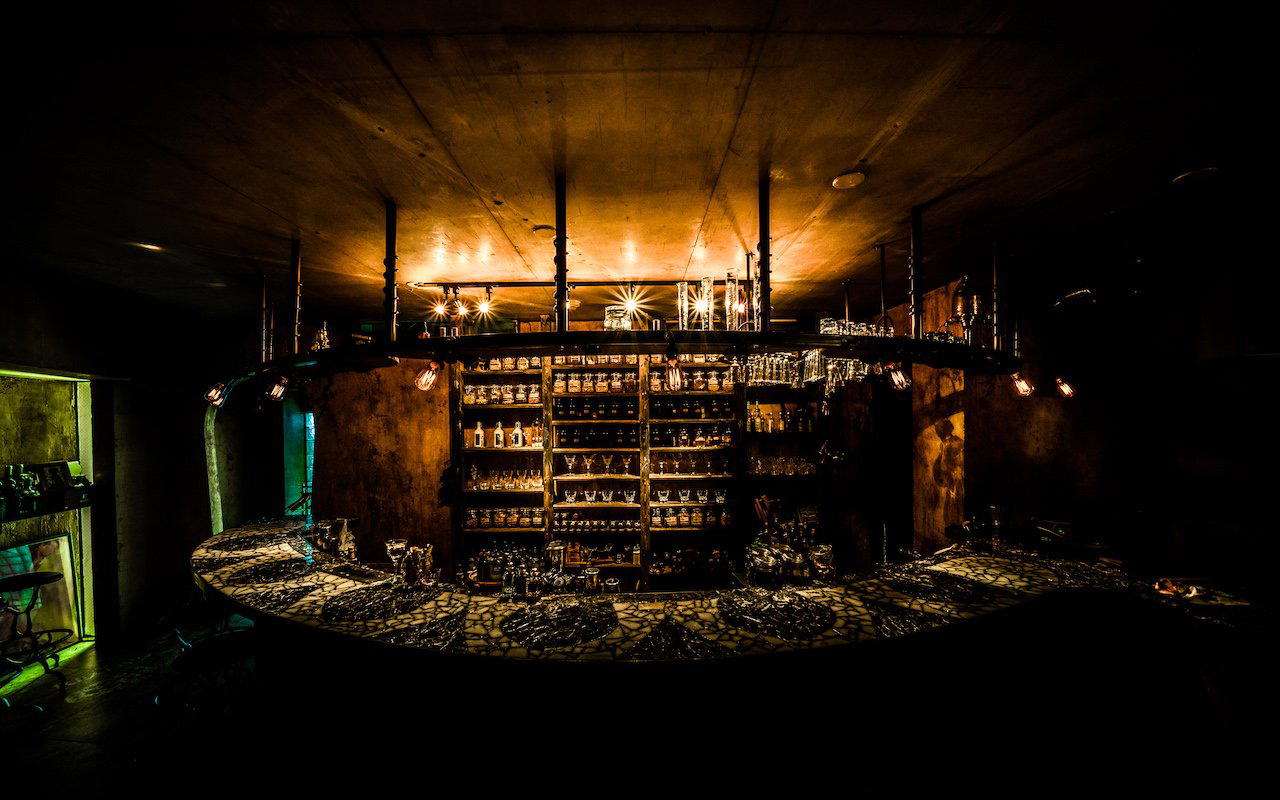
Sennichimae has a way of compressing appetite into tight rooms and short decisions. Around Nippombashi, the eating rhythm is less about lingering over linen and more about reading the counter, ordering with intent, and letting the room’s pace set the meal. Ankera So sits squarely inside that Osaka tradition: a standing bar where tripe, alcohol, and proximity do the work that tasting menus elsewhere try to choreograph.
Tachinomi is often misread as a budget category, when its better Osaka examples are closer to a civic ritual. The format rewards regulars who know how to eat in rounds, but it also suits travelers who understand that the city’s drinking culture is built on movement. A table is not the point. The point is frictionless food, a short gap between order and glass, and a room where the counter gives every choice a certain urgency.
Standing-bar etiquette, Osaka tempo, and the tripe counter
The useful comparison is not with a full izakaya, and certainly not with a formal restaurant. Tachinomi belongs to a different grammar: less ceremony, faster pacing, fewer physical comforts, and a stronger dependence on the counter as both stage and service line. Ankera So’s category, stand-up bar and tripe, places it in the meat-and-drink lane rather than the snack-only end of the genre. That matters in Osaka, where drinking venues often compete through a single sharp food identity rather than breadth.
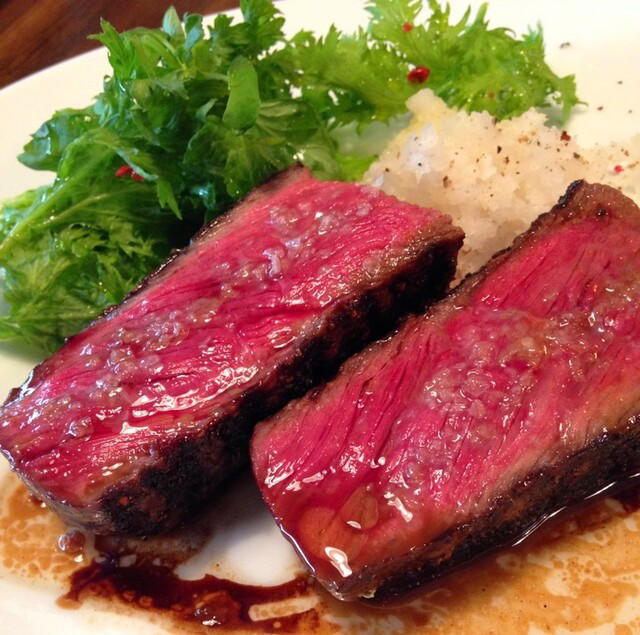
Tripe gives the format weight. In a city famous for okonomiyaki, kushikatsu, and late-night carbohydrates, offal-focused drinking food offers a different kind of appetite: saline, textural, built for repeat sips rather than a single centerpiece dish. The drinks list stretches across sake, shochu, wine, and cocktails, which also signals a contemporary tachinomi pattern. The old binary of beer-and-highball standing bars versus serious sake counters has softened; newer recognition tends to favor places that can hold a mixed group without losing the discipline of the format.
That recognition is not incidental. Selection for Tabelog 100 Tachinomi 2025 puts Ankera So inside a national conversation around Japan’s standing-bar culture, not just Osaka’s neighborhood drinking circuit. Tabelog’s score of 3.58 is a useful signal in this category because standing bars are judged by a different set of expectations than destination sushi counters or kaiseki rooms. Precision here means turnover, drink compatibility, food that survives a crowded counter, and a room that makes standing feel intentional rather than makeshift.
Osaka has plenty of adjacent options for visitors mapping a night by appetite. Stand Aida sits in a similar dinner-spend band, while Fukutarou Honten, Datedachi, and Takada Noageage occupy lower casual brackets. Hon Sekiguchi, by contrast, operates in a far higher spend tier, which makes it a poor like-for-like comparison but a useful reminder of how broad Osaka dining can be within a few train stops. Ankera So’s appeal is not luxury in the conventional sense. It is the sharper pleasure of a small format doing exactly what the category asks of it.
How to read Ankera So in the wider Osaka food circuit
For a first Osaka night, the temptation is to chase neon shorthand: Dotonbori, takoyaki queues, crab signs, and visible spectacle. Sennichimae rewards a different approach. The neighborhood’s better eating is often stacked vertically, tucked above street level, or split between tiny counters that depend on pace rather than frontage. A standing bar in this area should be read as part of the city’s after-work and after-second-dinner infrastructure, not as a novelty stop.
The ritual is simple but not careless. Arrive ready to stand, keep the order tight, drink with the food rather than before it, and treat the counter as shared territory. In tachinomi culture, comfort comes from fluency: moving when needed, not spreading out, and understanding that the room’s compactness is part of the contract. That is also why groups need to think differently here than they would at a table-service izakaya. The format favors pairs and small groups that can fold into the counter without turning the meal into logistics.
Travelers building a broader Osaka itinerary can use Ankera So as the drinking-food anchor rather than the whole evening. For daytime grazing and casual stops, the city has a different register at .cafe, 52CHO-ME BAKERY, and 551 Horai (551蓬莱). Italian and pizza-focused meals pull the city into another lane at 99 Pizza Napoletana Gourmet and a canto (Italian). For planning beyond one counter, Our full Osaka restaurants guide, Our full Osaka hotels guide, Our full Osaka bars guide, Our full Osaka wineries guide, and Our full Osaka experiences guide give the city a more complete shape.
Japan’s casual dining vocabulary also changes sharply by region, which is why comparisons outside Osaka should be used carefully. Beef sukiyaki in Kamakura, charcoal tuna in Tokyo, curry in Sapporo, and sake-bar culture in Los Angeles all sit under the broad label of Japanese dining, but each asks for a different rhythm. Useful reference points include -Grilled beef Sukiyaki- KAMAKURA TANUKIAN 鎌倉 たぬき庵 in Kamakura. 鮪と炭火焼き うお炭 秋葉原店 in Tokyo.know in Kumamoto, (Shoku) Vietnam in Kawasaki, [Curry Senmon Ten] Maruyama Kyoju. in Sapporo, [ki:] in Kyoto, Jōdo Saké Bar in Los Angeles, and Onigiri Time in Pasadena.
The editorial read: go for the format, not the comforts
Ankera So makes sense for travelers who want Osaka’s drinking culture at counter height. The trade-off is clear: the room is designed around standing, private dining is not part of the proposition, and the pleasure depends on accepting the pace of the format. That is not a compromise when the evening is built correctly. It is the point.
The stronger move is to treat it as a focused stop in a Sennichimae night rather than a conventional dinner reservation. The award recognition, narrow food identity, and broad drinks range give it more editorial weight than a generic bar crawl address. The decision comes down to appetite: choose it when offal, close quarters, and quick-drinking Osaka rhythm sound more compelling than a seated izakaya built for comfort.
Frequently asked questions
What should I budget for a meal at Ankera So?
Pricing at Ankera So is listed as JPY 3,000 - JPY 3,999 View spending breakdown.
What's the address for Ankera So?
Ankera So is located in Osaka.
What's the best way to book Ankera So?
There is no reservation system listed for Ankera So, and the public record shows reservations unavailable. The practical approach is to go in person to its Sennichimae address near Kintetsu Nippombashi, then time the visit for its 5:30 PM opening. Check the venue's official channels for the latest details.
What is Ankera So known for?
Ankera So is primarily known for its core concept and execution in Osaka.
A Minimal
Comparable venues at a glance for context.
| Venue | Cuisine | Price | Awards | Notes |
|---|---|---|---|---|
| Ankera SoThis venue (the venue you are viewing) | Osaka standing bar (tachinomi) with horumon and tripe dishes | $20–30 | Tabelog 100 #73 | Not listed |
| Stand Aida | Standing yakitori & chicken dishes | $30–50 | Tabelog 100 #93 | JPY 3,000 - JPY 3,999 View spending breakdown |
| Fukutarou Honten | Not listed | Not listed | Not listed | JPY 2,000 - JPY 2,999 JPY 1,000 - JPY 1,999 |
| Datedachi | Stand-up Yakitori & Izakaya | $30–50 | Tabelog 100 #85 | JPY 2,000 - JPY 2,999 JPY 2,000 - JPY 2,999 View spending breakdown |
| Takada Noageage | Osaka stand-up fried foods bar | $20–30 | Tabelog 100 #26 | JPY 2,000 - JPY 2,999 |
| Hon Sekiguchi | Traditional Kansai-Style Sukiyaki & Shabu-Shabu | $100–150 | Tabelog 100 #29 | JPY 20,000 - JPY 29,999 View spending breakdown |
Recognition history
Dated appearances from independent guides and award organizations, with the underlying list record or original source where available.
Tabelog 100 #73 · No. 73
Tabelog · Tabelog 100 - Tachinomi - 2025