Tabelog 100 #26
Our verdict
Takada Noageage brings Osaka’s tachinomi culture into a compact Nanbasennichimae room built around standing-bar pace, counter interaction, deep-fried food, shochu, and wine. Its 2025 Tabelog 100 Tachinomi selection gives it a credible marker in a city where casual drinking rooms often compete on energy, speed, and kitchen discipline rather than ceremony.

Pearl is the En Primeur Club membership app, where members save venues, book tables and use the concierge.
The menu
What to order
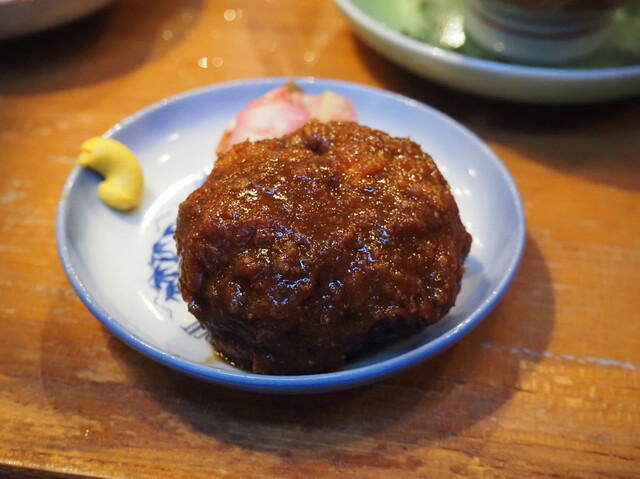
- Deep-fried skewers (kushikatsu)
- Assorted deep-fried foods
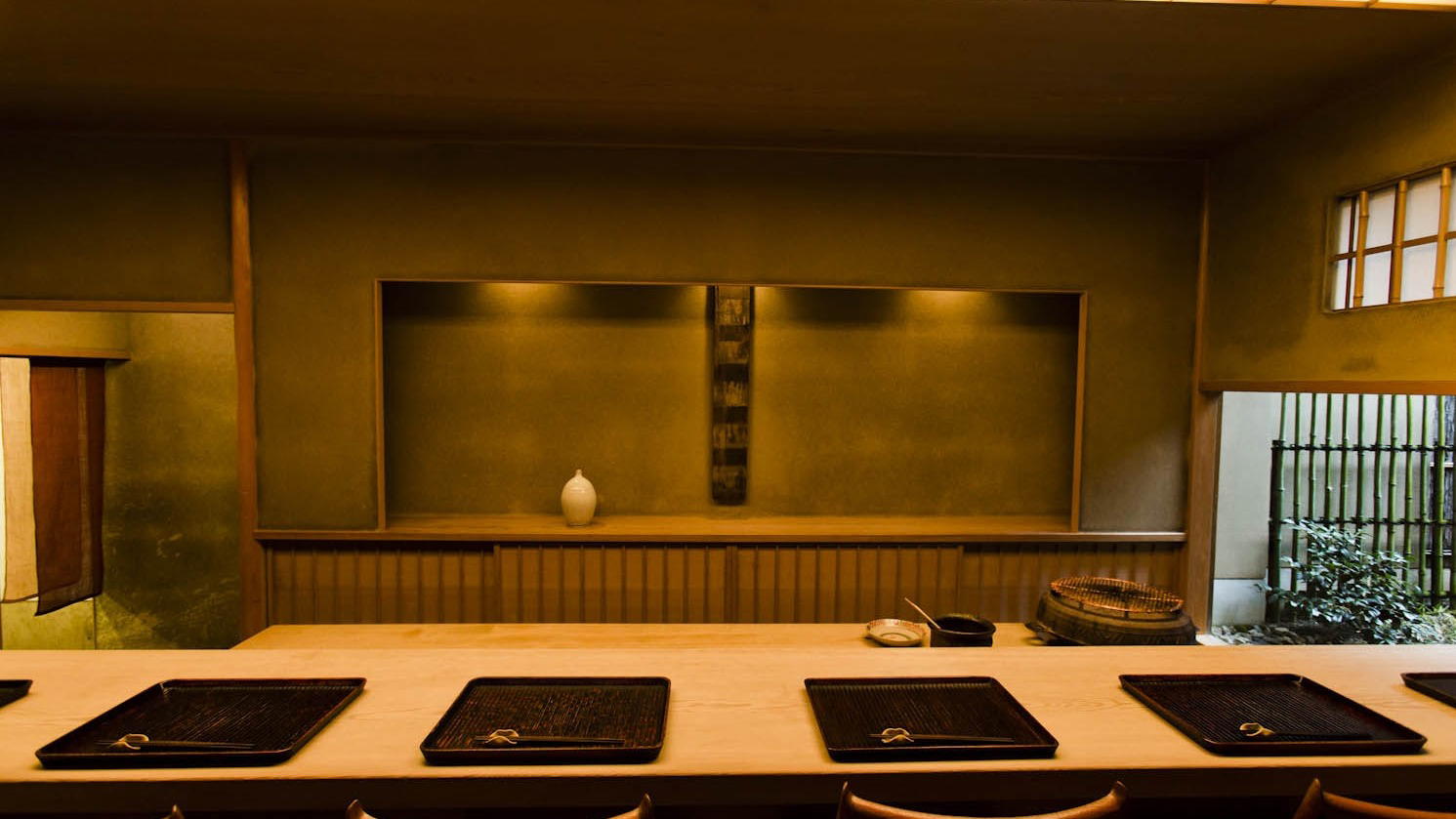
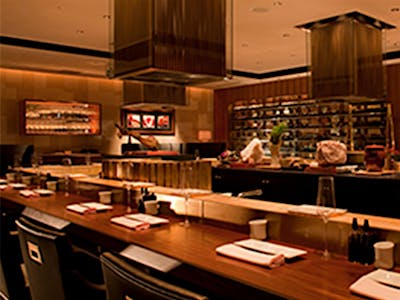
Osaka does not ask diners to lower their voices. Across the city, the rhythm is casual eating, late-afternoon drinkers, fast-turning rooms, and Osaka’s habit of taking informal food seriously. In that setting, a standing bar must do more than look relaxed: move drinks, keep the food arriving, handle limited space, and make the room feel neither chaotic nor stiff.
Takada Noageage fits that Osaka grammar. It is listed as a stand-up bar anchored by deep-fried foods. The combination matters. Osaka has long made space for low-formality but not low-attention dining: casual rooms, snack-driven drinking stops, and standing bars all depend on rhythm. The appeal is compression, not ceremony: a short order, a drink, limited space, and a format that delivers without turning the meal into a production.
Standing-bar Osaka, judged by rhythm rather than ceremony
Read this room through coordination. In a standing bar, food and drink service are closely linked. The timing of one affects the other; the room’s rhythm decides whether the experience feels generous or merely crowded. The format rewards discipline. A compact standing-bar setup leaves little margin for drift, especially in Osaka, where diners can quickly move on if the pace slackens.
Tabelog’s 2025 recognition places Takada Noageage in a narrow, telling category. This is not award language for formal tasting menus or hotel dining rooms; it is a public marker for a style of drinking and eating Japanese cities take seriously on its own terms. A Tabelog score of 3.57 adds a second signal: strong enough to register in a crowded local field, while still in Osaka’s casual price tier rather than a reservation-led luxury tier.
The comparison set explains the positioning. Fukutarou Honten, Stand Aida, Ankera So, Konamon Dokoro Mitsukuni Ura nanba ten, and THE BUTCHER each sit in Osaka’s broader casual-dining conversation, but they do not serve the same role. Takada Noageage is best read as a compact, affordable standing-drink stop, where value is measured by turnover, focus, and how well the first drink meets the first hot plate.
Deep-fried food and a standing format make the room more exacting
Deep-fried food in a standing bar tests sequencing. The cooking brings heat and immediacy; the room demands speed and minimal fuss. Add the standing format, and service becomes more exacting. The food suggests more than a token bite, while the format prevents it from becoming leisurely in the Western restaurant sense. This is a concise Osaka drinking meal, not a long-form dinner.
That distinction helps travellers building an Osaka evening. The city’s stronger casual rooms often work better as part of a route than as a single destination dinner. A standing bar before or after another stop can make more sense than forcing it to carry the night. Readers mapping the city’s range can compare this with broader Osaka dining in general. Other venues do not serve the same purpose; Osaka’s dining identity is broad enough to make a standing deep-fried-food stop part of the core conversation, not a side note.
There is city logic here. Osaka rewards diners who understand format before arrival. A standing bar is not for private-room pacing, extended table possession, or a chef-led narrative. The better question is whether the team makes a tight space feel intentional. A stand-up bar format indicates a room built for quick, focused eating and drinking without treating informality as second class.
How to place it in an Osaka itinerary
The practical reading is simple: this is a casual, low-spend standing-bar choice with a recognized Tabelog credential. The listed dinner budget is JPY 2,000 to JPY 2,999, so the friction point is expectation rather than dress or formality. Its location is Osaka, making it useful for an Osaka-focused evening rather than a destination framed by ceremony.
For visitors, treat Takada Noageage as a format-specific stop: go for Osaka’s standing-drink culture, the deep-fried-food category, and the compressed pleasure of a room dependent on timing. Do not judge it against formal dining or luxury restaurants. Judge it against Osaka’s casual drinking rooms, where the difference between ordinary and memorable is usually operational: how food, drinks, and service cadence hold together under pressure.
Use Our full Osaka restaurants guide for a wider dining map, then place this stop alongside the city’s hotel, bar, winery, and experience planning through Our full Osaka hotels guide, Our full Osaka bars guide, Our full Osaka wineries guide, and Our full Osaka experiences guide. For contrast outside Osaka, EP Club’s Japan and overseas restaurant coverage ranges across casual counters, specialist rooms, drinking spots, and snack-driven venues, but Takada Noageage belongs most clearly in Osaka’s own standing-bar conversation.
Frequently asked questions
Where exactly is Takada Noageage?
Osaka.
What should I budget for a meal at Takada Noageage?
Pricing at Takada Noageage is listed as JPY 2,000 - JPY 2,999.
What are the operating hours at Takada Noageage?
Specific operating hours are not provided in the available venue details. Check the venue's official channels for the latest details.
What do critics highlight about Takada Noageage?
Critics focus on its stand-up bar format and deep-fried-food category, and Tabelog recognition in 2025 gives it a clear public signal. Its Tabelog score is listed as 3.57, framing it as a compact Osaka stop with casual appeal.
Can Takada Noageage accommodate dietary restrictions?
Those details are not published. It is priced at JPY 2,000–JPY 2,999 in Osaka. Check the venue's official channels for the latest details.
Recognition Snapshot
Comparable venues by cuisine and price in the same metro.
| Venue | Cuisine | Price | Awards | Notes |
|---|---|---|---|---|
| Takada NoageageThis venue (the venue you are viewing) | Osaka stand-up fried foods bar | $20–30 | Tabelog 100 #26 | Not listed |
| KOBEキッチン MUGUNI | Omurice-focused Yoshoku (Japanese Western-style) | $20–30 | Tabelog 100 #14 | Amerikamura |
| Aaaa | Japanese Stand-up Bar | $20–30 | Tabelog 100 #47 | Chūō |
| Okonomi Tamachan Viva | Okonomiyaki, Teppanyaki & Korean Izakaya | $30–50 | Tabelog 100 #50 | Nishi |
| Udon Ubara | Japanese Udon | $10–20 | Tabelog 100 #20 | Tennōji |
| Sora Tsuruhashi souhonten | Traditional Osaka yakiniku & horumon | $30–50 | Tabelog 100 #97 | Tennōji |
Recognition history
Dated appearances from independent guides and award organizations, with the underlying list record or original source where available.
Tabelog 100 #26 · No. 26
Tabelog · Tabelog 100 - Tachinomi - 2025