
Michelin Plate
Our verdict
A Michelin Plate-recognised riverfront restaurant on Ayutthaya's Chao Phraya, Baan Mai Rim Nahm has been cooking Central Thai food for over two decades using ingredients sourced directly from local farmers and fisherfolk. The tom yum with redtail catfish and grilled river prawns are the dishes to order. Dining options run from the air-conditioned interior to an open terrace or an on-water riverboat experience.

Pearl is the En Primeur Club membership app, where members save venues, book tables and use the concierge.
The menu
What to order
- Grilled river prawns
- Tom yum with redtail catfish
- Yellow curry crab
- Crab meat fried rice
Where the River Sets the Table
On U Thong Road, the stretch of Ayutthaya that runs along the Chao Phraya, the pace slows noticeably. The ruins are a few kilometres back. The tour groups thin out. What remains is a riverfront that functions less as a backdrop and more as a working waterway: fishing boats, occasional barge traffic, and the kind of flat, luminous light that arrives over Thai rivers in the late afternoon. Baan Mai Rim Nahm sits in this stretch, its terrace extending toward the water and its dining room maintaining the air-conditioned calm that makes multi-course eating in central Thailand genuinely comfortable in the warmer months.
The restaurant has operated here for over twenty years, which in Ayutthaya's dining scene places it in a different category from the wave of heritage-adjacent venues that have opened to serve growing tourism. It holds a 2024 Michelin Plate, the guide's signal that a kitchen is cooking at a consistent, creditable standard without the theatrical trappings of tasting-menu dining. Our full Phra Nakhon Si Ayutthaya restaurants guide maps where this sits relative to the wider field.
Central Thai Cooking and the Paste Tradition
To understand what Baan Mai Rim Nahm is doing well, it helps to understand what Central Thai cuisine actually demands. The region's cooking is paste-dependent in a way that distinguishes it clearly from northern or southern Thai traditions. Kaeng phet (red curry), kaeng khiao wan (green curry), massaman, panang, each begins with a mortar, dried and fresh chillies, aromatics pounded in a specific order, and a precision of balance that takes years to develop consistency in. The paste is the cook. Everything else is assembly.
Central Thai pastes tend toward aromatic complexity rather than the raw heat of southern cooking or the milder, herb-forward profiles of Chiang Mai cuisine. Kaffir lime peel, lemongrass, galangal, and shrimp paste appear across most bases, but the ratios shift the outcome entirely. A panang leans rich and slightly sweet, finishing on coconut and dried chilli. A green curry runs brighter, with fresh green chillies and Thai basil cutting through the cream. Massaman moves toward the slow-cooked, incorporating warm spices, cardamom, cinnamon, that reflect the dish's long Persian-influenced trading history along the Chao Phraya corridor. Ayutthaya, as the former royal capital and a major river trade hub, sits at the historical centre of that culinary exchange.
Baan Mai Rim Nahm's sourcing model, ingredients drawn from local farmers and fisherfolk, matters here more than it might for a kitchen less reliant on fresh aromatics. The quality of galangal, the condition of lemongrass, the freshness of river fish all land directly in the paste and the broth. You can taste the supply chain in Central Thai cooking in a way that is harder to obscure than in cuisines with more forgiving ingredient tolerances.
The Dishes That Define the Menu
Two dishes carry the most weight on the menu. The Tom Yum with redtail catfish uses a freshwater species native to the Chao Phraya basin, which gives the soup a different textural quality from the prawn or chicken versions common elsewhere. Redtail catfish holds its structure in hot, acidic broth and carries a clean, mild flavour that takes the lemongrass and lime leaf without competing with them. Tom yum's balance between sour, spicy, and savoury is a precise calibration, and a version built around a local river fish speaks directly to the geography of the kitchen.
The grilled river prawns are described as large, a detail worth taking seriously when ordering, as river prawns in the Chao Phraya basin can reach sizes that make them closer to small lobster than the farmed tiger prawns more common in tourist-facing Thai restaurants. Grilled simply, they carry the sweetness of fresh water and the char of high-heat cooking in a way that a sauce-heavy preparation would obscure. These are not dishes built around technique demonstration. They are built around ingredient quality, which is a more demanding brief.
For those interested in how Ayutthaya's river-sourced cooking compares to broader Central Thai traditions, Nahm in Bangkok and Samrub Samrub Thai in Bangkok both operate at the research-led end of the Central Thai canon. Further afield, Sorn in Bangkok makes the case for southern Thai pastes with comparable rigour, while Aeeen in Chiang Mai shows what northern paste traditions look like at a serious level.
How to Eat Here
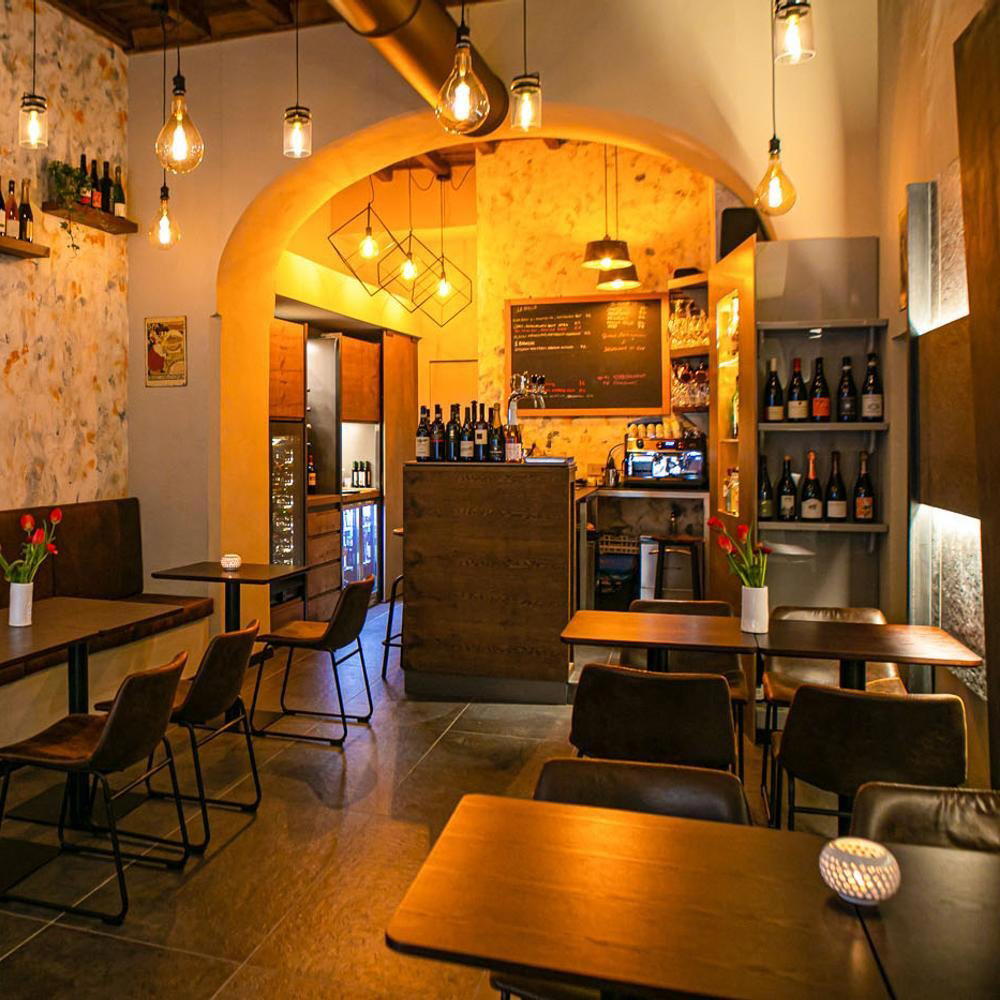
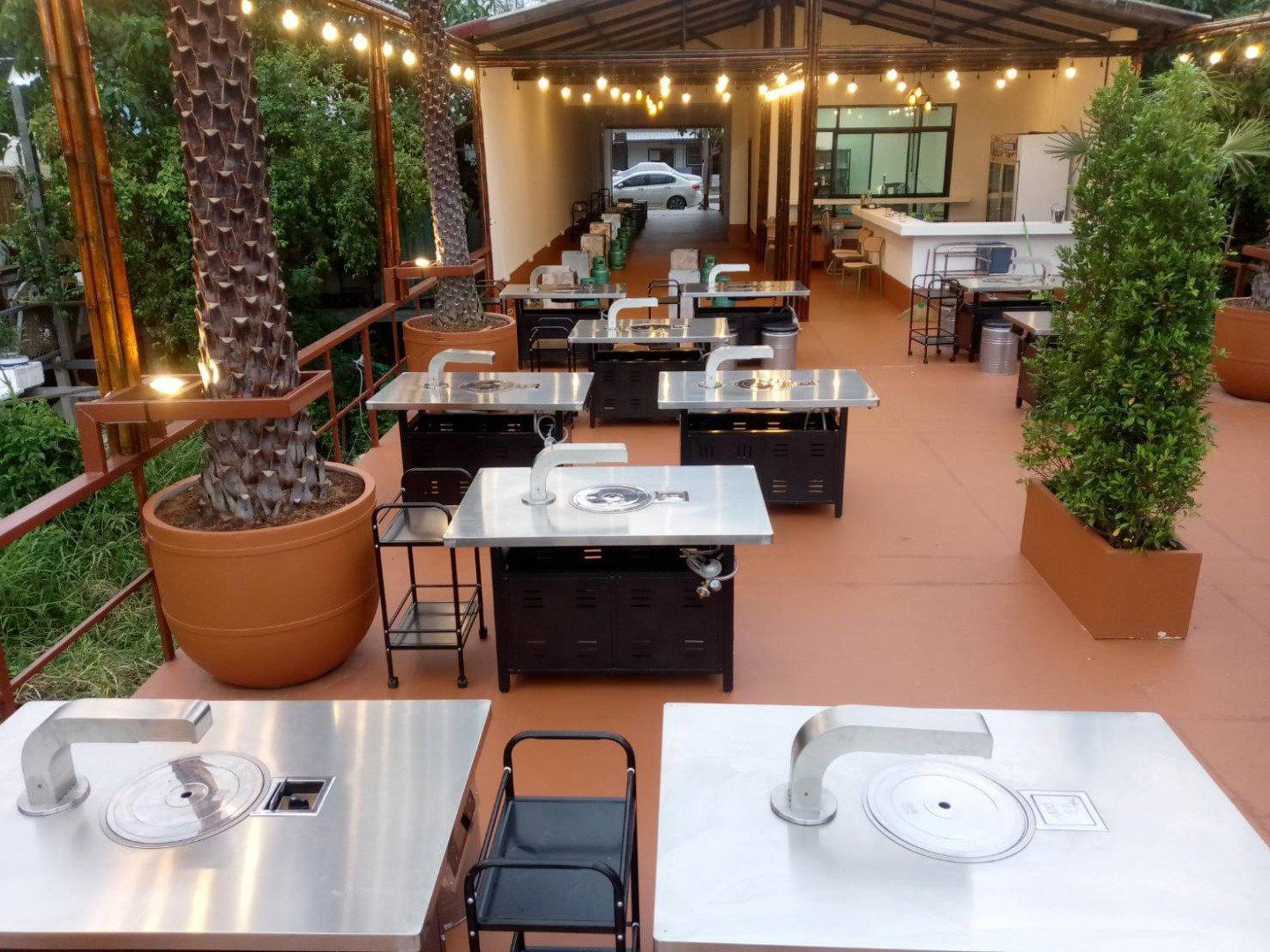
Three formats are available. The air-conditioned dining room suits extended meals, particularly at lunch when the heat outside peaks. The open terrace sits directly above the water and provides the setting that most justifies the restaurant's name, the view across the Chao Phraya is unobstructed and the proximity to the river makes the menu's sourcing story legible in a way it isn't indoors. The riverboat tour adds a touring dimension for those who want to pair the meal with a wider sense of the waterway.
The price range sits at ฿฿, mid-range by Thai standards, which means this is accessible for most visitors budgeting across a multi-day Ayutthaya stay. The restaurant sits on U Thong Road in Pratu Chai subdistrict, reachable by tuk-tuk from the main heritage sites. There is no website listed, so booking is leading arranged through the accommodation or directly on arrival if flexibility allows. For those planning around a broader itinerary, our full Phra Nakhon Si Ayutthaya hotels guide and experiences guide cover the wider logistics.
Where Baan Mai Rim Nahm Sits in Ayutthaya's Dining Field
Ayutthaya's mid-range Thai tier is reasonably developed for a heritage city of its size. Baan Pomphet, Baan Pu Karn, and Baan Ta Ko Rai occupy comparable price territory with their own angles on local ingredients. Ayutthayarom and Baan Ton Sai round out the options worth considering in the area. What distinguishes Baan Mai Rim Nahm within this peer group is the combination of two decades of operation, Michelin recognition at the Plate level, and a review base that indicates consistent repeat patronage rather than a single-visit tourism spike. Longevity in a market like Ayutthaya, where foot traffic is high but loyalty is harder to earn, functions as its own credential.
For those moving through Thailand's wider Central region, AKKEE in Pak Kret and PRU in Phuket represent different points on the country's farm-sourcing spectrum. Our Phra Nakhon Si Ayutthaya bars guide and wineries guide cover the rest of the evening if the meal extends into a longer stay.
Frequently asked questions
What's the price range at Baan Mai Rim Nahm?
Pricing at Baan Mai Rim Nahm is listed as ฿฿.
Where is Baan Mai Rim Nahm in Phra Nakhon Si Ayutthaya?
Baan Mai Rim Nahm is located at หมู่ที่ 2, 43/1, U Thong Rd, ต.ประตูชัย, Phra Nakhon Si Ayutthaya 13000, Thailand, Phra Nakhon Si Ayutthaya.
Cuisine and Credentials
| Venue | Cuisine | Price | Awards |
|---|---|---|---|
| Baan Mai Rim NahmThis venue (the venue you are viewing) | Central Thai Riverside Grill | $10–20 | Michelin Plate |
| Baan Ta Ko Rai | Authentic Central Thai | $10–20 | Michelin Bib Gourmand |
| Pa Lek Boat Noodles | Authentic Thai Boat Noodles | $1–10 | Michelin Bib Gourmand |
| Angeum | Authentic Vietnamese | $10–20 | Michelin Plate |
| Gu Cherng | Authentic Chinese Dim Sum & Peking Duck | Not listed | Michelin Plate |
| Here Klae Pork Satay | Thai Pork Satay | $1–10 | Michelin Bib Gourmand |
Recognition history
Dated appearances from independent guides and award organizations, with the underlying list record or original source where available.
Michelin Plate
Michelin
Full recognition history (2 entries)
Michelin Plate
Michelin
Continue exploring
More in Ayutthaya
Details
- Scenic
- Romantic
- Sophisticated
- Intimate
- Date Night
- Group Dining
- Casual Hangout
- Special Occasion
- Waterfront
- Terrace
- Private Dining
- Beer Program
- Local Sourcing
- Sustainable Seafood
- Waterfront
- A La Carte
- Family Style
- Beer
- Local Beverages
- Vegetarian Friendly
- Pescatarian Friendly
Current opening hours
- Monday
- 10:30 AM–9 PM
- Tuesday
- 10:30 AM–9 PM
- Wednesday
- 10:30 AM–9 PM
- Thursday
- 10:30 AM–9 PM
- Friday
- 10:30 AM–9 PM
- Saturday
- 10:30 AM–9 PM
- Sunday
- 10:30 AM–9 PM
Hours can change for holidays and private events. Hours as of .
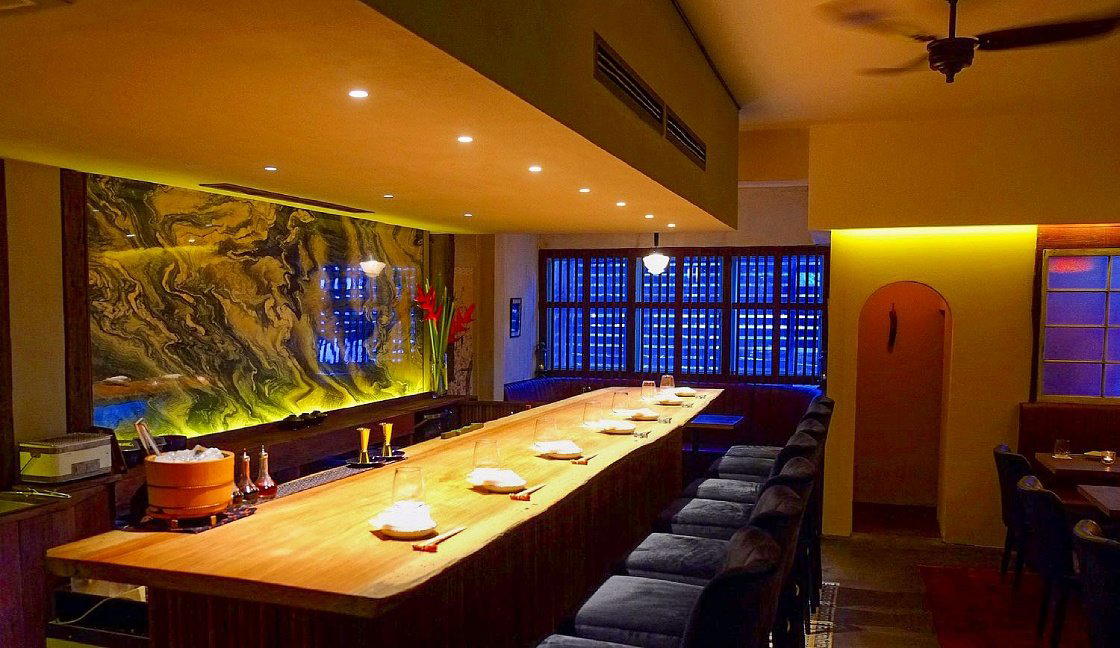
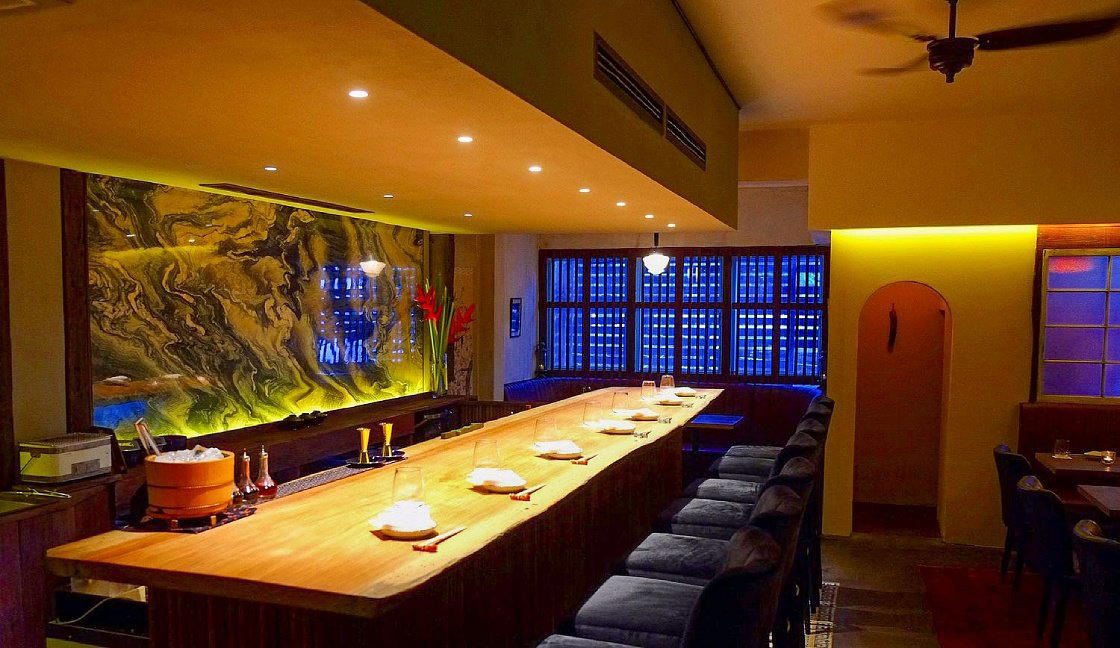
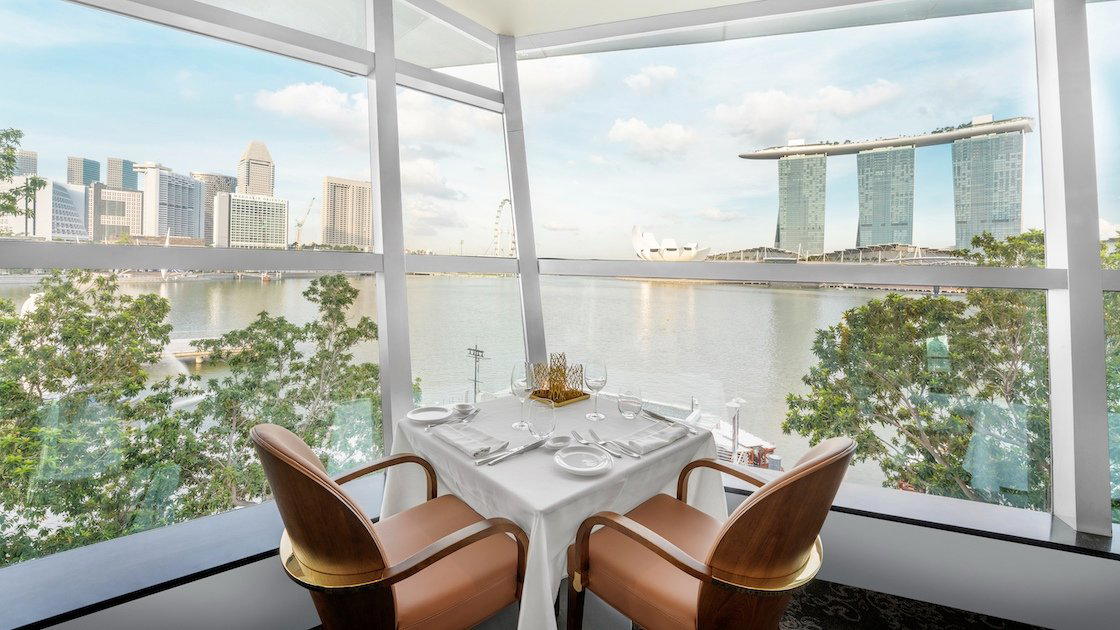
Warm and unforced sophistication with teak accents, soft lighting, and the gentle sound of the river; a serene dialogue between water and kitchen that privileges conversation and contemplation.