Baan Pomphet

Michelin Plate
Our verdict
Positioned against Ayutthaya's riverside dining scene, Baan Pomphet holds two consecutive Michelin Plate recognitions (2024 and 2025). Set within a boutique hotel beside the Pom Phet fortress, the kitchen draws on river and local farm sourcing for dishes that reflect Central Thai tradition, with grilled river prawns and freshwater snails in red curry soup among the standout preparations.

Pearl is the En Primeur Club membership app, where members save venues, book tables and use the concierge.
The menu
What to order
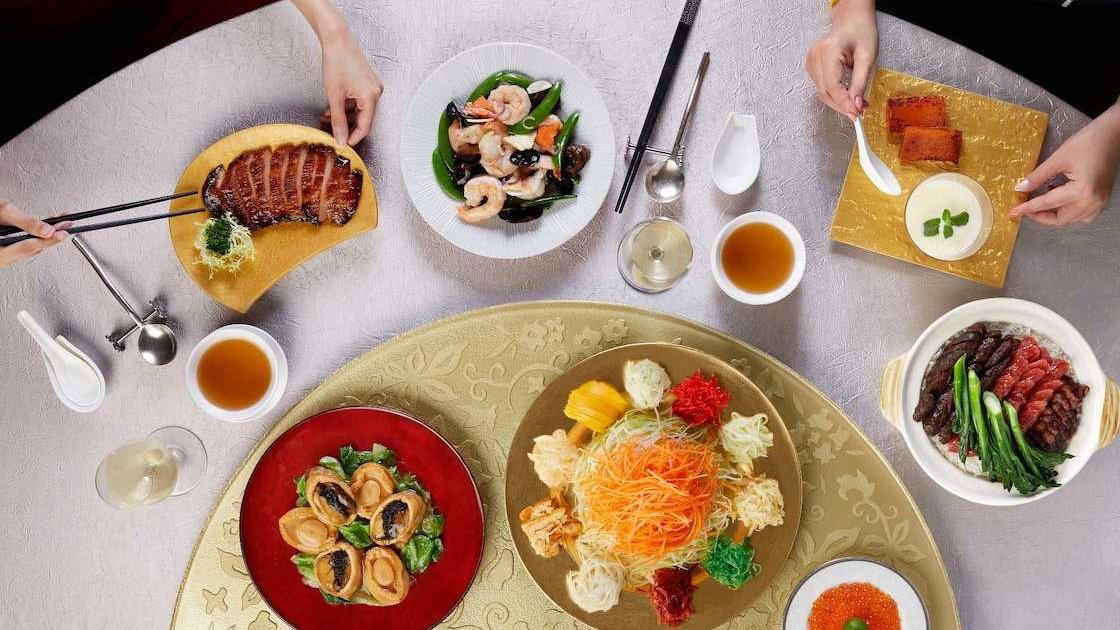
- Charcoal grilled river prawns
- Boiled freshwater snails in red curry soup
Where the River Frames the Meal
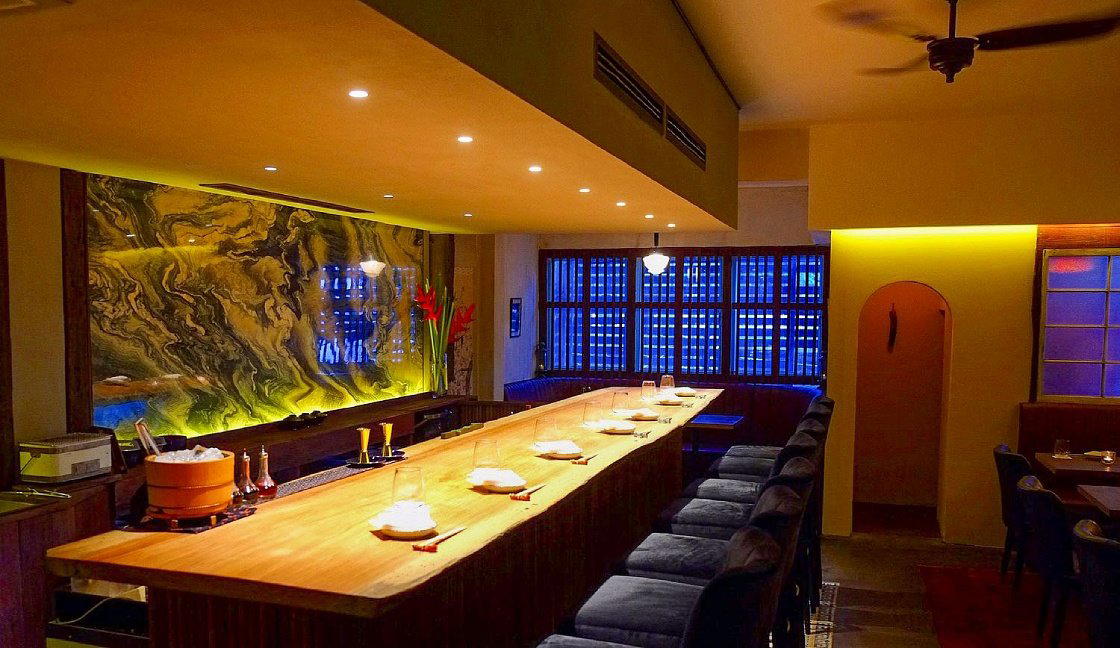
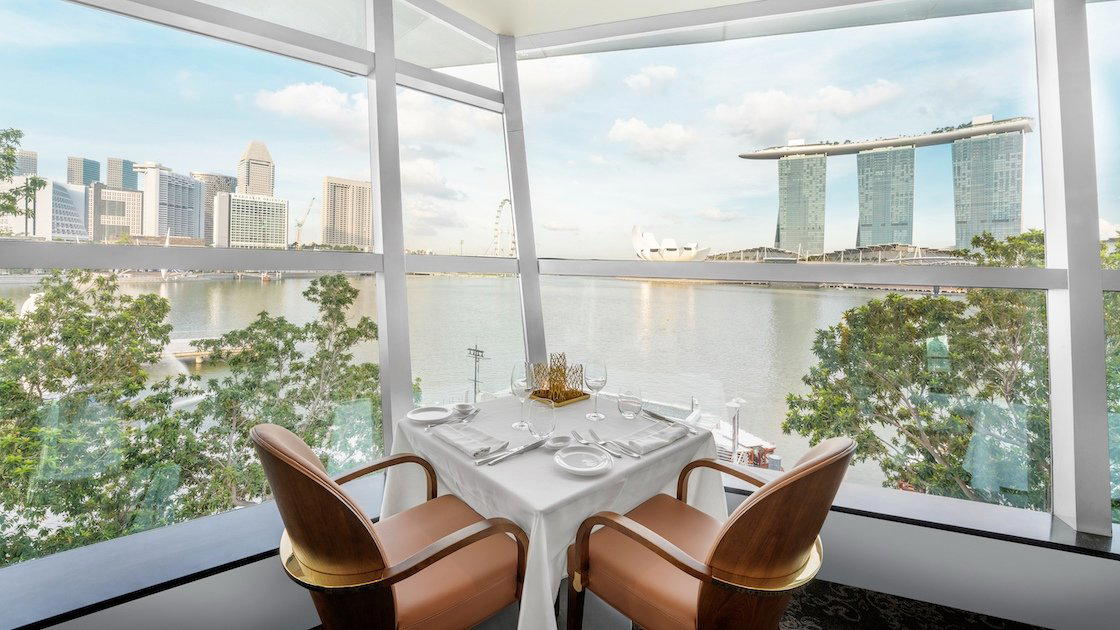
Along U Thong Road, where the Chao Phraya curves past the ruins of Pom Phet, the Diamond Fortress that once anchored Ayutthaya's southern defences, the dining room at Baan Pomphet occupies a position that few restaurants in the ancient capital can match. Large windows face a deck that extends toward the water, and at dinner the river light shifts from amber to ink while the fortress walls hold their silence across the bank. The setting is not incidental to the experience; it calibrates the mood before the food arrives.
Ayutthaya's restaurant scene sits at an interesting crossroads. The city draws heritage tourists from Bangkok and abroad, yet its dining options have historically skewed toward casual riverside spots and market stalls rather than the kind of considered, mid-range Thai cooking that earns broader recognition.
Central Thai Cooking and Its Historical Roots
To understand what Baan Pomphet's kitchen is doing, it helps to understand where it is doing it. Ayutthaya was the capital of a kingdom that dominated mainland Southeast Asia for more than four centuries, and its court was the crucible in which much of what we now call Central Thai cuisine was formalised. The palace kitchens of the Ayutthaya period codified techniques for balancing the four registers, sour, salty, sweet, spicy, and established sourcing hierarchies that privileged river fish, freshwater shellfish, and the produce of the surrounding floodplains. These were not decorative traditions; they were functional ones, shaped by a river system that delivered ingredients daily and a court culture that demanded precision in preparation.
That historical lineage matters when reading a menu built around grilled river prawns and boiled freshwater snails in red curry soup. These are not novelty dishes assembled for the tourist gaze. They are preparations that connect directly to the ingredient logic of the Chao Phraya basin, where river protein has always been the base of the cooking rather than an occasional feature. Restaurants at the higher end of Bangkok's Thai dining spectrum, venues like Sorn in Bangkok and Samrub Samrub Thai in Bangkok, have made formal arguments for regional sourcing and historical recipe recovery. Baan Pomphet is making a quieter version of the same argument, rooted in geography rather than manifesto.
The Sourcing Logic Behind the Menu
The kitchen sources from the river and from local farms, a supply chain that keeps the menu tethered to the seasonal and geographical realities of the province. In the broader Thai dining conversation, this kind of hyper-local sourcing has become a mark of seriousness at the upper end of the market, it signals that the kitchen is working with living ingredients rather than standardised supply. At the price point Baan Pomphet occupies (฿฿, broadly mid-range for a Michelin-recognised address in a secondary city), that commitment carries weight.
The grilled river prawns mentioned in the Michelin citation are the kind of preparation that lives or dies by sourcing. River prawns from the Chao Phraya are a different animal from their farmed equivalents: the texture is firmer, the flavour more mineral, and the size, when the season cooperates, can be substantial. Cooking them simply over heat respects the ingredient in the way that Central Thai palace cooking historically respected premium proteins: the technique serves the material, not the other way around. The freshwater snails in red curry soup belong to a different register, one where the broth does the work and the protein offers texture and depth. Red curry in the Central Thai tradition is built around dried chilies, galangal, lemongrass, and shrimp paste, a combination that has been documented in Thai court cookery since the Ayutthaya period.
Placing Baan Pomphet in the Ayutthaya Dining Picture
Ayutthaya's mid-range Thai dining options are growing in range. Along the riverbanks and inside the historic island, places like Baan Mai Rim Nahm, Baan Pu Karn, Baan Ta Ko Rai, and Baan Ton Sai each offer riverside Thai cooking at comparable price tiers. What separates Baan Pomphet from that cohort is the combination of Michelin recognition, two consecutive Plates, the boutique hotel setting, and the specific link to the fortress landmark that gives the address genuine spatial drama. For further comparison across Thai dining traditions, Nahm in Bangkok, AKKEE in Pak Kret, and Aeeen in Chiang Mai represent different regional expressions of the same commitment to documented Thai culinary heritage. Beyond Thai cooking, PRU in Phuket and Agave in Ubon Ratchathani extend the picture of how local sourcing is reshaping restaurant ambition across Thailand. See also The Spa in Lamai Beach for a different model of destination dining in a resort context.
Among Ayutthaya's riverside Thai addresses, Ayutthayarom also draws on the city's culinary heritage and is worth considering when building a multi-meal itinerary in the province.
Planning Your Visit
Baan Pomphet sits at 13/5 U Thong Road, directly beside the Pom Phet fortress on the southeastern edge of the historic island. The ฿฿ pricing makes it accessible without requiring the advance financial commitment of Bangkok's top-tier Thai counters. Arriving without a booking is possible but carries the risk of being seated away from the windows, which would diminish the setting considerably. Ayutthaya is roughly 80 kilometres north of Bangkok and is most conveniently reached by train from Hua Lamphong or Bang Sue Grand Station, with journey times typically between 90 minutes and two hours depending on the service.
For a fuller picture of dining and hospitality options in the city, see our full Phra Nakhon Si Ayutthaya restaurants guide, our full Phra Nakhon Si Ayutthaya hotels guide, our full Phra Nakhon Si Ayutthaya bars guide, our full Phra Nakhon Si Ayutthaya wineries guide, and our full Phra Nakhon Si Ayutthaya experiences guide.
Frequently asked questions
What part of town is Baan Pomphet in?
Baan Pomphet is located at 13/5 U Thong Rd, Ho Rattanachai, Phra Nakhon Si Ayutthaya District, Phra Nakhon Si Ayutthaya 13000, Thailand, Phra Nakhon Si Ayutthaya.
Can I walk in to Baan Pomphet?
Walk-ins are possible but carry real risk, particularly for riverside tables at dinner. The restaurant holds consecutive Michelin Plate recognition (2024 and 2025) and sits inside a boutique hotel on a stretch of U Thong Road that draws visitors to the adjacent Pom Phet fortress. Booking ahead is the practical approach if a specific table position matters.
A Tight Comparison
| Venue | Cuisine | Price | Awards | Notes |
|---|---|---|---|---|
| Baan PomphetThis venue (the venue you are viewing) | Thai riverside restaurant | Not listed | Michelin Plate | Not listed |
| Baan Ta Ko Rai | Authentic Central Thai | $10–20 | Michelin Bib Gourmand | Thai, ฿฿ |
| Pa Lek Boat Noodles | Authentic Thai Boat Noodles | $1–10 | Michelin Bib Gourmand | Noodles, ฿ |
| Angeum | Authentic Vietnamese | $10–20 | Michelin Plate | Vietnamese, ฿฿ |
| Gu Cherng | Authentic Chinese Dim Sum & Peking Duck | Not listed | Michelin Plate | Chinese, ฿฿฿ |
| Here Klae Pork Satay | Thai Pork Satay | $1–10 | Michelin Bib Gourmand | Street Food, ฿ |
Recognition history
Dated appearances from independent guides and award organizations, with the underlying list record or original source where available.
Michelin Plate
Michelin
Full recognition history (3 entries)
Michelin Plate
Michelin
Michelin Plate
Michelin
Continue exploring
More in Phra Nakhon Si Ayutthaya
Details
- Scenic
- Elegant
- Classic
- Intimate
- Date Night
- Group Dining
- Celebration
- Special Occasion
- Waterfront
- Terrace
- Historic Building
- Standalone
- Local Sourcing
- Farm To Table
- Waterfront
- A La Carte
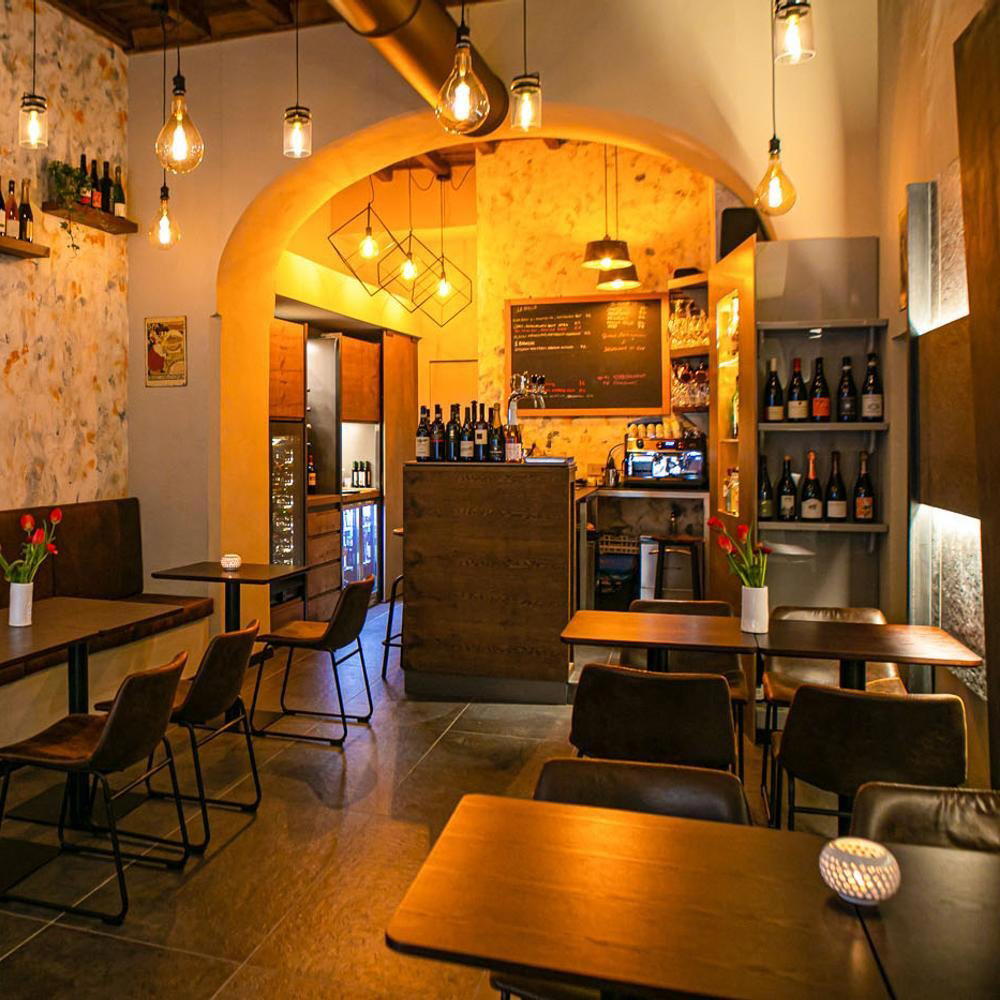
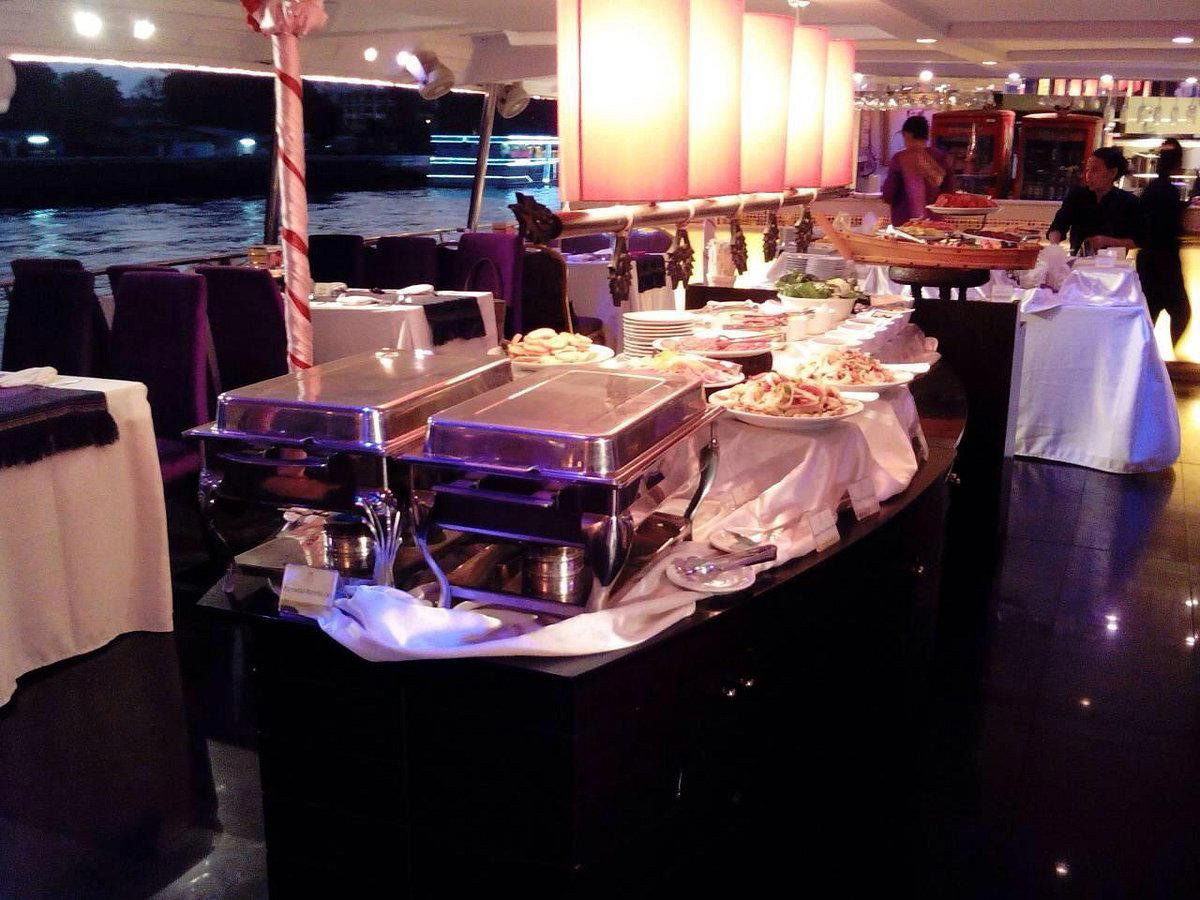
Stylish, contemporary Thai riverside atmosphere with large windows, an air-conditioned dining room, and terrace seating overlooking the Chao Phraya and sunset views.