Located at Place de la Porte de Champerret in Paris's 17th arrondissement, Angelus occupies a quieter corner of the city's formal dining map. The address places it outside the conventional Michelin circuit of the 8th, offering a different cadence to the Parisian grand-restaurant ritual. Contact details and booking specifics are best confirmed directly with the venue.
Pearl is the En Primeur Club membership app — saves, bookings, and concierge access live there. Same editors, same standards.
- Address
- 4 Pl. de la Prte de Champerret, 75017 Paris, France
- Phone
- +33143808853
- Website
- angelus-paris.fr
- Directions
- Get directions
 Saves & bookings on Pearl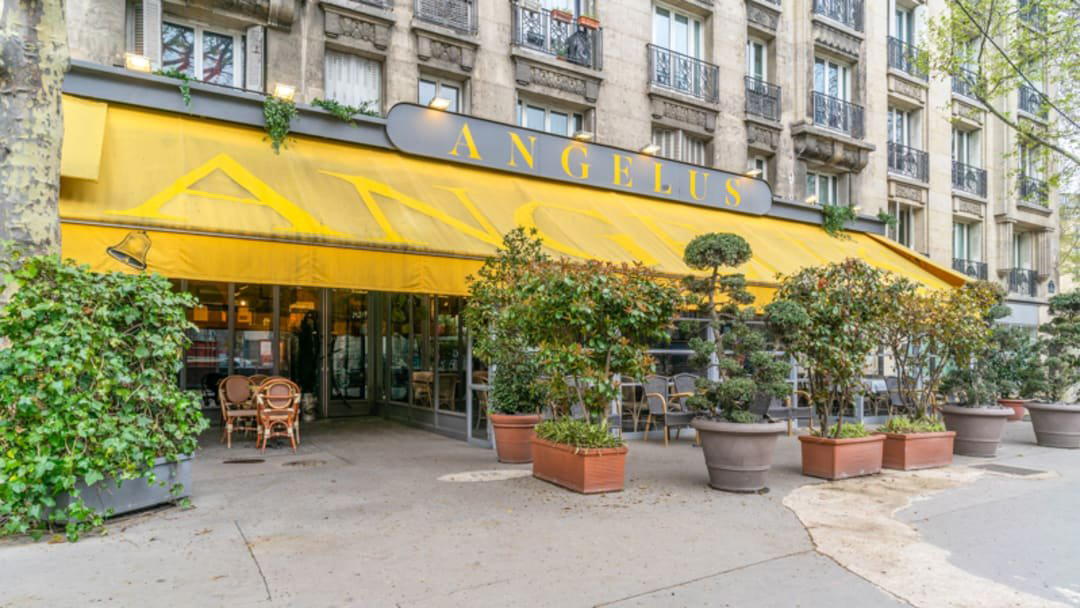
The 17th and the Ritual of the Formal French Meal
Paris's formal dining scene has long been concentrated in a handful of arrondissements: the 8th, with its palace hotels and grand boulevard addresses, and the 1st and 6th, where classic houses have anchored themselves for generations. The 17th arrondissement operates on a different register. Its upper reaches, near Porte de Champerret, sit at the city's residential edge, where the grammar of the grand repas persists without the gravitational pull of tourist corridors. Angelus is a Classic French Brasserie in Paris's 17th arrondissement, at 4 Place de la Porte de Champerret, where dining out retains a neighbourhood logic that central Paris long ago traded for spectacle.
The tradition of the formal French meal is itself a distinct cultural artifact: courses arrive in a prescribed sequence, silence between courses is not awkward but expected, and the tempo is set by the kitchen, not the diner. Compared with the compressed omakase model gaining ground in Paris's Japanese-inflected rooms, or the share-plate informality that has reshaped mid-range eating across the city, a venue operating within classical French service codes is making a deliberate choice about what a meal is for. It is, at its core, an argument that eating well requires time.
A Different Orbit from the Grand Boulevards
The competitive field for serious Paris dining has consolidated around a handful of reference points. L'Ambroisie on Place des Vosges represents one pole: classical French cuisine at its most austere and expensive, booked months in advance. Alléno Paris au Pavillon Ledoyen and Le Cinq at the Four Seasons Hôtel George V sit at the palace end, where room and service scale amplify the meal's theatricality. Arpège has carved its own lane through vegetable-forward cooking that sits uneasily in any single category. Kei brings Japanese precision into the French classical frame.
Angelus, positioned at the city's northwestern rim, does not compete directly with any of these on geography or format. That distance is partly practical and partly editorial: a diner making their way to Porte de Champerret has already decided to leave the well-worn circuit. The reward tends to be a room operating without the performance pressure that comes with a famous address.
This pattern appears across serious French dining outside the capital's centre. Flocons de Sel in Megève, Bras in Laguiole, and Auberge de l'Ill in Illhaeusern all make the point that France's most sustained cooking often happens away from the obvious addresses. The same logic applies within Paris itself: some of the city's most consistent rooms have always been in the arrondissements that don't appear on the tourist shortlist.
The Pacing and Customs of a Paris Table
The editorial angle that matters most at a venue like Angelus is not what is on the plate but how the meal unfolds. The classical French service sequence, running from amuse-bouche through entrée, plat, fromage, and dessert, is not merely convention. It structures the diner's attention, gives the kitchen a narrative arc to work within, and creates the kind of shared temporal experience that separates a long lunch from a quick feed.
This pacing has come under pressure across European fine dining. The trend toward tasting menus with a dozen or more courses at venues like Mirazur in Menton or Troisgros in Ouches represents one response: extend the format, multiply the courses, and make the sequence itself the subject. Venues working within a shorter, more classical structure make a different argument: that restraint in course count allows each dish more weight. Houses like Paul Bocuse's Auberge du Pont de Collonges, Georges Blanc in Vonnas, and Les Prés d'Eugénie have each maintained that argument across decades.
Internationally, the same tension plays out. Le Bernardin in New York maintains classical French service logic in a city that rewards speed and informality. Lazy Bear in San Francisco inverts the model entirely, turning the communal table and open kitchen into the format. These contrasts frame why the choice of service style at any serious restaurant is itself an editorial statement about what dining is for.
At venues operating within a classical Parisian register, the etiquette expected of the diner is equally specific. Arriving close to the booked time matters in a way that it does not at a casual bistro. The cheese course is not optional theatre; it is a structural element of the meal. Wine service, if present, follows the kitchen's tempo rather than the diner's pace. These customs are not arbitrary formality. They are the accumulated logic of a tradition that treats the table as a place of sustained attention.
Further Reading: France's Extended Dining Circuit
For diners building an itinerary around serious French cooking beyond Paris, the regional houses provide useful context. Auberge du Vieux Puits in Fontjoncouse and La Table du Castellet in the south represent the model of destination dining built around produce and place rather than urban reputation. Understanding how these rooms operate helps calibrate what to expect from a Paris table working in the same tradition.
Planning Your Visit
Angelus serves a Classic French Brasserie menu at about $45 per person. Its dress code is smart casual, and reservations are recommended. Address: 4 Place de la Porte de Champerret, 75017 Paris.
| Venue | Location | Price tier | Service style |
|---|---|---|---|
| Angelus | 17th arr., Paris | €€€ | Classic French Brasserie |
| L'Ambroisie | 4th arr., Paris | €€€€ | Classic French |
| Kei | 1st arr., Paris | €€€€ | Contemporary French-Japanese |
| Le Cinq | 8th arr., Paris | €€€€ | Palace hotel, French modern |
Price Lens
Comparable venues nearby, for context on price, style, and recognition.
| Venue | Cuisine | Price | Notes |
|---|---|---|---|
| ANGELUSThis venue — the venue you are viewing | Ternes, Classic French Brasserie | $$$ | Not listed |
| Market | Not listed | $$$ | 8th Arr. - Élysée, French-Asian Fusion |
| Auberge Bressane | Not listed | $$$ | 7th arrondissement, Traditional French Bourgeois Bistro |
| Arboré | Not listed | $$$ | Madeleine, Contemporary French Bistronomy |
| CoCo | Opéra, Modern French Seasonal Cuisine | $$$ | Not listed |
| Le Voltaire | Not listed | $$$ | 7e Arr. – Palais Bourbon, Classic French Brasserie |
Continue exploring
More in Paris
Restaurants in Paris
Browse all →
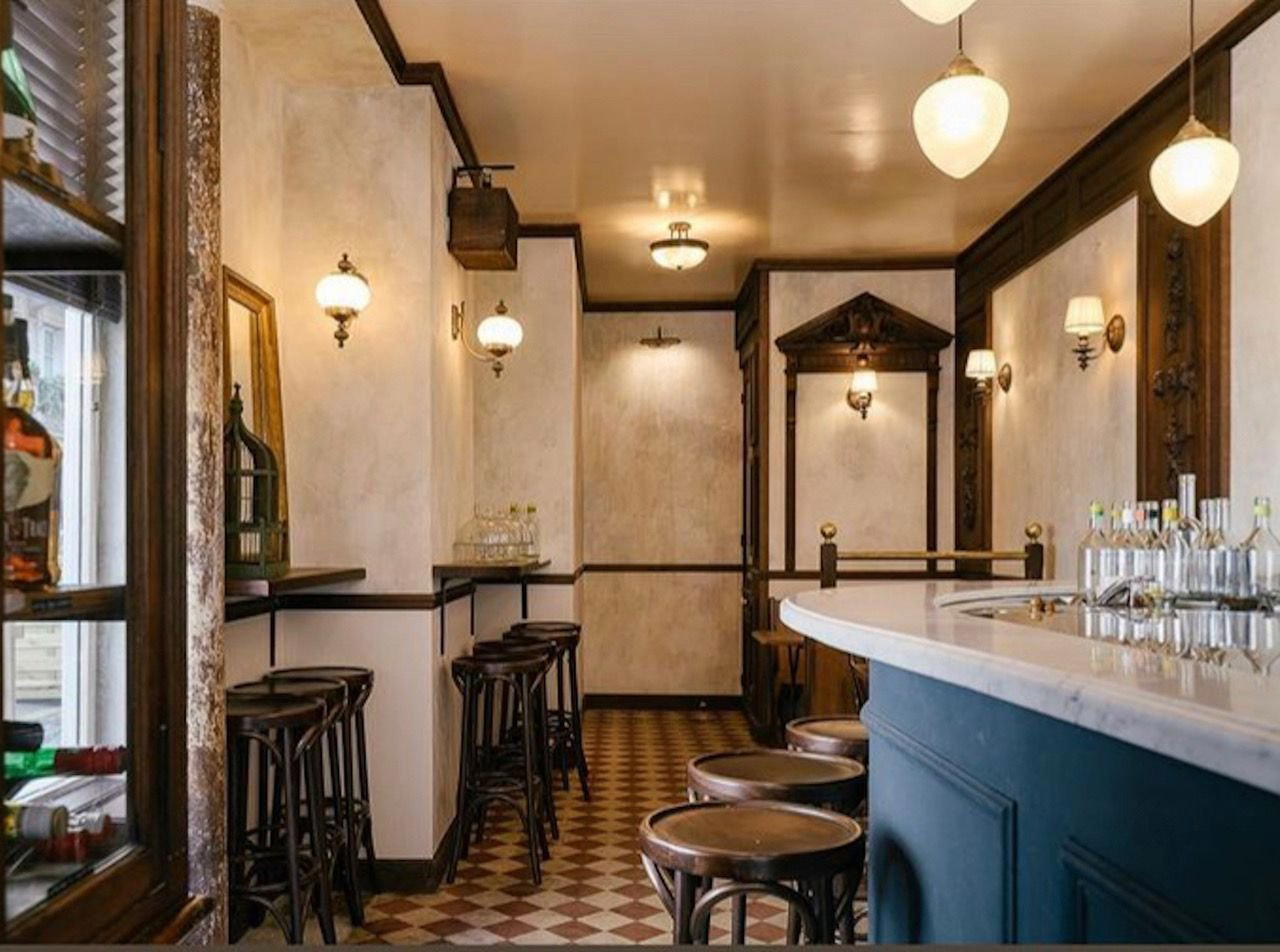
Bars in Paris
Browse all →
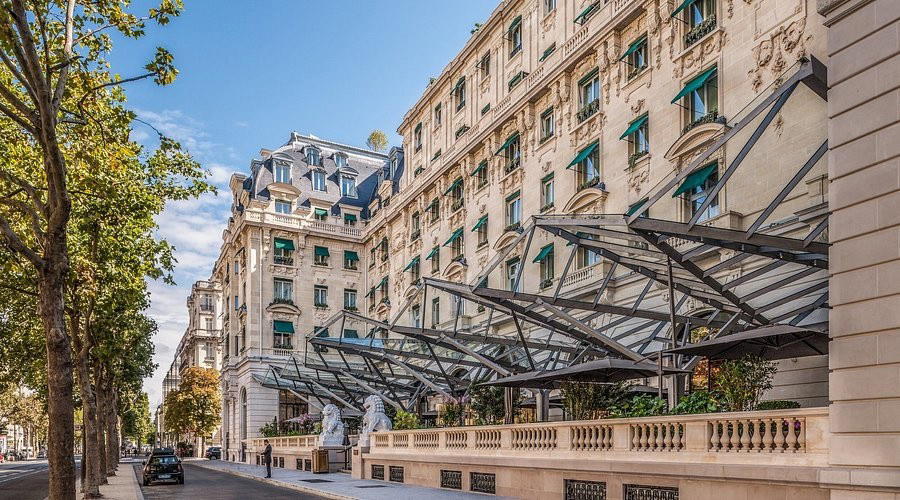
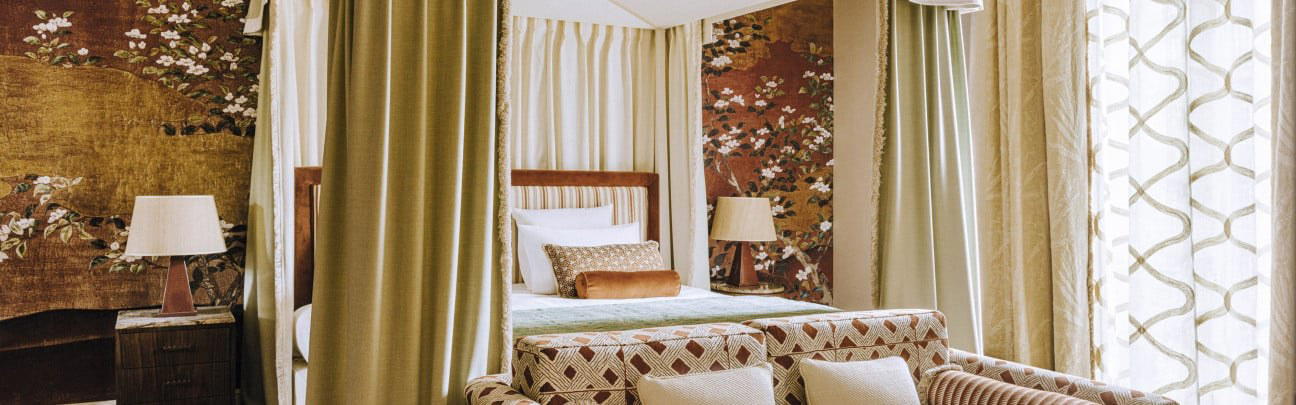
Hotels in Paris
Browse all →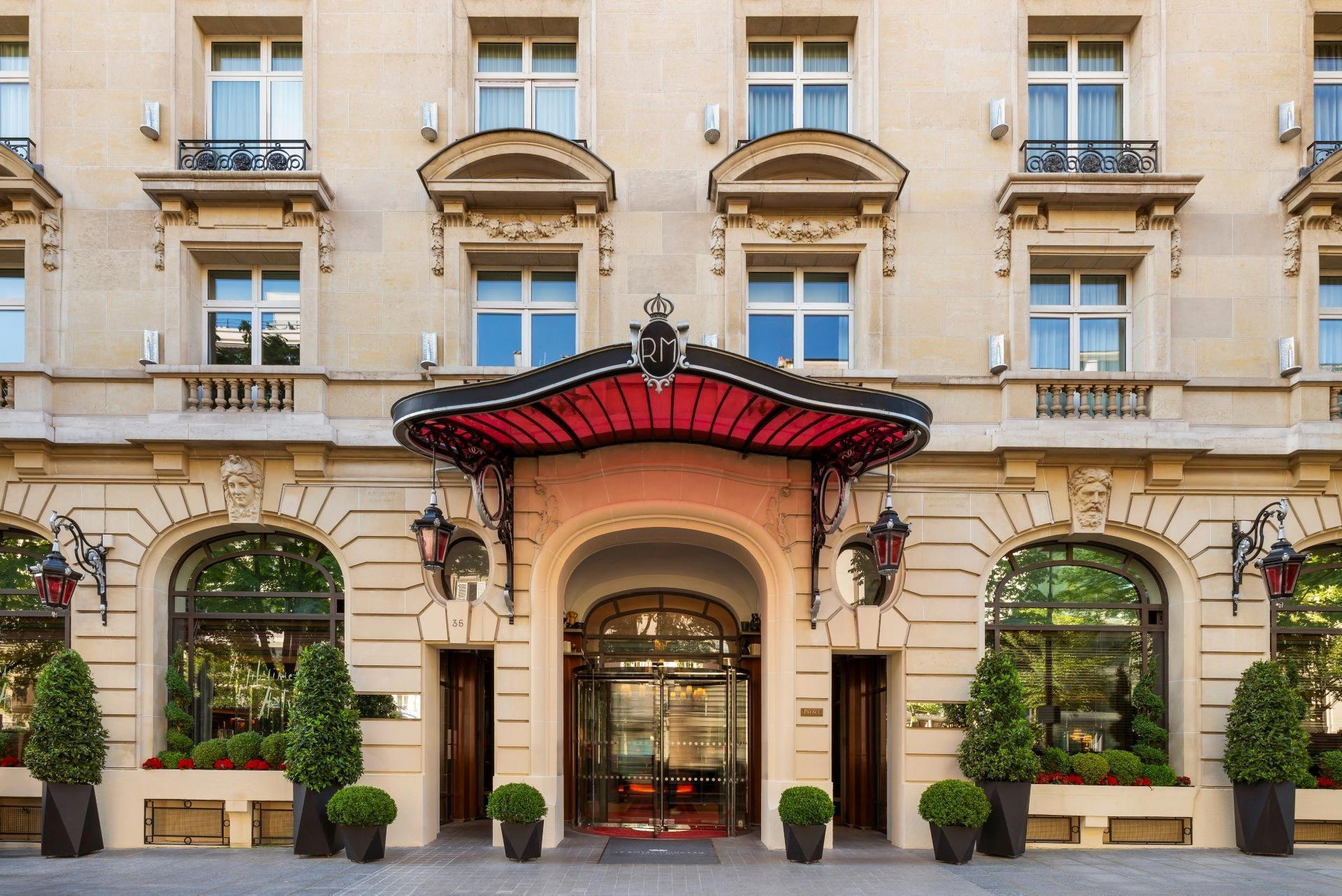



At a Glance
- Classic
- Cozy
- Elegant
- Date Night
- Business Dinner
- Casual Hangout
- Terrace
- Extensive Wine List
- Street Scene
Current opening hours
- Monday
- 10 AM–12 AM
- Tuesday
- 10 AM–12 AM
- Wednesday
- 10 AM–12 AM
- Thursday
- 10 AM–12 AM
- Friday
- 10 AM–12 AM
- Saturday
- Closed
- Sunday
- Closed
Hours can change for holidays and private events. Last verified .
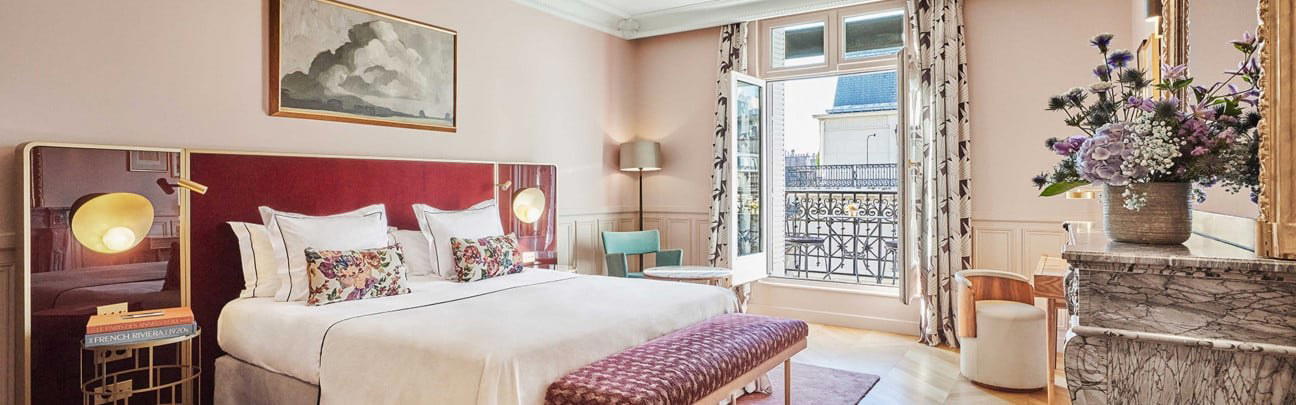
Warm and friendly atmosphere with chic, welcoming vibe.