Angelina's Deli Cafe
Angelina's Deli Cafe sits at 6000 California Street in San Francisco's Richmond District, a neighborhood where old-school deli culture and daily-staples shopping coexist with some of the city's most consistent local cooking. The address places it firmly in residential San Francisco, away from tourist circuits and closer to the habits of the people who actually live here.
Pearl is the En Primeur Club membership app — saves, bookings, and concierge access live there. Same editors, same standards.
- Address
- 6000 California St, San Francisco, CA 94121
- Phone
- +14152217801
- Website
- angelinasdelicafe.com
- Directions
- Get directions
 Saves & bookings on Pearl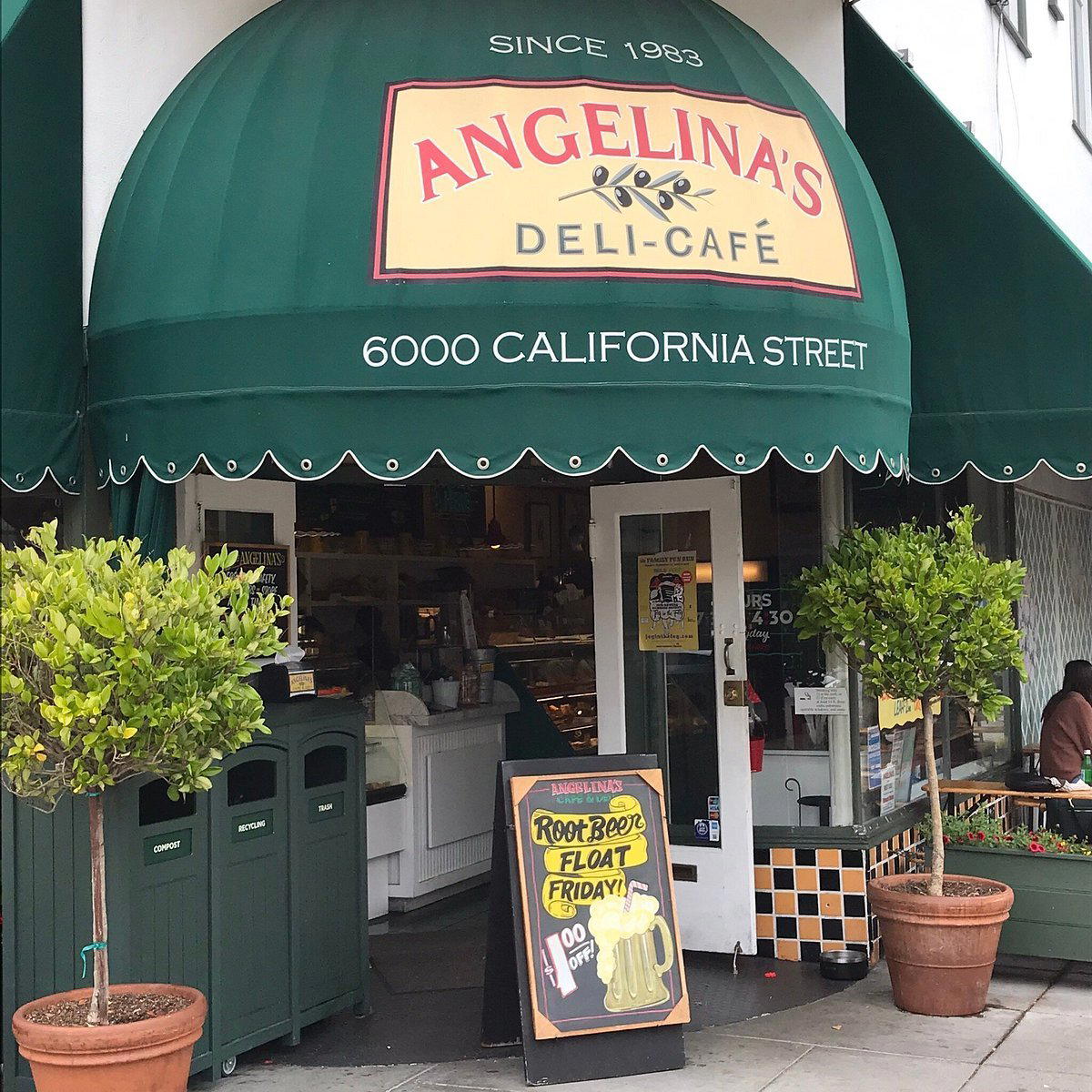
California Street and the Deli Tradition That Outlasts Trends
California Street at 6000 sits squarely in that register. The Richmond has long maintained a dining culture shaped by its Chinese, Russian, and Irish immigrant communities, and the deli-cafe format has been one of its most durable expressions. Delis in this part of the city operate at a different tempo than the $$$$ tasting-menu tier, think Lazy Bear or Atelier Crenn, and that distance from the fine-dining circuit is partly the point.
San Francisco's premium restaurant scene has consolidated around a handful of neighborhoods and formats. Benu, Quince, and Saison represent one end of the spectrum, where sourcing programs, prix-fixe structures, and Michelin recognition define the conversation. Angelina's Deli Cafe occupies the opposite position: a neighborhood-scale operation where the value to locals is accessibility, consistency, and proximity rather than prestige.
Sourcing, Sustainability, and the Neighborhood Store Model
The sustainability conversation in American dining tends to center on high-profile operations: farms-to-table restaurants with documented supplier lists, chefs who name their ranchers in press materials, and operations like Blue Hill at Stone Barns or Single Thread Farm in Healdsburg where the agricultural program is inseparable from the menu. But the sustainability argument for neighborhood delis and cafes is structurally different and often overlooked.
A deli-cafe operating on a residential corridor in San Francisco reduces food-mile distances for the people walking to it from nearby apartments. It supports the kind of daily-use food infrastructure that keeps neighborhoods from becoming entirely dependent on delivery platforms and centralized supply chains. The format itself, small-batch preparation, counter service, rotating daily offerings, tends to generate less waste than high-volume fast-casual chains, because production scales to observed demand rather than to promotional targets. Across American cities, from Chicago's Smyth to Providence in Los Angeles, particularly visible sustainability programs are those with the resources to document and publicize them. The quieter, structural sustainability of the neighborhood deli rarely gets that coverage.
In San Francisco specifically, the Richmond District's food culture has historically relied on small operators with direct relationships to local producers, particularly in the produce and prepared-foods categories. The neighborhood's proximity to the Pacific means that responsibly sourced fish and seafood are a realistic part of the daily offer at counters like this one, even when the sourcing is not explicitly marketed. That contrasts with the destination-dining model at places like The French Laundry in Napa or Addison in San Diego, where provenance is a centerpiece of the guest communication.
The Richmond District as a Dining Context
Understanding what Angelina's Deli Cafe is requires understanding the block it sits on. The Outer Richmond runs along California, Clement, and Geary Streets, and each corridor has its own character. California Street in this stretch is quieter than Clement, more residential, with a mix of long-established businesses and a few newer operators. The demographic here skews toward families and long-term residents rather than tech workers or weekend brunch crowds, and the food businesses that survive on this block tend to do so on the strength of regulars rather than foot traffic from visitors.
That model produces a different kind of reliability. The deli-cafe format in this context means affordable, consistent food that people return to not for an occasion but for a Tuesday. That is its own kind of discipline. Restaurants like Le Bernardin in New York City, Emeril's in New Orleans, or The Inn at Little Washington hold their positions through critical recognition and occasion dining. A neighborhood deli holds its position through daily trust.
For visitors to San Francisco who want to spend time in the Richmond, whether for the de Young Museum, Golden Gate Park, or the Clement Street food corridor, California Street between 5th and 6th Avenues offers a more grounded alternative to the heavily trafficked tourist dining circuit.
Where Angelina's Sits in the Broader American Deli Picture
American deli culture has gone through its own evolution over the past two decades. In cities like New York, the traditional Jewish deli nearly disappeared before a revival wave brought renewed interest in cured meats, house-baked bread, and old-school sandwich construction. In San Francisco, the deli-cafe hybrid, part counter service, part neighborhood cafe, has its own lineage shaped by the city's food culture, which tends toward fresh, local, and produce-forward even at the informal end of the price spectrum.
That sensibility connects, at a structural level, to what more ambitious operations like Frasca Food and Wine in Boulder or Atomix in New York City are doing at the fine-dining tier: a preference for sourcing discipline and product quality over spectacle. The gap in format and price between a Richmond deli and a Michelin-recognized tasting room is wide, but the underlying preference for ingredient integrity over processed shortcuts is a through-line in California food culture at every price point.
Internationally, the comparison to operations like Atelier Moessmer Norbert Niederkofler in Brunico is instructive in one narrow respect: both operate within a philosophy of using what is close, seasonal, and available rather than importing prestige ingredients from distance. The scale and formality are entirely different, but the underlying logic of working with local supply chains points in the same direction.
Know Before You Go
Know Before You Go
- Address: 6000 California St, San Francisco, CA 94121
- Neighborhood: Outer Richmond, San Francisco
- Format: Deli-cafe; neighborhood counter service
- Price range: about $15 per person
- Hours: Mon to Sat 7:30 AM to 4:30 PM; Sun 8 AM to 3 PM
- Reservations: Walk-in friendly
- Getting there: Located at 6000 California St in the Outer Richmond, San Francisco
- Leading for: Casual meals, local food stops near Golden Gate Park or the Richmond
Awards and Standing
Comparable venues nearby, for context on price, style, and recognition.
| Venue | Cuisine | Price | Notes |
|---|---|---|---|
| Angelina's Deli CafeThis venue — the venue you are viewing | American Deli Cafe | $ | Not listed |
| Garden House Cafe | American Cafe Sandwiches & Pastries | $ | Outer Richmond |
| Butter and Crumble | Modern Artisan Bakery | $ | North Beach |
| Snowbird Coffee | Specialty Coffee & Espresso | $ | Inner Sunset |
| Orphan Andy's Restaurant | Classic American Diner | $ | Castro/Upper Market |
| Max's Opera Cafe | Classic American Diner | $$ | Western Addition |
Continue exploring
More in San Francisco
Restaurants in San Francisco
Browse all →
Bars in San Francisco
Browse all →
Hotels in San Francisco
Browse all →


At a Glance
- Cozy
- Classic
- Casual Hangout
- Brunch
Current opening hours
- Monday
- 7:30 AM–4:30 PM
- Tuesday
- 7:30 AM–4:30 PM
- Wednesday
- 7:30 AM–4:30 PM
- Thursday
- 7:30 AM–4:30 PM
- Friday
- 7:30 AM–4:30 PM
- Saturday
- 7:30 AM–4:30 PM
- Sunday
- 8 AM–3 PM
Hours can change for holidays and private events. Last verified .
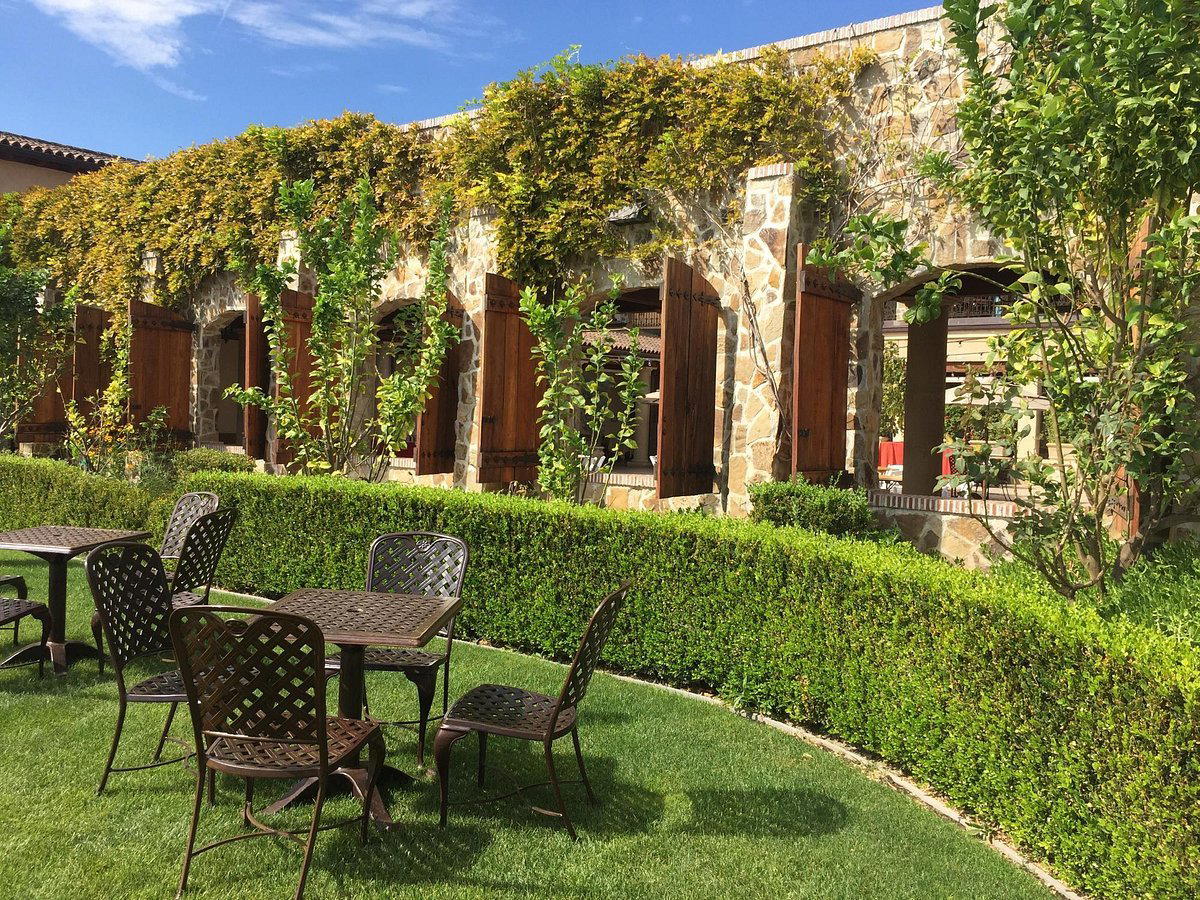
Warm and welcoming with cozy indoor seating and popular outdoor area drawing crowds on sunny days.