
Tabelog 100 #42
Our verdict
A South Indian dhaba transplanted to the second floor of a Chiyoda City building in Uchikanda, Andhra Dhaba Katana occupies a niche that Tokyo's Indian dining scene rarely fills: the fiery, tamarind-sharp cooking of Andhra Pradesh rather than the milder, butter-forward registers that dominate the city's subcontinental restaurants. For anyone tracking where Tokyo's Indian food has moved beyond tikka masala familiarity, this address in Chiyoda is worth attention.

Pearl is the En Primeur Club membership app, where members save venues, book tables and use the concierge.
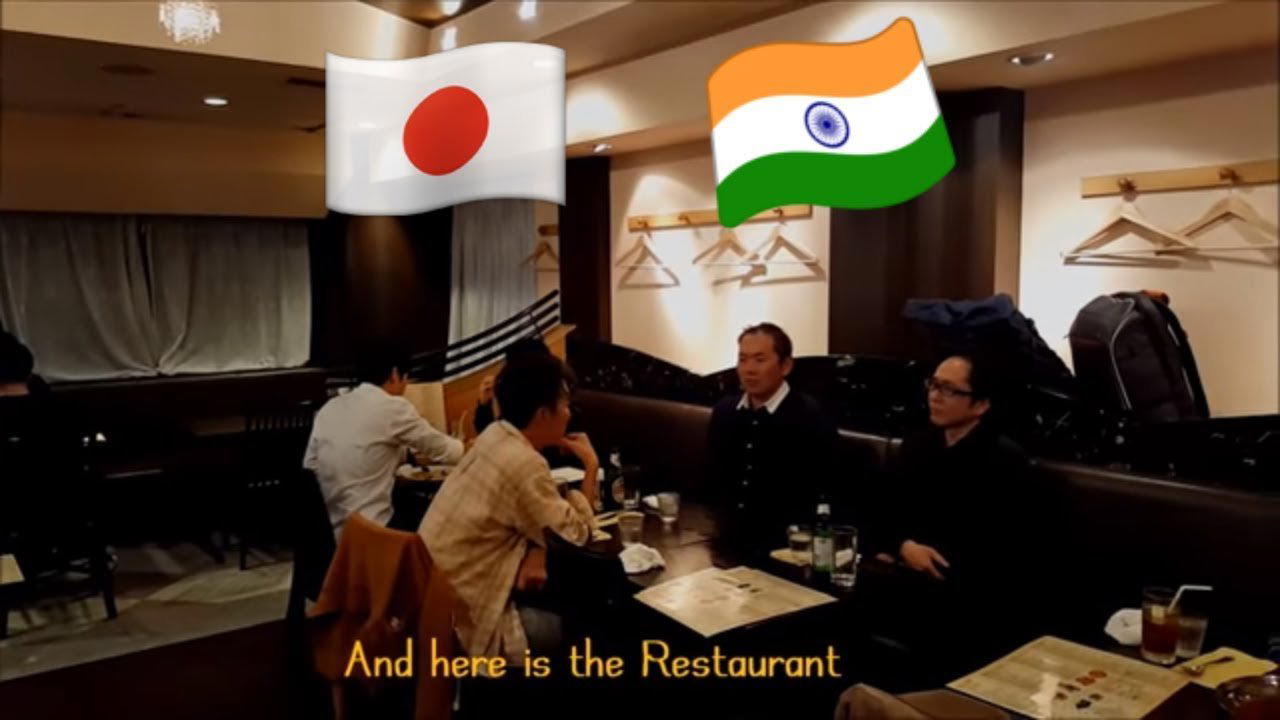
South Indian Heat in a City Built for Subtlety
Tokyo rewards patience from cuisines that don't immediately conform to its dominant register of restraint. The second floor of a low-rise building in Uchikanda, Chiyoda City, is not where most visitors expect to find a serious argument for the cooking of Andhra Pradesh, one of India's most chile-forward, tamarind-intensive culinary traditions. Yet that displacement is precisely what makes Andhra Dhaba Katana worth understanding in context. Tokyo's Indian restaurant population has grown considerably over the past two decades, but it skews heavily toward North Indian standards: butter-enriched sauces, tandoor-baked breads, and the approachable heat levels calibrated for a broad audience. Andhra cooking operates on a different axis entirely, and venues committed to that tradition occupy a genuinely small niche within the city's subcontinental dining.
The dhaba format itself carries meaning. In India, dhabas are roadside eateries that prioritize directness over presentation: generous portions, cooking that isn't softened for unfamiliar palates, and pricing that treats the food as the point rather than the experience as a commodity. Transplanting that format to central Tokyo places Andhra Dhaba Katana in an interesting position relative to the city's wider Indian dining spectrum, which ranges from polished North Indian establishments in Shinjuku and Roppongi to the growing cluster of South Indian specialists that have found audiences in working neighbourhoods like Uchikanda itself.
Where the Ingredients Lead
Andhra Pradesh cuisine is built on a sourcing logic that differs structurally from what most Tokyo diners encounter in Indian restaurants. The foundational ingredients are tamarind, dried red chiles (particularly the guntur variety, among the hottest grown in India), curry leaves, and mustard seeds tempered in oil. These are not pantry items that substitute easily, and a dhaba operating at genuine regional fidelity needs reliable access to them. Tokyo's Indian grocery infrastructure, concentrated partly in areas like Nishi-Kasai and scattered through import specialists, has matured enough to support this kind of sourcing, which is one reason specialist regional Indian cooking has become more viable in the city over the past decade.
The distinction matters because Andhra cooking's heat profile is not simply a quantity of chile added to an otherwise familiar base. Guntur chiles carry a specific aromatic character alongside their capsaicin load, and tamarind provides an acidic backbone that balances the fat in rice-and-lentil preparations differently from the tomato-and-cream bases common in North Indian restaurant cooking. A kitchen sourcing these ingredients with fidelity produces food that tastes categorically different from what occupies the mainstream of Tokyo's Indian dining, not louder but structurally distinct.
For a city whose dining culture prizes ingredient provenance across its own traditions, from the sourcing discipline of kaiseki to the regional specificity tracked by the high-end sushi counters of Ginza, the question of where South Indian ingredients come from and how faithfully they're deployed is a meaningful one. Tokyo diners who follow venues like Harutaka or RyuGin for their sourcing rigour are applying a similar logic when they seek out regional Indian specialists over generic subcontinental menus.
Uchikanda and the Wider Chiyoda Context
Chiyoda City sits at the administrative and geographic centre of Tokyo, but its dining character is less cohesive than areas like Ginza or Shinjuku. Uchikanda in particular has developed as a working district with a practical restaurant culture: lunch-focused, price-conscious, and increasingly diverse as the area's population of international workers has grown. South Asian restaurants have established a quiet presence here, supported by a local customer base that prioritises authenticity over the presentation norms of destination dining.
That neighbourhood context shapes the experience at Andhra Dhaba Katana. This is not a venue positioned alongside the ¥¥¥¥-tier temples of Tokyo's most-decorated dining tier, where venues like L'Effervescence, Sézanne, or Crony operate. It belongs instead to the city's category of specialist regional operators, a tier that Tokyo supports with more depth than its international reputation for high-end dining sometimes suggests. The same city that sustains three-Michelin-star kaiseki also sustains dhaba-format Andhra cooking, and both are serious propositions within their own frames.
Visitors building a broader picture of Tokyo's dining range would do well to consult our full Tokyo restaurants guide, alongside resources for hotels, bars, wineries, and experiences across the city. For those extending travel across Japan, comparable specialist dining exists at HAJIME in Osaka, Gion Sasaki in Kyoto, akordu in Nara, Goh in Fukuoka, 1000 in Yokohama, and 6 in Okinawa, each representing a different register of Japan's wider dining range.
Planning a Visit
Andhra Dhaba Katana is located on the second floor at 3 Chome-7-8 Uchikanda, Chiyoda City, Tokyo (サトウハウスビル 2F). The Chiyoda area is served by multiple subway lines, with Awajicho and Ogawamachi stations on the Marunouchi and Shinjuku lines placing the address within a short walk. No website or advance booking details are publicly listed at time of writing, which aligns with the informal dhaba model where walk-in dining is the norm rather than the exception. For international travellers accustomed to the reservation-forward culture of Tokyo's more formal dining tier, that informality is part of the point: it reflects the dhaba's structural commitment to accessibility over theatrics.
Those interested in how Tokyo's South Asian dining compares to international benchmarks for regional Indian cooking might also consider how venues like Le Bernardin in New York City and Atomix in New York City have approached the question of regional specificity in their own contexts, where sourcing fidelity and category discipline have driven critical recognition.
Frequently asked questions
Is Andhra Dhaba Katana child-friendly?What's the vibe at Andhra Dhaba Katana?
What's the signature dish at Andhra Dhaba Katana?
What's the ideal way to book Andhra Dhaba Katana?
What's the standout thing about Andhra Dhaba Katana?
Is Andhra Dhaba Katana one of the few Andhra Pradesh-specific restaurants in Tokyo?
Awards and Standing
Comparable venues nearby, for context on price, style, and recognition.
| Venue | Cuisine | Price | Awards | Notes |
|---|---|---|---|---|
| Andhra Dhaba KatanaThis venue (the venue you are viewing) | Authentic Andhra Indian | $20–30 | Tabelog 100 #42 | Not listed |
| Spice Bar Kozaburo | Spice-focused Indian-style curry bar | $30–50 | Tabelog 100 #10 | Bunkyō |
| Bangera's Kitchen | Mangalorean South Indian coastal cuisine | $30–50 | Tabelog 100 #48 | Chiyoda |
| KHAN KEBAB BIRYANI | Halal Indian & Pakistani Curries, Kebabs and Biryani | $20–30 | Tabelog 100 #96 | Chūō |
| AJANTA | Long-established Pure Indian Curry House | $20–30 | Tabelog 100 #22 | Chiyoda |
| Zero One Curry A.o.D. | South Indian Curry & Natural Wine | $20–30 | Tabelog 100 #25 | Minato |
Recognition history
Dated appearances from independent guides and award organizations, with the underlying list record or original source where available.
Tabelog 100 #42 · No. 42
Tabelog · Tabelog 100 - Asian cuisine / Ethnic cuisine - TOKYO - 2024
Continue exploring
More in Tokyo
Restaurants in Tokyo
All restaurants in Tokyo →



Details
- Casual
- Rustic
- Casual Hangout
- Open Kitchen
- A La Carte
- Vegetarian Friendly
Current opening hours
- Monday
- 11:15 AM–3 PM, 5–10 PM
- Tuesday
- 11:15 AM–3 PM, 5–10 PM
- Wednesday
- 11:15 AM–3 PM, 5–10 PM
- Thursday
- 11:15 AM–3 PM, 5–10 PM
- Friday
- 11:15 AM–3 PM, 5–10 PM
- Saturday
- 11:30 AM–3 PM, 5–9 PM
- Sunday
- 11:30 AM–3 PM, 5–9 PM
Hours can change for holidays and private events. Hours as of .
Casual atmosphere with bare tables arranged in an L-shape around a partly enclosed kitchen and self-service cutlery.