Google: 4.8 · 149 reviews

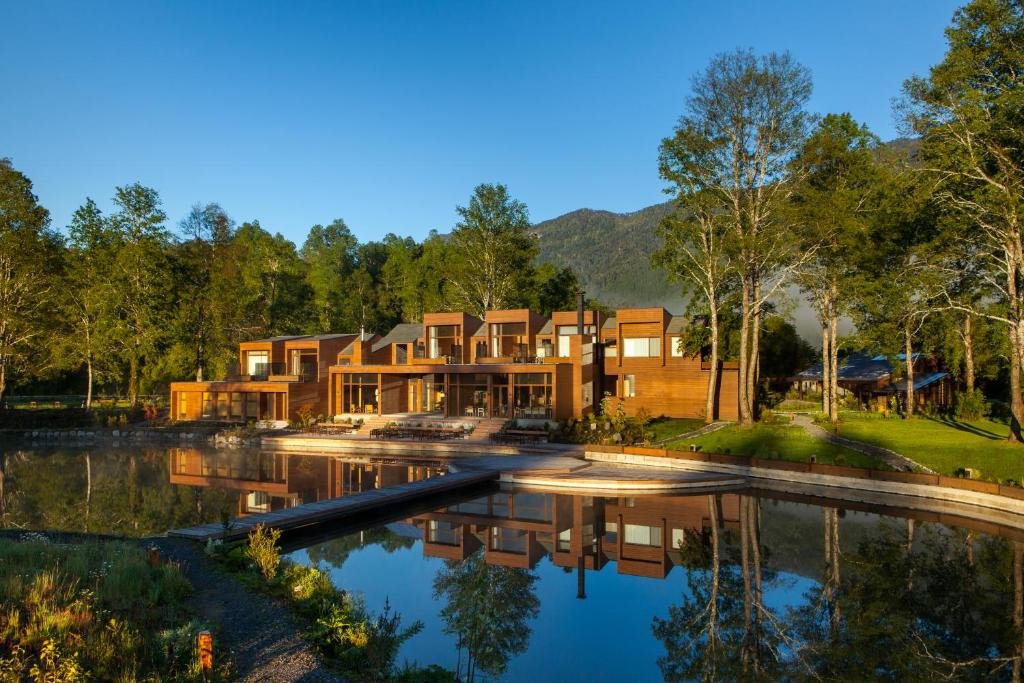
Set beside the forests and volcanic terrain of Chilean Patagonia, andBeyond Vira Vira operates its own farm and cheese factory to supply the restaurant daily with organic produce. Uruguayan chef Damien Fernandez turns that material into refined, vegetable-forward cooking that reads as a serious argument for lodge dining. Few properties in the Araucanía region make the connection between land and plate this explicit.
 Discover on Pearl
Pearl is the En Primeur Club membership app — saves, bookings, and concierge access live there. Same editors, same standards.
Where the Farm Defines the Menu
The road into Pucón cuts through a range of araucaria pines and volcanic foothills, with Villarrica's cone visible on clear mornings across the lake. Vira Vira sits in the Quetroleufu valley, on parcels of land that function simultaneously as a working lodge and an active farm. The physical arrangement matters because it shapes everything about how the restaurant operates: the distance from soil to plate here is measured in metres, not supply-chain kilometres.
In Chilean Patagonia, the lodge-dining format has become a distinct category of its own. Properties like Awasi Patagonia in Torres del Paine and Awasi Atacama in San Pedro de Atacama have established a template: remote setting, controlled guest numbers, and a kitchen that draws its identity from hyper-local sourcing rather than urban culinary trends. Vira Vira belongs to that tier, and it anchors its version of the format in something relatively rare even within that peer group: vertically integrated production, with its own farm and cheese factory feeding the restaurant daily.
The Sourcing Architecture
Most lodge restaurants source locally in a loose sense, buying from regional producers within a broad radius. Vira Vira's model is more compressed. The farm attached to the property supplies organic vegetables, herbs, and dairy directly to the kitchen, with the cheese factory adding a layer of in-house production that most comparable properties outsource entirely. This isn't a marketing position; it's an operational one that shapes what Uruguayan chef Damien Fernandez can actually cook on any given day.
The significance of this becomes clearer when you consider how the wider Chilean fine-dining conversation has evolved. At the upper end of Santiago's restaurant scene, places like Boragó have built reputations on native Chilean ingredients sourced from across the country's extraordinary ecological range. The conversation in urban restaurants is often about geographic breadth: how far can you reach across Chile's climate zones to assemble a menu? Vira Vira asks a different question: how deep can you go on a single piece of land? The answer, on a working farm beside a Patagonian forest, turns out to be quite deep.
The cooking that emerges from this arrangement is described as refined, inventive, and rich in vegetable elements — a combination that positions it outside the protein-heavy tradition of southern Chilean asado culture. In a region where wood-fired lamb and beef dominate local tables, a kitchen that foregrounds vegetables and house-made dairy is making a genuine editorial statement about what Araucanía's agricultural land can produce when worked with precision.
The andBeyond Context
Vira Vira's association with andBeyond places it within a group better known for its African safari portfolio, but the brand's entry into South American lodge hospitality follows recognisable logic: controlled-access properties in biodiverse regions, where the natural environment is both the setting and the substance. For the restaurant, the andBeyond affiliation signals a certain expectation about service standard and guest experience continuity, the kind of assurance that matters when you're committing to a multi-night lodge stay in a region where restaurant alternatives are limited.
For context on how other Chilean properties in this premium lodge category handle dining, Clos Apalta Residence in Valle de Apalta and Lapostolle Residence in Santa Cruz both operate residence-style dining where the kitchen serves a closed guest list rather than the public. Vira Vira operates within the same structural logic, which means the restaurant's quality is inseparable from the lodge experience it anchors. You're not choosing a restaurant; you're choosing a property whose dining program is central to the overall proposition.
Chef Damien Fernandez and the Uruguayan Influence
Uruguayan culinary training carries specific associations: a tradition that blends Spanish and Italian immigration influences with strong pastoral roots, and a cultural comfort with produce-driven cooking that doesn't require elaborate technique to justify itself. That background, brought to bear on a Chilean farm in the Araucanía foothills, produces a kitchen sensibility that is arguably better matched to this specific environment than a French-trained or Santiago-urbanist approach would be. The regional comparisons are instructive: Allería in Providencia operates at the urban-refinement end of Chilean cooking; Vira Vira sits at the opposite pole, where the land sets the agenda and the chef's role is to interpret rather than impose.
Getting There and Planning Your Stay
Pucón is the gateway town for the Araucanía lake district, roughly nine hours by road from Santiago or accessible via regular flights to Temuco, from which Pucón is around 110 kilometres east. The lodge sits outside town on private land in the Quetroleufu valley. Given that the restaurant operates as part of the lodge rather than as a standalone dining destination, planning requires booking the accommodation first; the meal is then part of what you've committed to rather than a separate reservation. This structure suits the experience: the farm tour, the volcanic lake setting, and the evening meal are designed as a continuous sequence rather than independent elements. For broader context on what the region offers, our full Araucanía restaurants guide maps the dining scene across the area, and our Araucanía hotels guide covers the full range of accommodation options. If you're extending a southern Chile itinerary, our Araucanía experiences guide and wineries guide add useful context on what the region produces and how to navigate it.
The timing question is worth considering. The Araucanía lake district operates on a pronounced seasonal rhythm: summer (December through February) brings the highest visitor numbers and the most reliable weather for outdoor activities that frame the lodge experience. Shoulder seasons in March and November offer reduced crowds with the farm still in active production. The winter months bring snow to the volcano and a quieter, more austere version of the same landscape, which suits a different kind of traveller.
For reference points at the international lodge-dining level, the model Vira Vira operates within has parallels at properties like Lazy Bear in San Francisco, where the cooking is defined by a specific sourcing philosophy rather than a traditional restaurant structure, though the scale and setting are entirely different. The underlying editorial argument is similar: when the provenance of ingredients is this controlled, the menu becomes a form of agricultural storytelling as much as a culinary one.
Also Worth Considering in the Region
Vira Vira is not the only serious dining option in southern Chile's premium tier. CasaMolle in El Molle and Fuente Toscana in Ovalle represent different approaches to Chilean regional cooking further north. For those building a Santiago-anchored itinerary before heading south, Naoki in Vitacura and VIK in Santiago offer contrasting registers of the Chilean capital's dining offer. The Araucanía bars guide rounds out the picture for those spending longer in the region.
Side-by-Side Snapshot
These are the closest comparables we have in our database for quick context.
| Venue | Cuisine | Price | Awards | Notes |
|---|---|---|---|---|
| andBeyond Vira Vira | Vira Vira is a beautiful lodge next to the forests and mountains of the Chilean… | This venue | ||
| Boragó | Modern Chilean | World's 50 Best | Modern Chilean | |
| Ambrosia | French - Chilean | French - Chilean | ||
| La Calma by Fredes | Seafood | World's 50 Best | Seafood | |
| Awasi Atacama | Latin American | Latin American | ||
| Awasi Patagonia | Chilean Safari | Chilean Safari |
Continue exploring
More in Araucanía
Hotels in Araucanía
Browse all →
At a Glance
- Elegant
- Scenic
- Rustic
- Sophisticated
- Cozy
- Special Occasion
- Date Night
- Celebration
- Hotel Restaurant
- Garden
- Open Kitchen
- Extensive Wine List
- Craft Cocktails
- Farm To Table
- Local Sourcing
- Organic
- Mountain
- Garden
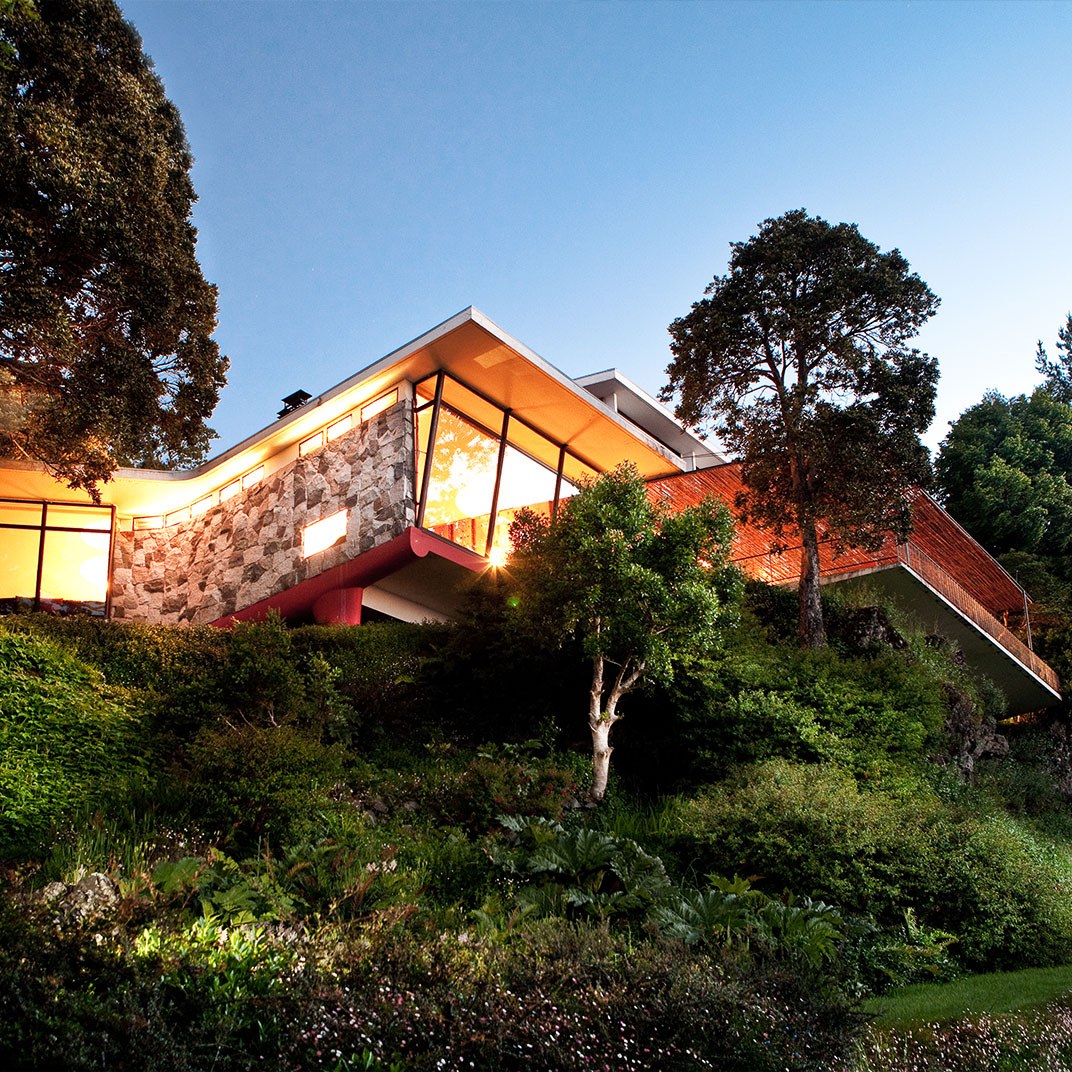
Warm and luxurious atmosphere with natural light from expansive windows framing forests and mountains, featuring handwoven textiles and Mapuche artifacts for an elegant yet grounding feel.