Our verdict
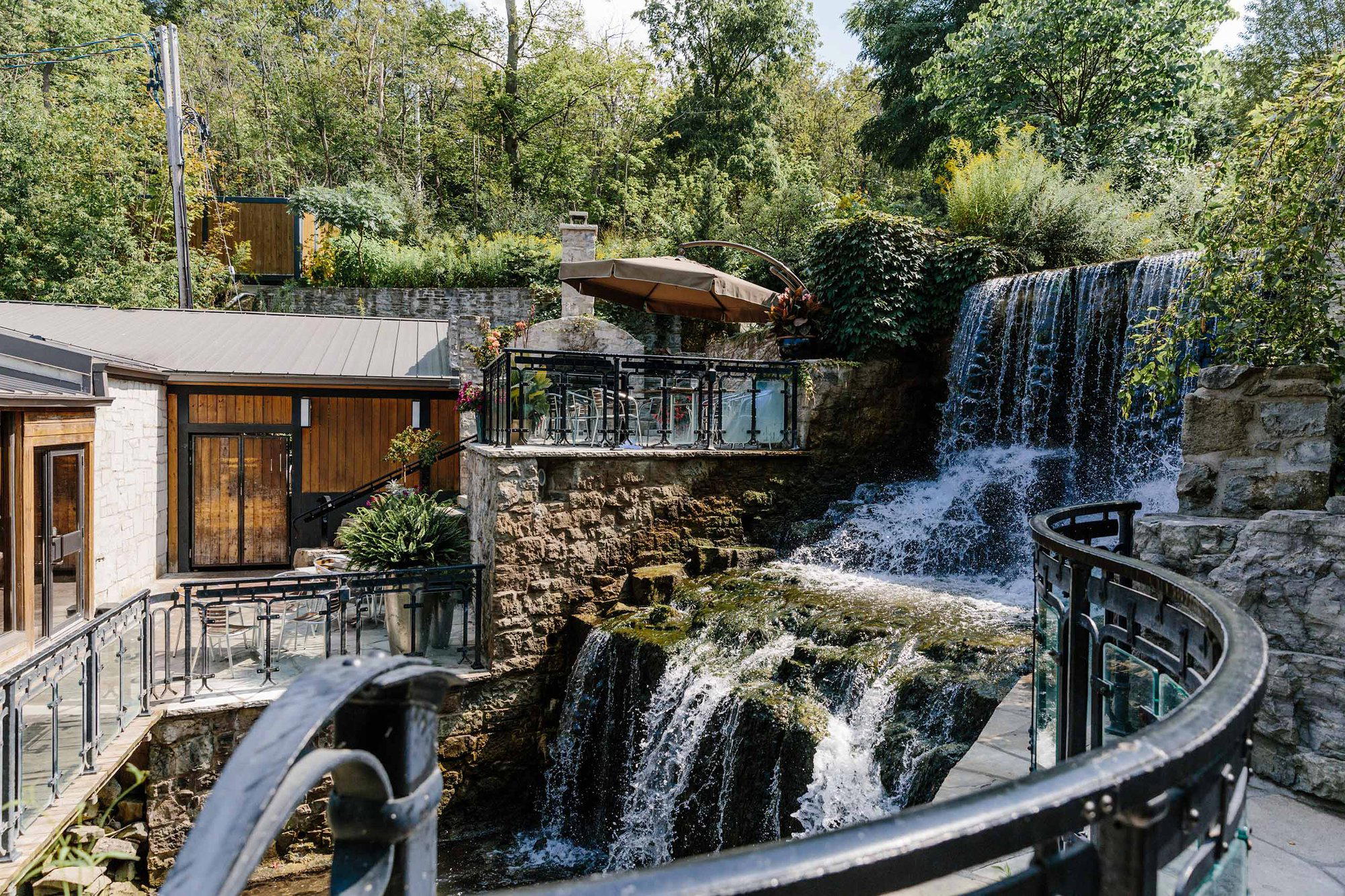
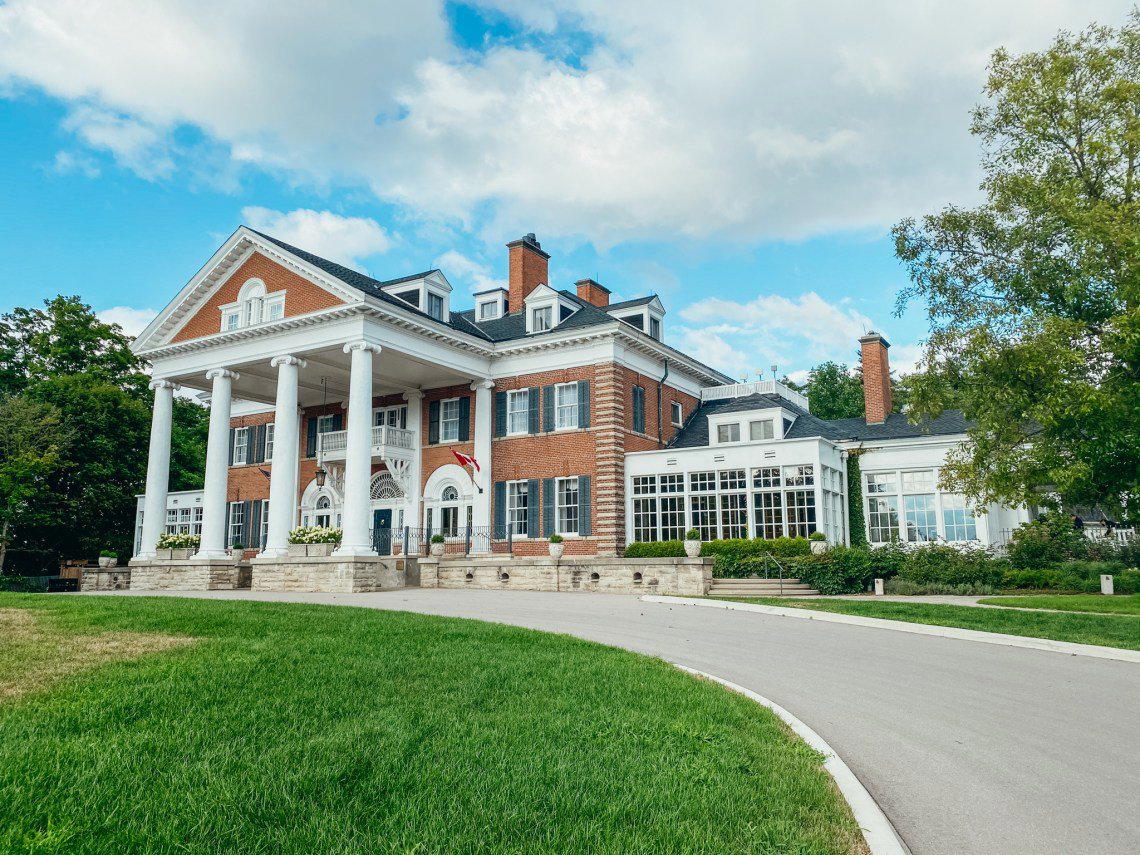
A historic grist mill on Ancaster Creek converted into one of the Hamilton area's most atmospheric dining destinations, Ancaster Mill draws on the surrounding Niagara Escarpment region for much of its kitchen philosophy. The setting — a working mill structure dating to the early 19th century — frames a dining experience where local sourcing and heritage architecture do most of the storytelling. Book well in advance, particularly for weekend evenings and private event seasons.

Pearl is the En Primeur Club membership app — saves, bookings, and concierge access live there. Same editors, same standards.
- Address
- 548 Old Dundas Rd, Ancaster, ON L9G 3J4, Canada
- Phone
- (905) 648-1828
- Hours
- Mon ClosedTue 5–8 PMWed–Thu 11:30 AM–2:30 PM, 5–8 PMFri–Sat 11:30 AM–2:30 PM, 5–9 PMSun 9 AM–2:30 PM, 5–8 PM
- Website
- ancastermill.ca
- Directions
- Get directions
- Booking
- Book on OpenTable
The menu
What to order
- Ontario Burrata
- Lamb Tortellini
- House-Smoked Salmon Rillette
Where the Escarpment Meets the Table
The approach to Ancaster Mill along Old Dundas Road prepares you for something the Hamilton restaurant scene rarely offers: genuine historical weight. The mill structure on Ancaster Creek has stood since the early 1800s, and the building's stone walls and timber framing are not decorative choices but original fabric. Dining rooms built inside working industrial heritage carry a different atmospheric register than converted warehouses or purpose-built heritage-pastiche spaces, and Ancaster Mill sits in the former category. The sound of water, the low ceilings, the weight of old stone — these are conditions, not design decisions.
This matters for ingredient sourcing as much as atmosphere. The Niagara Escarpment corridor running between Hamilton and Lincoln has become one of Southern Ontario's most productive agricultural zones, generating serious fruit, heritage grain, and cold-climate viticulture within a short radius of Ancaster. Restaurants in this geography are not performing farm-to-table as a brand position; the supply infrastructure is simply there. For a kitchen operating inside a historic grain mill, the alignment between setting and sourcing philosophy carries particular coherence. Among Canadian venues exploring regional terroir through both architecture and plate, comparable approaches can be found at Restaurant Pearl Morissette in Lincoln and Eigensinn Farm in Singhampton, both of which draw their identity from specific Ontario landscapes in ways that go beyond seasonal menu language.
The Escarpment Supply Chain
Southern Ontario's agricultural diversity is often underestimated from outside the region. The Niagara Escarpment acts as a thermal moderator, creating microclimates that support stone fruit, root vegetables, small-scale livestock, and an expanding network of market gardens operating on reduced chemical inputs. The short distance between farm and kitchen in this corridor — often under an hour's drive, gives kitchens genuine supply chain control that remains difficult to replicate in more urbanised settings.
Ancaster itself sits at the western edge of the Hamilton urban area, at the base of the Escarpment. That position means the kitchen's sourcing radius extends naturally toward Lincoln, Grimsby, and the fruit belt communities to the east, as well as toward the rural townships to the west. This is not a region that needs to import its seasonal produce narrative; the narrative arrives at the back door. For context on how other Canadian kitchens have built their identities around similarly specific regional supply lines, Narval in Rimouski and Fogo Island Inn Dining Room both demonstrate what it looks like when regional sourcing is non-optional rather than aspirational.
Heritage Grain and the Mill Connection
The original function of Ancaster's mill was grain processing, which gives the property a specific relationship to agricultural history that most heritage restaurant conversions do not carry. Grist mills were the infrastructure of early Canadian farming communities, the point where raw crop became usable ingredient. Operating a restaurant inside that structure creates an implicit argument about the continuity between historical food production and contemporary cooking, whether or not the kitchen chooses to make that argument explicit.
Across Canadian dining, the conversation about heritage grains, local milling, and artisan bread programs has intensified over the past decade. Venues from AnnaLena in Vancouver to Jérôme Ferrer - Europea in Montreal have built portions of their kitchen identity around sourcing decisions that treat bread, grain, and milling as part of the culinary conversation rather than as backdrop. In a space that literally processed grain for the surrounding community for generations, those conversations carry specific historical resonance.
How Ancaster Mill Sits in the Ontario Dining Map
The Hamilton-Ancaster area occupies an interesting position within Ontario's dining geography. It is close enough to Toronto, roughly 70 kilometres, to draw weekend visitors from the city, but distinct enough in character that it does not operate as a satellite of the Toronto restaurant scene. Venues like Alo in Toronto define one end of the Ontario dining spectrum: urban, technically focused, international in reference. Ancaster Mill sits at a different coordinate, heritage-framed, regionally anchored, and oriented toward the specific landscape it inhabits.
That positioning places it closer in spirit to destination dining experiences like The Pine in Creemore, where the draw is as much about setting and regional identity as about kitchen technique. For visitors making the trip specifically for the dining experience, the Ancaster Mill property offers a context that does not require supplementary explanation, the building does a significant portion of the contextual work before the first course arrives.
At the national level, the trend toward heritage-site dining has produced some of Canada's most discussed tables. Tanière³ in Quebec City operates in underground vaulted chambers beneath the old city; the physical history of the site is inseparable from the kitchen's identity. Ancaster Mill operates in a similar register, the heritage infrastructure is not decorative but definitional.
Planning a Visit
Ancaster is accessible by car from Hamilton in under 15 minutes, and from Toronto the drive along the Queen Elizabeth Way runs approximately 70 kilometres, placing the restaurant within range for a dedicated dinner excursion without requiring an overnight stay. The mill's position on Old Dundas Road, beside Ancaster Creek, means arrival itself is part of the experience, the approach along a wooded creek corridor is a distinct shift from the suburban commercial fabric of the surrounding area.
Weekend evenings and private event bookings fill early at heritage properties with this profile; the combination of atmospheric setting and event hosting capacity means the dining room competes with the events calendar for available dates. Visiting midweek or at lunch, where the format allows, typically offers more flexibility. For broader context on what the Ancaster dining scene looks like beyond this address, our full Ancaster restaurants guide covers the area's range across formats and price points.
For comparison with how other regional Canadian restaurants handle the relationship between setting, sourcing, and dining format, Cafe Brio in Victoria, Busters Barbeque in Kenora, and Catch22 Lobster Bar in Moncton each offer instructive regional contrasts, venues where geography and supply chain shape the menu in ways that are legible on the plate. Similarly, Chafe's Landing Restaurant, Charlene's Family Restaurant in Inverness, and Cat's Fish & Chips in Ottawa represent the breadth of regional Canadian dining that sits outside the major urban centres, an important part of understanding the full picture. At the international end of the sourcing-focused spectrum, Le Bernardin in New York City and Lazy Bear in San Francisco show how ingredient provenance functions at the highest technical level, providing a useful benchmark for what sourcing-led kitchens can achieve when the culinary ambition matches the supply chain.
Frequently asked questions
Is Ancaster Mill a family-friendly restaurant?
The stone-walled, timber-framed setting at 548 Old Dundas Rd skews toward adult occasions — anniversaries, corporate dinners, and milestone celebrations — rather than casual family meals. The formal event infrastructure reinforces that positioning. Families with older children attending a special occasion would find it appropriate; those with younger children would be better served elsewhere in the Hamilton area.
How would you describe the vibe at Ancaster Mill?
Historic and unhurried. The original mill architecture — stone walls, timber construction, a waterside setting on the Niagara Escarpment — creates a sense of remove from the surrounding suburban area that is difficult to replicate in newer builds. It reads less like a themed restaurant and more like a room that has simply been in use for a very long time.
Is Ancaster Mill suitable for a wedding reception or rehearsal dinner in the Hamilton area?
Heritage mill properties with original stone architecture and waterside settings are among the more sought-after private event formats in Southern Ontario, and Ancaster Mill's location at 548 Old Dundas Rd in Ancaster places it within easy reach of Hamilton and roughly 70 kilometres from Toronto. The physical character of the building — unlike purpose-built banquet halls — provides inherent atmosphere without additional décor investment. Couples considering it should check the venue's official channels to confirm capacity, available dates, and catering arrangements.
What do regulars order at Ancaster Mill?
What is consistent with the property's agricultural context and Escarpment location is a menu that reflects Southern Ontario's seasonal supply chain, including produce shaped by the Escarpment's thermal moderation. Confirming current offerings directly with the venue before visiting is advisable.
Where do I go for Ancaster Mill?
Ancaster Mill is located at 548 Old Dundas Rd, Ancaster, ON L9G 3J4, Canada, Ancaster.
What's the best way to book Ancaster Mill?
Heritage properties with event hosting capacity fill weekend dates faster than standard restaurant formats, particularly during spring wedding season and autumn harvest months. Booking several weeks ahead for dinner is advisable; for private events, three to six months is a more realistic lead time. Phone and online booking details should be confirmed directly through the venue's current channels.
What has Ancaster Mill built its reputation on?
Ancaster Mill's position in the Hamilton-area dining conversation rests on two things: the authenticated heritage setting inside a functioning 19th-century grain mill, and a sourcing approach tied to the agricultural output of the Niagara Escarpment. That combination is relatively rare in suburban Ontario, where heritage properties of this age and physical integrity are not common.
Quick Comparison
| Venue | Cuisine | Price | Awards | Notes |
|---|---|---|---|---|
| Ancaster MillThis venue — the venue you are viewing | French Contemporary Farm-to-Table | $50–100 | Not listed | Not listed |
| Alo | Modern French Fine Dining with Asian Influences | $200–300 | 1 Michelin Star · La Liste Top Restaurants | Contemporary |
| Sushi Masaki Saito | Edomae-Style Omakase | $500+ | 1 Michelin Star · La Liste Top Restaurants | Sushi, Japanese |
| The Pine | Contemporary Chinese Fine Dining | $150–200 | 1 Michelin Star · World's 50 Best #48 | Chinese |
| Aburi Hana | Modern Japanese Kyō-Kaiseki | $300–500 | 1 Michelin Star · The Best Chef One Knife | Kaiseki, Japanese |
| AnnaLena | Modern Canadian Tasting Menu | $100–150 | 1 Michelin Star · World's 50 Best #35 | Contemporary |
Continue exploring
More in Ancaster
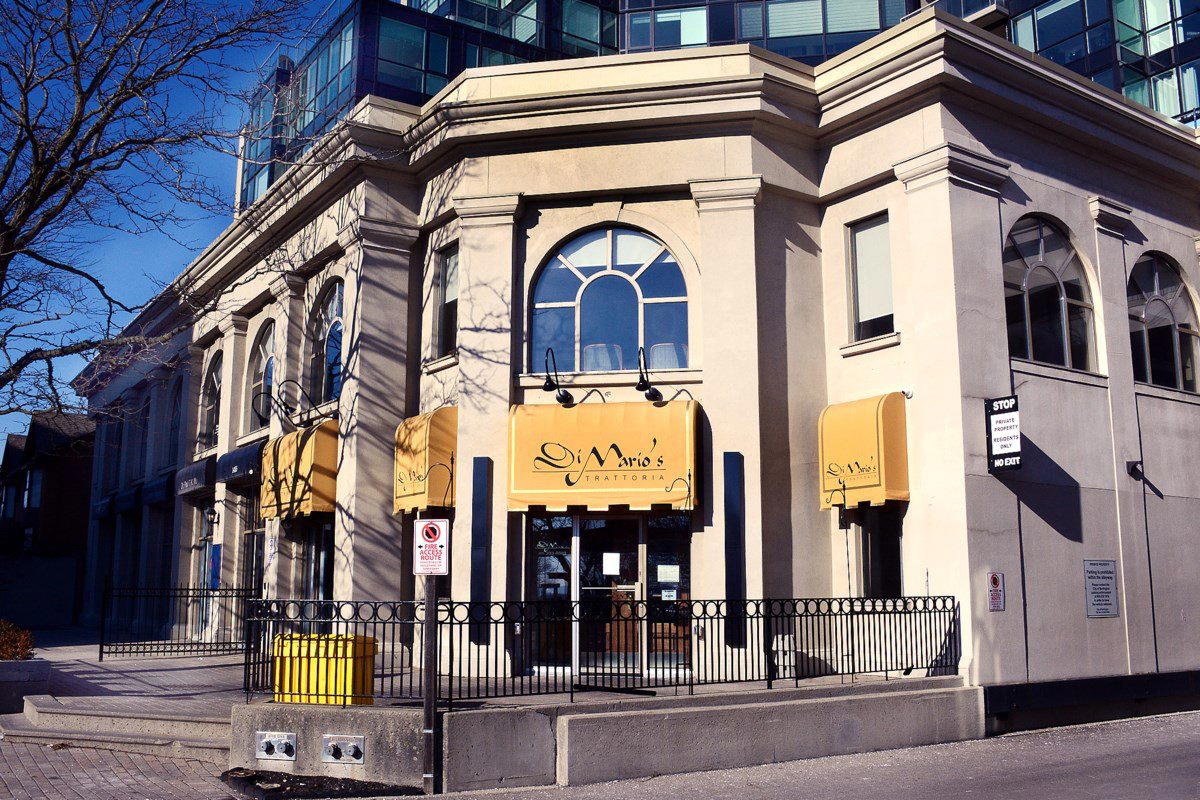
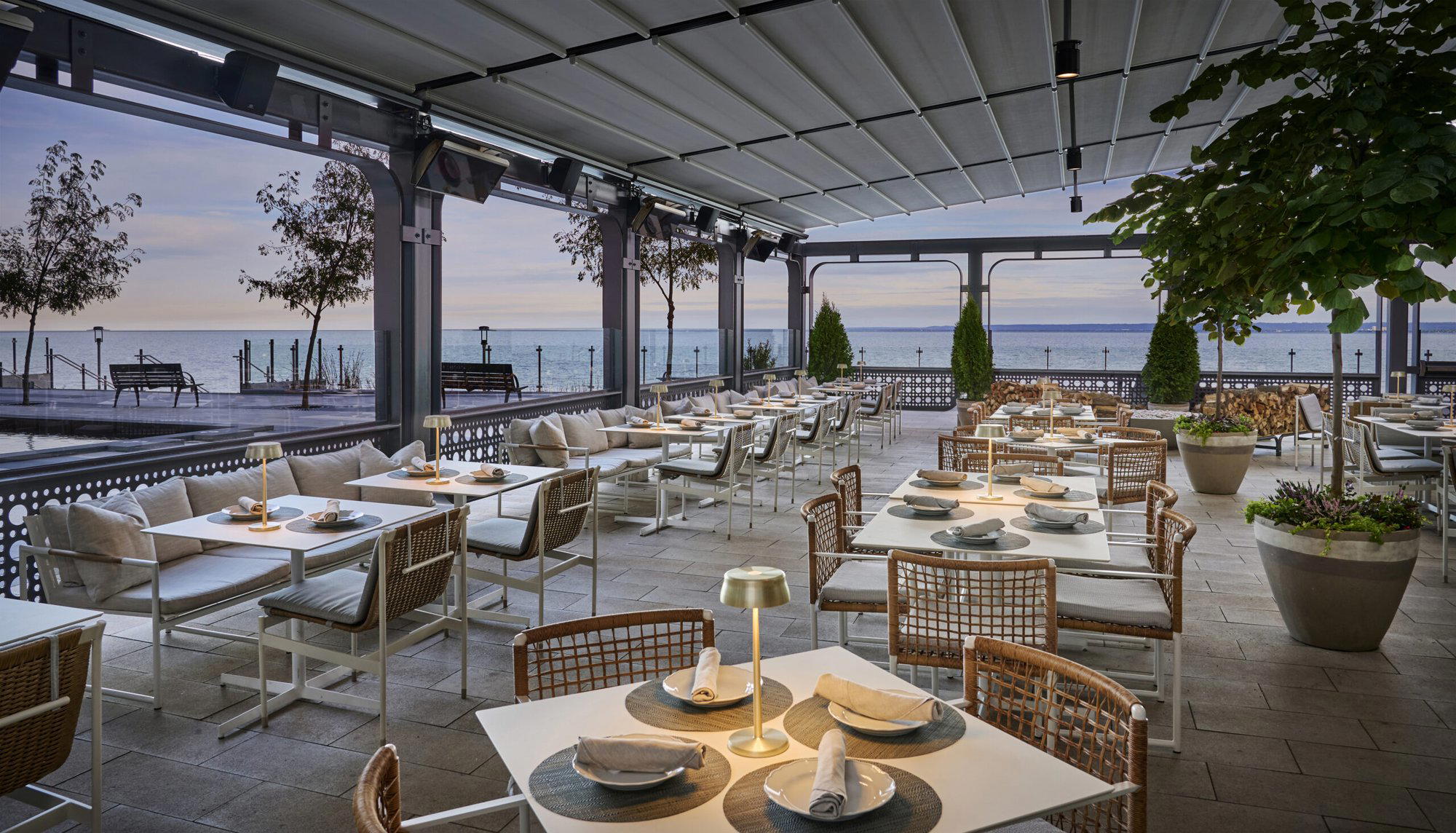
Restaurants in Ancaster
Browse all →
Bars in Ancaster
Browse all →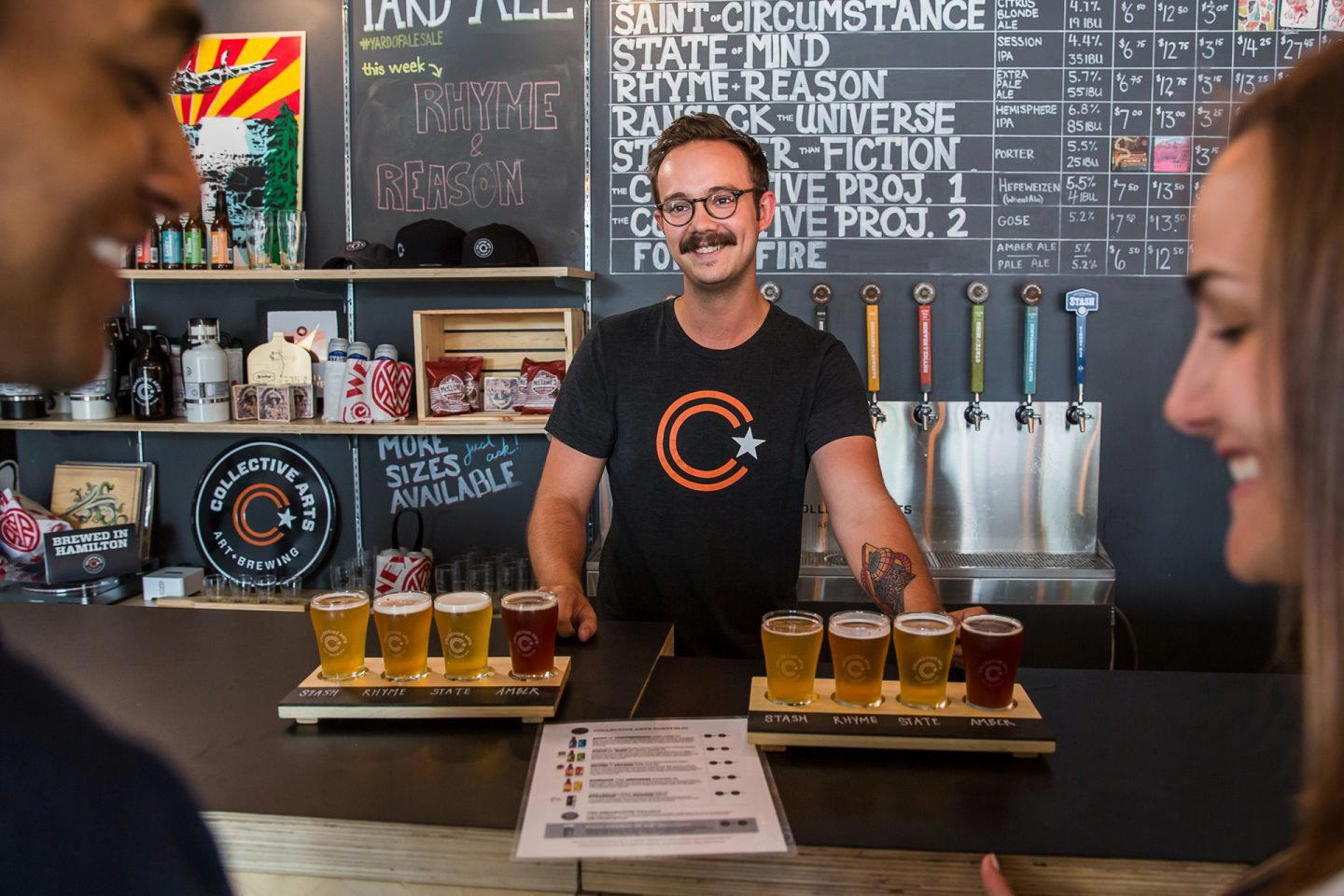
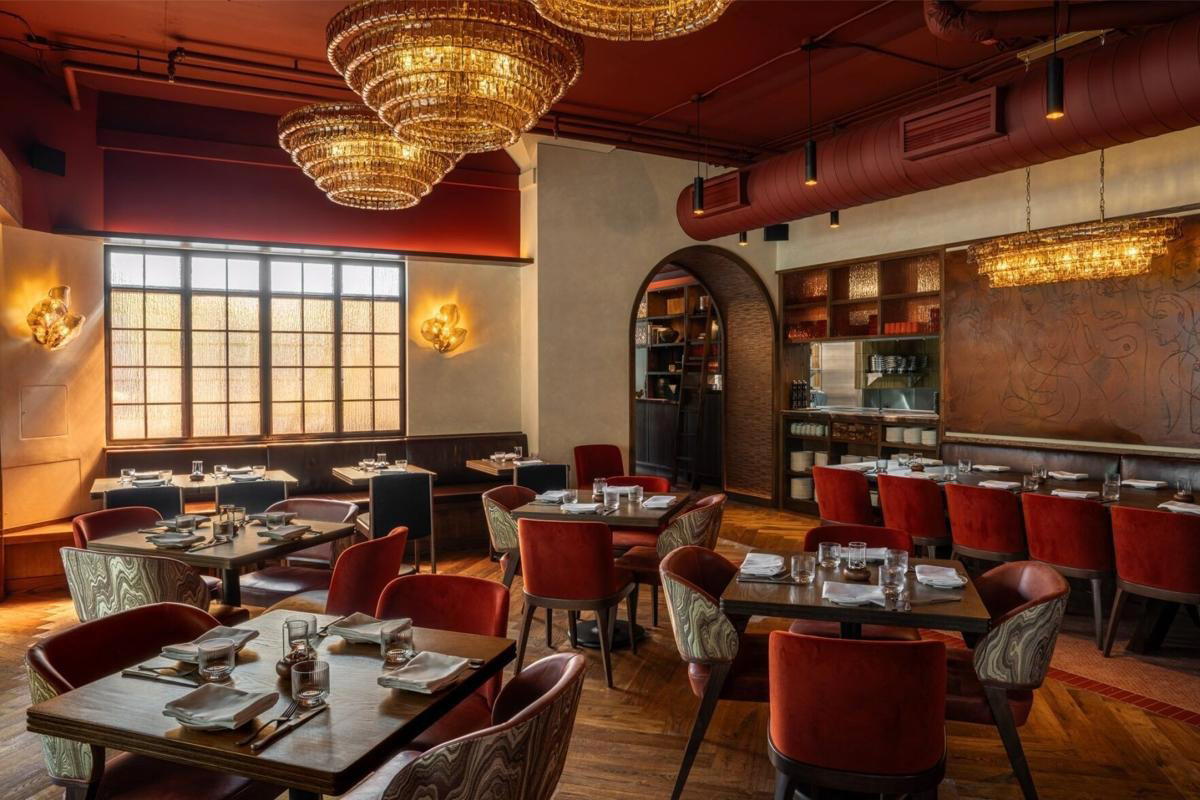
Hotels in Ancaster
Browse all →

Wineries in Ancaster
Browse all →
Ancaster Mill
The wine
- Wine program
- Curated wine list
- Extensive wine list
Details
- Romantic
- Elegant
- Scenic
- Classic
- Historic
- Special Occasion
- Celebration
- Date Night
- Family
- Group Dining
- Waterfront
- Historic Building
- Private Dining
- Extensive Wine List
- Farm To Table
- Local Sourcing
- Waterfront
- A La Carte
- Vegetarian Friendly
- Vegan Options
- Gluten Free Options
Current opening hours
- Monday
- Closed
- Tuesday
- 5–8 PM
- Wednesday
- 11:30 AM–2:30 PM, 5–8 PM
- Thursday
- 11:30 AM–2:30 PM, 5–8 PM
- Friday
- 11:30 AM–2:30 PM, 5–9 PM
- Saturday
- 11:30 AM–2:30 PM, 5–9 PM
- Sunday
- 9 AM–2:30 PM, 5–8 PM
Hours can change for holidays and private events. Last verified .
Picturesque historic setting with floor-to-ceiling windows overlooking the falls, fusing authentic character with elegant lighting and atmosphere.