Del Tufo occupies a quiet address on Bleichstraße in Ulm's city centre, bringing Italian cooking rooted in ingredient provenance to a dining scene more commonly associated with Swabian tradition. The kitchen draws on produce sourced from the Italian peninsula, placing it in a different register from Ulm's contemporary German fine-dining establishments. For those tracking the city's broader shift toward regional and origin-led cooking, it warrants attention.
Pearl is the En Primeur Club membership app — saves, bookings, and concierge access live there. Same editors, same standards.
- Address
- Bleichstraße 9, 89077 Ulm, Germany
- Phone
- +4973160268617
- Website
- del-tufo.de
- Directions
- Get directions
 Saves & bookings on Pearl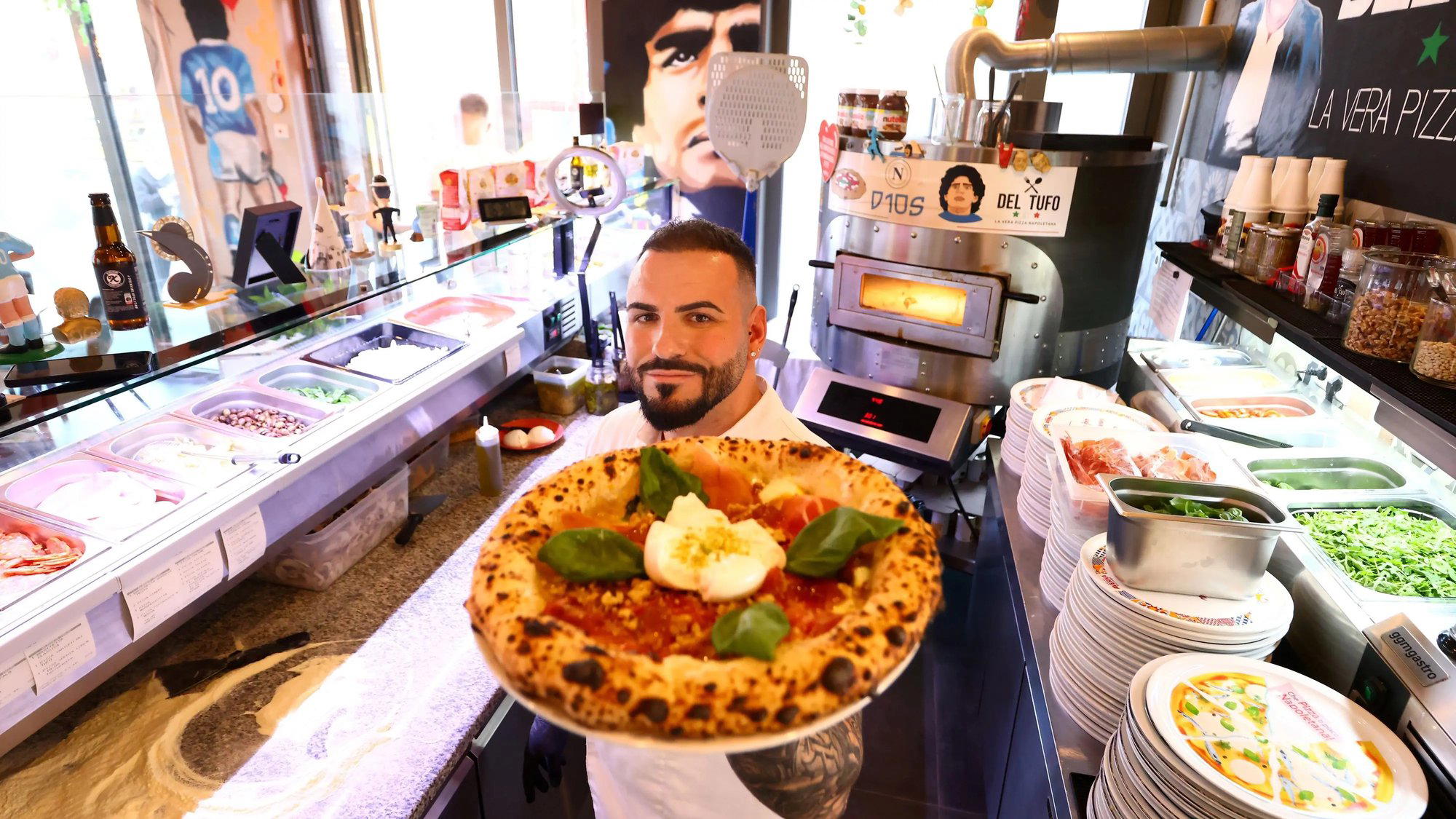
Where Ulm's Italian Table Meets a Sourcing-First Approach
Bleichstraße runs through one of Ulm's quieter central corridors, Del Tufo is an Authentic Neapolitan Pizza restaurant at Bleichstraße 9 in Ulm. In a mid-sized German city where the fine-dining conversation is dominated by addresses like bi:braud (Contemporary) and Seestern (Modern French), an Italian kitchen staking its identity on ingredient origin occupies a distinct position.
That context matters for reading Del Tufo correctly: this is not a destination designed for spectacle, but for the kind of meal where what arrives at the table is the primary event.
The Sourcing Argument in Italian Cooking
Italian cuisine, in its most seriously considered form, is fundamentally a literature of provenance. The question of where a tomato was grown, which region supplied the olive oil, or whether the flour carries a particular milling heritage is not incidental, it is the point. This is what separates a kitchen genuinely engaged with Italian ingredient culture from one that adopts Italian flavour profiles as an aesthetic choice.
At one end sit trattorias and pizzerias that have been fixtures of German urban dining since the postwar decades of Italian labour migration.
Ulm's dining scene has shifted materially over the past decade. The arrival of tasting-menu formats and a stronger focus on produce quality at addresses like 100 Grad Restaurant reflects a city whose dining ambitions have grown. Against that backdrop, an Italian kitchen anchoring its identity to where the food comes from fits a broader pattern: Ulm diners are increasingly receptive to the sourcing narrative, not just the flavour result.
Reading Del Tufo Against Its comparable set
The benchmark competition for a sourcing-led Italian in a city of Ulm's scale is not the Michelin-starred Italian rooms at Germany's larger urban addresses, those operate in a different economic and reputational context entirely. The relevant comparable set is regional: Italian kitchens in comparably sized cities that have moved past red-sauce familiarity toward ingredient specificity without fully crossing into fine-dining tasting-menu territory.
That middle register is where the restaurant appears to operate. It is a different proposition from the Modern French precision at Seestern or the contemporary ambition of bi:braud, and it is also a different register from casual neighbourhood Italian dining. The address alone, a deliberate, non-tourist-facing position on Bleichstraße, suggests a kitchen that has made choices about its audience.
Those kitchens operate in a different league by any metric, but they share the underlying conviction that the sourcing decision precedes the cooking decision. The restaurant appears to hold the same conviction at a different scale.
Ulm's Dining Scene and Where Italian Fits
The regional tradition, lentils with Spätzle, Maultaschen, the particular economy of Swabian cooking that turns modest ingredients into satisfying meals, has shaped what local diners expect from a restaurant. Italian food arrived in that context as contrast and comfort rather than as serious culinary territory. The shift toward ingredient-serious Italian cooking represents a meaningful recalibration of that expectation.
The city's broader hospitality offer has expanded to include a more considered cocktail culture, visible at Dolce Cocktailbar, and hotel-adjacent dining at Design Hotel Restaurant Löwen Ulm. The restaurant sits within that expanding offer, but its particular identity, Italian, sourcing-led, off the main circuit, makes it a specific rather than general recommendation.
Planning a Visit
Bleichstraße 9 is reachable on foot from Ulm's central train station in under ten minutes, which matters for visitors arriving by rail, Ulm sits on the Stuttgart-Munich ICE corridor, making it an accessible stopover rather than a destination requiring significant routing effort. For those comparing the restaurant against Ulm's full fine-dining tier before committing, the sourcing-led Italian proposition is distinct enough from the French and contemporary German rooms that it functions as a different meal type rather than a direct alternative. If the visit is part of a wider tour of Germany's more considered dining addresses, the reference points extend well beyond Ulm: Vendôme in Bergisch Gladbach, Waldhotel Sonnora in Dreis, Schanz in Piesport, Restaurant Haerlin in Hamburg, Victor's Fine Dining by christian bau in Perl, ES:SENZ in Grassau, and CODA Dessert Dining in Berlin represent the outer range of ambition available within a day's travel. International benchmarks for ingredient-serious cooking at the highest level include Le Bernardin in New York City and Lazy Bear in San Francisco, both of which demonstrate how sourcing conviction translates into programme identity regardless of cuisine type.
Comparable Venues
Comparable venues nearby, for context on price, style, and recognition.
| Venue | Cuisine | Price | Notes |
|---|---|---|---|
| Del TufoThis venue — the venue you are viewing | Authentic Neapolitan Pizza | $$ | Not listed |
| Dolce Cocktailbar | Cocktail Bar | $$ | Ulm city center |
| 100 Grad Restaurant | Modern Regional German | $$ | Ulm |
| SIEDEPUNKT | Creative French with International Influences | $$$$ | Böfingen |
| Köz Mangal Ulm | Authentic Turkish Charcoal Grill | $$ | Söflinger Straße |
| KOBÉS "Burger & Steak" Restaurant #ulm #halal | Premium Halal Burgers & Steaks | $$$ | Söflingen |

At a Glance
- Cozy
- Intimate
- Classic
- Family
- Casual Hangout
- Date Night
- Open Kitchen
Current opening hours
- Monday
- 5–10 PM
- Tuesday
- 5–10 PM
- Wednesday
- 5–10 PM
- Thursday
- 5–10 PM
- Friday
- Closed
- Saturday
- Closed
- Sunday
- Closed
Hours can change for holidays and private events. Last verified .
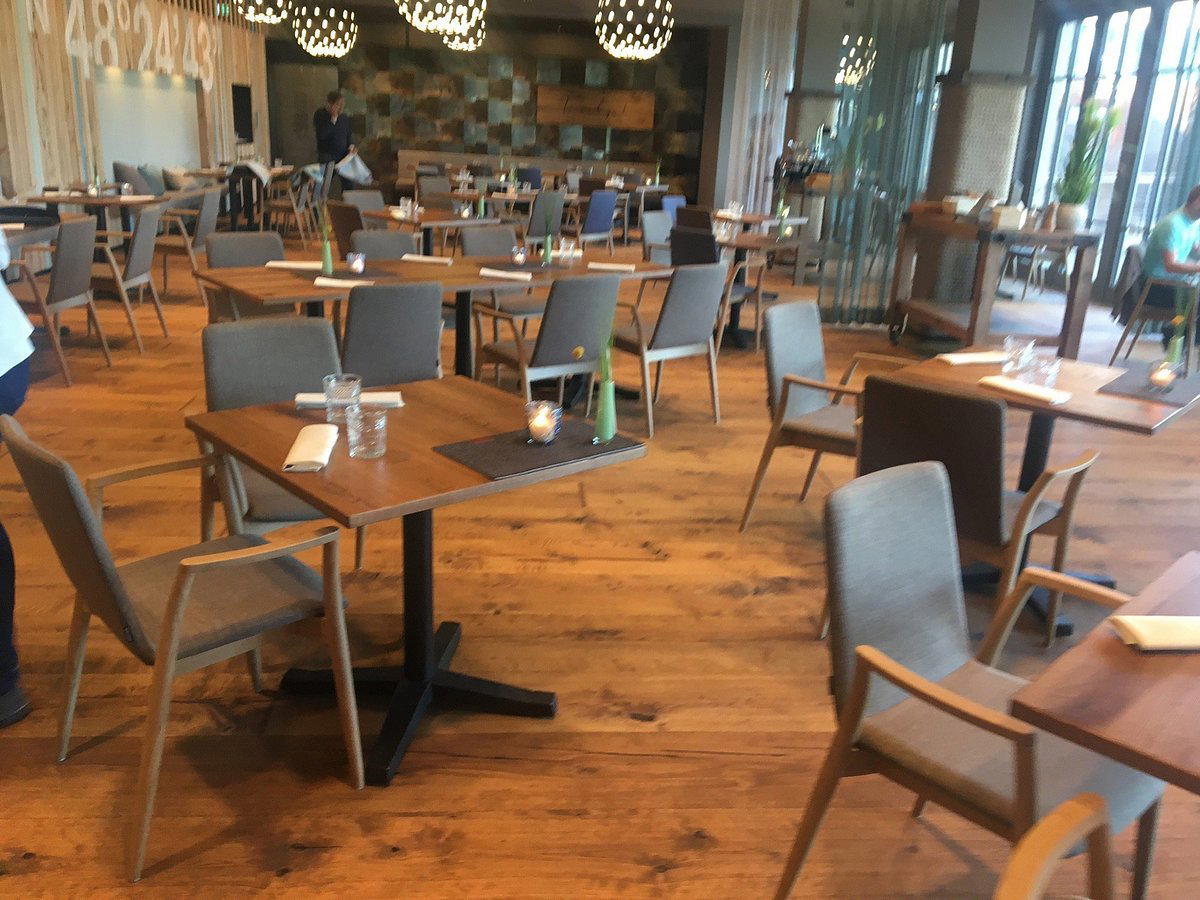
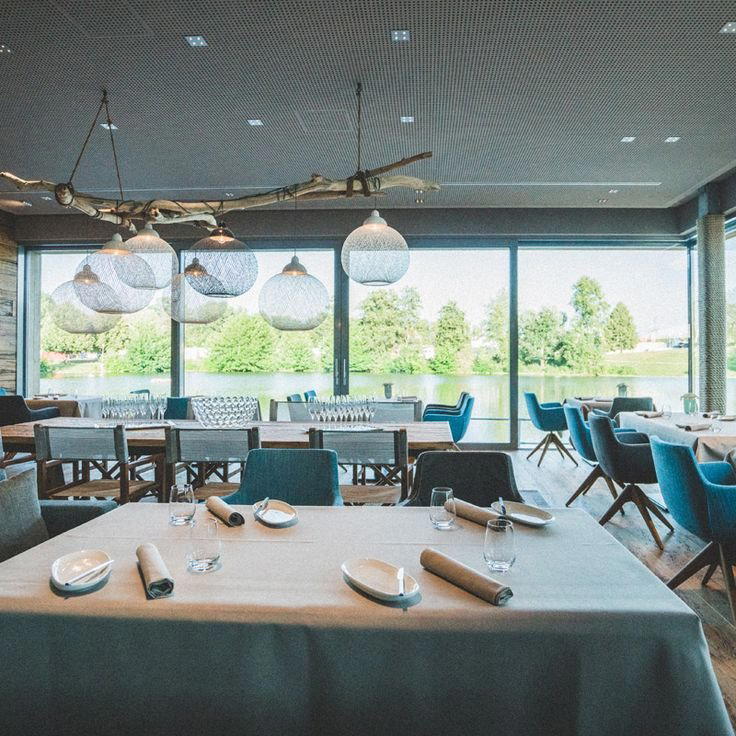
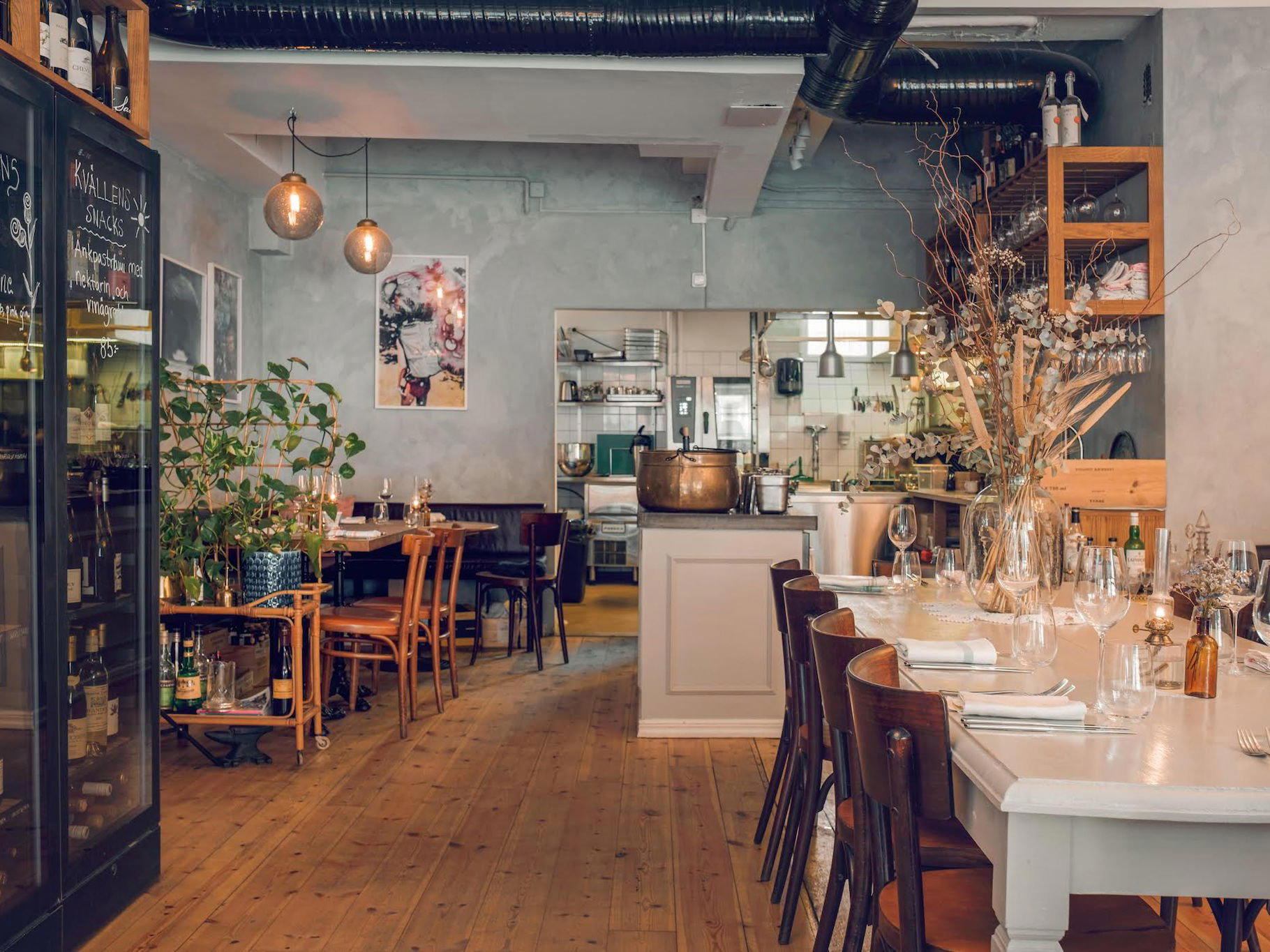
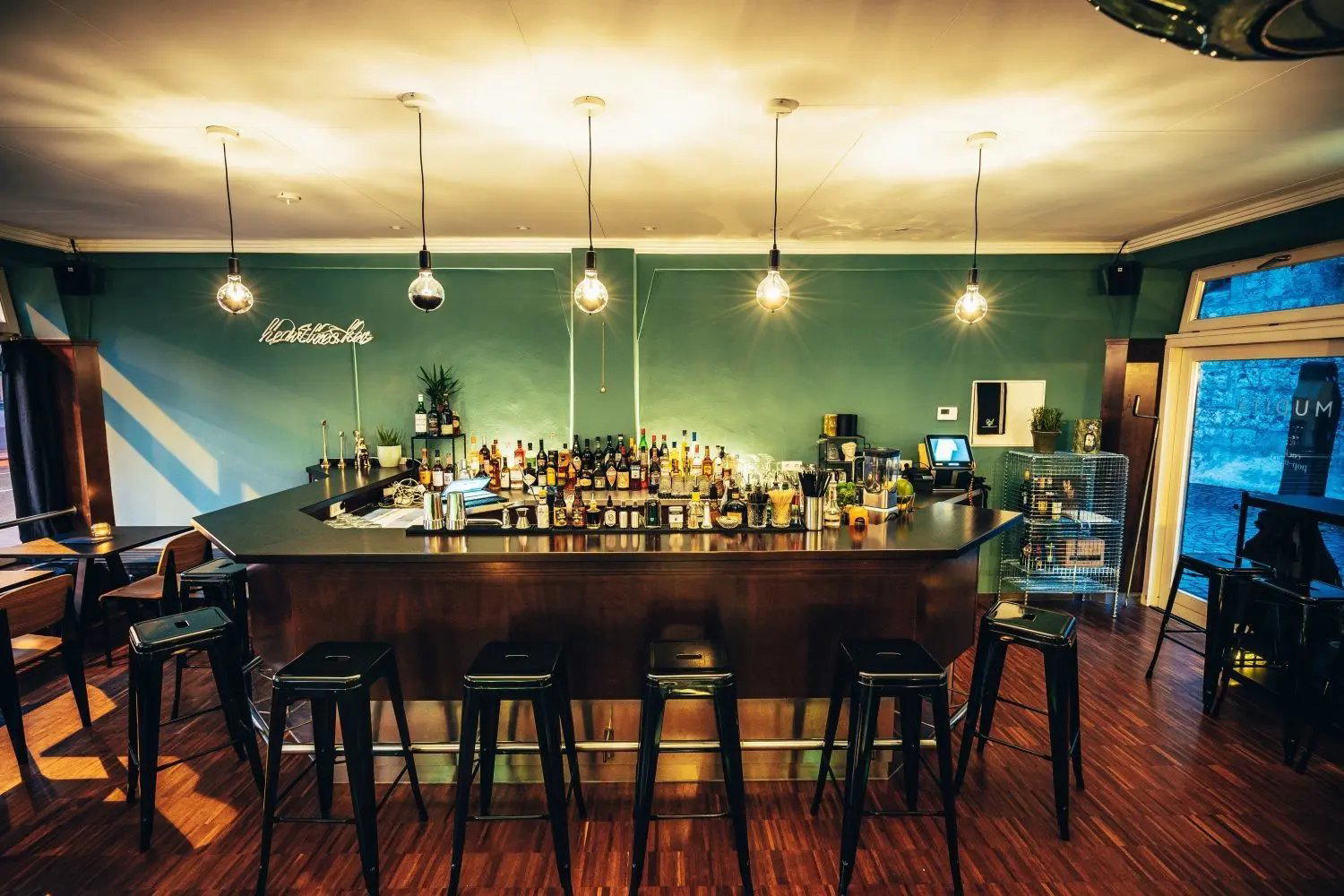
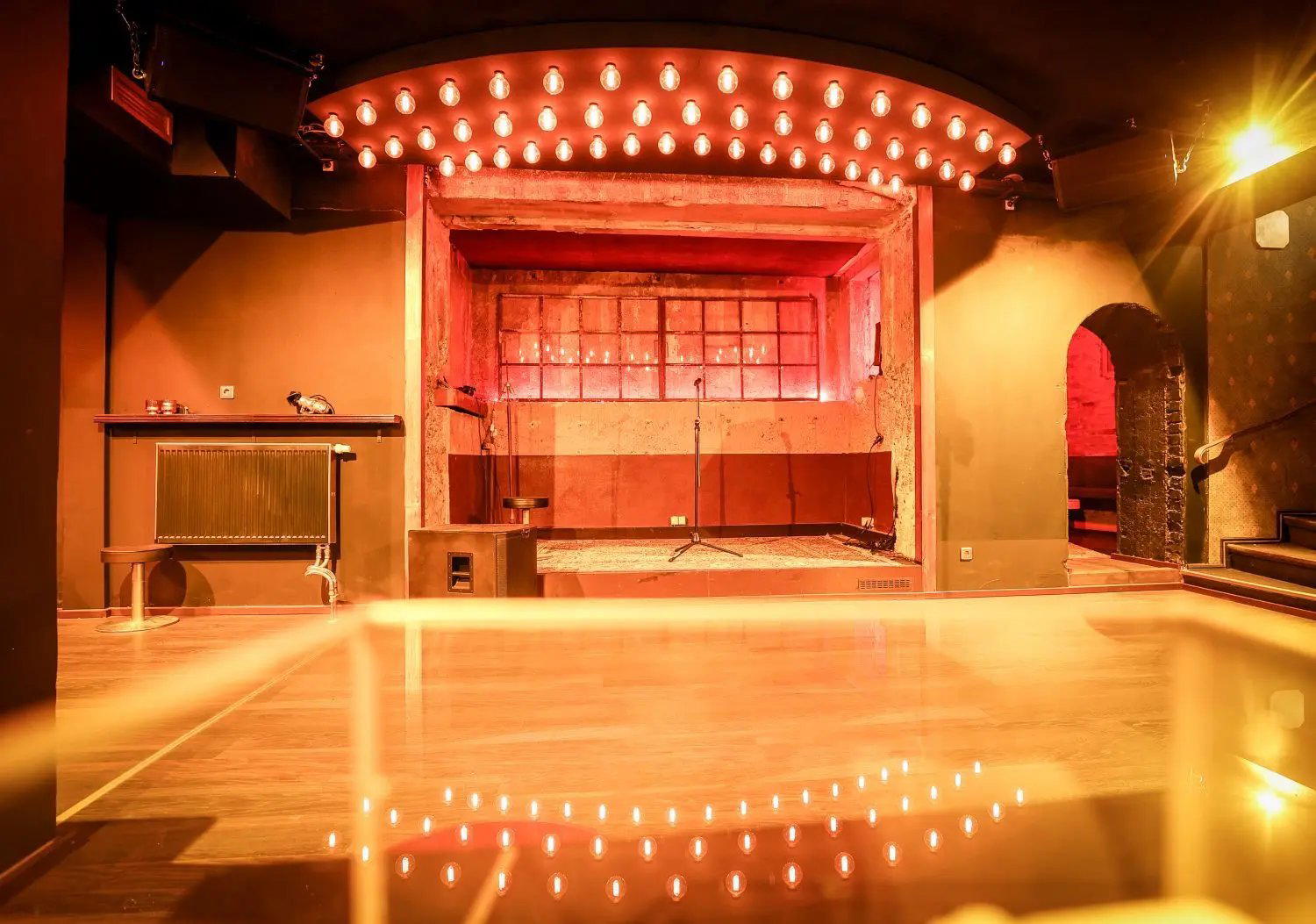
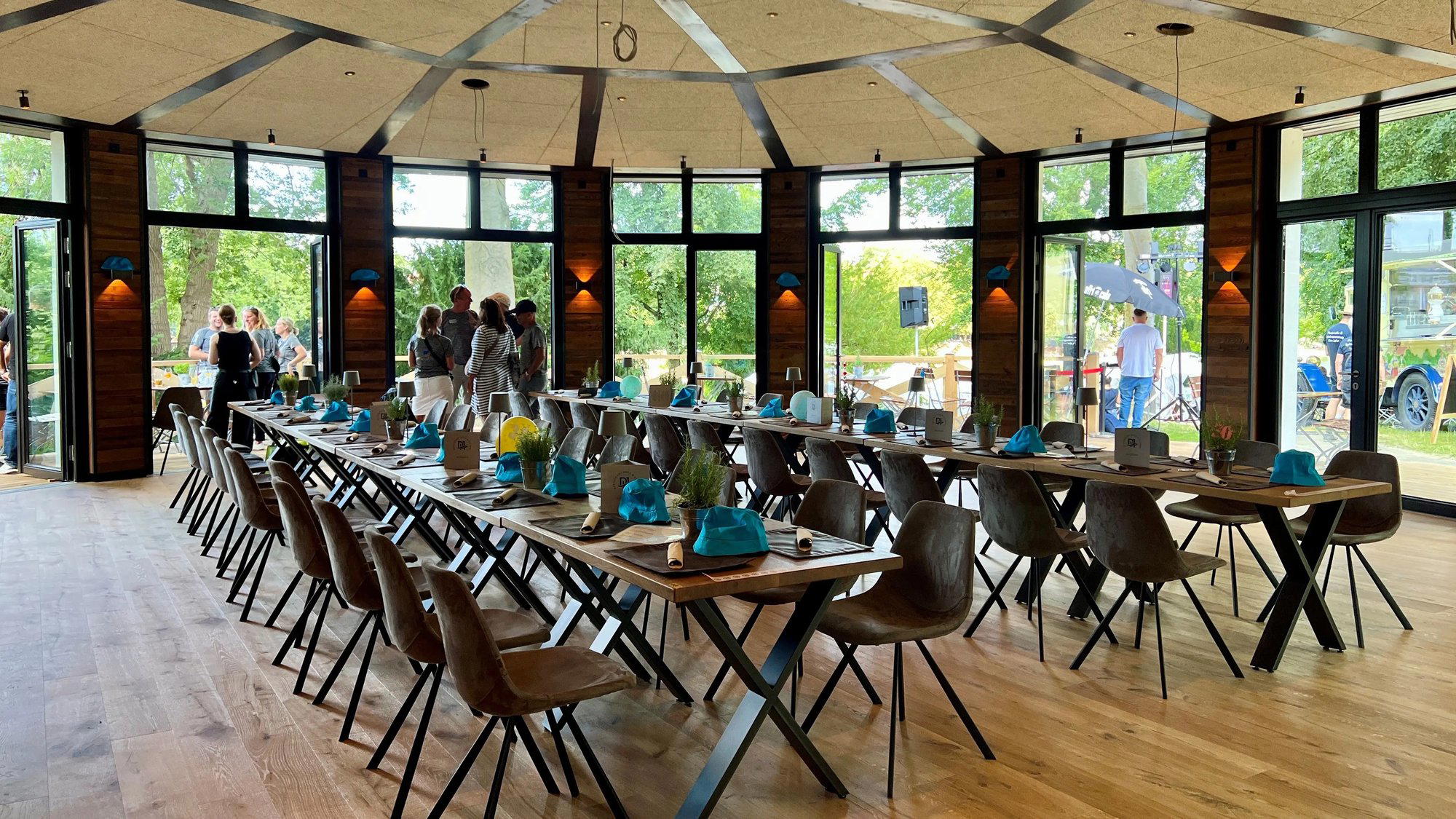
Cozy and welcoming atmosphere with clean, informal dining room that feels like a piece of Naples.