Azure Restaurant
Our verdict
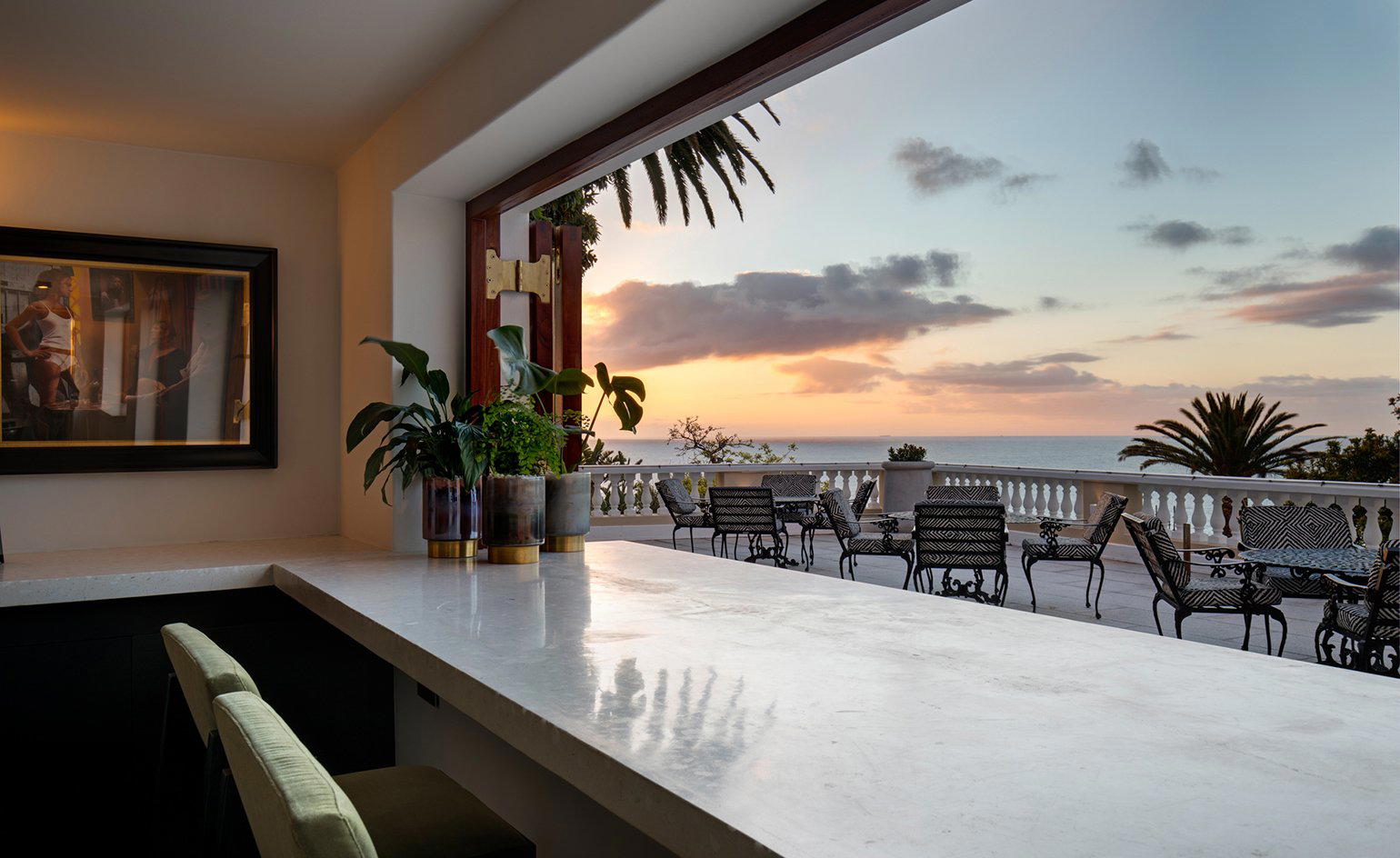
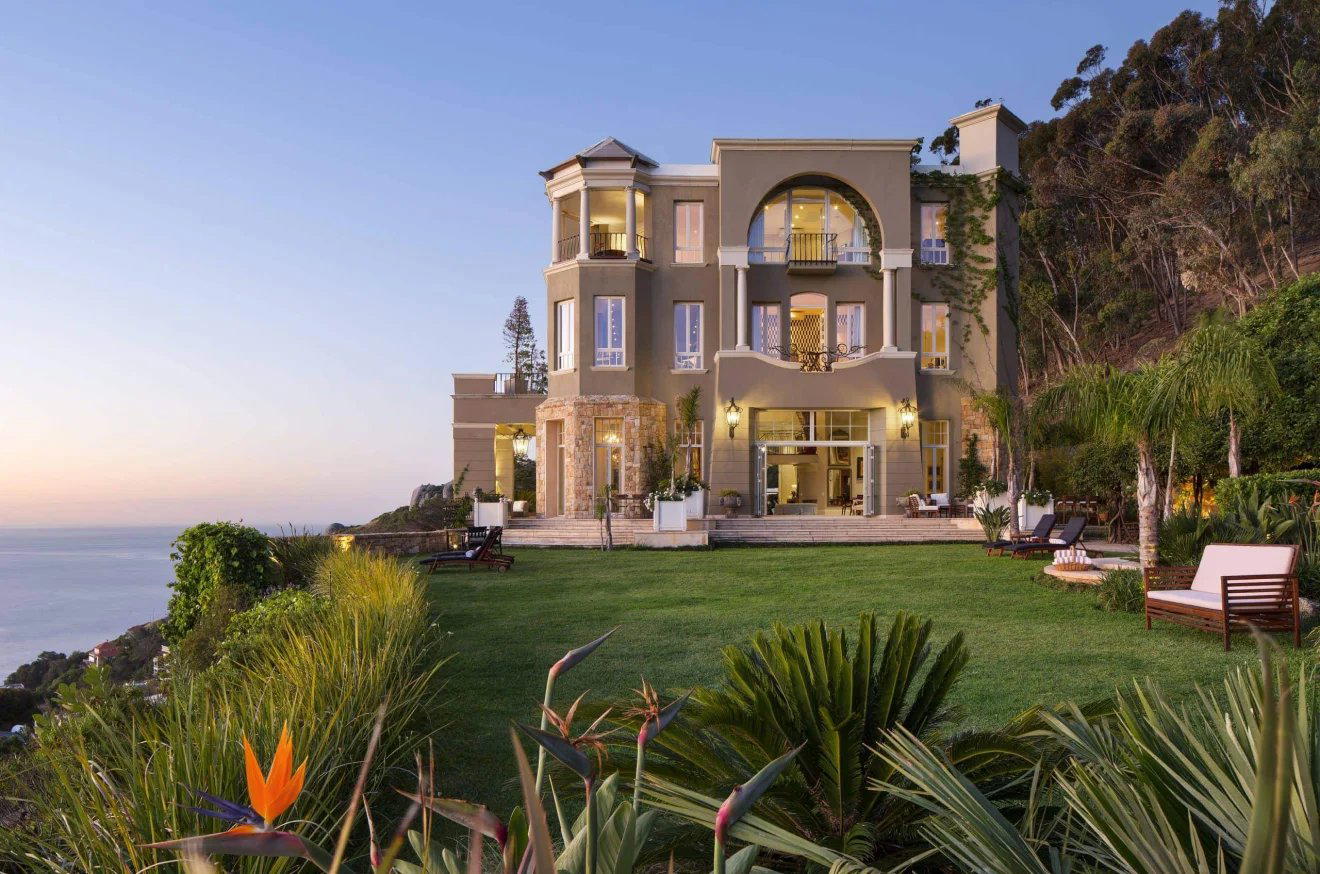
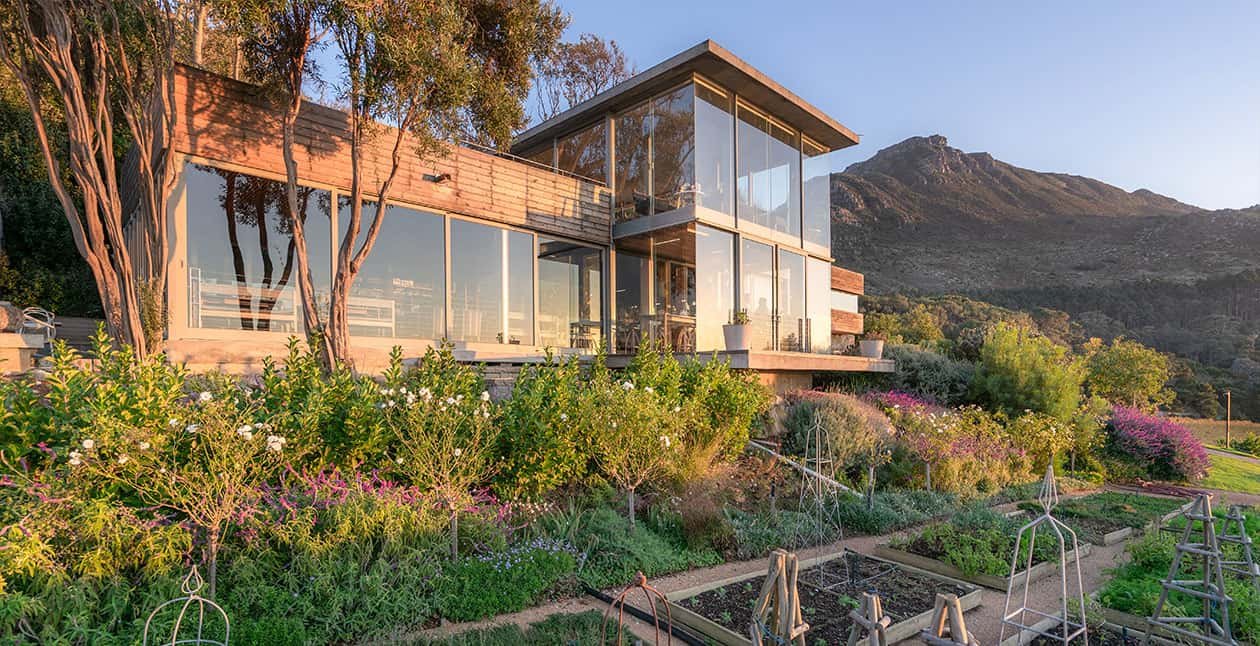
Azure Restaurant sits along the Oudekraal Nature Reserve stretch of Cape Town's Atlantic Seaboard, where the mountain meets the ocean in one of the city's least interrupted coastal settings. The address alone places it outside the downtown dining circuit, and that distance is the point: the experience is shaped by where it stands as much as by what arrives at the table.

Pearl is the En Primeur Club membership app, where members save venues, book tables and use the concierge.

Where the Mountain Meets the Atlantic
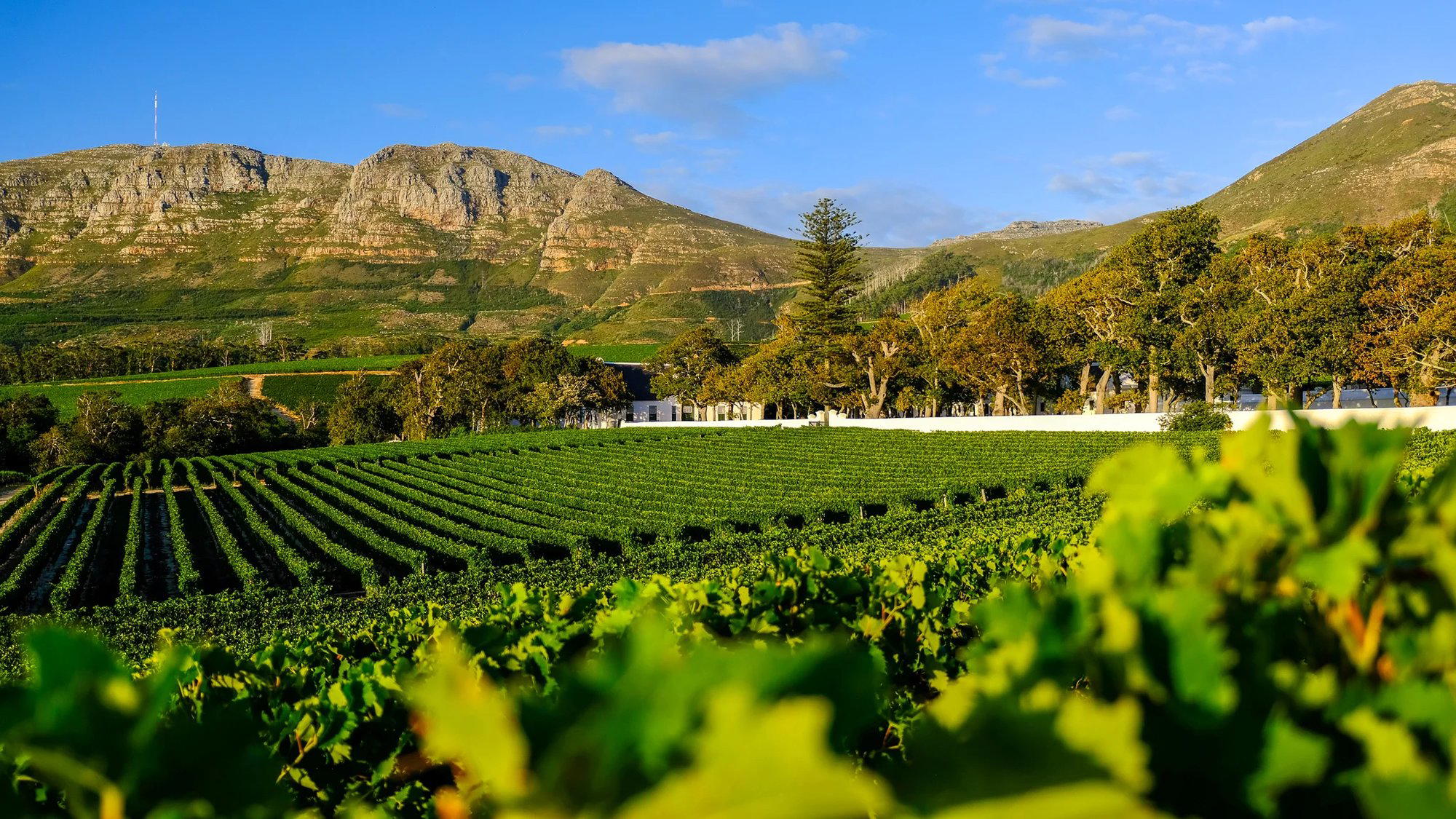
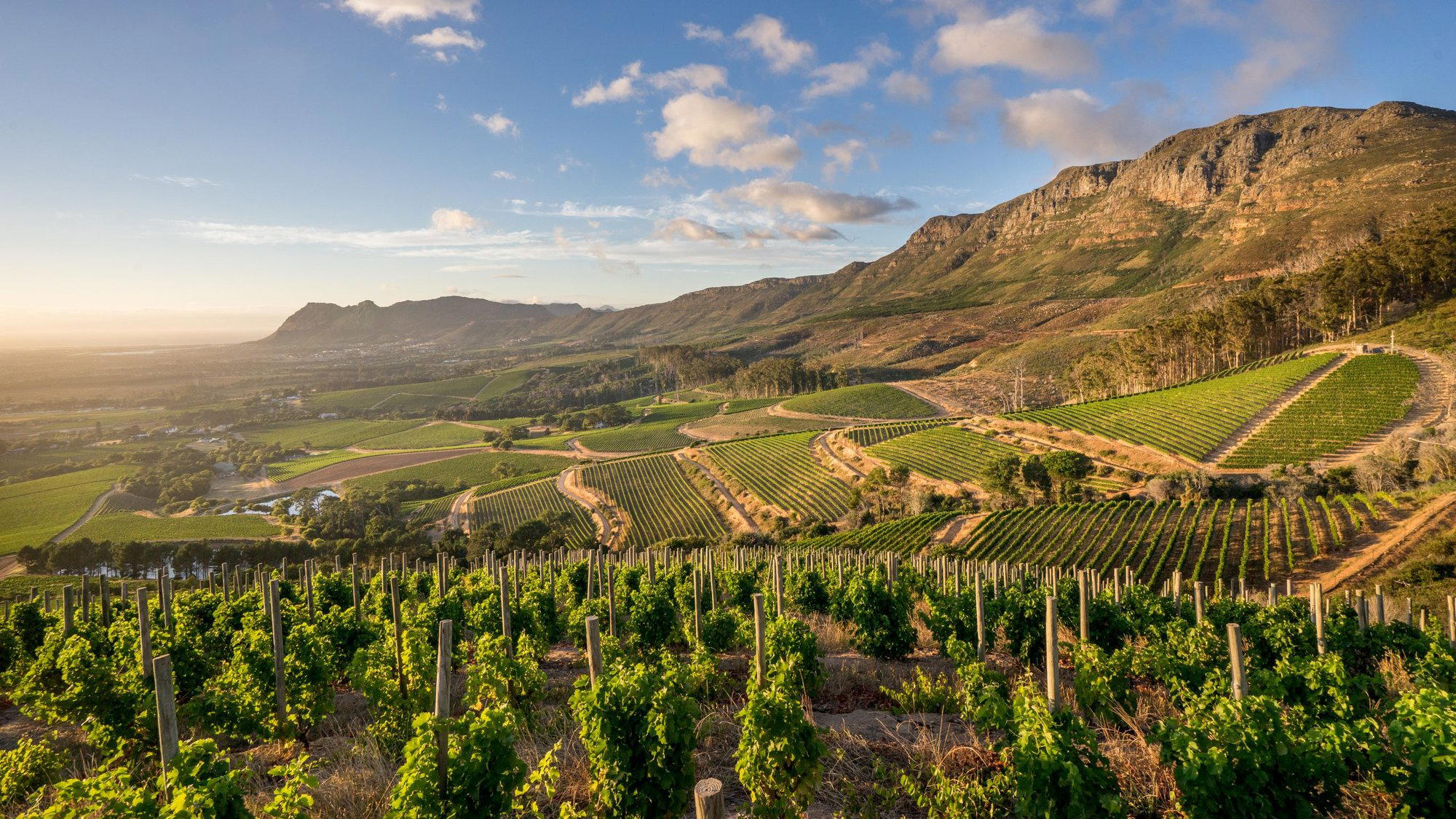
The drive along the M6 past Camps Bay and into Oudekraal is one of the more disorienting approaches to any restaurant in Cape Town. The city's density falls away. Boulders the size of houses crowd the roadside. The Atlantic appears and disappears between rock faces. By the time you reach the address on Queen Victoria Street, the sense of urban remove is complete. Azure Restaurant occupies a position inside the Oudekraal Nature Reserve boundary, a designation that immediately separates it from the hotel-district dining rooms of the V&A Waterfront and the neighbourhood bistros of De Waterkant. The setting isn't incidental to the experience here, it is the experience's first and most insistent argument.
Cape Town's restaurant scene has long organised itself around two competing logics: the city-centre addresses that draw on foot traffic, business dining, and proximity to the tourism corridor, and the destination restaurants that require deliberate travel and reward it with something the central city cannot offer. Azure belongs firmly to the second category. The reserve location means no ambient street noise, no passing foot traffic, no neighbouring shopfronts competing for attention. What remains is the sound of the Atlantic and whatever the kitchen chooses to put in front of you.
The Oudekraal Positioning
Oudekraal sits roughly between Camps Bay to the north and Hout Bay to the south, in a stretch of coast that the City of Cape Town has kept relatively free of commercial development. That constraint shapes the experience for any venue operating inside it. The competitive frame is closer to destination-experience venues than to city dining rooms, though the Atlantic Seaboard address keeps it accessible from the Cape Town hotel belt in a way that the Winelands cannot match.
South Africa's premium dining tier has diversified significantly over the past decade, with nature-adjacent properties claiming a distinct segment. The logic is legible across the country: Silvan Safari Lodge in Kruger and Londolozi Game Reserve demonstrate how landscape integration has become a category signal in itself. At the coastal register, the Oudekraal setting gives Azure a version of that logic without requiring a flight. The reserve designation acts as a quality signal through scarcity: fewer competitors can occupy this kind of address, which means those that do carry a locational distinction that does not depend on awards alone.
Cape Town's Coastal Dining Register
The Atlantic Seaboard has always held a different dining character from the Cape Peninsula's interior valleys. The Winelands circuit, anchored by properties such as Le Quartier Français in Franschhoek and Delheim Wine Estate in Stellenbosch, draws on the language of estate architecture, wine heritage, and agricultural landscape. The coast operates differently. Here, the view does not point inward toward cellar and vine but outward toward open ocean, and the sensory register shifts accordingly. Light changes faster. The wind is more present. The horizon is hard and blue.
Within Cape Town's city limits, venues that have built strong reputations tend to do so through either culinary programme or atmosphere, often both. Salsify at the Roundhouse demonstrates how a heritage building can anchor a dining identity. The Test Kitchen built its name on the culinary programme first, the address second. Azure's proposition is different in that the address at Oudekraal carries the editorial weight. The reserve setting is not a backdrop; it is the primary credential.
For visitors comparing options across the city, it is worth noting that the Seaboard's restaurant corridor from Sea Point through Camps Bay has a recognisable character, animated, view-forward, often more casual than the Winelands estate model. Azure, sitting further south into the reserve, diverges from that corridor's energy. It does not face the same strip-restaurant competition. Ellerman House in Bantry Bay, which sits a few kilometres north along the same coastline, represents a different model: a small luxury hotel with a dining programme attached. Azure's reserve positioning creates a more removed, nature-first context.
How This Fits the Broader South African Premium Picture
South Africa's premium dining scene is geographically dispersed in a way that distinguishes it from most other countries at a similar culinary tier. Johannesburg's scene, represented by venues such as Sympathy's Restaurant and Foundry in Sandton, operates in an urban register that has nothing to do with landscape. Pretoria adds another register through addresses like Capito. Cape Town, by contrast, has consistently produced venues where location and culinary programme are inseparable arguments. Wolfgat in Paternoster, which earned international recognition for its West Coast foraging programme, demonstrated that a remote coastal address could carry a dining identity to a global audience. The principle holds, if at different scales, for any venue that commits to a nature-reserve address rather than a city-centre one.
At the international register, the logic of place-first dining has strong precedents. Visitors who have experienced landscape-integrated dining at the level of Lazy Bear in San Francisco or the precision seafood work of Le Bernardin in New York City will recognise the structural ambition, if not the specific register. Azure's Atlantic Seaboard reserve address places it in conversation with that class of destination dining, even if the terms of comparison are local.
Planning a Visit
The Oudekraal Nature Reserve address means Azure sits outside the walkable dining circuits of Sea Point or the V&A. A car or a pre-arranged transfer along the M6 is the practical approach from central Cape Town. For those building a wider Cape Town dining programme, our full Cape Town restaurants guide maps the full range across neighbourhoods and price tiers. Visitors exploring the peninsula beyond the city might also consider Wolfgat in Saldanha Bay and 95 at Parks as complementary entries in a coastal dining itinerary.
Frequently asked questions
What's the overall feel of Azure Restaurant?
Azure sits within Oudekraal Nature Reserve along the M6 corridor between Camps Bay and Hout Bay, which gives it a degree of physical separation from Cape Town's busier dining precincts. The reserve address alone shapes expectations: this is not a city-centre venue with foot traffic, but a destination that requires intent to reach. That positioning draws a different crowd from the V&A; Waterfront or Sea Point strips.
Where exactly is Azure Restaurant?
Azure Restaurant is located at Queen Victoria St, Oudekraal (Nature Reserve), Cape Town, 8005, South Africa, Cape Town.
Is Azure Restaurant accessible by public transport from central Cape Town?
The Oudekraal Nature Reserve address on Queen Victoria Street places Azure well outside Cape Town's public transport grid. The M6 route connecting Camps Bay to Hout Bay is a private-vehicle or pre-arranged transfer road, and rideshare services operating in Cape Town's Atlantic Seaboard area are the most practical option for visitors without a car.
What dish is Azure Restaurant famous for?
check the venue's official channels for current offerings.
How far ahead should I plan for Azure Restaurant?
Its position within Oudekraal Nature Reserve places it outside the walkable dining circuits of Sea Point or the V&A;, so pre-arranging transport and confirming a reservation well in advance is practical regardless of how busy the venue runs. Reaching out directly before planning a trip from central Cape Town is advisable.
What's the defining dish or idea at Azure Restaurant?
What is clear is that the venue's address within Oudekraal Nature Reserve, on the Queen Victoria Street stretch between Camps Bay and Hout Bay, shapes the experience structurally: arriving here is deliberate, and the Atlantic coastline is the dominant environmental context.
Do they accommodate allergies at Azure Restaurant?
Standard practice at Cape Town's coastal dining venues is to discuss requirements at the time of booking, and given the nature reserve address, pre-visit communication with the restaurant is the sensible approach.
Cuisine Lens
Comparable venues nearby, for context on price, style, and recognition.
| Venue | Cuisine | Price | Awards | Notes |
|---|---|---|---|---|
| Azure RestaurantThis venue (the venue you are viewing) | Contemporary Cape Seafood | $100–150 | Not listed | Not listed |
| Amura | Marine-inspired Spanish seafood fine dining | $100–150 | TIME 2026 TIME World's Greatest Places · Prix Versailles World Selection | City Bowl |
| Harbour House | Modern Seafood with Sushi | $50–100 | Not listed | Schotschekloof |
| Den Anker | Belgian Seafood Brasserie | $30–50 | Not listed | Schotschekloof |
| ëlgr | Nordic-Inspired Global Small Plates | $50–100 | Star Wine List · World's Best Wine Lists Awards WBWL 3-Star | City Bowl |
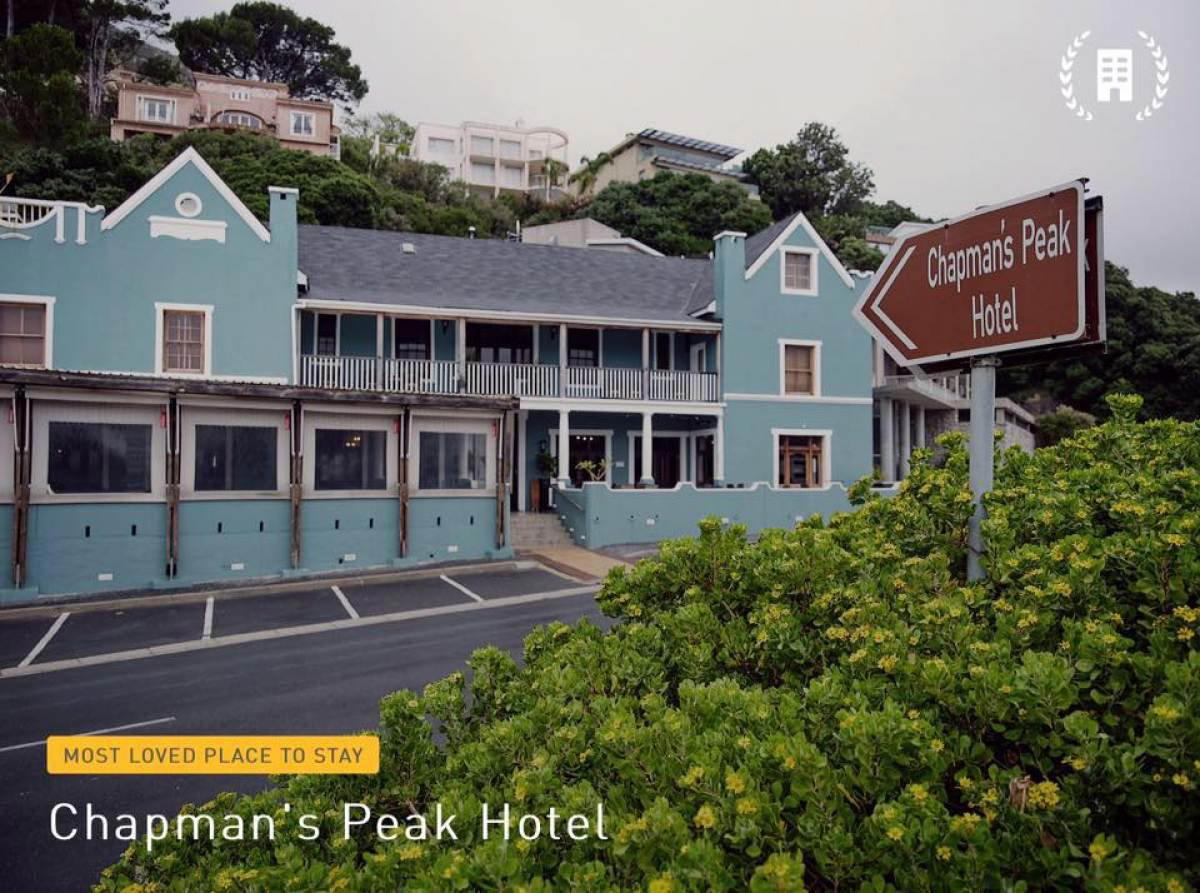
| Chapman’s Peak Hotel | Cape Town Seafood | $20–30 | Star Wine List | Hout Bay |