Harrington Street and the City Bowl's Quiet Shift
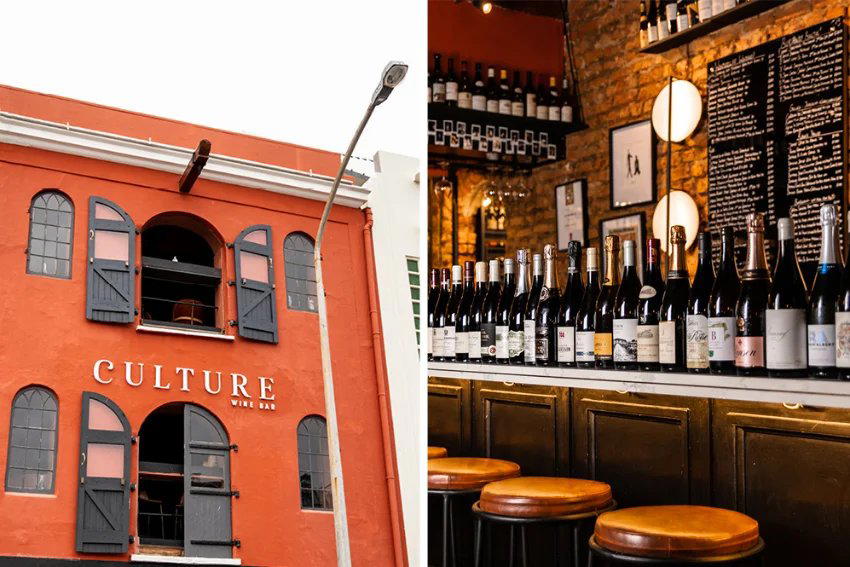
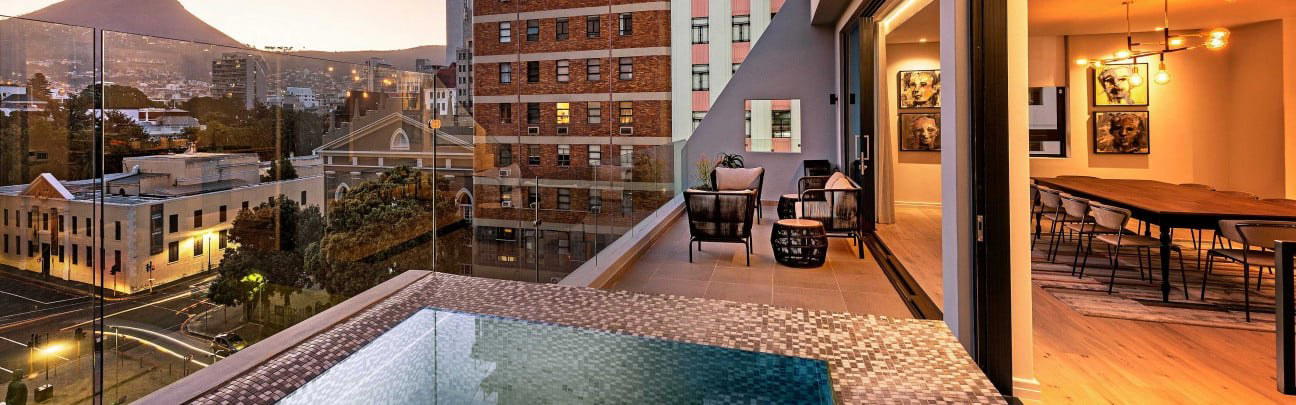
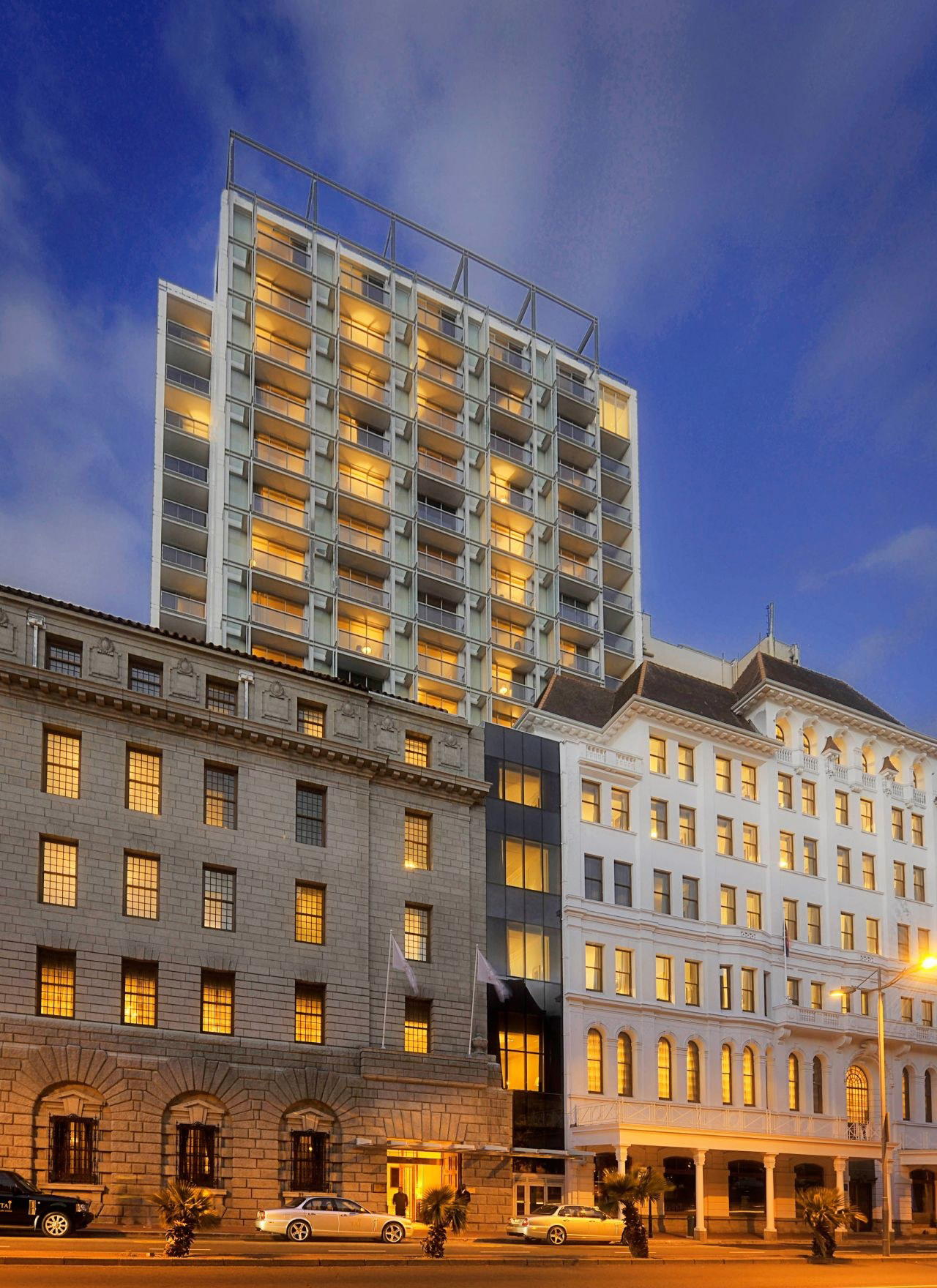
Cape Town's dining energy has long gravitated toward the Atlantic Seaboard and the Winelands, but the City Bowl's Harrington Street corridor has been doing quiet, consistent work. This is a stretch where the signage is modest, the rooms are spare, and the cooking tends to do the talking. Belly of the Beast, at 110 Harrington St, Cape Town, sits inside that pattern: an address that signals intent without announcing itself. The street-level approach is low-key, which in this city's current dining culture tends to be a reliable indicator that something worth attention is happening inside.
The City Bowl has developed a particular character in Cape Town's broader dining map. Where the V&A Waterfront and Atlantic Seaboard operate at a scale that accommodates volume and tourism, this central corridor runs on a different logic: smaller rooms, tighter menus, kitchens that work without the infrastructure of a resort or hotel group behind them.
The Room and the Approach
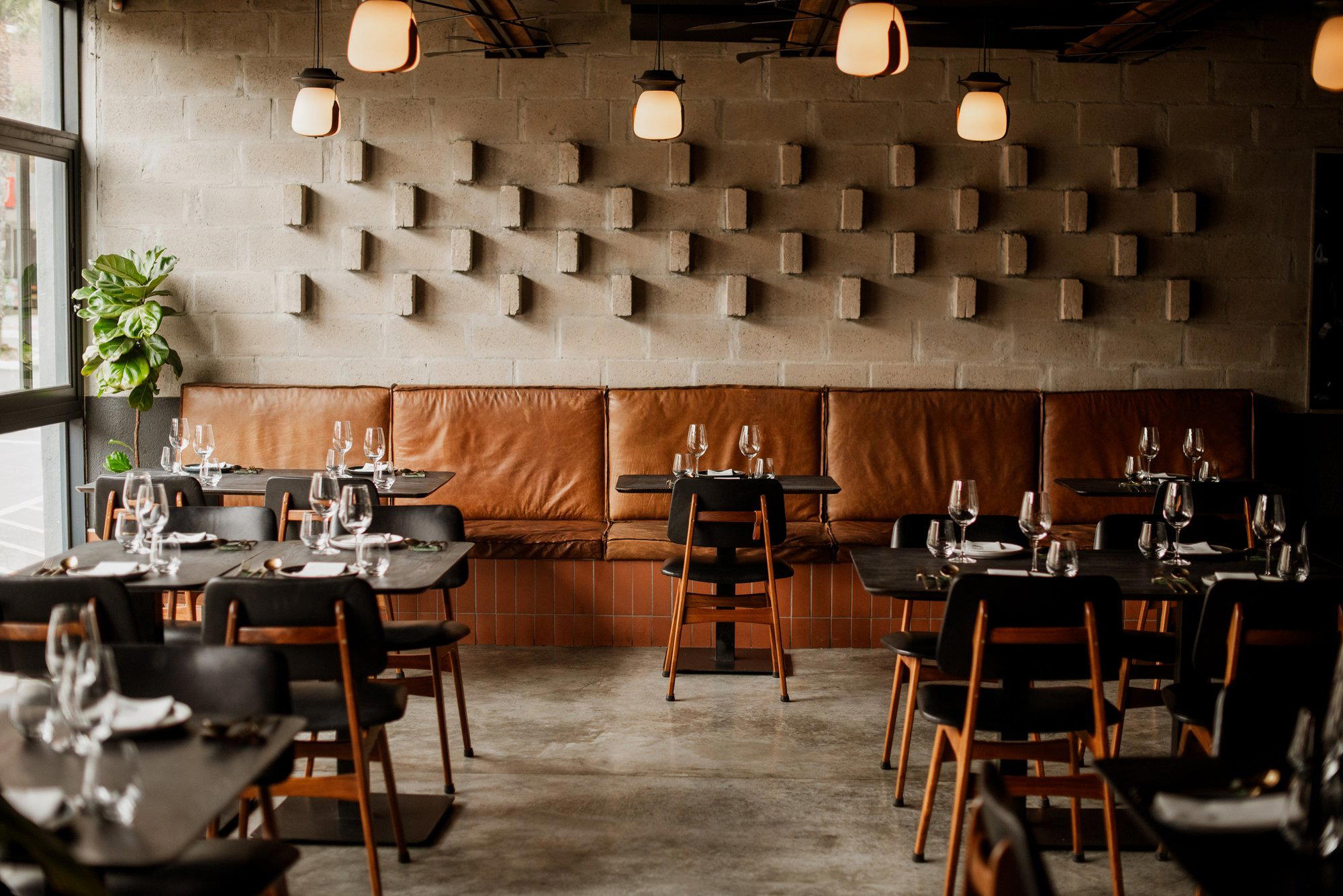
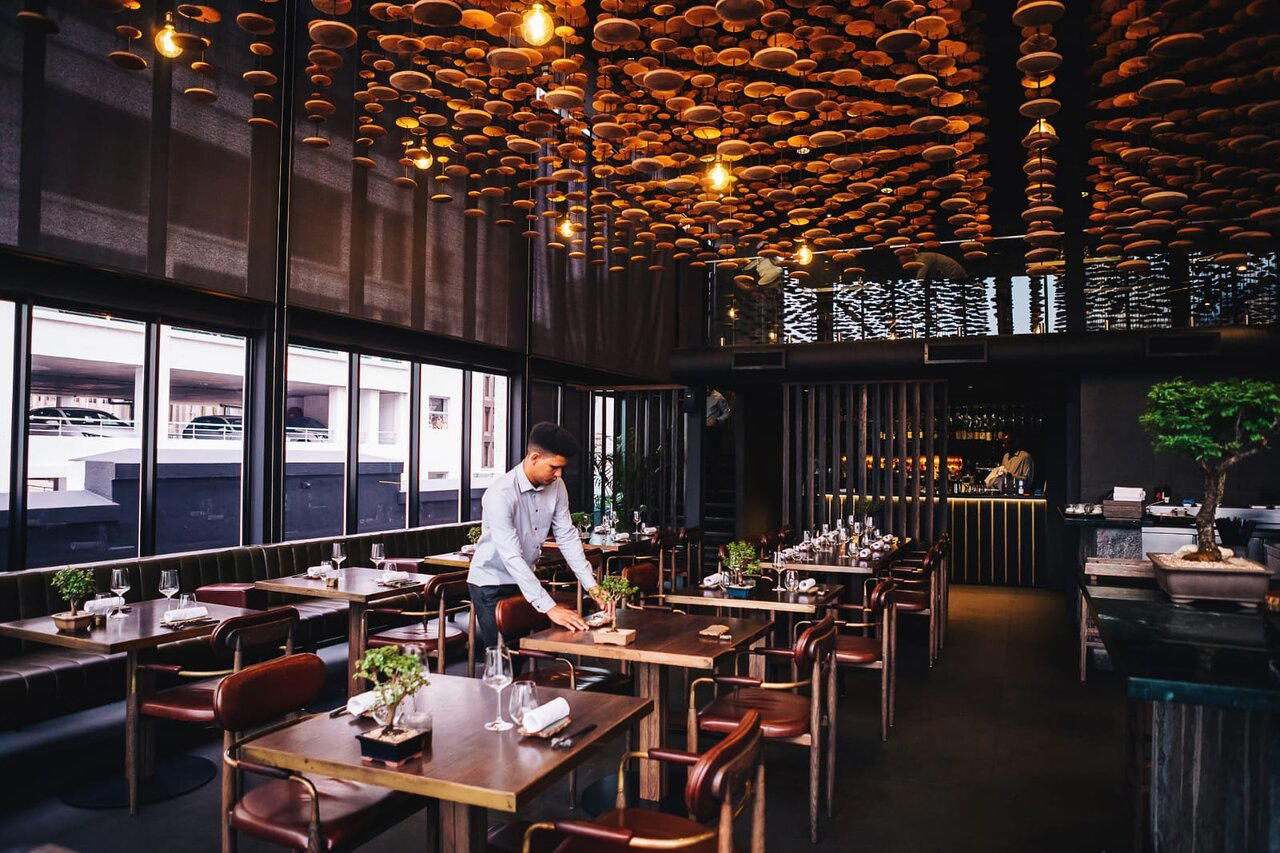
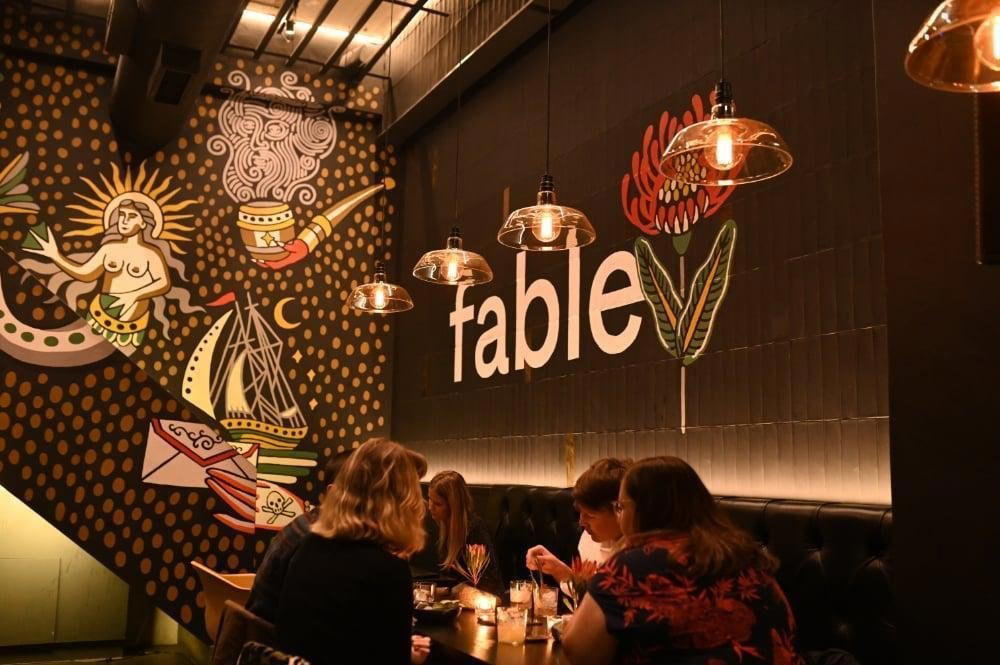
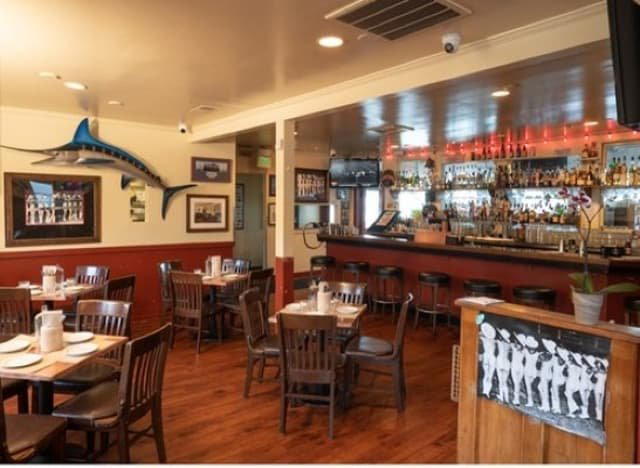
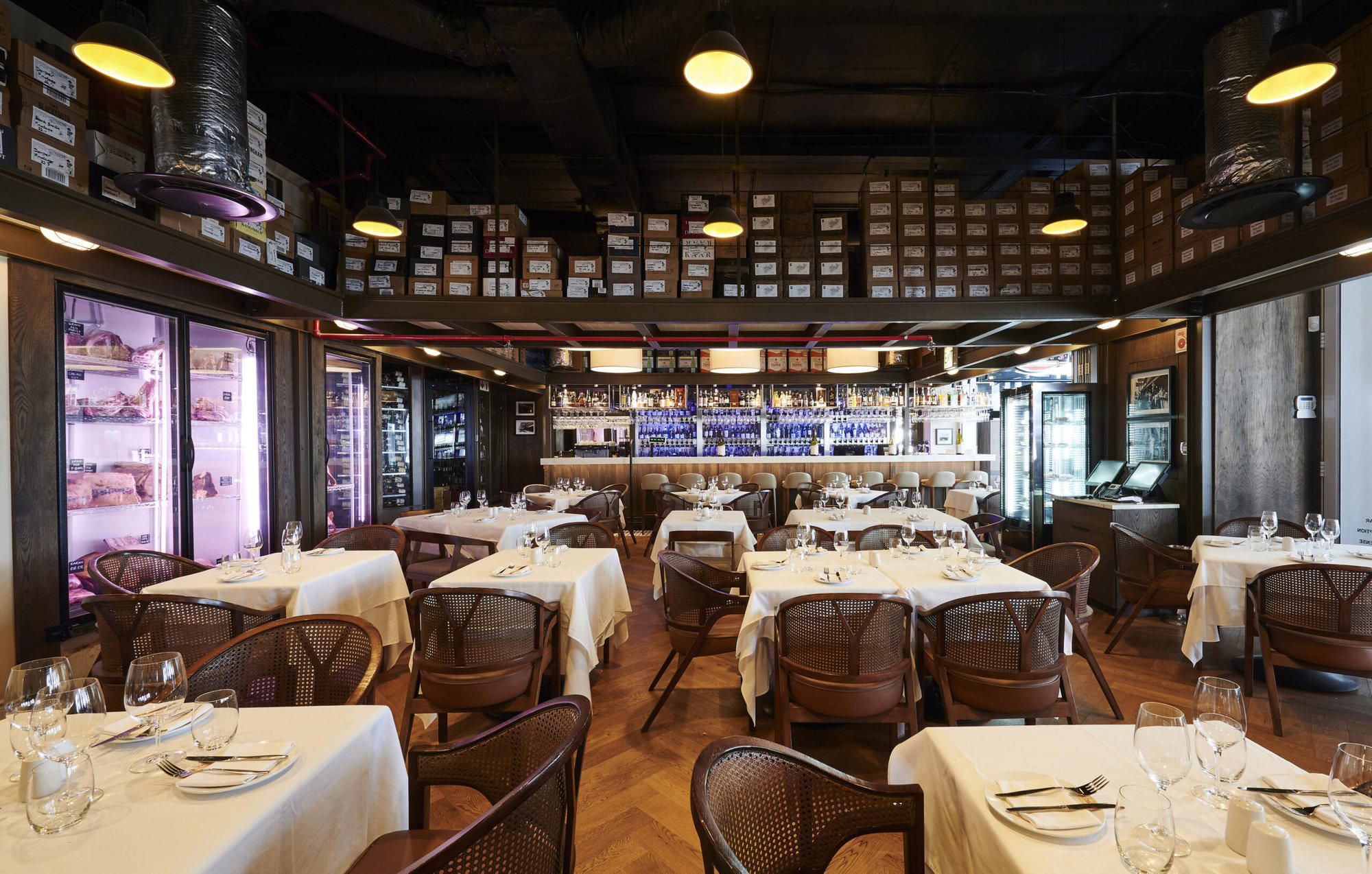
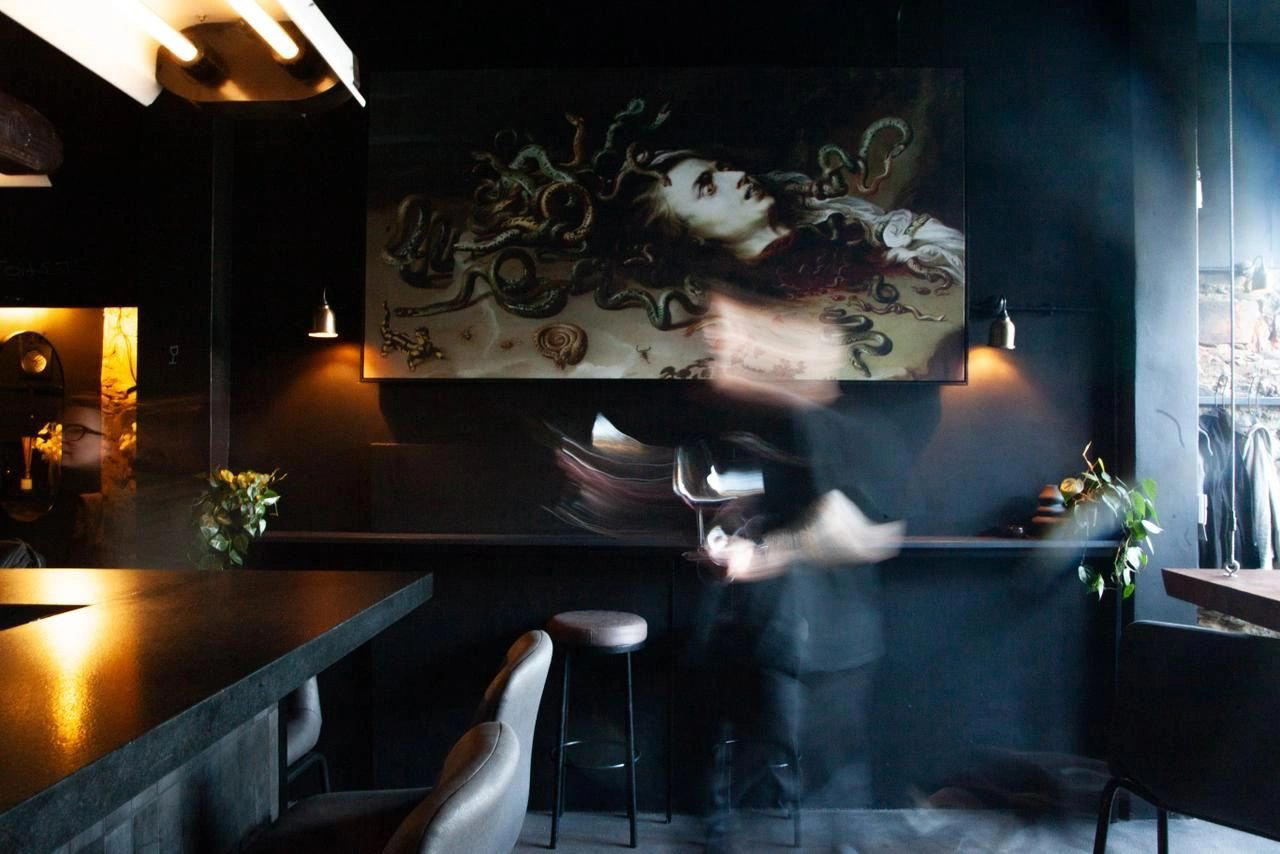
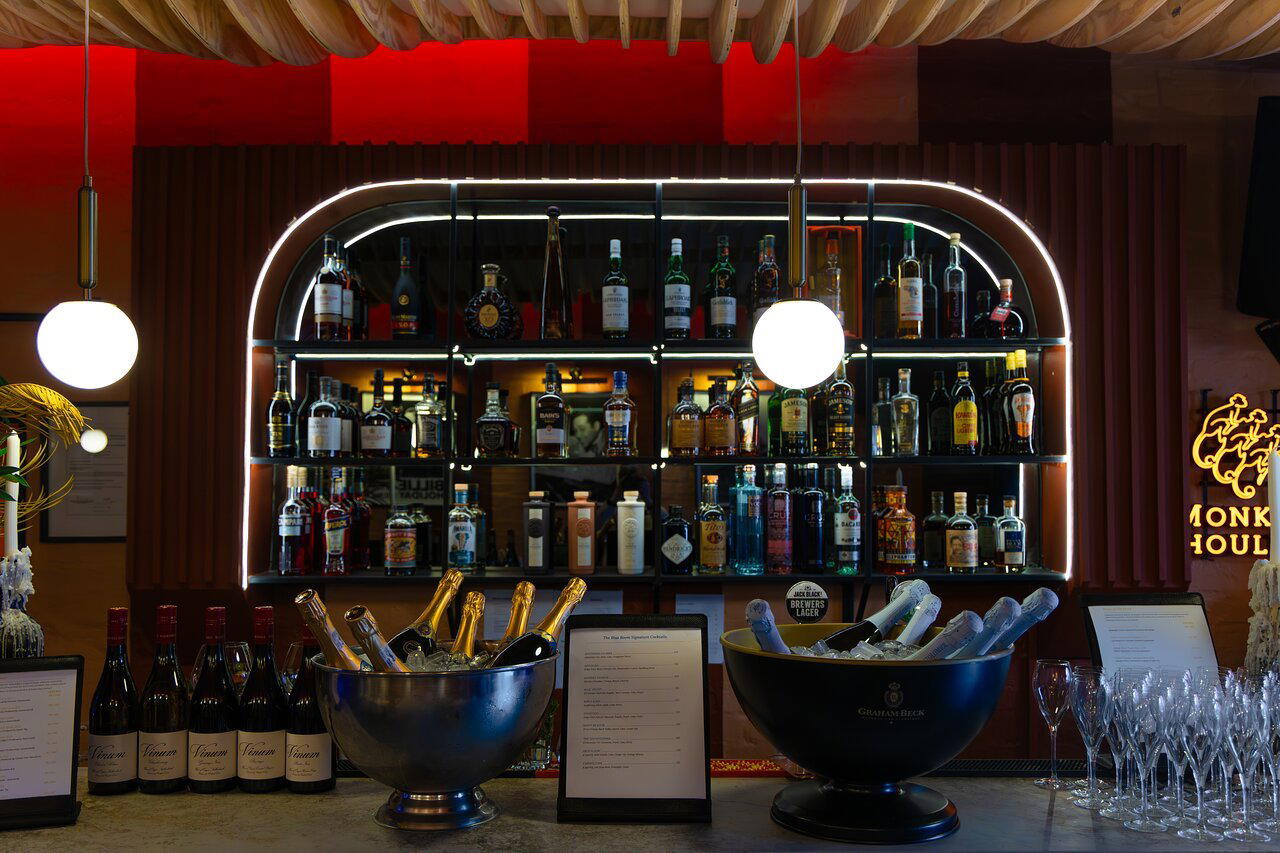
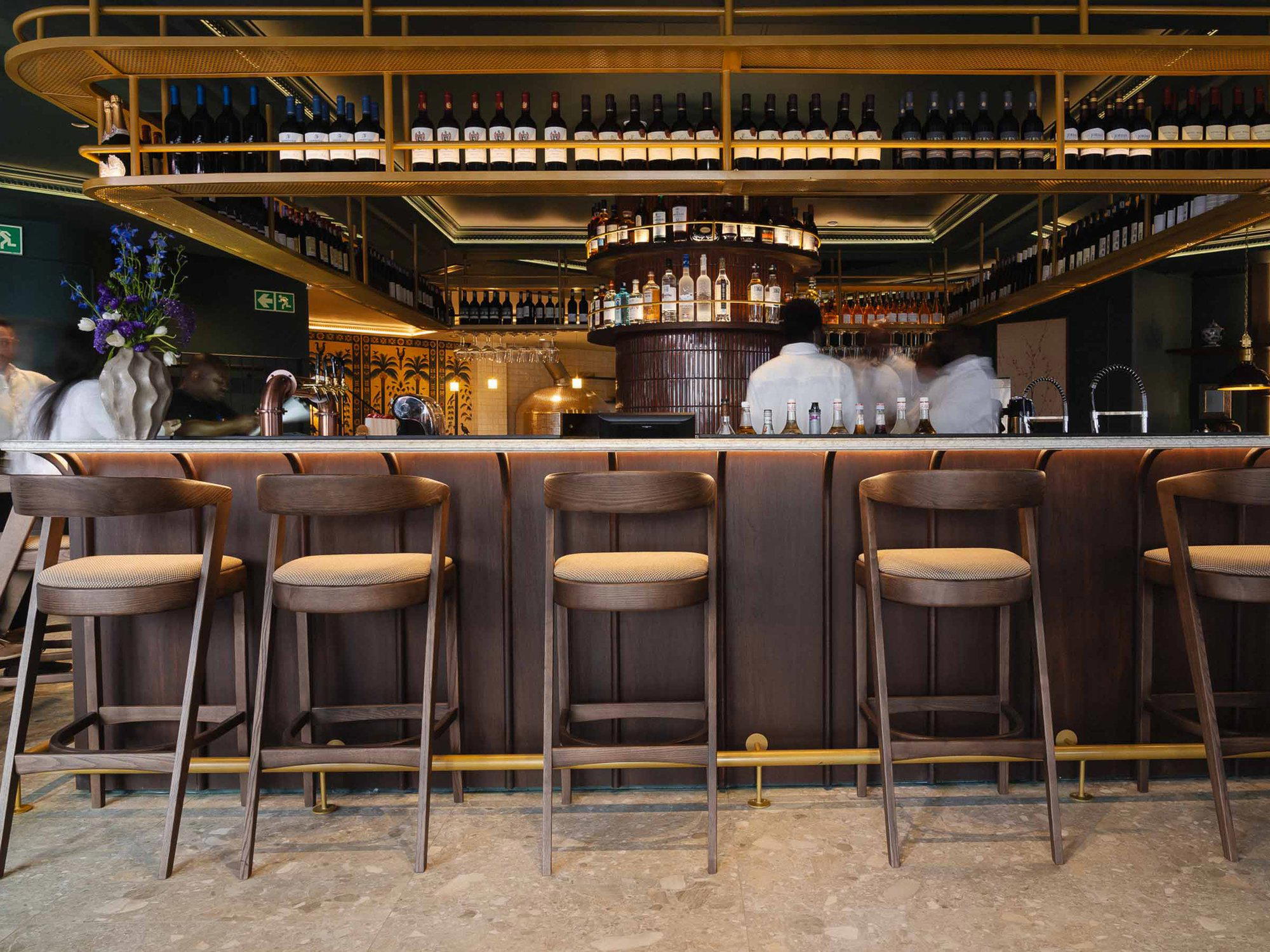
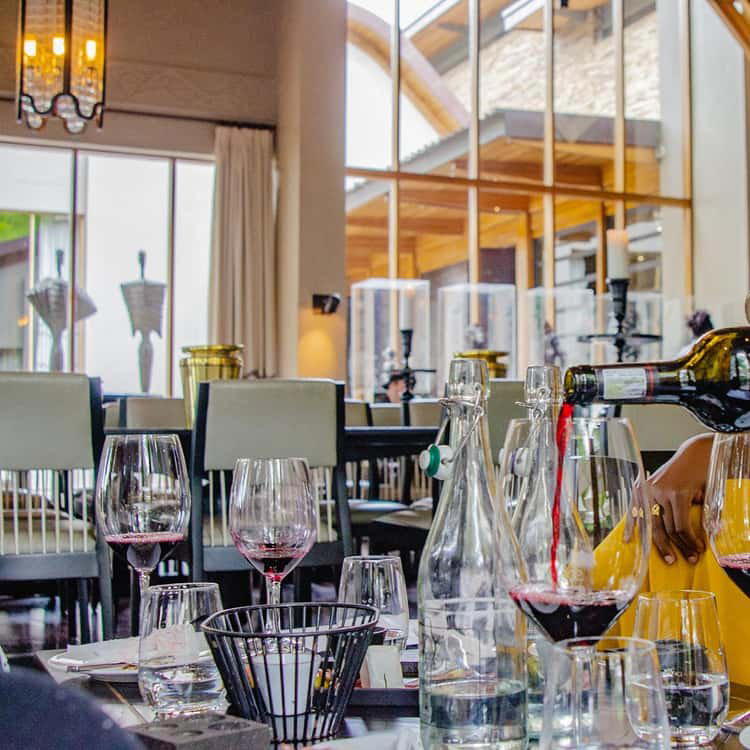
The atmosphere at Belly of the Beast is shaped by restraint. The physical environment reads as deliberate rather than decorated: hard surfaces, close quarters, the kitchen's presence felt rather than hidden. In Cape Town's current restaurant culture, this format has become a statement in itself. Where earlier generations of South African fine dining leaned toward sweeping views and polished dining rooms, a newer cohort has moved toward rooms where the table is the entire event. The proximity to the kitchen, in spaces like this, creates an auditory and visual layer that affects how a meal lands: the rhythm of service, the sound of preparation, the smell of heat and reduction arriving before the plate does.
This sensory immediacy is not incidental. Cape Town's most discussed smaller restaurants have collectively moved toward formats where the room's intimacy is part of the offer, not a limitation. Fyn, which draws on Japanese Fusion references in its approach, and The Test Kitchen, which occupies a different tier of scale and recognition, both demonstrate that Cape Town diners have become comfortable with rooms that ask for engagement rather than offering retreat.
Cape Town's Cooking in Context
South Africa's fine dining conversation has accelerated in the past decade. The country now holds meaningful positions in international lists, with Cape Town functioning as the primary address for serious restaurant ambition. La Colombe and Salsify at the Roundhouse occupy the upper tier of that conversation, drawing on established reputations and longer track records. 95 at Parks represents another point in the city's range. Belly of the Beast operates alongside these addresses as part of a dining ecosystem with depth.
The broader South African picture extends well beyond the Cape. Comparisons with Foundry in Sandton and Sympathy's Restaurant in Johannesburg illustrate how the country's restaurant ambition is distributed, though Cape Town continues to hold the densest concentration of internationally referenced cooking. Even at the safari end of the spectrum, properties like Silvan Safari Lodge in Kruger and Londolozi Game Reserve have raised the standard for what hospitality cooking means in South Africa, which shifts expectations across the entire market.
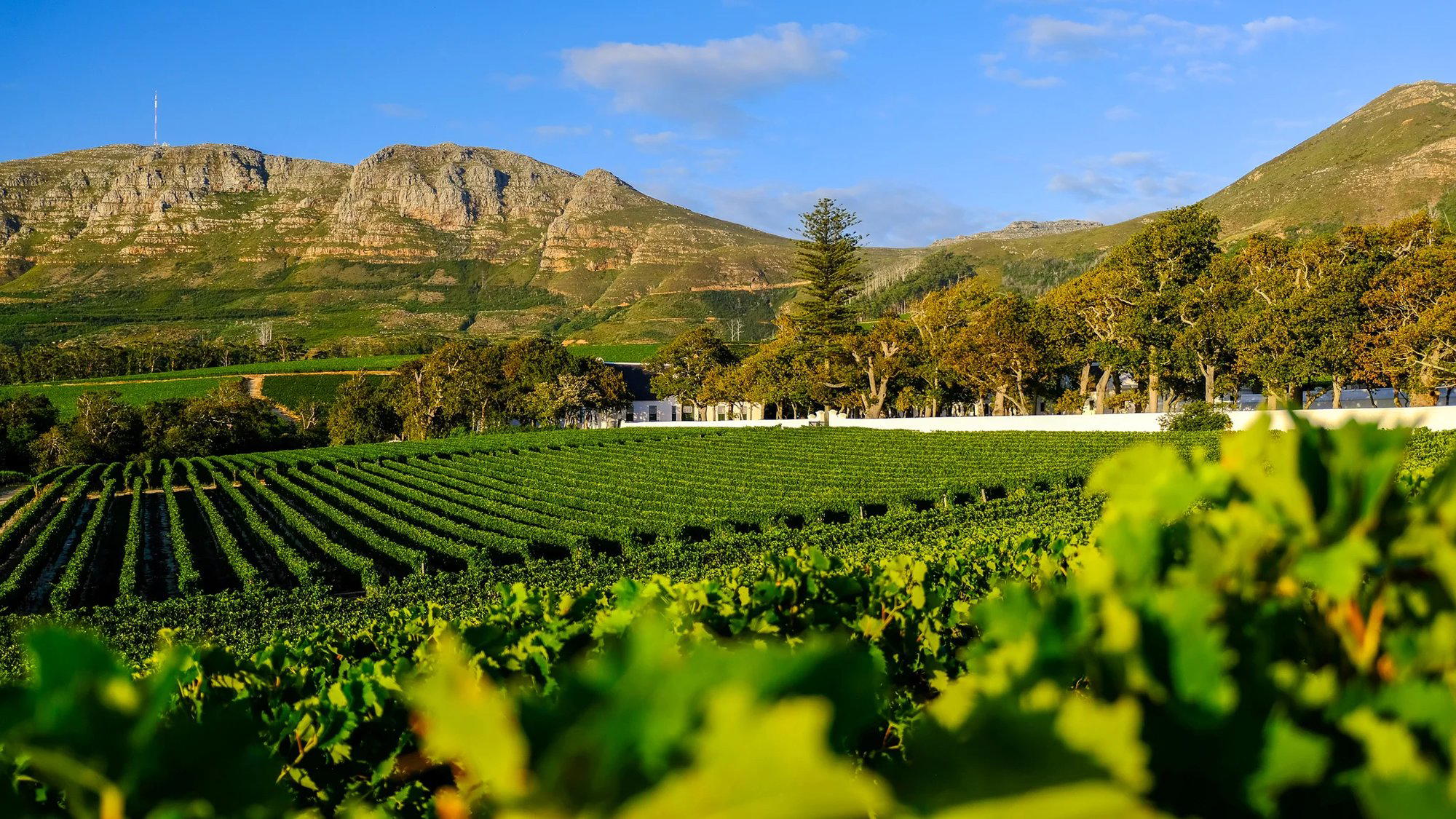
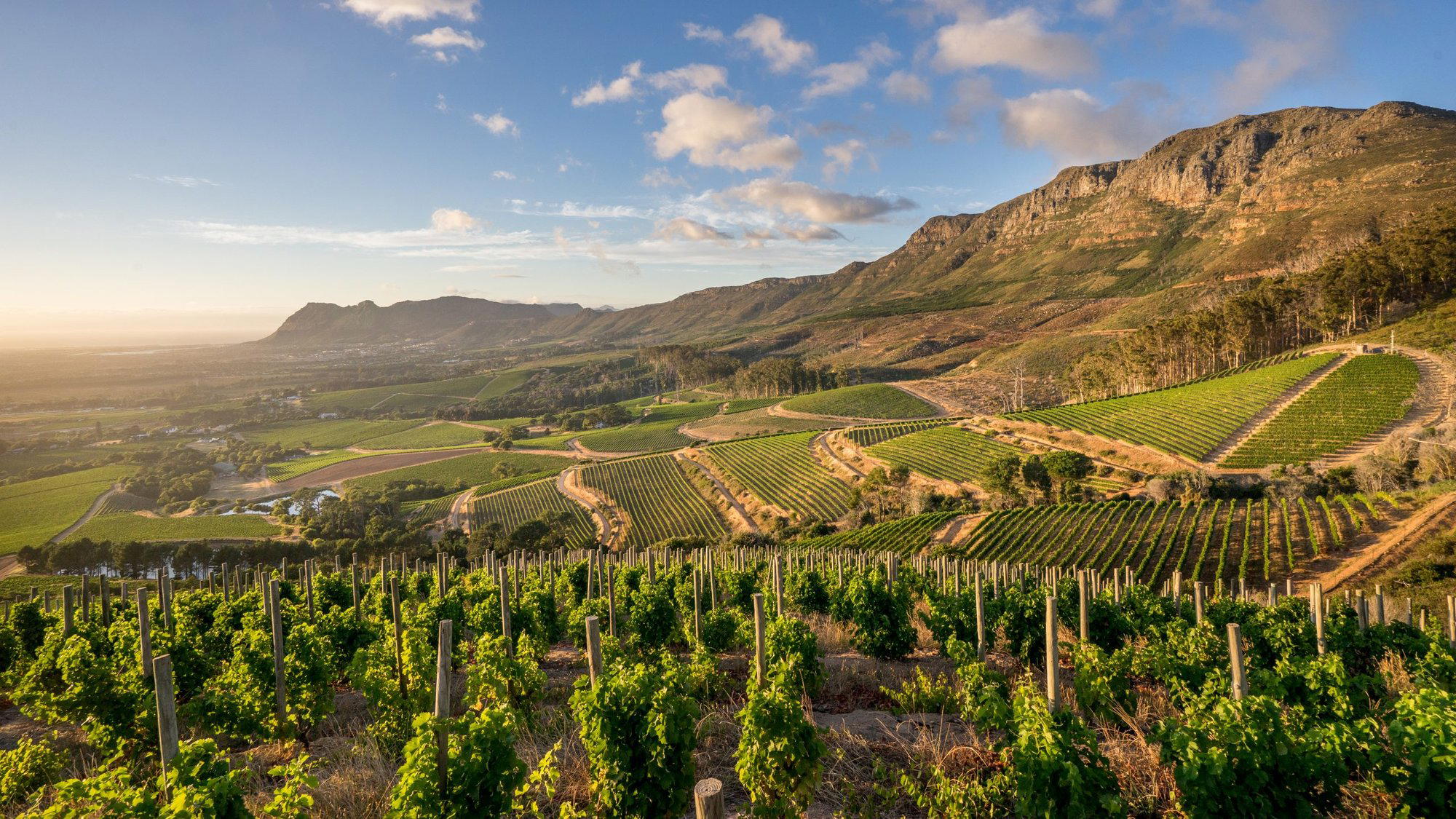
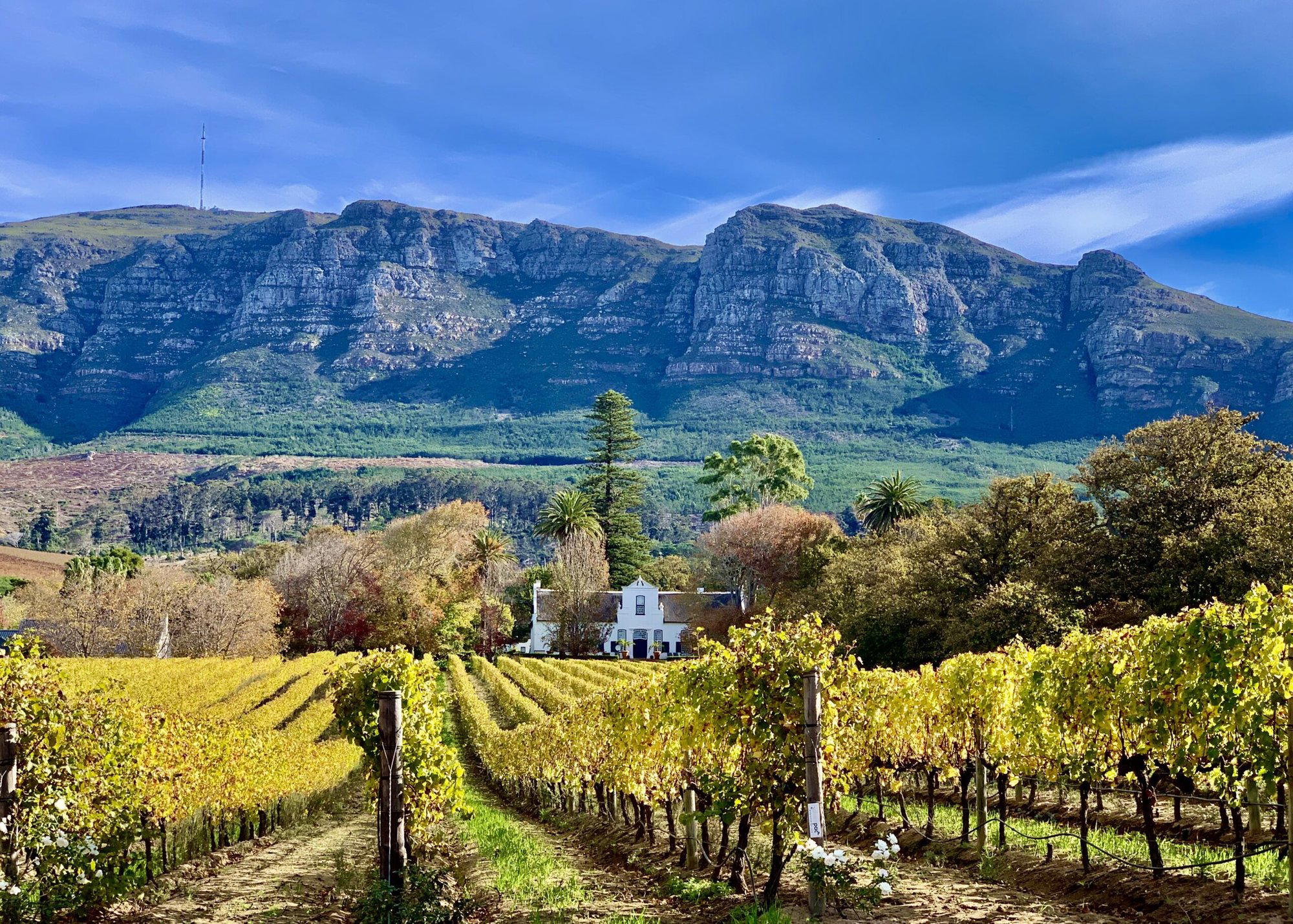
The Winelands add another layer. Le Quartier Français in Franschhoek and Delheim Wine Estate in Stellenbosch serve a different kind of dining occasion, where the wine program and estate setting are as central as the kitchen. The restaurant operates without that backdrop, which means the plate carries the full weight of the meal.
The Case for Coastal and Regional Produce
Western Cape kitchens at this level of seriousness tend to share a commitment to regional produce, which the geography enables generously. Cold Atlantic waters yield shellfish and fish with a particular character. The Boland's farms and smallholders supply vegetables, cheeses, and grains that have developed genuine identity over the past twenty years of chef interest. Restaurants along the Benguela Coast, including Wolfgat in Paternoster, have made foraged and coastal produce into an argument rather than a garnish. Wolfgat in Saldanha Bay extends that logic further up the West Coast. In this context, a City Bowl kitchen at the restaurant draws from a supply network that other cities would consider a significant advantage.
Planning a Visit
Harrington Street is walkable from the central City Bowl and accessible by rideshare from most Cape Town neighbourhoods, though parking in this part of the city runs tight on weekend evenings. The restaurant's format, a focused room with a compact kitchen operation, means that reservations are worth securing ahead of time rather than treated as a walk-in option. For any occasion where the evening hinges on getting a table, early booking is the practical approach. Dress is relaxed by the standards of comparable rooms; the room's character doesn't call for formality. Ellerman House in Bantry Bay remains the reference point for a full-service hotel dining experience in Cape Town if the evening calls for that register. For those travelling from further afield and comparing formats internationally, the intimacy and technical focus at this tier of Cape Town dining sits somewhere between the focused tasting counter model seen at Lazy Bear in San Francisco and the classical precision of Le Bernardin in New York City, though the local reference points, and the produce, are entirely the city's own.
Capito in Pretoria provides a useful reference if the wider South African dining circuit is part of the trip.