Amianan, Pangulasian Island
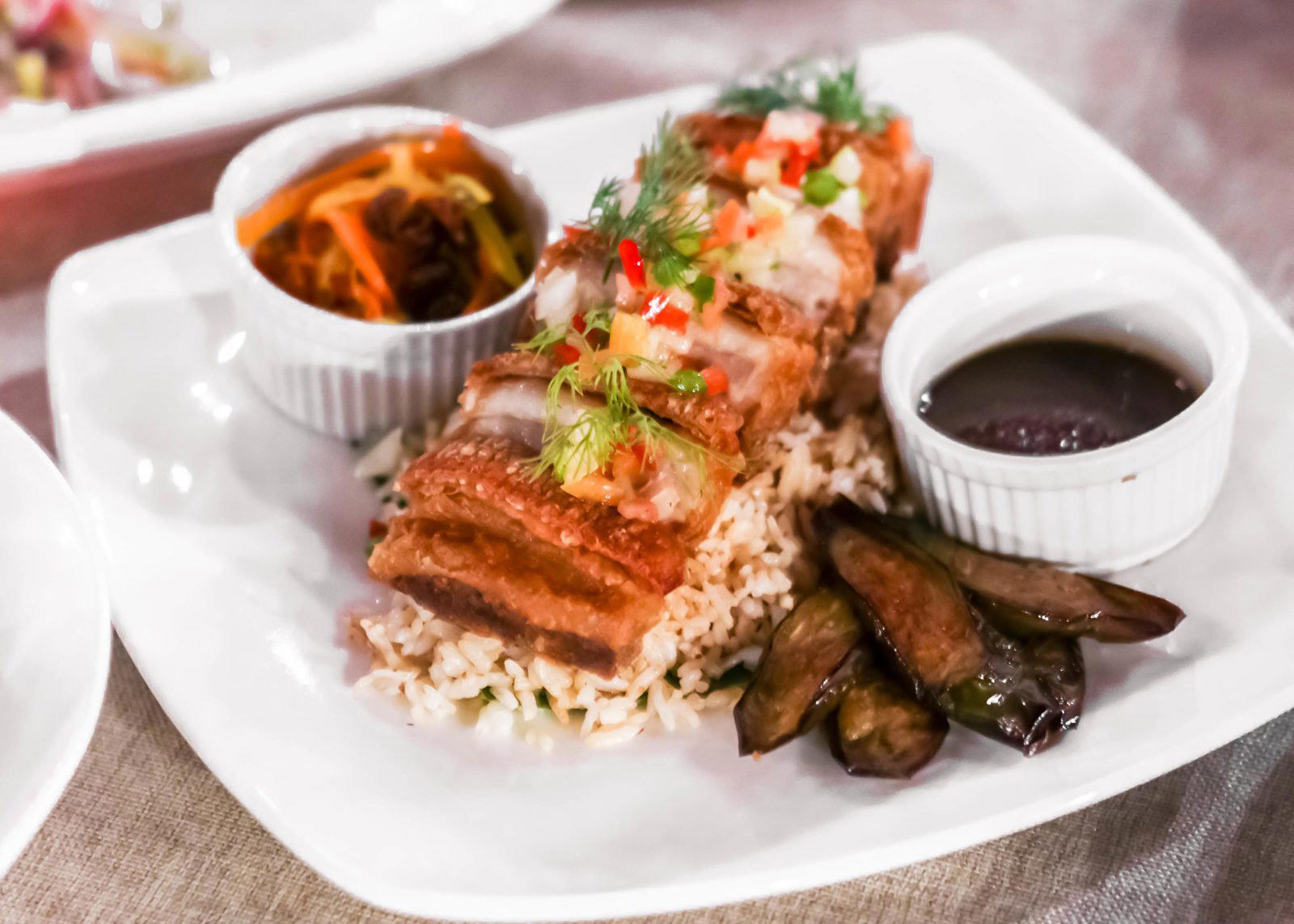
Amianan sits on Pangulasian Island in El Nido, Palawan, where the Sulu Sea frames every meal and the surrounding reef and forest define what reaches the kitchen. The dining experience here belongs to a small category of island-resort tables where geography is the menu's primary logic. For the Philippines, few settings compress natural abundance and culinary intention this tightly into a single address.
Pearl is the En Primeur Club membership app — saves, bookings, and concierge access live there. Same editors, same standards.
- Address
- Pangulasian Island, El Nido, 5313 Palawan, Philippines
- Phone
- +63 917 584 1576
- Website
- ayalalandhospitality.com
- Directions
- Get directions
 Saves & bookings on Pearl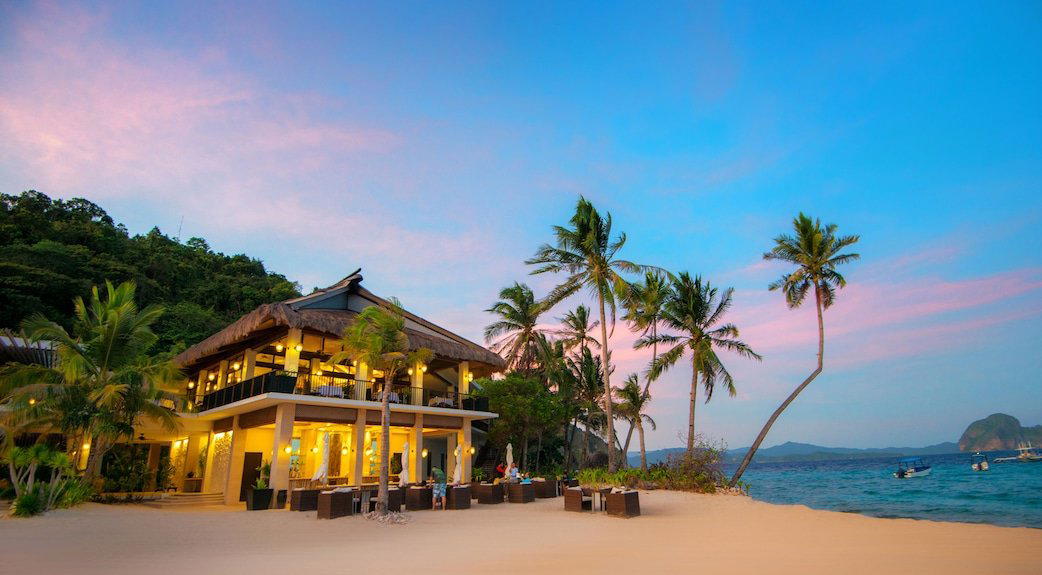
Where the Reef Meets the Table
El Nido's dining scene divides sharply by geography. On the mainland strip of Hama and Calle Hama, open-air kitchens compete on price and proximity to the backpacker ferry route. On the islands, a smaller, more deliberate category of restaurant operates on a different premise entirely: the surrounding ecosystem is the sourcing logic, and isolation is a feature, not an inconvenience. Amianan, on Pangulasian Island, is a restaurant serving local Philippine cuisine in El Nido, Palawan. Getting here requires a boat transfer, which immediately signals the kind of commitment the experience demands, and the kind of diner it suits.
Pangulasian is one of El Nido's inhabited resort islands, positioned within the Bacuit Archipelago, a marine protected area where fishing practices and environmental access are regulated more tightly than on the mainland coast. That regulatory context matters at the table. Seafood sourced inside or adjacent to a protected zone carries a different provenance story than fish landed at a commercial port.
Ingredient Geography as Editorial Logic
Across the Philippines, a generation of chefs and dining concepts has reoriented menus around traceable, hyper-local sourcing. Toyo Eatery in Manila built its reputation on Filipino pantry ingredients used with precision. Linamnam in Parañaque and Hapag operate on similar ground-up sourcing principles. In each case, the discipline is urban: chefs building supply chains from producers spread across the archipelago and bringing them to the city. Amianan inverts that model. The island itself is the supply chain. The distance between the water and the plate is measured in meters, not supply-chain logistics.
Palawan's waters are among the more biodiverse in the Philippine archipelago, a fact documented in marine surveys and reinforced by the province's UNESCO designation as a Biosphere Reserve. That ecological status shapes what is available, and equally, what should not be taken. Island restaurants operating in this environment face a sourcing discipline that urban venues can approximate but never fully replicate: the reef provides what it provides, in the volumes it provides, on its own schedule. A menu built around that constraint reads differently from one built around a standing order with a wholesale supplier.
The Setting as Part of the Meal
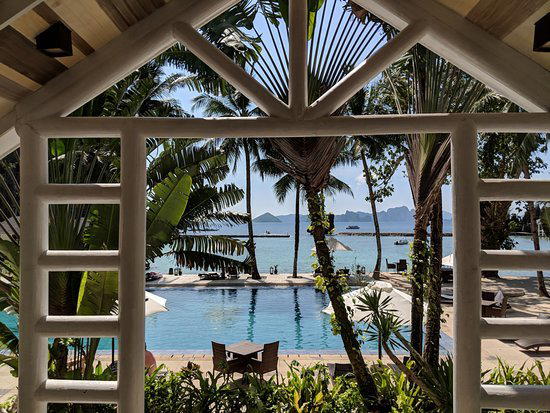
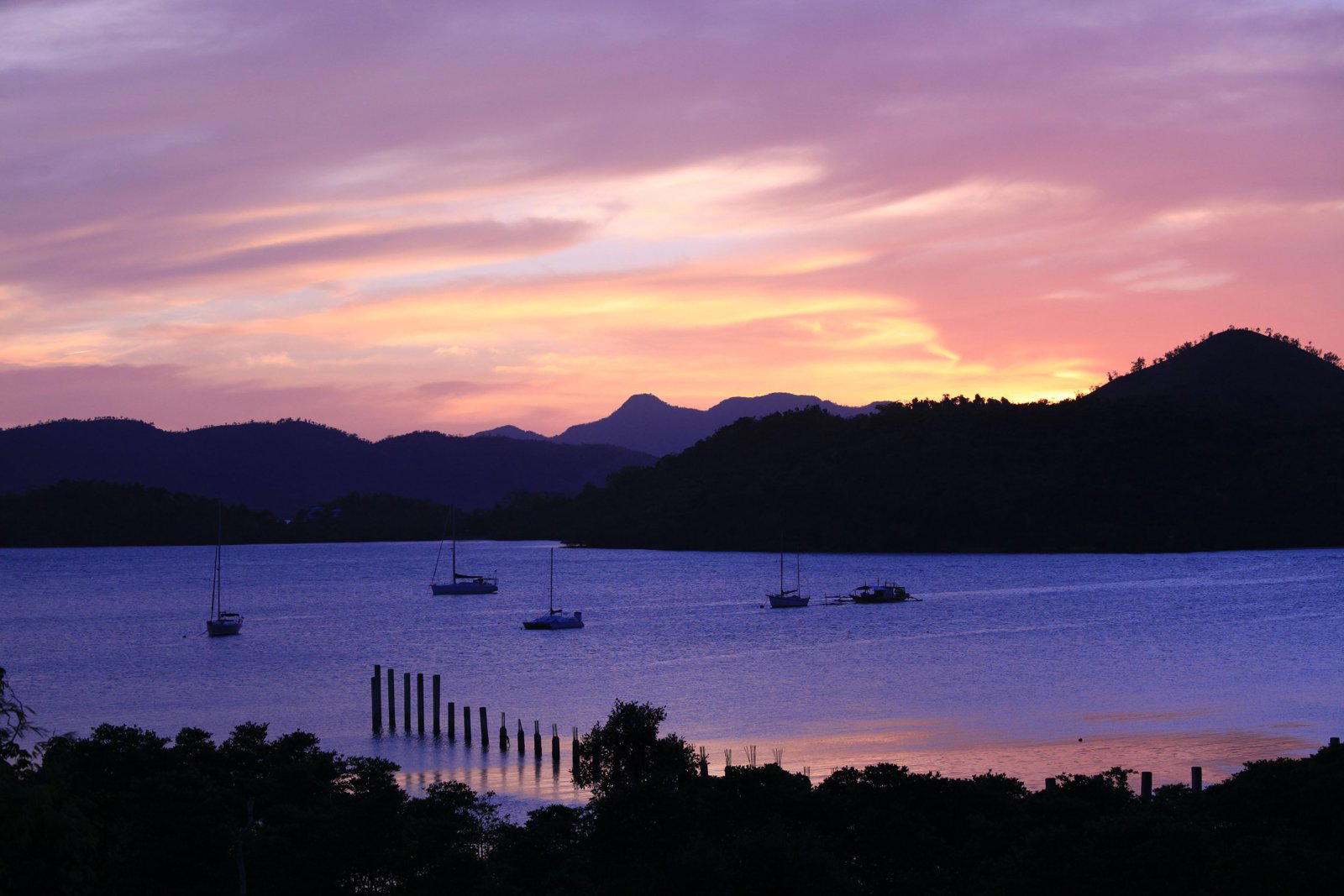
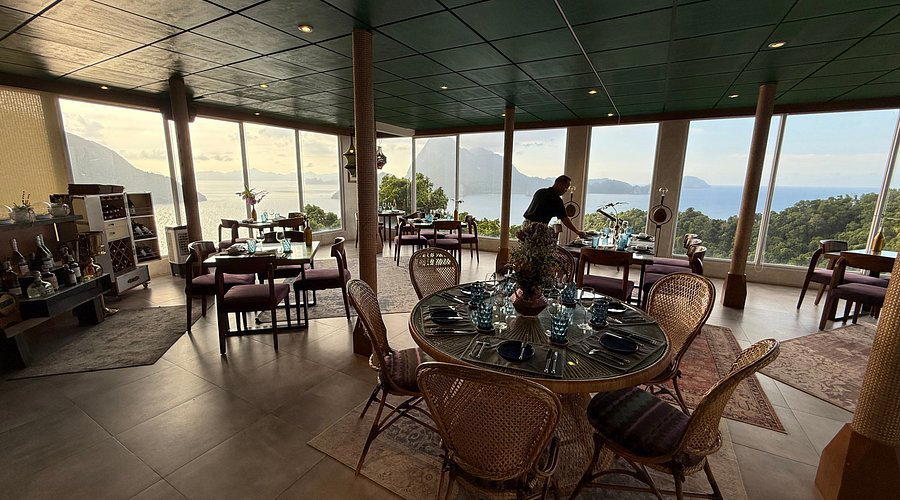
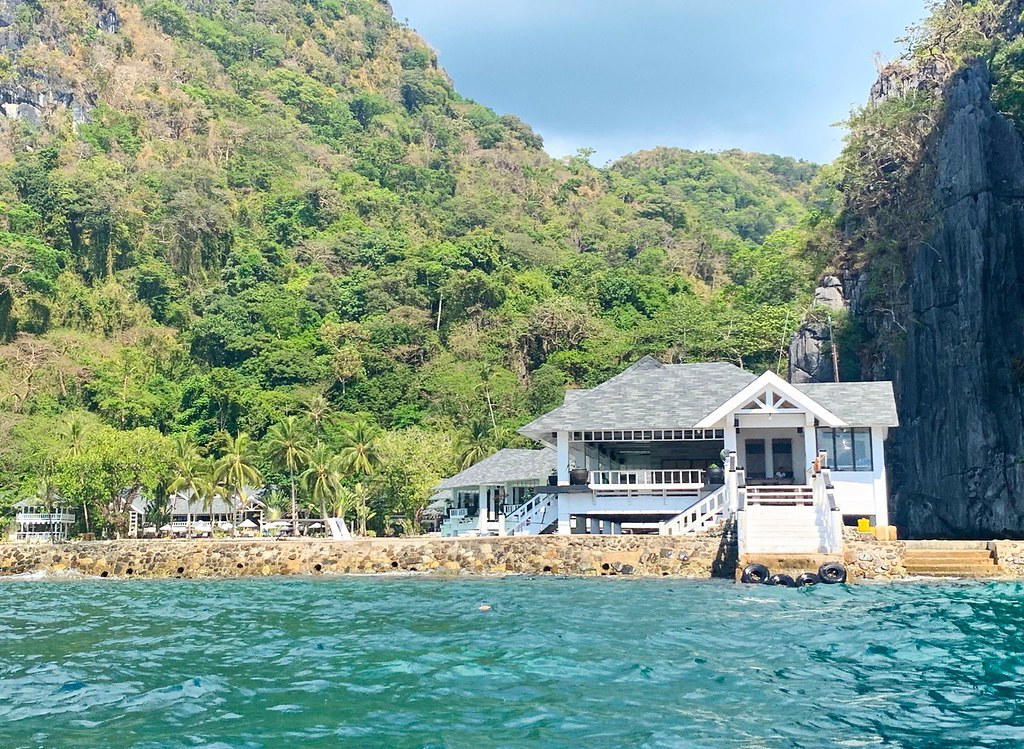
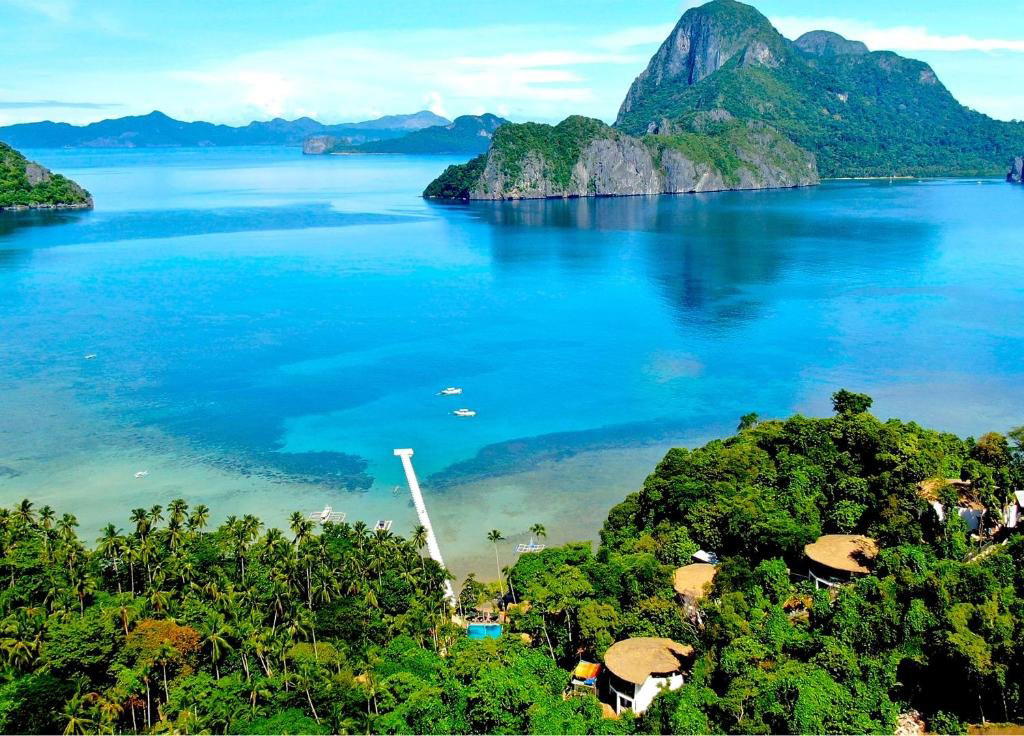
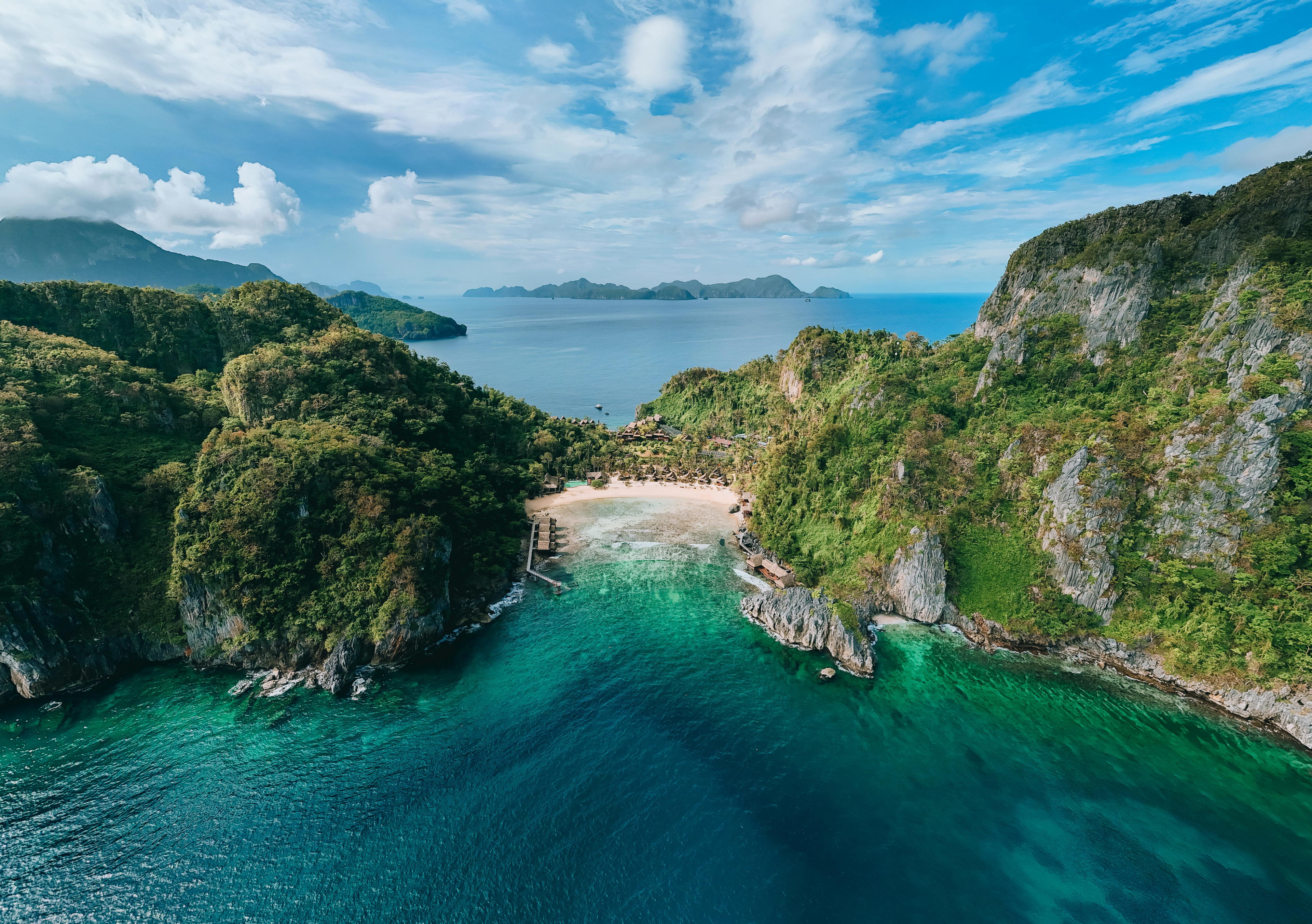
The physical approach to Amianan, boat, beach, open air, primes the senses before any food appears. Island dining in this part of the world has learned, sometimes cynically, to lean on scenery as a substitute for kitchen quality. The better island tables resist that substitution. The view is present and it is considerable, but it functions as context rather than compensation. The Bacuit Bay limestone karsts, visible from Pangulasian's shoreline, are among the more photographed formations in Southeast Asia. At a table positioned toward them, the light at midday and at dusk moves through a specific sequence that no urban room can engineer. That is the atmospheric given. What the kitchen does with the surrounding reef and garden determines whether the meal is worth the boat ride.
Philippine Island Dining in Regional Context
The island-resort dining format in Southeast Asia has split between two models: all-inclusive properties where food is a service amenity bundled into a room rate, and smaller destination restaurants where the meal itself is the reason to make the crossing. Lantaw in Cebu represents one variation on the scenic-restaurant format, where setting and local seafood share billing. Antonio's in Tagaytay demonstrates what happens when a destination restaurant outside a major city builds a reputation strong enough to justify a significant journey. Amianan operates in a comparable set defined less by cuisine category and more by the logic of place: you travel specifically because of where it is and what that location makes possible on the plate.
Across the wider Philippine restaurant scene, the conversation about sourcing has intensified in recent years. Venues like Asador Alfonso in Cavite and Celera in Makati approach ingredient provenance from different angles, but the underlying question is the same: how close can you get the source to the diner? On a private island in the Bacuit Archipelago, the answer is structurally different from anything achievable in Metro Manila.
Planning a Visit
Reaching Pangulasian Island requires a boat transfer from El Nido town, which is itself accessed by a roughly four-to-five-hour overland drive from Puerto Princesa or a short flight via the smaller carriers that serve El Nido's domestic airport. The island sits at Pangulasian Island, El Nido, 5313 Palawan, Philippines, and reservations are essential. The wet season from June through October brings rougher transfers and intermittent closures on some island routes, so timing the visit around the dry window is direct planning logic rather than a preference. Given the island-transfer requirement and the limited number of covers in a setting like this, advance coordination is the expected operating assumption rather than an optional courtesy.
Zubuchon in Cebu and Cebu's Original Lechon Belly in Mandaue represent the Visayan lechon tradition at its most considered. MŌDAN in Quezon, Terraza Martinez in Taguig, and Osteria Antica in Mandaluyong extend the Metro Manila dining picture in different directions. For those moving north, Honesty Coffee Shop in Ivana on Batanes is the kind of specific, place-bound experience that mirrors Pangulasian's logic of geography-as-concept. And for comparison with destination restaurant formats internationally, Le Bernardin in New York City and Lazy Bear in San Francisco illustrate the range of what committed sourcing and format discipline can produce at the summit of the category.
In Context: Similar Options
Comparable venues nearby, for context on price, style, and recognition.
| Venue | Cuisine | Price | Notes |
|---|---|---|---|
| Amianan, Pangulasian IslandThis venue — the venue you are viewing | Local Philippine Cuisine | $$$$ | Not listed |
| Gerry's SM Palawan | Filipino Grill | $$ | SM City Puerto Princesa |
| Windsurf Hut | Wood-Fired Pizza | $$$$ | Pamalican Island |
| Dampa | Filipino Seafood Paluto | $$ | Libis |
| Maisen | Japanese Tonkatsu | $$ | BGC |
| Watami Japanese Casual Dining | Japanese Casual Dining | $$ | Ayala Center |
At a Glance
- Scenic
- Romantic
- Elegant
- Intimate
- Celebration
- Special Occasion
- Date Night
- Family
- Waterfront
- Terrace
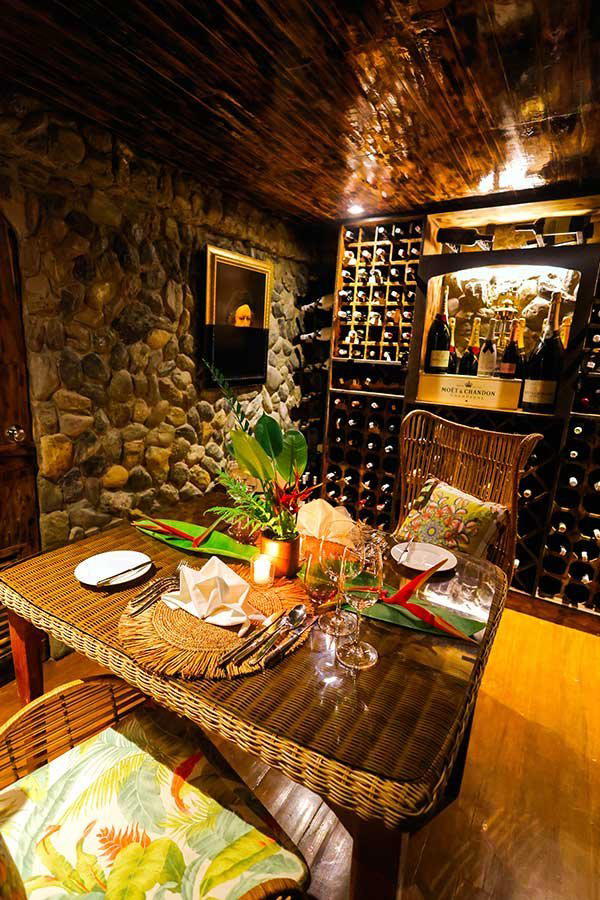
- Private Dining
- Panoramic View
- Local Sourcing
- Waterfront
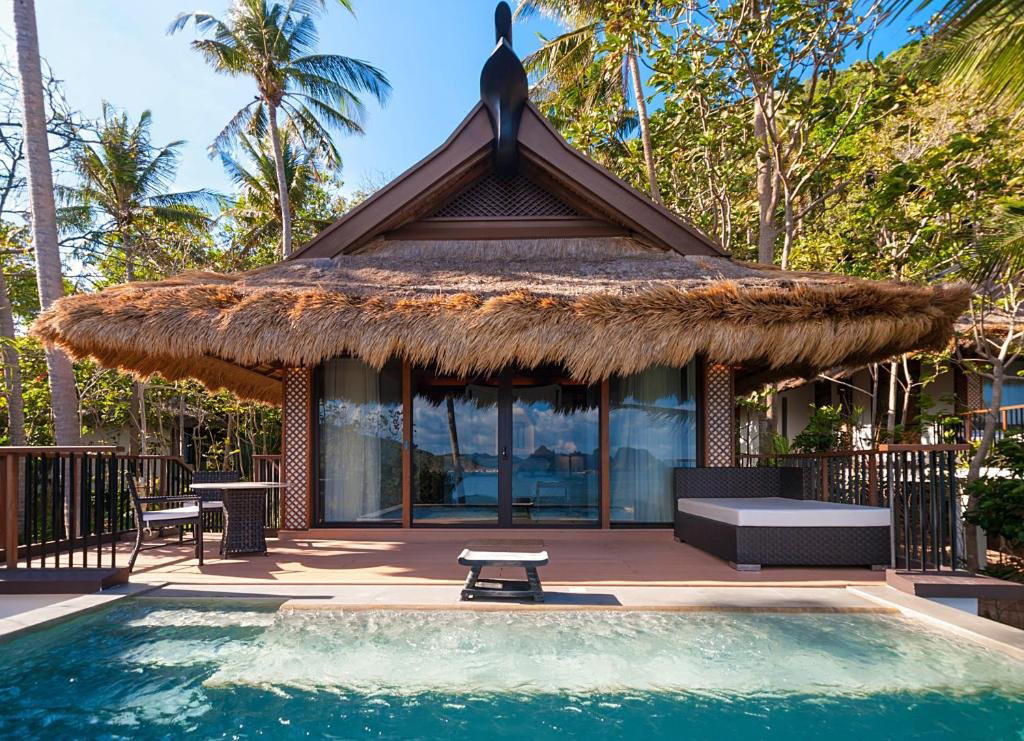
Open-air beachfront setting with gentle waves and limestone views; renovated common areas positioned to maximize scenic vistas of Bacuit Bay.