El Nido Resorts Lagen Island



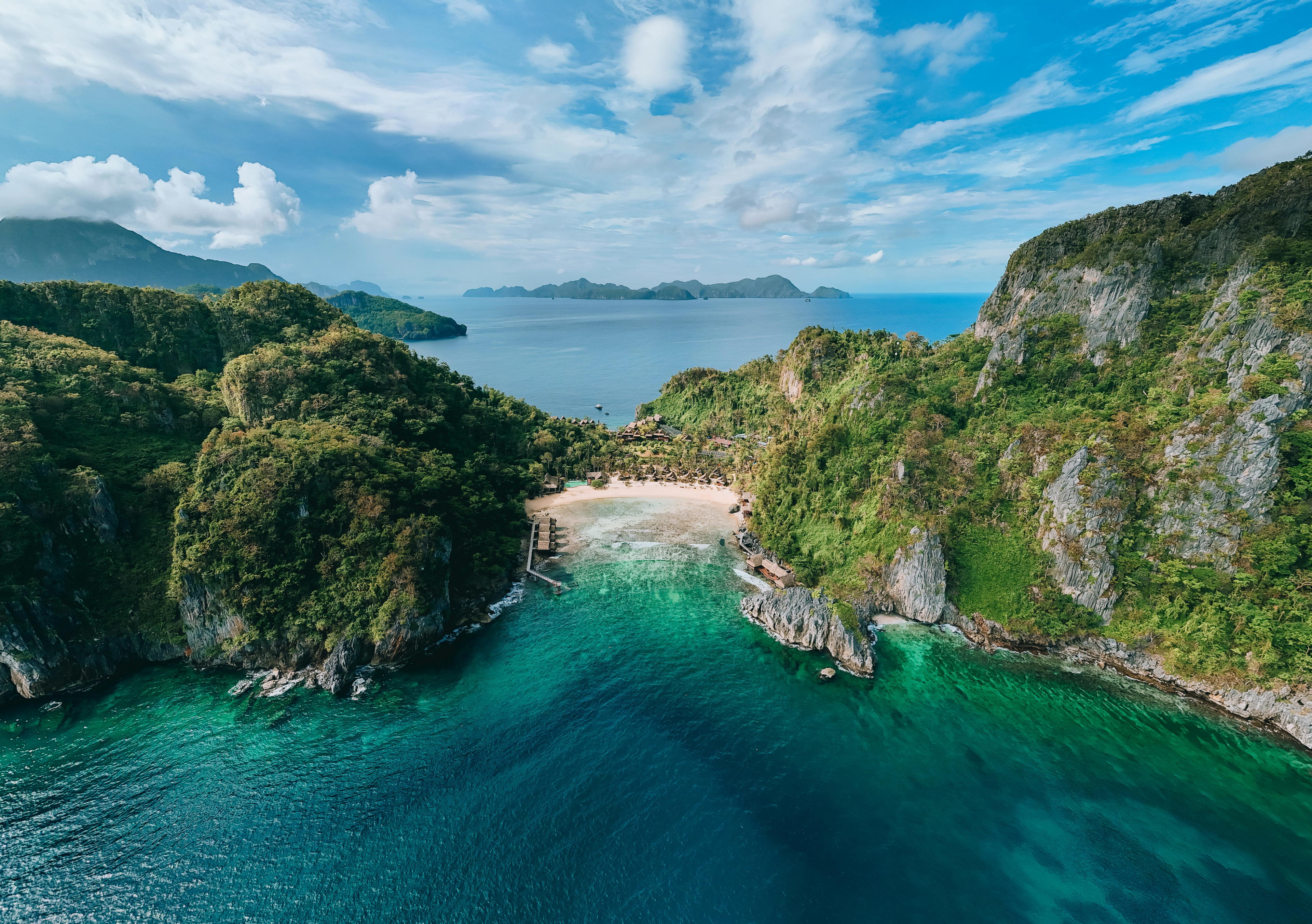
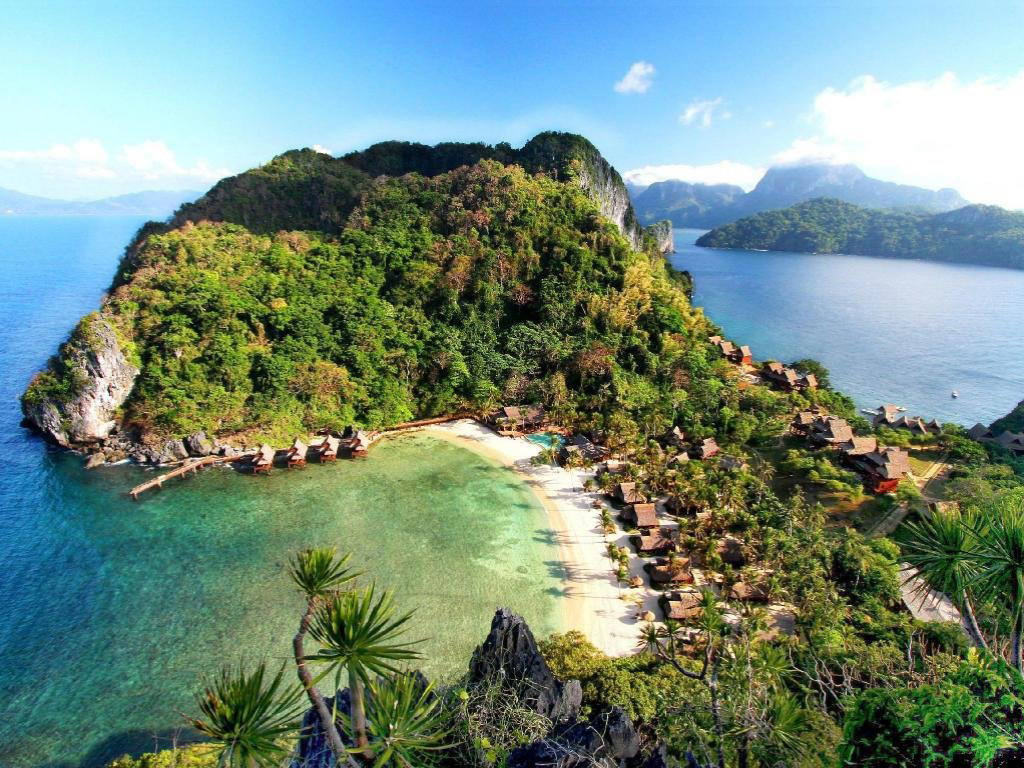
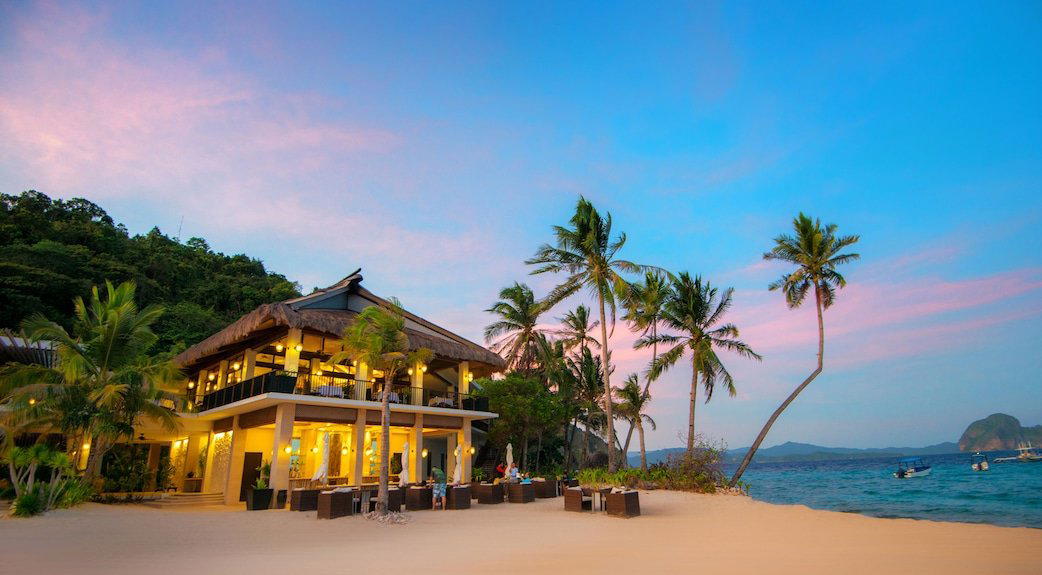
Part of the Great Hotels of the World collection, El Nido Resorts Lagen Island is a 5-star, 51-room eco-luxury property set on a forested island within Bacuit Bay, Palawan. The resort pairs direct access to the Bacuit Archipelago's marine environment with a culinary programme rooted in Filipino ingredients and local fishermen's catch. Advance booking is strongly advised given limited inventory across all room categories.
Pearl is the En Primeur Club membership app — saves, bookings, and concierge access live there. Same editors, same standards.
- Address
- Lagen Island, El Nido, 5313 Palawan
- Phone
- +63 917 584 1576
- Website
- elnidoresorts.com
- Directions
- Get directions
 Saves & bookings on Pearl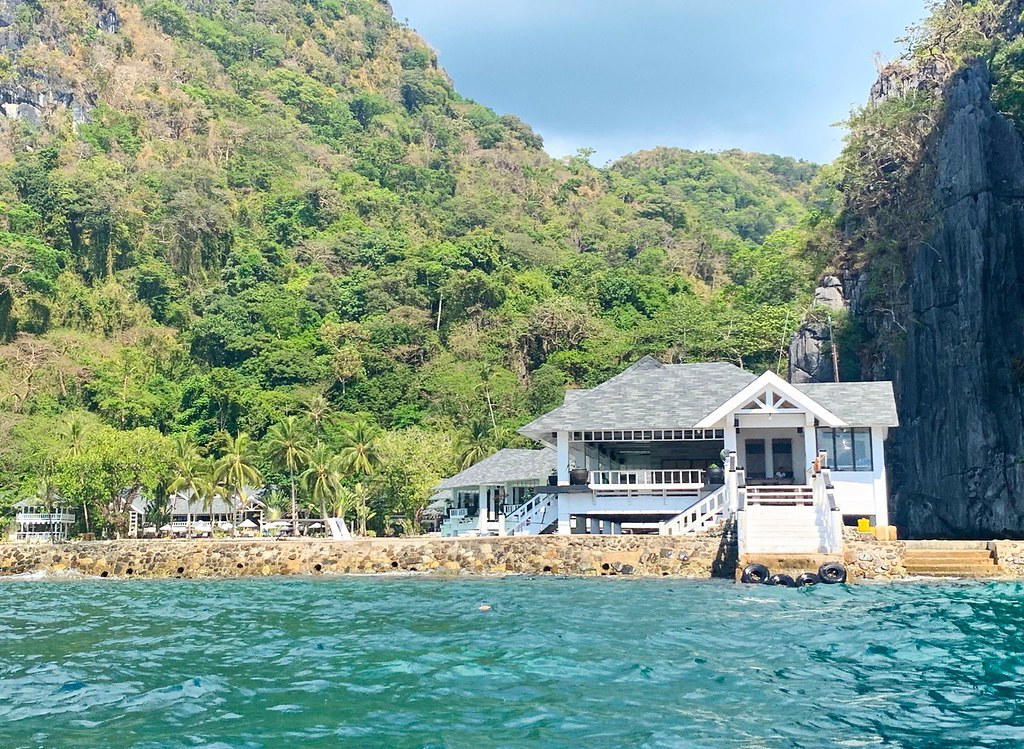
Where the Bay Sets the Terms
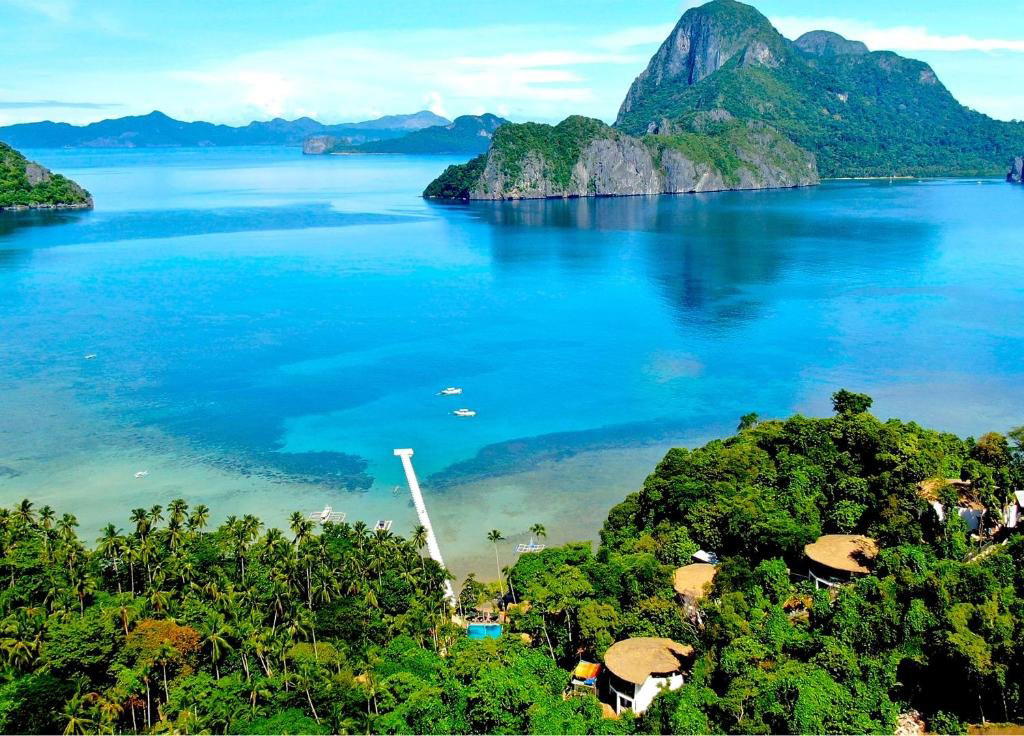
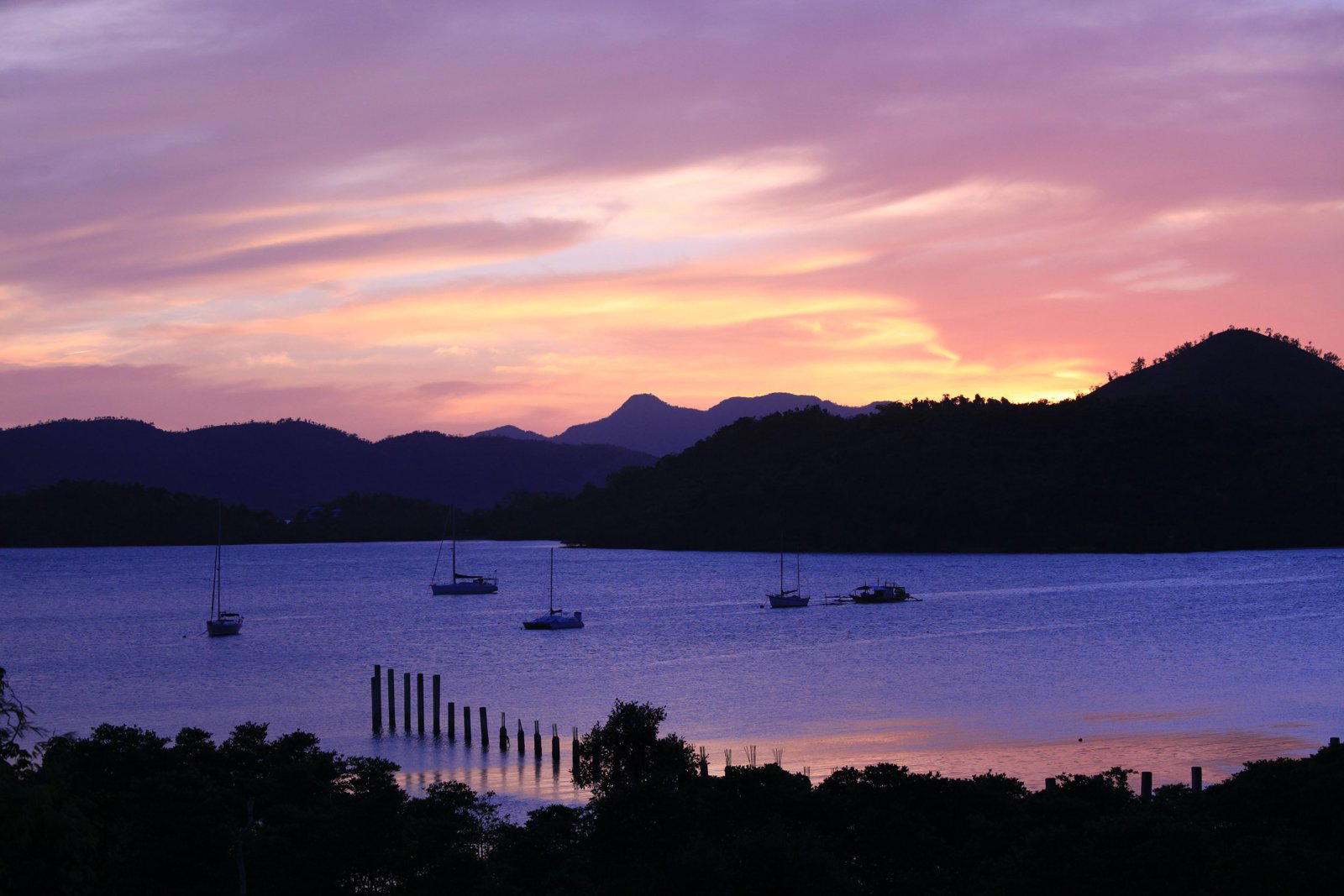
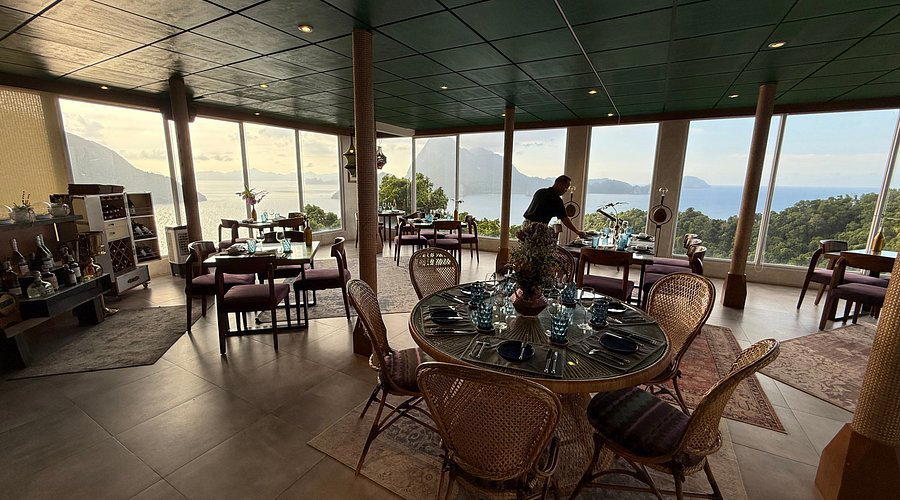
Arriving at Lagen Island by boat is the first indication that this property operates on a different logic from mainland resorts. The approach through Bacuit Bay, with limestone karst formations rising vertically from the water on every side, establishes the physical context before you've seen a single room. The resort sits within one of Palawan's most environmentally restricted zones, which is precisely why the experience feels as compressed and intense as it does. What you gain in seclusion and marine access, you trade in spontaneity: Lagen Island rewards guests who plan ahead and commit to the place rather than treating it as a base for wider itinerary flexibility.
El Nido Resorts Lagen Island sits at Lagen Island, El Nido, Palawan, with direct access to Bacuit Bay and a compact 51-room layout. Its 51 rooms and suites keep the scale intimate without sacrificing access to the bay.
The Culinary Programme: Filipino Ingredients, Local Supply Lines
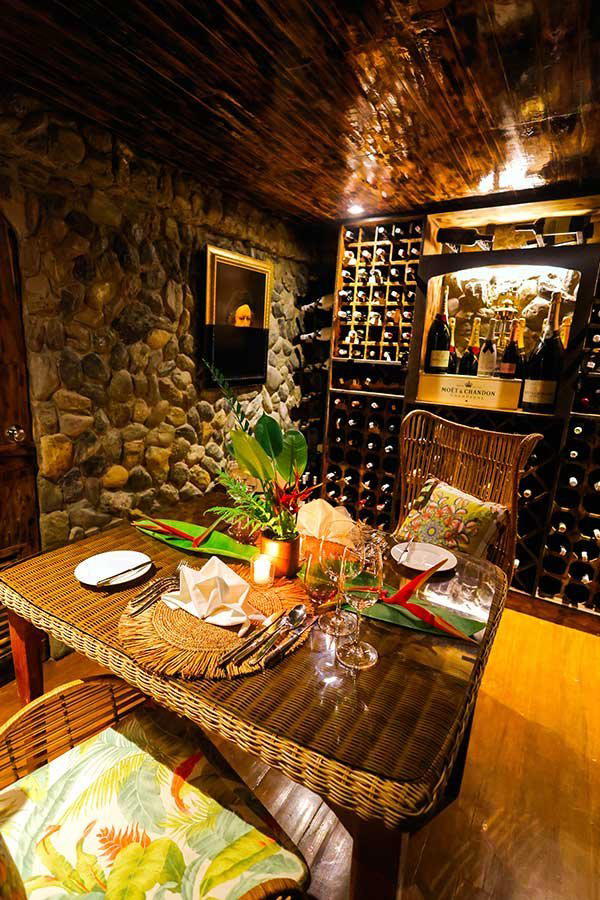
Philippine resort dining at this tier has moved away from the hybrid international menus that dominated the category a decade ago. Properties in protected coastal environments increasingly anchor their food programmes to what the surrounding ecology can credibly supply, partly for authenticity, partly because the logistics of importing produce to remote island locations make local sourcing a practical necessity as much as an editorial choice. Lagen Island's culinary identity follows this pattern: the kitchen draws on fresh seafood sourced from local fishermen and ingredients from organic gardens, a supply structure that keeps the menu grounded in what Palawan's waters and land actually produce.
Filipino cuisine at this level is not reducible to a single register. The country's culinary tradition absorbs Spanish, Chinese, and Malay influences across its 7,000-plus islands, and a resort in northern Palawan has particular access to the regional inflections of that tradition. The emphasis on marine ingredients here is less a stylistic decision than a reflection of geography: Bacuit Bay and the broader Sulu Sea represent among the more biodiverse marine environments in the Coral Triangle, and a kitchen with direct fisherman relationships can work with species and cuts that don't survive longer supply chains.
This alignment between culinary and wellness programmes around a shared set of local references gives the property a coherent identity that holds up to scrutiny in ways that generic resort branding doesn't.
The Marine Environment as the Primary Activity
The Bacuit Archipelago is the real draw, and Lagen Island functions as one environmentally integrated access point to it. Island hopping, snorkelling, diving, and kayaking through hidden lagoons and underground rivers constitute the core activity offer, all centred on an ecosystem that the resort has a documented interest in preserving. The coral restoration programme and community conservation partnerships are operational commitments: the resort depends on the health of the reef systems that shape the experience.
In the broader context of Philippine island resort development, this kind of conservation-linked model represents a more durable approach than properties that extract value from a marine environment without maintaining it. Banwa Private Island in Palawan operates on a comparable environmental premise further south in the archipelago, though at a significantly smaller scale and higher price point. Amanpulo in Pamalican Island occupies a similar niche of protected-island access with a conservation mandate, though its comparable set skews toward ultra-private rather than eco-lodge.
Room Categories and How to Think About Them
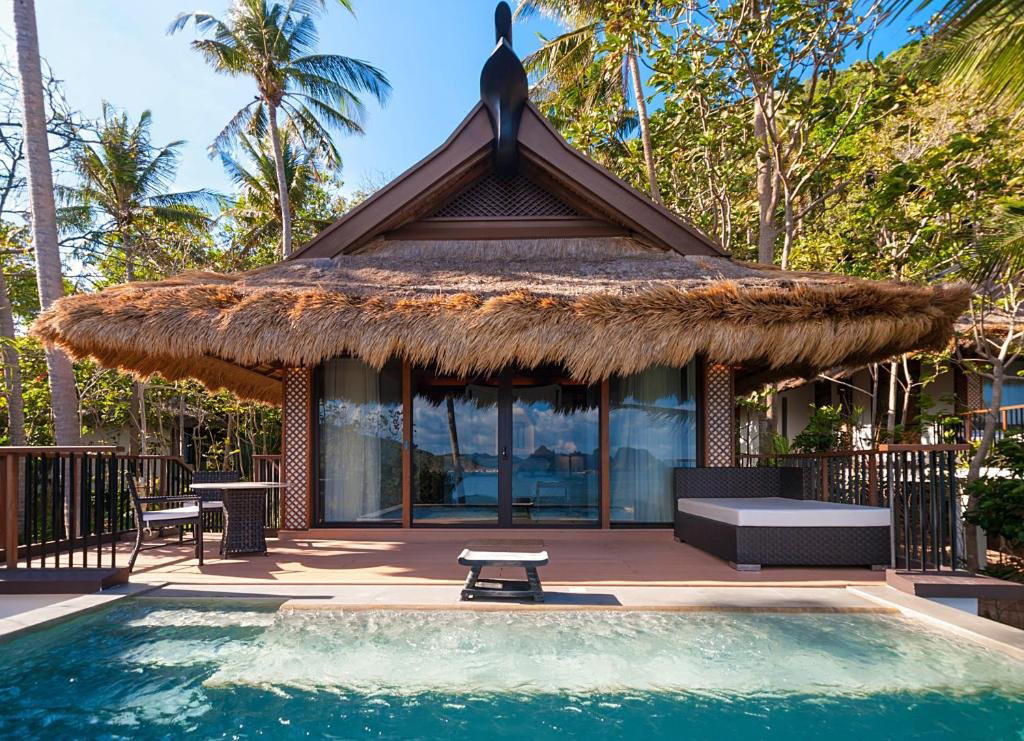
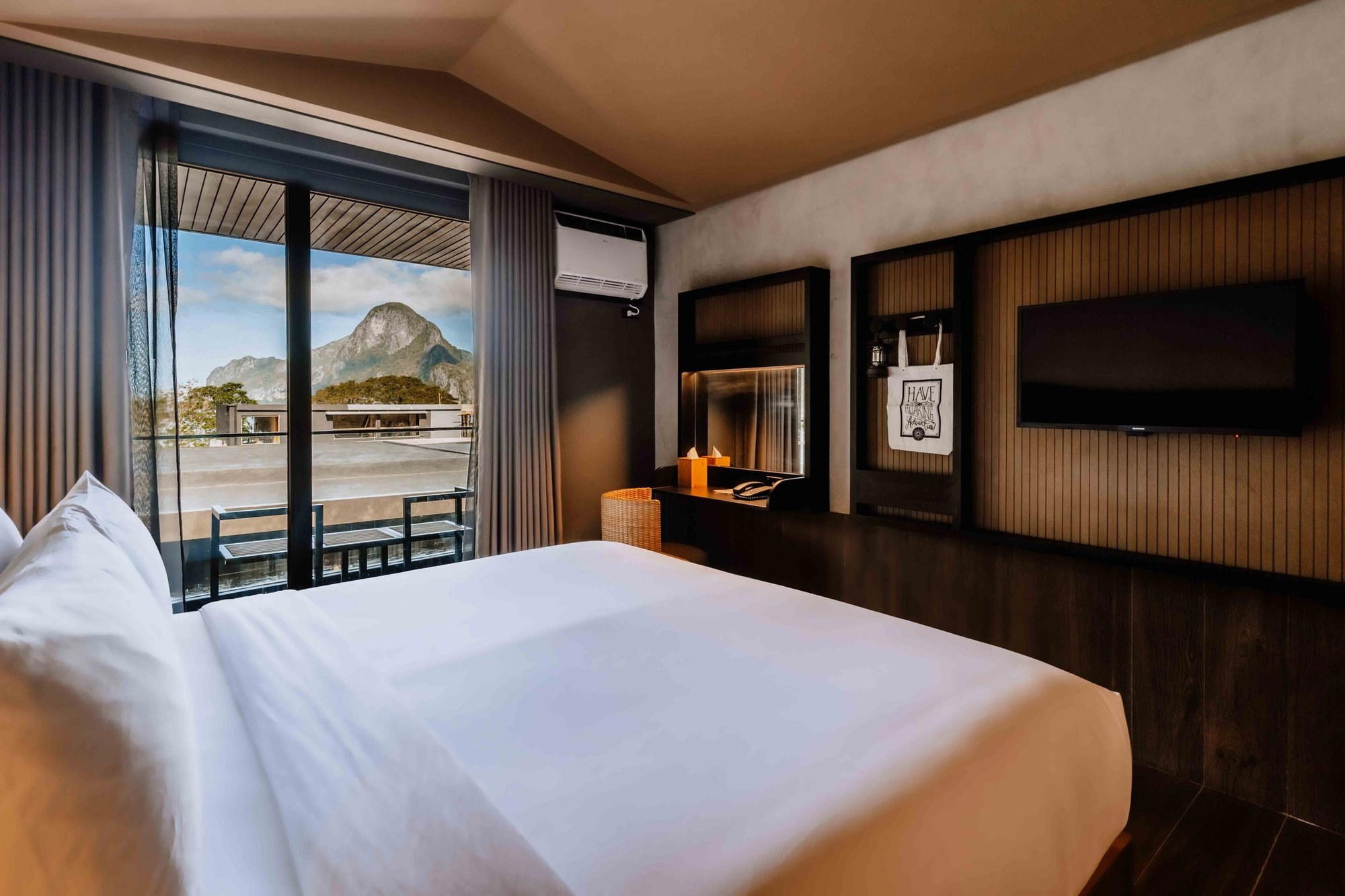
The 51 rooms span a range from beachfront cottages to overwater bungalows, with views toward the lagoon and karst backdrop. The design approach prioritises integration with the forest and water environment over architectural statement, which places Lagen Island in a different competitive register from the design-forward boutique properties now appearing across El Nido town. Properties like Lihim Resorts, El Nido and The Funny Lion El Nido compete on aesthetic distinctiveness and town proximity; Lagen Island competes on environmental access and seclusion depth.
Within the El Nido Resorts portfolio, Lagen is the property most defined by its forest-island setting and lagoon orientation. Pangulasian, El Nido and Cauayan Island Resort offer alternative island experiences in the same bay, each with a different environmental character and room configuration. Choosing between them depends on whether you prioritise beach access, snorkelling proximity, or the particular visual drama of Lagen's karst-framed lagoon.
Planning a Stay: What to Know Before You Book
Access to Lagen Island is by boat transfer from El Nido town, making arrival logistics part of the experience rather than a procedural inconvenience. The island is easiest to reach by boat transfer from El Nido town, and advance planning is sensible during the dry season.
Nay Palad Hideaway Siargao in the Visayas, Amorita Resort in Panglao Island, or Bluewater Sumilon Island Resort as reference points in different marine environments. For those whose interest in island-access luxury extends to Southeast Asia's wider premium tier, Aman Venice and Aman New York represent the same collection's approach in entirely different geographic registers.
Price and Recognition
Comparable venues nearby, for context on price, style, and recognition.
| Venue | Cuisine | Price | Awards | Notes |
|---|---|---|---|---|
| El Nido Resorts Lagen IslandThis venue — the venue you are viewing | Hotel | Not listed | Not listed | Not listed |
| The Funny Lion El Nido | Not listed | $$$ | 4-Star | El Nido Old Town, Boutique hotel blending prestige and fun in the heart of El Nido town. |
| Piece Lio, El Nido | Not listed | $$$$ | 5-Star | Lio Tourism Estate, Contemporary Japanese-inspired luxury resort with emphasis on sustainability and environmental conservation. |
| Cauayan Island Resort | Not listed | $$$$ | 5-Star | El Nido, Boutique private island resort blending traditional Philippine architecture with contemporary luxury, featuring individually designed villas with natural materials and modern amenities. |
| Lihim Resorts, El Nido | Not listed | $$$$ | 5-Star | El Nido, Exclusive luxury resort with private villas |
| Pangulasian, El Nido | Not listed | $$$$ | 4-Star | Pangulasian Island, contemporary Filipino architecture with private villas perched in forest or beachfront |
Recognition history
Dated appearances from independent guides and award organizations, with the underlying list record or original source where available.
Great Hotels of the World GHOTW Collection Member
Great Hotels of the World
Michelin Guide New Hotels New Hotel
Michelin Guide New Hotels
Michelin Selected
Michelin
Robb Report The 50 Greatest Luxury Hotels on Earth #31
Robb Report
At a Glance
- Quiet
- Scenic
- Elegant
- Sophisticated
- Romantic
- Honeymoon
- Romantic Getaway
- Family Vacation
- Wellness Retreat
- Anniversary
- Weekend Escape
- Beachfront
- Waterfront
- Garden
- Design Destination
- Panoramic View
- Wi Fi
- Pool
- Spa
- Concierge
- Room Service
- Kids Club
- Beach Access
- Airport Transfer
- Waterfront
- Garden
- Wi Fi
- Pool
- Spa
- Concierge
- Room Service
- Kids Club
- Beach Access
- Airport Transfer
Quiet, contemporary-classic, and tranquil, with a secluded forest-cove setting, soft natural materials, and a strong sense of calm immersion in nature.