Ambrozijn


A former 19th-century church in Valkenburg now houses one of the region's most considered modern kitchens. Ambrozijn holds a Michelin Plate (2024) and JRE membership, with a menu built around local ingredients and French technique. The setting, organ-turned-bar, dark brick walls, open kitchen, is as deliberate as the cooking.
Pearl is the En Primeur Club membership app — saves, bookings, and concierge access live there. Same editors, same standards.
- Address
- Plenkertstraat 45, 6301 GL Valkenburg, Netherlands
- Phone
- +31 43 200 3068
- Website
- restaurantambrozijn.nl
- Directions
- Get directions
 Saves & bookings on Pearl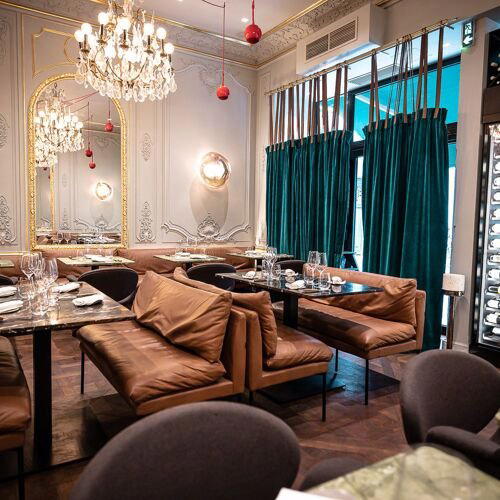
A Church, a Kitchen, and a Clear Point of View
Valkenburg sits in the Limburg hills, a corner of the Netherlands that has long traded on its caves, castle ruins, and weekend tourism. Its restaurant scene has historically reflected that dynamic: accessible, crowd-pleasing, and rarely reaching for ambition. Ambrozijn operates at a different register. Installed inside the Irenekerk, a Protestant church built in 1891, it announces its intentions before the first course arrives. The organ has been converted into a bar. Dark brick walls frame the dining room. A new roof truss draws the eye upward. This is not a conversion that hides its ecclesiastical past, it uses it as architecture, giving a modern kitchen an unlikely but coherent stage.
That tension between historical structure and contemporary precision is, in effect, the operating logic of what happens on the plate. The Irenekerk's nave provides the bones; a fully open kitchen provides the counter-argument, placing the cooking in direct view rather than concealed behind a pass. In a small city more associated with day-trippers than destination dining, that physical transparency functions as a statement.
Local Sourcing as a Structural Commitment
One revealing thing about a kitchen's philosophy is usually what it chooses to source and from where. At Ambrozijn, local ingredients are not a garnish on the marketing language but the compositional spine of the menu. The Limburg region gives a kitchen specific latitude: the hills and river valleys produce distinct agricultural material that differs meaningfully from the flat polders further north. A menu built around that geography behaves differently from one simply claiming seasonal credentials.
This sourcing orientation places Ambrozijn in a wider current running through Dutch fine dining. Restaurants like De Groene Lantaarn in Staphorst and De Lindehof in Nuenen have demonstrated that regional Dutch cooking, when grounded in specific place rather than generic seasonality, can hold its own against any European benchmark. Ambrozijn applies the same logic to Limburg's particular larder. The menu also accommodates a plant-based version, though the sourcing commitment applies equally across both formats.
Chef Sven Nijenhuis draws on French cooking technique to interpret that local material. It is a pairing with some tradition behind it: French method applied to regional Dutch produce has generated some of the Netherlands' most compelling restaurant cooking, from Inter Scaldes in Kruiningen to Fred in Rotterdam. What distinguishes Nijenhuis's approach, according to recognised observers, is his handling of sauces and seasoning: areas of classical French training where precision either confirms or undermines everything else on the plate.
The Michelin Plate and the JRE Signal
Ambrozijn holds a Michelin Plate for 2024 and membership of the Jeunes Restaurateurs d'Europe (JRE). The Michelin Plate indicates food quality recognised by the guide without yet reaching star level. JRE membership signals something slightly different: a pan-European network of younger chefs whose restaurants tend toward ambition, regional identity, and a certain seriousness of purpose. JRE houses in the Netherlands regularly appear in the same conversations as starred addresses.
For context within the Dutch scene, Ambrozijn operates in a different price tier and format from long-established three-star addresses like De Librije in Zwolle or the Parkheuvel in Rotterdam. It is closer in spirit, credential, and trajectory to addresses like Brut172 in Reijmerstok, a short distance away in Limburg, where serious cooking with a regional sensibility is the defining characteristic rather than the headline draw being spectacle or scale.
The Setting in Detail
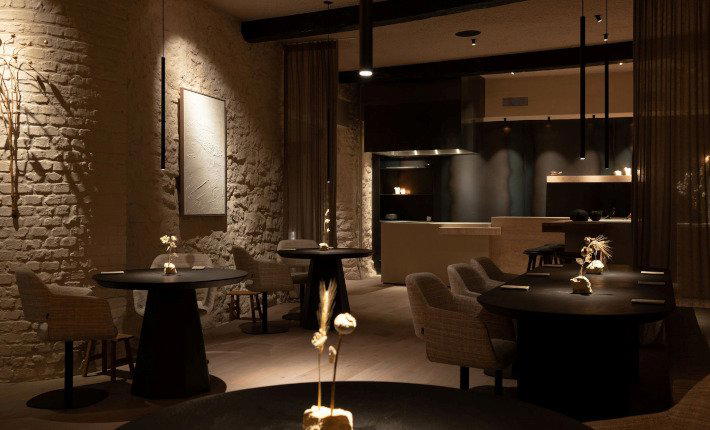
The Irenekerk conversion deserves more than a passing note. Church-to-restaurant conversions in Europe span a wide range of outcomes, from the clumsy, heritage gestures bolted awkwardly onto a commercial operation, to the genuinely considered. The Ambrozijn version leans toward the latter. The organ as bar is the obvious signature move, but the broader design logic, dark brick preserved rather than plastered over, structural elements framing rather than distracting, holds together as a coherent environment rather than a theme.
An open kitchen in a space with significant ceiling height and architectural drama places specific pressure on the cooking: there is nowhere for the mechanics to hide. That decision reflects confidence, and it creates a different dining dynamic from enclosed kitchens, where the table is the entire stage. Here, the Irenekerk's structure and the kitchen's activity run in parallel, each legible from the other.
The address is Plenkertstraat 45, in Valkenburg's walkable central area. For visitors planning around other Limburg dining, Les Salons and LIMES aan den Rijn offer different price points and formats within the same town. Dinner reservations are essential, particularly at weekends and during Valkenburg's busier tourist periods.
Where Ambrozijn Sits in the Wider Dutch Fine Dining Scene
Dutch fine dining outside the Randstad has gained credibility over the past decade. Addresses like De Bokkedoorns in Overveen, Aan de Poel in Amstelveen, and De Lindenhof in Giethoorn have demonstrated that serious kitchens can anchor themselves in non-metropolitan settings and hold their own in national critical conversation. Ambrozijn is making the same argument from Limburg, a region that does not traditionally feature heavily in Dutch gastronomy discussions but has the agricultural and geographic character to support exactly this kind of cooking.
For international context, the model of rigorous regional sourcing combined with French technical foundations has produced compelling results across Europe. Stand in Budapest shows what that combination can achieve when the commitment runs deep. The trajectory at Ambrozijn, given the JRE membership and Michelin recognition at a relatively early stage, suggests the kitchen is building rather than settled.
Planning Your Visit
Ambrozijn is located at Plenkertstraat 45, 6301 GL Valkenburg. The restaurant operates at €€€ pricing and holds a 2024 Michelin Plate. Given the setting's capacity and the level of recognition, booking ahead is advisable. The menu includes a plant-based version alongside the standard format, making it accessible to guests across dietary preferences without a separate or lesser offering.
Side-by-Side Snapshot
Comparable venues nearby, for context on price, style, and recognition.
| Venue | Cuisine | Price | Awards | Notes |
|---|---|---|---|---|
| AmbrozijnThis venue — the venue you are viewing | Modern Creative French | $$$$ | Michelin Plate | Not listed |
| LIMES aan den Rijn | Modern French | $$$ | Michelin Plate | Valkenburg |
| Les Salons | Modern French Fine Dining | $$$$ | Michelin Plate | Valkenburg |
| Haricot. | Modern French Fine Dining | $$$$ | Michelin Plate | Wyck |
| Infini | Modern French Fine Dining | $$$ | Michelin Plate | Wahlwiller |
| Cellar Door | Modern French Fine Dining | $$$$ | Michelin Plate | Woudrichem Old Town |
Recognition history
Dated appearances from independent guides and award organizations, with the underlying list record or original source where available.
Michelin Plate
Michelin
We're Smart World 3 Radishes
We're Smart World
Michelin Plate
Michelin
Continue exploring
More in Valkenburg
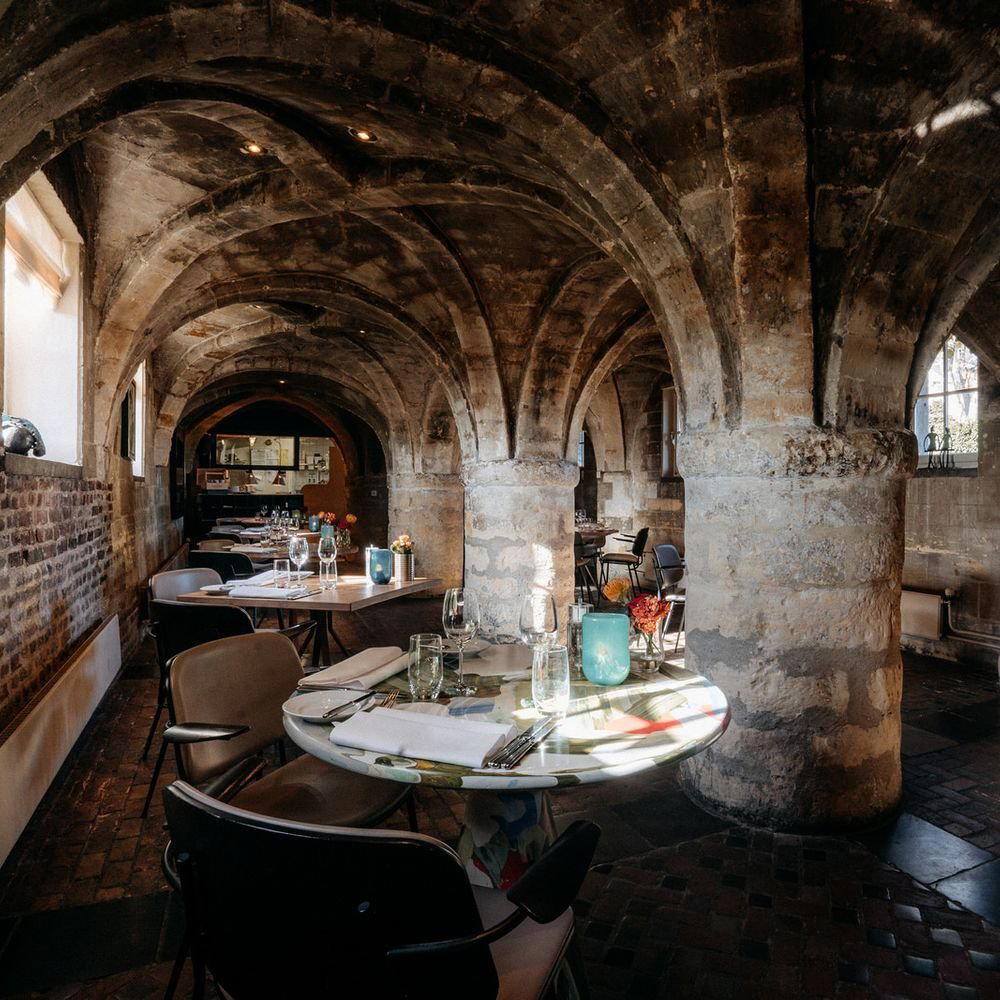
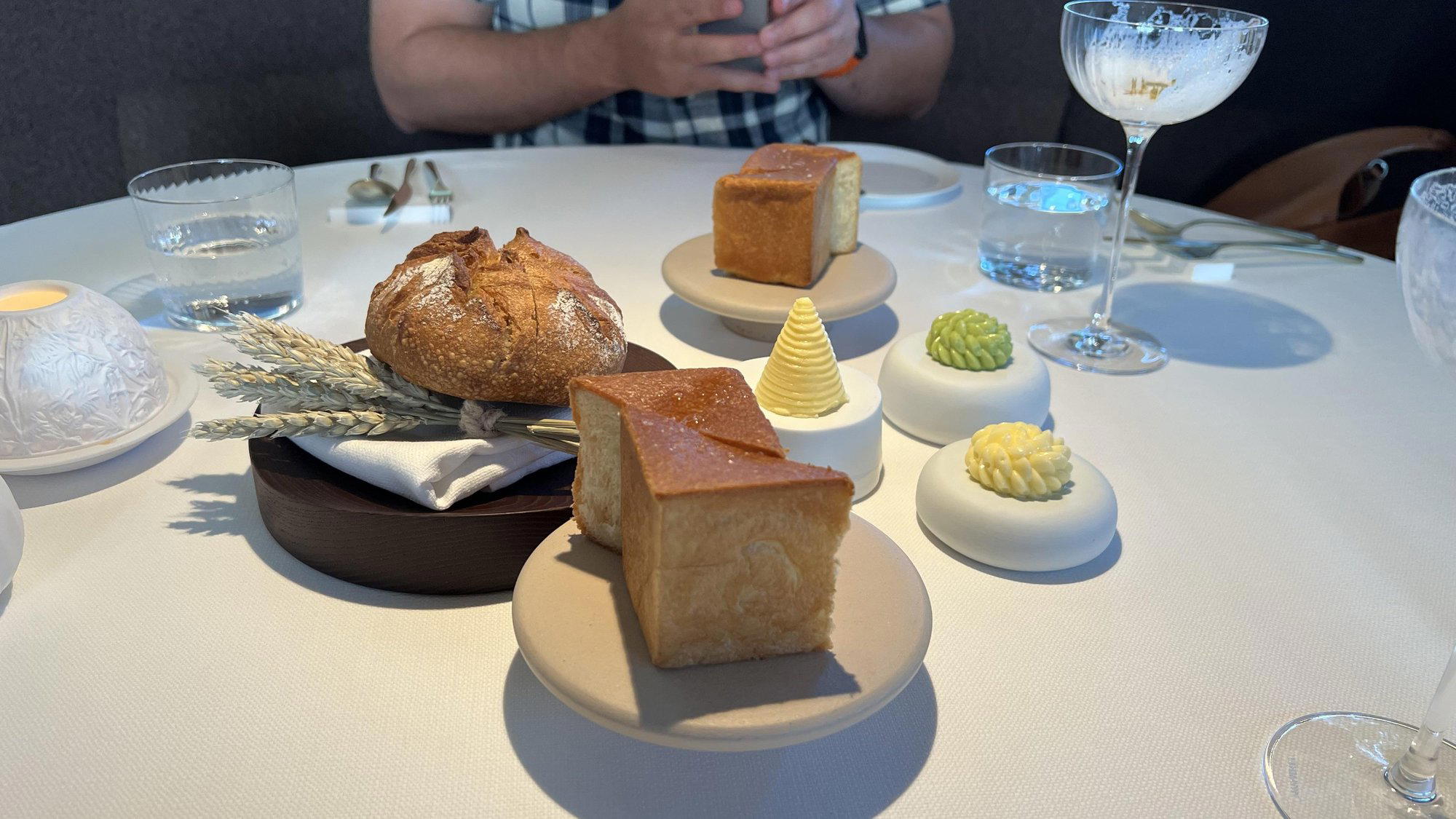
Restaurants in Valkenburg
Browse all →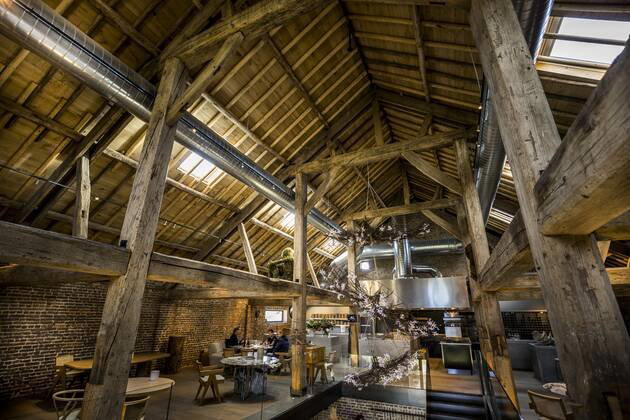
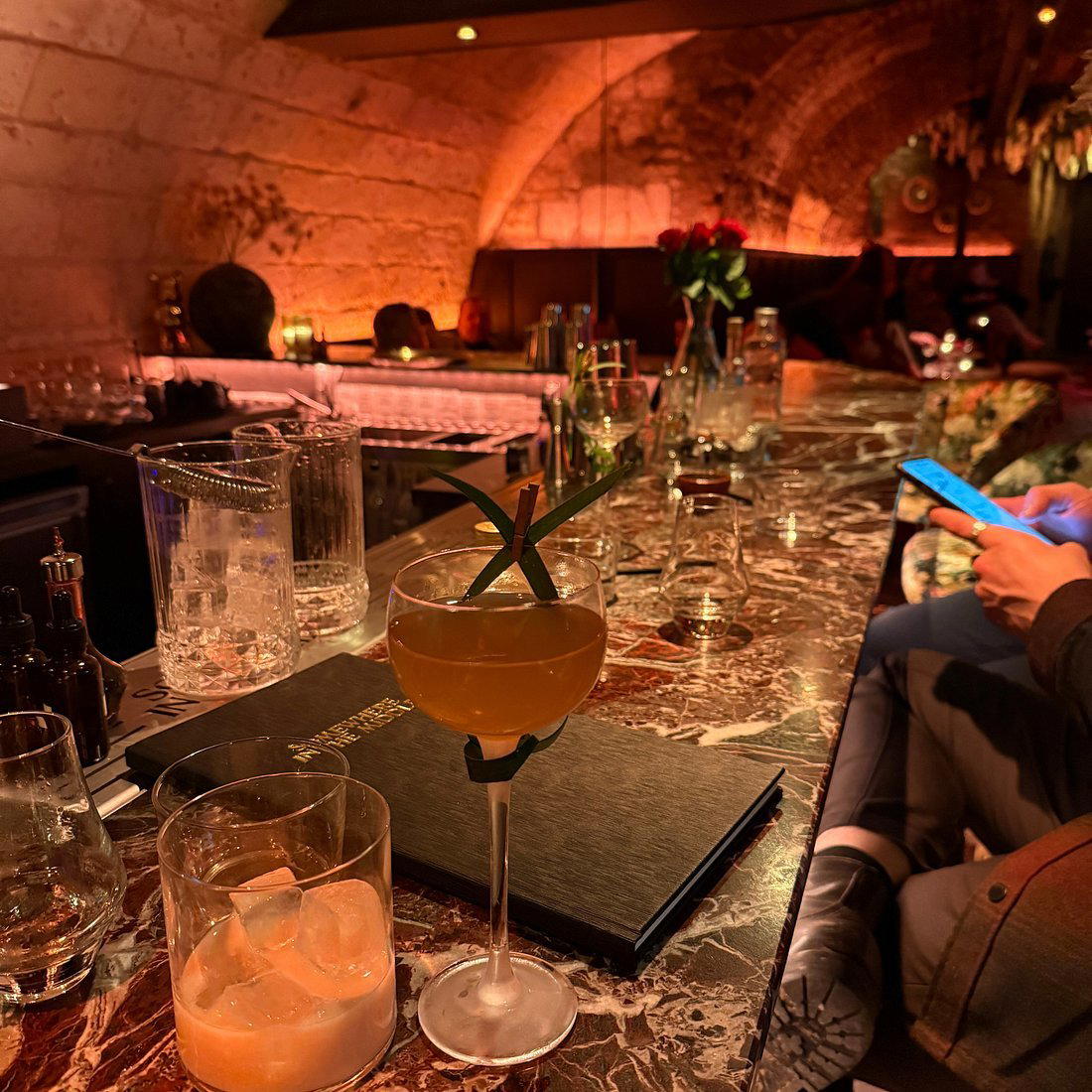
Bars in Valkenburg
Browse all →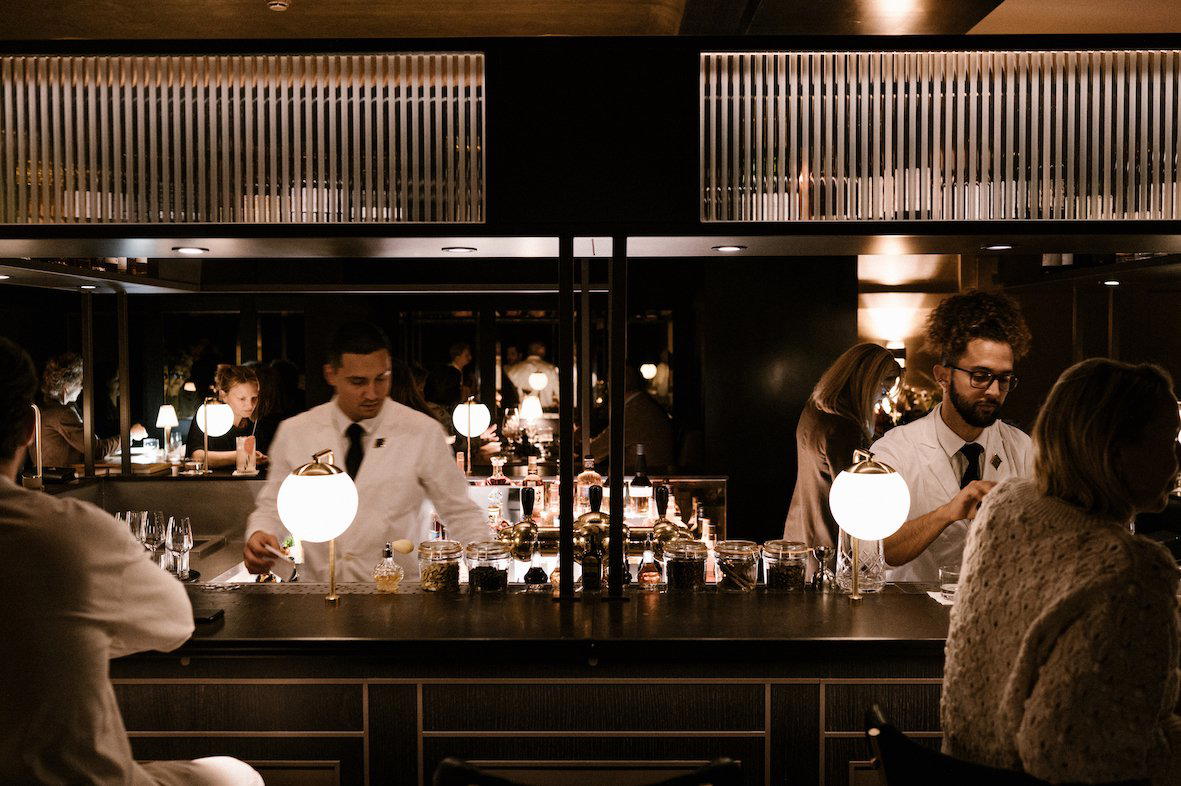
Hotels in Valkenburg
Browse all →
Wineries in Valkenburg
Browse all →
At a Glance
- Elegant
- Sophisticated
- Intimate
- Historic
- Modern
- Date Night
- Special Occasion
- Chefs Counter
- Open Kitchen
- Historic Building
- Extensive Wine List
- Sommelier Led
- Local Sourcing
Current opening hours
- Monday
- Closed
- Tuesday
- Closed
- Wednesday
- 6:30–7:30 PM
- Thursday
- 6:30–7:30 PM
- Friday
- 12–1 PM, 6:30–7:30 PM
- Saturday
- 12–1 PM, 6:30–7:30 PM
- Sunday
- Closed
Hours can change for holidays and private events. Last verified .
Stylish and atmospheric blend of historic church elements with modern design, soft and raw materials, warm and sfeervol lighting.