Ambra


Ambra sits on Store Kongensgade in Copenhagen's inner city, operating at a tier defined by serious wine programming: it holds a White Star from Star Wine List, published January 2024. The recognition places it within a smaller cohort of Copenhagen restaurants where the cellar is as considered as the kitchen, and where the pace of a meal is shaped as much by what's in the glass as what arrives on the plate.
Pearl is the En Primeur Club membership app — saves, bookings, and concierge access live there. Same editors, same standards.
- Address
- Store Kongensgade 59, 1264 København, Denmark
- Phone
- +45 70 70 24 60
- Website
- ambra.dk
- Directions
- Get directions
 Saves & bookings on Pearl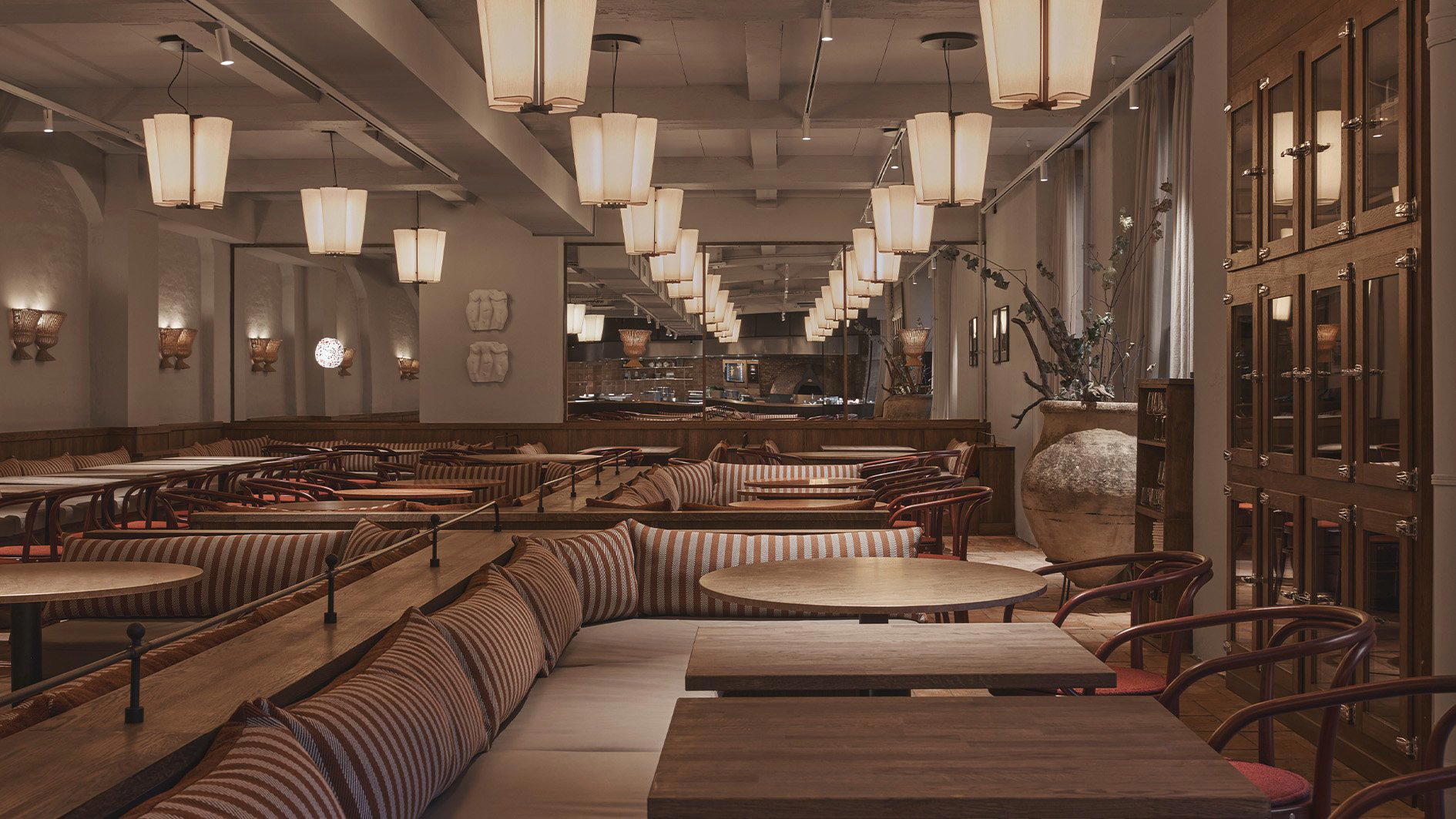
Wine as the Organizing Principle
Copenhagen's dining conversation tends to orbit the kitchen: the forager, the ferment, the plating geometry. But a quieter parallel tradition has taken hold in the city's inner neighborhoods, where a handful of rooms have built their identity around the cellar rather than the stove. Ambra, on Store Kongensgade 59 in the old town, belongs to that cohort. Its January 2024 White Star recognition from Star Wine List positions it within a comparable set where the wine program is not a supporting act but a primary reason to book a table. That distinction matters in a city where Geranium and Alchemist command attention for theatrical kitchen ambition, and where places that lead with the glass occupy a smaller, more specific niche.
Star Wine List's White Star designation is awarded to venues demonstrating strong quality and depth in their wine offering, evaluated by a panel of sommeliers and wine professionals. It is not a volume award. A long list does not earn a White Star; a thoughtful one might. That framing tells you something about the rhythm of a meal at Ambra before you sit down: this is a room where what you drink shapes how you eat, not the reverse.
The Address and What It Signals
Store Kongensgade runs through Frederiksstaden, one of Copenhagen's most architecturally coherent quarters, laid out in the eighteenth century on a grid of wide streets and Baroque facades. Restaurants here tend to serve a resident and professional crowd rather than a tourist circuit, which tends to favor a certain seriousness of pace. The address and the wine recognition together suggest a setting where the ritual of the meal matters as much as its content. This is not a room you would rush.
Copenhagen's wider dining geography helps locate Ambra in context. The city's headline destinations, including Noma, Koan, and Kadeau, operate in the New Nordic idiom and attract considerable advance planning from international visitors. Ambra operates outside that particular competitive frame. The White Star designation aligns it with a different kind of intent: a wine-led room where the hospitality logic follows the glass, and where guests who arrive with some cellar vocabulary are likely to get full value from the experience.
The Ritual of a Wine-Led Meal
Dining rituals differ when wine, rather than a tasting menu sequence, organizes the evening. In kitchens built around a progression of courses, the pacing is set by the kitchen and the diner follows. In rooms where the wine program carries comparable weight, a more collaborative dynamic tends to emerge between the table and the floor. The sommelier or wine-trained staff become active participants in shaping the meal's arc, suggesting pours that open a conversation between what's in the glass and what arrives from the kitchen.
This dynamic is well-established in European wine-bar dining traditions, from Paris's natural-wine bistros to the enoteca format common across northern Italy. Copenhagen has developed its own version, informed by the New Nordic movement's interest in local producers, fermentation, and sourcing transparency. Ambra's White Star recognition suggests it has refined that approach to a point where outside wine professionals consider it worth marking. For the diner, this translates to a meal where ordering is not a logistical exercise but an actual conversation, and where the patience to engage with that conversation yields a different experience than a menu-driven room would.
Ambra is a reservation-recommended room, so advance planning is sensible. Denmark's dining scene beyond Copenhagen also offers comparable seriousness, including Jordnær in Gentofte and Frederikshøj in Aarhus, though neither carries a wine-specific designation of this type.
Placing Ambra in the Copenhagen Wine Scene
The White Star designation, published in early 2024, arrived at a moment when Copenhagen's reputation as a dining city had already been long established by kitchen-forward restaurants. What the Star Wine List recognition adds is a formal acknowledgment that the city's wine culture has reached a comparable level of seriousness at its leading addresses. This is not surprising: the sommelier profession in Denmark has produced internationally recognized practitioners, and the country's restaurant culture has historically valued beverage service as a craft rather than a commodity.
For visitors assembling a Copenhagen itinerary, Ambra represents a different entry point into the city's dining character than the New Nordic tasting-menu circuit. Where a meal at Alchemist is structured around a precisely choreographed sequence of fifty-odd courses and theatrical staging, and where Kadeau roots its identity in Bornholmer produce and seasonal rhythm, Ambra's organizing logic appears to come from the cellar. That makes it a complement to, rather than a substitute for, those experiences. A well-planned Copenhagen trip might reasonably include both registers.
Internationally, the closest comparisons to a wine-led room of this caliber might be drawn from a different register entirely. Le Bernardin in New York City and Emeril's in New Orleans both demonstrate how beverage programming can define a dining identity beyond the plate, even when the kitchen carries comparable prestige. Ambra operates in a smaller, more focused format, but the underlying principle is the same: the room is shaped by what it chooses to pour. Diners interested in Denmark's regional scene should also note Henne Kirkeby Kro in Henne, Alimentum in Aalborg, ARO in Odense, and Domæne in Herning as part of a broader national picture.
Planning a Visit
Ambra is located at Store Kongensgade 59, 1264 København, in the Frederiksstaden district of central Copenhagen, walkable from the Kongens Nytorv metro station and the surrounding hotel quarter. Its regular hours are Monday through Thursday and Sunday from 5 PM to 1 AM, and Friday and Saturday from 5 PM to 2 AM. The Star Wine List White Star recognition, dated January 2024, is the primary verified trust signal available. It serves Modern Italian cuisine at a price tier of 4.
Cuisine and Credentials
Comparable venues nearby, for context on price, style, and recognition.
| Venue | Cuisine | Price | Notes |
|---|---|---|---|
| AmbraThis venue — the venue you are viewing | Modern Italian | $$$$ | Not listed |
| Locale 21 | Italian Bistro | $$$ | Indre By |
| Fabro | Authentic Italian Pasta | $$ | Indre By |
| Era Ora | Modern Italian Fine Dining | $$$$ | Indre By |
| Masseria | Southern Italian Pasta Trattoria | $$$ | Vesterbro-Kongens Enghave |
| Trattoria Fiat | Authentic Italian Trattoria | $$ | Indre By |
Recognition history
Dated appearances from independent guides and award organizations, with the underlying list record or original source where available.
Star Wine List
Star Wine List
White Guide Denmark Restaurants - Very Fine Level
White Guide
Continue exploring
More in Copenhagen
Restaurants in Copenhagen
Browse all →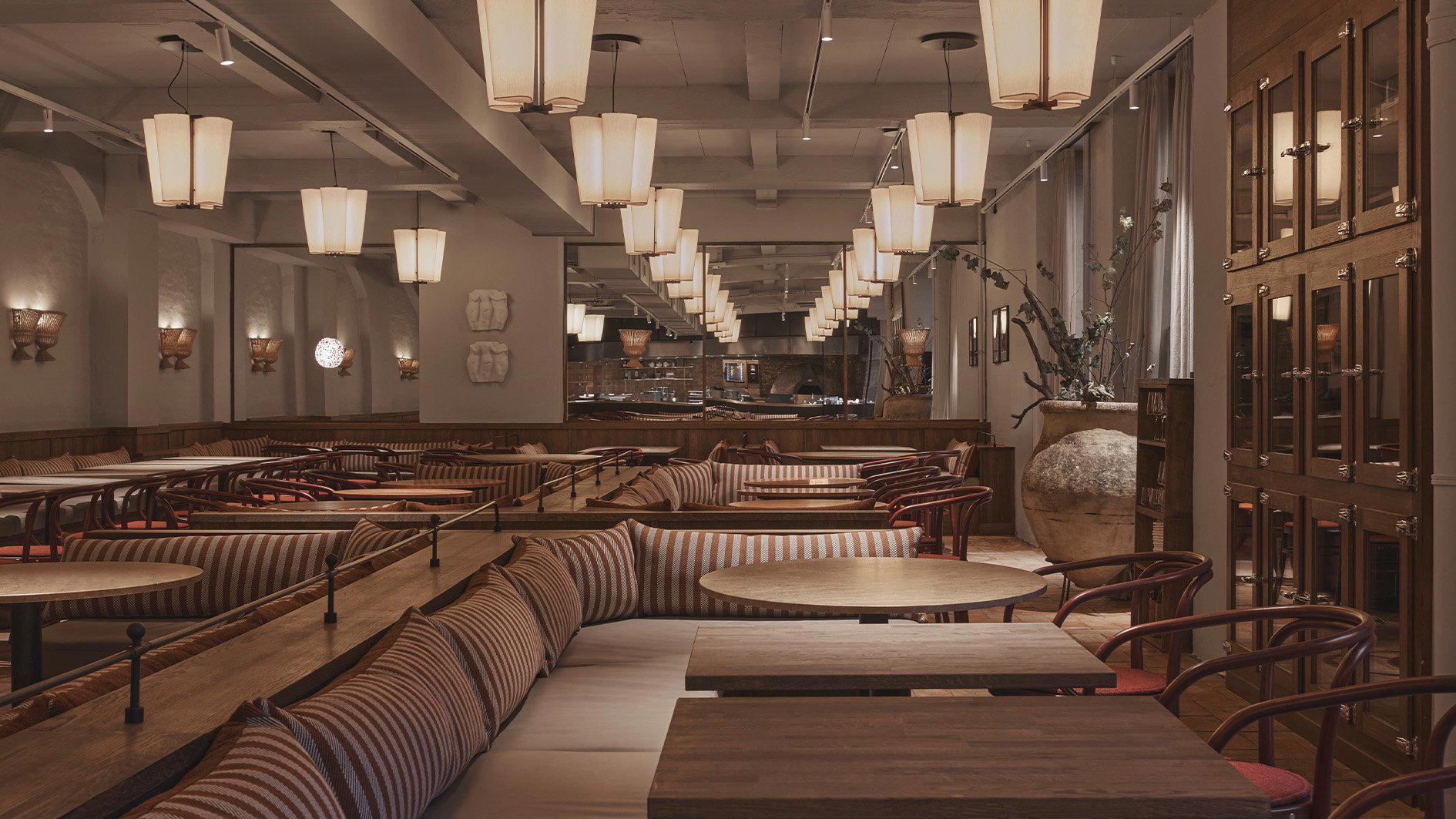
Bars in Copenhagen
Browse all →
At a Glance
- Modern
- Elegant
- Cozy
- Trendy
- Date Night
- Business Dinner
- Casual Hangout
- Open Kitchen
- Extensive Wine List
- Local Sourcing
Current opening hours
- Monday
- 5 PM–1 AM
- Tuesday
- 5 PM–1 AM
- Wednesday
- 5 PM–1 AM
- Thursday
- 5 PM–1 AM
- Friday
- 5 PM–2 AM
- Saturday
- 5 PM–2 AM
- Sunday
- 5 PM–1 AM
Hours can change for holidays and private events. Last verified .
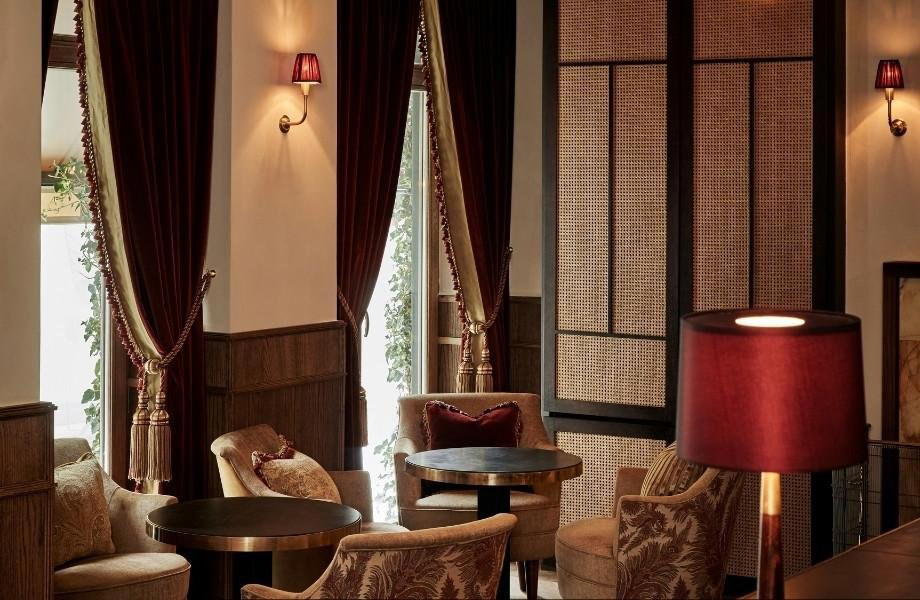
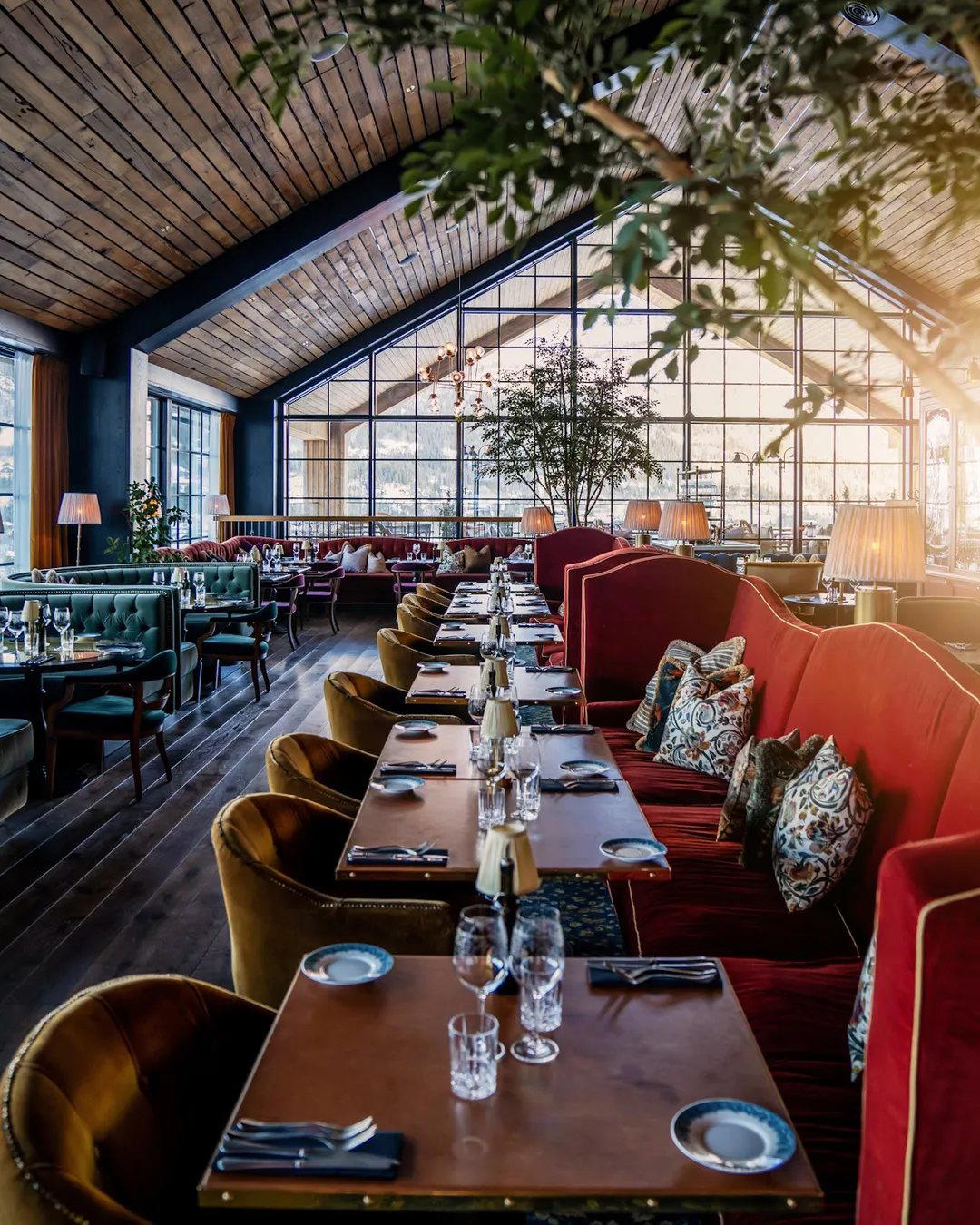
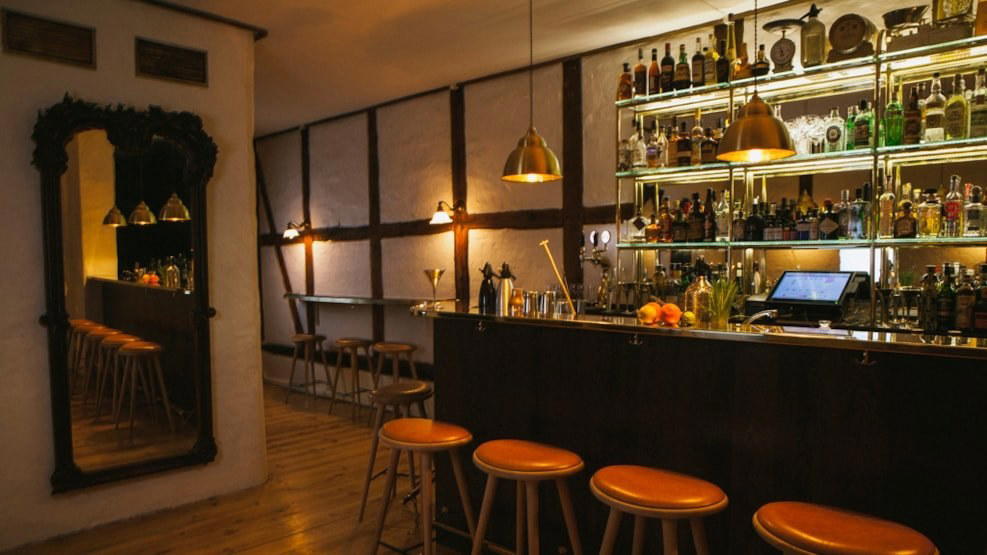
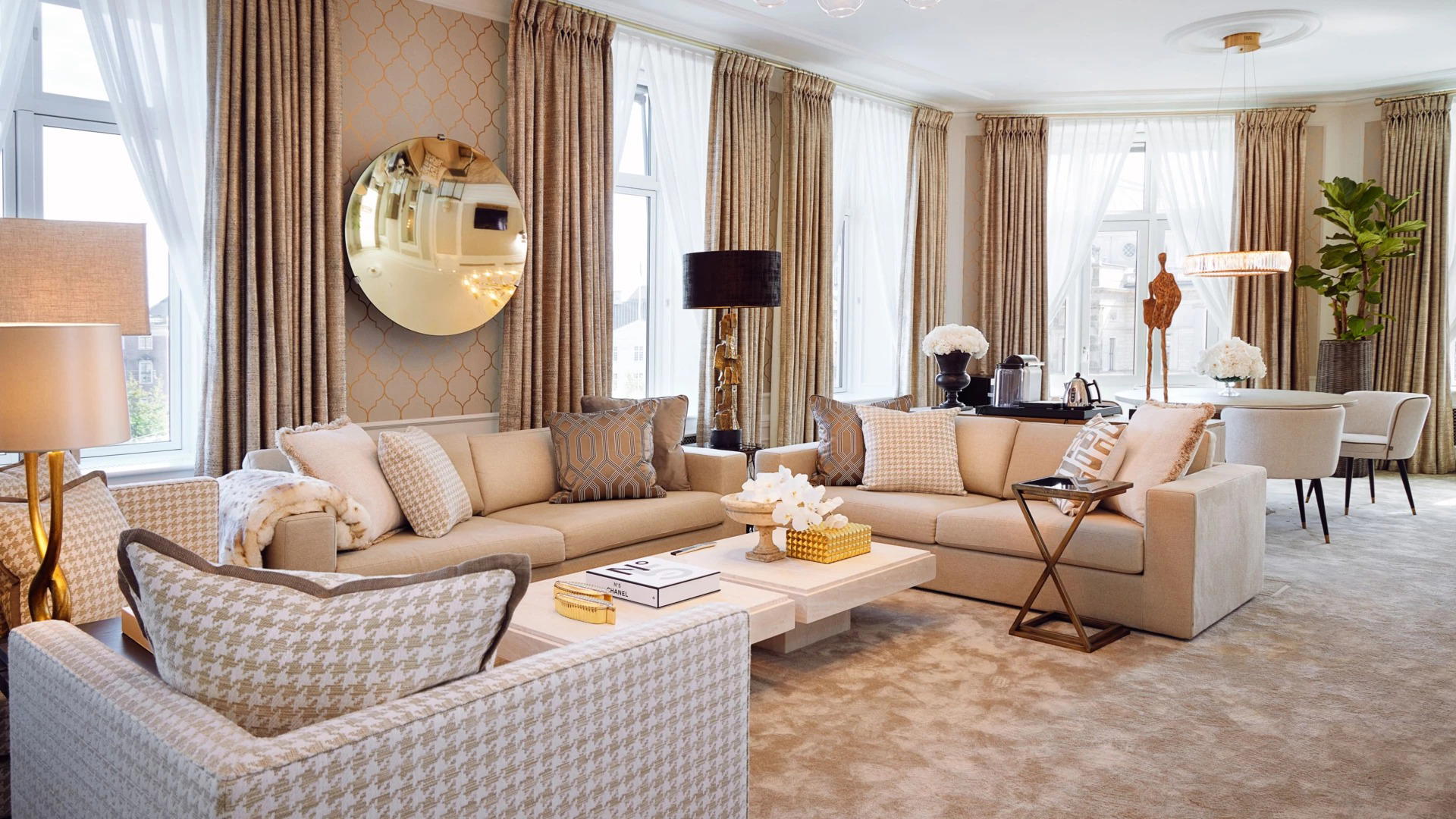
Warm and inviting with soft lighting from bespoke chandeliers, high ceilings, earthy tones of travertine and terracotta, and an energetic atmosphere enhanced by an open kitchen and lively bar area.