

Amal brings Lebanese cuisine to Toronto's Bloor Street with the kind of cultural seriousness the Middle Eastern table rarely receives in North American fine dining. Holding a Michelin Plate in both 2024 and 2025, the room sits above street level with a wine program built around Lebanese, French, and Spanish labels. Two-course meals run in the $40–$65 range, making it one of the more accessible addresses in the Annex corridor.
Pearl is the En Primeur Club membership app — saves, bookings, and concierge access live there. Same editors, same standards.
- Address
- 131 Bloor St W 2nd Floor, Toronto, ON M5S 1R1, Canada
- Phone
- +1 416-551-9929
- Website
- amaltoronto.com
- Directions
- Get directions
 Saves & bookings on Pearl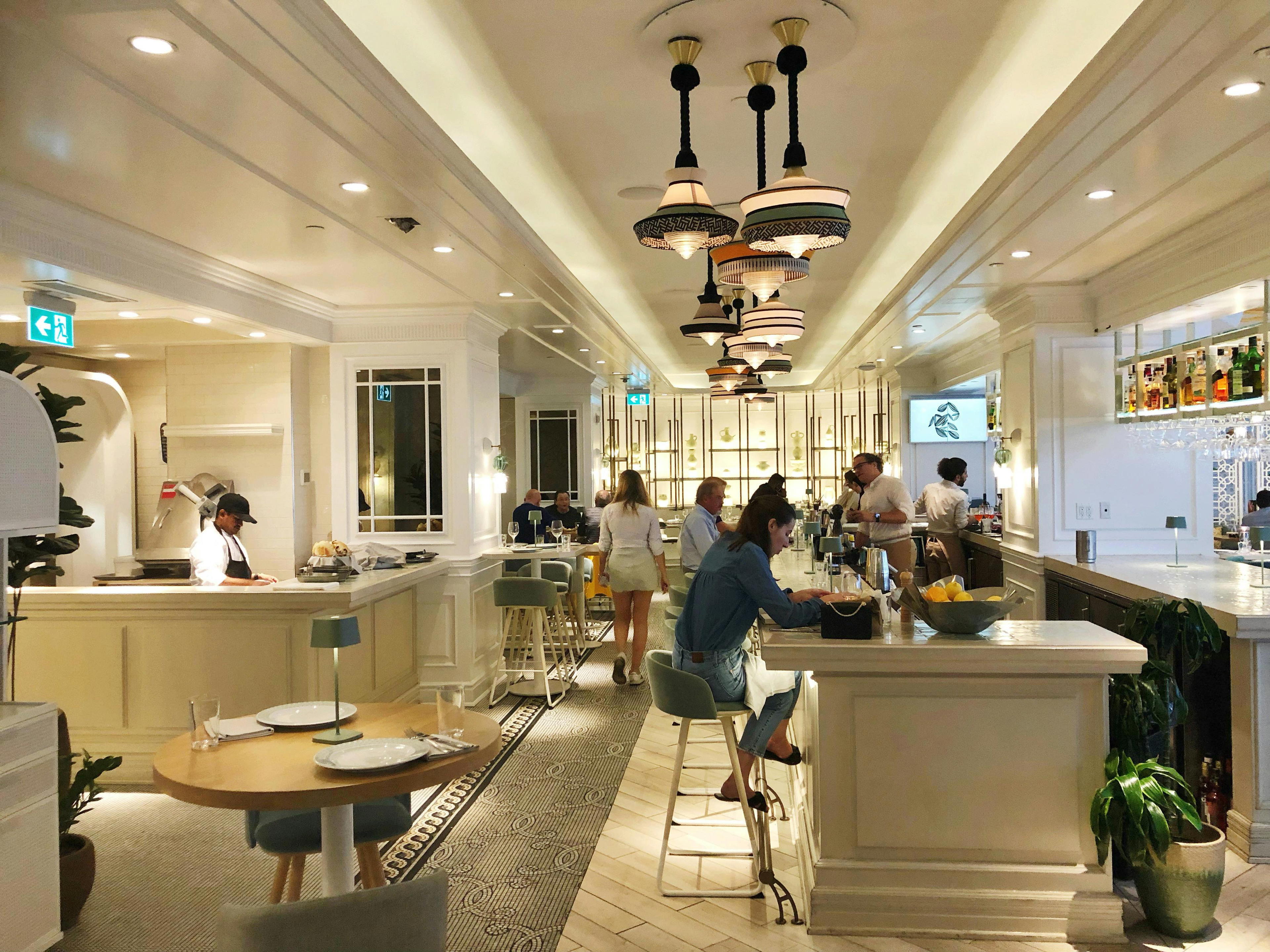
Lebanese Dining in the Fine-Dining Register
Toronto's Middle Eastern restaurant scene has long operated in a split register: family-run spots serving excellent, affordable food on one end, and Pan-Middle Eastern menus absorbed into broader Mediterranean branding on the other. Amal, a Modern Lebanese restaurant on the second floor of 131 Bloor Street West in Toronto, occupies a different position entirely.
The address matters. Bloor Street West in the Annex corridor runs between university money and old Toronto residential wealth, and the restaurants here tend to hold themselves to a certain standard of permanence. Arriving at Amal means going upstairs, which already separates the room from the street-level noise below. That physical remove sets a specific tone before anyone has looked at a menu.
The Culture Behind the Menu
Lebanese cuisine is among the more codified in the Arab world, with a grammar of mezze, grilled proteins, and herb-forward salads that has remained largely intact for centuries. What changes at the fine-dining level is not the canon but the execution: sourcing, timing, temperature, and the degree of discipline applied to dishes that are easy to rush. The Lebanese table is inherently communal and structured around abundance, which makes the translation to a plated, sequential dining format a genuine editorial decision rather than a simple repackaging.
The broader tradition of Lebanese cooking places heavy emphasis on freshness and acid balance, hummus that has been made the same day, tabbouleh where the ratio of herb to grain is taken as a point of craft, and grilled meats where the quality of charcoal and the cut of lamb carry more weight than marinades.
Amal sits within a global context where Lebanese restaurants are re-entering fine-dining conversation after years of operating primarily in the diaspora and casual register. For comparison, the Lebanese addresses that have accumulated critical attention internationally, including Al Mandaloun in Dubai and Almayass in Abu Dhabi, tend to operate in cities with large Lebanese expatriate populations, where the audience can hold the kitchen accountable to memory. Toronto has that community.
The Wine Program
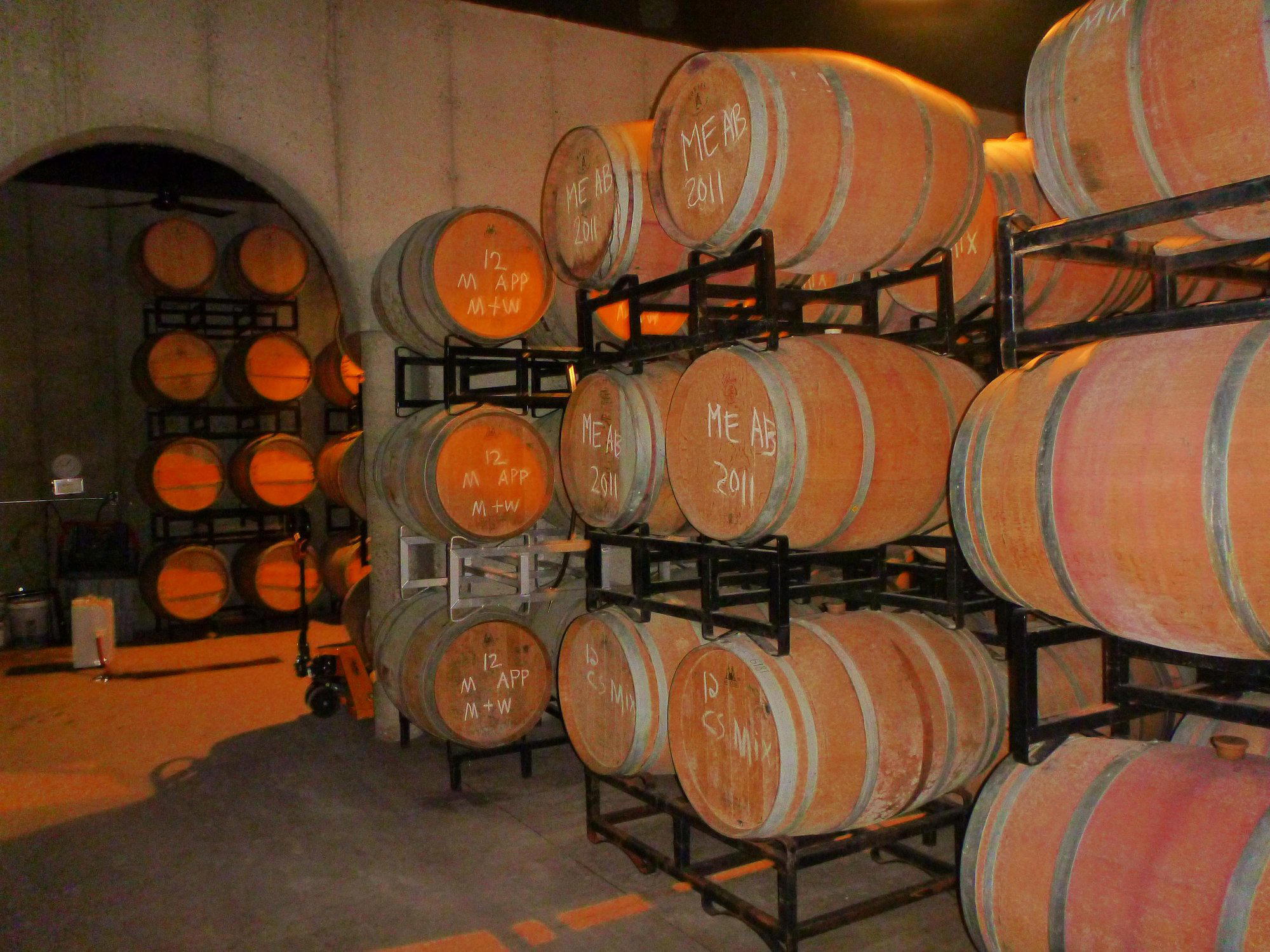
The wine list here is one of the more considered aspects of the operation and deserves attention on its own terms. Wine Director Andres Schloeter has built a list of around 160 selections across an inventory of approximately 400 bottles, with the list's three primary strengths identified as Lebanon, France, and Spain. That Lebanon leads the list is not incidental; it reflects a genuine curatorial position at a time when Lebanese wine is receiving serious international attention for the first time in decades.
Lebanese wine has a longer history than most North American drinkers realize. The Bekaa Valley has produced wine since Phoenician times, and estates like Château Musar built an international reputation through decades of difficult political conditions. The current generation of Lebanese producers, working with Cinsault, Carignan, and indigenous varieties alongside international grapes, represents a category in active evolution. A wine program that leads with Lebanon at a Lebanese restaurant is making an argument, not just filling a list.
Pricing runs at the mid-range: the list description places it at the $$$ tier. Corkage is set at $65 for those who want to bring something specific.
Where Amal Sits in Toronto's Dining Picture
Toronto's most decorated restaurants in 2024 and 2025 are concentrated in Contemporary, Japanese, and Italian categories. Alo holds a Michelin Star in the Contemporary tier at the $$$$ price point. Sushi Masaki Saito carries two Michelin Stars. Aburi Hana and Don Alfonso 1890 each hold one Star in the $$$$ bracket. DaNico covers the Italian ground at a lower price tier.
Amal operates at $$$ for the overall experience, with food pricing landing in the $$$ bracket: a typical meal runs around $60 before beverages and gratuity. That positions it below the Michelin-starred competition on price while holding Michelin recognition of its own. For a cuisine that rarely appears at this level of formal dining in Canadian cities, the positioning is notable.
Within Canada, the restaurants drawing critical attention are spread across the country. Tanière³ in Québec City, AnnaLena in Vancouver, and Jérôme Ferrer - Europea in Montréal each operate in their own regional registers. Among Ontario addresses specifically, Restaurant Pearl Morissette in Lincoln and The Pine in Creemore represent the kind of destination dining that draws visitors out of the city. Narval in Rimouski covers the Québec coastal register. Amal's significance in this landscape is that it fills a gap none of those restaurants touch: serious Lebanese cooking at a formal table, in a city with the population to sustain it.
Planning Your Visit
Similar Picks
Comparable venues nearby, for context on price, style, and recognition.
| Venue | Cuisine | Price | Notes |
|---|---|---|---|
| AmalThis venue — the venue you are viewing | Modern Lebanese | $$$ | Not listed |
| Buca | Modern Italian | $$$ | Fashion District |
| Maha's | Authentic Egyptian Brunch | $$ | Leslieville |
| Taline | Modern Armenian Fine Dining | $$$ | Yonge-St. Clair |
| Fat Pasha | Modern Middle Eastern & Jewish | $$$ | Annex |
| Ardo | Modern Sicilian | $$$ | Corktown |
Recognition history
Dated appearances from independent guides and award organizations, with the underlying list record or original source where available.
Michelin Plate
Michelin
Wine Spectator Award of Excellence
Wine Spectator
Michelin Plate
Michelin
Continue exploring
More in Toronto
Restaurants in Toronto
Browse all →
Bars in Toronto
Browse all →
Hotels in Toronto
Browse all →

At a Glance
- Elegant
- Modern
- Sophisticated
- Trendy
- Date Night
- Celebration
- Group Dining
- Special Occasion
- Open Kitchen
- Private Dining
- Live Music
- Craft Cocktails
Current opening hours
- Monday
- 5–10 PM
- Tuesday
- 11:30 AM–3 PM, 5–10 PM
- Wednesday
- 11:30 AM–3 PM, 5–10 PM
- Thursday
- 11:30 AM–3 PM, 5–11 PM
- Friday
- 11:30 AM–3 PM, 5–11 PM
- Saturday
- 10:30 AM–3 PM, 5–11 PM
- Sunday
- 10:30 AM–3 PM, 5–10 PM
Hours can change for holidays and private events. Last verified .
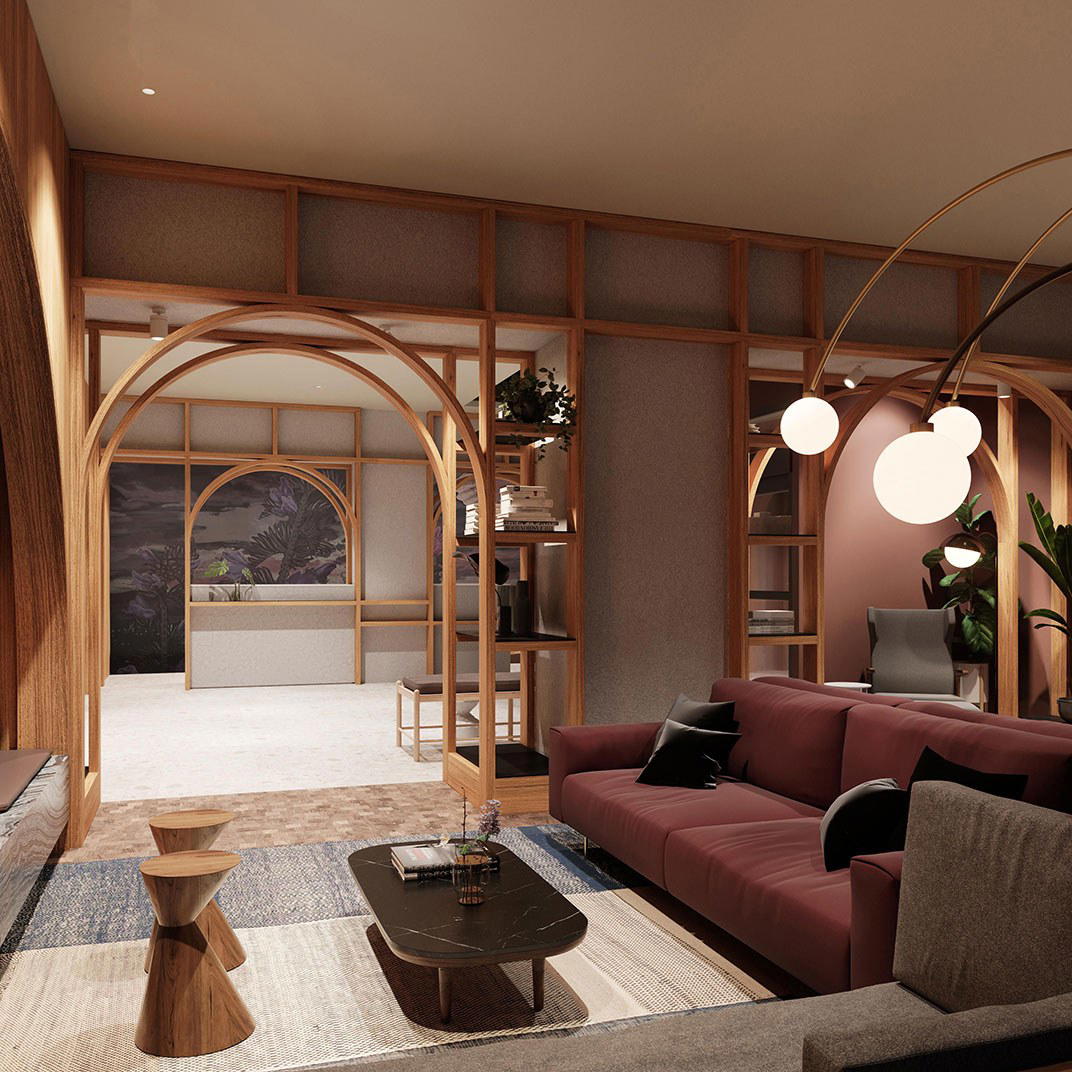
Elegant and lively with lush Lebanese-inspired decor, warm lighting, sophisticated design, and a buzzy atmosphere enhanced by live music.