Ama
Ama brings a globally-inspired approach to Boston's increasingly ambitious dining scene, where the ritual of the meal carries as much weight as the food itself. The restaurant sits within a city that has moved well past its chowder-and-lobster identity, positioning itself among a tier of Boston tables where the arc of the evening is a deliberate, paced experience. For readers weighing Boston's premium options, Ama warrants close attention.

Pearl is the En Primeur Club membership app — saves, bookings, and concierge access live there. Same editors, same standards.
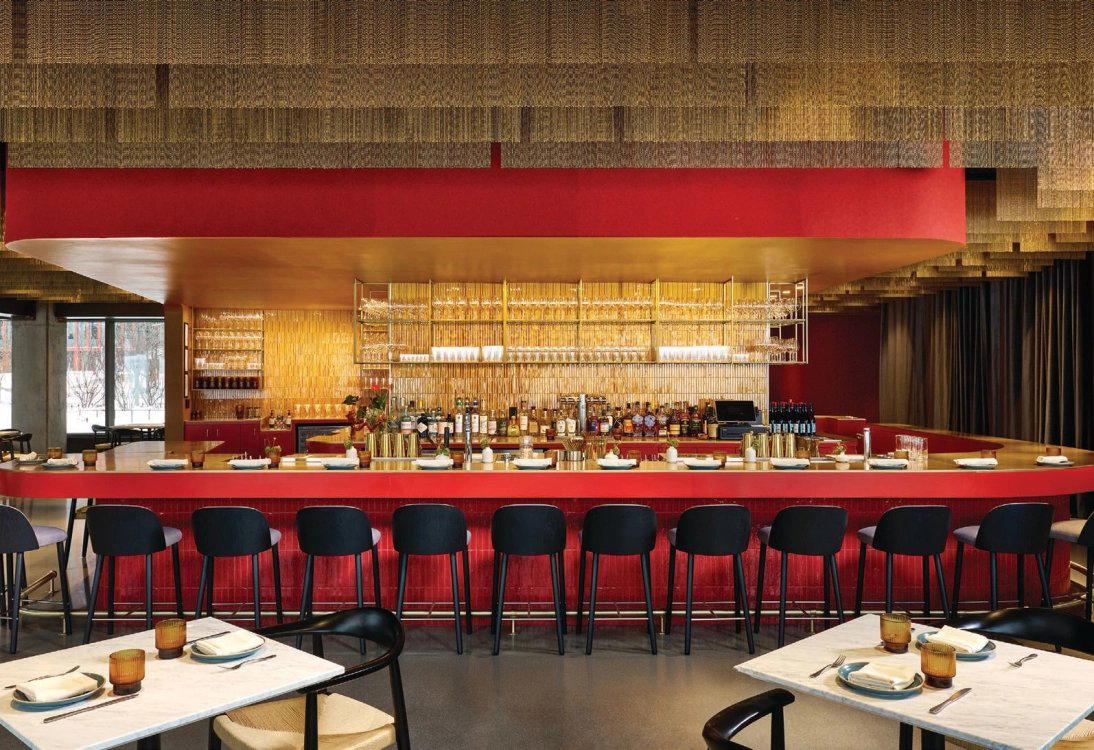
Boston's Globally-Inspired Tier and Where Ama Sits Within It
Boston's premium dining scene has spent the better part of a decade in genuine transition. The city that once defined itself narrowly through seafood and steakhouses now carries a credible roster of chef-driven rooms where the ambition runs closer to what you'd expect in New York or San Francisco than to the tourist-facing waterfront institutions that still dominate the visitor imagination. Ama operates within that shifted reality, presenting a globally-inspired format in a city where that approach is no longer eccentric but is still far from crowded at the summit tier. Compared to peers like Agosto, which anchors its tasting-menu counter in Portuguese influence, or 311 Omakase, which holds to a strict Japanese framework, Ama's globally-inspired positioning gives it a different kind of room to maneuver, and a different set of expectations to manage.
At its strongest, it produces menus with genuine intellectual structure, where cross-cultural references illuminate rather than decorate. Boston diners who have spent time at places like Atomix in New York City, where Korean fine dining achieves a precise and scholarly depth, or Alinea in Chicago, where the global reference points are filtered through a highly technical American lens, will arrive at Ama with a calibrated frame of reference. The city's own scene now supports that calibration.
The Ritual of the Meal: Pacing, Sequence, and What the Format Demands
Globally-inspired restaurants tend to live or die on the coherence of their meal arc. When a kitchen draws from multiple culinary traditions, the sequence of courses becomes the argument, the order in which flavors, textures, and cultural references arrive either builds meaning or produces noise. This is the territory where Ama operates, and where the dining ritual itself becomes the primary frame for evaluation.
The conventions worth understanding before arriving: globally-inspired formats at this level of the market typically ask diners to surrender a degree of customization in exchange for a guided experience. The kitchen's logic governs the sequence. Diners who have eaten through structured formats at The French Laundry in Napa or Single Thread Farm in Healdsburg will recognize the posture, courses arrive with intention, pacing is controlled by the room rather than the guest, and the meal is designed to be experienced in full rather than sampled selectively.
What the globally-inspired label does signal clearly is that the kitchen is not anchored to a single national tradition. That means diners should arrive without fixed expectations about dominant flavors or techniques, and should be prepared for a meal that may shift registers across courses in ways that a single-cuisine room would not. This is a different kind of attentiveness than sitting down at Abe and Louie's or 75 on Liberty Wharf, where the format is legible from the moment you open the menu.
Boston as a Context for This Kind of Dining
Understanding why a restaurant like Ama exists in Boston requires understanding how the city's dining culture has evolved. Boston is a university city with a high density of internationally mobile professionals, a factor that has driven demand for menus with broader reference points than New England regionalism can supply. The South End, the Back Bay, and the Seaport have each developed distinct dining personalities over the past decade, and the willingness of Boston diners to engage with formats previously associated only with New York or the West Coast has grown considerably.
At the more formal end of the spectrum, comparisons naturally extend outward. The globally-inspired fine dining model that Ama represents has well-developed precedents in American cities: Providence in Los Angeles and Blue Hill at Stone Barns in Tarrytown each construct coherent culinary arguments from varied reference points, and Le Bernardin in New York City demonstrates what sustained focus within a broadly European seafood tradition can achieve at the highest recognition level. Ama's challenge and opportunity is to construct its own argument within Boston's specific context, a city with serious seafood heritage, an increasingly sophisticated dining public, and a premium tier that remains less saturated than Manhattan or the Bay Area.
For travelers who have eaten at Addison in San Diego, The Inn at Little Washington, or Lazy Bear in San Francisco, the question at Ama is not whether Boston can support this level of ambition, it demonstrably can, but whether this particular room delivers the internal coherence those formats have established as the standard.
Planning Your Visit
Boston's premium dining rooms vary considerably in how far ahead they book. Rooms like 1928 Rowes Wharf draw from both a local and visitor base, and the city's conference and academic calendar creates predictable demand spikes in September and October and again in the spring graduation period. Diners planning a visit to Ama would do well to check availability several weeks in advance and to treat the meal as the focal point of an evening rather than one stop among several, globally-inspired formats at this tier are not designed for pre-theater pacing.
Diners with experience at internationally recognized globally-inspired formats, including Emeril's in New Orleans or 8 1/2 Otto e Mezzo Bombana in Hong Kong, will find the framing at Ama recognizable even if the specific culinary argument is its own. That recognizability, the shared grammar of the globally-inspired premium format, is both the category's strength and the standard against which Ama will be measured.
Cuisine and Recognition
Comparable venues nearby, for context on price, style, and recognition.
| Venue | Cuisine | Price | Notes |
|---|---|---|---|
| AmaThis venue — the venue you are viewing | Global Nepalese-Inspired Fusion | $$ | Not listed |
| Tigerbaby | East and Southeast Asian Fusion | $$ | Downtown |
| Forcella | Modern Italian | $$ | North End |
| Daily Catch | Sicilian Seafood | $$ | North End |
| Citizens House of Blues Boston | Southern American | $$ | Kenmore |
| Nando | Sicilian and Modern Italian | $$ | North End |
Continue exploring
More in Boston
Restaurants in Boston
Browse all →
Bars in Boston
Browse all →
Hotels in Boston
Browse all →

Wineries in Boston
Browse all →

At a Glance
- Modern
- Cozy
- Sophisticated
- Date Night
- Group Dining
- Casual Hangout
- Hotel Restaurant
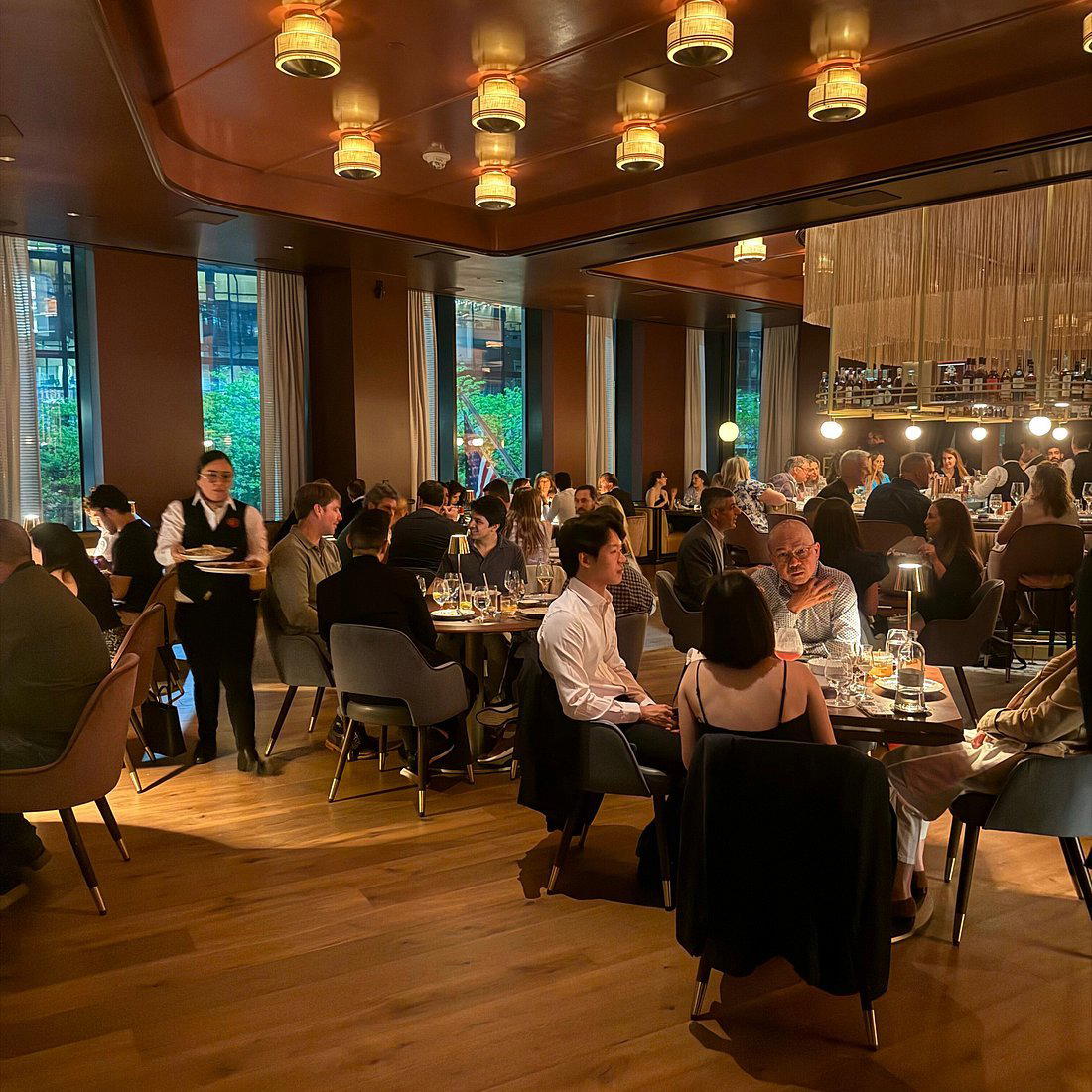
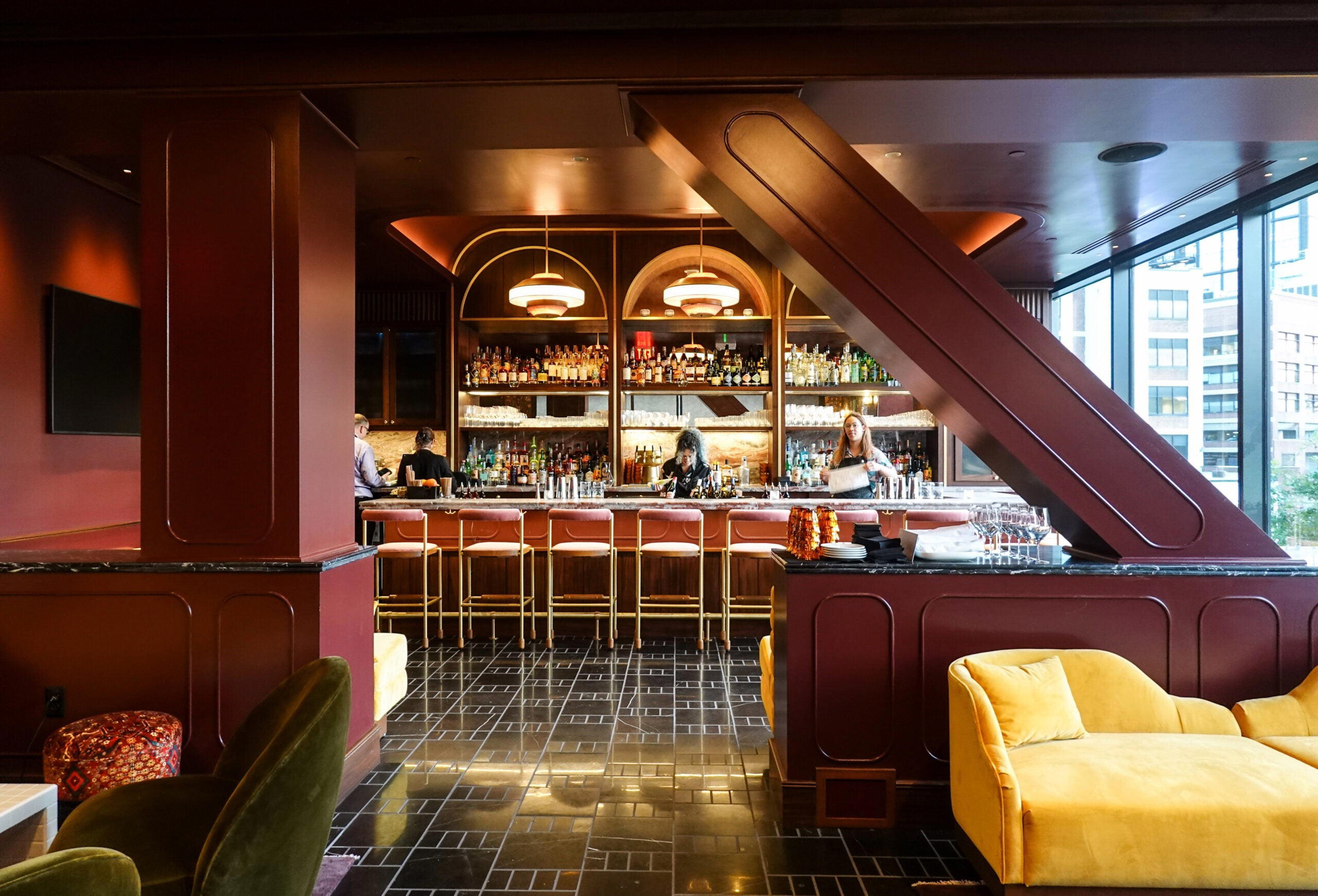
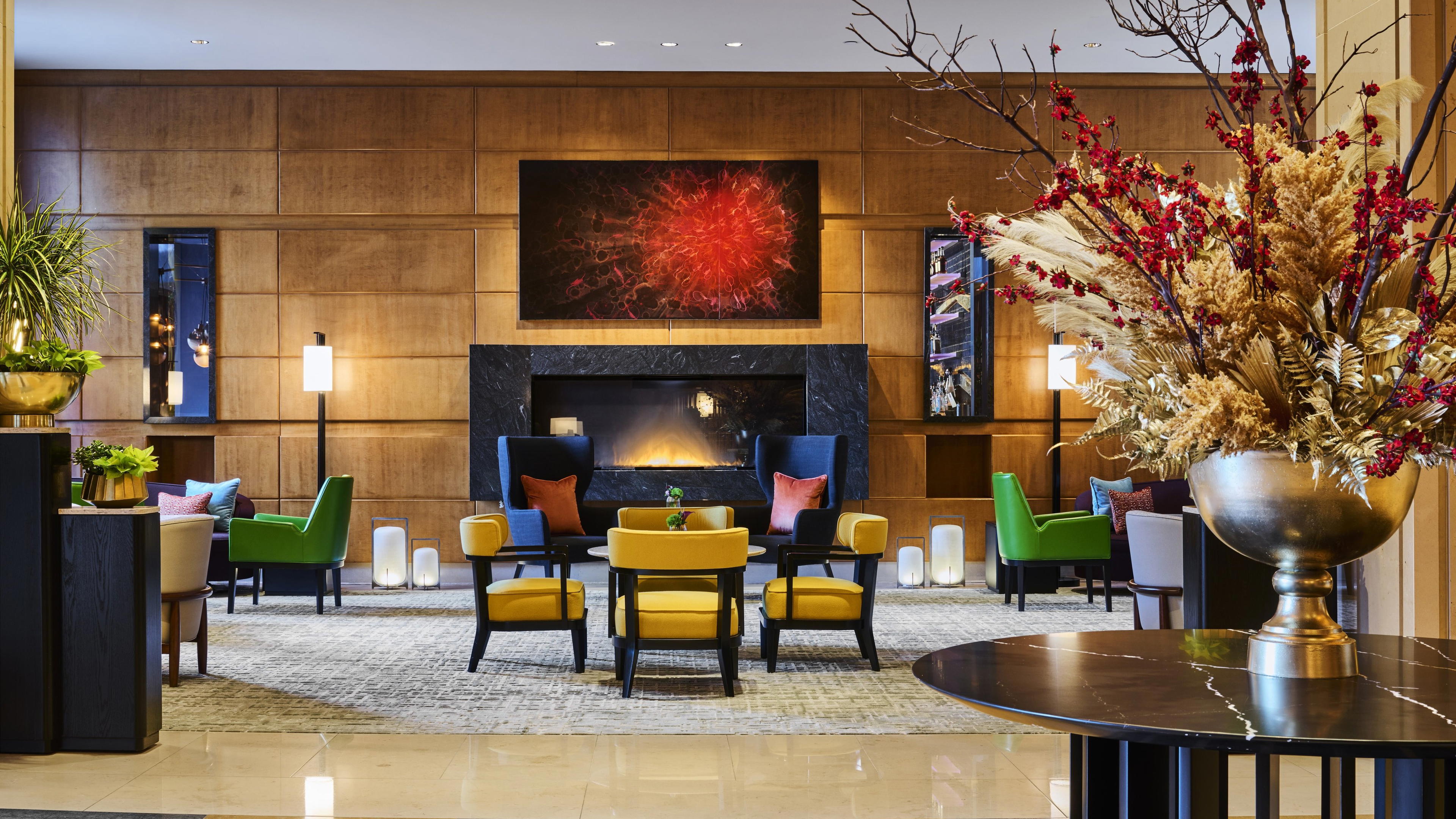
Warm and inviting atmosphere in a spacious 180-seat dining room with moderate noise levels.