Das Wolf


Michelin Plate · Falstaff Restaurant - 92 Falstaff Points
Our verdict
Das Wolf in Langenlebarn operates around a clear proposition: classic technique, high-quality ingredients, and nothing surplus to requirement. The kitchen runs two set menus, one of them vegetarian, anchored by dishes such as ikejime sea bass with charred leek and salted lemon. Austrian wines dominate a list that takes the food seriously, and the train station a short walk away makes this one of the more accessible serious restaurants in Lower Austria.

Pearl is the En Primeur Club membership app — saves, bookings, and concierge access live there. Same editors, same standards.
- Address
- Bahnstraße 58
- Phone
- +43 2272 21701
- Hours
- Mon 6–11 PMTue–Wed ClosedThu–Fri 6–11 PMSat 12–11 PMSun 12–9 PM
- Website
- daswolf.restaurant
- Directions
- Get directions
- Booking
- Book on the venue's website
The menu
What to order
- Ikejime sea bass, charred leek, salted lemon
- Scallop, kohlrabi, yellow pepper
Where the Ingredient Does the Work
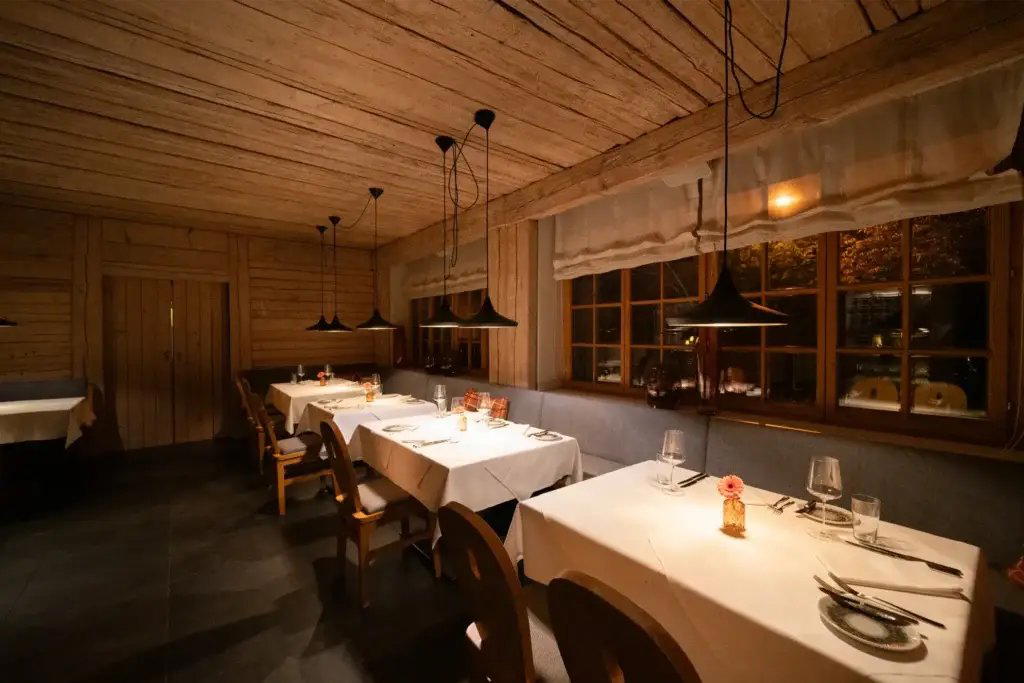
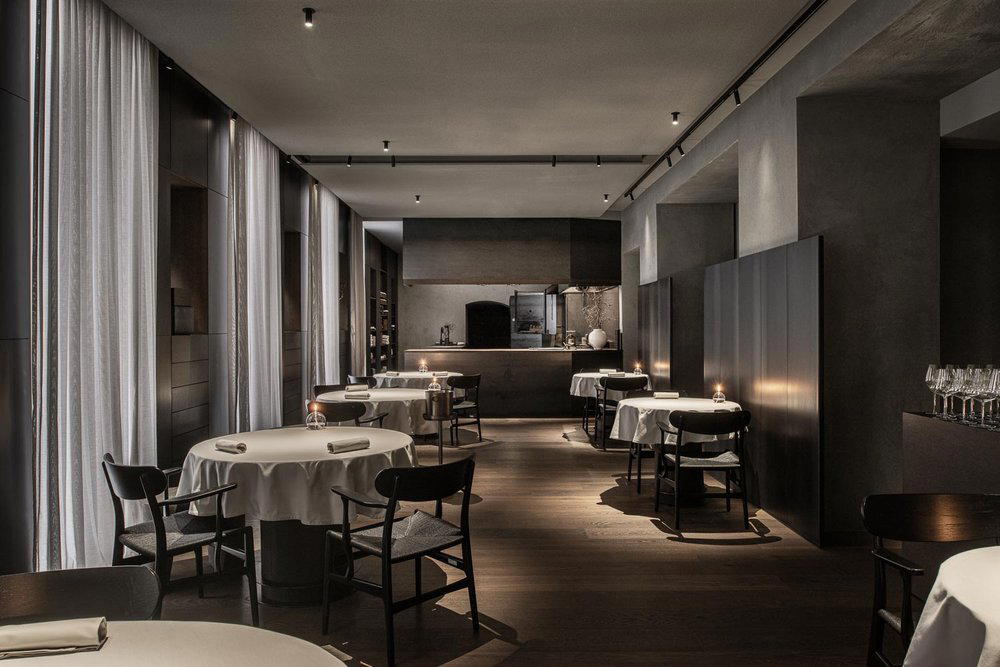
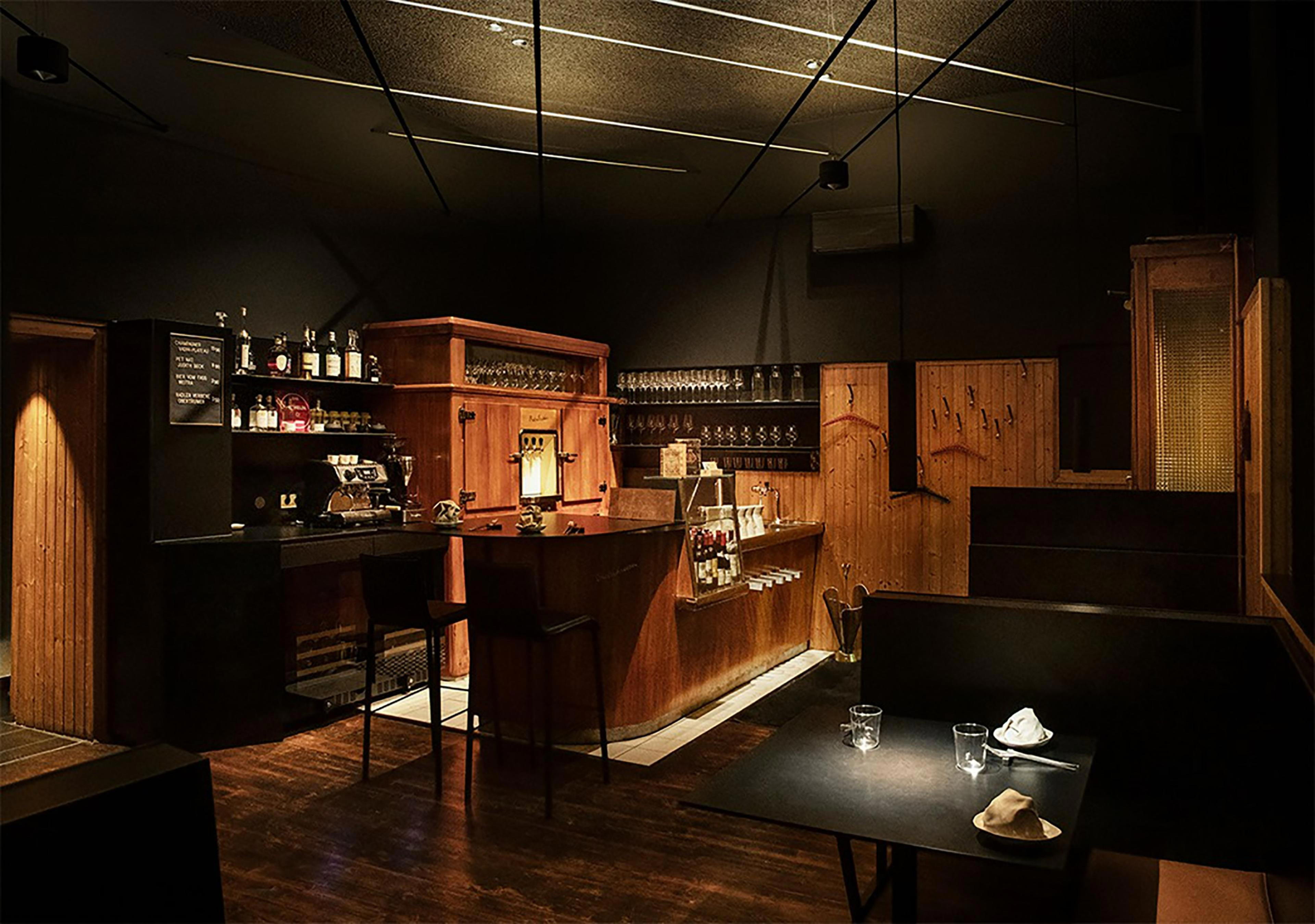
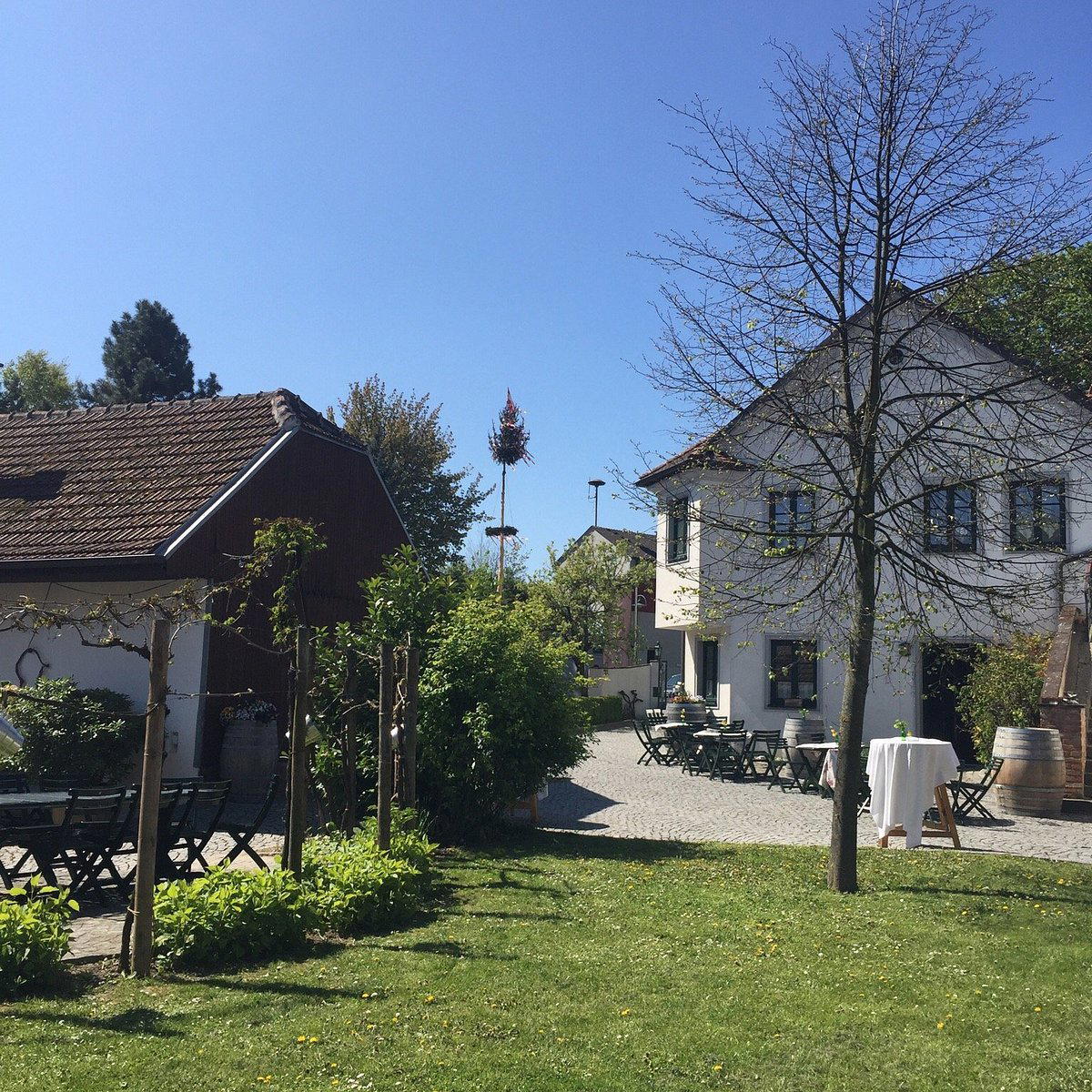
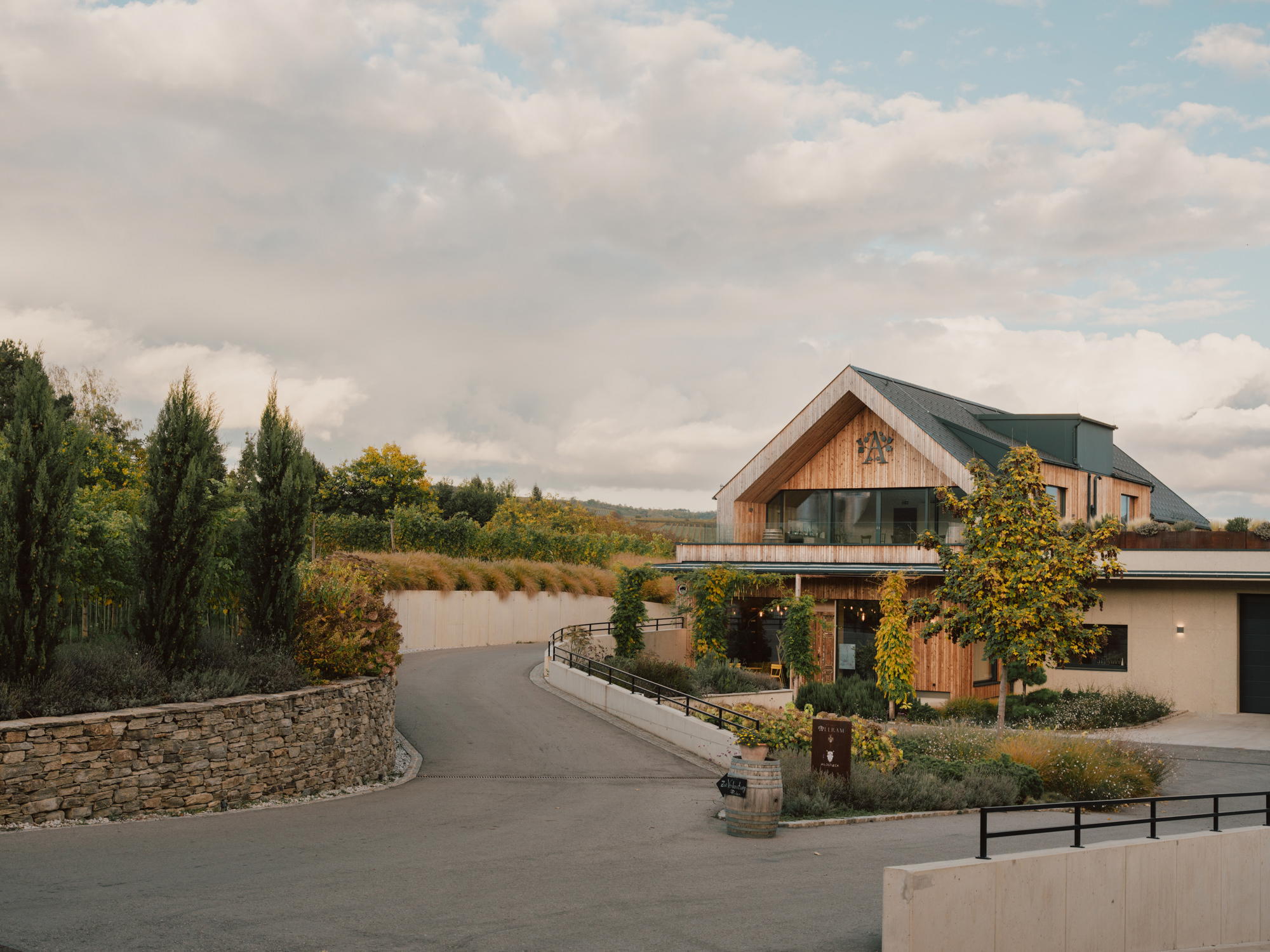
The villages that line the Tulln basin north of Vienna are not the first place most travellers think to look for serious cooking. That makes Das Wolf, on Bahnstraße in Langenlebarn, a useful corrective. The building holds multiple dining spaces, some with a rougher, more rural character, others with a cleaner contemporary finish, and in good weather a terrace opens to the outside. The physical transition between those spaces mirrors something broader happening in Austrian regional dining: a generation of kitchens that refuse the binary between rustic Gasthof and formal Haubenrestaurant, and instead occupy the space between them.
What arrives on the plate at Das Wolf reflects that positioning. The kitchen's stated commitment is to top-quality ingredients prepared without unnecessary embellishment, a phrase that in practice means classical technique applied to premium sourcing, rather than either showmanship or simplicity for its own sake. In a country where the most decorated addresses, from Steirereck im Stadtpark in Vienna to Ikarus in Salzburg, tend to build their identities around creative reinvention, Das Wolf represents the quieter discipline of letting sourcing speak.
The Sourcing Logic Behind the Menu
The choice to centre the menu on two set menus, one of which is vegetarian, is itself an ingredient-sourcing decision as much as a format one. Set-menu kitchens can plan procurement more precisely, reduce waste, and build supplier relationships around consistent volumes. The results tend to show on the plate. Dishes such as ikejime sea bass with charred leek and salted lemon, and scallop with kohlrabi and yellow pepper, point to a kitchen that is thinking carefully about where proteins come from and how they are treated before they arrive.
Ikejime is a Japanese slaughter method that minimises lactic acid build-up in fish flesh, resulting in a cleaner flavour and firmer texture over a longer window. It is still relatively uncommon in central European fine dining, and its presence here is a signal about the kitchen's procurement priorities rather than a gesture towards fusion. The produce around the fish, charred leek and salted lemon, is direct and seasonally grounded, adding character without obscuring what is already on the plate. The scallop preparation, pairing a bivalve with the mild bitterness of kohlrabi and the sweetness of yellow pepper, follows a similar logic: support the primary ingredient rather than compete with it.
For guests who prefer to eat outside the set-menu format, a smaller à la carte selection runs alongside the tasting options. It is a practical concession without compromising the kitchen's primary direction. Comparable regional kitchens in Austria, such as Landhaus Bacher in Mautern an der Donau, have long operated a similar dual structure: a tasting programme for guests who want the full scope, and shorter options for those with different expectations or schedules.
The Wine List as a Regional Argument
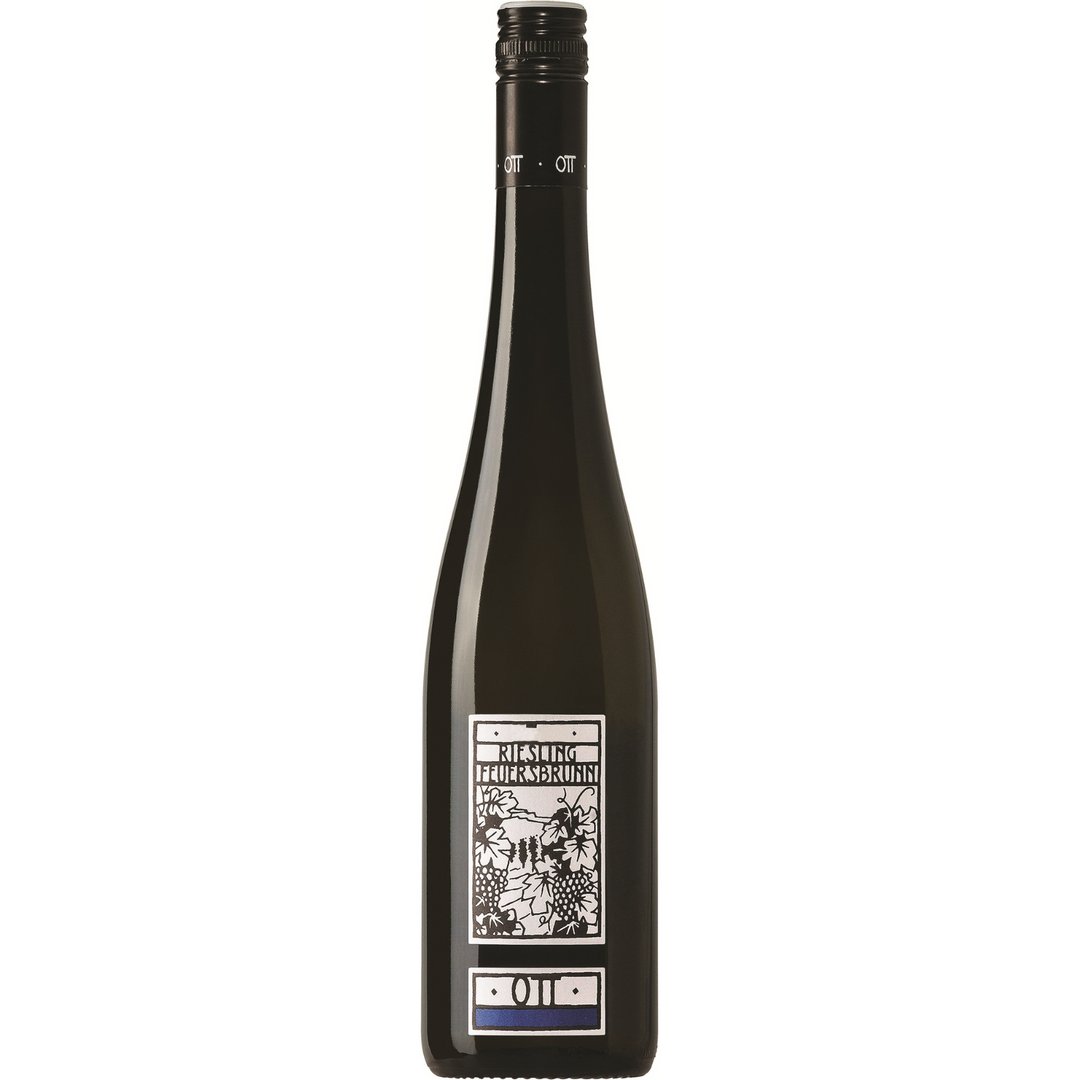
The wine list at Das Wolf draws heavily on Austrian labels, which in the context of Lower Austria is less a patriotic gesture than a geographical one. The Wagram, Kamptal, Kremstal, and Wachau wine regions sit within easy reach of Langenlebarn, producing Grüner Veltliner and Riesling that rank among Europe's most food-compatible whites. Pairing set-menu cooking with this depth of local supply makes structural sense: the kitchen and the cellar are drawing from overlapping terroirs.
Austria's wine culture has grown in international recognition since the quality reforms of the late 1980s, and the premium tier now competes credibly at the level of serious Burgundy and Alsace whites. A list that leans into this regional depth, rather than defaulting to international names, reflects the same sourcing discipline visible in the food. For guests exploring the broader Austrian table, the wine list at Das Wolf doubles as a reasonably compact orientation. Those wanting a wider view of where Austria's dining scene sits can also check Obauer in Werfen, Kräuterreich by Vitus Winkler in Sankt Veit im Pongau, or Griggeler Stuba in Lech for the range of registers Austrian and alpine cooking occupies.
Getting There and Planning the Visit
Langenlebarn sits in the Tulln district of Lower Austria, and Das Wolf's address on Bahnstraße is accurate in the most literal sense: the restaurant is within walking distance of the local train station, making it one of the few serious regional restaurants in this part of Austria that does not require a car or taxi to reach. For guests travelling from Vienna, that accessibility changes the calculation considerably. A commitment to a long tasting menu with wine is more comfortable when there is no driving decision at the end of the evening.
Those planning a broader Lower Austria itinerary can find more context in our full Langenlebarn restaurants guide, as well as our Langenlebarn hotels guide, bars guide, wineries guide, and experiences guide. For regional dining at a comparable register, Floh in Langenlebarn offers another local reference point worth considering. Further afield within Austria, Schwarzer Adler in Hall in Tirol, Restaurant 141 by Joachim Jaud in Mieming, and Gourmetrestaurant Tannenhof in Sankt Anton am Arlberg each illustrate how the country's regional fine-dining scene distributes across different geographies and styles. For a sense of how the set-menu and ingredient-led approach plays out at the highest international level, Le Bernardin in New York City and Emeril's in New Orleans provide useful points of contrast in how kitchens elsewhere build their identities around product discipline. Ois in Neufelden rounds out the picture of what serious cooking in Austrian market towns looks like outside the main urban centres.
Frequently asked questions
Would Das Wolf be comfortable with kids?
Das Wolf runs its kitchen around two structured set menus, which sets a deliberate pace and tone that skews toward adults with an interest in the cooking. That said, a small à la carte selection runs alongside the tasting programmes, which gives families some flexibility without having to commit to a full sequence. The terrace also offers a more relaxed setting than the indoor rooms.
What should I expect atmosphere-wise at Das Wolf?
Das Wolf uses several distinct spaces rather than a single dining room: some have a rustic character, others read as more contemporary, and the terrace is an option when weather allows. The address on Bahnstraße in Langenlebarn is deliberately unglamorous, which matches the kitchen's ethos of ingredient clarity over surface theatre. Arrive without expecting a formal fine-dining interior and you'll find something more considered.
Has Das Wolf won any awards?
Das Wolf has received recognition including: Here, you can expect classic cuisine made with top-notch ingredients and free of unnecessary embellishments. It is the pair of set menus, one of which is vegetarian, that are the centrepiece. Standout dishes include "ikejime sea bass, charr….
What should I eat at Das Wolf?
Book the set menu rather than defaulting to à la carte. The kitchen is structured around those sequences, and documented standout dishes include ikejime sea bass with charred leek and salted lemon, and scallop with kohlrabi and yellow pepper — precise combinations that rely on sourcing rather than elaboration. The vegetarian set menu is a full alternative, not an afterthought, and the Austrian-focused wine list pairs well with either route.
Comparable Spots, Quickly
Comparable venues nearby, for context on price, style, and recognition.
| Venue | Cuisine | Price | Awards | Notes |
|---|---|---|---|---|
| Das WolfThis venue — the venue you are viewing | Contemporary Classic Austrian | Not listed | Michelin Plate · Falstaff Restaurant - 92 Falstaff Points | Not listed |
| Floh | Regional Austrian | $50–100 | Michelin Bib Gourmand · Star Wine List | Langenlebarn |
| Kommod | Modern Art-Inspired Tasting Menu | $100–150 | Michelin Plate | Josefstadt |
| Am Mahrbach | Seasonal Farm-to-Table Austrian | $150–200 | 1 Michelin Star | Königsdorf, Burgenland |
| Buxbaum | Modern Austrian | $50–100 | Michelin Plate | Innere Stadt |
| AURUM | Modern Austrian Fine Dining | $100–150 | Michelin Plate | central Gmunden |
Recognition history
Dated appearances from independent guides and award organizations, with the underlying list record or original source where available.
Michelin Plate
Michelin
Falstaff Restaurant - 92 Falstaff Points
Falstaff
Continue exploring
More in Langenlebarn
Restaurants in Langenlebarn
Browse all →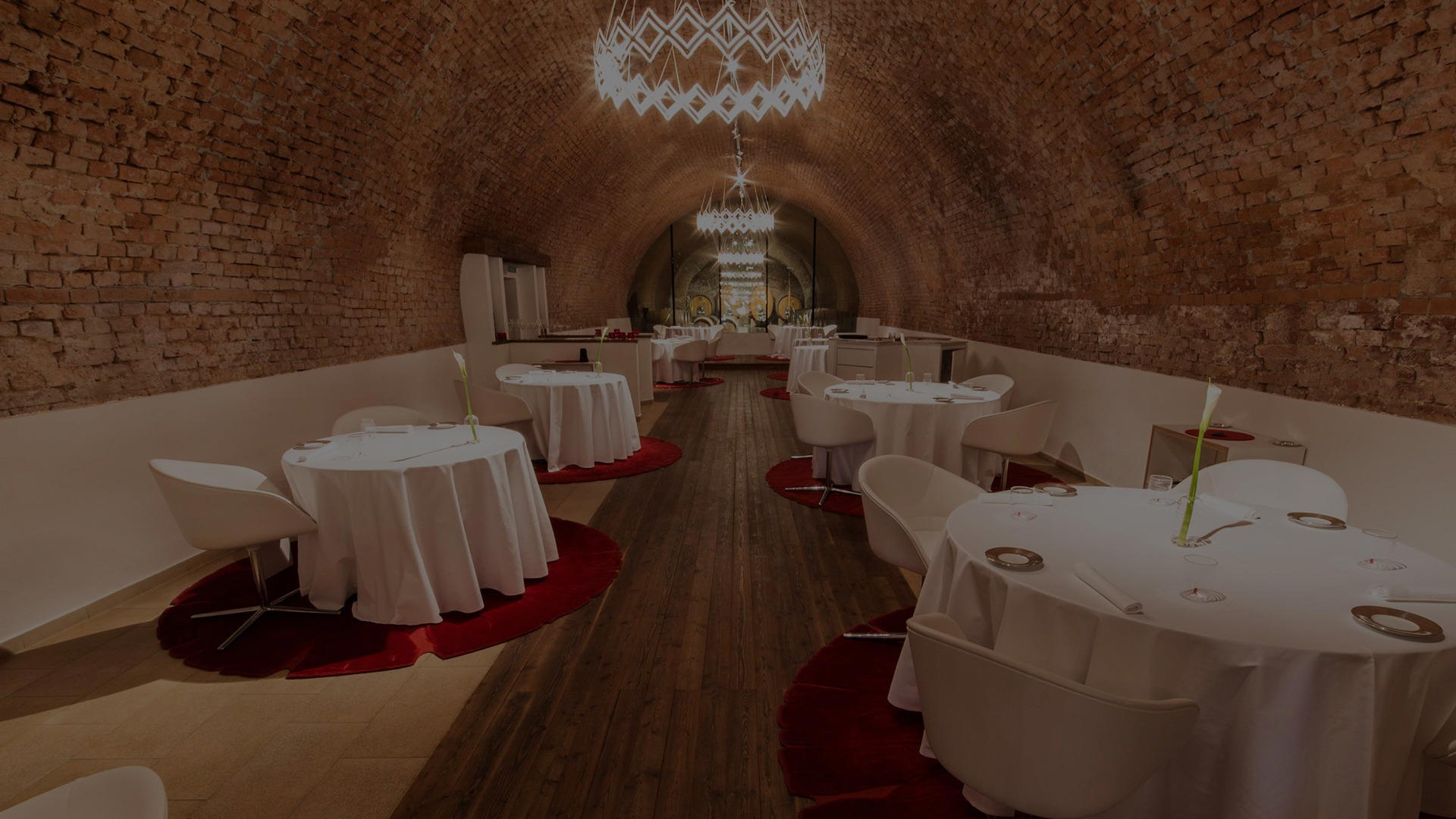
Bars in Langenlebarn
Browse all →
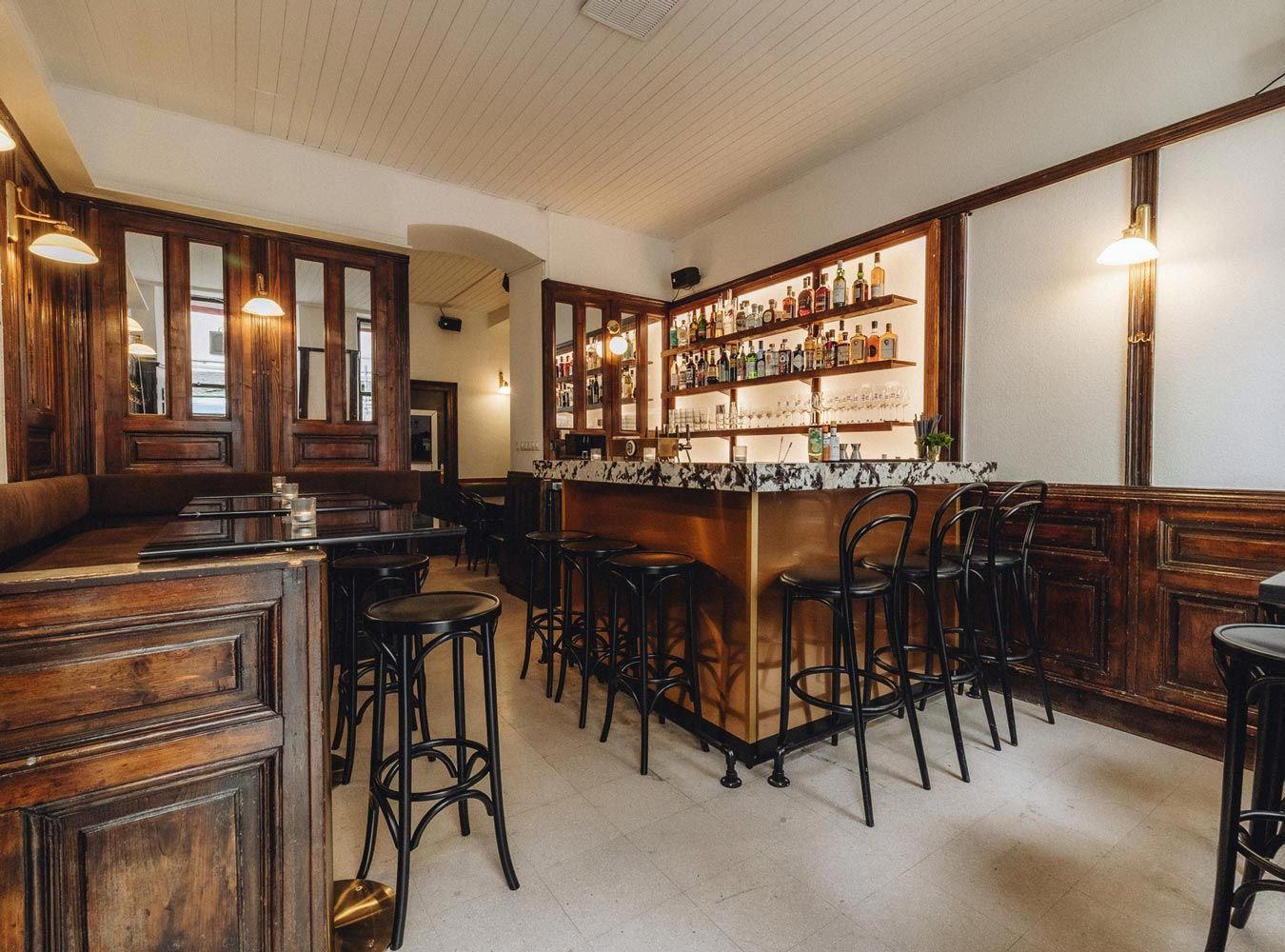

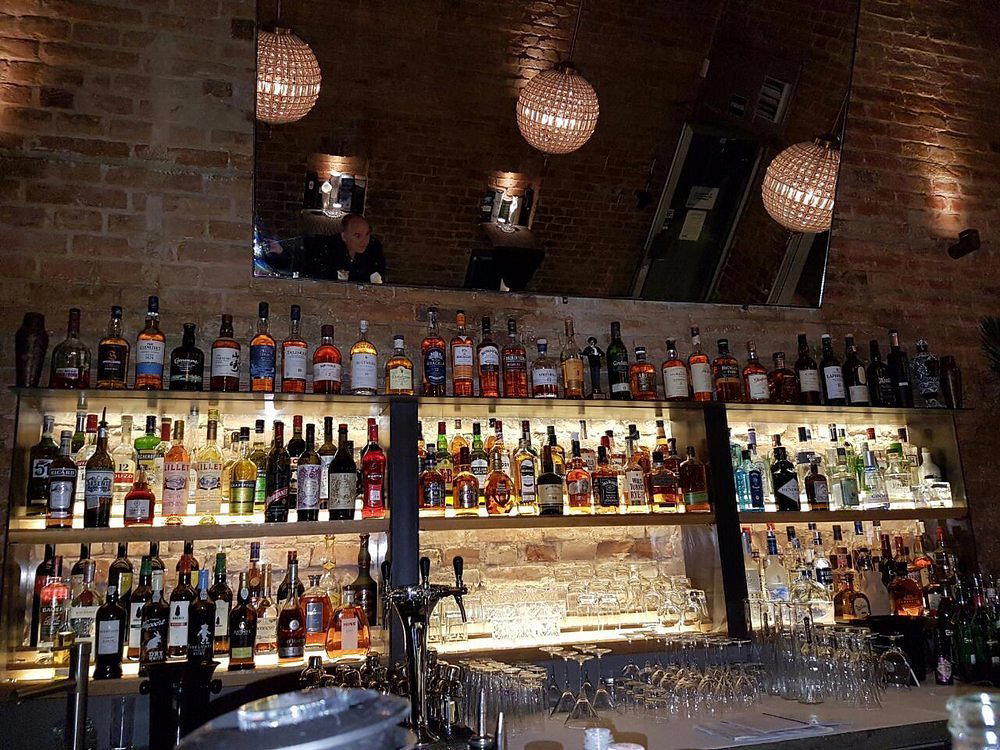
Hotels in Langenlebarn
Browse all →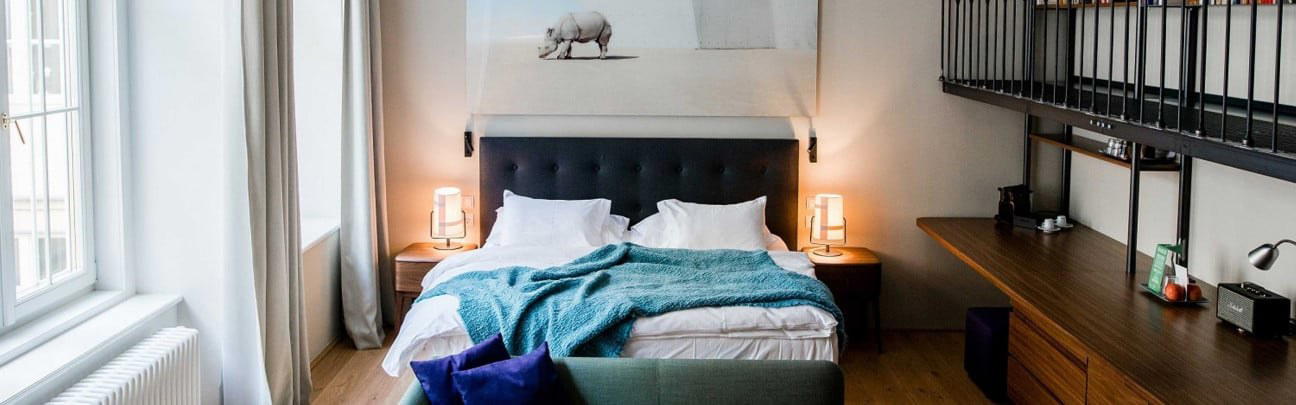
Das Wolf
The wine
- Wine program
- Curated wine list
- Extensive wine list
Details
- Rustic
- Modern
- Elegant
- Cozy
- Date Night
- Special Occasion
- Terrace
- Extensive Wine List
- Set Menu
- A La Carte
- Vegetarian Friendly
Current opening hours
- Monday
- 6–11 PM
- Tuesday
- Closed
- Wednesday
- Closed
- Thursday
- 6–11 PM
- Friday
- 6–11 PM
- Saturday
- 12–11 PM
- Sunday
- 12–9 PM
Hours can change for holidays and private events. Last verified .
Served in different spaces with a rustic feel, others more modern, or out on the terrace, creating a stylish and cozy atmosphere.