Elastika
Our verdict
Elastika occupies a distinctive position in Miami's MiMo corridor at 191 NE 40th Street, drawing a loyal following that returns not for novelty but for consistency. Set against the design energy of the Design District's northern edge, it operates in the tier of Miami restaurants where atmosphere and intention carry as much weight as the plate. For visitors tracking the city's serious dining scene, it belongs on the same shortlist as Boia De and Ariete.
- Address
- 191 NE 40th St, Miami, FL 33137
- Phone
- (305) 209-3100
- Website
- elastikamiami.com
- Directions
- Get directions
The menu
What to order
- Citrus Cured Kingfish Crudo
- Eggplant and Sheep's Milk Ravioli Serviettes
- Grilled Heritage Pork Ribeye
- Heirloom Tomato Gazpacho
- Scallop Crudo
- Spicy Beef Tartare
Where MiMo Meets Intention: The Scene at Elastika
The stretch of NE 40th Street that runs through Miami's MiMo district occupies an interesting middle ground: close enough to the Design District's gallery energy to absorb its aesthetic seriousness, far enough removed from Wynwood's foot-traffic tourism to feel like a place people seek rather than stumble upon. Elastika sits at 191 NE 40th Street, inside that corridor, and the address alone tells you something about the kind of diner it draws. This is not a restaurant you discover by accident on a Saturday afternoon walk. You find it because someone who has been there three times already told you to go.
That pattern of word-of-mouth loyalty is worth examining, because it says something broader about how a certain category of Miami restaurant sustains itself outside the awards cycle. In a city where new openings in Brickell and Edgewater generate coverage faster than they generate regulars, the MiMo and Design District corridor has become something of a counterweight: smaller footprints, less spectacle, more return visits. Boia De built its reputation on exactly this dynamic, and Ariete in Coconut Grove follows a similar logic. Elastika occupies a comparable niche in its own pocket of the city.
The Regulars' Case: What Keeps People Coming Back
The restaurants that develop genuine regulars in Miami tend to share a structural quality: they offer something that rewards familiarity. A menu that shifts enough to justify return visits, a room that feels different once you know where to sit, a staff cadence that changes once you're recognized. The drop-in tourist and the third-time diner are having different experiences in the same room, and the better restaurants in this tier are deliberately designed for the latter.
This is the framework through which Elastika makes most sense. Its location in the MiMo district places it adjacent to a design-literate, aesthetically attentive local clientele: gallery owners, architects, the kind of Miami resident who has opinions about mid-century preservation. That audience tends to be exacting and not easily impressed by novelty alone, which means a restaurant that holds their attention over multiple visits has cleared a meaningful bar.
Compare this to the dynamics at the higher-volume end of Miami's serious dining market. Cote Miami at the $$$ tier operates on a different kind of energy: theatrical format, destination-diner appeal, a concept legible on first visit. L'Atelier de Joël Robuchon Miami brings European fine dining infrastructure to a city that increasingly demands both technical rigor and local character. Elastika's competitive set is neither of those. It is closer to the smaller, neighborhood-embedded category where the restaurant's relationship with its regulars is the actual product.
Miami's Design District Dining Context
Understanding Elastika requires understanding what the Design District and its northern MiMo fringe have become as dining territory. The district's core around NW 2nd Avenue and 39th Street has attracted serious restaurant investment over the past decade, partly because the foot traffic from luxury retail and gallery openings creates a viable dinner economy, and partly because the area's architectural character attracts operators who care about environment as much as menu. This is not accidental. The Design District has been deliberately positioned as a cultural and culinary zone, and that positioning has filtered the kind of restaurants that open and survive there.
Within that context, the restaurants that sustain a local following rather than a tourist one tend to occupy specific price and format positions. At the $$$$ end, tasting-menu formats like those found at Ariete attract the occasion diner. At the $$$ level, places like Boia De and Cote Miami have built loyal bases through consistency and value within a premium frame. The restaurants that hold a neighborhood's loyalty over years rather than months are usually the ones that get this positioning right from the start.
For Miami dining comparisons that extend beyond the city, the structural parallels are instructive. Smyth in Chicago and Lazy Bear in San Francisco both operate in neighborhoods where design and culinary culture overlap, and both have built the kind of regular clientele that sustains a restaurant through market fluctuations. Providence in Los Angeles and Addison in San Diego demonstrate how restaurants at the serious end of regional American dining hold their footing through technical consistency rather than concept novelty. Elastika's challenge and opportunity sit in that same territory.
What the Serious Miami Diner Reads Into the Address
In Miami, address carries information. The 191 NE 40th Street location signals proximity to the Design District without being absorbed into its most commercial blocks. That positioning is a deliberate statement about the kind of diner being sought. It is not the Brickell power-lunch crowd, not the South Beach table-for-twelve celebratory diner. It is the resident or informed visitor who cross-references restaurant choices, who has already worked through ITAMAE's Peruvian-Japanese precision, and who is now looking for something that holds up over multiple visits rather than delivering a single peak experience.
That reader, who is probably also tracking Miami's place within a broader American fine dining conversation that includes Le Bernardin in New York City, The French Laundry in Napa, Blue Hill at Stone Barns in Tarrytown, and Single Thread Farm in Healdsburg, will find in Elastika's location and neighborhood context a familiar logic: a restaurant embedded in creative infrastructure, aimed at a return-visit audience rather than a one-time spectacle seeker.
For a fuller map of where Elastika sits within Miami's current dining field, see our full Miami restaurants guide.
Know Before You Go
- Address: 191 NE 40th St, Miami, FL 33137
- Neighborhood: MiMo / Design District northern corridor
- Hours: Confirm with venue before visiting
- Parking: Street parking available on NE 40th St; Design District garages within walking distance
Frequently asked questions
Can I bring kids to Elastika?
Miami's Design District dining corridor, where Elastika is located, skews toward adult occasion dining rather than family formats.
What kind of setting is Elastika?
If you are in Miami and drawn to restaurants that reward familiarity over spectacle, Elastika's MiMo corridor location suggests a design-attentive room aimed at a local, return-visit audience.
What do people recommend at Elastika?
Given its position in a neighborhood that rewards regular diners, ask staff what the kitchen has been focused on recently, as this tier of Miami restaurant tends to shift emphasis seasonally rather than maintaining a fixed signature structure.
Is Elastika in the Design District or MiMo, and does the distinction matter for planning?
Elastika's address at 191 NE 40th Street places it in the MiMo (Miami Modern) historic district, immediately north of the Design District's main commercial blocks. The practical distinction matters for navigation and expectation: MiMo restaurants tend to draw a more neighborhood-embedded clientele than the Design District's retail-anchored foot traffic would suggest. For visitors also planning stops at nearby ITAMAE or considering the broader Miami serious dining circuit that includes Boia De, building an evening around this northern corridor is worth the deliberate routing.
At a Glance
A quick peer reference to anchor this venue in its category.
| Venue | Cuisine | Price | Awards | Notes |
|---|---|---|---|---|
| ElastikaThis venue — the venue you are viewing | Modern American with Mediterranean Influences | Not listed | Not listed | Not listed |
| Cote Miami | Modern Korean Steakhouse with Table-Side BBQ | $150–200 | 1 Michelin Star · La Liste Top Restaurants | Korean Steakhouse, Korean |
| Ariete | Modern Cuban-American Fine Dining | $150–200 | 1 Michelin Star · Star Wine List | Modern American, Contemporary |
| Boia De | Modern Italian-Inspired | $50–100 | 1 Michelin Star · Star Wine List | Italian, Contemporary |
| Stubborn Seed | Modern American Fine Dining | $200–300 | 1 Michelin Star | Progressive American, Contemporary |
| Los Fuegos by Francis Mallmann | Argentinian Open-Fire Asado Steakhouse | $200–300 | Michelin Plate · Forbes 4-Star | Argentinian |
Continue exploring
More in Miami
Restaurants in Miami
Browse all →
Details
- Elegant
- Modern
- Sophisticated
- Well Known
- Date Night
- Business Dinner
- Special Occasion
- Design Destination
- Historic Building
- Open Kitchen
- Private Dining
- Craft Cocktails
- Farm To Table
- Local Sourcing
- Sustainable
- A La Carte
- Small Plates
- Craft Cocktails
- Wine
- Vegetarian Friendly
- Allergy Accommodating
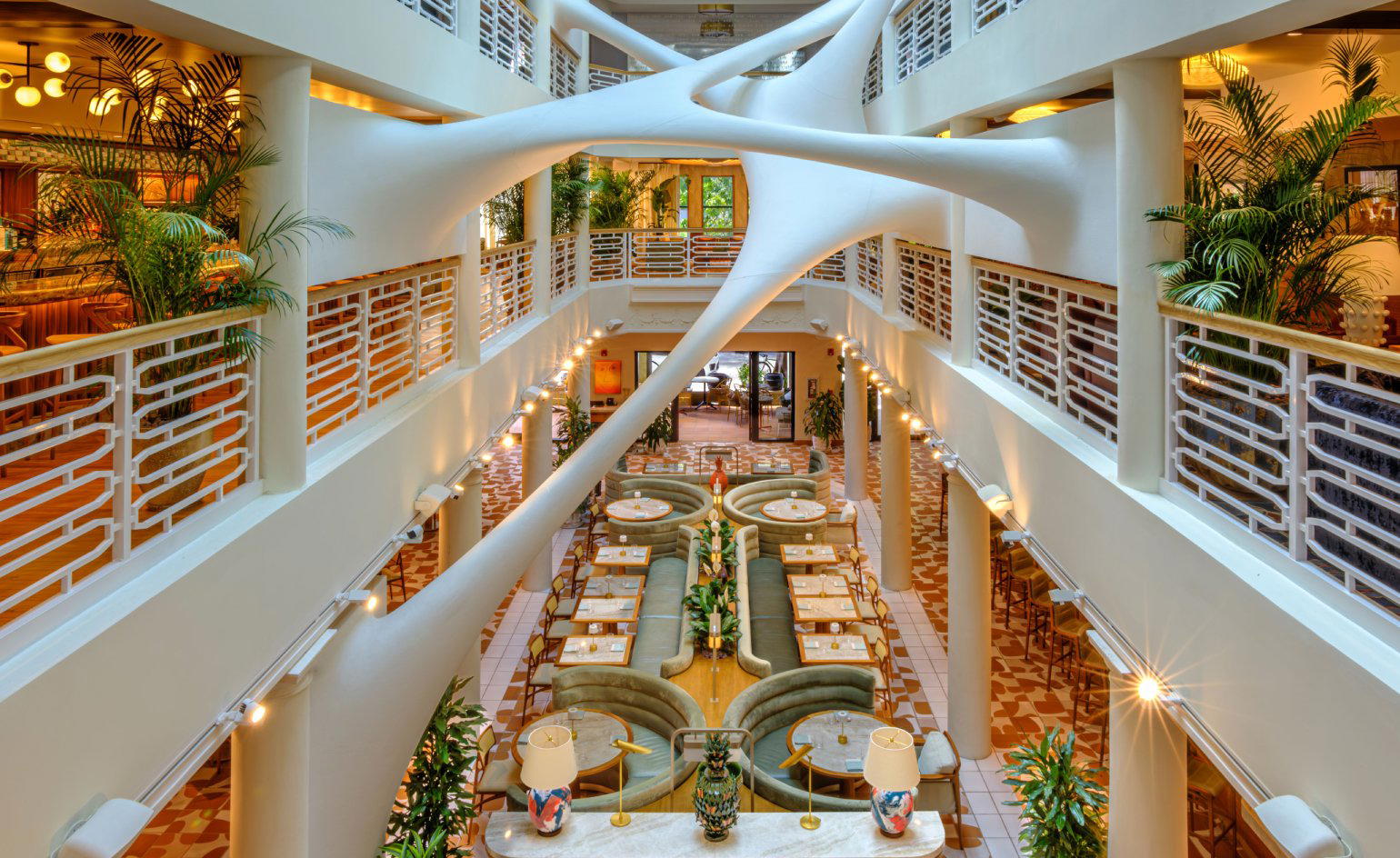
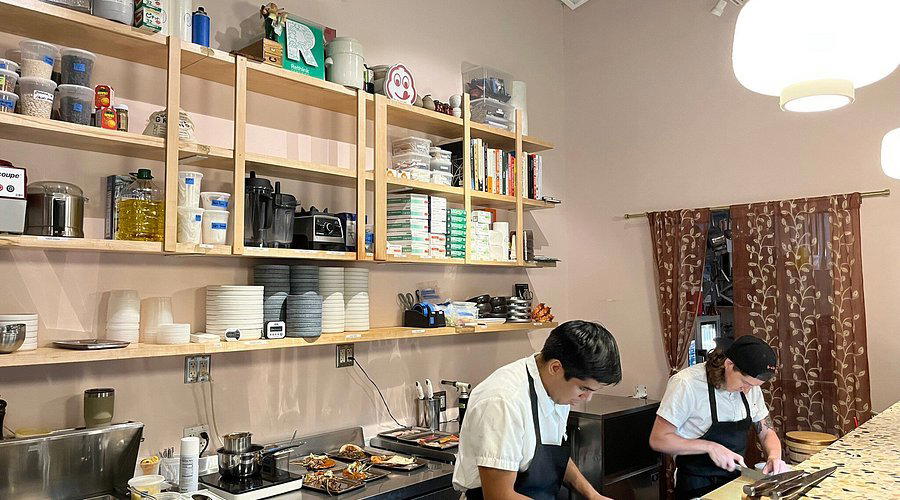
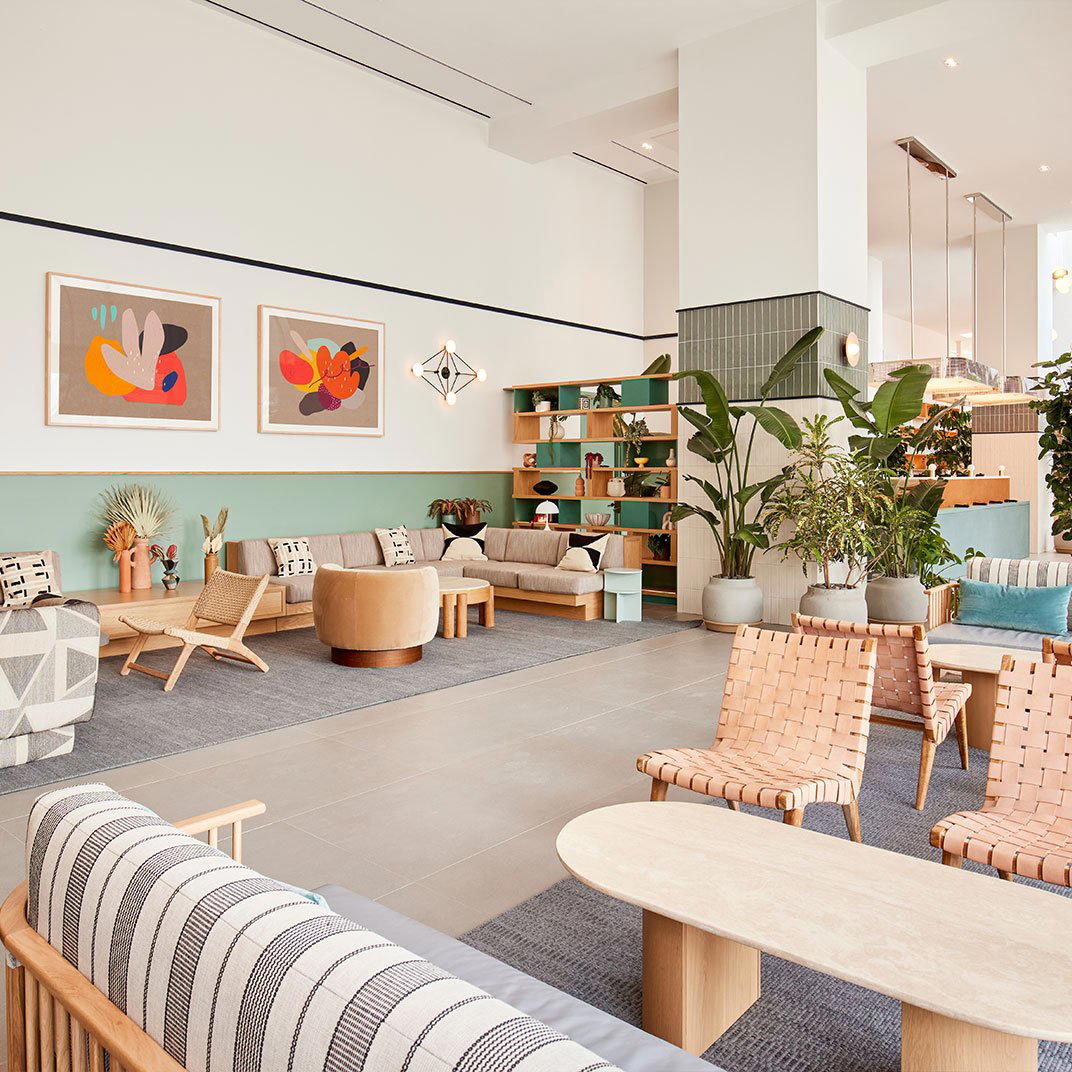
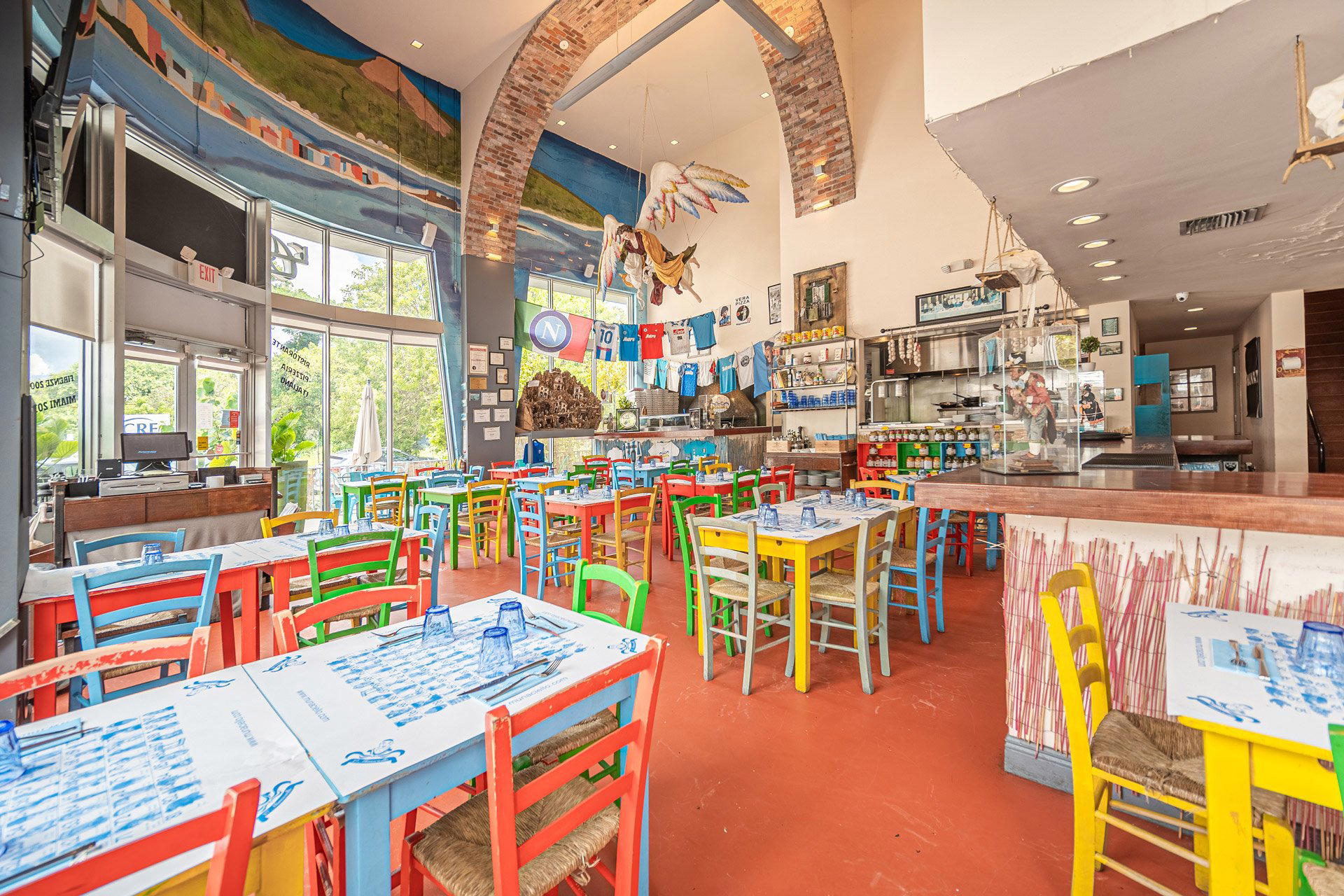
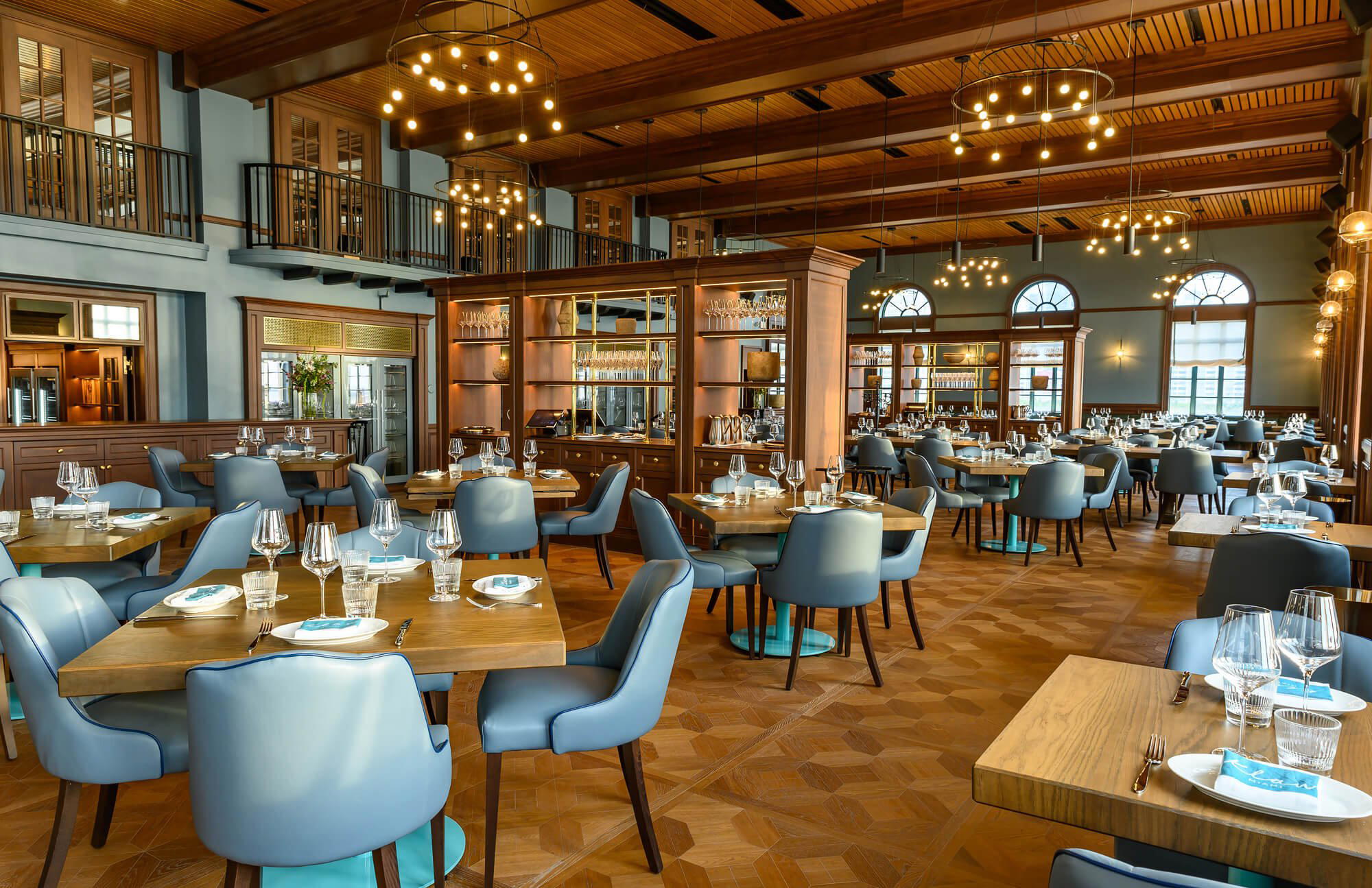
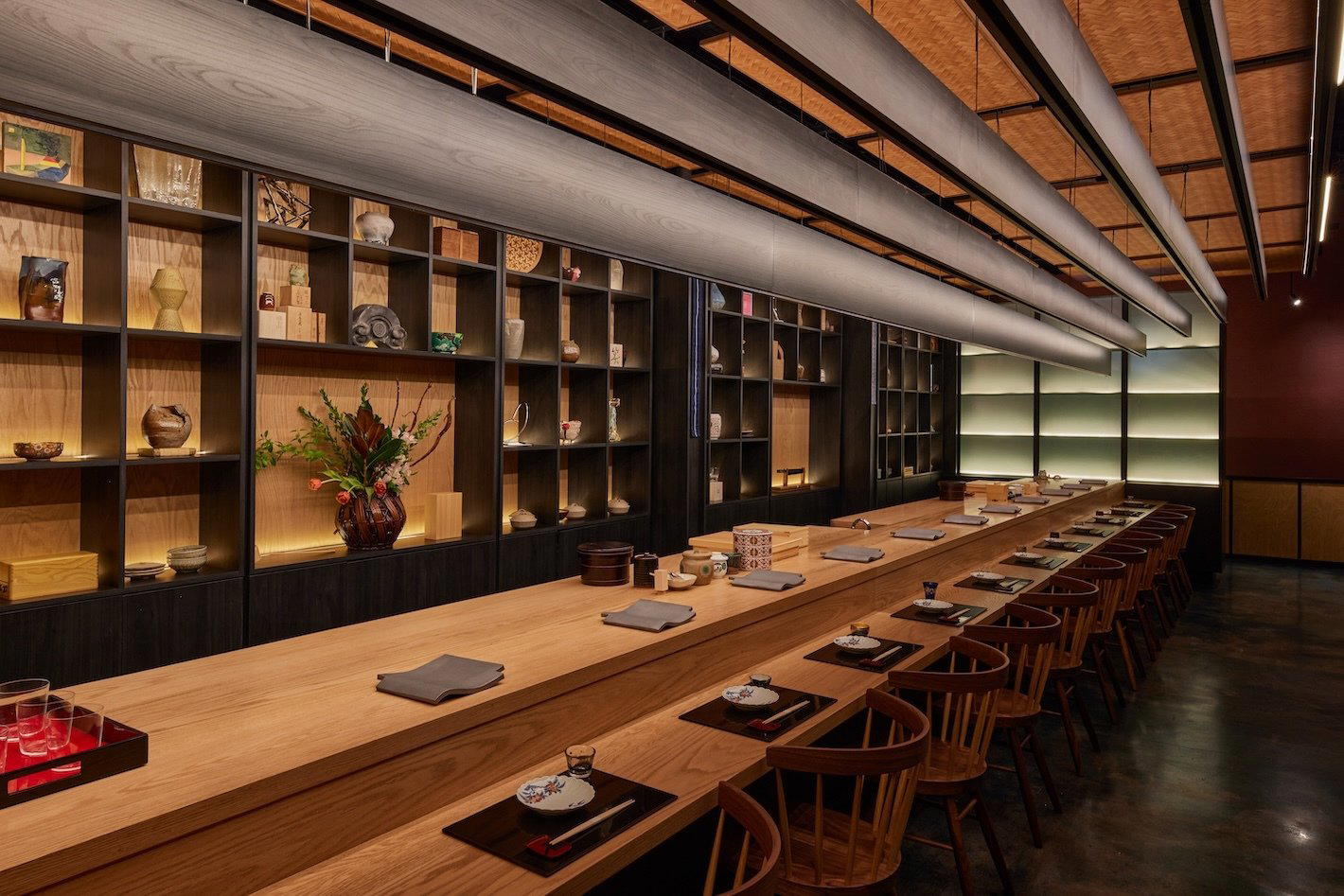
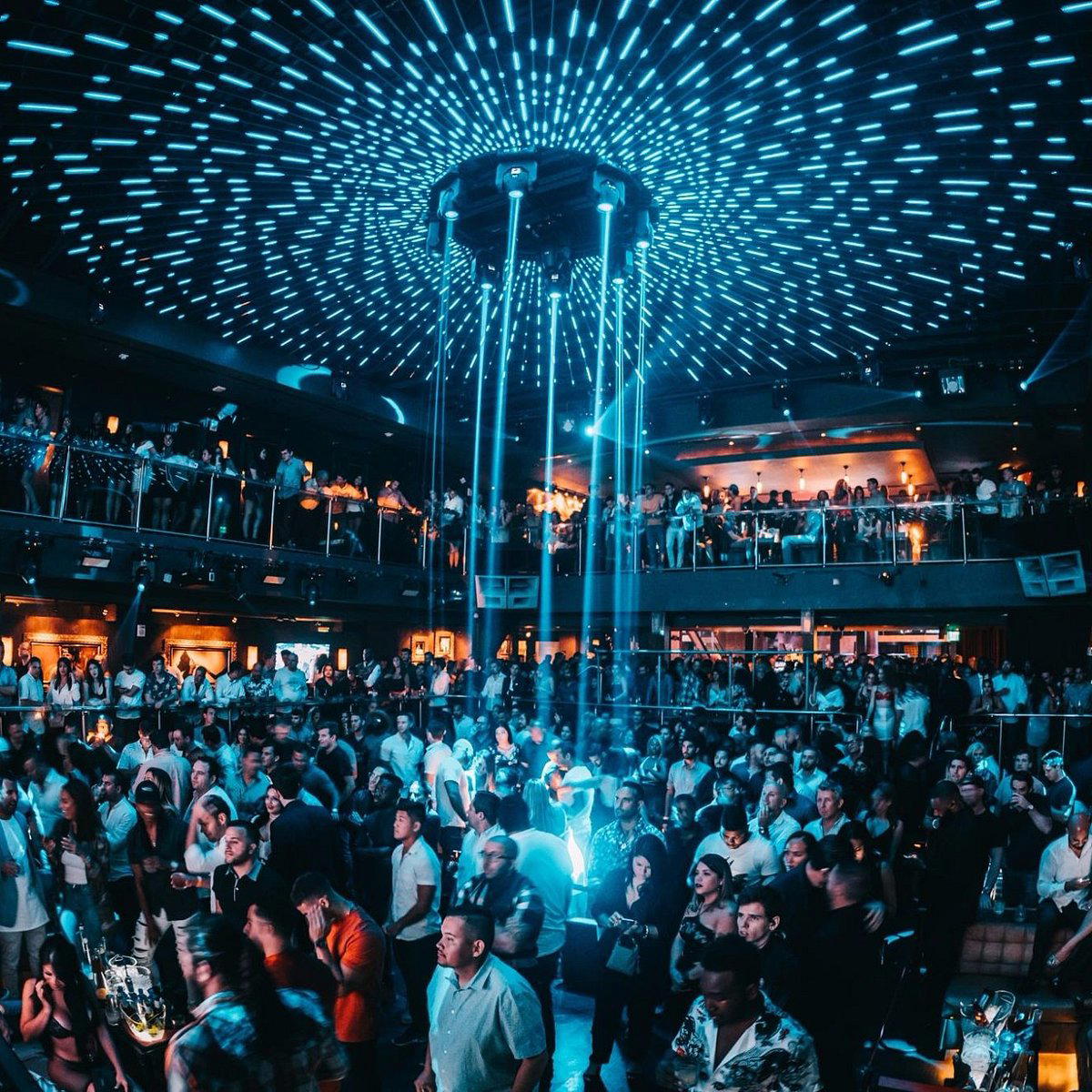
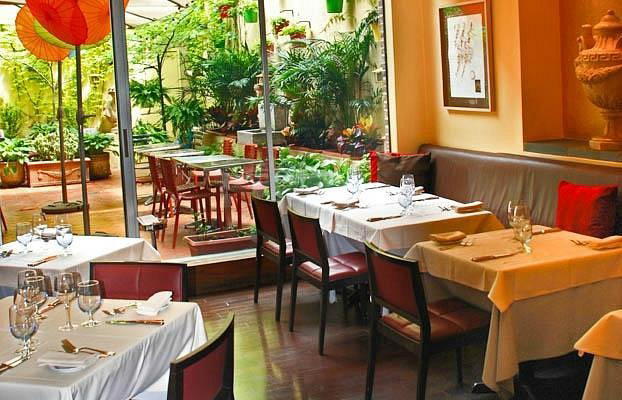
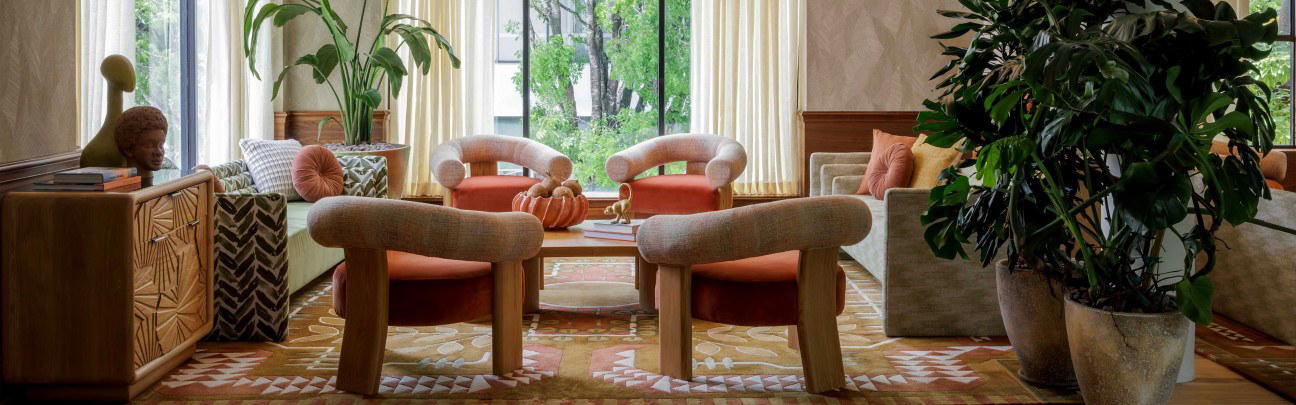
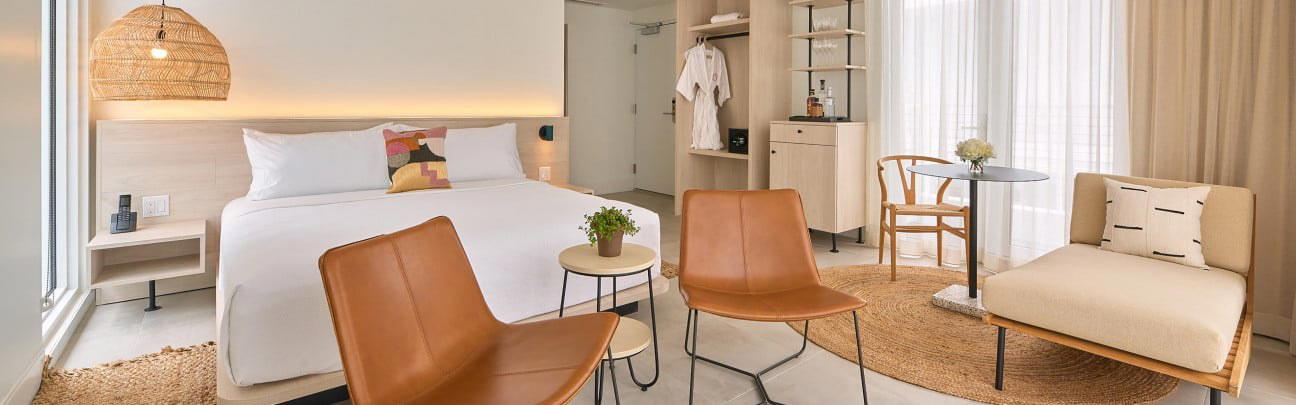
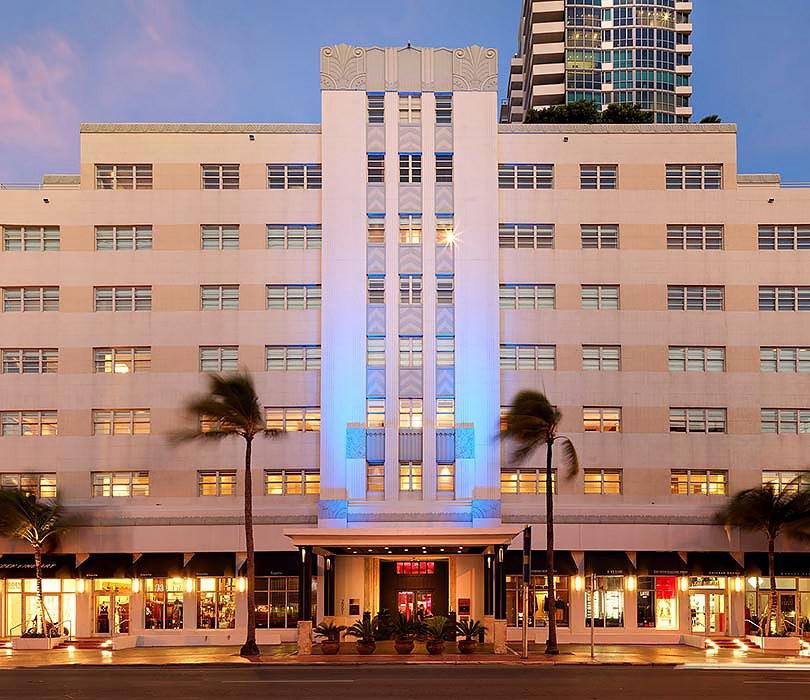
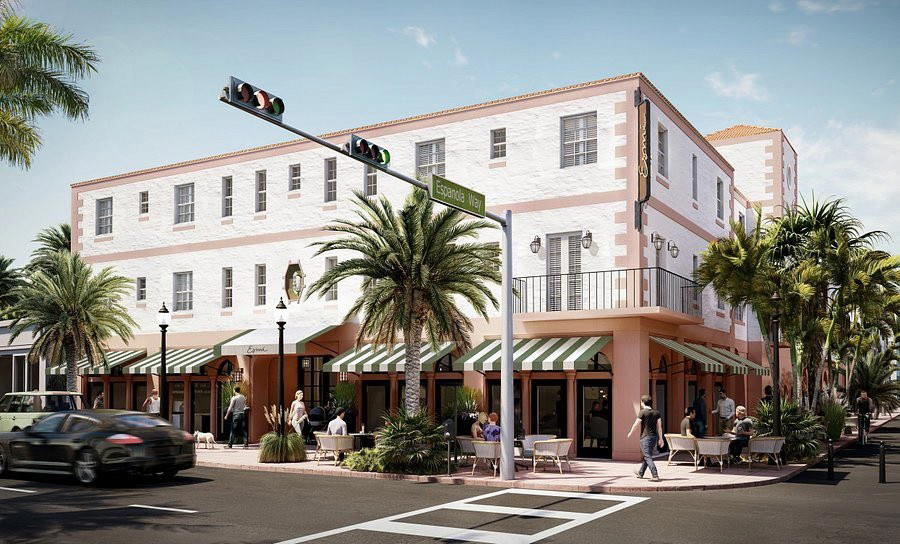
Sophisticated and gallery-like with contemporary art curation, geometric table arrangements, dramatic lighting from skylights and spotlights illuminating the sculptural centerpiece, elegant velvet banquette seating, and a blend of historic architectural elements with modern design.