Glass & Vine
Glass & Vine occupies a rare open-air position inside Coconut Grove's Peacock Park, where the dining room is essentially the park itself. The restaurant draws from Florida's coastal larder and places it within a format that reads as relaxed but is executed with considerable precision. For Coconut Grove, it represents the neighborhood's shift toward serious food delivered without ceremony.
Pearl is the En Primeur Club membership app — saves, bookings, and concierge access live there. Same editors, same standards.
- Address
- 2820 McFarlane Rd, Miami, FL 33133
- Phone
- +1 305 200 5268
- Website
- glassandvine.com
- Directions
- Get directions
 Saves & bookings on Pearl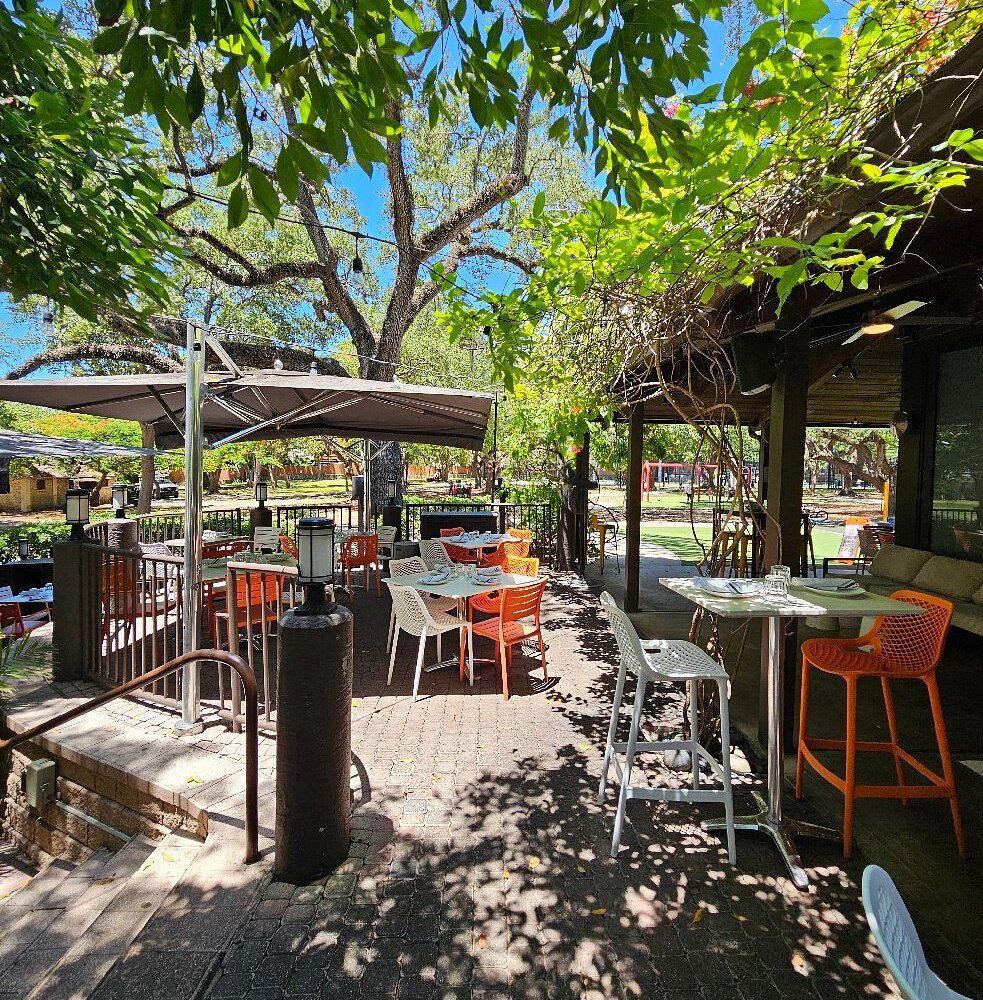
Coconut Grove's Outdoor Dining Format, and Where Glass & Vine Sits Within It
Coconut Grove has long operated at a remove from Miami Beach's high-decibel hospitality circuit. The neighborhood's dining culture trends toward the unhurried: shaded patios, proximity to the water, and a local clientele that values consistency over spectacle. Glass & Vine fits squarely into that character. Its setting inside Peacock Park means the physical boundary between dining room and green space is largely notional. Overhead, mature trees filter the South Florida light. The ambient sound is the park itself rather than a curated playlist. For visitors calibrated to indoor fine dining, the format requires a small recalibration — this is precision hospitality operating in genuinely open air, and the effect is disorienting in the leading possible way.
That format places Glass & Vine in an interesting tier within Miami's broader restaurant scene. The city's most-discussed openings over the past several years have clustered in Brickell and Wynwood, or along the Beach. Coconut Grove has produced fewer of them. Ariete, a few blocks away, has carried much of the neighborhood's critical weight at the serious end of the price range. Glass & Vine operates at a different register, more accessible in atmosphere if not necessarily in ambition. For a fuller map of where both sit relative to the city's current dining conversation, the EP Club Miami restaurants guide is the most useful reference point.
The Collaboration Model: How the Room Runs
The editorial angle most relevant to Glass & Vine is not any single dish or a chef biography but rather the coordination visible across service. Outdoor restaurants of this scale are logistically harder to run than they appear. Kitchens are further from tables. Heat and humidity affect timing. The margin for error on temperature-sensitive dishes compresses. What distinguishes well-run open-air formats is not the boldness of the menu but the calibration between kitchen output, floor timing, and drink pacing — a three-way coordination that, when it fails, is immediately obvious to the guest.
Miami's more accomplished open-air programs have learned to lean on front-of-house intelligence rather than kitchen heroics. Servers who read table rhythm and communicate it backward into the kitchen produce a more consistent result than ambitious plating that arrives at the wrong moment. The same principle applies to the drinks program: a sommelier or beverage lead operating in step with the floor can manage pacing in ways that lift the experience without a single word to the guest. When that coordination works, the open-air setting stops feeling like a constraint and starts functioning as the restaurant's defining asset. Glass & Vine, at its finest, demonstrates that coordination.
This kind of team-driven execution has a clear lineage in American fine dining. Properties like Single Thread Farm in Healdsburg and Blue Hill at Stone Barns in Tarrytown have made the integration of kitchen, floor, and environment into a philosophical position. Glass & Vine is working in a less rarefied register, but the underlying challenge, making a site-specific setting feel intentional rather than incidental, is the same.
The Miami Context: Coastal Ingredients, Competitive Pressure
Florida's coastal larder is genuinely distinctive. Stone crab, Florida spiny lobster, snapper species that don't travel well and therefore rarely appear on menus outside the state, citrus grown a short drive inland, the raw material exists for a regionally specific cuisine that Miami restaurants have been slow to fully claim. The city's dining identity has historically been defined by import: Cuban and Haitian traditions, South American influences, and, more recently, the international fine dining brands that have set up outposts along the Beach.
That picture has been shifting. ITAMAE, working with Peruvian-Japanese technique and Florida product, has shown what a serious commitment to local sourcing can produce in a Miami context. Boia De has applied Italian rigor to a neighborhood-scale format and built a loyal following on the back of consistency rather than press. Cote Miami represents the import model at its most polished, bringing a New York Korean steakhouse format to Brickell with considerable success. Glass & Vine occupies a different position: a Florida-rooted menu in an outdoor park setting that uses the geography as a structural argument for what ends up on the plate.
For reference points at the higher end of American seasonal cooking, the comparison set includes Smyth in Chicago, Providence in Los Angeles, and Addison in San Diego, all programs that have made regional sourcing central to their identity while maintaining the kind of service infrastructure that supports a serious meal. Le Bernardin in New York City remains the benchmark for seafood-focused precision at the leading end. Glass & Vine is not competing at that price tier, but the coastal ingredient question it is asking is related.
Getting There and Planning Your Visit
Peacock Park sits along the Coconut Grove waterfront, accessible from McFarlane Road. The neighborhood is most easily reached by car from Brickell or Downtown Miami, with the drive running under fifteen minutes outside of peak traffic. Rideshare drop-off at the park entrance is direct. The open-air format means weather is a real variable in South Florida's afternoon storm season, roughly June through September, and the dinner hours are generally the more reliable window during that period. Reservations are advisable, particularly on weekends, though the format and neighborhood draw a different crowd than Miami Beach's more reservation-compressed venues. Given the outdoor setting, dress runs casual to smart-casual; there is no indication of a formal dress code requirement.
For comparison at the Miami Beach end of the price spectrum, L'Atelier de Joël Robuchon Miami represents the French fine dining import model at its most complete. Those looking for the kind of destination-restaurant investment that warrants significant advance planning might also look at The French Laundry in Napa, Lazy Bear in San Francisco, Emeril's in New Orleans, The Inn at Little Washington, Atomix in New York City, and Atelier Moessmer Norbert Niederkofler in Brunico as reference points for what this tier of investment looks like globally.
How Glass & Vine Miami: Hours, Dress Code & Planning Tips compares with similar nearby venues.
| Venue | Cuisine | Price |
|---|---|---|
| Los Félix | Mexican | $$$ |
| Krüs Kitchen | Contemporary | $$$ |
| Chug's Diner | Cuban | $$ |
At a Glance
- Scenic
- Cozy
- Trendy
- Elegant
- Brunch
- Group Dining
- Casual Hangout
- Family
- Garden
- Terrace
- Craft Cocktails
- Local Sourcing
- Garden
- Street Scene
Current opening hours
- Monday
- 11:30 AM–10 PM
- Tuesday
- 11:30 AM–10 PM
- Wednesday
- 11:30 AM–10 PM
- Thursday
- 11:30 AM–10 PM
- Friday
- 11:30 AM–11 PM
- Saturday
- 10 AM–11 PM
- Sunday
- 10 AM–10 PM
Hours can change for holidays and private events. Last verified .
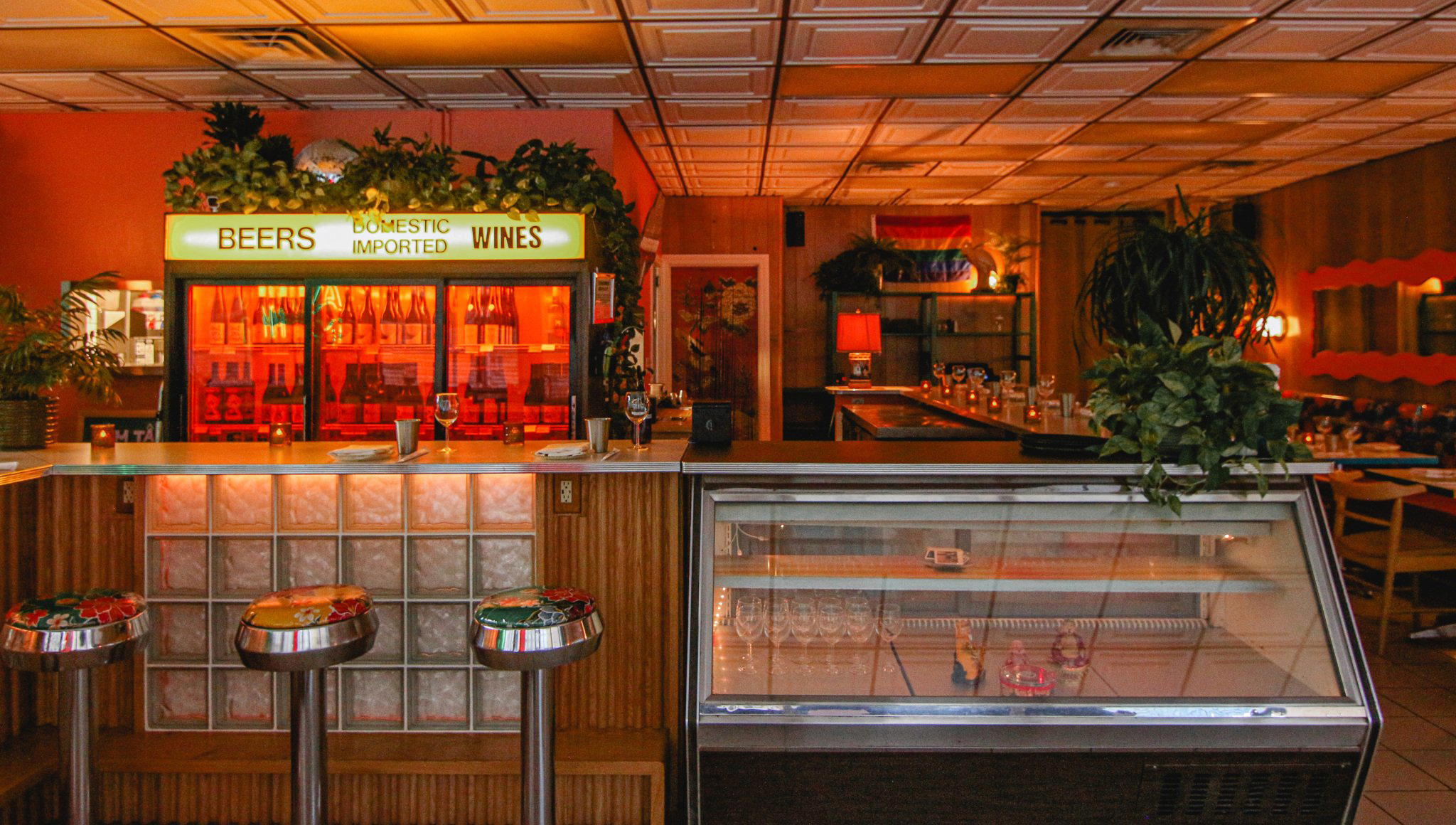
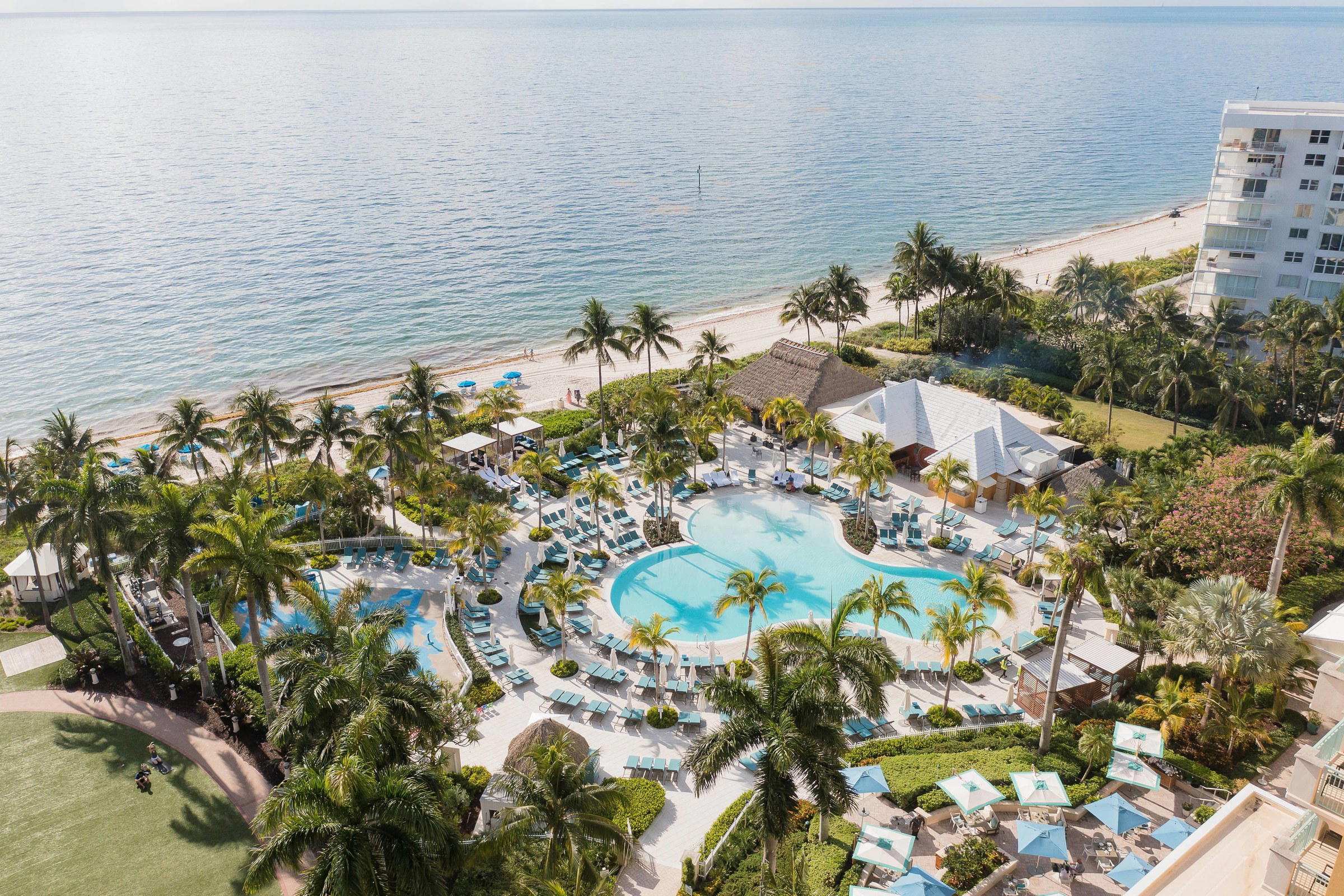
Beautiful outdoor patio under lush greenery and tree canopy, with fans for comfort, overlooking a park, creating a relaxing and scenic atmosphere.
Know Before You Go
- Getting there
- 2820 McFarlane Rd, Miami, FL 33133