Alte Mühle Bergstedt occupies a historic mill building at the northern edge of Hamburg, positioning itself within a city dining scene more typically associated with harbour-facing restaurants and inner-district fine dining. With its address in the quiet Bergstedt neighbourhood, it draws a different kind of attention than the €€€€ counters closer to the Alster. Verification of current hours and booking is advised before visiting.
Pearl is the En Primeur Club membership app — saves, bookings, and concierge access live there. Same editors, same standards.
- Address
- Alte Mühle 34, 22395 Hamburg, Germany
- Phone
- +4949406049171
- Website
- alte-muehle-hamburg.de
- Directions
- Get directions
 Saves & bookings on Pearl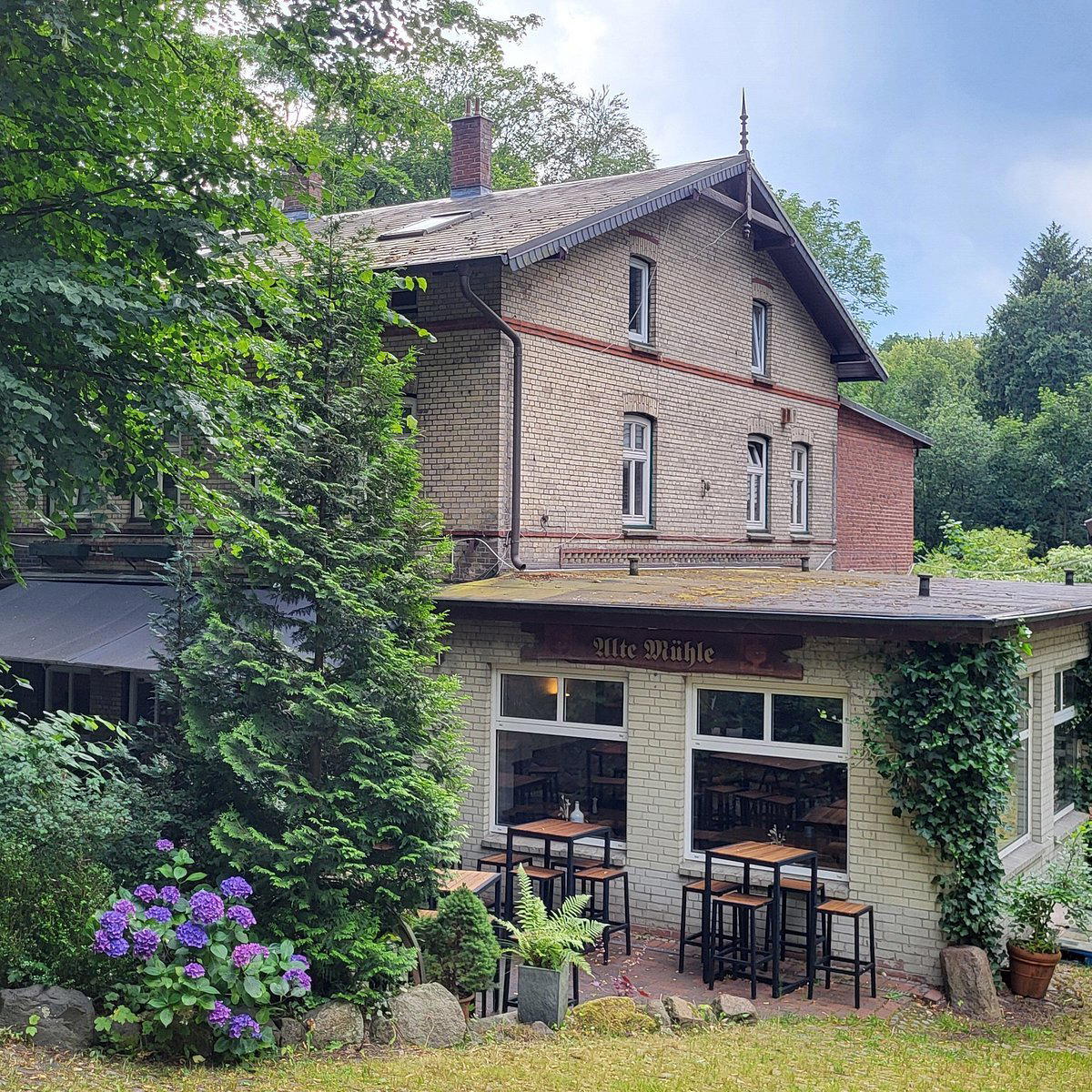
Hamburg's Northern Reach: Where the City Meets the Rural Edge
Hamburg's dining reputation is built largely on its inner districts: the Alster waterfront, HafenCity's redeveloped quays, and the dense restaurant corridors of Eimsbüttel and Ottensen. The city's northern periphery, by contrast, is less discussed in editorial circles, which makes venues like Alte Mühle Bergstedt, at Alte Mühle 34, operate in a different register entirely. Bergstedt sits beyond the suburban S-Bahn arc where Hamburg begins to loosen its urban grip, giving way to older village structures, mill ponds, and tree lines that belong to a quieter northern European tradition. A mill building as a dining address is not incidental context: it signals a relationship between place, material, and food that distinguishes this part of the city from the harbour-facing restaurants that dominate Hamburg's international profile.
That physical setting carries editorial weight at a moment when European dining is reckoning seriously with environmental responsibility. The shift away from resource-heavy kitchens, flown-in protein, and year-round produce cycles is reshaping how ambitious restaurants in Germany and beyond think about sourcing, waste, and their relationship to local land. Venues at the rural-urban fringe are well-placed to engage with that shift in ways that inner-city kitchens, dependent on supplier logistics and urban lease structures, often cannot.
The Sustainability Frame: Why Location Is an Argument
Across Germany's premium dining tier, the sustainability conversation has moved from aspiration to operational discipline. Kitchens at restaurants like ES:SENZ in Grassau and Schanz in Piesport have made regional sourcing central to their identity, drawing from agricultural relationships close to the restaurant's physical location. The pattern is visible across the country: venues positioned outside major urban centres increasingly treat proximity to farmland, forest, and waterway not as a marketing point but as a kitchen infrastructure decision. Shorter supply chains reduce spoilage, allow for more precise harvest timing, and make direct producer relationships manageable in ways that large-scale city sourcing rarely permits.
A mill address in northern Hamburg carries an implicit argument along these lines. Mill buildings historically sat at the intersection of agricultural processing and community provisioning: they were where grain became flour, where seasonal surplus became stored resource. That history does not automatically translate into a contemporary sustainability practice, but it frames an expectation and a responsibility. Venues in similarly positioned buildings across northern Germany have used the architectural identity as an anchor for menus that rotate with local seasons and prioritise zero-waste preparation methods. The physical character of the site, its weight, its age, its material logic, tends to attract operators and guests who treat that relationship seriously.
This stands in contrast to Hamburg's inner fine-dining circuit, where restaurants like Restaurant Haerlin and The Table Kevin Fehling operate at the highest technical levels but within an urban supply logic that prioritises precision and consistency over agricultural proximity. Both models have merit; they serve different versions of what premium dining can mean. The Bergstedt approach, grounded in place rather than in technique as the primary signal, connects more directly to the tradition of German regional kitchens that have influenced fine dining far beyond the country's borders, from Schwarzwaldstube in Baiersbronn to Waldhotel Sonnora in Dreis.
Hamburg's Outer Dining Tier: A Smaller, Less-Trafficked Cohort
Hamburg's restaurant press tends to concentrate on the central and western districts, where bianc, Lakeside, and 100/200 Kitchen represent a dense cluster of ambitious cooking within a compact geography. The northern suburbs receive considerably less coverage, which means venues there operate with less foot traffic from out-of-town visitors but often with a more stable, local guest base that returns regularly rather than treating the meal as a destination event. That dynamic tends to produce a different kind of hospitality: less performative, more rooted in repeat relationships between kitchen and regular guest.
The comparison with outer-district venues in other German cities is instructive. Vendôme in Bergisch Gladbach sits outside Cologne's core and has built a reputation that draws guests specifically because of, not despite, its peripheral location. Victor's Fine Dining by Christian Bau in Perl occupies a genuinely remote position near the Luxembourg border and maintains one of the country's most consistent critical records. Distance from the urban centre, in the German fine-dining tradition, is not a liability: it is often the condition under which a kitchen can develop its own logic without the pressure of competing daily against a high-visibility comparable set.
For guests coming from central Hamburg, Bergstedt is reachable by S-Bahn, with the line running north from the city's main transport arteries. The journey repositions the meal as an occasion rather than a convenience stop, which suits venues operating in historic settings where the approach and arrival are part of the experience. Visitors planning a broader Hamburg dining itinerary should consult our full Hamburg restaurants guide to map northern and central options against each other. For those comparing across Germany's wider fine-dining geography, JAN in Munich, Aqua in Wolfsburg, and CODA Dessert Dining in Berlin each offer a different model of what peripheral or specialist positioning looks like at the summit of the national market. Bagatelle in Trier provides a further reference point for regional venues that have built reputations outside major urban centres. Internationally, venues like Le Bernardin in New York City and Lazy Bear in San Francisco demonstrate how distinct positioning within a city's dining ecology creates a guest relationship that differs fundamentally from the mainstream market.
Planning a Visit: What to Verify
Alte Mühle Bergstedt serves Traditional German and recommends reservations. It is open daily from 12 to 10 PM. That absence of readily indexed data is itself characteristic of venues in this outer-district tier: they tend not to maintain the same digital infrastructure as inner-city restaurants with active PR representation. The address is Alte Mühle 34, 22395 Hamburg, Germany.
A Lean Comparison
Comparable venues nearby, for context on price, style, and recognition.
| Venue | Cuisine | Price | Notes |
|---|---|---|---|
| Alte Mühle BergstedtThis venue — the venue you are viewing | Saselberg, Traditional German | $$ | Not listed |
| Alt Helgoländer Fischerstube | Not listed | $$ | Altona-Altstadt, Traditional North German Seafood |
| Hopper Brau GmbH & Co. KG | Neumuehlen, German Craft Brewery | $$ | Not listed |
| Das Pfeiffers | Not listed | $$$ | Treudelberg, Creative German & Sushi with Premium Seafood |
| Gröninger Privatbrauerei | Not listed | $ | Hamburg-Altstadt, Traditional German Brauhaus |
| Alsterperle | Uhlenhorst, German Lakeside Café | $$ | Not listed |
Continue exploring
More in Hamburg
Restaurants in Hamburg
Browse all →
At a Glance
- Scenic
- Cozy
- Classic
- Romantic
- Casual Hangout
- Family
- Date Night
- Waterfront
- Terrace
- Historic Building
- Beer Program
- Waterfront
Current opening hours
- Monday
- 12–10 PM
- Tuesday
- 12–10 PM
- Wednesday
- 12–10 PM
- Thursday
- 12–10 PM
- Friday
- 12–10 PM
- Saturday
- 12–10 PM
- Sunday
- 12–10 PM
Hours can change for holidays and private events. Last verified .
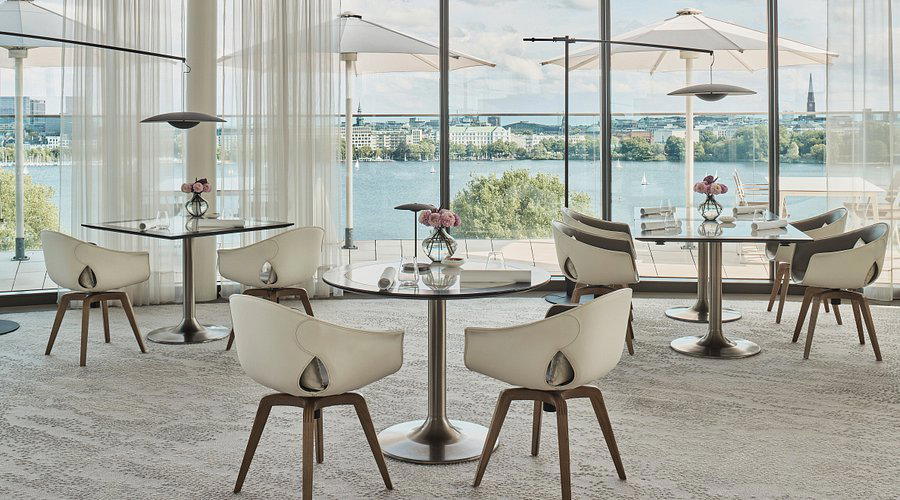
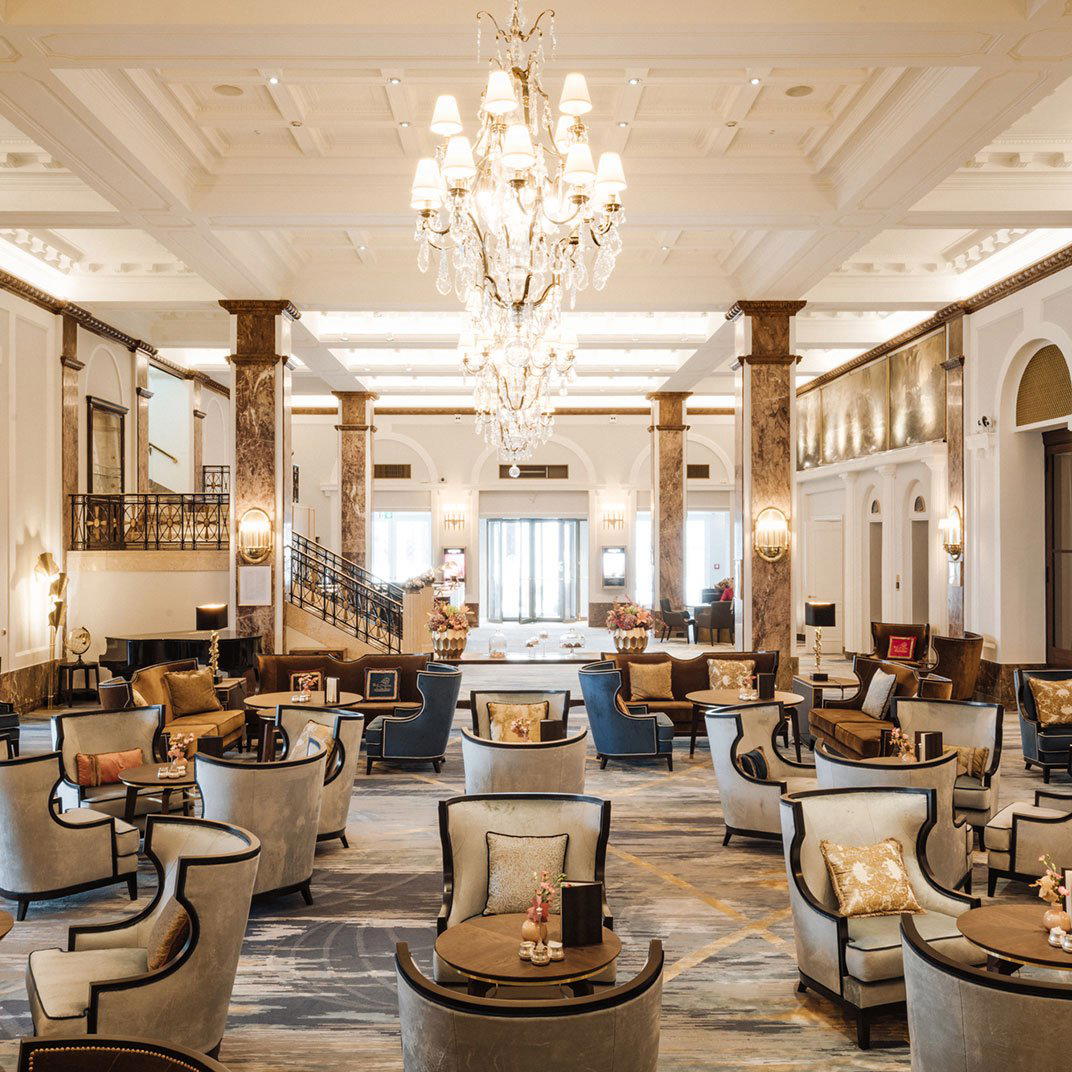
Charming and nostalgic atmosphere with a cozy, peaceful ambiance away from the hustle and bustle, enhanced by scenic views of the lake and surrounding nature.