Altamirano Restaurant & Bar
Altamirano sits on Fulton Street in San Francisco's Western Addition, a neighborhood where long-running local restaurants carry the kind of quiet authority that newer openings spend years trying to earn. The address places it at the edge of the Panhandle, close enough to the Haight to draw a cross-section of the city rather than a single demographic. For occasion dining in a city full of formal alternatives, it occupies a different register entirely.
Pearl is the En Primeur Club membership app — saves, bookings, and concierge access live there. Same editors, same standards.
- Address
- 1775 Fulton St, San Francisco, CA 94117
- Phone
- +14159477007
- Website
- altamiranosf.com
- Directions
- Get directions
 Saves & bookings on Pearl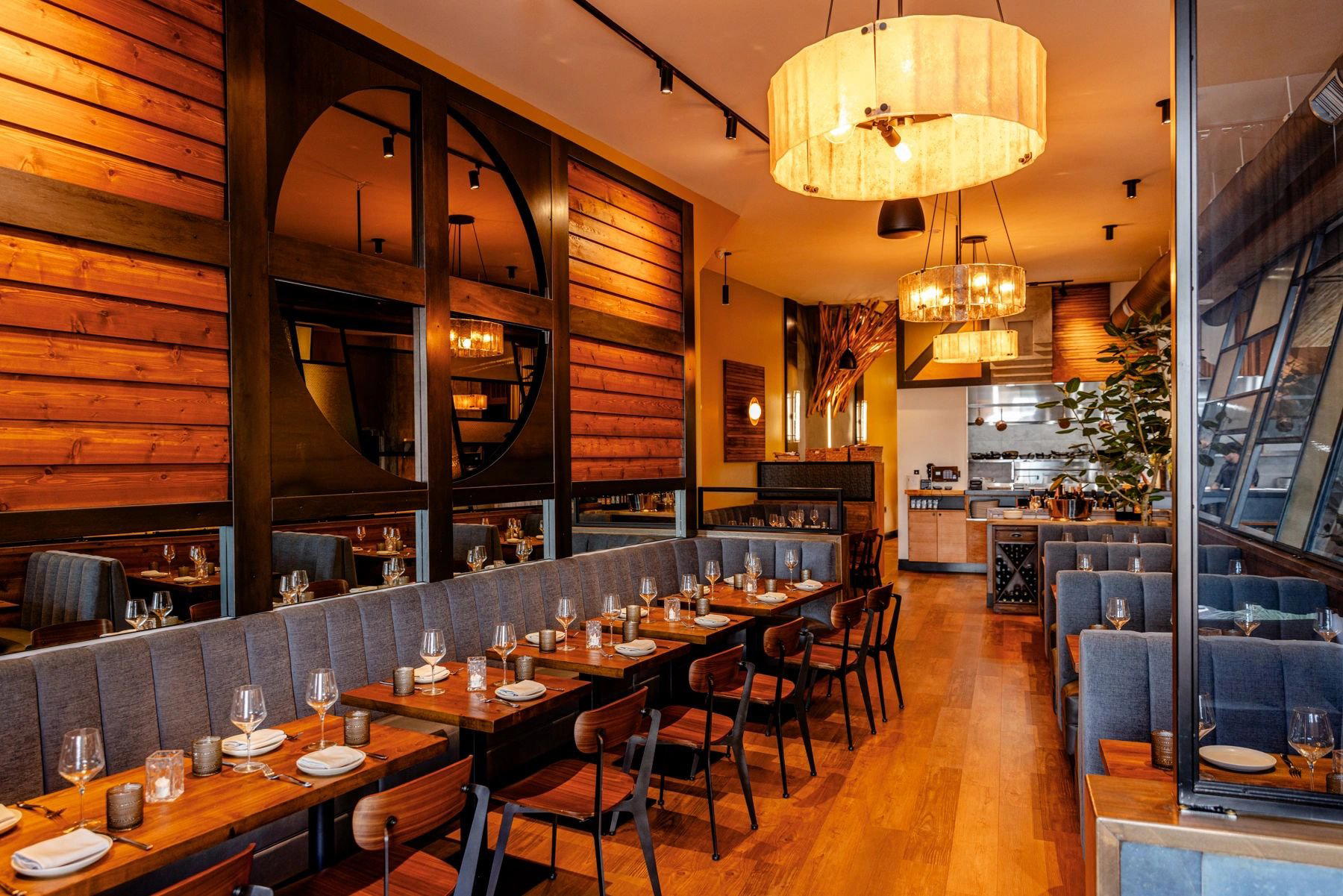
A Fulton Street Table and What It Means to Eat There
Altamirano is a restaurant in San Francisco's Western Addition, serving modern Peruvian food at a casual price point. The Western Addition sits outside those circuits. Restaurants here survive on neighborhood loyalty and word-of-mouth rather than destination traffic, and the ones that endure do so because they earn a specific kind of trust. Altamirano, at 1775 Fulton Street, belongs to that tradition.
The address itself signals something. Fulton runs along the northern edge of the Panhandle, the narrow green strip that feeds into Golden Gate Park, through a part of the city that has housed successive generations of San Franciscans without ever fully gentrifying into a dining destination. That's not a flaw in the address. It's the point. Coming here for a meal carries a different weight than booking a table at one of the city's tasting-menu rooms near the Embarcadero. The context is domestic and neighborhood-scaled, unlike places like Lazy Bear or Atelier Crenn.
Occasion Dining Outside the Tasting-Menu Circuit
The dominant model for milestone dining in San Francisco has converged around the multi-course tasting format. Benu, Quince, and Saison each run structured, prepaid progressions where the occasion is partly defined by the restaurant's own ceremonial rhythm. That format suits certain kinds of celebrations. It does not suit all of them.
There is a separate tradition in American cities where the occasion meal happens at a restaurant that has been there long enough to carry personal history, where the room feels lived-in rather than designed for maximum effect, and where the act of returning is itself part of the ritual. This is where long-standing neighborhood restaurants earn a function that newer, more formally ambitious rooms cannot replicate. The French have a word for it: bistrot de quartier, though the phenomenon is not exclusively French. You see it at places like Frasca Food & Wine in Boulder, where regulars book the same table for the same anniversaries year after year, or at Emeril's in New Orleans, where longevity has become its own form of trust signal. Altamirano operates in that register on Fulton Street.
The Western Addition as Dining Context
Understanding what Altamirano offers requires understanding the neighborhood it inhabits. The Western Addition, stretching from Van Ness west toward Divisadero and anchored partly by the Fillmore corridor, is one of the city's most historically layered districts. Its restaurant culture reflects that layering: a mix of long-standing family operations, post-pandemic arrivals, and a few rooms that have been feeding the same families across decades.
For visitors arriving from outside the city, or for San Franciscans who rarely cross into this part of town, the neighborhood functions as a counterpoint to the more curated dining corridors. You come because someone who knows the city sent you here, or because you've been before and you're coming back. That distinction matters for occasion dining specifically, because the leading celebrations tend to happen at tables where at least one person at the table has prior knowledge of the room.
The geographic position also has practical implications. The address at 1775 Fulton St puts Altamirano within walking distance of the park and accessible from the Divisadero strip. For diners coming from downtown, the 5 or 21 Muni lines run along Fulton.
Placing Altamirano in a Broader Field
San Francisco operates with a particularly wide spread between its most formally ambitious restaurants and its neighborhood institutions. At the leading end, rooms like Atelier Crenn and Benu compete on an international register, drawing comparisons to Le Bernardin in New York City, The French Laundry in Napa, or Atomix in New York City. Further down, the city has a strong tradition of ingredient-focused, mid-format restaurants that sit closer to California's agricultural supply chains than to any classical European tradition.
Altamirano sits in a different part of this field. The Western Addition address and the Fulton Street positioning describe what kind of place it is. They describe what kind of place it is and who it is for. Cities like San Francisco need both ends of this spectrum. The rooms with Michelin recognition and prepaid progression menus serve one kind of occasion; the rooms with decades of neighborhood presence serve another. Both are legitimate. The decision about which to choose depends entirely on what you want the meal to mean.
For comparison across California's broader fine-dining geography, Single Thread Farm in Healdsburg, Providence in Los Angeles, and Addison in San Diego each represent the formal-occasion end of the state's dining offer. Internationally, the neighborhood-rooted occasion format has strong parallels at Atelier Moessmer Norbert Niederkofler in Brunico and the farm-to-table formalism of Blue Hill at Stone Barns in Tarrytown. Smyth in Chicago and The Inn at Little Washington represent how occasion dining in American cities can anchor itself to a specific sense of place rather than to international fine-dining conventions.
Altamirano's position on Fulton Street puts it in conversation with all of these contexts, not by competing at their level, but by offering something distinct: a local address, a neighborhood scale, and the kind of authority that comes from simply being where it is, as long as it has been there.
Know Before You Go
- Address: 1775 Fulton St, San Francisco, CA 94117
- Neighborhood: Western Addition / Panhandle-adjacent
- Getting There: Muni lines 5 and 21 run along Fulton Street; street parking available on Fulton and surrounding blocks
- Booking: Reservations recommended; walk-ins may be accepted
- Occasion Fit: Neighborhood milestone dining; suited to guests seeking a local, non-ceremonial occasion format
- Price Range: About $30 per person
Cuisine and Awards Snapshot
Comparable venues nearby, for context on price, style, and recognition.
| Venue | Cuisine | Price | Notes |
|---|---|---|---|
| AltamiranoThis venue — the venue you are viewing | Modern Peruvian | $$ | Not listed |
| Lomo Libre Cantina | Peruvian Fusion Cevicheria | $$ | Sunset/Parkside |
| Mariposas | Authentic Peruvian Rotisserie | $$ | Financial District/South Beach |
| Peña Pachamama | Organic Vegan Bolivian Tapas | $$ | North Beach |
| Mochica | Peruvian Fusion | $$ | Potrero Hill |
| The Crossing at East Cut | Dining | Not listed | San Francisco |
Continue exploring
More in San Francisco
Restaurants in San Francisco
Browse all →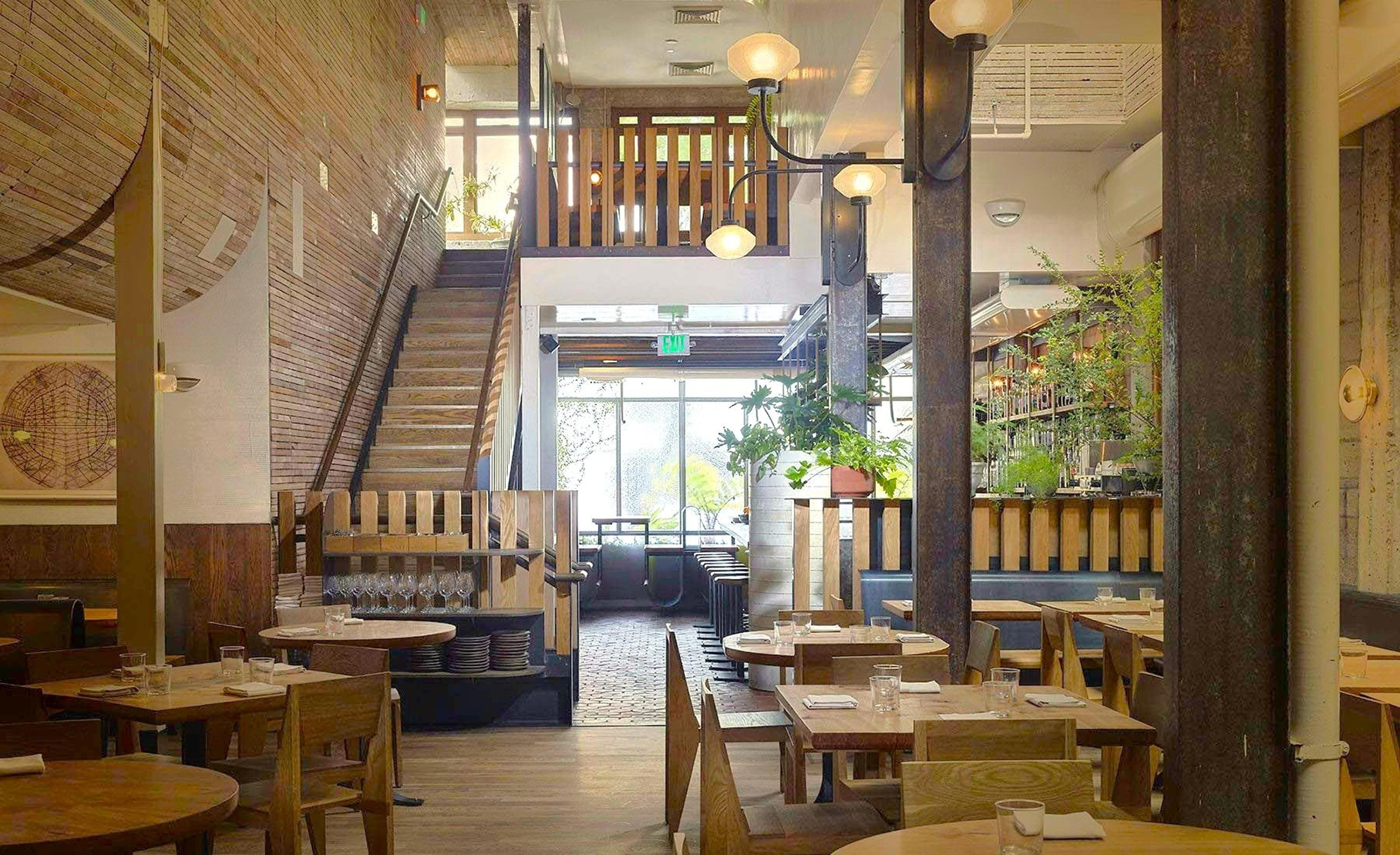
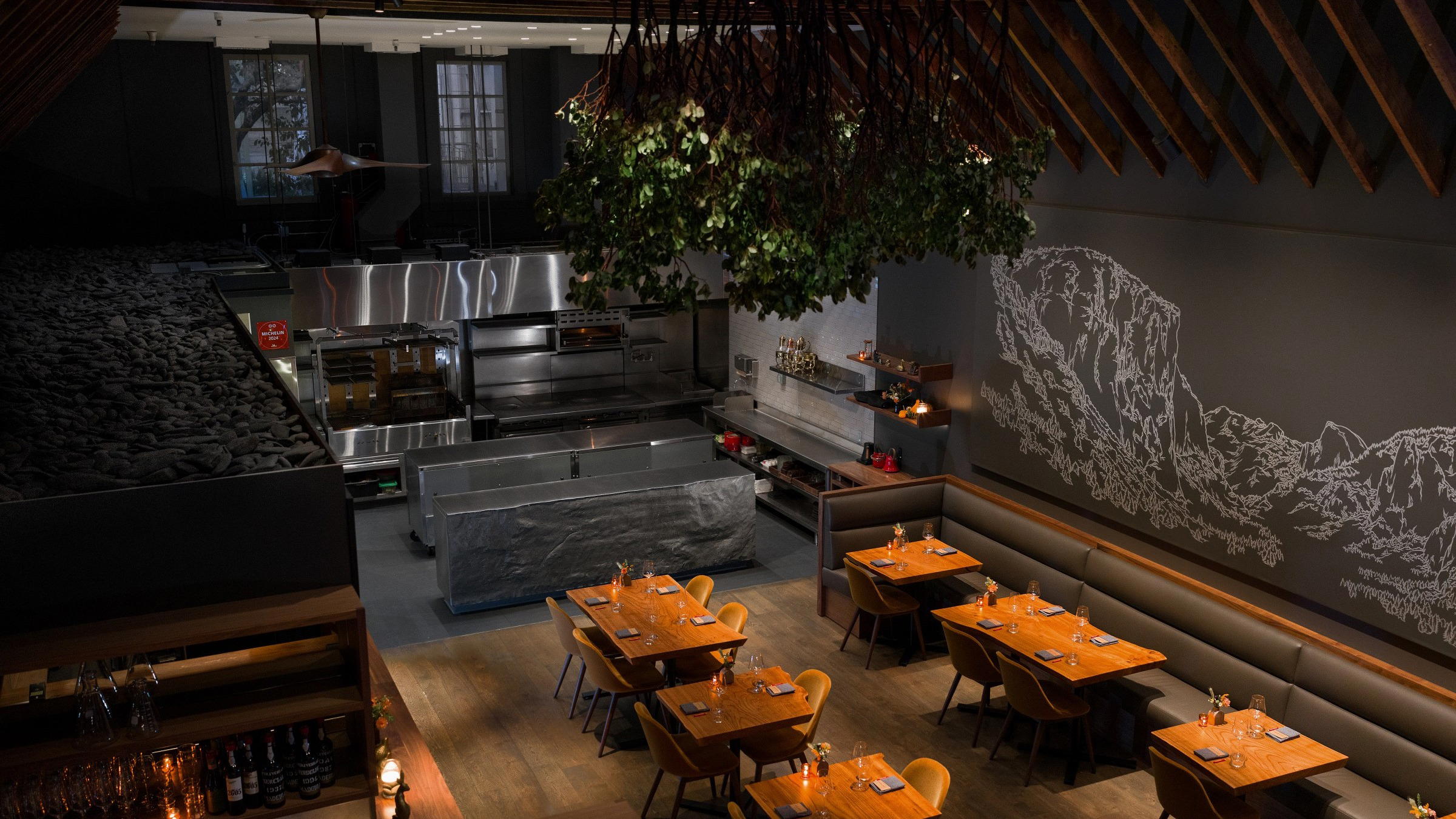
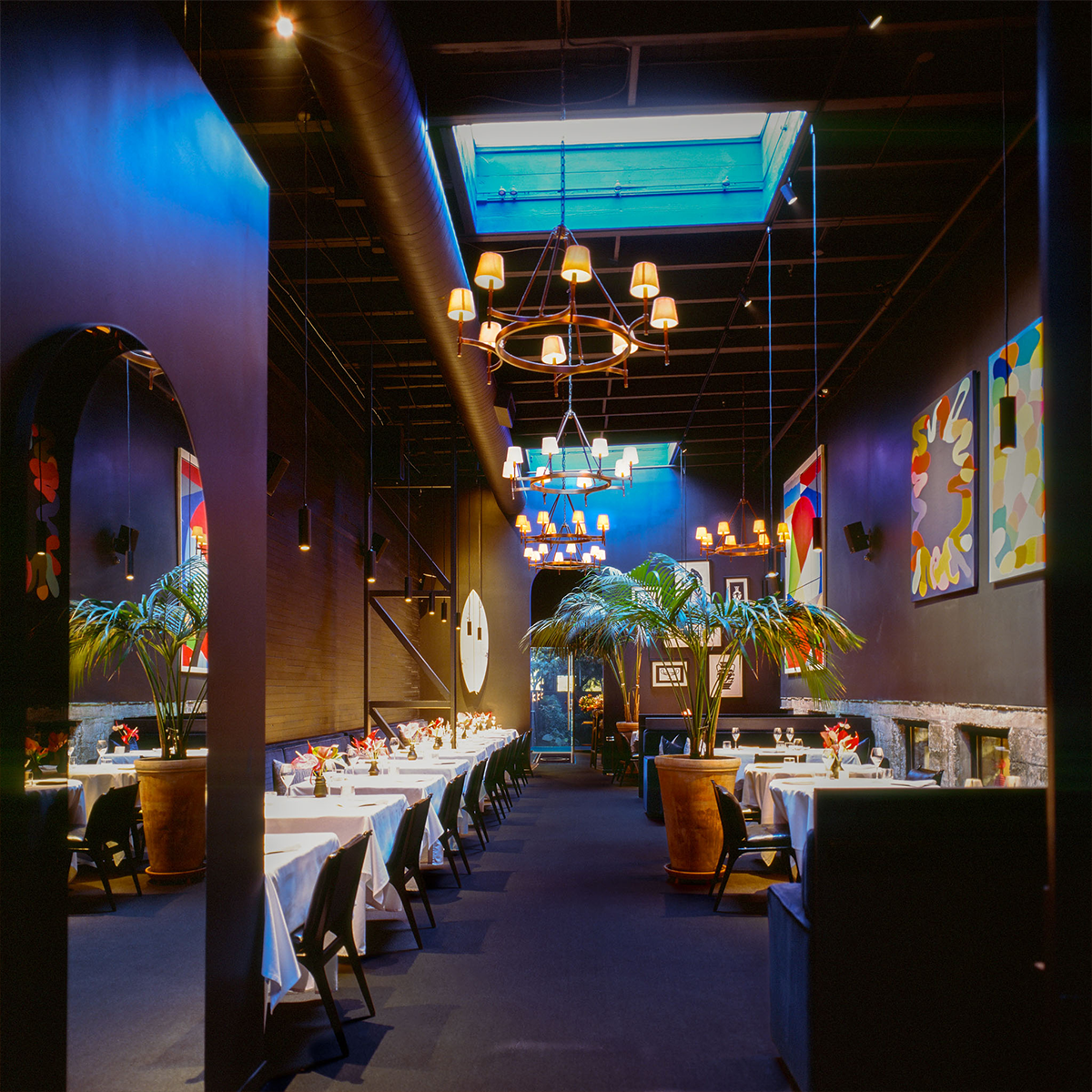
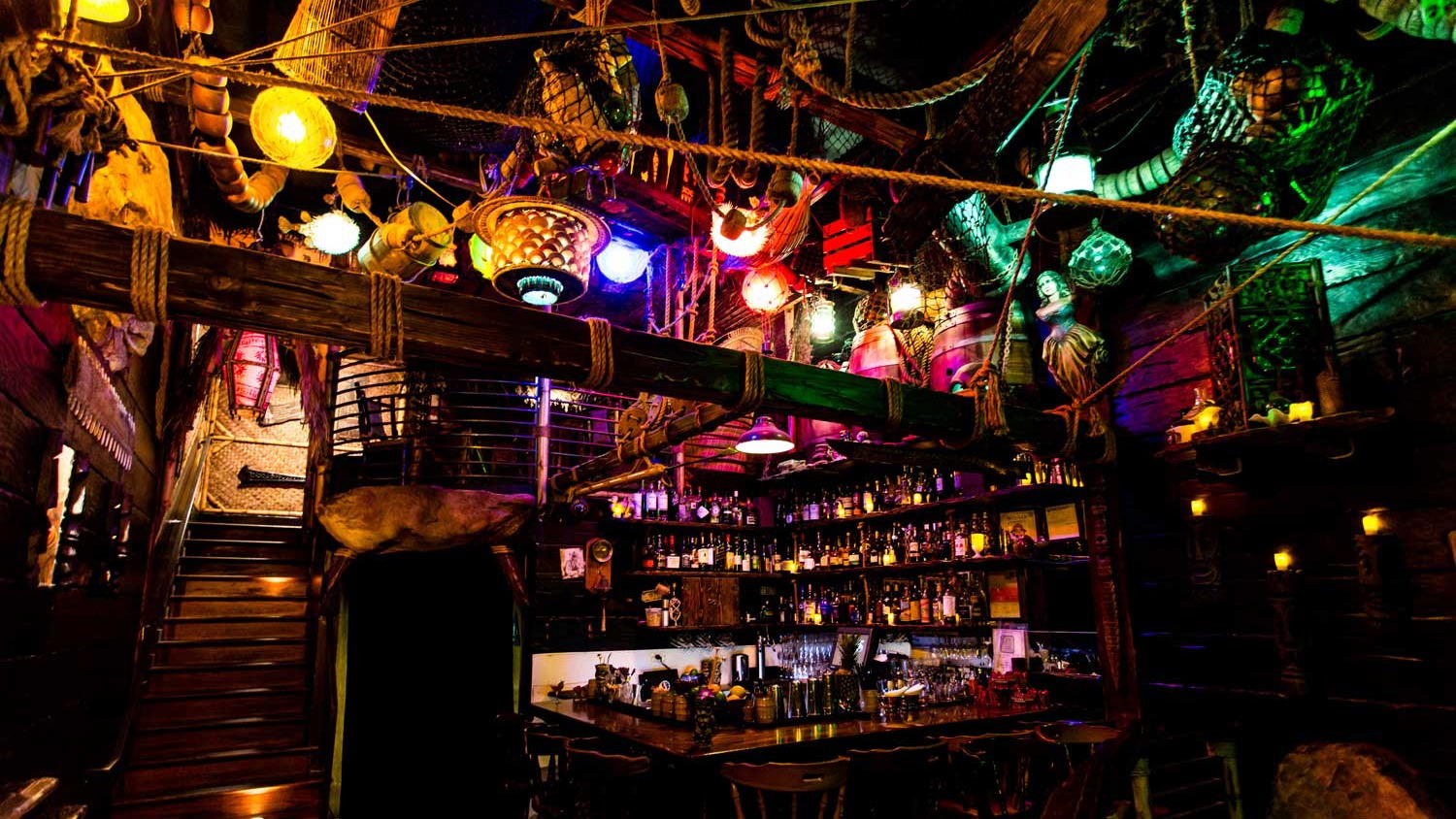
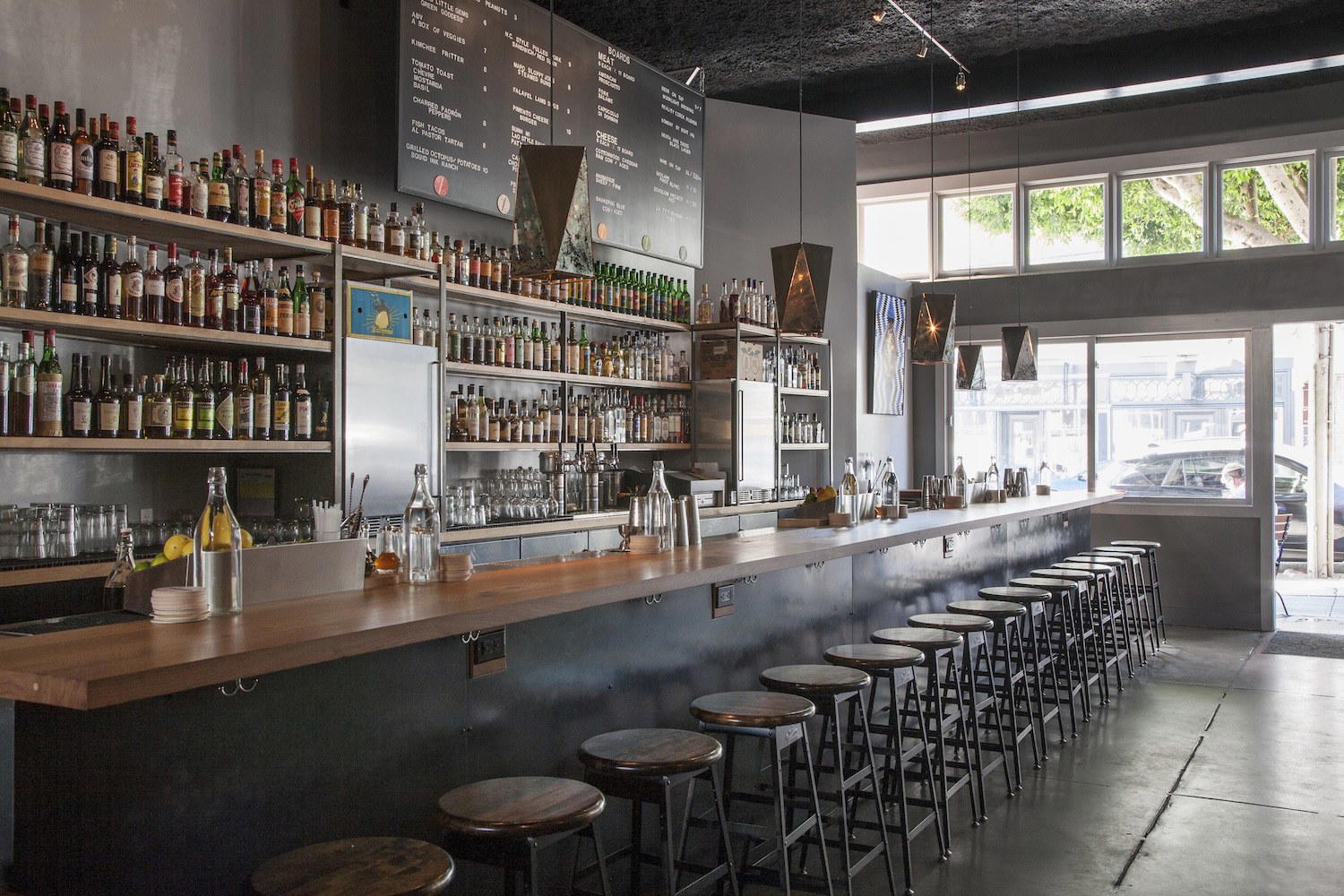
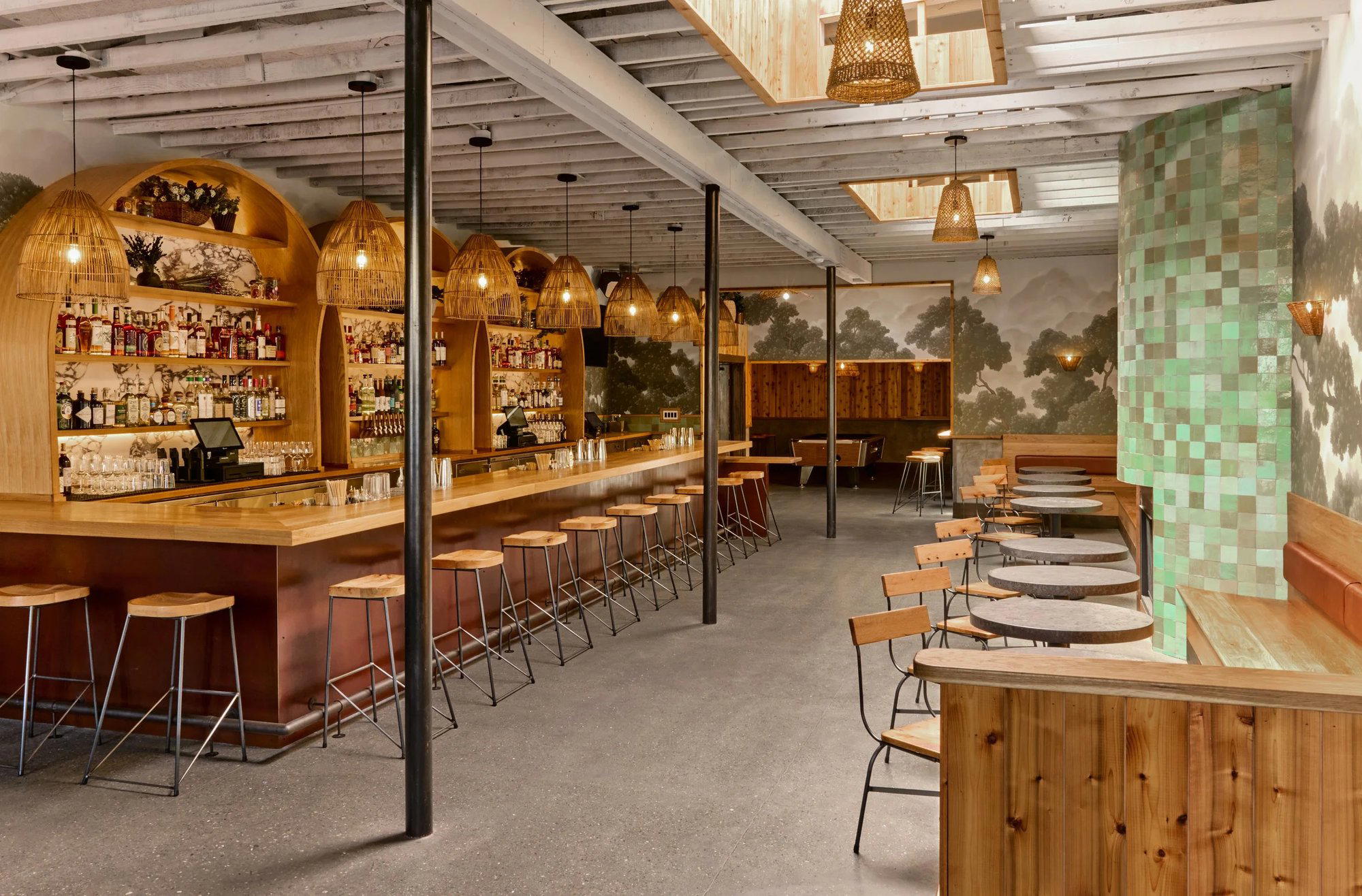
Bars in San Francisco
Browse all →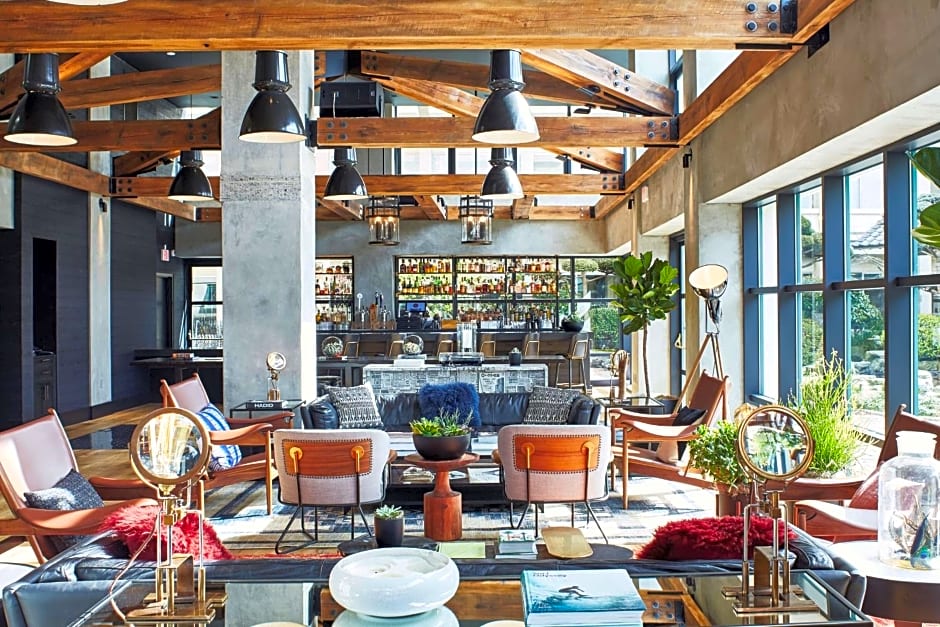
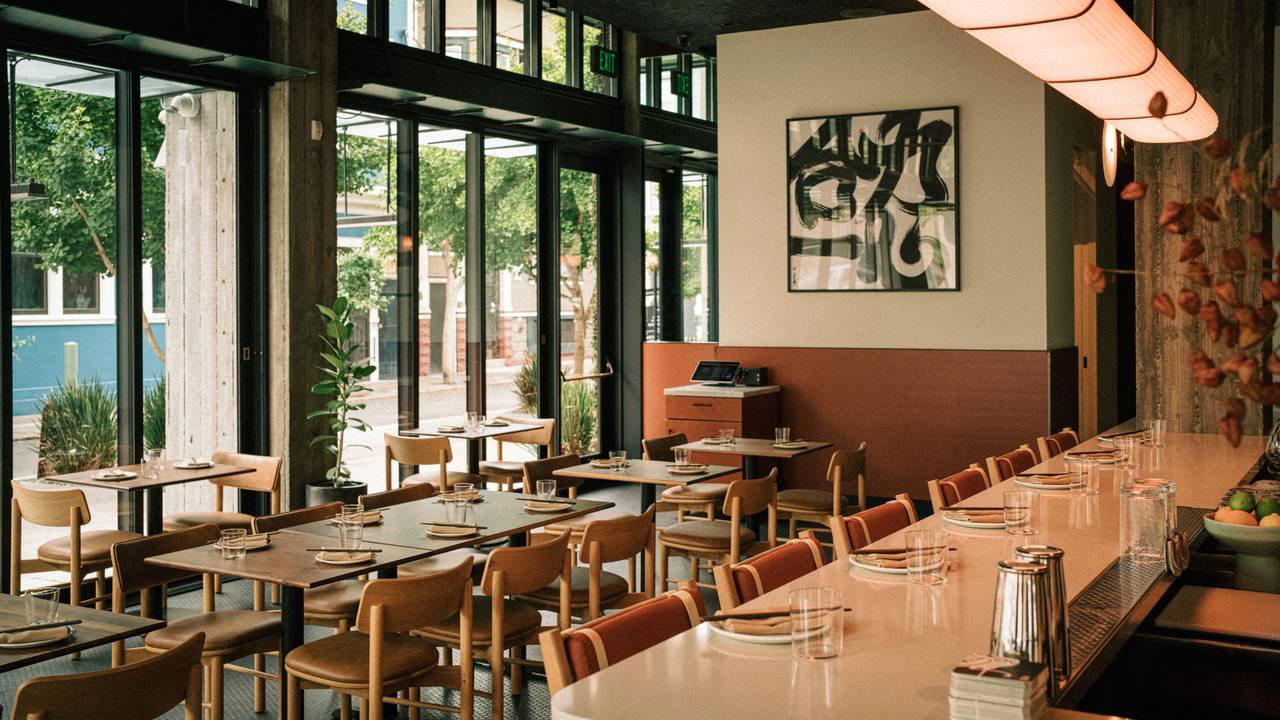
Hotels in San Francisco
Browse all →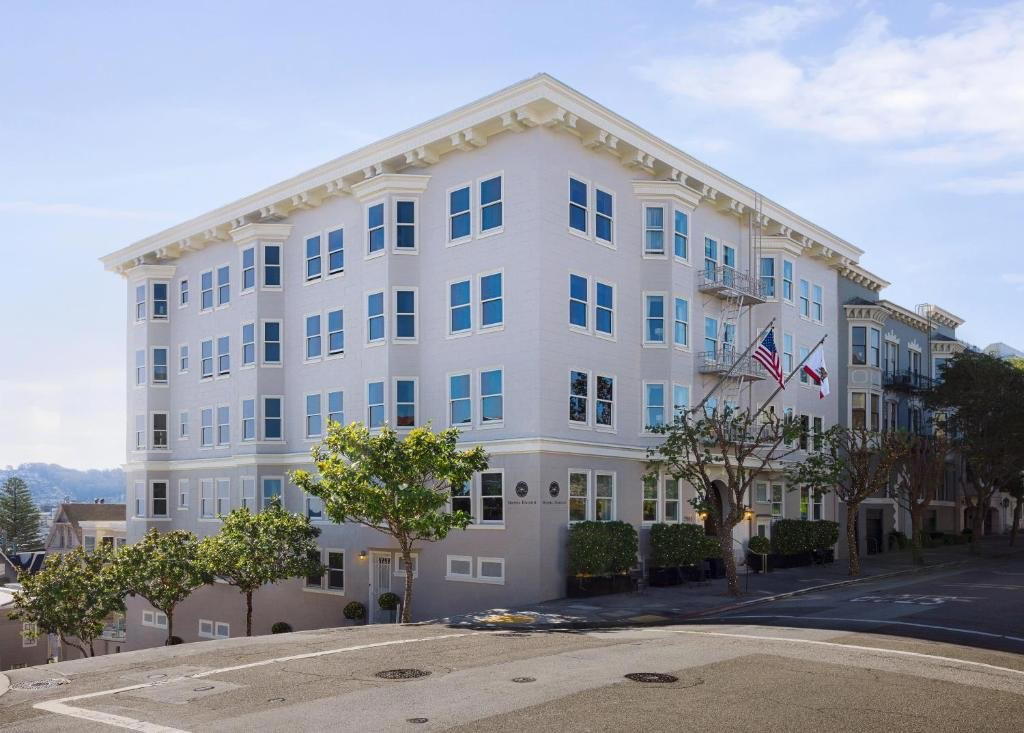
At a Glance
- Cozy
- Modern
- Trendy
- Intimate
- Date Night
- Special Occasion
- Brunch
- Open Kitchen
- Courtyard
- Craft Cocktails
Current opening hours
- Monday
- Closed
- Tuesday
- 4–9:30 PM
- Wednesday
- 4–9:30 PM
- Thursday
- 4–9:30 PM
- Friday
- 4–10:30 PM
- Saturday
- 10 AM–10:30 PM
- Sunday
- 10 AM–9 PM
Hours can change for holidays and private events. Last verified .
Cozy and stylish dining room with modern touches, exhibition kitchen, and lively yet intimate atmosphere that can get moderately noisy on busy nights.