Mariposas
Mariposas occupies a SoMa address that places it within reach of San Francisco's most technically demanding dining rooms, yet it operates in a distinct register. The kitchen draws on California's agricultural depth and applies methods that travel far beyond the state's borders, situating it in the growing tier of restaurants where local sourcing and imported technique are equally weighted. Advance planning is advisable.
Pearl is the En Primeur Club membership app — saves, bookings, and concierge access live there. Same editors, same standards.
- Address
- 825 Mission St, San Francisco, CA 94103
- Phone
- +14158593821
- Website
- mariposasdining.com
- Directions
- Get directions
 Saves & bookings on Pearl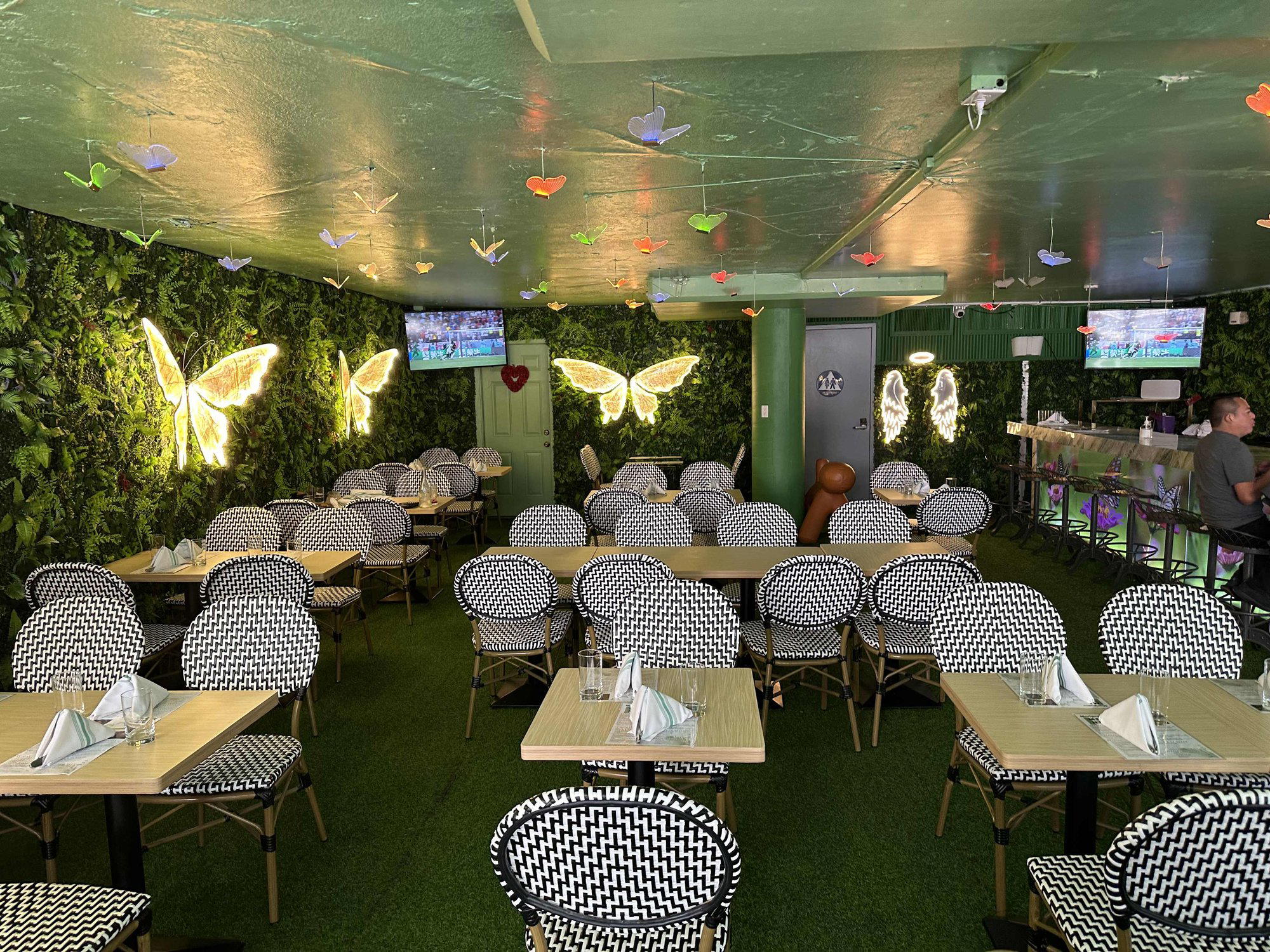
SoMa and the Kitchens That Define It
The blocks around Mission Street in SoMa have long functioned as a pressure-release valve for San Francisco's dining ambitions: close enough to the financial district to draw expense-account traffic, loose enough in character to allow the kind of cooking that wouldn't survive on a Union Square block. The neighbourhood's restaurant density has shifted considerably over the past decade, with mid-market corridors giving way to more considered formats. Mariposas, at 825 Mission Street, sits in this recalibrated stretch.
San Francisco's broader fine-dining scene rewards orientation. The city's top tier is currently occupied by restaurants such as Benu, which applies French-Chinese discipline to a Michelin three-star level, and Atelier Crenn, whose poetic modern French approach has drawn sustained critical attention. Below that apex sits a competitive middle band where Lazy Bear has pushed progressive American cooking toward a communal-table format, and Quince maintains a rigorous Italian-contemporary program in the Financial District. Mariposas is an Authentic Peruvian Rotisserie in San Francisco, priced around $25 per person, at 825 Mission St.
Where Local Sourcing Meets Imported Method
The tension at the centre of California's most interesting kitchens is rarely about ingredients. Northern California's agricultural access is well-established: Sonoma ranches, Central Valley produce, Pacific coast seafood and Marin dairy have been feeding ambitious restaurants here for decades. The more revealing question is technique, specifically, how a kitchen applies pressure to those materials.
Globally trained method applied to California's raw material has become one of the more productive creative frameworks in American cooking, and it is generating some of the country's more interesting restaurant propositions. Restaurants such as Saison have made the wood-fire kitchen central to this argument, translating a deeply Californian material culture through a lens that owes as much to European culinary discipline as to the Bay Area's produce politics. The same logic surfaces at Single Thread Farm in Healdsburg, where Japanese kaiseki structure is applied to Sonoma County ingredients with season-by-season precision.
The approach isn't limited to California. Blue Hill at Stone Barns in Tarrytown has built a nationally recognised argument for farm-to-table cooking that goes beyond the slogan: the kitchen's relationship with its surrounding land is structural, not decorative. Providence in Los Angeles applies classical French seafood technique to Pacific waters. At the further technical end, Alinea in Chicago and Atomix in New York City demonstrate how imported frameworks, whether molecular gastronomy or Korean fine dining, can generate entirely new culinary conversations when applied to American contexts. Mariposas enters this wider national dialogue from its SoMa position.
The SoMa Dining Register
Reading a neighbourhood's restaurant character accurately matters before booking. SoMa has always hosted a wider stylistic range than Pacific Heights or the Richmond, accommodating everything from warehouse-format tasting menus to late-night counter operations. That range has a practical consequence for diners: expectations calibrated to one end of the spectrum can read an otherwise accomplished room as falling short. The neighbourhood's physical character, wide streets, converted industrial buildings, proximity to the Moscone convention circuit, shapes who is in the room on any given night.
The national comparison set for restaurants operating in this kind of urban-industrial setting is instructive. Bacchanalia in Atlanta has held its position in a converted warehouse district for years by anchoring quality to Southern ingredient sourcing rather than interior glamour. Addison in San Diego demonstrates that a dining room's formal ambitions don't require a traditionally prestigious postcode to sustain them. What links the better kitchens across these geographies is a consistent translation of local material into technically disciplined cooking, regardless of the address.
Restaurants that have built lasting reputations on similar foundations elsewhere include Le Bernardin in New York City, where classical French technique applied to seafood has defined a standard for over three decades, Emeril's in New Orleans, which established the viability of chef-driven fine dining outside traditional coastal markets, and The Inn at Little Washington, whose regional Virginia sourcing under Patrick O'Connell helped reframe what American fine dining could mean geographically. At the international level, 8 1/2 Otto e Mezzo Bombana in Hong Kong shows how classical Italian discipline survives and sharpens when transplanted to an entirely different ingredient culture. The French Laundry in Napa remains the California benchmark against which most serious regional kitchens are implicitly measured.
Planning Your Visit
Category Peers
Comparable venues nearby, for context on price, style, and recognition.
| Venue | Cuisine | Price | Notes |
|---|---|---|---|
| MariposasThis venue — the venue you are viewing | Authentic Peruvian Rotisserie | $$ | Not listed |
| Fresca | Nouveau Peruvian | $$ | Noe Valley |
| Pink Zebra | Mediterrasian Fusion | Not listed | San Francisco |
| Orenchi Beyond | Authentic Japanese Ramen | $$ | Mission District |
| El Lopo | Dining | Not listed | San Francisco |
| The Commissary | Spanish-influenced California | $$ | Presidio |
Continue exploring
More in San Francisco
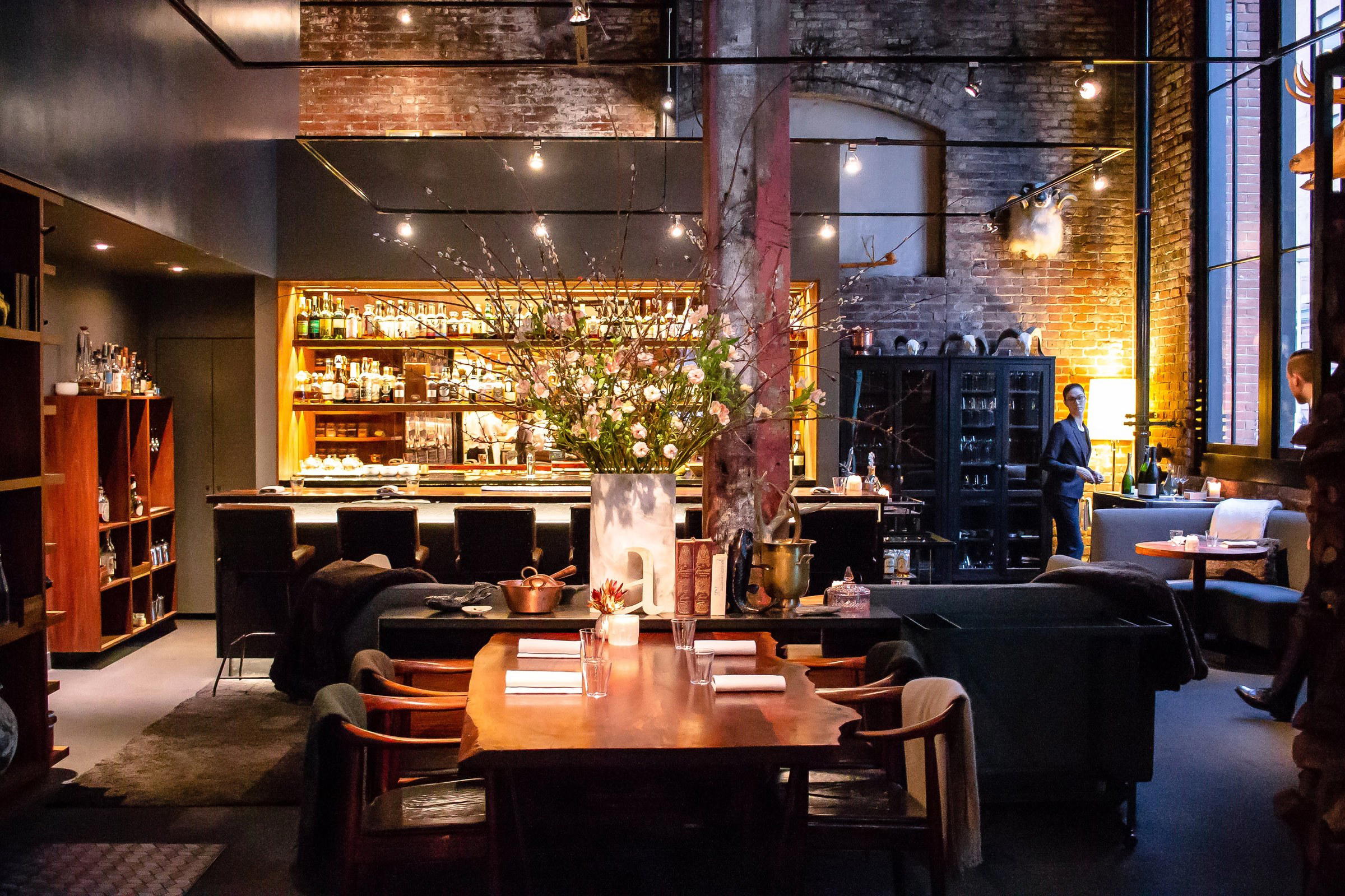
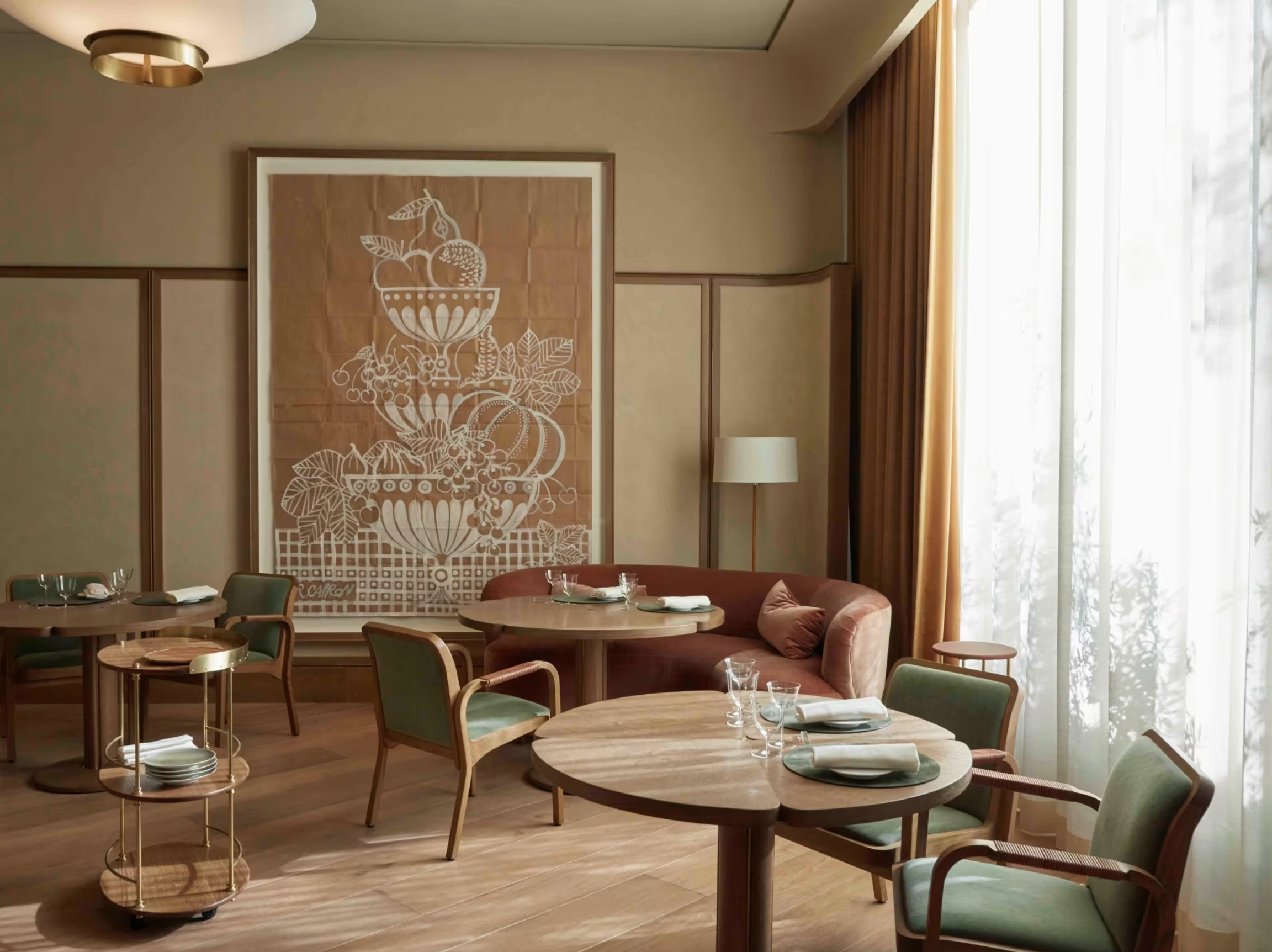
Restaurants in San Francisco
Browse all →
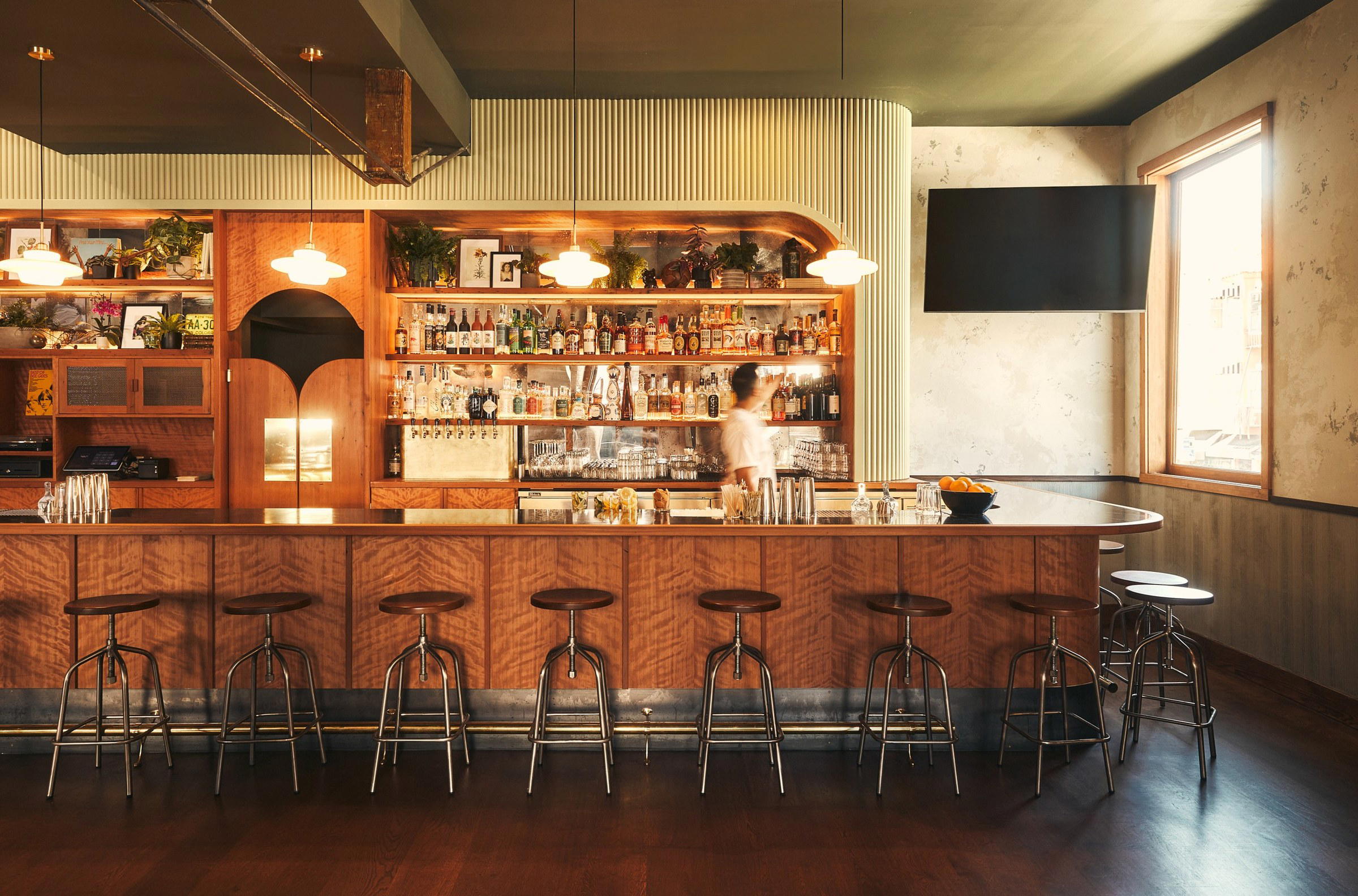
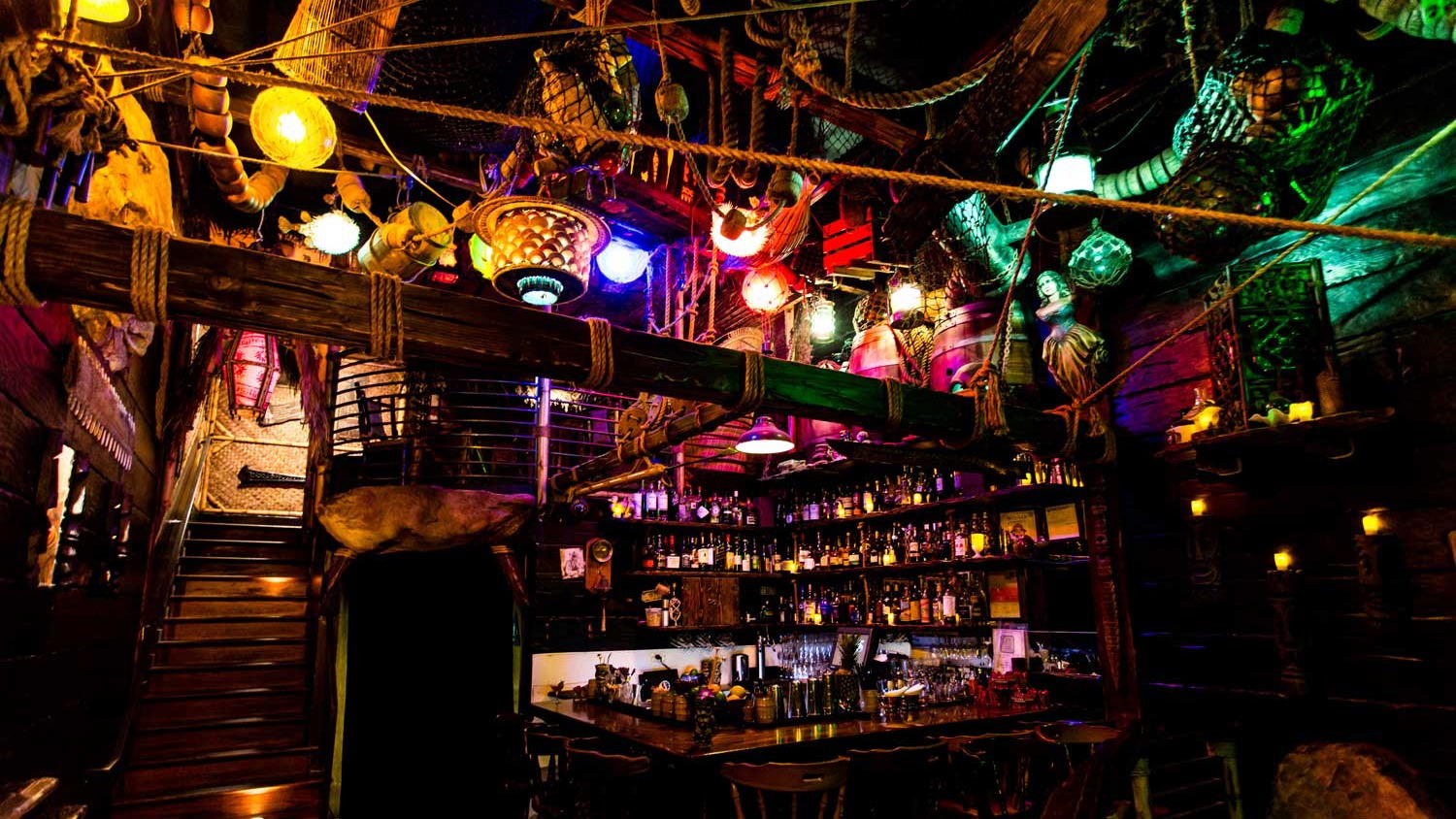
Bars in San Francisco
Browse all →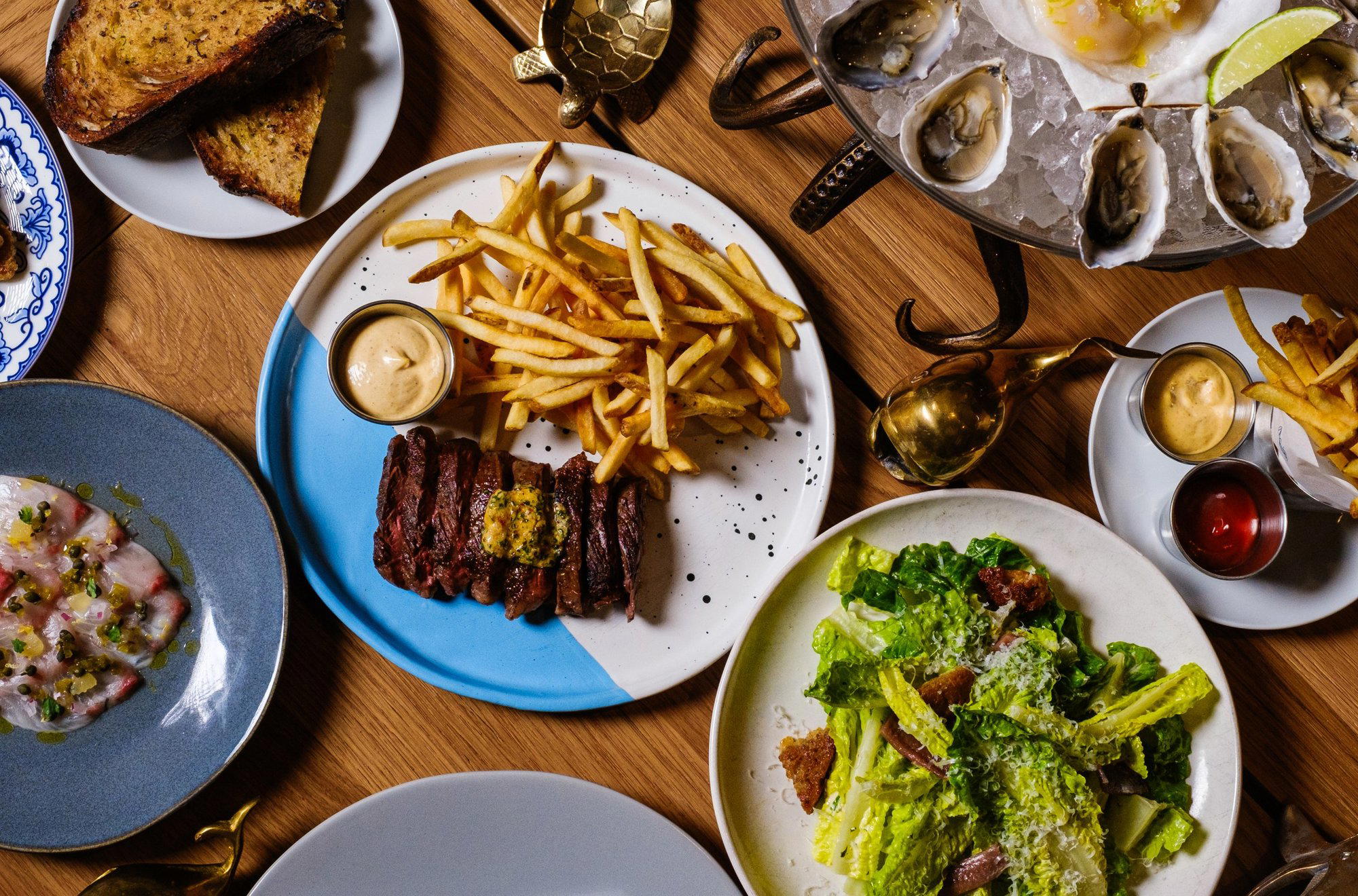
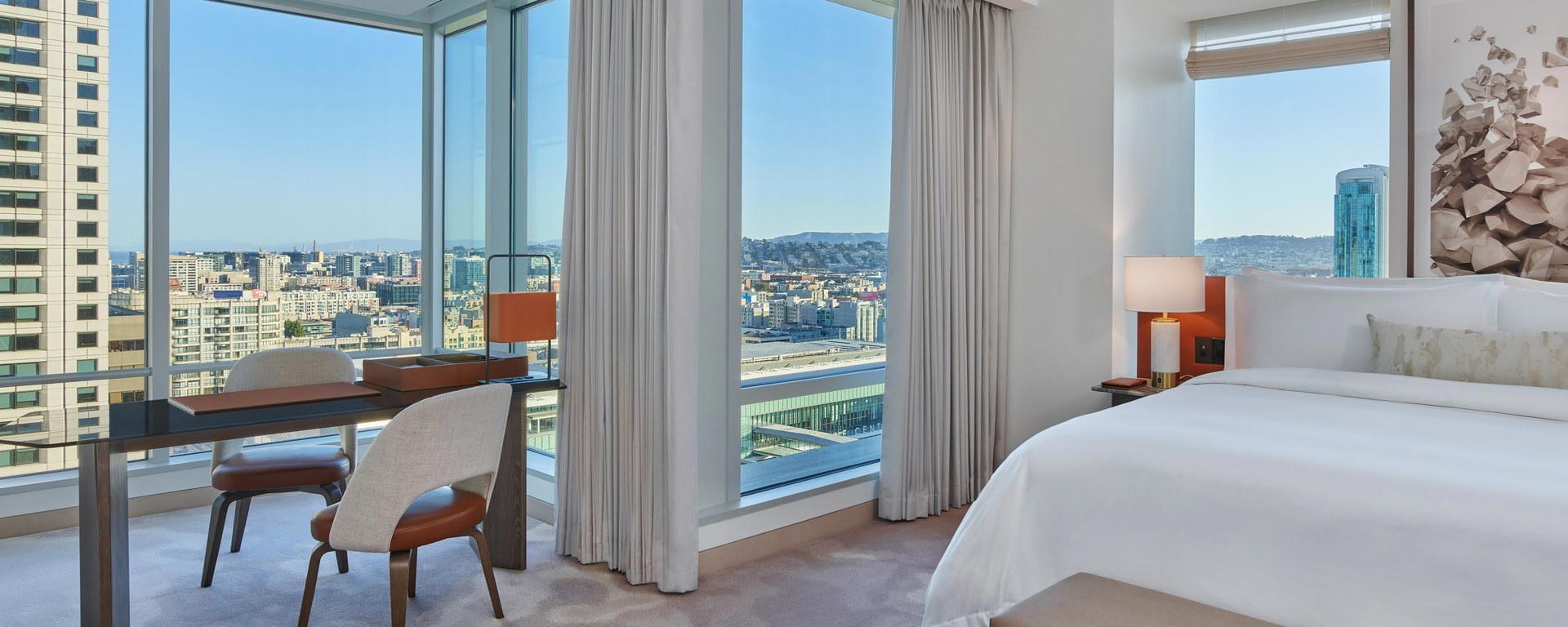
Hotels in San Francisco
Browse all →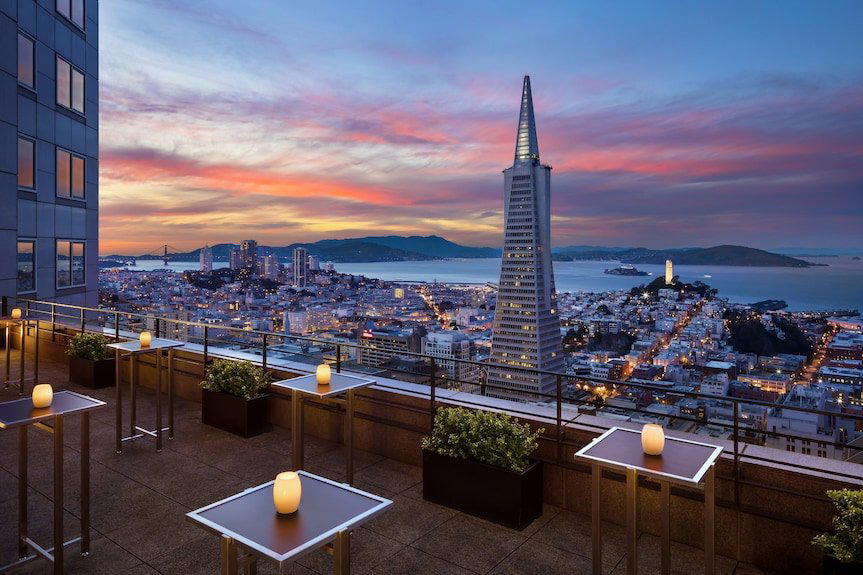
At a Glance
- Lively
- Casual Hangout
- Group Dining
- Open Kitchen
- Local Sourcing
Current opening hours
- Monday
- 9 AM–9 PM
- Tuesday
- 9 AM–9 PM
- Wednesday
- 9 AM–9 PM
- Thursday
- 11 AM–9 PM
- Friday
- 11 AM–10 PM
- Saturday
- 11 AM–10 PM
- Sunday
- 11 AM–9 PM
Hours can change for holidays and private events. Last verified .
Warm, lively, and inviting atmosphere reflecting Peruvian hospitality.