Peña Pachamama
Peña Pachamama occupies a North Beach address on Powell Street where Andean cultural tradition meets San Francisco's appetite for experiential dining. The space operates at the intersection of live music, South American cuisine, and a wine program with roots in Bolivian and broader Latin American production. For the city's growing cohort of experience-forward diners, it represents a distinct alternative to the tasting-menu format that dominates at this price tier.
Pearl is the En Primeur Club membership app — saves, bookings, and concierge access live there. Same editors, same standards.
- Address
- 1630 Powell St, San Francisco, CA 94133
- Phone
- +14156940845
- Website
- penapachamama.com
- Directions
- Get directions
 Saves & bookings on Pearl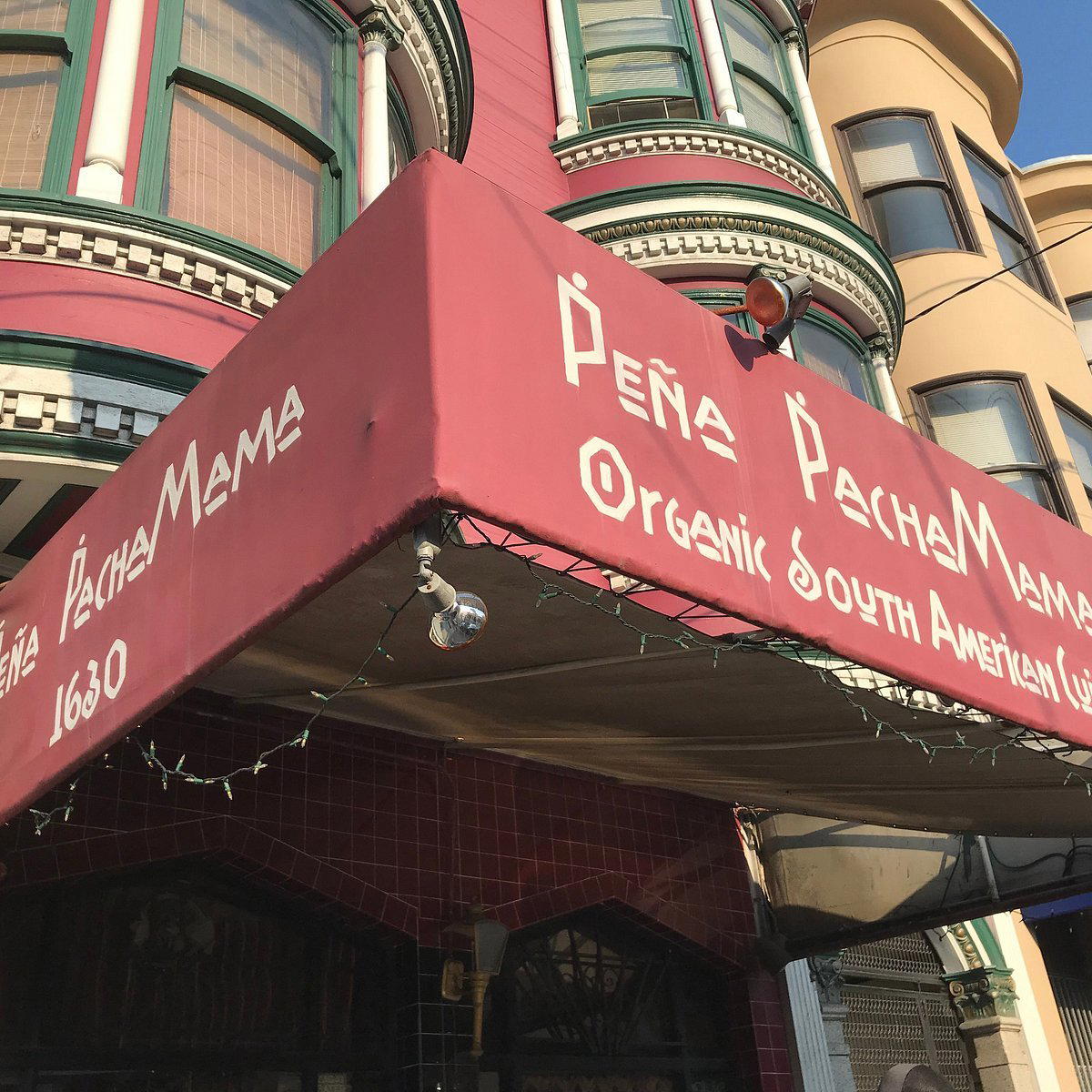
North Beach's Andean Counter-Narrative
San Francisco's upper dining tier has consolidated around a recognizable format: multi-course tasting menus, California-sourced ingredients, and wine pairings drawn from European appellations. Venues like Lazy Bear, Atelier Crenn, and Benu have each built their identity around that structure. Peña Pachamama is an Organic Vegan Bolivian Tapas restaurant in San Francisco's North Beach, with a casual dress code and recommended reservations. Peña Pachamama, at 1630 Powell Street in North Beach, operates on a different logic entirely. Where those rooms lean into silence and precision, this one leans into sound, rhythm, and a South American cultural frame that has little precedent in the city's fine-dining conversation.
North Beach itself carries an older San Francisco identity, shaped by Italian immigration, Beat Generation literary culture, and a neighbourhood density that resists the kind of sanitized development that has altered SoMa and the Mission. Powell Street sits at the edge of that district, close enough to Chinatown to feel the city's layered demographic history. Peña Pachamama places Andean tradition inside that context, which gives it a geographic logic that a more generic Latin American concept would lack.
The Wine Program: A Different Sourcing Argument
The editorial angle most worth examining at Peña Pachamama is its wine approach, which diverges sharply from the European-dominant lists that define San Francisco's top tier. At Quince or Saison, the cellar depth argument is made through aged Burgundy, Barolo, and Napa Cabernet. At the restaurant, the sourcing argument is Andean and broadly South American, which places it in a comparable set that has almost no other members in California's fine-dining circuit.
Bolivia is one of the least-represented wine-producing countries in American restaurant lists. Its high-altitude viticulture, concentrated in the Tarija valley at elevations between 1,600 and 3,000 metres, produces wines with a structural profile shaped by UV intensity and diurnal temperature variation that differs meaningfully from coastal California or even Argentine Mendoza. A restaurant that builds its list around those bottles is making a curatorial argument, not simply filling a gap. In a city where sommeliers at prestige addresses compete over allocation access to Domaine Leroy or Screaming Eagle, choosing Bolivian terroir as a organizing principle is a deliberate and defensible editorial position.
The broader Latin American wine production context is relevant here. Argentina's Malbec-led export identity is well established, and Chilean Carménère has gained international recognition over the past two decades. But Bolivian production, along with Peru's nascent wine regions, remains largely outside the frame of reference for most American wine professionals. A list that foregrounds those bottles serves a reader who already knows the European canon and is looking for a structurally rigorous alternative, not a novelty.
For comparison, consider how Blue Hill at Stone Barns in Tarrytown uses its wine list as an extension of its agricultural argument, or how Single Thread Farm in Healdsburg ties its cellar to a specific regional terroir thesis. The restaurant's Andean sourcing performs a similar function: the wine list is a position statement about which culinary traditions deserve serious curatorial attention.
Atmosphere as Format: The Peña Tradition
The word peña carries specific cultural weight that distinguishes this space from a generic music venue or themed restaurant. In Andean tradition, a peña is a gathering space for folk music, poetry, and communal culture, with deep roots in Bolivia, Peru, and Chile. The format predates the concept of dinner-with-entertainment as a commercial category; it emerges from a social practice where music, food, and political or artistic identity are inseparable.
San Francisco's experience-dining scene has moved in recent years toward what might be called controlled immersion: chef's tables, single-sitter counters, and highly choreographed tasting sequences where the narrative is managed by the kitchen. The peña format inverts that logic. The room sets a cultural frame, and the food and drink operate inside it rather than directing it. That distinction matters for a reader deciding between this and a more conventional prestige address. At Alinea in Chicago or The French Laundry in Napa, the kitchen controls the tempo of the evening. Here, that control is shared with the performers.
In many cities, premium experiences have split between high-volume spectacle and low-capacity specialist formats. The restaurant sits in the specialist tier, where the format discipline and cultural specificity matter more than production scale. The live Andean music component is not a supplement to the dining experience; it is the organizing principle around which everything else is arranged.
Positioning Within San Francisco's Dining Circuit
The comparison table below places the restaurant against its North Beach and broader San Francisco peers on the practical dimensions most relevant to a first visit.
| Venue | Format | Price Tier | Booking Lead Time | Music/Performance |
|---|---|---|---|---|
| The restaurant | À la carte / peña | Not published | Confirm directly | Live Andean music |
| Lazy Bear | Tasting menu | $$$$ | 4-6 weeks | None |
| Atelier Crenn | Tasting menu | $$$$ | 6-8 weeks | None |
| Benu | Tasting menu | $$$$ | 4-6 weeks | None |
| Quince | Tasting menu | $$$$ | 3-4 weeks | None |
The restaurant's price point is about $35 per person, with reservations recommended and current hours listed as Wednesday and Thursday 5:30-9:30 PM, Friday and Saturday 5:30-10:30 PM, and Sunday 4-8 PM. That caveat applies across a meaningful number of smaller, culturally specific venues in San Francisco, where operational details shift seasonally and are not always captured by aggregator platforms.
For equivalent prestige-level addresses in other cities, Providence in Los Angeles, Addison in San Diego, and Atomix in New York each represent the kind of precise, culturally rooted ambition that restaurant is reaching for from a different direction.
Planning Your Visit
North Beach rewards arrival on foot. The neighbourhood's street-level density, particularly around Columbus Avenue and the blocks running toward the bay, gives a clearer sense of the area's character than arriving by car or rideshare directly to the door. The Powell Street address is walkable from the Columbus strip and sits within a short distance of the financial district's BART connections, making it accessible from most San Francisco neighbourhoods without a vehicle.
Given the live music component, timing matters more here than at a conventional restaurant. Performances typically anchor to specific evenings or time slots rather than running continuously, which means checking the current schedule before booking is worth the extra step. Readers who have experienced the late-night music programs at venues like Bacchanalia in Atlanta or the multi-course theatrical pacing at The Inn at Little Washington will recognize the pattern: the evening has a structure, and arriving outside it changes the experience materially.
For wine-focused visitors, the Andean program is the primary reason to engage seriously with the list rather than defaulting to the familiar. High-altitude Bolivian viticulture is not well represented in American restaurants at any price tier, and the chance to taste it in a culturally coherent context is not easily replicated elsewhere in California. That is the specific case for the restaurant that no amount of generic San Francisco dining coverage will prepare you for.
Comparable Spots
Comparable venues nearby, for context on price, style, and recognition.
| Venue | Cuisine | Price | Notes |
|---|---|---|---|
| Peña PachamamaThis venue — the venue you are viewing | Organic Vegan Bolivian Tapas | $$ | Not listed |
| La Mar | Modern Peruvian Cebicheria | $$$ | Financial District/South Beach |
| Mochica | Peruvian Fusion | $$ | Potrero Hill |
| Breadwinner | American Deli / Sandwiches | $$ | Presidio |
| Cafe des Amis | Classic French Brasserie | $$ | Cow Hollow |
| Saison Cellar & Wine Bar | Dining | Not listed | San Francisco |
Continue exploring
More in San Francisco
Restaurants in San Francisco
Browse all →
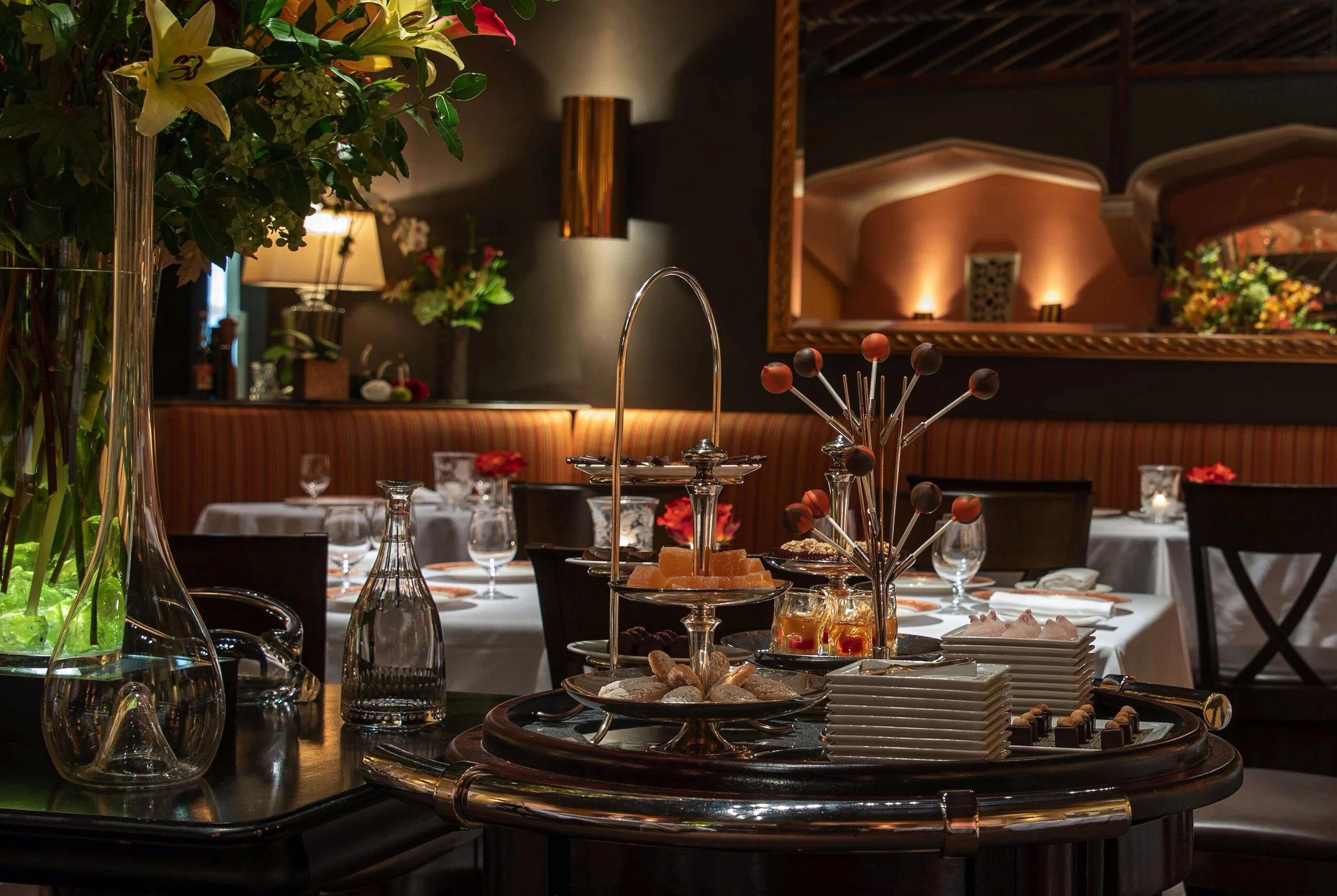
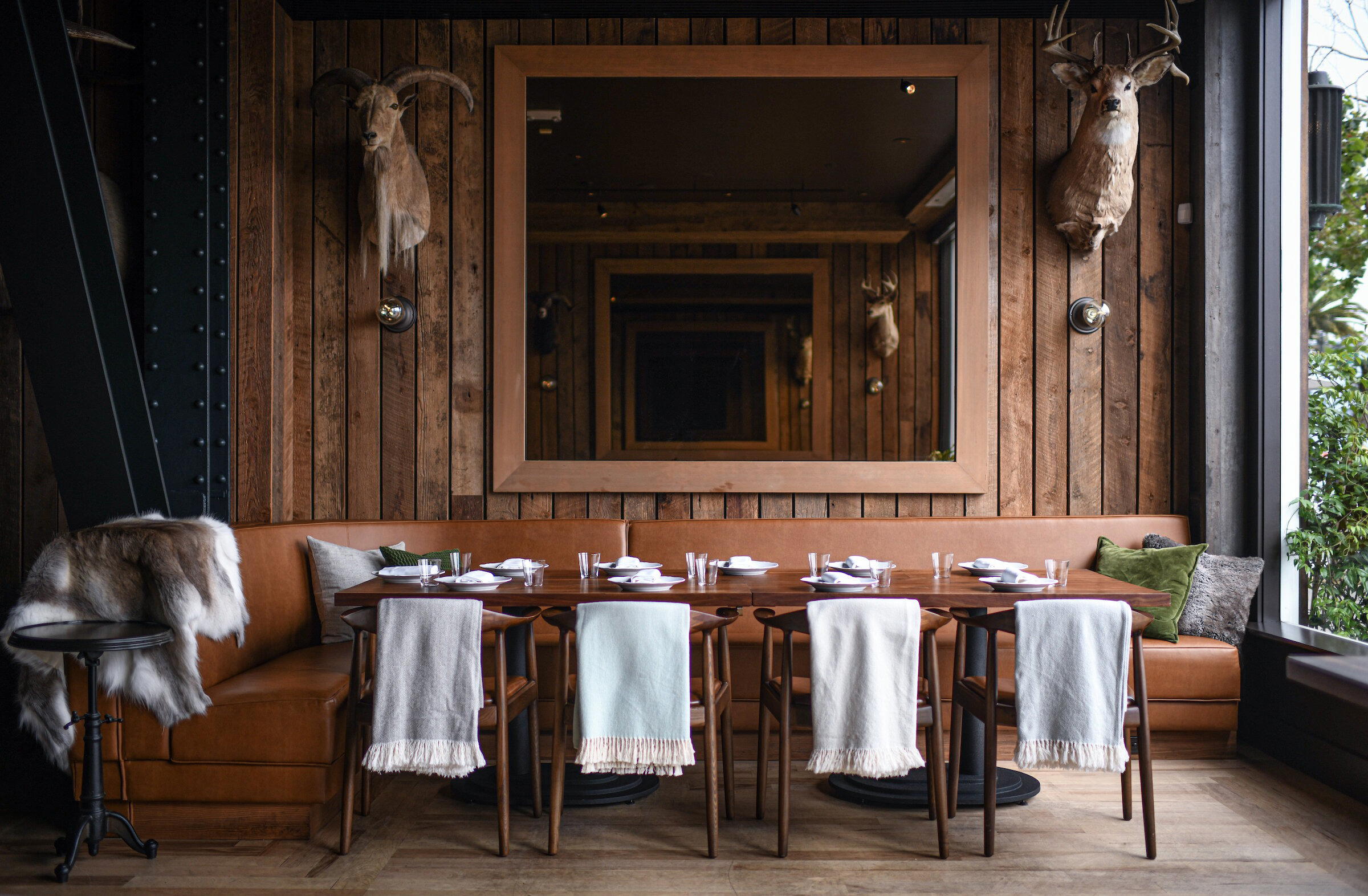
Bars in San Francisco
Browse all →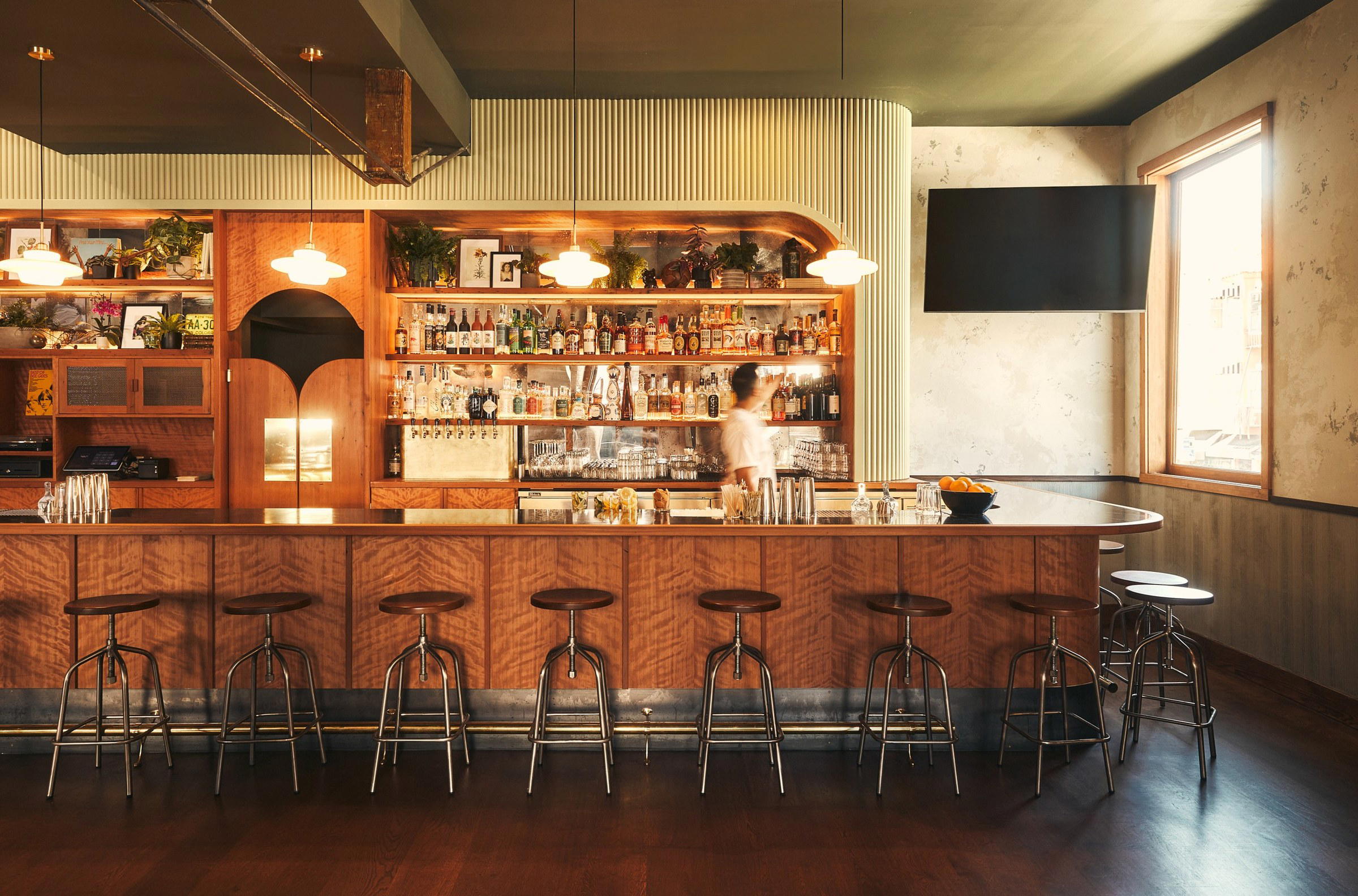
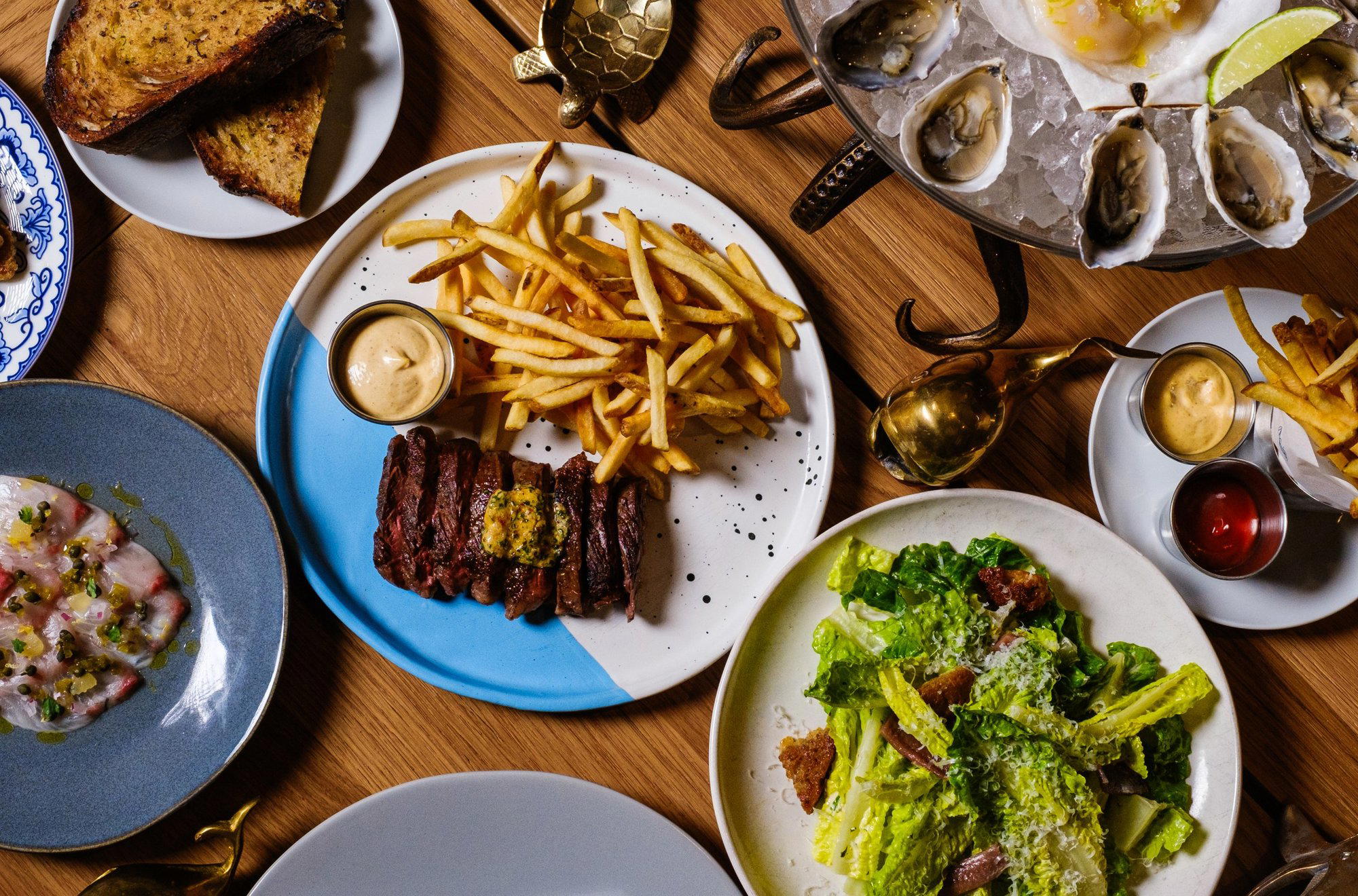
Hotels in San Francisco
Browse all →
At a Glance
- Lively
- Cozy
- Rustic
- Bohemian
- Intimate
- Special Occasion
- Group Dining
- Celebration
- Casual Hangout
- Live Music
- Historic Building
- Craft Cocktails
- Organic
- Local Sourcing
Current opening hours
- Monday
- Closed
- Tuesday
- Closed
- Wednesday
- 5:30–9:30 PM
- Thursday
- 5:30–9:30 PM
- Friday
- 5:30–10:30 PM
- Saturday
- 5:30–10:30 PM
- Sunday
- 4–8 PM
Hours can change for holidays and private events. Last verified .
Magical, lively oasis with warm lighting, infused by live music, dance, and a bohemian spirit that transforms guests.