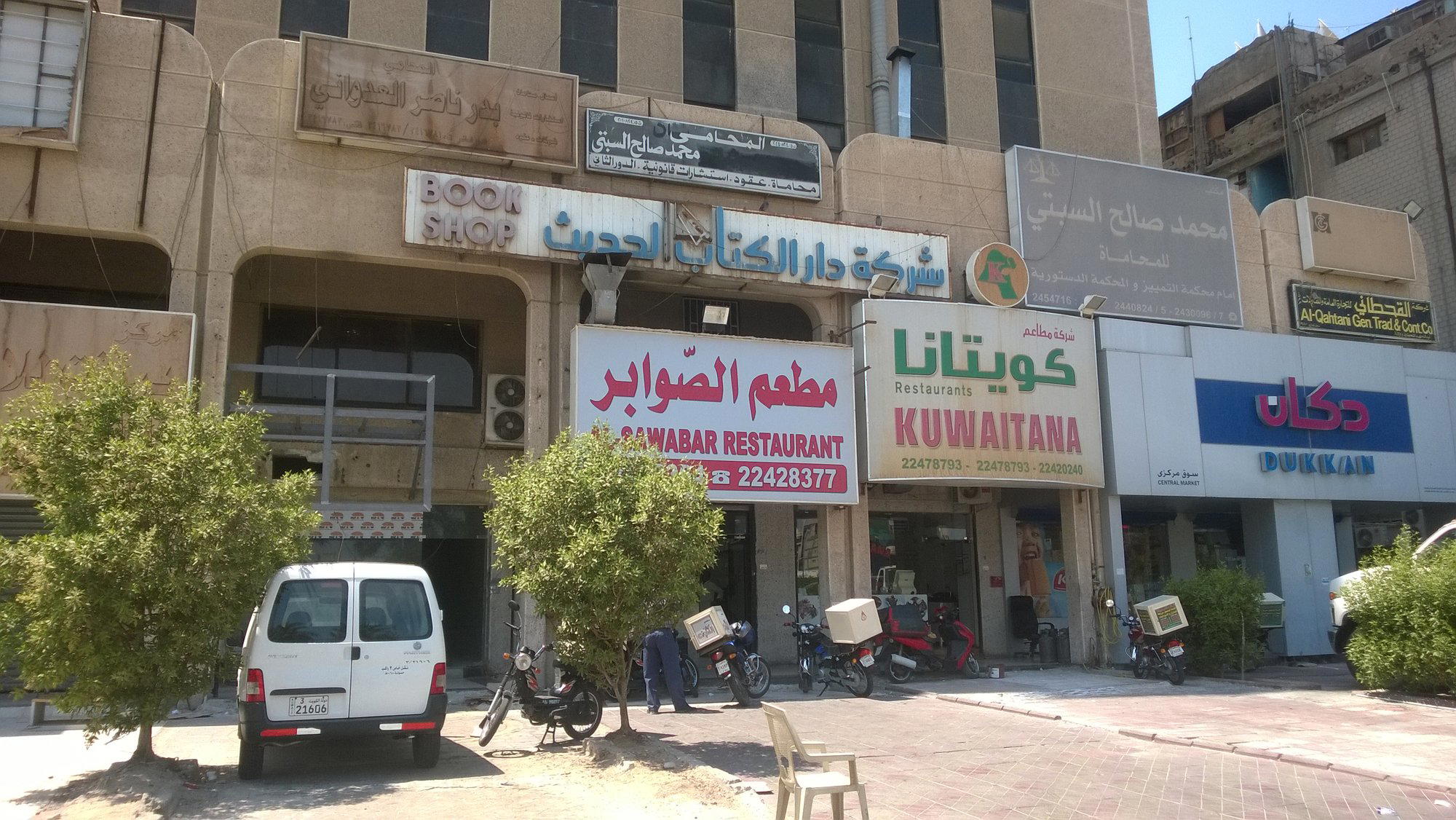
Al-Sawabar
Al-Sawabar sits within Kuwait City's evolving dining scene, where traditional Gulf hospitality rituals shape the pace and character of a meal as much as the food itself. The restaurant occupies a city where communal eating culture runs deep, placing it in a category defined by shared plates, deliberate pacing, and the social architecture of the table.

Pearl is the En Primeur Club membership app — saves, bookings, and concierge access live there. Same editors, same standards.
The Ritual Before the Meal
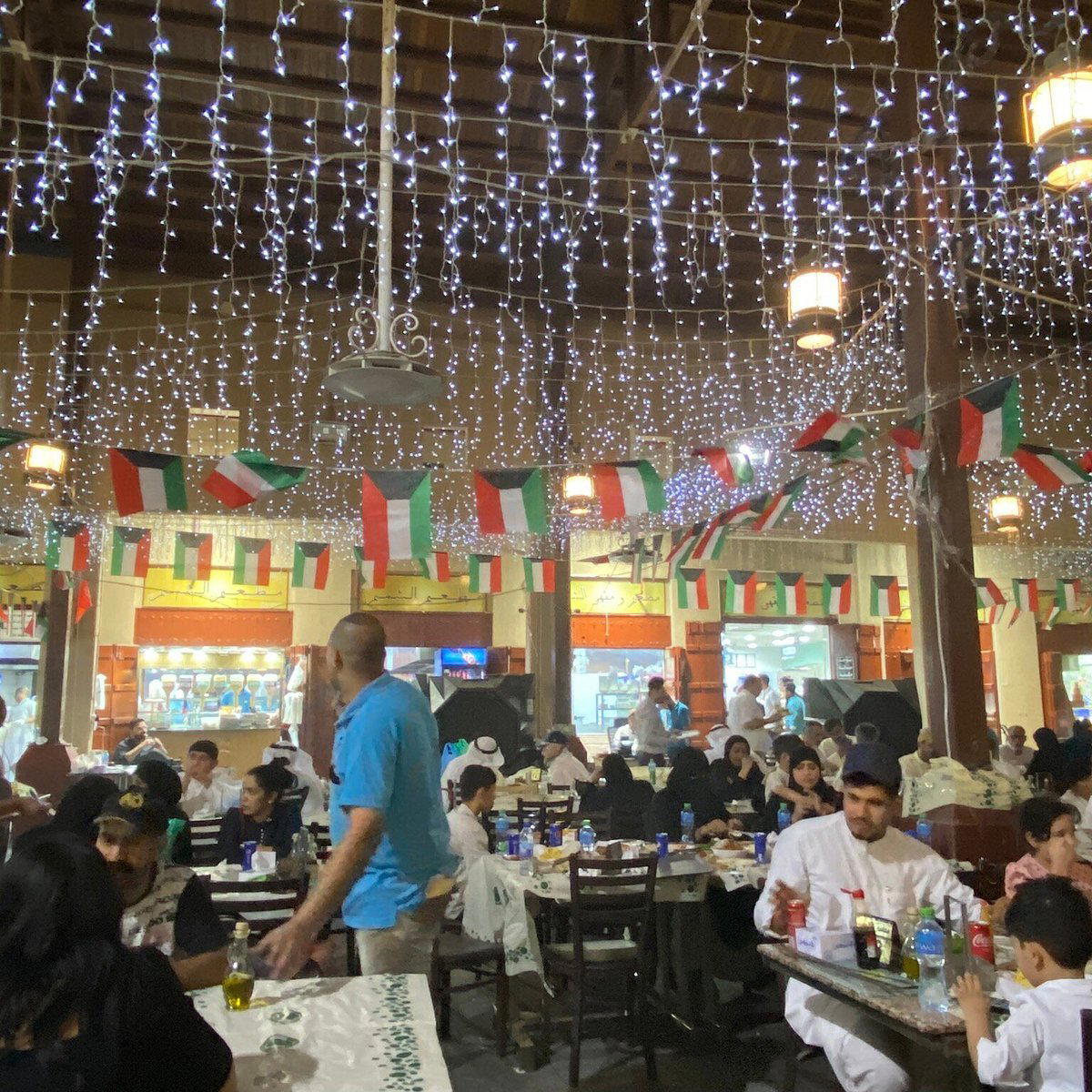
In Kuwait City, the act of eating out carries a weight that goes beyond appetite. Meals here are events structured around arrival, greeting, and the gradual choreography of shared dishes — a cultural grammar inherited from Bedouin hospitality traditions that prizes generosity and deliberate pacing above all else. Al-Sawabar sits inside that tradition, in a city where the table is as much a social institution as a place to eat. Before a dish arrives, before a choice is made, the setting has already communicated something about how the meal will unfold.
That framing matters in Kuwait City more than in most Gulf capitals. Where Dubai has pivoted hard toward international dining formats — tasting menus, chef's tables, imported European templates, Kuwait has maintained a dining culture that rewards patience and familiarity. Regulars tend to occupy their usual corners, orders are placed without menus in establishments where the repertoire is understood, and the measure of a good meal is rarely the surprise of a single dish but the consistency of the whole experience across many visits. Al-Sawabar operates in that context.
Kuwait City's Dining Architecture
To understand where Al-Sawabar fits, it helps to map the broader shape of Kuwait City's restaurant scene. The city's dining options divide loosely into three tiers: the high-end hotel and tower venues that anchor the Gulf Road and Salmiya corridors; the mid-market independents where most serious everyday eating happens; and the neighbourhood establishments, often family-run, that serve as the connective tissue of local food culture. The city has no Michelin Guide, the scheme does not operate in Kuwait, so trust signals in this market are built through longevity, word-of-mouth within tight social networks, and the kind of sustained footfall that speaks louder than any award.
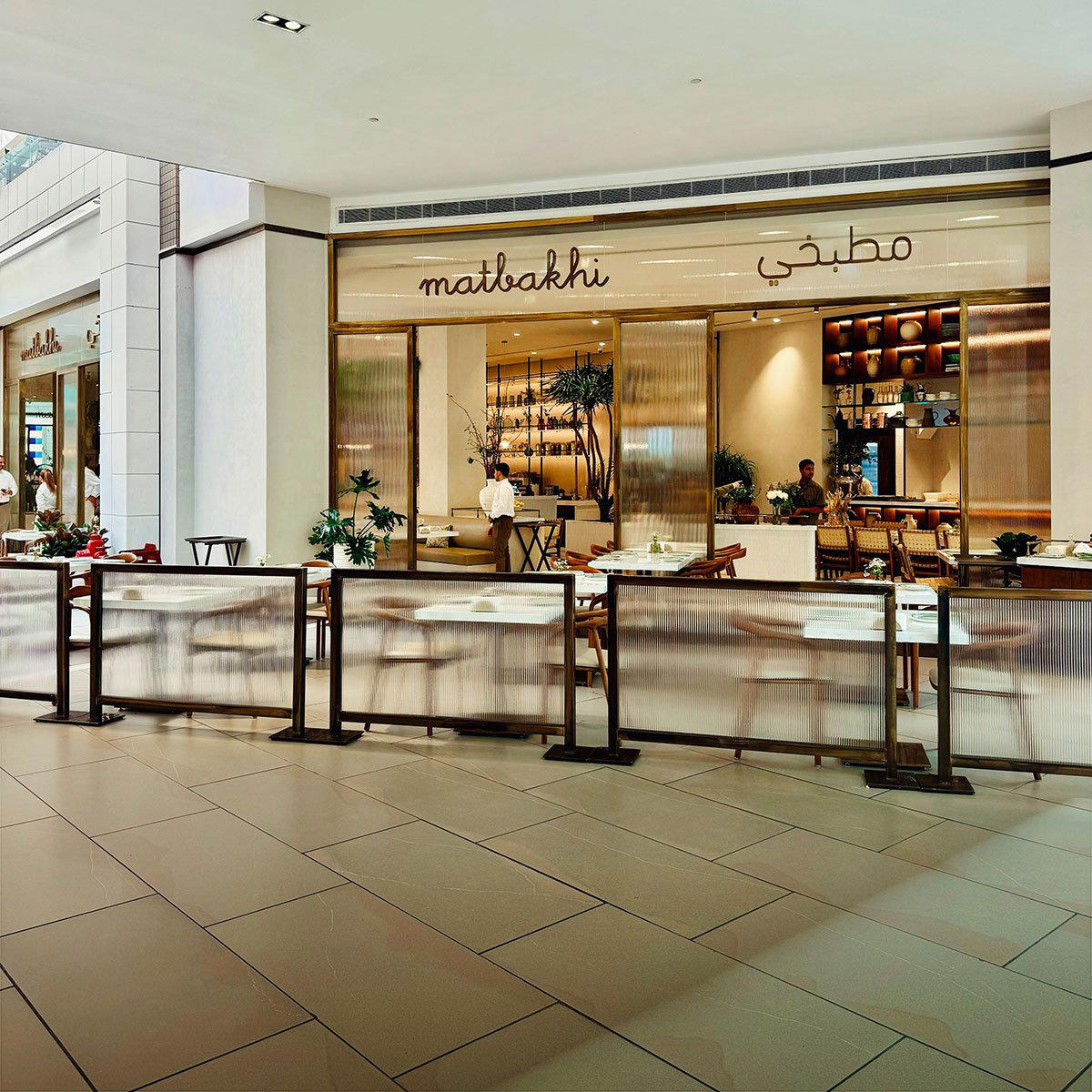
Peers in Kuwait City's mid-to-upper independent tier include Al Shamam Restaurant, which holds a comparable position in the local dining conversation, alongside Matbakhi and Cure, both of which draw a similar audience of residents looking for consistency over spectacle. OVO Restaurant and Cantina round out a category where the dining format tends to be relaxed and the expectation is a reliably good meal rather than a technically ambitious one. In this company, Al-Sawabar is evaluated not against the benchmarks of, say, Le Bernardin in New York City or Atomix in New York City, but against the more grounded question of whether it earns a repeat visit from people who have many options and limited patience for inconsistency.
The Pace and Shape of the Table
Gulf dining rituals tend to resist the Western sequence of starter, main, dessert as distinct and separate acts. The table fills gradually, with dishes arriving in loose waves rather than strict courses. Bread and dips arrive early; proteins and rice dishes anchor the middle of the meal; sweet items close it, often accompanied by Arabic coffee or tea. The meal is communal by default, individual plates are the exception rather than the rule, and the social expectation is that conversation and eating proceed in parallel, neither hurrying the other.
This format places specific demands on a kitchen. Timing matters less than the ability to hold dishes at their leading across a longer service window. Consistency of seasoning across a shared table, where dishes may be passed and returned multiple times, is more important than the precise plating of a single portion. The leading practitioners of this style across the Gulf, whether in Riyadh's older neighbourhood restaurants or in the traditional houses of Beirut, understand that their kitchen is serving a social ritual as much as an appetite.
Across the wider Kuwait dining scene, this approach is visible in venues like Bonjiri in Salmiya and Midar in Rai, both of which have built followings on communal-format eating. Further afield in Kuwait, White Robata in Shuwaikh takes a different approach, leaning into a more structured, Japanese-influenced format that sits outside this tradition entirely. The contrast is instructive: in a city without a formal critical apparatus, the dining culture itself becomes the organising principle.
Placing Al-Sawabar in the Wider Gulf Context
Kuwait City's restaurant scene has historically been underrepresented in international food writing, partly because the country's strict alcohol prohibition removes one of the standard critical lenses applied to restaurant assessment in Western markets, and partly because the most compelling dining here happens in registers that don't photograph well for international outlets. The food that matters most is often the least visually theatrical.
For international visitors accustomed to the reference points of, say, 8 1/2 Otto e Mezzo Bombana in Hong Kong or Alain Ducasse's Louis XV in Monte Carlo, the adjustment in Kuwait City is significant. The city rewards different instincts: the ability to read a room's social dynamics, to follow the lead of local diners in ordering, and to resist the impulse to treat the meal as a performance to be documented. Al-Sawabar, in that context, is leading approached as a local institution evaluated by local standards.
Other restaurants around Kuwait worth cross-referencing for context include KUMAR in South Sabahiya, which serves a different demographic and format entirely, and Al Shamam Restaurant in its broader Kuwait footprint. The city's dining geography is diffuse, neighbourhoods like Salmiya, Rai, and Shuwaikh each have distinct characters, and Al-Sawabar's position within that map is part of how it should be assessed. For a fuller orientation to what Kuwait City offers across categories and neighbourhoods, our full Kuwait City restaurants guide provides the broader context.
Planning a Visit
Kuwait City operates on a later dining clock than most European or North American cities, with the main evening service running from around 8pm well past midnight, particularly on weekends. The working week runs Sunday through Thursday, which means Thursday and Friday nights carry the energy that Saturday evenings do elsewhere. Booking practices in Kuwait vary considerably by venue type: hotel restaurants and newer independents typically take reservations through standard channels, while established neighbourhood spots may operate on a walk-in basis with the expectation that regulars take precedence. Given the limited publicly available information about Al-Sawabar's current booking policy and specific address, arriving with a local contact or hotel concierge recommendation is the most reliable approach. Dress expectations across Kuwait's mid-to-upper restaurant tier are smart casual at minimum; the social nature of dining here means presentation is observed.
For practical comparison across the city's independent restaurant tier, venues like Wimpy in Coast Strip C and Lazy Bear in San Francisco represent entirely different ends of the format spectrum, the latter useful as a reference point for what a highly structured communal dining experience looks like when codified into a ticketed format, which Kuwait City has not yet adopted in any significant way. Similarly, Emeril's in New Orleans illustrates how a city's culinary identity can be carried by a handful of anchoring institutions, a dynamic that operates differently in Kuwait, where the anchors tend to be quieter and less publicly branded.
Cuisine-First Comparison
| Venue | Cuisine |
|---|---|
| Al-SawabarThis venue — the venue you are viewing | This venue |
Continue exploring
More in Kuwait City
Restaurants in Kuwait City
Browse all →
Bars in Kuwait City
Browse all →
At a Glance
- Casual Hangout