Cantina

World's 50 Best #18
Our verdict
Opened in November 2023 in Kuwait City's Shuwaikh Industrial district, Cantina brings Mediterranean cooking with an Italian focus to a dining scene hungry for it. The project comes from chef Basmah Marouf, whose tenure as executive chef at Madison Heig established her credentials at the sharper end of the city's restaurant circuit. The result is a room that reads as warm and considered rather than showy.

Pearl is the En Primeur Club membership app, where members save venues, book tables and use the concierge.
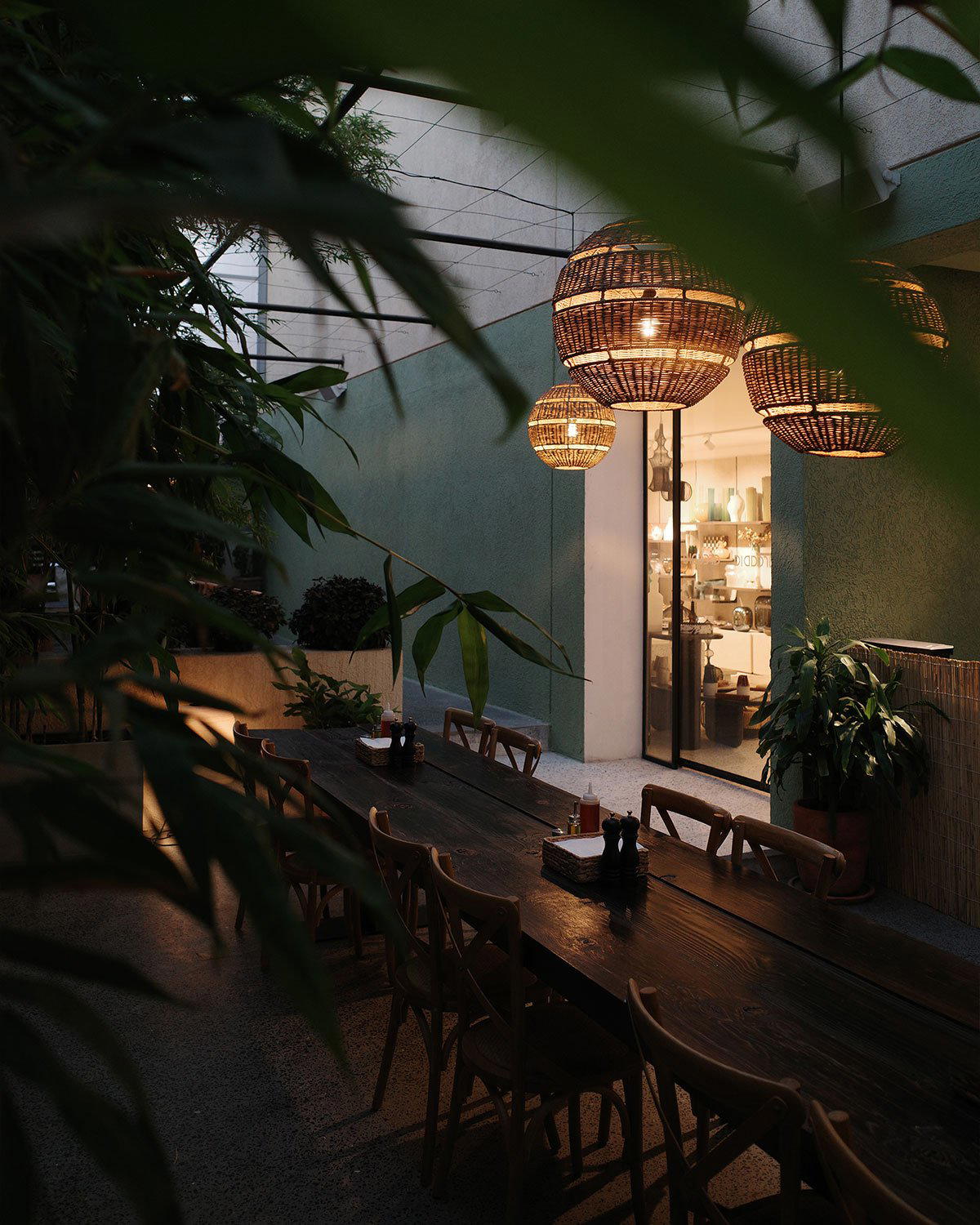
Shuwaikh's Mediterranean Turn
Kuwait City's dining scene has been reshaping itself along a familiar regional axis: international formats arriving, then being quietly absorbed, then reimagined by chefs with local roots and foreign training. The Shuwaikh Industrial district, long associated with wholesale trade and light manufacturing, has been part of that shift, drawing restaurants that want space and character over a mall address. Cantina, which opened on Street 28 in November 2023, sits squarely in that pattern, a Mediterranean-focused room, anchored in Italian cooking, from a chef who has already demonstrated what she can do at the higher end of the city's hospitality circuit.
The physical approach sets expectations correctly. The neighbourhood offers industrial texture rather than polished streetscape, which gives restaurants here a certain latitude on interior register. Cantina reads warm rather than austere: the kind of room where the lighting does most of the work and the material choices speak to the food rather than fighting with it. That calibration matters in a city where the competition frequently defaults to maximalist décor as a substitute for culinary conviction.
Where the Ingredients Come From, and Why That Question Matters Here
Italian cooking, at its most credible, is a cuisine of provenance. The argument for a plate of pasta or a piece of fish is almost always an argument about sourcing: this flour, this olive oil, this tomato, grown or produced in a specific way in a specific place. Running that kind of kitchen in Kuwait City requires active supply chain management in a way that a restaurant in Rome or Milan simply does not. The Gulf's climate means that the Mediterranean larder, citrus, stone fruit, fresh herbs, cold-water fish, has to travel, and the quality of that travel determines what actually arrives on the plate.
Chef Basmah Marouf's background in executive-level kitchen operations, developed during her years at Madison Heig, is relevant here precisely because it is an operational credential. Sourcing at scale, maintaining consistency, building supplier relationships across geographies: these are the unglamorous competencies that determine whether a kitchen's ambitions survive contact with a Gulf supply chain. That experience is what gives Cantina's Mediterranean premise its structural credibility, rather than just its conceptual appeal.
The broader Italian-Mediterranean category in the Gulf has a mixed record on this question. Some operations import everything at premium cost and price accordingly; others substitute freely and hope the seasoning covers it. The most persuasive version of the cuisine in the region tends to occupy a middle position: selective imports on the ingredients where provenance is non-negotiable, and confident local or regional sourcing where it isn't. How Cantina navigates that balance is the editorial question the kitchen is answering every service.
Positioning in Kuwait City's Restaurant Tier
Kuwait City's restaurant market has developed a reasonably clear hierarchy. At the leading end, hotel-anchored rooms and a handful of independent addresses compete on chef credentials and ingredient quality. Below that, a larger mid-market operates on format and consistency. Cantina enters at an interesting position: the chef's track record places it in the upper tier by credential, but the Shuwaikh address and the described warmth of the room signal that the experience is not built around formality or price-as-barrier.
That positioning, serious cooking in an accessible register, is a specific and somewhat difficult thing to execute. Globally, restaurants that have managed it well include Lazy Bear in San Francisco, which pairs technical ambition with a communal format, and Emeril's in New Orleans, which has long traded on a similar warmth-over-stiffness proposition. In the Mediterranean-Italian space specifically, 8 1/2 Otto e Mezzo Bombana (Hong Kong) offers a useful comparison point: Italian cooking in a non-Italian city, held to a high standard, in a room that takes hospitality seriously without sacrificing approachability.
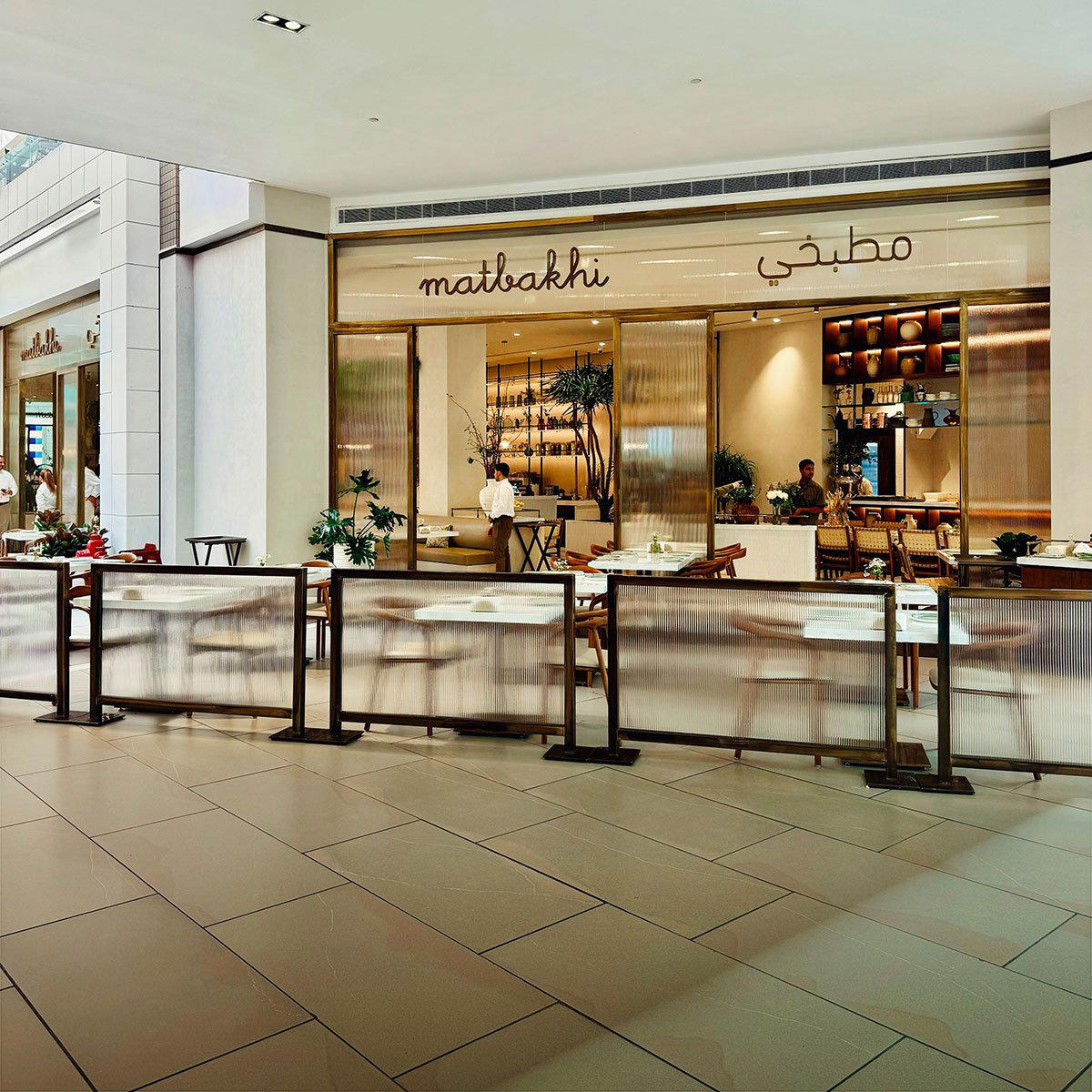
Within Kuwait City, Matbakhi represents a different angle on the city's contemporary restaurant ambition, a useful reference point for how local culinary credentials are being deployed across different cuisine types. For a broader picture of where Cantina sits relative to the city's full dining offer, our full Kuwait City restaurants guide maps the range.
The Italian Frame in a Gulf Context
Italian cuisine has proven more portable than most European traditions, partly because its logic is ingredient-led rather than technique-led. A cuisine built on what's good today, cooked with attention and restraint, translates more readily to skilled kitchens outside Italy than, say, classical French cooking, which depends more heavily on a specific supply chain and a codified brigade culture. Restaurants like Alain Ducasse at Louis XV in Monte Carlo and Arpège in Paris demonstrate what that kind of institutional command looks like at the top of the French tradition; the Italian equivalent is harder to institutionalise, which is arguably why it travels better.
That portability has also made Italian-inflected Mediterranean cooking the default format for a certain tier of Gulf restaurant: safe, broadly liked, and easy to position. What distinguishes the credible versions from the generic ones is almost always the sourcing rigour described above, combined with a kitchen willing to edit rather than accumulate. A menu that attempts every Italian region simultaneously usually signals the opposite of the confidence it intends to project. Whether Cantina's approach is genuinely selective or merely well-presented is the kind of judgment that requires a seat at the table.
Planning Your Visit
Cantina is located on Street 28 in the Shuwaikh Industrial area of Kuwait City, which places it away from the main mall and hotel corridors that anchor much of the city's dining. That means arriving by car is the practical default for most visitors; the neighbourhood is not a walk-in location in any meaningful sense. The restaurant opened in November 2023, which makes it recent enough that the kitchen is still settling into its rhythms, a factor worth considering when timing a first visit. Given the chef's profile and the room's described warmth, dinner is the natural frame, though the format and hours are best confirmed directly before booking.
Visitors building a wider Kuwait City itinerary can use our full Kuwait City hotels guide for accommodation context, our full Kuwait City bars guide for pre- or post-dinner options, and our full Kuwait City experiences guide for broader programming. For those interested in how the city's drinking culture extends to wine, our full Kuwait City wineries guide covers what's available in that space.
Frequently asked questions
Is Cantina okay with children?
Cantina's Italian-Mediterranean format and location on Street 28 in Shuwaikh, away from the formal hotel-dining corridor, put it closer to the relaxed end of the register. Chef Basmah Marouf's stated focus on approachable rather than ceremonial service reinforces that read. Families with older children comfortable at a proper sit-down table should find it workable.
How would you describe the vibe at Cantina?
Warm and ingredient-focused rather than sceney. Cantina opened in November 2023 as chef Basmah Marouf's project after her tenure as executive chef at Madison Heig, and the room reflects that background: credentials-first, with a Mediterranean frame that prioritises the cooking over spectacle. Shuwaikh Industrial is not a destination neighbourhood, which tends to self-select a crowd that came deliberately for the food.
What kind of recognition has Cantina received?
Cantina has received recognition including: Approachable yet refined Cantina is the latest project from one of Kuwaits most distinguished culinary talents chef Basmah Marouf who earned her stripes as executive chef at Madison Heig Opened in Kuwait City in November 2023, the restauran….
What's the best thing to order at Cantina?
The Italian-core dishes are where Cantina's identity is most concentrated. Chef Basmah Marouf built the concept around Italian cuisine within a broader Mediterranean frame, so the pasta and fish preparations are where the kitchen's sourcing logic is most likely to show. Start there before ranging into the wider menu.
Comparison Snapshot
| Venue | Cuisine | Price | Awards |
|---|---|---|---|
| CantinaThis venue (the venue you are viewing) | Cozy Italian | $50–100 | World's 50 Best #18 |
| Matbakhi | Authentic Palestinian Home Cooking | $20–30 | World's 50 Best #50 |
Recognition history
Dated appearances from independent guides and award organizations, with the underlying list record or original source where available.
World's 50 Best MENA's Best Restaurants #18
World's 50 Best
Continue exploring
More in Kuwait City
Restaurants in Kuwait City
All restaurants in Kuwait City →
Bars in Kuwait City
All bars in Kuwait City →
Details
- Cozy
- Trendy
- Elegant
- Date Night
- Family
- Group Dining
- A La Carte
- Vegetarian Friendly
- Vegan Options
- Halal
Cozy and upscale atmosphere well-suited for casual dining and romantic evenings with pleasant, welcoming vibes.