On Ghazali Street in Al-Rai, Midar occupies a corner of Kuwait's steadily maturing dining corridor, where sourcing decisions and kitchen discipline tend to separate the serious operators from the merely fashionable. The restaurant draws a crowd that reads its menu with genuine curiosity rather than habit. Rai's industrial-residential character makes a venue like this easy to overlook, which is precisely why it rewards the informed visitor.
Pearl is the En Primeur Club membership app — saves, bookings, and concierge access live there. Same editors, same standards.
- Address
- Ghazali St, Al-Rai, Kuwait
- Phone
- +96522201090
- Website
- midar-me.com
- Directions
- Get directions
 Saves & bookings on Pearl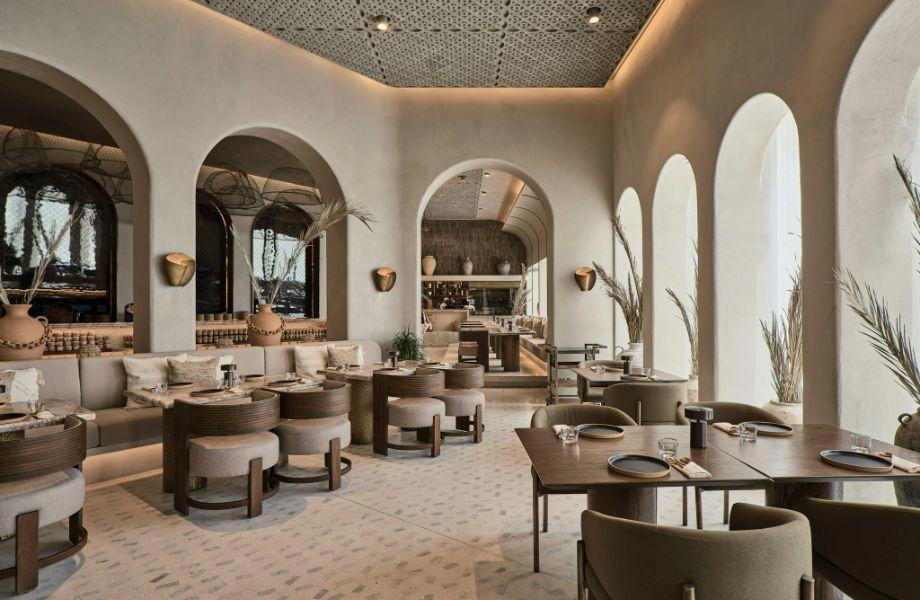
Ghazali Street and the Al-Rai Dining Pattern
Al-Rai sits in that band of Kuwait City's urban fabric where warehouse logistics, light industry, and mid-scale hospitality have long coexisted without much ceremony. Ghazali Street, in particular, has developed a reputation less through design than through the quiet accumulation of operators who prioritise product over premise. In a city where dining ambition has historically concentrated on the Gulf Road and its showier corridors, Al-Rai represents a more considered alternative for those who know to look. Midar is situated within that pattern, at an address that asks visitors to make a deliberate decision to show up rather than simply find it on their way to somewhere else. That friction is not a flaw in the model; in Rai's dining culture, it tends to function as a filter.
For broader context on where Midar sits within the Rai food scene, our full Rai restaurants guide maps the key operators across the district.
Sourcing as Editorial Statement
The most telling signal about a restaurant's ambitions in a market like Kuwait is rarely the menu design; it is what the kitchen chooses to bring in, from where, and at what cost relative to what customers are likely to notice. Kuwait's dining sector has matured considerably over the past decade, and the gap between operations that treat sourcing as a logistical necessity and those that treat it as an editorial position has widened accordingly. Restaurants that sit in the second category — where ingredient provenance shapes the menu logic rather than merely satisfying it — tend to produce food that reads differently on the plate, not because it announces its sources loudly, but because the raw material quality holds through the cooking.
This is the context in which Midar's positioning on Ghazali Street makes most sense. Al-Rai has attracted a subset of operators whose investment in ingredient quality is legible in the output, even when the interiors are understated and the branding is restrained. The regional sourcing conversation in Kuwait increasingly involves questions about freshness windows for Gulf seafood, the provenance of proteins served in a country that imports a substantial proportion of its food supply, and whether kitchens are making deliberate choices or defaulting to what the standard distributor brings. Operators who engage with those questions tend to produce food with more textural coherence and flavour specificity than those who do not.
Compare this to the approach visible at kitchens across the Gulf at various price points: White Robata in Shuwaikh has built its identity around open-fire technique applied to carefully selected proteins, while KUMAR in South Sabahiya demonstrates how subcontinent-influenced kitchens in Kuwait can ground a menu in specific regional ingredient traditions. Sourcing intentionality, in other words, is not the exclusive property of any single cuisine type.
The Al-Rai Competitive Environment
Understanding Midar requires understanding the tier it occupies in the Al-Rai context. The district does not compete with Kuwait City's prestige dining corridor on spectacle or event-dining terms. What it offers instead is a denser concentration of kitchens that operate with fewer theatrical layers between the food and the guest. Al Shamam Restaurant represents one variant of this, a kitchen whose identity is defined by its relationship to Kuwaiti culinary tradition rather than international reference points. Bonjiri in Salmiya shows how a strong sourcing position and format clarity can build a loyal regular base even without awards or extensive press coverage.
Midar operates in a market where repeat custom, word-of-mouth, and neighbourhood loyalty carry more commercial weight than algorithm-driven discovery. That dynamic shapes what kitchens prioritise: consistency over novelty, depth over breadth in the menu, and a relationship with suppliers that allows the kitchen to say no to a product that does not meet the standard, rather than working with whatever arrives.
The global reference points for what ingredient-led sourcing philosophy can produce at its highest expression include kitchens like Le Bernardin in New York City, where seafood sourcing is treated as the primary discipline, and Aponiente in El Puerto de Santa María, which has built an entire gastronomic identity around marine-sourced ingredients that most kitchens discard. The distance between those three-Michelin-star operations and a mid-scale restaurant on Ghazali Street is considerable, but the underlying question they ask about ingredients is the same one that separates the more serious operators in every market.
Atmosphere and Format
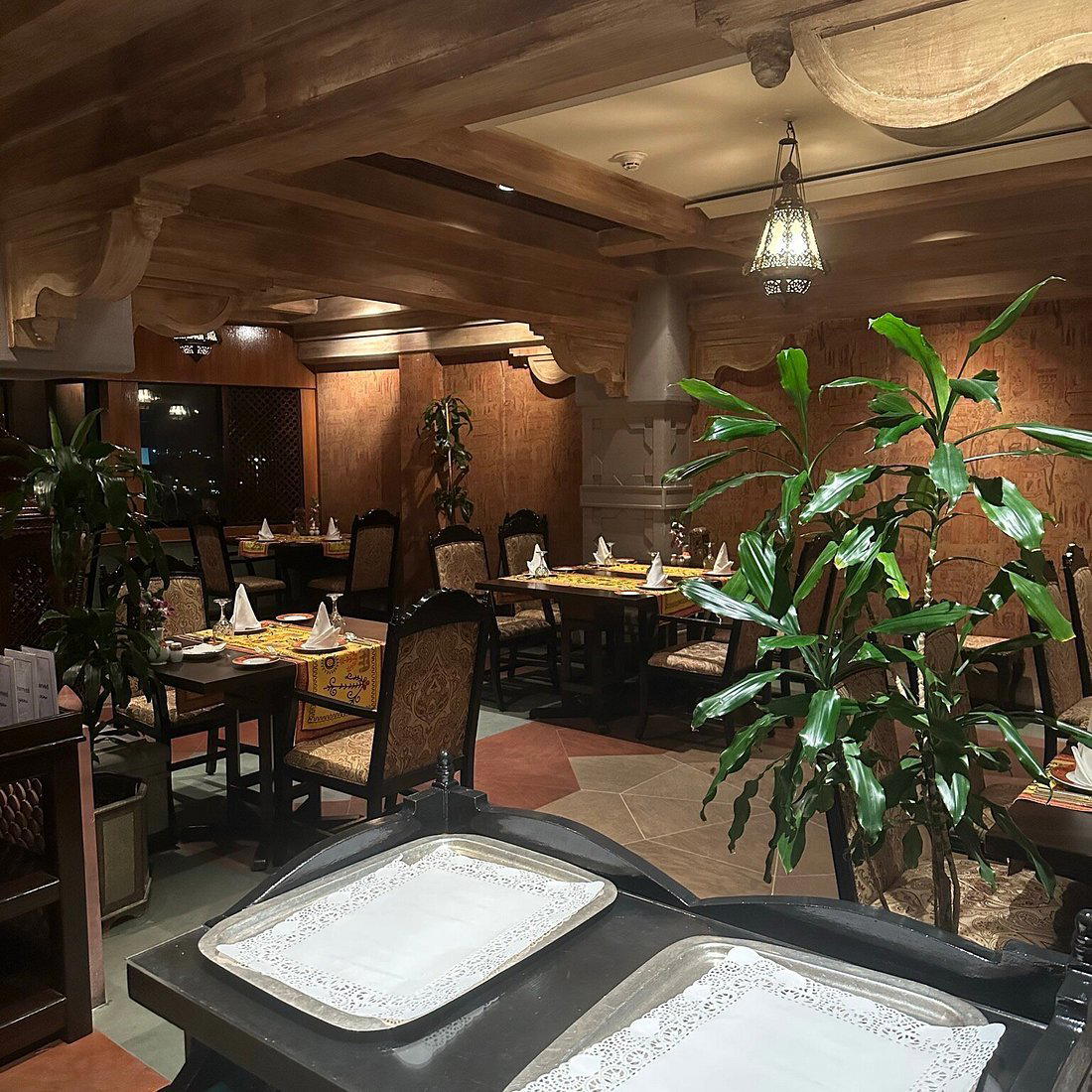
Al-Rai interiors tend toward the functional: the district was not designed as a dining destination, and the spaces reflect that. Restaurants here generally invest more in kitchen equipment and product than in elaborate fit-outs. The absence of the Gulf Road's glossy infrastructure is not a disadvantage if you are the kind of visitor who finds the unmediated relationship between kitchen and guest more interesting than the performance of luxury. Midar sits in that context, on a street where the surrounding environment reinforces rather than distracts from what is on the plate.
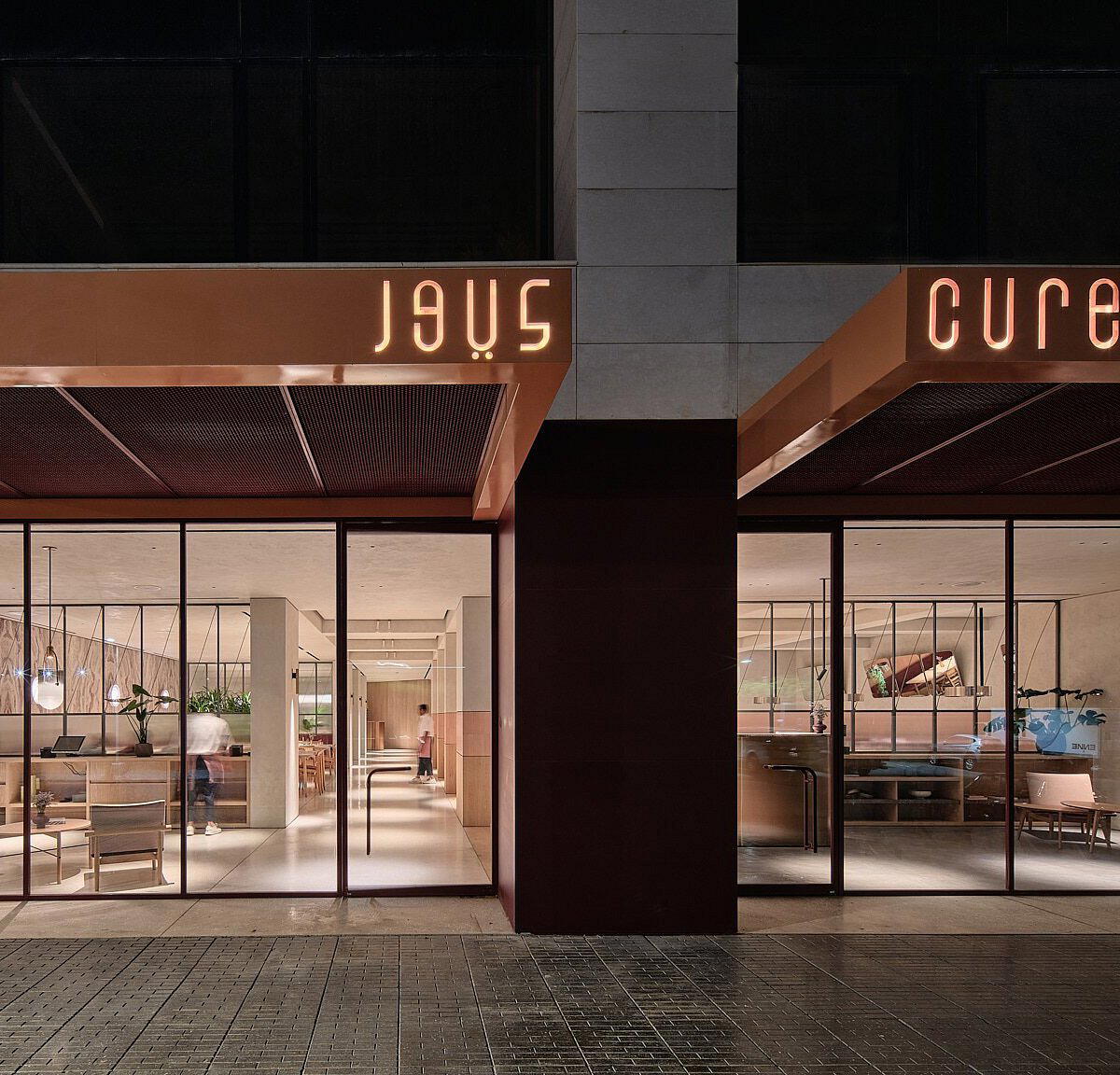
For those accustomed to the kind of technical precision on display at kitchens like Cure in Kuwait City, or the format discipline that defines operations such as Atomix in New York City or Lazy Bear in San Francisco, the Al-Rai format will read as deliberately informal. That informality is the point. It positions the meal as something to eat rather than something to experience in the theatrical sense, which suits both the neighbourhood's character and the sourcing-led kitchen logic that defines the better operators here.
Planning a Visit
Midar is located on Ghazali Street in Al-Rai, Kuwait. The district is accessible by car from central Kuwait City, and the address on Ghazali Street is navigable by any standard mapping application under the restaurant's name. As is common with Al-Rai operators, the format is well suited to guests who arrive with an appetite for the food rather than for the surrounding atmosphere; the neighbourhood's industrial character does not provide the pre-meal stroll that Kuwait's waterfront dining zone offers. Visits during weekday evenings tend to be quieter than the Thursday-Friday window that concentrates most of Kuwait's dining-out traffic. Given the limited publicly available information about booking method and hours, contacting the venue directly before visiting is the sensible approach.

At a Glance
- Cozy
- Trendy
- Modern
- Family
- Group Dining
- Casual Hangout
- Open Kitchen
- Local Sourcing
Current opening hours
- Monday
- 12–11 PM
- Tuesday
- 12–11 PM
- Wednesday
- 12–11 PM
- Thursday
- 12–11 PM
- Friday
- 12–11 PM
- Saturday
- 12–11 PM
- Sunday
- 12–11 PM
Hours can change for holidays and private events. Last verified .
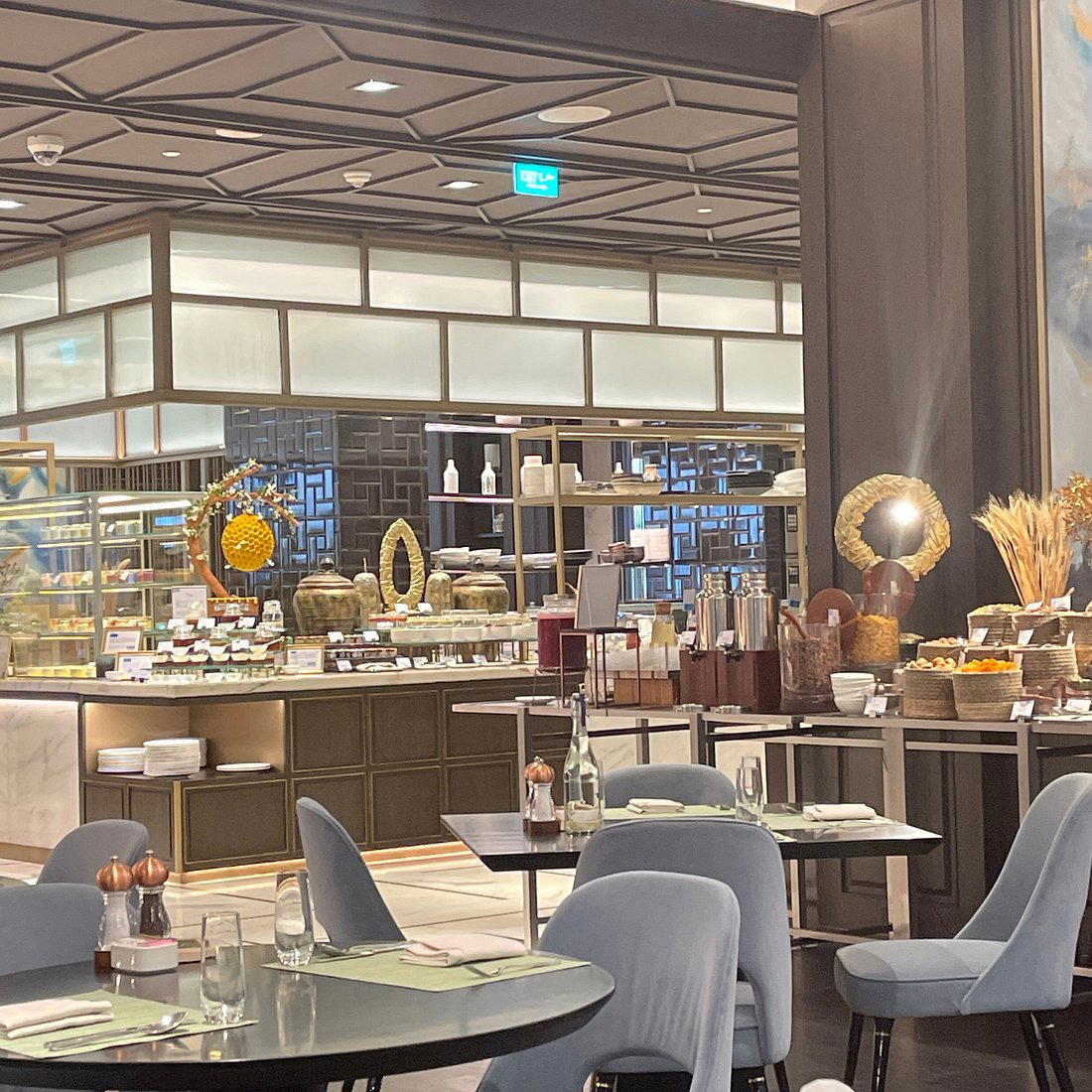
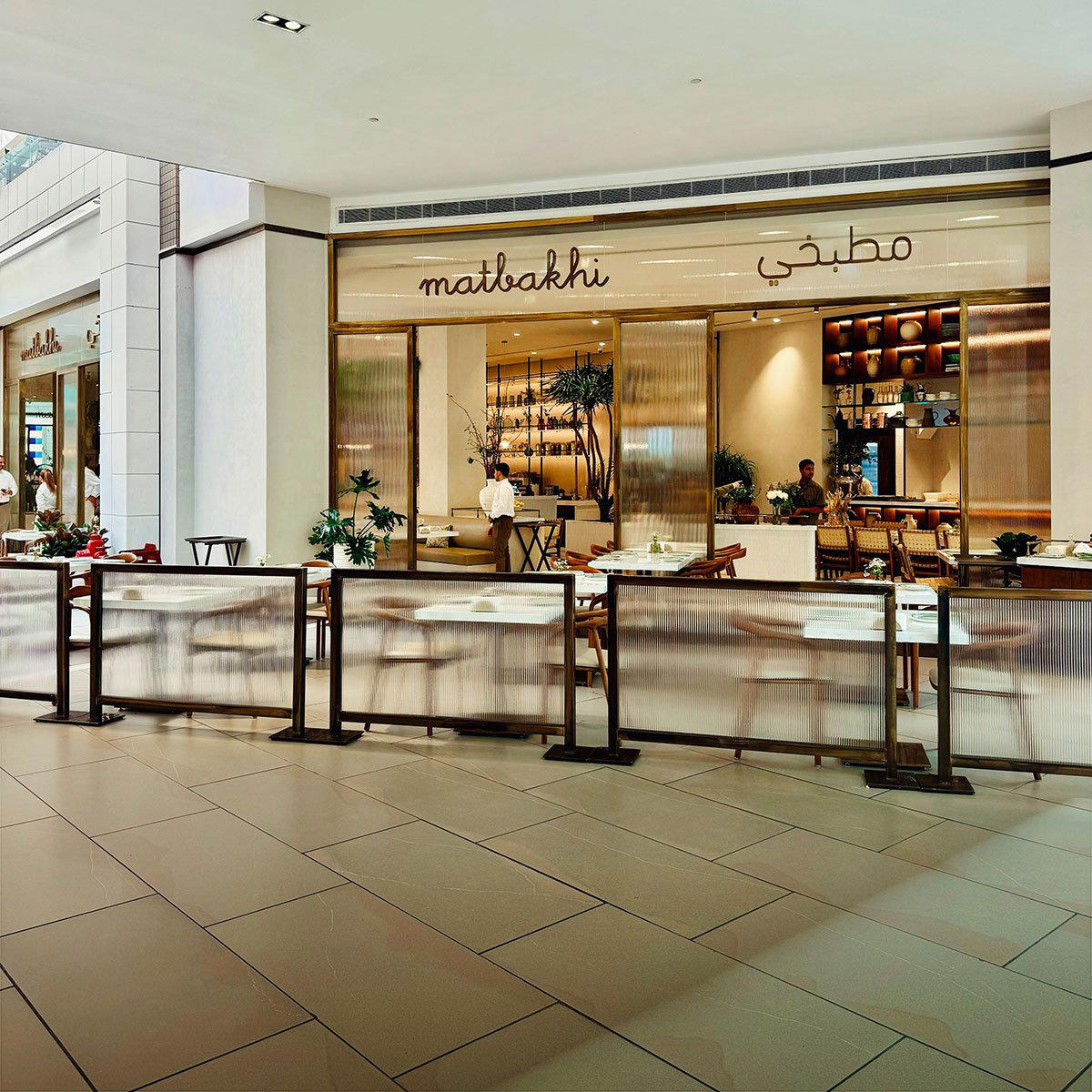
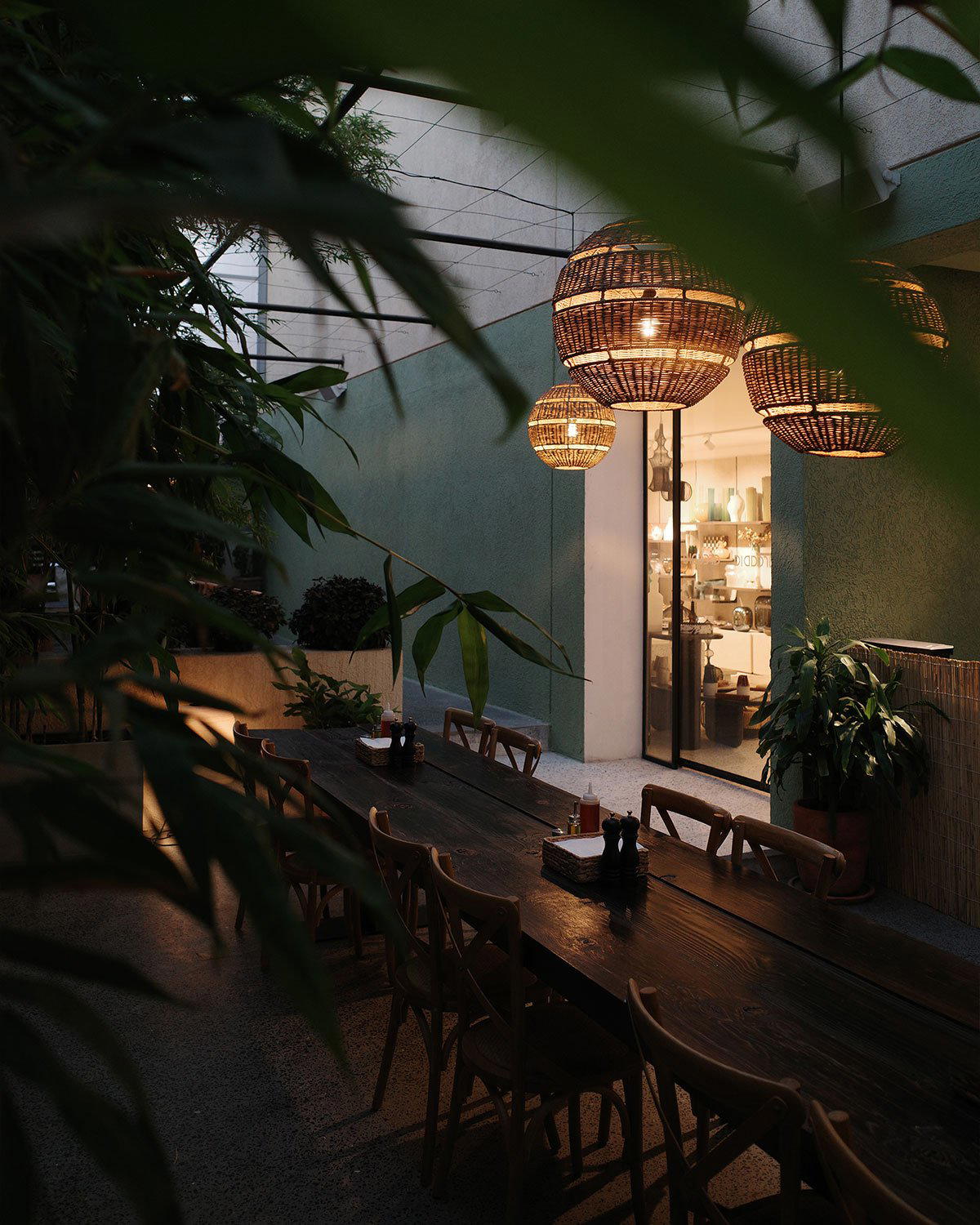
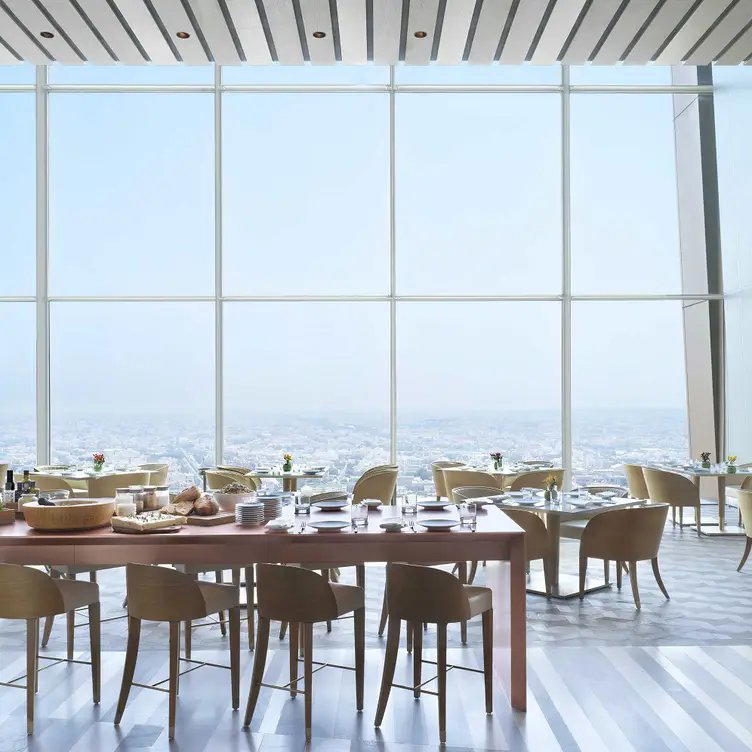
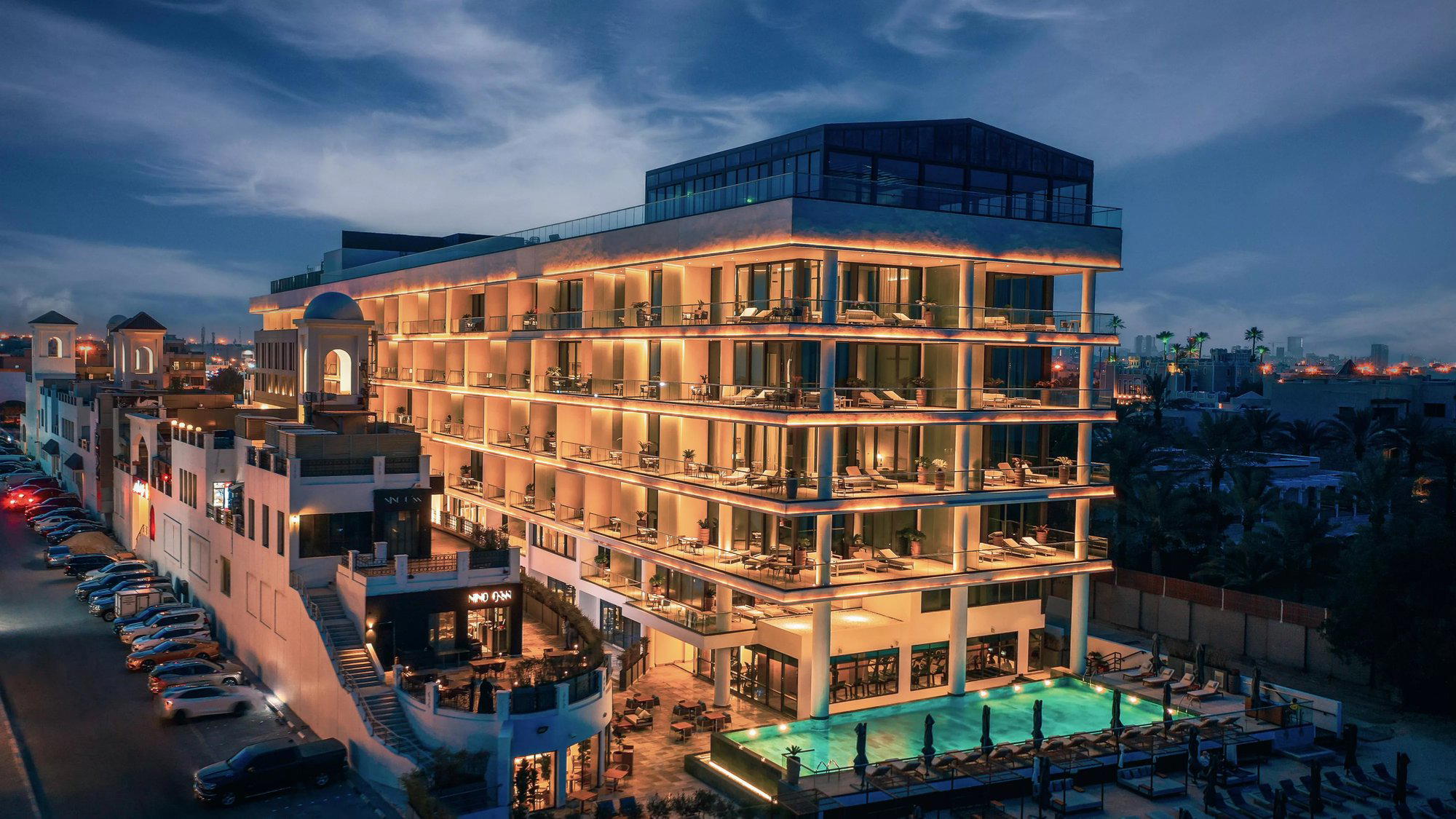
Cozy and inviting atmosphere blending modern sophistication with coastal heritage, featuring oxidized fishing nets, raw earthy hues, and local artisan pottery.
Know Before You Go
- Getting there
- Ghazali St, Al-Rai, Kuwait