On Baghdad Street in Salmiya, Bonjiri occupies a specific address in Kuwait's evolving dining corridor, where ingredient-focused kitchens have started to claim ground alongside the neighbourhood's longer-established international chains. The restaurant has built a following in a city where word-of-mouth travels fast and repeat visits define a venue's real standing. For anyone mapping Salmiya's current dining options, it belongs on the itinerary.
Pearl is the En Primeur Club membership app — saves, bookings, and concierge access live there. Same editors, same standards.
- Address
- Baghdad St Block 9, Lane 9, Building 702 Salmiya, 20009, Kuwait
- Phone
- +96599244178
- Directions
- Get directions
 Saves & bookings on Pearl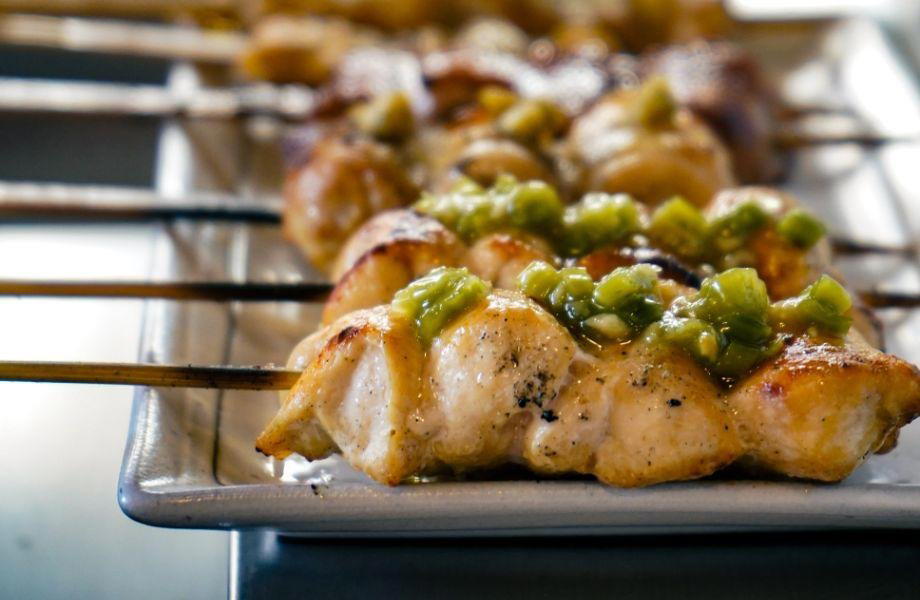
Baghdad Street and the Salmiya Dining Shift
Salmiya's dining corridor along Baghdad Street has changed shape over the past several years. What was once a stretch defined largely by franchise outposts and fast-casual imports has acquired a second, quieter layer of neighbourhood restaurants that draw on more specific sourcing and kitchen logic. Bonjiri, at Block 9, Lane 9, Building 702, sits inside that second layer. Its address is deliberate: the area around this stretch of Baghdad Street functions as a neighbourhood restaurant zone rather than a destination strip, which means the clientele skews local and return visits carry more weight than first impressions made on tourists passing through.
That context matters when reading what Bonjiri is. In cities where dining scenes are still consolidating, the restaurants that survive on repeat custom rather than footfall tend to develop a more consistent kitchen identity. The conversation around ingredient provenance, which has reshaped menus at serious tables from Atelier Moessmer Norbert Niederkofler in Brunico to Uliassi in Senigallia, has reached Kuwait's more considered kitchens in a modified form: less about hyper-local foraging and more about traceability and quality selection in a market where imports dominate the supply chain.
Ingredient Logic in a Gulf Kitchen Context
Kuwait's geography shapes what any serious kitchen here can do. The Gulf's climate limits year-round local agriculture, which means the sourcing question for Salmiya restaurants is less about farm-to-table in the European sense and more about which suppliers a kitchen chooses to work with, how consistently, and how transparently that informs the menu. This is the same pressure that shapes kitchens at venues like Midar in Rai and White Robata in Shuwaikh, where the response to a constrained local supply has been to build identity around how imported ingredients are handled rather than where they originate.
The restaurants that hold ground in this environment tend to make deliberate choices about protein quality, vegetable sourcing from regional markets, and seasoning logic that reflects an actual culinary point of view rather than menu assembly. At venues operating in Salmiya's mid-tier bracket, those choices separate kitchens with genuine identity from those running on a rotating concept. Bonjiri's positioning on Baghdad Street places it in a neighbourhood where that distinction plays out in real time across a concentrated set of options. For the full picture of what the area offers across price points and formats, the EP Club Salmiya restaurants guide maps the current competitive set in detail.
The Atmosphere Reading
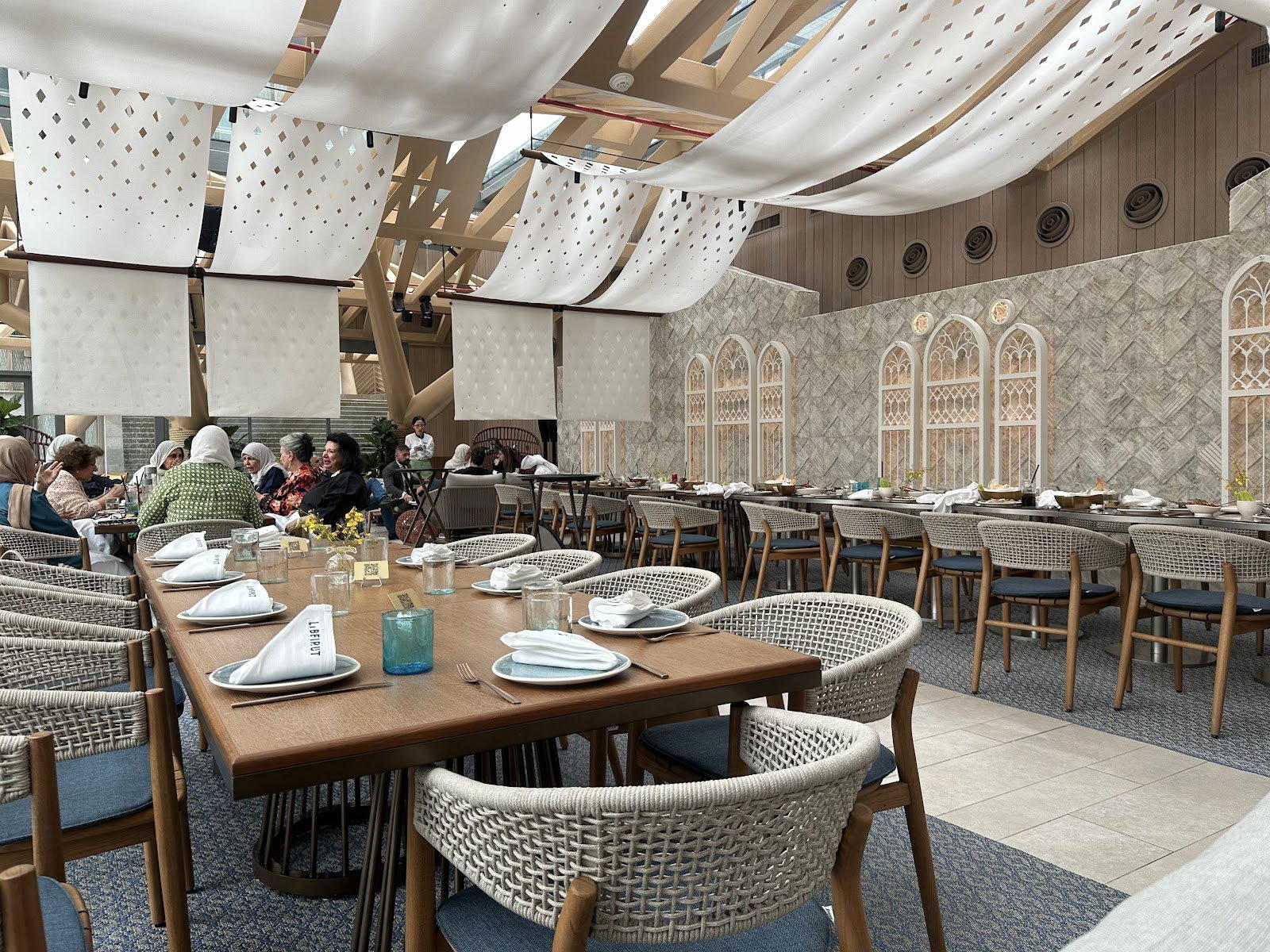
Salmiya's lane-and-block addressing system places Bonjiri in a building-level location rather than a high-visibility street frontage, which typically produces a particular kind of atmosphere in Gulf cities: quieter entry, a more deliberate dining room, and a clientele that arrived because they meant to, not because they were passing. Restaurants in this position across Kuwait tend to invest in interior finish over exterior signage, and the experience of arriving has more in common with neighbourhood spots in dense urban grids, similar in dynamic to how Tampopo in Salmiya operates within its own address logic, than with boulevard-facing venues that rely on passing trade.
The atmosphere at this type of Salmiya address is generally composed rather than high-energy. Gulf dining culture weights hospitality heavily, and restaurants in residential-adjacent locations tend to run service that reflects that, attentive without the choreographed formality of a hotel dining room. For first-time visitors to Kuwait, it is worth noting that Salmiya's dining blocks operate with more neighbourhood rhythm than the city centre corridors, and arriving with a reservation, or at minimum a clear sense of the address, removes friction from the experience.
Where Bonjiri Sits in the Salmiya Set
Salmiya's restaurant field includes a range from quick-serve imports, represented by operations like Freshii and Wimpy in Coast Strip C, through to mid-range neighbourhood tables and a smaller group of more considered kitchens. Bonjiri occupies a position in that middle-to-upper neighbourhood tier, comparable in ambition if not format to what KUMAR in South Sabahiya does for its own district. These are not venues competing with the reference-level kitchens that draw international attention, from Le Bernardin in New York City to HAJIME in Osaka, but they are doing the work that builds a city's dining culture from the ground up: consistent, neighbourhood-anchored, and operating without the safety net of a hotel group or franchise system behind them.
In a regional frame, that puts Bonjiri in the same category of independent operation as Cantina in Kuwait City, where the question of what distinguishes one neighbourhood table from another comes down to kitchen consistency and sourcing discipline rather than awards or scale. The venues at this tier that build lasting reputations in Gulf cities tend to do so on repeat-visit logic: the same customers returning because the kitchen delivers reliably, not because the experience was theatrical.
Planning a Visit
Bonjiri's address, Baghdad Street Block 9, Lane 9, Building 702 in Salmiya, is specific enough to navigate with a maps application set to the full address string. Gulf city blocks can be less legible on foot than in a vehicle, so arriving by car or ride-share is the practical approach. Booking ahead is advisable for dinner on weekends, when Salmiya's dining activity concentrates, though the neighbourhood format suggests the restaurant operates with the flexibility of a local table rather than the strict seat-time management of a high-volume venue. For visitors building a wider Kuwait itinerary, the neighbourhood's concentration of options means Bonjiri can sit alongside stops at Tampopo and other Baghdad Street addresses without requiring a separate journey across the city.
Comparable Spots, Quickly
| Venue | Cuisine |
|---|---|
| BonjiriThis venue — the venue you are viewing | This venue |
At a Glance
- Cozy
- Trendy
- Modern
- Solo
- Casual Hangout
- Late Night
- Open Kitchen
- Sustainable
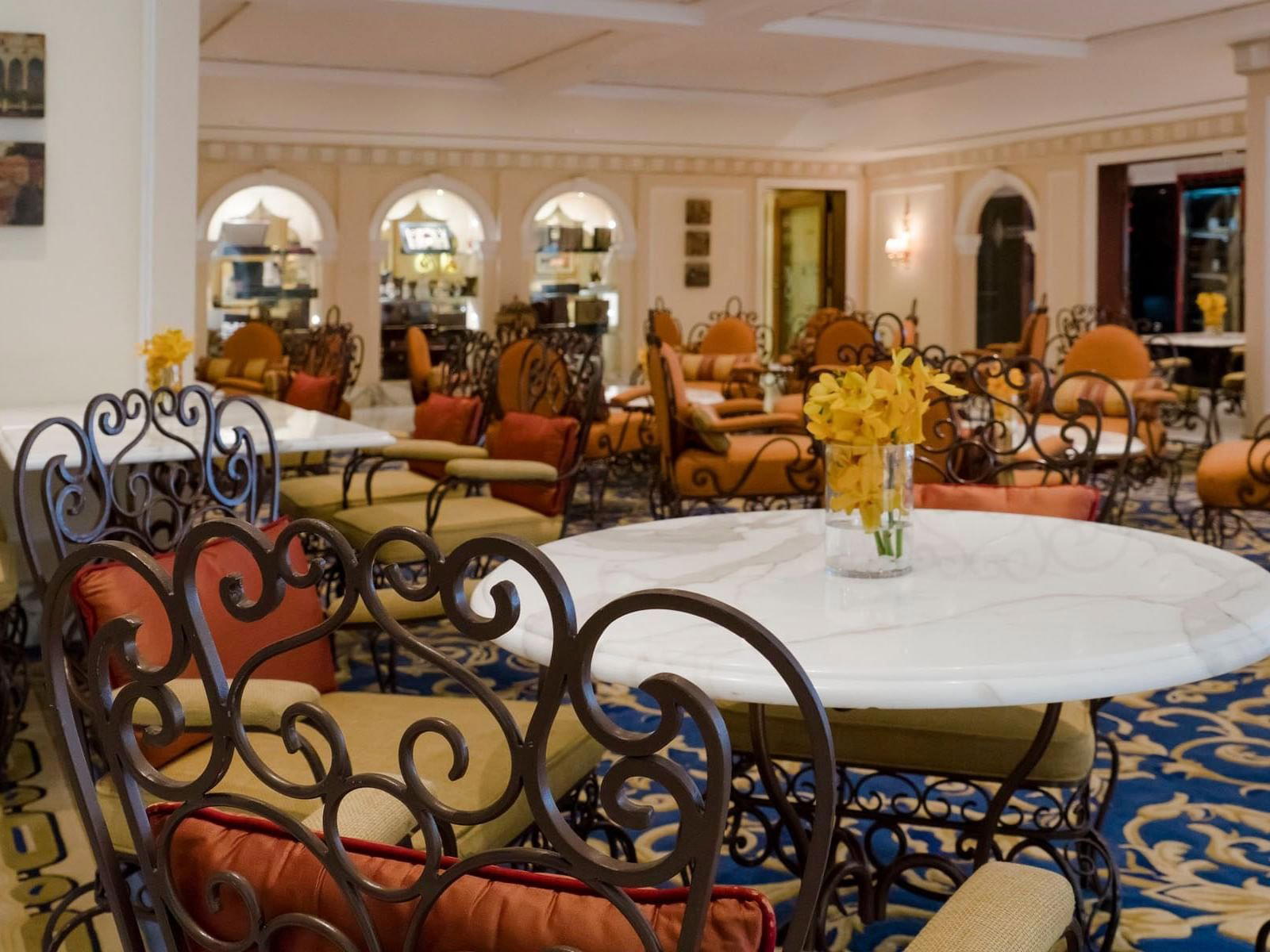
Cozy and casual atmosphere with open kitchen providing front-row seat to the grilling action, blending local materials with functional Japanese design.
Know Before You Go
- Getting there
- Baghdad St Block 9, Lane 9, Building 702 Salmiya, 20009, Kuwait