Cure
Cure occupies an industrial address in Shuwaikh, placing it among Kuwait City's growing cluster of destination restaurants that operate outside the conventional hospitality corridors. With sparse publicly available data, the venue has built its reputation through word-of-mouth and repeat custom rather than awards infrastructure — a posture that positions it as a counter-point to the city's more visible dining scene.
Pearl is the En Primeur Club membership app — saves, bookings, and concierge access live there. Same editors, same standards.
- Address
- Shuwaikh Industrial, Kuwait
- Phone
- +96522022042
- Website
- dineatcure.com
- Directions
- Get directions
 Saves & bookings on Pearl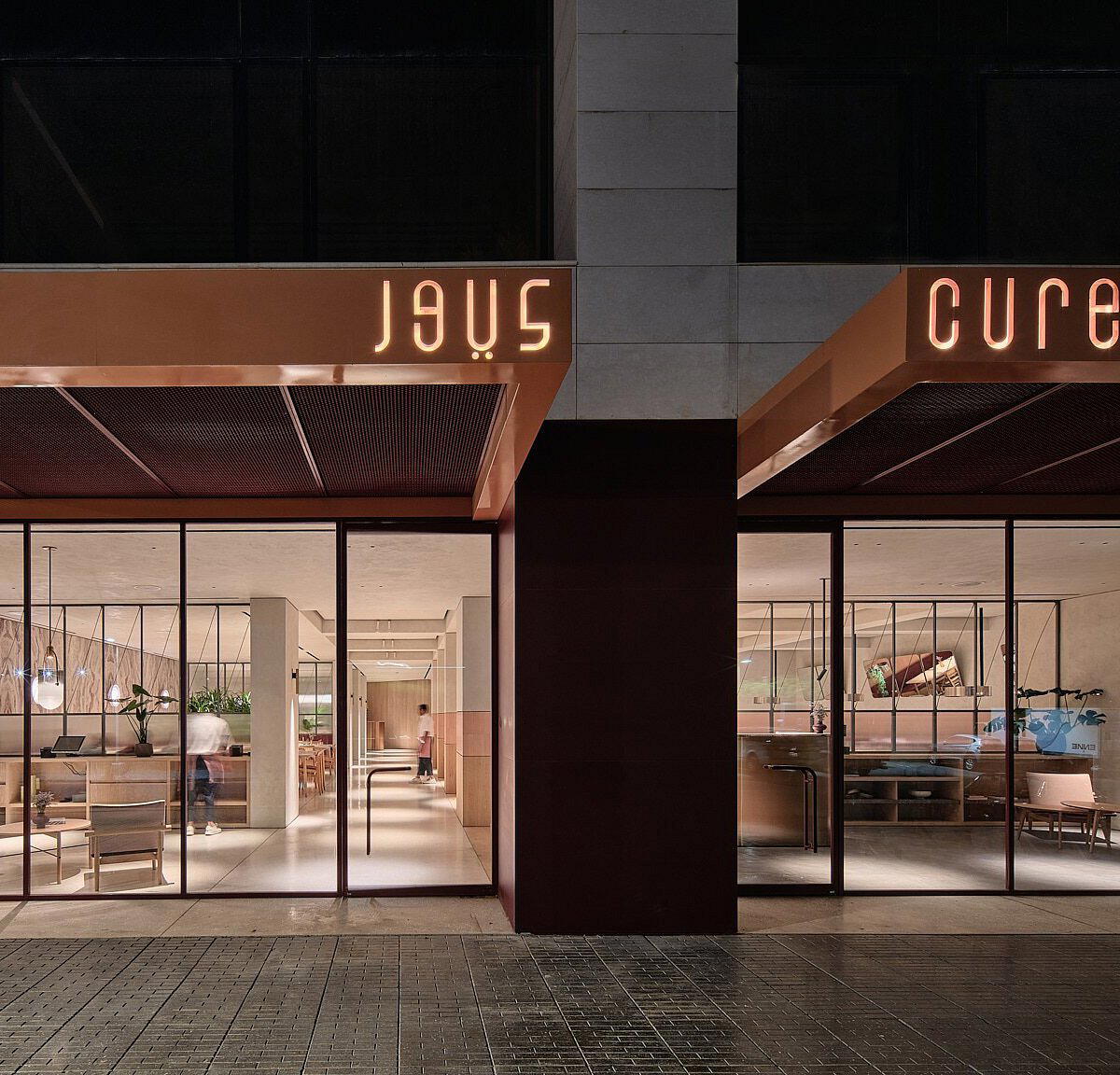
Shuwaikh and the Industrial Dining Shift
Kuwait City's dining geography has been reorganising for several years. The traditional concentration of restaurants along Gulf Road and inside the major mall complexes is no longer the whole story. A quieter movement has been pulling destination addresses into unexpected districts: warehouse conversions, light-industrial blocks, and low-signage storefronts that reward the deliberate visitor. Shuwaikh Industrial, historically associated with car parts traders and wholesale suppliers, has become one of those emerging corridors. Cure sits inside this shift, occupying an address that would have seemed counterintuitive for a serious restaurant a decade ago and now reads as a deliberate positioning statement.
This is a pattern visible in other cities where dining culture has matured past the hotel-lobby and mall-anchor phase. In Kuwait City specifically, the move toward non-traditional districts signals that a portion of the dining public is no longer relying on institutional cues — hotel affiliation, mall footfall, or franchise recognition — to validate where they eat. They are navigating by recommendation, social proof, and repeat experience. Cure has evidently earned its place in that navigational system.
What the Address Tells You
Approaching Cure through Shuwaikh Industrial, the surrounding context is deliberate rather than incidental. Industrial districts attract restaurants that prioritise space, cost control, and a degree of creative freedom unavailable in premium retail locations. The tradeoff is accessibility: guests have to want to be there, which self-selects for a clientele that already knows what it is looking for. This dynamic, low foot traffic, high-intention visitor, tends to produce a different kind of dining room atmosphere than a ground-floor hotel restaurant or a mall-court address.
Comparable patterns have emerged in other Gulf cities, where a generation of independent operators has deliberately chosen industrial or peripheral locations to avoid the rental premiums and format constraints of prime retail. The result is often a more concentrated product: smaller operations, tighter menus, and a direct relationship between kitchen and table that is harder to sustain at scale. For context on what this kind of positioning looks like across Kuwait City's broader scene, the full Kuwait City restaurants guide maps how different neighbourhoods are currently developing.
The Sourcing Question in Kuwait's Restaurant Scene
Ingredient sourcing is one of the defining pressures on Kuwait's independent restaurant sector. The country imports the vast majority of its food supply, which creates structural challenges for any kitchen attempting to build a menu around provenance or seasonal availability. Chefs working in this environment have to make deliberate choices about supply chain: which importers they use, which markets they engage, and how they communicate origin to a dining public that is increasingly interested in these questions.
The sourcing conversation matters here because it shapes what a kitchen can credibly promise. Venues that take provenance seriously tend to operate shorter menus with more frequent rotation, since their supply is more variable than a kitchen running on commodity ingredients. This is not always legible from the outside, a menu can look restrained because of cost discipline or because of genuine sourcing commitment, but the distinction shows up in what arrives at the table.
Globally, the most rigorous sourcing-led kitchens tend to work with small producer networks and accept the logistical complexity that comes with them. Atelier Moessmer Norbert Niederkofler in Brunico represents one end of that commitment, built entirely around Alpine regional sourcing. Dal Pescatore in Runate demonstrates how multi-generational relationships with local producers create menus that are effectively unreplicable elsewhere. In a Gulf context, those extremes are logistically impossible, but the underlying discipline, knowing where your ingredients come from and structuring the menu accordingly, is what separates a kitchen with a point of view from one without.
Cure Inside Kuwait City's Independent Tier
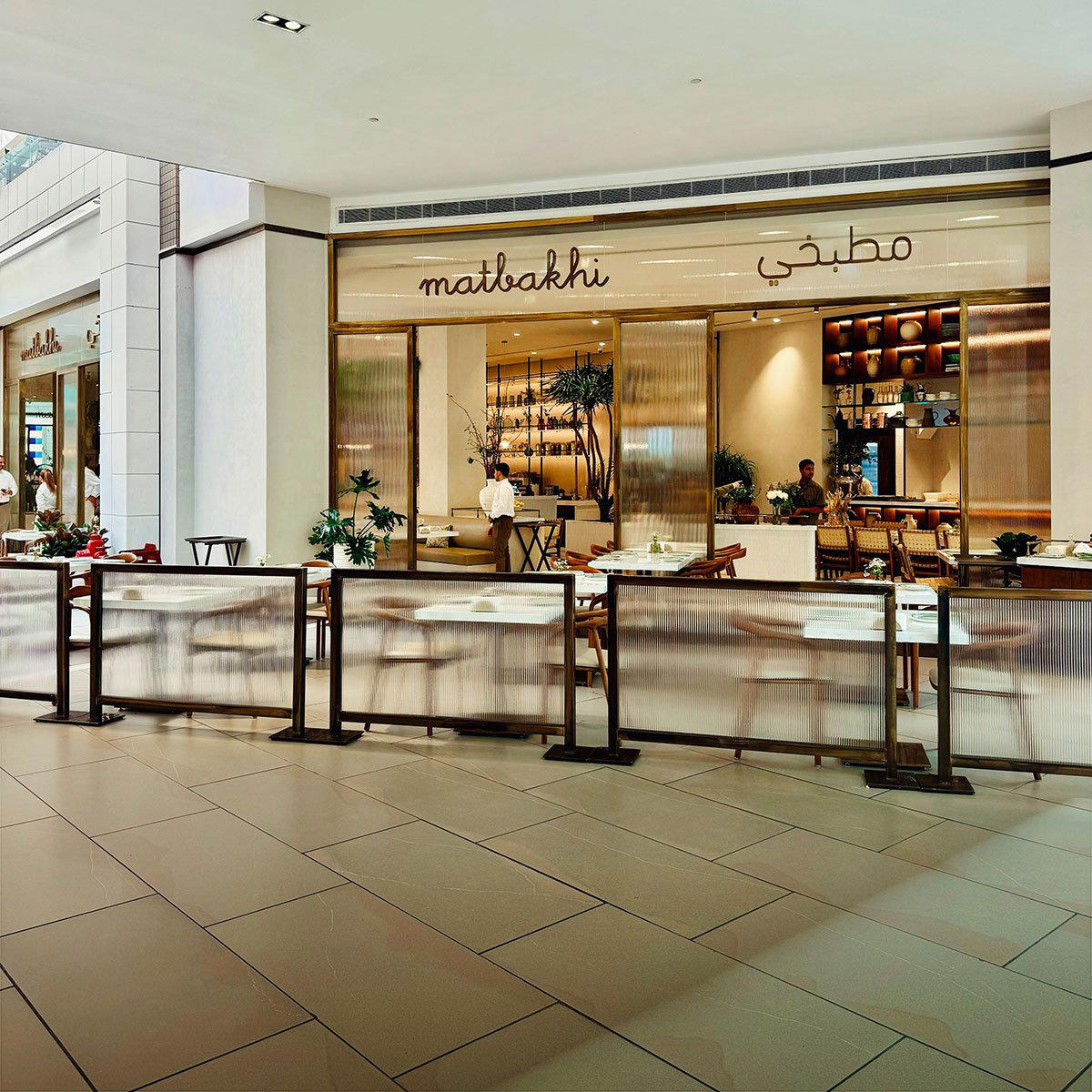
Kuwait City's independent restaurant sector operates alongside a large and well-capitalised franchise and group-dining market. The independents that have established themselves tend to occupy distinct niches: Al Shamam Restaurant anchors traditional Kuwaiti cooking, Al-Sawabar and Cantina represent different points on the casual-to-considered spectrum, while Matbakhi and OVO Restaurant have built followings through format discipline and repeat custom. Cure's Shuwaikh location places it outside the densest part of this competitive cluster, which functions both as a differentiator and as a practical constraint on walk-in traffic.
The comparison set that matters most for Cure is probably not the central Kuwait City dining corridor but the broader group of destination independents that require a deliberate trip: venues like White Robata in Shuwaikh, which operates in the same district and has similarly built its audience through specificity rather than convenience. Bonjiri in Salmiya and Midar in Rai represent comparable positioning strategies in other parts of the city: peripheral addresses, deliberate menus, and clienteles that travel for a specific experience rather than defaulting to proximity.
In global terms, the destination-independent model is well-established. Lazy Bear in San Francisco and Atomix in New York City both built their reputations in formats that required the guest to seek them out, without the institutional support of a hotel group or high-footfall location. The shared logic is that scarcity of convenience, when paired with a genuine kitchen commitment, tends to strengthen rather than weaken a venue's reputation among its core audience.
Planning a Visit
Cure's address in Shuwaikh Industrial means that a visit requires planning rather than impulse. The district is leading reached by car; public transport options are limited in this part of the city. Because Cure maintains a low public profile with no confirmed phone or web booking infrastructure in current records, the practical approach is to make contact through established local channels, social media presence or direct enquiry through Kuwait City dining communities tend to be the most reliable routes for venues operating in this tier. KUMAR in South Sabahiya and Freshii represent contrasting format approaches at different points in the city's casual-to-considered range, worth considering if you are building a broader Kuwait City itinerary. For a high-end international reference point on what a sourcing-committed kitchen looks like at full expression, Le Bernardin in New York City and Emeril's in New Orleans offer useful benchmarks across different culinary traditions. Closer to home, Wimpy in Coast Strip C anchors the casual end of the spectrum for those planning a multi-stop day.
Side-by-Side Snapshot
| Venue | Cuisine |
|---|---|
| CureThis venue — the venue you are viewing | This venue |
Continue exploring
More in Kuwait City
Restaurants in Kuwait City
Browse all →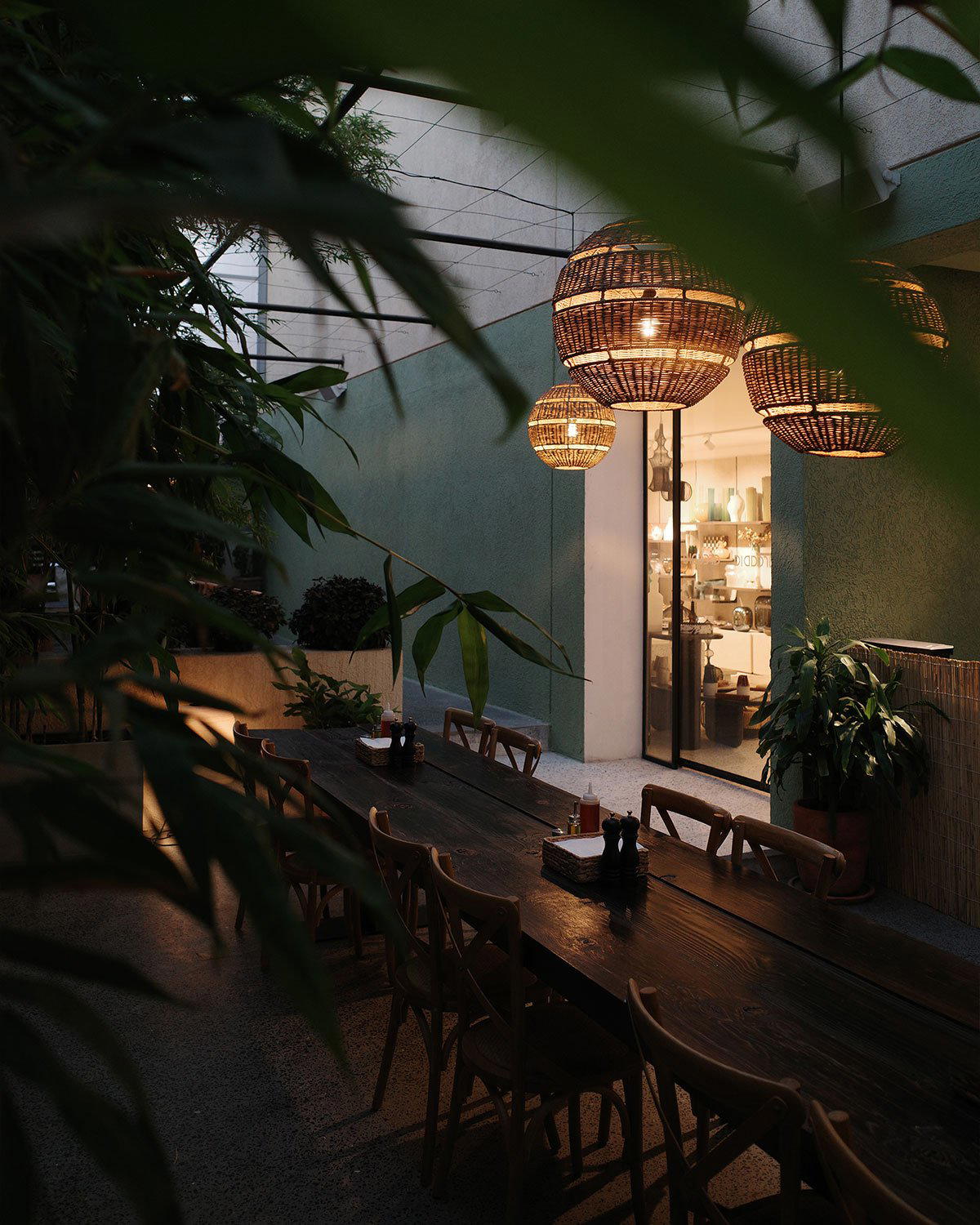
Bars in Kuwait City
Browse all →
At a Glance
- Trendy
- Modern
- Elegant
- Intimate
- Date Night
- Special Occasion
- Design Destination
- Craft Cocktails
Current opening hours
- Monday
- 1–10:30 PM
- Tuesday
- 1–10:30 PM
- Wednesday
- 1–10:30 PM
- Thursday
- 1–10:30 PM
- Friday
- 1–10:30 PM
- Saturday
- 1–10:30 PM
- Sunday
- 1–10:30 PM
Hours can change for holidays and private events. Last verified .
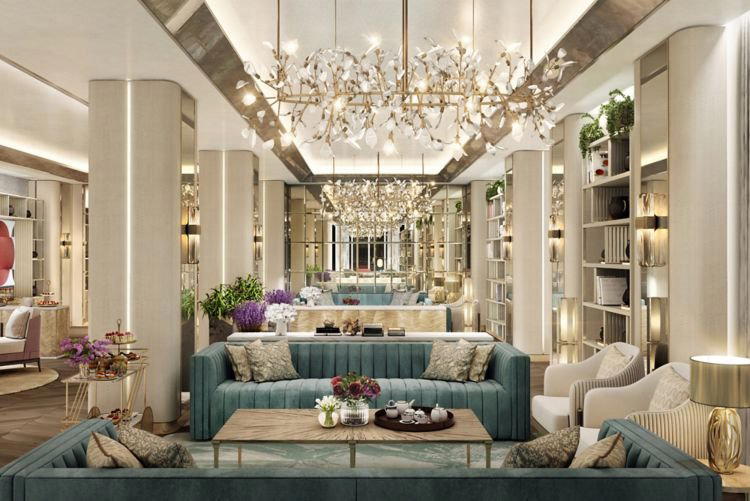
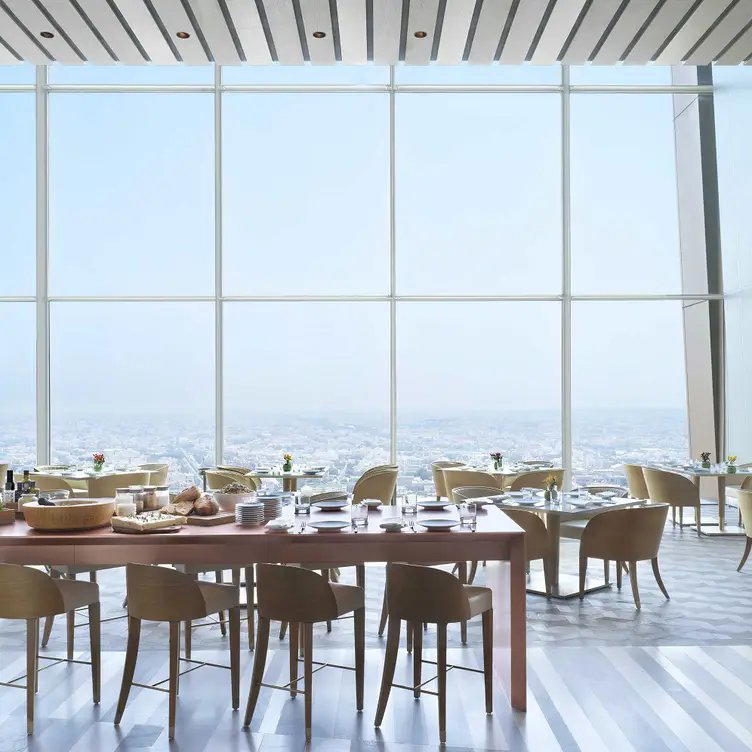
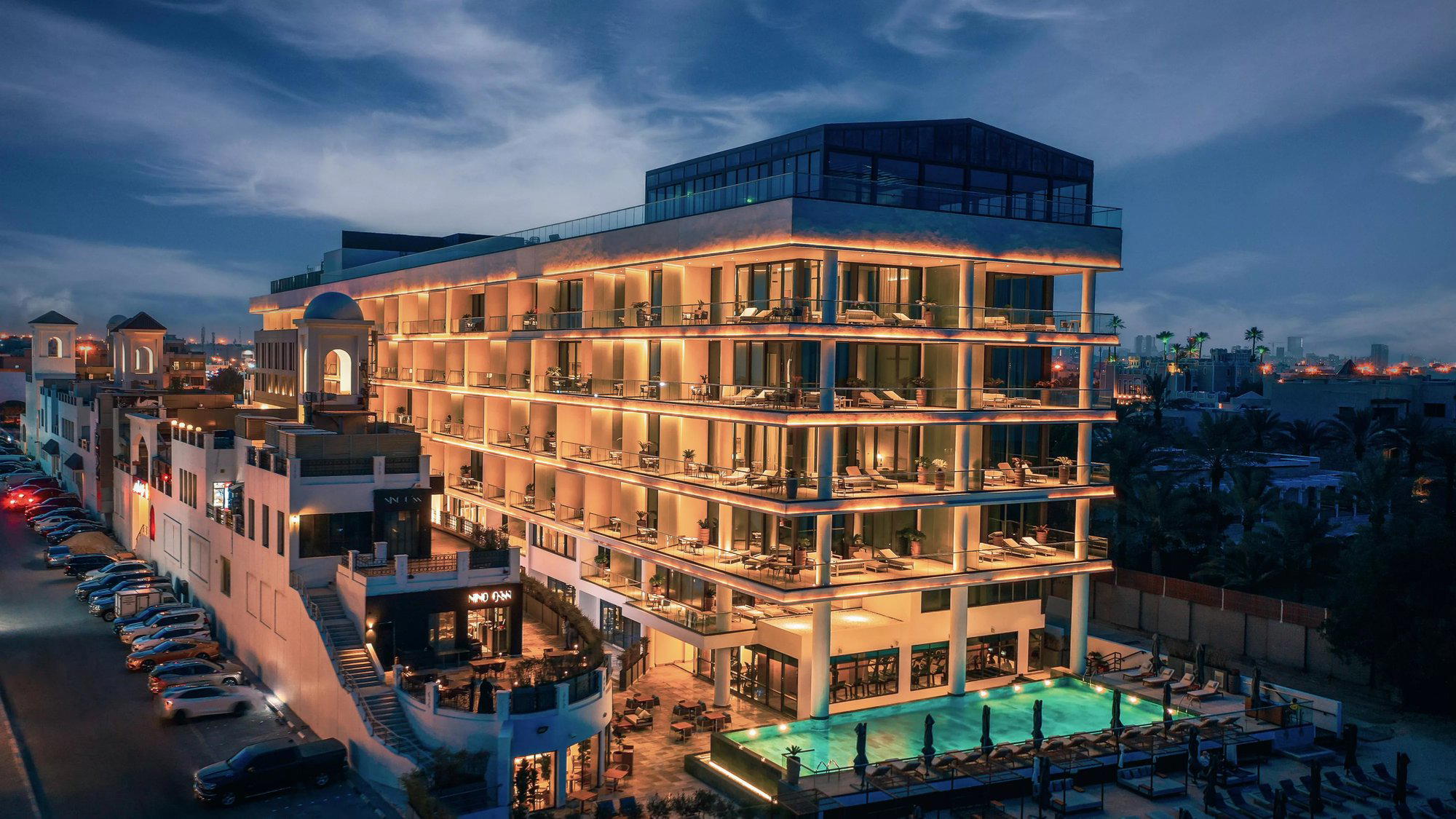
Inviting atmosphere combining elegance with warmth, light wood, lush plants, pink tones, and statement lighting creating a trendy and stylish setting.
Know Before You Go
- Getting there
- Shuwaikh Industrial, Kuwait