Al Shamam Restaurant | مطعم الشمم
Set inside Souq Al-Mubarkiya, Kuwait's oldest surviving market, Al Shamam Restaurant draws on the ingredient traditions that have defined Gulf cooking for generations. The souq address is not incidental: it places the kitchen within walking distance of the spice merchants, dried goods vendors, and produce stalls that stock the same pantry Kuwaiti households have relied on for over a century. For visitors wanting grounding in local food culture rather than a detour around it, this is a practical and purposeful choice.
 Discover on Pearl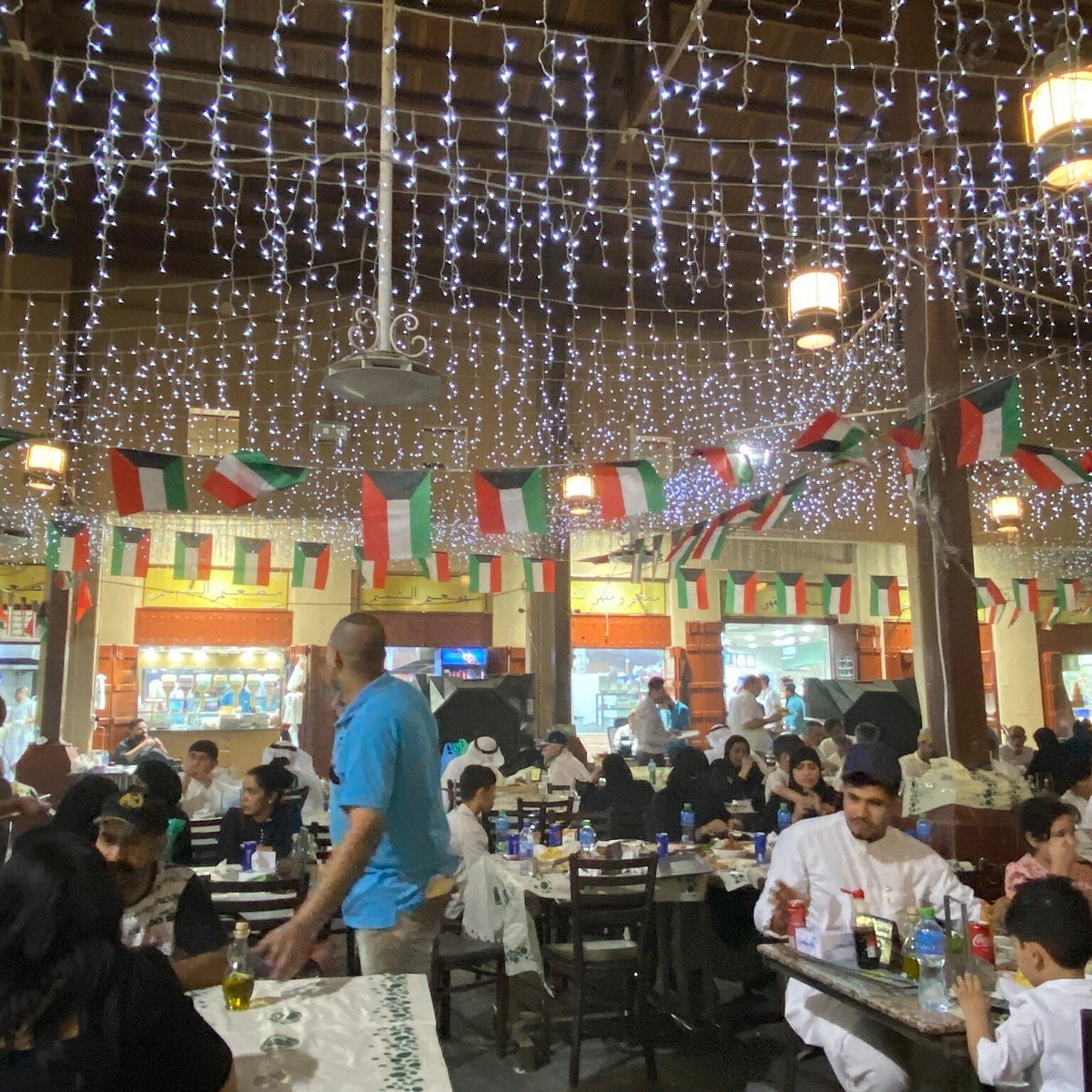
Souq Al-Mubarkiya and the Logic of Where You Eat
Kuwait City's restaurant scene divides fairly cleanly between the glass-and-steel dining floors of its modern malls and a smaller, older tier of places that draw meaning from their physical location. Al Shamam Restaurant sits firmly in the second category. The address is Souq Al-Mubarkiya, the historic covered market in the heart of old Kuwait City, and that placement shapes everything about what eating here means. Mubarkiya is not a heritage stage set: vendors have operated continuously on these lanes for well over a century, selling spices, dried limes (loomi), rose water, saffron, and the full pantry vocabulary of Gulf cooking. Walking toward the restaurant, you pass the raw material of the cuisine before you sit down to it.
That physical relationship between market and kitchen matters more in this part of the world than most. Gulf cooking has always been built around trade-route ingredients rather than purely local agriculture, a consequence of Kuwait's historical identity as a pearling and merchant port. The dried limes that perfume so many Kuwaiti stews arrived via Persian and East African trade. The rice dishes that anchor the cuisine came with the same currents. A restaurant operating inside the souq is not making a nostalgic gesture so much as occupying the actual supply chain. For readers interested in how ingredient origin connects to flavour, this is the most direct demonstration Kuwait City offers.
The shortlist, unlocked.
Hard-to-book tables, cellar releases, and concierge-planned trips.
Get Exclusive Access →What the Souq Context Tells You About the Food
Gulf cooking in Kuwait tends to be grouped under a broad regional umbrella, but there are meaningful distinctions within that category. The most recognisable Kuwaiti dishes, including machboos (spiced rice with meat or fish), the slow-cooked lamb preparation known as harees, and the saffron-heavy rice dish called murabyan when made with shrimp, all reflect the port city's dual identity: interior Gulf spice traditions meeting the Indian Ocean ingredient corridor. Sourcing proximity to a functioning spice market is not a branding point in this context. It is functionally relevant to dishes where the quality and freshness of loomi, turmeric, cinnamon, cardamom, and cumin determine the outcome.
Across the region, the gap between restaurant food and home cooking in Gulf cuisines has historically been narrower than in European culinary traditions, partly because the home kitchen retained authority over the spice blends and slow-cooking techniques that define the food. The restaurants that carry credibility in this space tend to be those whose sourcing and preparation reflect that same discipline rather than a streamlined or genericised version of it. A souq address, in that sense, is a signal about ingredient access, not just atmosphere.
Visitors comparing notes on Kuwait's dining scene will find a wide range of reference points, from technically accomplished international kitchens like Cure in Kuwait City to the robata-focused programme at White Robata in Shuwaikh. Al Shamam occupies a different position in that set, one where local culinary tradition rather than imported technique is the operating premise. For broader orientation across the city's options, the full Kuwait restaurants guide maps the range usefully.
The Market Address as Practical Orientation
Souq Al-Mubarkiya functions on foot, and the restaurant is embedded in that pedestrian logic. The souq sits in Kuwait City's older downtown district, accessible from the Gulf Road and the surrounding historic blocks. Visiting during the cooler months, from November through February, is considerably more practical than attempting a midday market visit in July, when Gulf heat reduces the souq to a destination for the very committed. The market operates across multiple sections covering food, clothing, gold, and household goods, and navigating to the restaurant is part of the experience rather than a preliminary to it.
For travellers whose Kuwait itinerary also includes dining at places like Bonjiri in Salmiya or Midar in Rai, Al Shamam represents a genuinely different register: less polished in the contemporary hospitality sense, more embedded in the everyday commercial and culinary life of the city. That contrast is worth building into a Kuwait itinerary rather than treating it as a lesser option.
For further context, restaurants as different in format and geography as Le Bernardin in New York City and Lazy Bear in San Francisco demonstrate how specific sourcing relationships shape a restaurant's identity regardless of format or price tier. The principle applies here with equal force, just in a register closer to the everyday than the occasion-driven.
Planning Your Visit
The venue database holds limited logistical detail for Al Shamam: no phone number, website, or confirmed hours are available at the time of writing. The practical approach is to visit during standard souq trading hours, which typically run from morning through early afternoon and then resume in the early evening, following the rhythm common to Kuwaiti markets. Visiting on a weekday reduces the crowd pressure that Friday and weekend afternoons bring to Mubarkiya. On-the-ground confirmation of opening times from a local contact or your hotel concierge is advisable before making a dedicated trip.
Other options in the Kuwait dining spectrum worth checking against include KUMAR in South Sabahiya, Freshii, مطعم الصوابر, and Wimpy in Coast Strip C. Each sits at a different point on the city's dining range, and choosing between them depends on what kind of eating the visit is meant to accomplish.
Frequently Asked Questions
- Can I bring kids to Al Shamam Restaurant?
- Souq Al-Mubarkiya is a family-frequented public market in Kuwait City, and a casual restaurant within it is almost certainly child-friendly in practice, though no formal policy data is on record.
- What should I expect atmosphere-wise at Al Shamam Restaurant?
- If you are visiting a Gulf market restaurant for the first time rather than a polished mall dining room, expect the souq's ambient noise, foot traffic, and street-level energy to be part of the setting. This is a working market environment, not a controlled dining atmosphere. Whether that registers as character or distraction depends on what you came to Kuwait for.
- What should I eat at Al Shamam Restaurant?
- No confirmed menu data is available, but given the restaurant's position inside Kuwait's principal historic spice market, the reasonable expectation is Kuwaiti or Gulf home-style cooking built around the pantry staples available a few stalls away. Order whatever involves the slow-cooked spice combinations the Gulf does leading: rice dishes, stews built on loomi and cardamom, and anything involving saffron or dried shrimp.
- How hard is it to get a table at Al Shamam Restaurant?
- No reservation system or advance booking data is on record. Souq Al-Mubarkiya draws its biggest crowds on weekend afternoons, so an earlier weekday visit is the lower-friction route to a seat.
- Is Al Shamam Restaurant a good introduction to Kuwaiti cuisine for first-time visitors?
- A restaurant operating inside Souq Al-Mubarkiya, the oldest and most historically continuous market in Kuwait City, sits physically inside the ingredient ecosystem of traditional Gulf cooking. For a visitor whose frame of reference runs from globally recognised fine dining like Atomix in New York City or Alinea in Chicago to broader regional cuisines, Al Shamam offers something those experiences cannot: direct proximity to the sourcing tradition that produces the food. It is not a controlled or curated introduction, but it is a grounded one. Pair the visit with a walk through the spice section of the souq and the context becomes self-explanatory.
Peer Set Snapshot
A fast peer set for context, pulled from similar venues in our database.
| Venue | Cuisine | Price | Awards | Notes |
|---|---|---|---|---|
| Al Shamam Restaurant | مطعم الشمم | This venue | |||
| Cantina | ||||
| Matbakhi | ||||
| Freshii | ||||
| مطعم الصوابر | ||||
| White Robata |
Need a table?
Our members enjoy priority alerts and concierge-led booking support for the world's most difficult tables.
Get Exclusive AccessThe shortlist, unlocked.
Hard-to-book tables, cellar releases, and concierge-planned trips.
Get Exclusive Access →