White Robata occupies a setting that few Kuwait City restaurants can match: the Sheikh Jaber Al-Ahmed Cultural Centre on Arabian Gulf Street, where robata-style live-fire cooking meets one of the Gulf's most considered architectural backdrops. The format puts ingredient quality at the centre of the experience, making sourcing and technique the twin arguments for the visit.
Pearl is the En Primeur Club membership app — saves, bookings, and concierge access live there. Same editors, same standards.
- Address
- Sheikh Jaber Al-Ahmed Cultural Centre, Arabian Gulf St, Kuwait City, Kuwait
- Website
- whiterobata.com
- Directions
- Get directions
 Saves & bookings on Pearl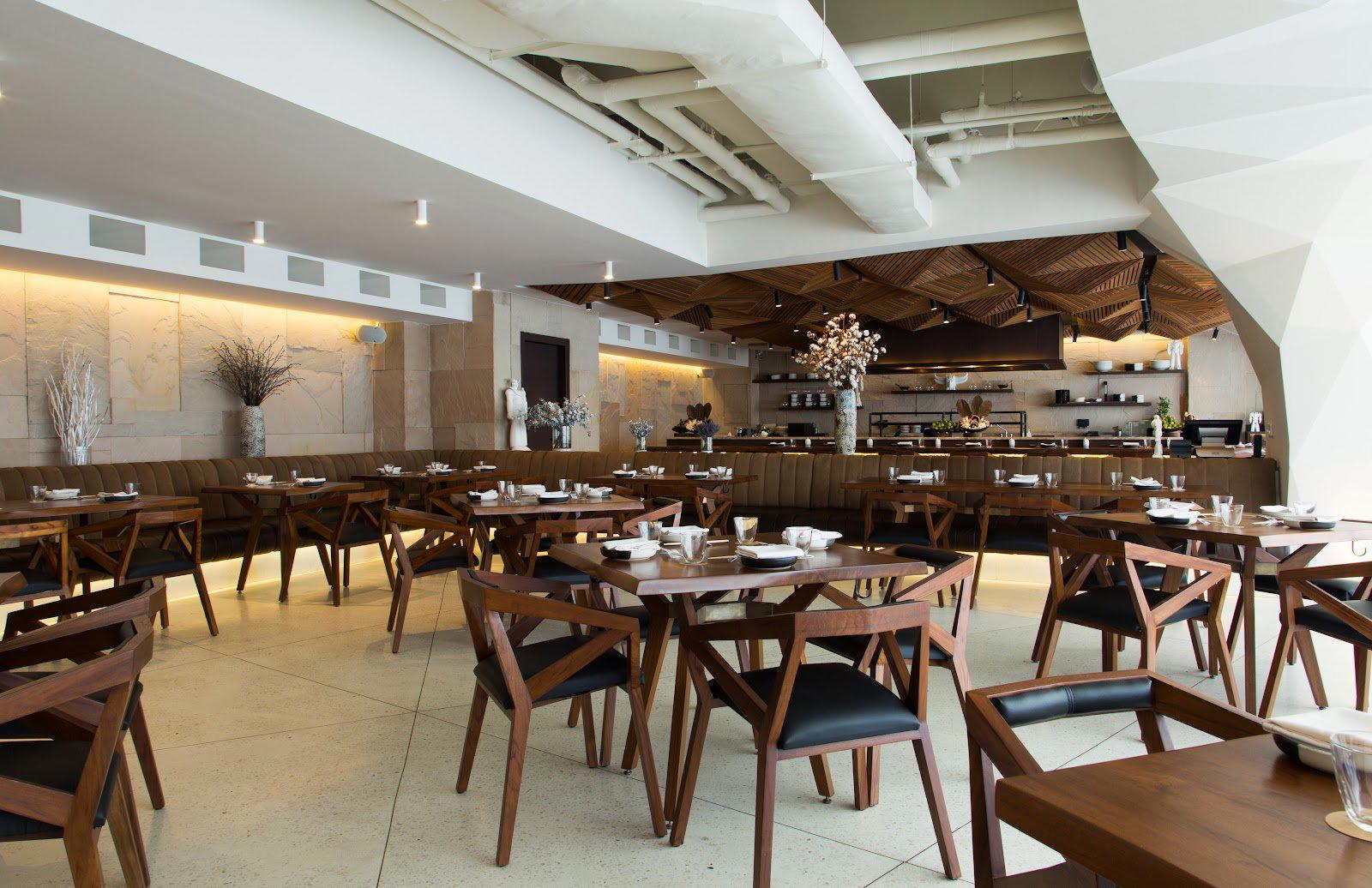
Fire, Source, and Setting: The Robata Format in Kuwait
Live-fire cooking has a long claim to seriousness. The Japanese robata tradition, in which ingredients are grilled over bincho-tan charcoal at measured distance and heat, is fundamentally an argument about sourcing: the technique does little to mask what it cooks, so the quality of what goes on the grill determines almost everything about what arrives at the table. That principle has migrated from its Hokkaido origins to high-end dining rooms across Asia, Europe, and the Gulf, and in each city where it lands, the question is whether the operation maintains the discipline the format demands. In Kuwait, White Robata takes up that question at one of the more considered addresses in Shuwaikh.
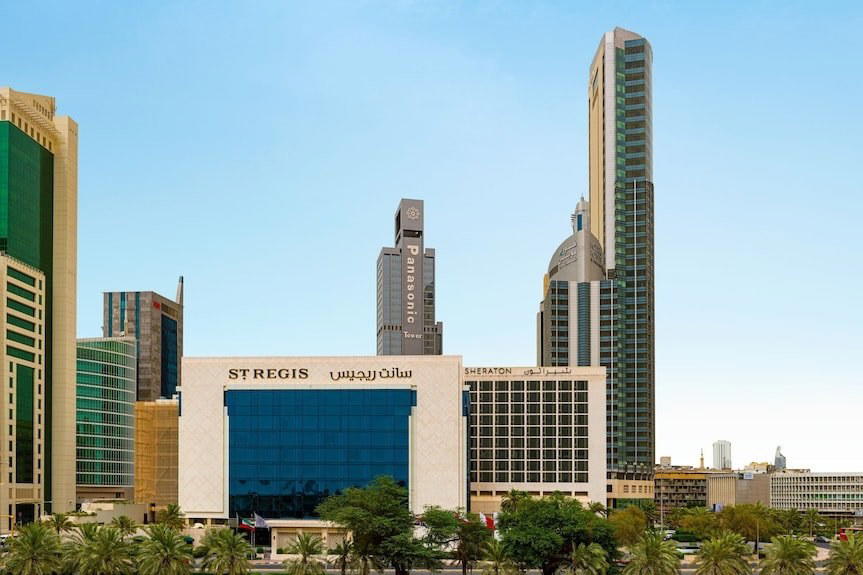
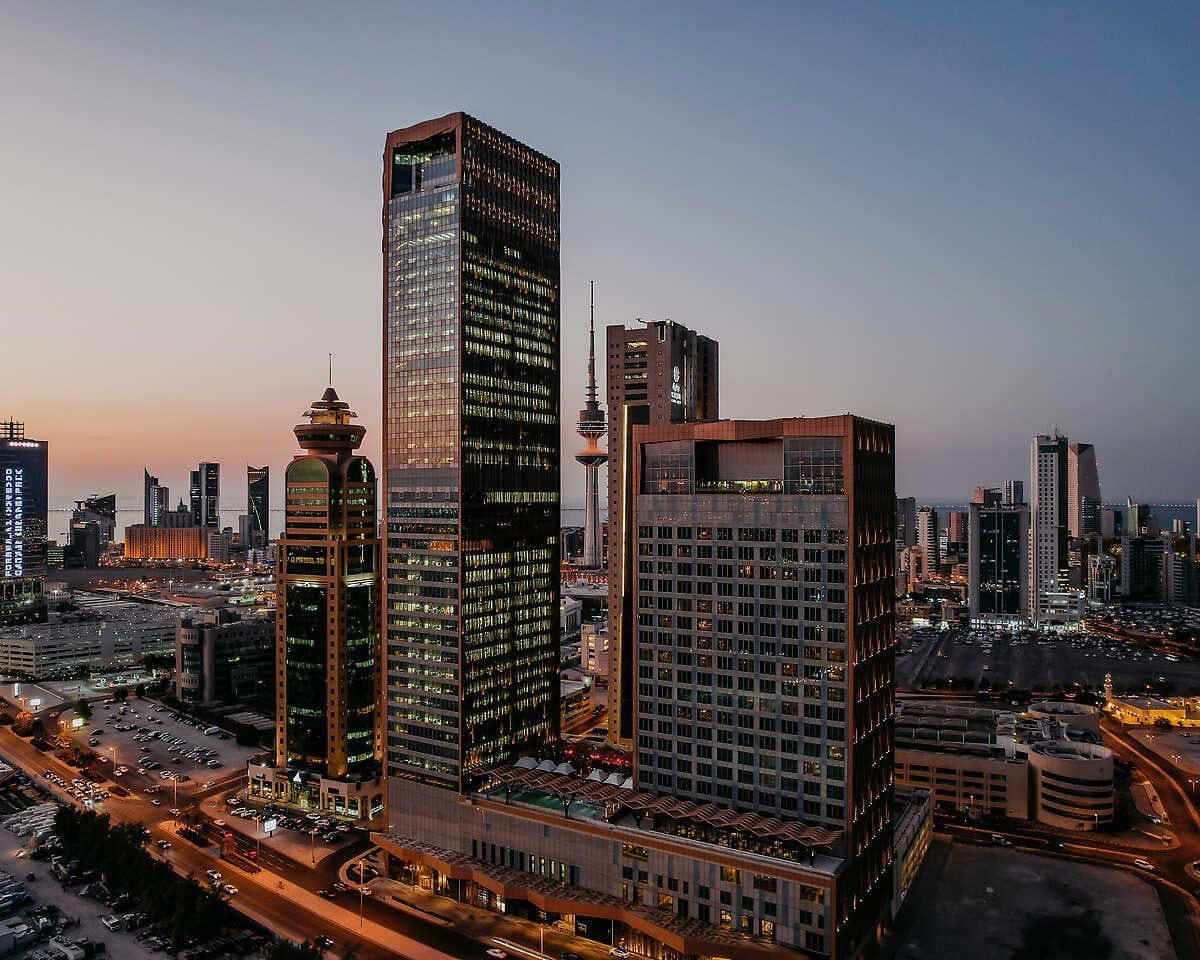
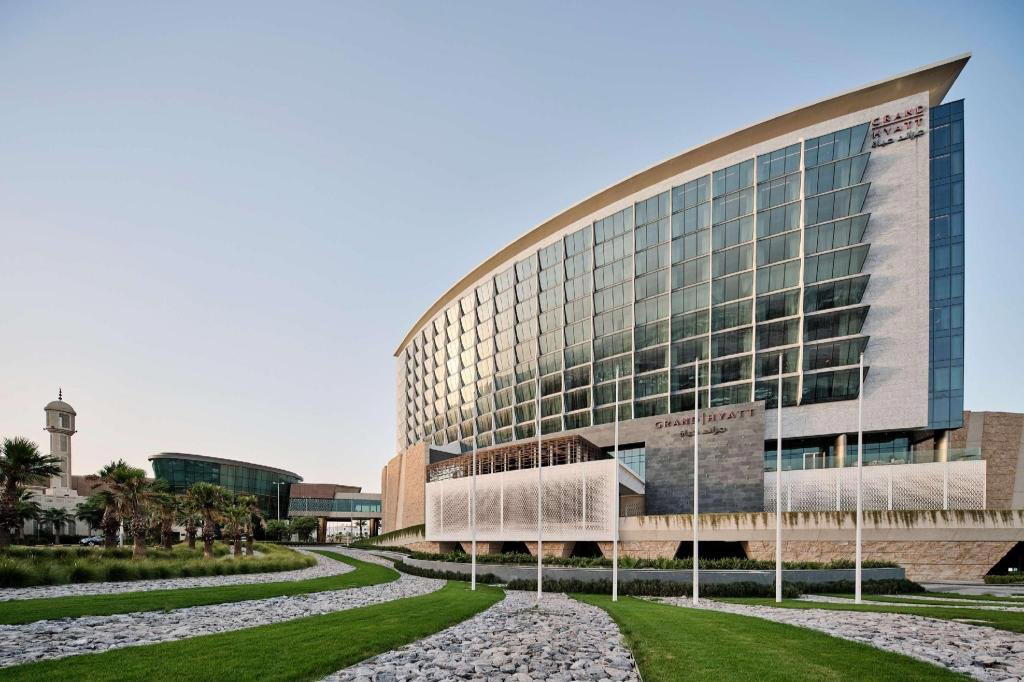
The venue sits inside the Sheikh Jaber Al-Ahmed Cultural Centre on Arabian Gulf Street, a complex that functions as Kuwait's most significant contemporary arts and civic institution. The building itself shapes the experience before any food arrives. The Cultural Centre is a large-scale, formally designed complex, and choosing to eat here is different from choosing a commercial strip address. The surrounding architecture sets a register that the interior of a robata restaurant either meets or is made to look smaller by. For context on how the broader Shuwaikh dining scene is organised around this and other anchoring addresses, see our full Shuwaikh restaurants guide.
What the Robata Grill Actually Demands
The robata format rewards restraint in the kitchen and investment before the kitchen. Where a heavily sauced or braised dish can absorb imperfect protein, live charcoal cookery amplifies everything: the fat content of the cut, the age of the fish, the quality of the vegetable. This is why the leading robata operations outside Japan tend to centre their sourcing narratives as prominently as their menus. The grill is transparent in a way that a stockpot is not.
Kuwait's position in the Gulf gives it particular logistical considerations for high-quality protein sourcing. The Arabian Gulf itself supports some regional seafood supply, while premium beef and lamb typically travel from Australia, Japan, or the US. A robata format in this geography is making a set of sourcing decisions that carry real cost and real consequence for what ends up on the grill. Venues in comparable Gulf cities that have committed to the format seriously, drawing comparisons to technically minded restaurants like Cure in Kuwait City in terms of kitchen discipline, tend to build their reputations on the consistency of that sourcing rather than on menu novelty alone.
The Cultural Centre Address and What It Signals
Restaurants that locate inside major cultural institutions occupy a distinct tier in their city's dining topology. They are not neighbourhood spots, and they are not purely destination restaurants in the tourist sense. They serve audiences who have already made a considered choice to come to a serious venue, and they often carry an implicit expectation of quality that purely commercial addresses do not. The Sheikh Jaber Al-Ahmed Cultural Centre draws institutional visitors, performance audiences, and residents who engage with Kuwait's arts programming, and that audience composition tends to support a more considered dining format than a casual mall food court would.
The address is a trust signal of its own kind: operating within the Cultural Centre involves a level of institutional vetting that a standalone commercial lease does not.
Ingredient Sourcing as the Core Argument
For any restaurant working a live-fire format with serious intent, the sourcing chain is the editorial story. Robata, unlike many Western grill traditions, has a codified relationship with ingredient quality: specific cuts for specific heat levels, specific fish for specific grill times, vegetables chosen for structural integrity under direct flame. The discipline is not decorative. It is what separates a robata counter from a generic charcoal grill.
White Robata's position inside the Cultural Centre, and the format it has chosen, both suggest an operation positioning itself toward the considered end of Kuwait's restaurant market rather than the volume end. That positioning is consistent with what the robata format demands technically. For comparison, other Gulf-region operations that have built credibility around ingredient-led live-fire cooking have tended to be smaller in scale and more selective about what they grill, accepting menu constraints in exchange for execution consistency. Venues like Bonjiri in Salmiya and Midar in Rai represent parts of the Kuwait dining scene that similarly centre on a defined culinary discipline rather than broad menu coverage.
Internationally, the restaurants that have built the strongest cases for live-fire and technique-led cooking include operations like Lazy Bear in San Francisco and Alinea in Chicago, where format commitment and sourcing rigour are treated as non-negotiable. White Robata is working within a different culinary tradition, but the underlying logic of format discipline is the same. Further afield, the ingredient-to-technique relationship that drives serious robata is also present in the thinking behind European haute cuisine destinations like Aponiente in El Puerto de Santa María, where the sourcing argument is inseparable from the cooking method.
Planning the Visit
White Robata is located at the Sheikh Jaber Al-Ahmed Cultural Centre on Arabian Gulf Street in Shuwaikh, making it accessible from Kuwait City proper and from the surrounding districts. Given the Cultural Centre's event programming, timing a visit around performances or exhibitions adds context to the evening. Specific booking information, current hours, and pricing are best confirmed directly with the venue, as these details shift with programming calendars and seasonal adjustments. For broader orientation across Kuwait's restaurant options, including venues in adjacent areas, Al Shamam Restaurant and KUMAR in South Sabahiya offer additional data points for how Kuwait's mid-to-upper dining tier is currently structured.
At a Glance
- Trendy
- Romantic
- Cozy
- Elegant
- Modern
- Date Night
- Family
- Solo
- Open Kitchen
- Terrace
Current opening hours
- Monday
- 1–11:30 PM
- Tuesday
- 1–11:30 PM
- Wednesday
- 1–11:30 PM
- Thursday
- 1 PM–1 AM
- Friday
- 1 PM–1 AM
- Saturday
- 1–11:30 PM
- Sunday
- 1–11:30 PM
Hours can change for holidays and private events. Last verified .
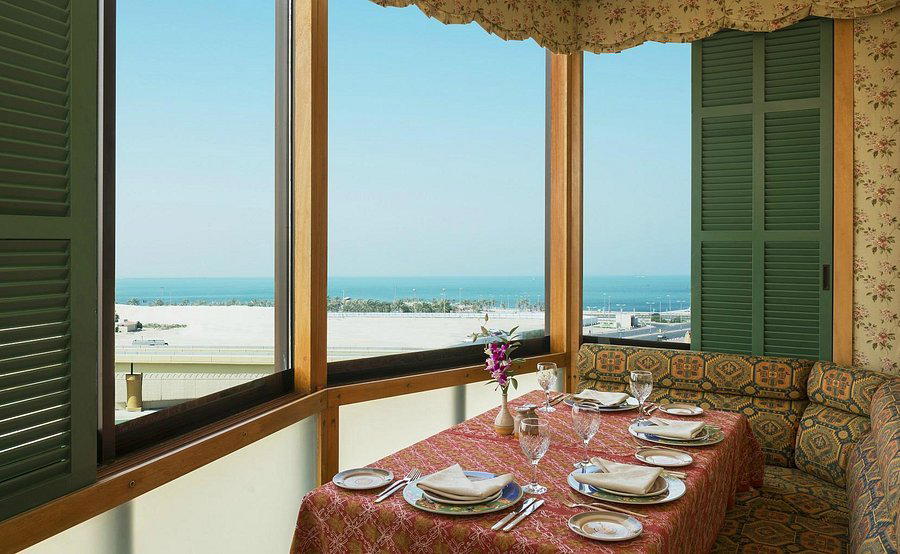
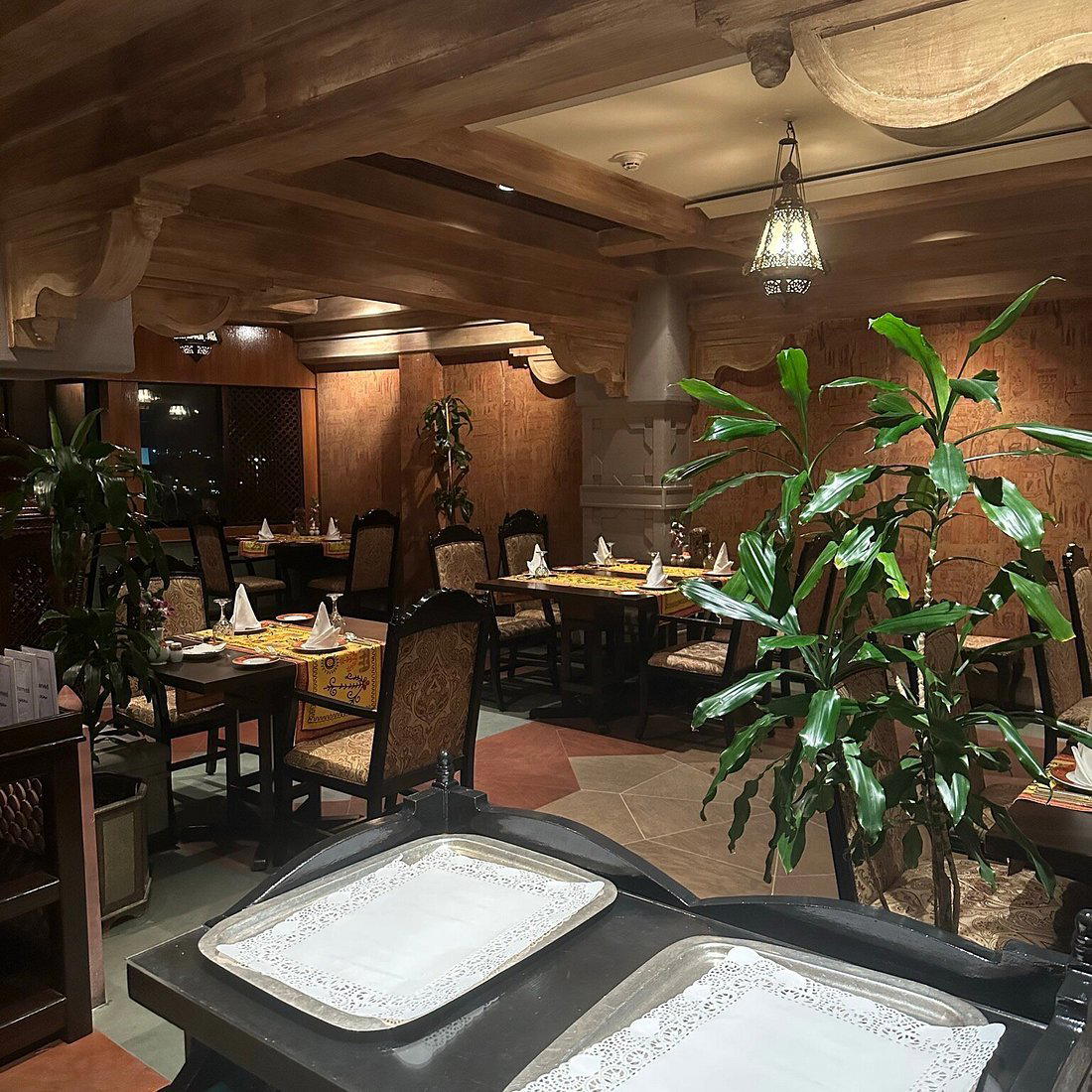
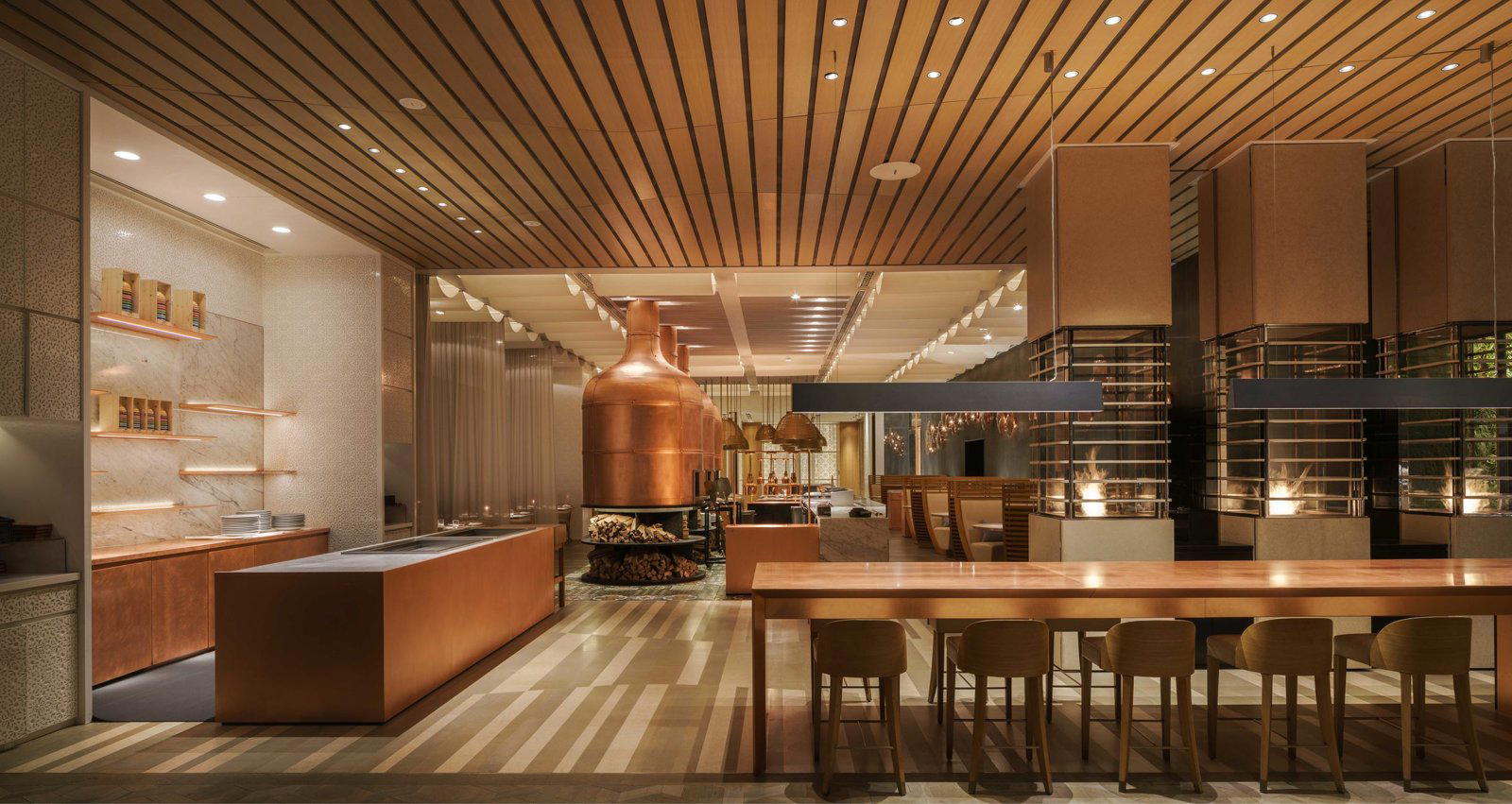
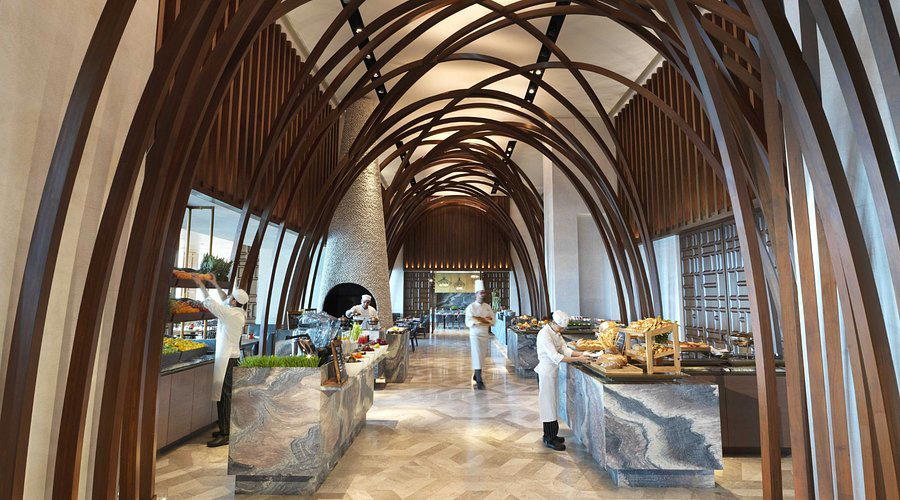
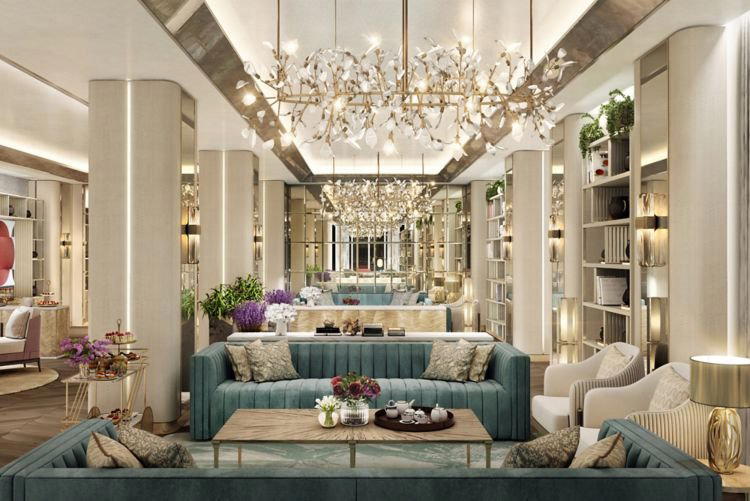
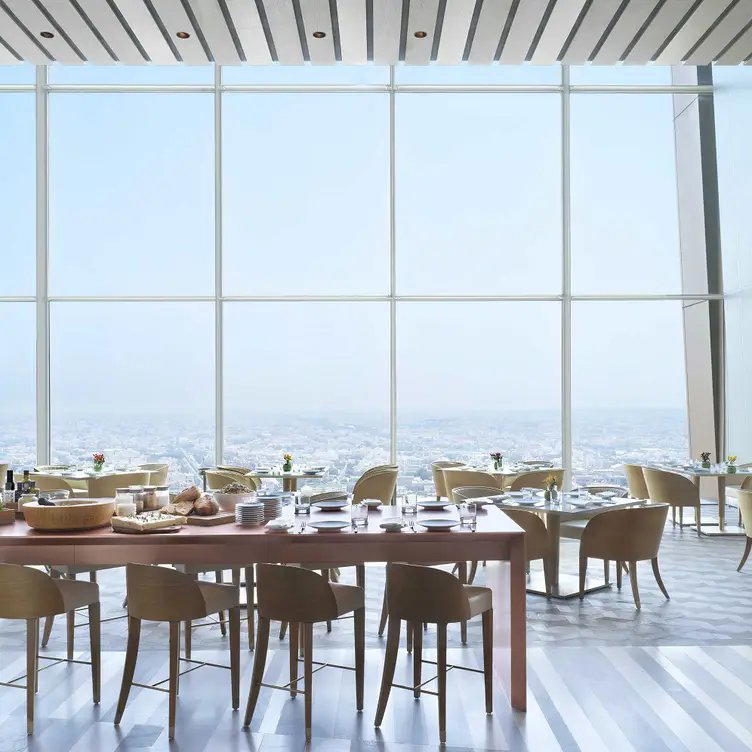
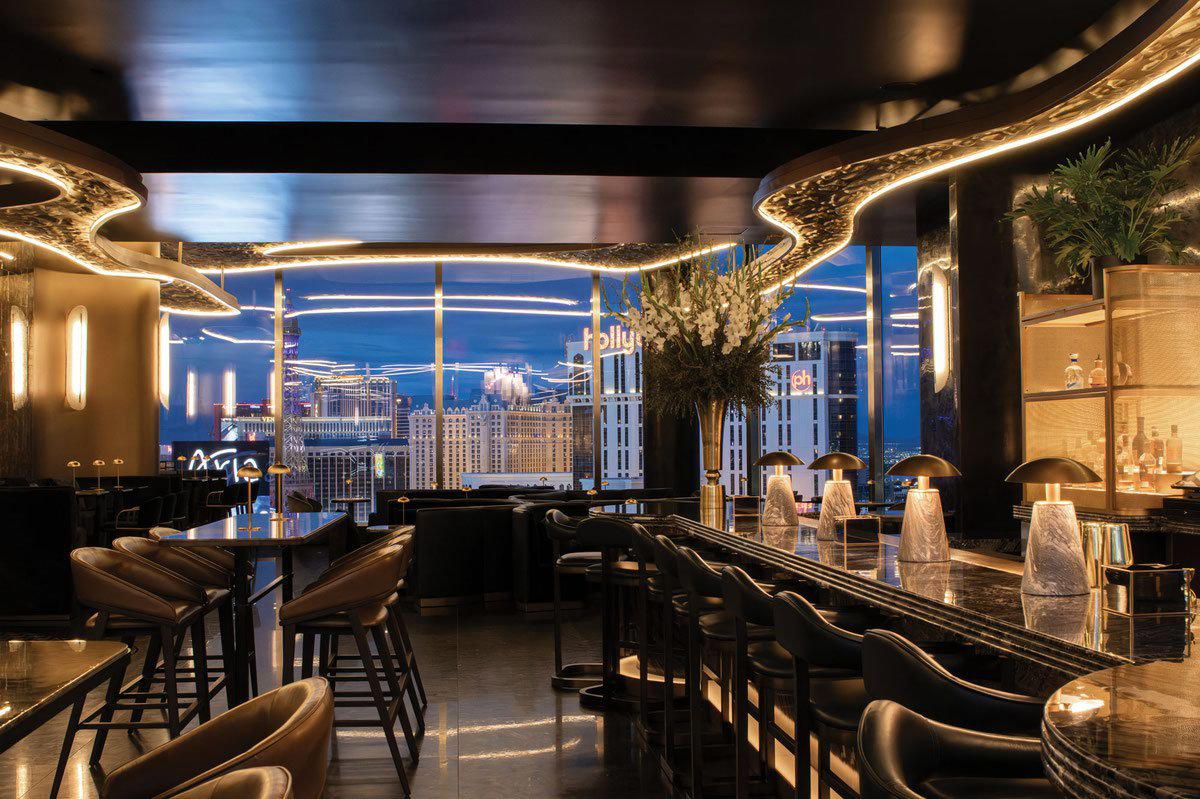
Cozy upscale atmosphere with stylish wooden interiors, romantic lighting, and an outdoor terrace offering fountain views and sunsets.
Know Before You Go
- Getting there
- Sheikh Jaber Al-Ahmed Cultural Centre, Arabian Gulf St, Kuwait City, Kuwait