Al Shamam Restaurant
Al Shamam Restaurant sits within Kuwait City's broader tradition of ingredient-led Arabic dining, where the sourcing of spices, grains, and proteins from Gulf and Levantine producers carries as much weight as technique. The restaurant's name, meaning 'muskmelon' in Arabic, signals an orientation toward the seasonal and the locally specific that sets a particular expectation before a single dish arrives.

Pearl is the En Primeur Club membership app — saves, bookings, and concierge access live there. Same editors, same standards.
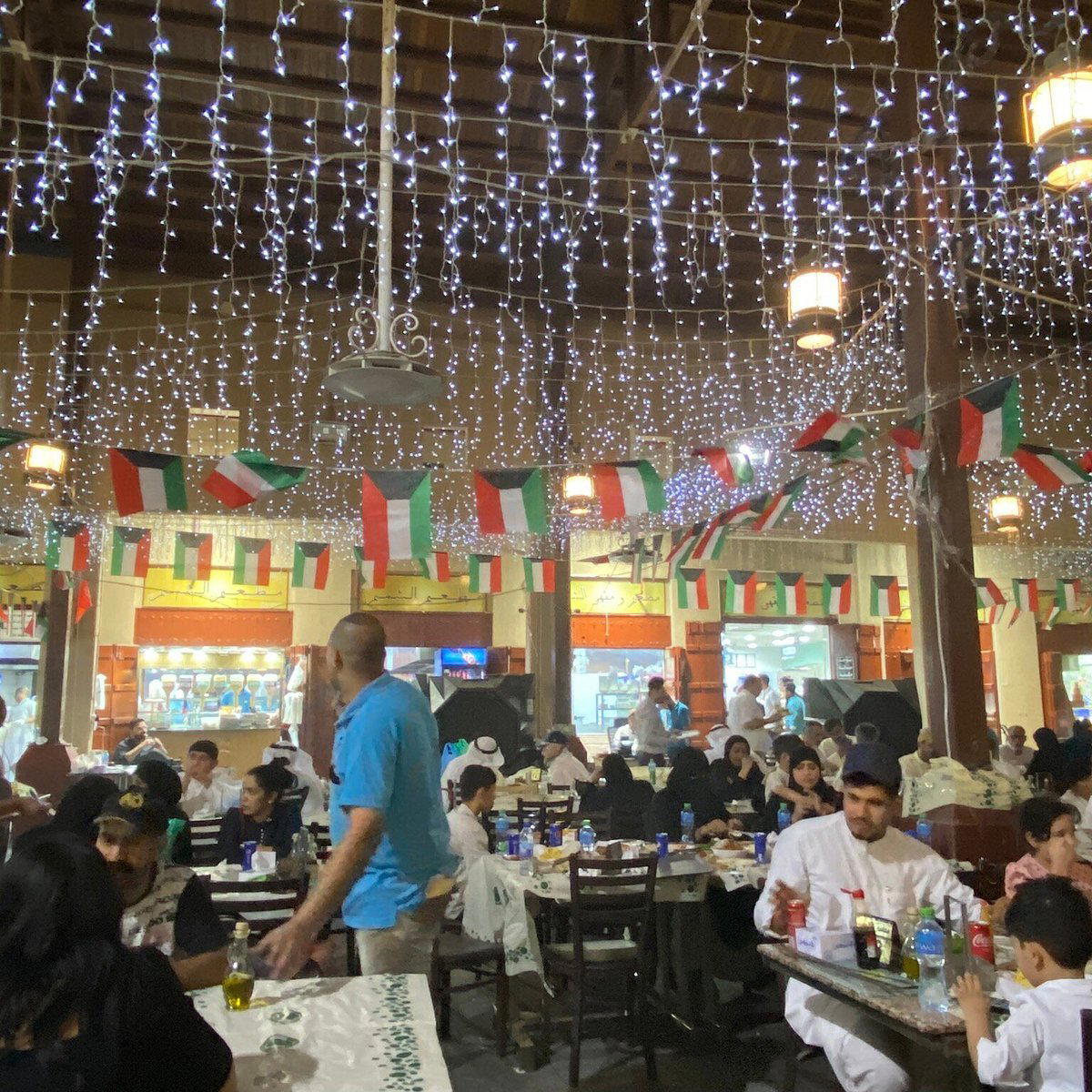
Entering Kuwait City's Ingredient-Driven Arabic Dining Scene
Walk into almost any serious Arabic restaurant in Kuwait City and the first sensory register is not the menu, it is the spice rack, the smoke from the grill station, or the scent of dried limes and saffron threading through the air conditioning. This is a dining culture where sourcing arguments happen in the kitchen long before plating decisions are made. Al Shamam Restaurant operates inside that tradition, and its name alone, drawn from the Arabic word for muskmelon, a fruit deeply tied to Gulf seasonal rhythms, positions it as something more particular than a generic Middle Eastern address.
Kuwait City's restaurant scene has matured considerably over the past decade. The city now sustains a range of serious Arabic dining formats, from technically ambitious modernist kitchens to neighbourhood establishments built on generations of regional recipe knowledge. Al Shamam occupies territory in this map, though the specific contours of its offer, its price tier, seating format, and kitchen lineage, are not confirmed here. What the name and cultural context signal is an orientation toward the produce-first logic that defines the more considered end of Gulf cuisine.
Where the Food Comes From, and Why That Matters Here
Gulf Arabic cooking is often misread by outside observers as a cuisine defined by hospitality gestures: the generosity of portion, the intensity of spicing, the ceremony of service. These are real, but the more interesting argument is about sourcing geography. Kuwait sits at a point where Persian Gulf seafood, Iraqi river produce, Levantine agricultural traditions, and Indian spice trade routes converge. The leading kitchens in the city treat this convergence not as a historical footnote but as an active pantry decision, which dried lime comes from Basra, which saffron threads from Iran, which shrimp from Kuwaiti waters rather than farmed alternatives.
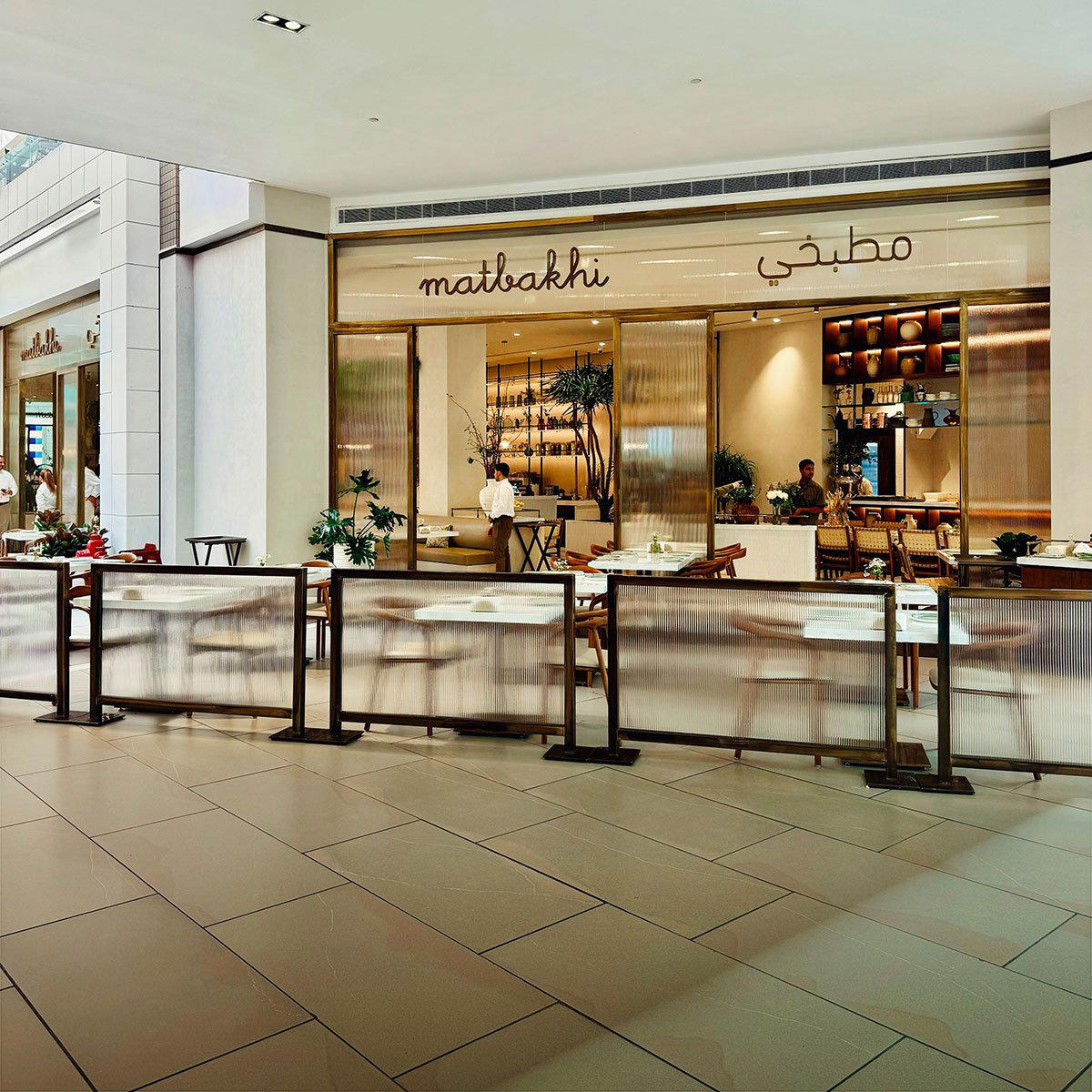
This ingredient geography matters because it shapes flavour in ways that technique alone cannot replicate. A machboos made with fresh hammour from the Gulf rather than a frozen substitute registers differently in texture and salinity. A harees slow-cooked with wheat sourced from regional producers carries a nuttiness absent from commodity grain. Across Kuwait City, the restaurants earning sustained local loyalty, places like Matbakhi and Al Shamam in its various incarnations, tend to be those where these sourcing decisions are made deliberately rather than by default.
The muskmelon reference embedded in Al Shamam's name is worth sitting with. Muskmelon, or shamam, is a fruit with a short seasonal window in the Gulf, sweet, fragrant, and entirely dependent on timing for its quality. Naming a restaurant after it is not decorative. It suggests a kitchen philosophy where seasonality and provenance are framing principles, not afterthoughts. Whether that aspiration is fully realised in execution is the kind of question that can only be answered by eating there, but the orientation it signals is meaningful in a city where not every establishment is having that conversation.
Kuwait City's Broader Arabic Dining Conversation
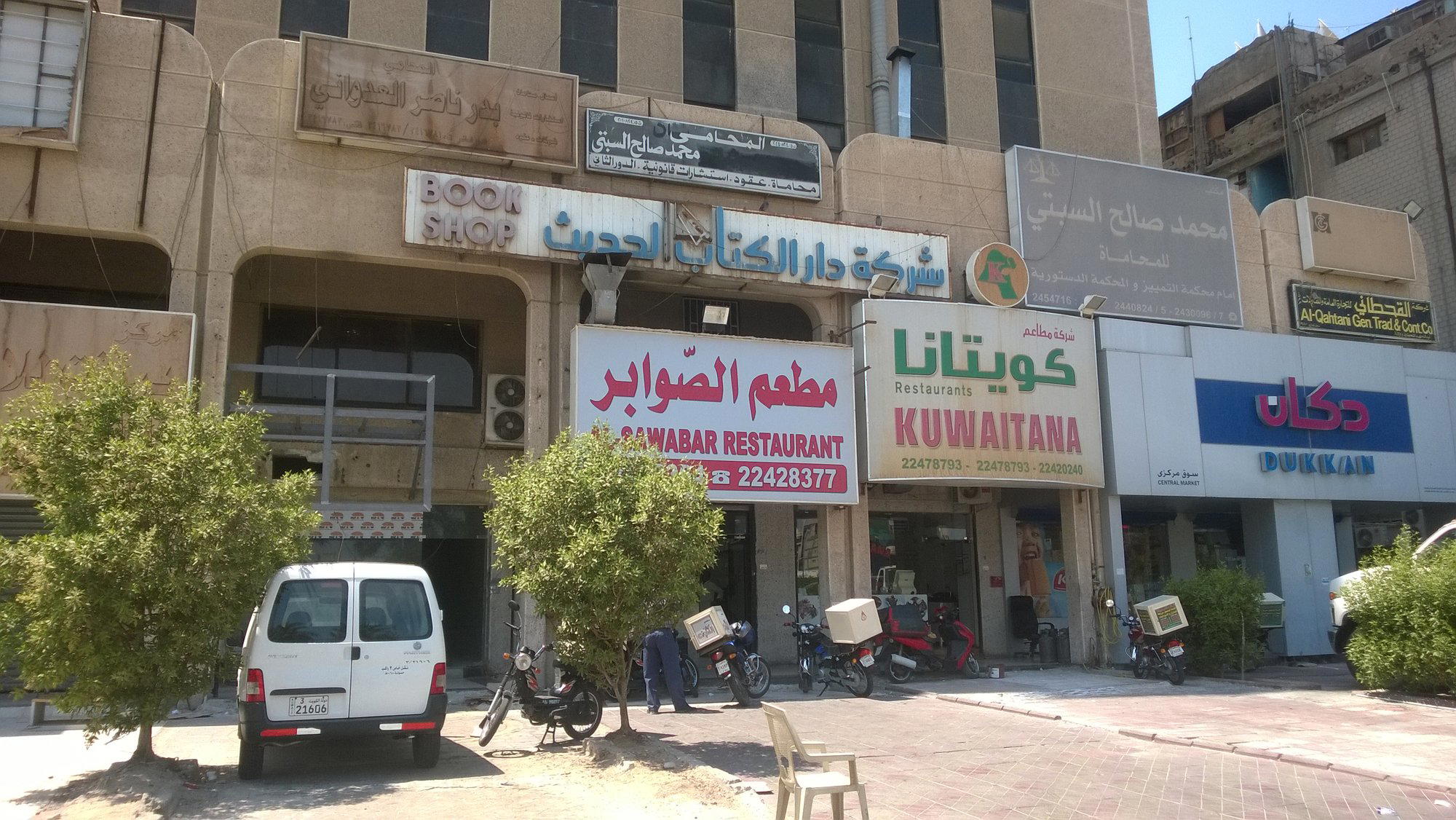
The city's premium Arabic dining tier has grown more competitive in recent years, with a wave of concept-driven openings pushing the category beyond traditional formats. Cure, Cantina, and OVO Restaurant represent different registers of this ambition, some leaning international, others threading Gulf influence through contemporary formats. Al-Sawabar sits at the more traditional end of the spectrum, demonstrating that there remains strong appetite for Arabic cooking that is not mediated through fusion.
Al Shamam occupies a distinct position in this company: its name signals Arabic specificity rather than internationalism, and its framing around a Gulf seasonal ingredient positions it closer to the produce-driven Arabic category than to the hybrid or fusion tier. For diners visiting Kuwait City with a specific interest in the culinary traditions of the region, rather than in the city's international restaurant options, this matters as a navigational distinction. The full Kuwait City dining picture, including how these restaurants sit relative to each other across neighbourhood and cuisine type, is mapped in our full Kuwait City restaurants guide.
It is also worth noting how Kuwait City's Arabic dining scene compares in ambition to other Gulf capitals. The ingredient-sourcing conversation happening here is increasingly sophisticated, and venues across the city are beginning to make claims, around provenance, technique, and seasonal discipline, that put them in conversation with fine dining destinations globally. Operations like Le Bernardin in New York City or Alain Ducasse at Louis XV in Monte Carlo built their reputations on exactly this kind of sourcing rigour applied to a specific culinary tradition. The trajectory in Kuwait City is moving in a similar direction, even if the local category is younger.
Exploring Beyond Al Shamam: The Kuwait Dining Orbit
For visitors building a Kuwait City itinerary around serious eating, the geography of the dining scene rewards some planning. Bonjiri in Salmiya and Midar in Rai represent the kind of neighbourhood-anchored dining that requires leaving the central hotel corridor. White Robata in Shuwaikh covers a different culinary register entirely, Japanese live-fire, illustrating how diverse Kuwait City's dining portfolio has become across a compact urban geography. Further afield, KUMAR in South Sabahiya serves as a reminder that Kuwait's South Asian dining scene runs deep and serious, a direct reflection of the city's demographic composition. Even Wimpy in Coast Strip C has its place in the local food memory, a different kind of cultural document about the city's appetite history.
The range is wider than most first-time visitors anticipate, and navigating it effectively means understanding the city's districts and what each tends to specialise in. International reference points help calibrate expectations: the precision-sourcing ambition visible at Atomix in New York City or the communal, ingredient-forward format of Lazy Bear in San Francisco both offer useful lenses for understanding what Kuwait City's better kitchens are reaching toward, even if the culinary tradition is entirely different.
Planning Your Visit
Al Shamam's price point sits around $15 per person, and reservations are recommended. This is standard practice for Kuwait City's more considered dining addresses, where reservation policy and operating hours sometimes differ from what aggregator sites carry. For visitors without local connections, the city's better hotels maintain relationships with the dining establishments worth knowing about, and their concierge teams are a reliable first call for accurate logistics.
Fast Comparison
Comparable venues nearby, for context on price, style, and recognition.
| Venue | Cuisine | Price | Notes |
|---|---|---|---|
| Al Shamam RestaurantThis venue — the venue you are viewing | Persian & Middle Eastern Grills and Seafood | $$ | Not listed |
| Al-Sawabar | Lebanese Shawarma | $$ | Kuwait City |
| مطعم الصوابر | Traditional Arabic Cuisine | $$ | Capital Governorate - East |
| OVO Restaurant | Global Fusion Vegan/Vegetarian | $$$ | Bneid al-Gar |
| Al Shamam Restaurant | مطعم الشمم | Middle Eastern Grills & Seafood | $$ | Souk Mubarakiya |
| Freshii | Healthy Fast-Casual Bowls and Salads | $ | Sabah Al-Salem |
Continue exploring
More in Kuwait City
Restaurants in Kuwait City
Browse all →
At a Glance
- Casual
- Cozy
- Family
- Group Dining
- Casual Hangout
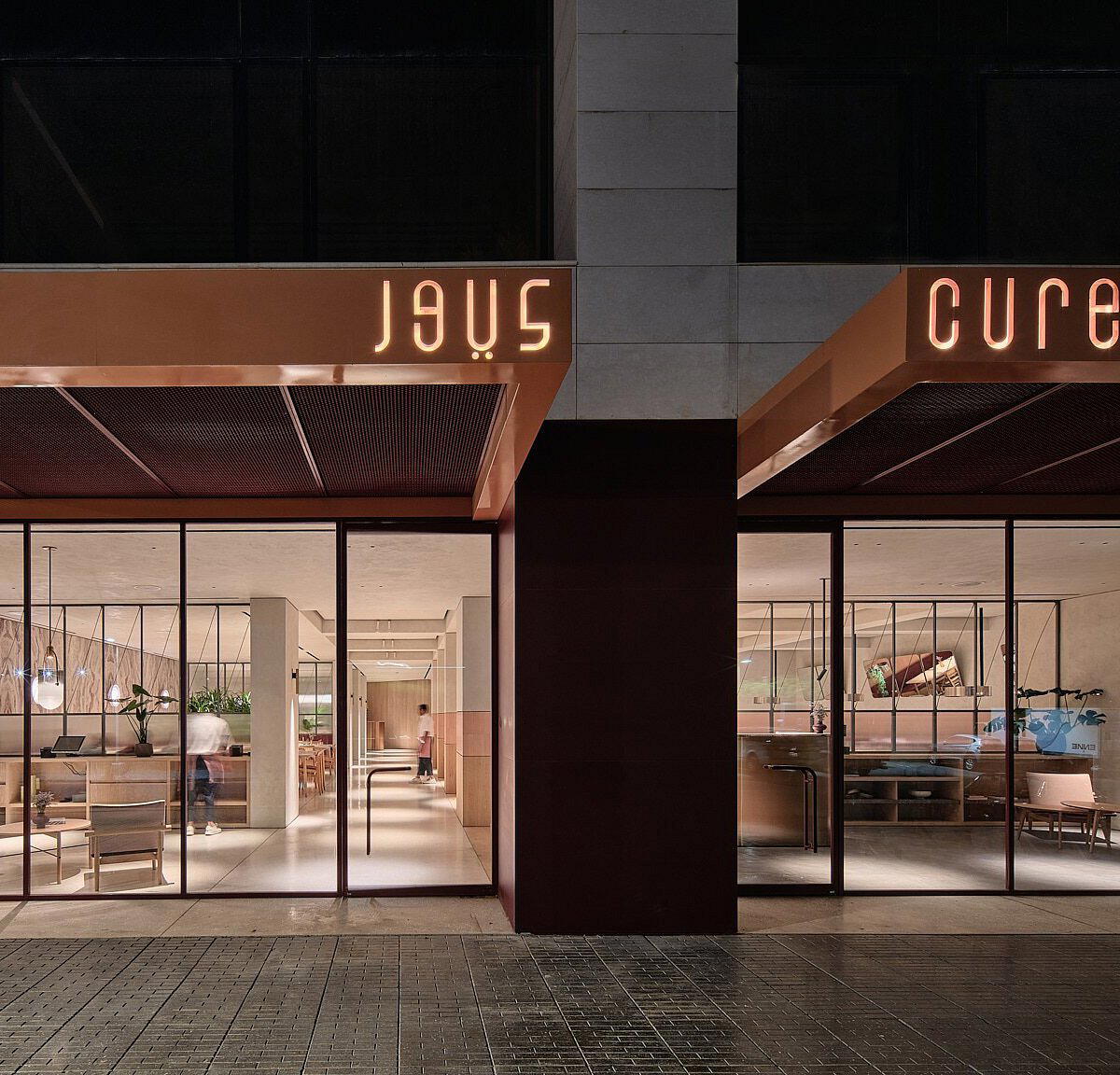
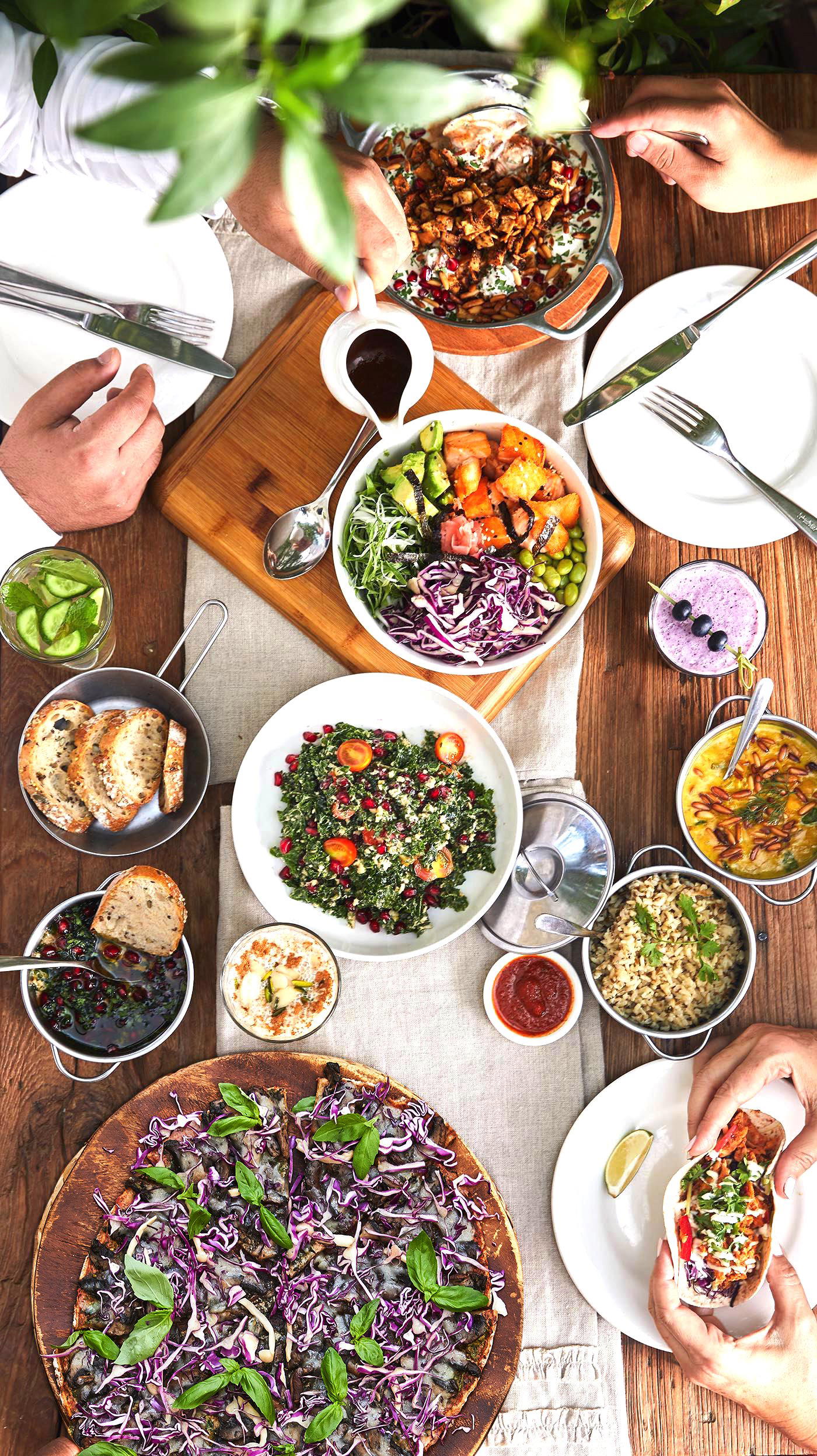
Casual and cozy atmosphere well-suited for groups and everyday dining with a focus on hearty, flavorful meals.