Aloha Poke
Our verdict
Aloha Poke at 131 N Clinton St sits inside Chicago's West Loop corridor, where quick-service concepts compete alongside some of the city's most decorated tasting-menu rooms. The format here is bowl-focused Hawaiian-style poke, positioned at the accessible end of a dining district that also houses multi-course destination restaurants. A practical option for the area's dense office and residential population.

Pearl is the En Primeur Club membership app — saves, bookings, and concierge access live there. Same editors, same standards.
- Address
- 131 N Clinton St, Chicago, IL 60661
- Phone
- (312) 285-2887
- Hours
- Mon–Fri 9 AM–3 PMSat–Sun Closed
- Website
- alohapokeco.com
- Directions
- Get directions
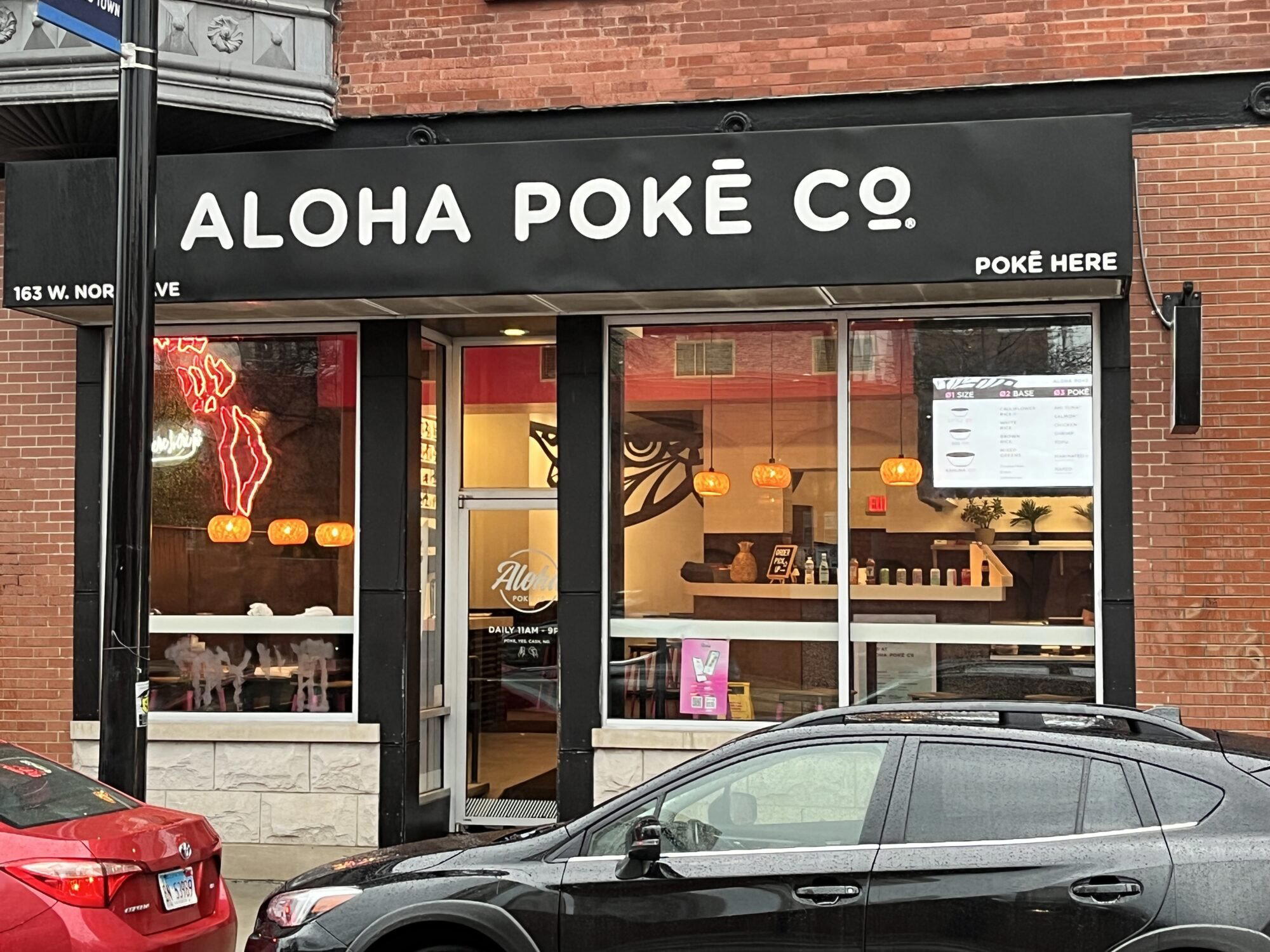
West Loop, Bowl Format, and What the Neighbourhood Context Actually Means
Chicago's West Loop has spent the better part of a decade sorting itself into tiers. At the other end, the neighbourhood's density of office workers, commuters passing through Ogilvie Transportation Center, and residents in the adjacent Fulton Market corridor has created sustained demand for fast, competent, assembly-line food. Aloha Poke, at 131 N Clinton Street, occupies that second tier: a counter-service poke concept built for the lunch trade in one of Chicago's highest-footfall dining corridors.
Understanding what Aloha Poke is requires understanding what it is not. It does not operate in the same category as the city's celebrated progressive kitchens or the Filipino-rooted ambition of Kasama. The comparison set is horizontal rather than vertical: other fast-casual bowl concepts serving a time-pressed midday crowd. Within that frame, the question worth asking is whether the format delivers on the specific promises of Hawaiian-style poke, a tradition that has travelled far from its origins in the island chain's fishing communities and now appears in quick-service formats across most major American cities.
The Poke Format in a Mainland Context
Hawaiian poke, in its traditional form, is marinated raw fish dressed simply: shoyu, sesame oil, green onion, sea salt, and sometimes inamona (roasted kukui nut). The mainland fast-casual version, which expanded rapidly through American cities from roughly 2015 onward, typically broadens that template into a build-your-own bowl format: a base of rice or greens, a protein (often ahi tuna or salmon), toppings assembled cafeteria-style, and a sauce finish. The result trades authenticity for accessibility, which is a reasonable transaction when the execution is consistent and the sourcing is sound.
The central editorial question for any mainland poke concept is fish quality and handling. Raw fish in a fast-casual environment depends on cold-chain discipline and high turnover to remain at acceptable standard. A busy Clinton Street location serving the lunch commuter trade from Ogilvie has the volume advantage: high turnover generally supports fresher product.
For context on how the highest-tier American seafood programs handle raw fish, Le Bernardin in New York City and Providence in Los Angeles represent one end of the spectrum. Aloha Poke operates at the other end of that spectrum by design, not by failure, and the relevant comparison is the operational quality of its direct category peers rather than fine-dining benchmarks.
The West Loop as a Dining District
The block on N Clinton Street where Aloha Poke sits is functionally a transit-adjacent dining zone. Ogilvie Transportation Center feeds thousands of commuters through the area daily, and the office density in the surrounding blocks means lunch-service demand spikes sharply between 11:30 and 1:30. Fast-casual concepts in this corridor compete primarily on speed, price, and reliable consistency rather than on culinary ambition. That competitive dynamic shapes what the format needs to deliver.
Further into the West Loop, the dining character shifts toward destination eating. Fulton Market's restaurant row runs from roughly Morgan to Halsted, where the restaurant investment per square foot sits well above the Clinton Street corridor. The contrast matters for a reader calibrating expectations: Aloha Poke is geographically in the West Loop but operationally in the transit-feeding subset of it. Visitors planning a broader Chicago dining itinerary should treat it as a functional lunch option in a convenient location, not as a destination stop within the broader neighbourhood narrative.
A fuller picture of where Chicago's dining scene is operating at its most interesting, from Smyth's precise contemporary cooking to the category-spanning ambition of Kasama, is available in our full Chicago restaurants guide.
Fast-Casual Poke and the Wine Question
The assigned editorial angle is wine curation, which raises an honest structural problem: fast-casual poke concepts do not typically operate beverage programs of any depth. The format's DNA is speed and accessibility, and the pairing question that matters in this context is practical rather than sommelier-driven. If you are moving between a lunch at Aloha Poke and an evening reservation at a room with genuine cellar depth, the relevant comparison is not what sits in a wine list here but what the contrast in format and price point communicates about how Chicago's dining range is structured.
Restaurants with serious wine programs operating in the same city include several tasting-menu rooms where the beverage pairing is as considered as the food. For reference points on what deep wine curation looks like in American fine dining, Frasca Food and Wine in Boulder or Single Thread Farm in Healdsburg both represent formats where the cellar is a structural part of the proposition. Blue Hill at Stone Barns and The Inn at Little Washington occupy comparable territory on the East Coast. Aloha Poke does not compete in that register, and the comparison is useful precisely because it clarifies what kind of visit this is.
The address is 131 N Clinton Street, Chicago, IL 60661, placing the restaurant one block from Ogilvie Transportation Center and within direct walking distance of the West Loop's core.
No pricing data is available in the record, but the fast-casual poke category in comparable American cities typically sits in the $12 to $18 range for a standard bowl, making it competitive with other counter-service options in the same transit corridor. No awards, ratings, or editorial recognitions appear in the available record.
For those building a longer Chicago dining itinerary around this visit, the West Loop's serious restaurant options are dense enough that Aloha Poke fits logically as a low-commitment lunch before an evening reservation at one of the neighbourhood's destination rooms. The full range of what the city offers, from progressive tasting menus to chef-driven mid-market dining, is covered in our Chicago guide. Comparable quick-service seafood concepts in other American cities, and what distinguishes the better ones from the generic, are worth cross-referencing if raw fish quality at counter-service pace is a recurring interest. Nationally, the fast-casual seafood conversation intersects with more ambitious interpretations at places like Addison in San Diego and Lazy Bear in San Francisco, though neither is a direct category peer.
Frequently asked questions
What do regulars order at Aloha Poke?
The standard fast-casual poke format across comparable concepts centers on ahi tuna and salmon bowls over sushi rice or mixed greens, with customisable toppings and sauce. Regulars at counter-service poke restaurants in high-turnover transit corridors typically gravitate toward the simplest builds, which tend to reflect the freshest core product on any given day. For verified menu detail, checking directly with the restaurant is the reliable route.
Should I book Aloha Poke in advance?
Counter-service fast-casual formats generally do not take advance reservations. Aloha Poke's location adjacent to Ogilvie Transportation Center means the midday rush is concentrated and predictable: arriving before 11:30 or after 1:30 on weekdays will reduce wait times. Chicago's tasting-menu rooms, including Alinea and Oriole, do require advance booking, sometimes months ahead, which marks the clearest practical distinction between the city's two ends of the dining spectrum.
What has Aloha Poke built its reputation on?
No awards or documented editorial recognition appear in the available record. Within Chicago's fast-casual segment, the concept's positioning rests on the poke bowl format itself, which expanded rapidly across American cities from the mid-2010s onward on the basis of perceived freshness, customisation, and a lighter profile than competing quick-service options. The Clinton Street location's strength is logistical: it serves a commuter and office corridor where speed and reliability matter more than culinary ambition. For a deeper look at where Chicago's culinary reputation actually rests, our full Chicago restaurants guide covers the scene in detail.
Can Aloha Poke accommodate dietary restrictions?
The poke bowl format is structurally adaptable: build-your-own assembly typically allows for gluten-free bases, raw or cooked protein swaps, and sauce adjustments. Guests with specific allergen concerns should contact the restaurant directly before visiting, as ingredient sourcing and cross-contamination protocols vary by operator. Chicago's fast-casual segment generally handles common dietary requests at the counter level, but written confirmation is the only reliable standard for allergen-sensitive diners.
Is eating at Aloha Poke worth the cost?
No price data is available in the record. The fast-casual poke category across American cities typically prices at a modest premium over standard quick-service, reflecting the raw fish component and perceived freshness positioning. Whether the value proposition holds depends on execution quality on a given day, particularly fish freshness and consistency of build. For a spending threshold that competes with the city's mid-market seated restaurants, the poke bowl format is a different kind of transaction: faster, lighter, and without service, atmosphere, or beverage depth. Those factors matter if you are allocating dining budget across a Chicago visit that also includes rooms like Kasama or Smyth.
How does Aloha Poke fit into the broader fast-casual seafood movement in American cities?
The mainland poke bowl concept is one thread in a wider fast-casual seafood shift that picked up across American cities from roughly 2015, alongside ceviche bars, crudo-forward counter concepts, and build-your-own formats adapted from various Pacific Rim traditions. Aloha Poke participates in that broader category, operating in a city where the dining range runs from counter-service bowls on Clinton Street to three-Michelin-star tasting menus a few blocks west. The Chicago context is useful precisely because the distance between those two ends of the spectrum, in price, ambition, and experience, is visible within the same neighbourhood. For international reference points on how seafood-forward fine dining operates at the other end of that range, Atelier Moessmer Norbert Niederkofler in Brunico and Atomix in New York City represent the specialist, high-investment tier of ingredient-led cooking that shares a philosophical interest in sourcing quality, if nothing else operationally, with the basic promise of any raw fish concept.
Accolades, Compared
A quick snapshot of similar venues for side-by-side context.
| Venue | Cuisine | Price | Awards | Notes |
|---|---|---|---|---|
| Aloha PokeThis venue — the venue you are viewing | Hawaiian Poke Bowls | $10–20 | Not listed | Not listed |
| Smyth | Modern American Tasting Menu | $200–300 | 3 Michelin Stars · World's 50 Best #1 | Progressive American, Contemporary |
| Alinea | Avant-Garde Molecular Gastronomy | $300–500 | 2 Michelin Stars · World's 50 Best #37 | Progressive American, Creative |
| Kasama | Modern Filipino | $30–50 | 2 Michelin Stars · World's 50 Best #31 | Filipino |
| Next Restaurant | Avant-Garde Themed Tasting Menus | Not listed | 1 Michelin Star · We're Smart World 2 Radishes | American Cuisine |
| Moody Tongue | Modern American with Beer Pairings | $200–300 | 1 Michelin Star · La Liste Top Restaurants | Contemporary |
Details
- Trendy
- Modern
- Casual Hangout
- Open Kitchen
- Sustainable Seafood
- A La Carte
- Vegetarian Friendly
- Gluten Free Options
Current opening hours
- Monday
- 9 AM–3 PM
- Tuesday
- 9 AM–3 PM
- Wednesday
- 9 AM–3 PM
- Thursday
- 9 AM–3 PM
- Friday
- 9 AM–3 PM
- Saturday
- Closed
- Sunday
- Closed
Hours can change for holidays and private events. Last verified .
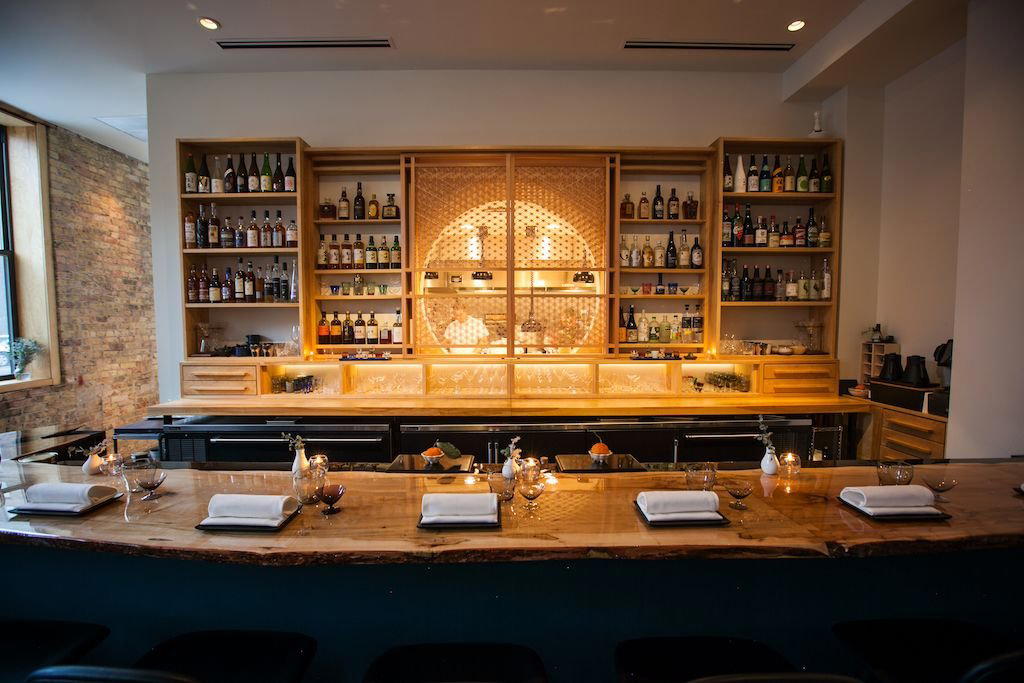
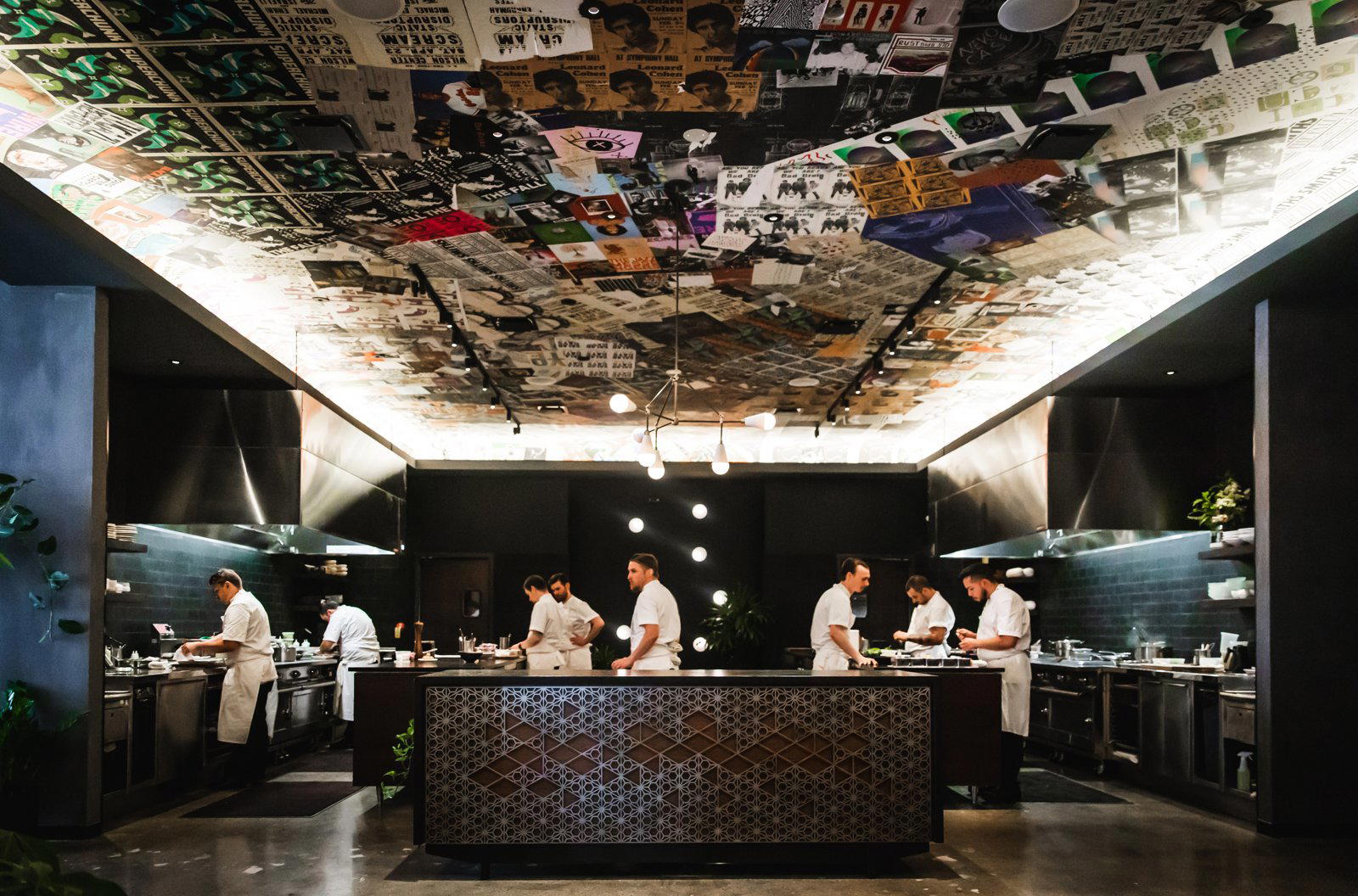
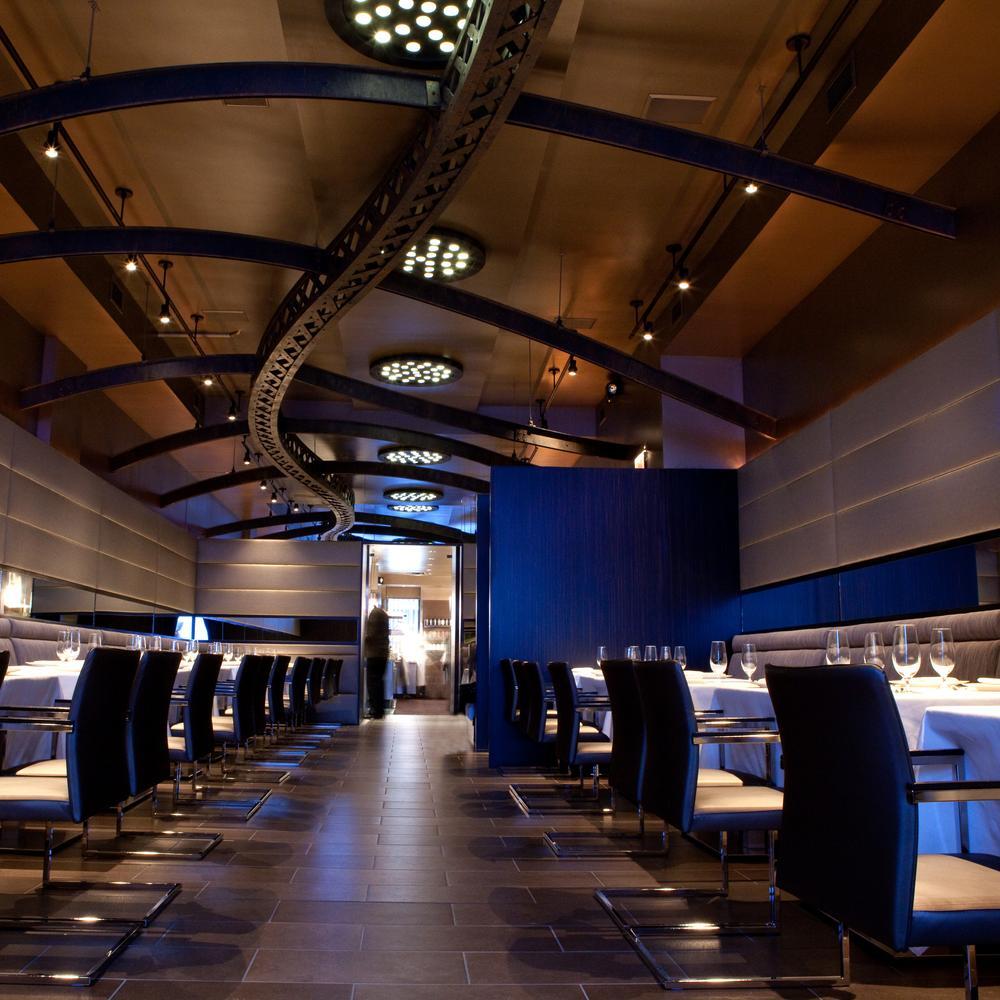
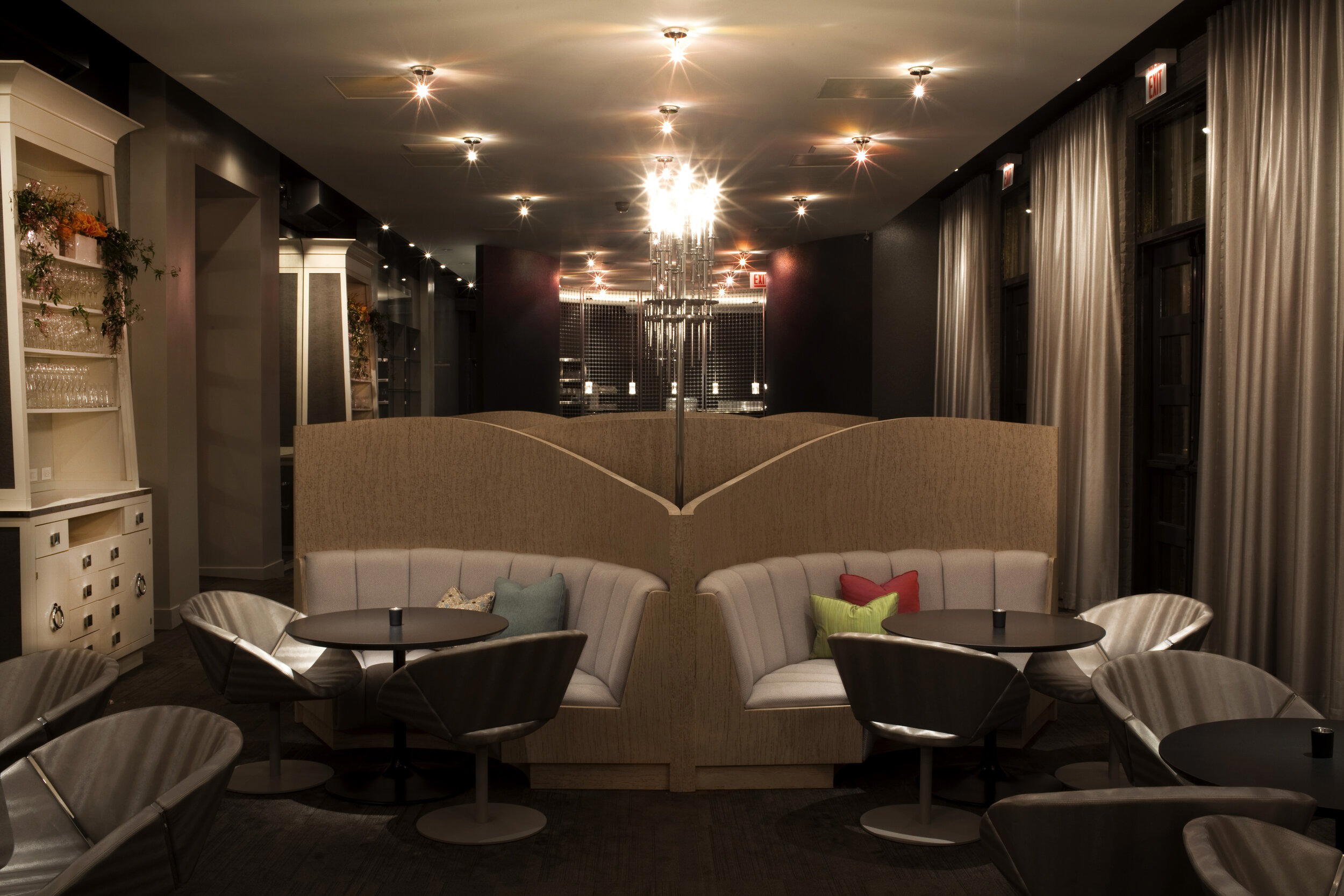
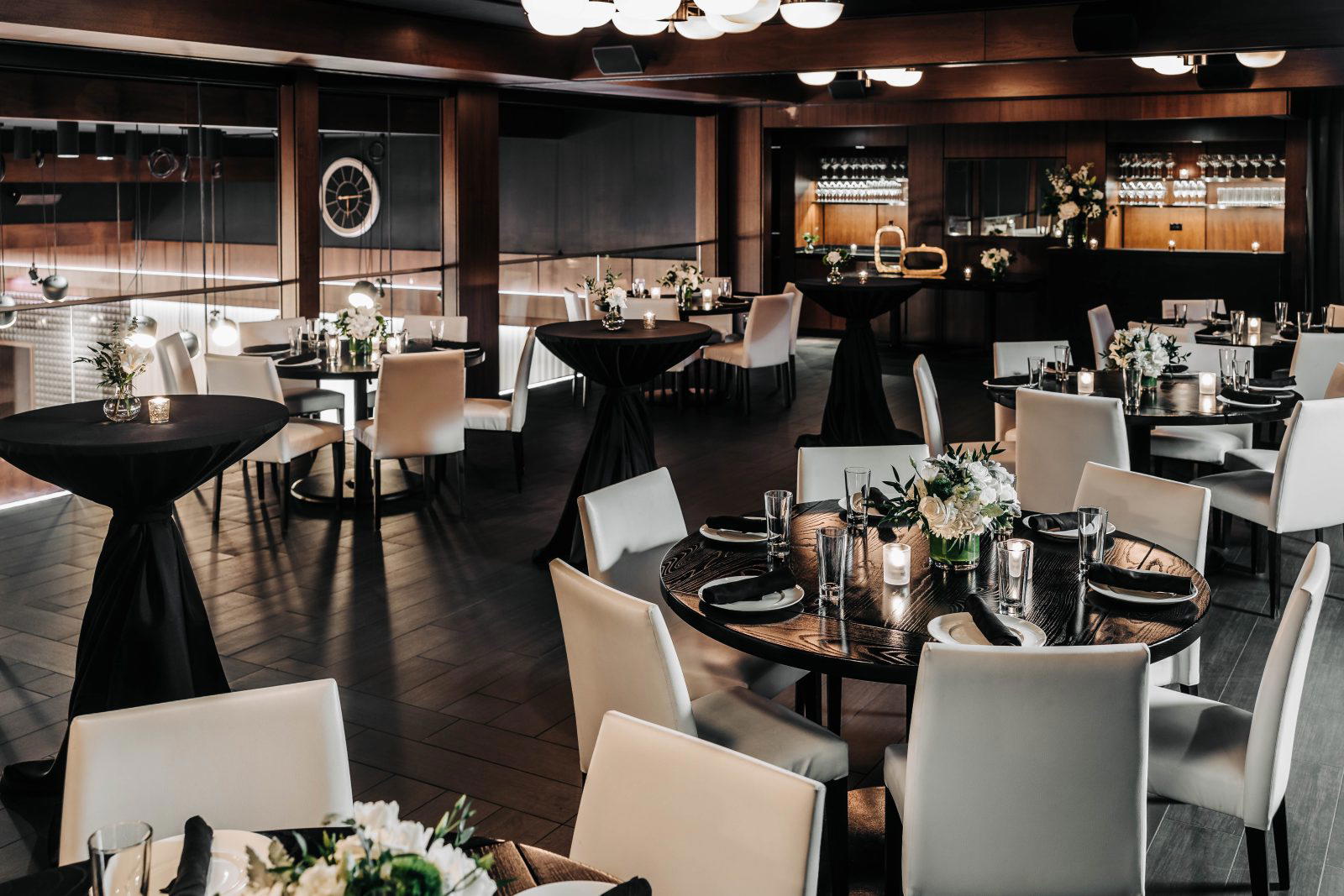
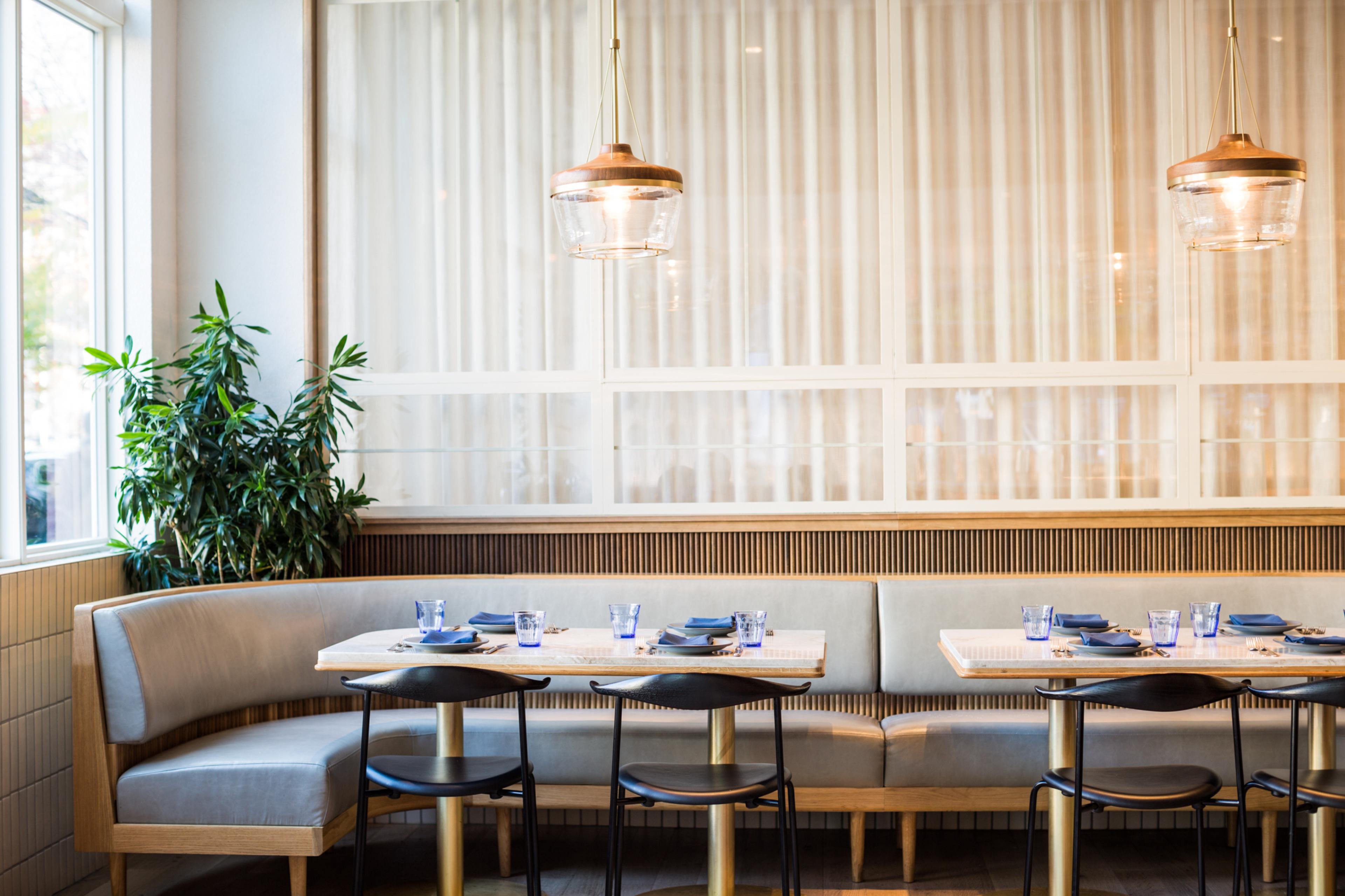
Bright, casual market stall atmosphere with quick service and fresh preparation visible to customers.