Ada Street
Ada Street occupies a converted industrial space on a quiet Bucktown block, operating in the mid-tier of Chicago's neighbourhood bar-restaurant scene where casual format meets considered cooking. Positioned well below the tasting-menu tier of Alinea or Smyth, it draws a local crowd that values flexibility over ceremony. The rooftop adds seasonal capacity that few comparable spots on the North Side can match.
Pearl is the En Primeur Club membership app — saves, bookings, and concierge access live there. Same editors, same standards.
- Address
- 1664 N Ada St, Chicago, IL 60642
- Phone
- +1 773 234 1753
- Website
- adastreetchicago.com
- Directions
- Get directions
 Saves & bookings on Pearl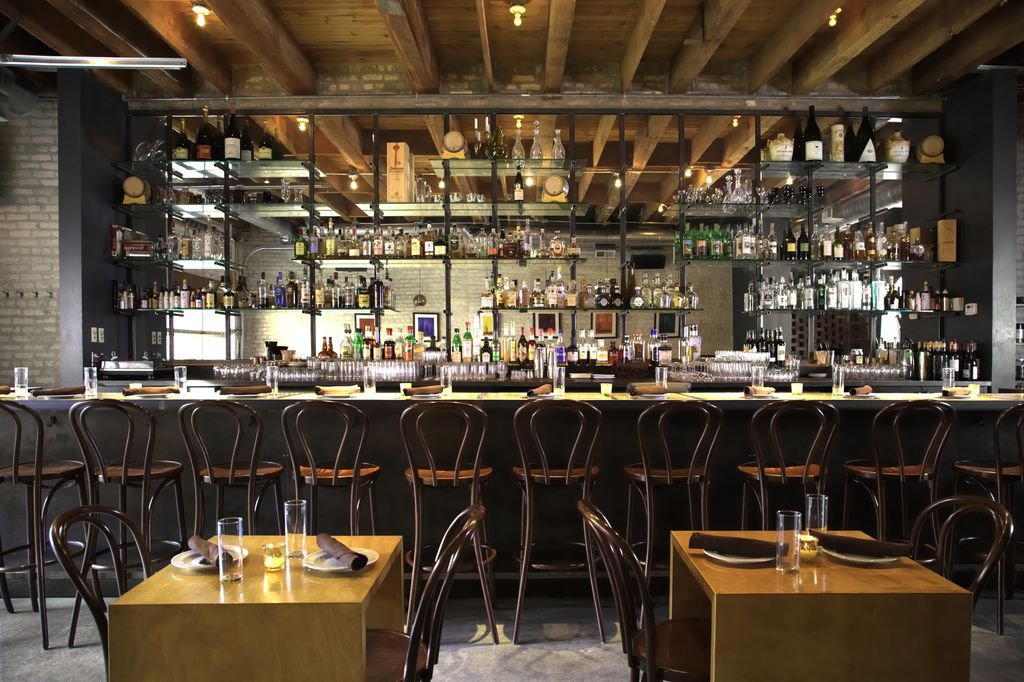
Bucktown's Industrial Corridor and What It Produces
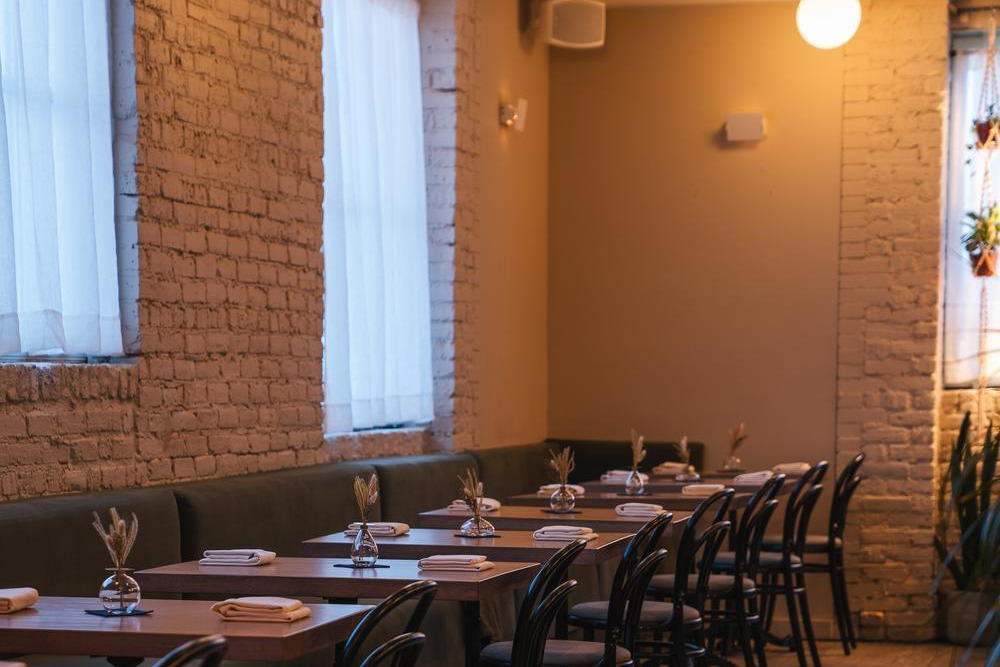
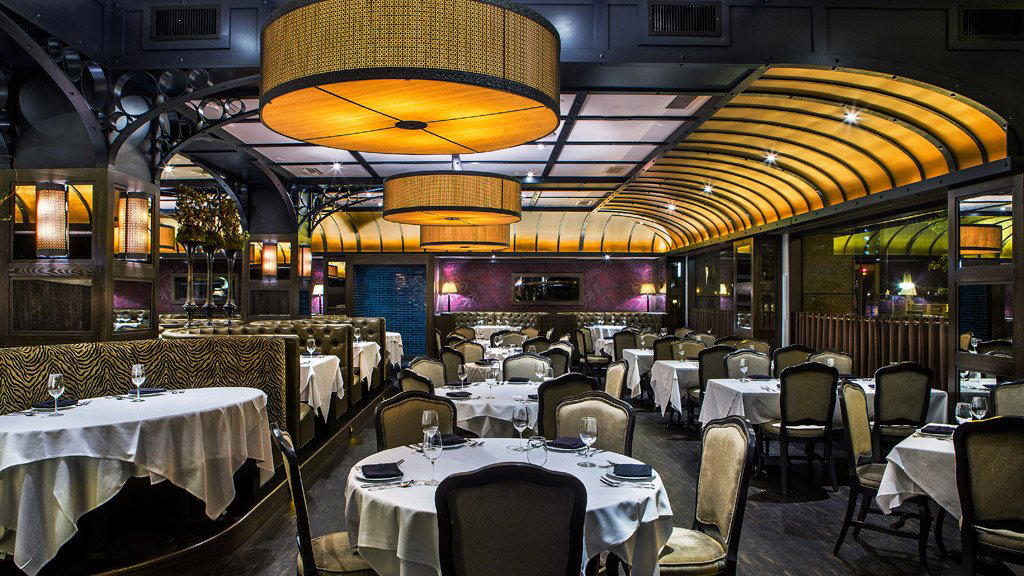
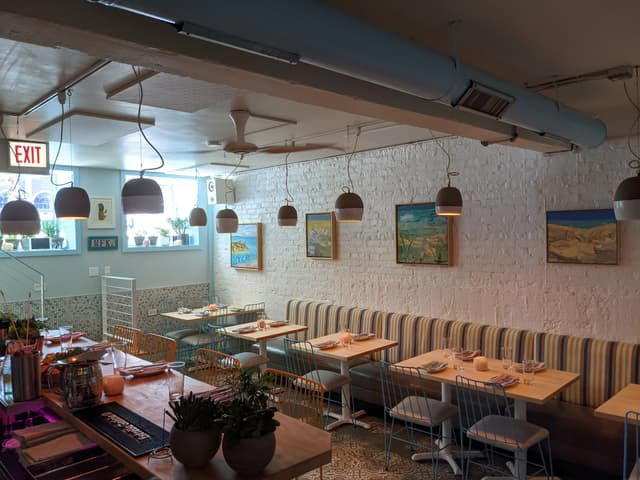
Chicago's neighbourhood restaurant culture has long operated on a clear geographic logic: the dense restaurant rows of the West Loop and River North absorb the big-ticket operators, while the residential streets of Bucktown, Wicker Park, and Logan Square incubate the more relaxed, address-specific spots that locals actually use on a Tuesday. Ada Street, a Modern American Small Plates restaurant in Chicago, sits in that second category, at 1664 N Ada St in a stretch of Bucktown defined more by converted warehouses and coach houses than by foot-traffic-driven retail. The physical environment makes a statement before the menu does: exposed brick, low ceilings, the particular acoustics of a room that was built for something else entirely.
That industrial-residential character is not incidental. It shapes the competitive set, the price point, the booking behaviour, and ultimately the kind of cooking that makes sense in the room. Chicago's most decorated dining addresses, from Alinea to Smyth to Oriole, operate with ceremony built into their architecture. Ada Street's architecture points in the opposite direction, which is precisely the point.
The Rooftop Equation
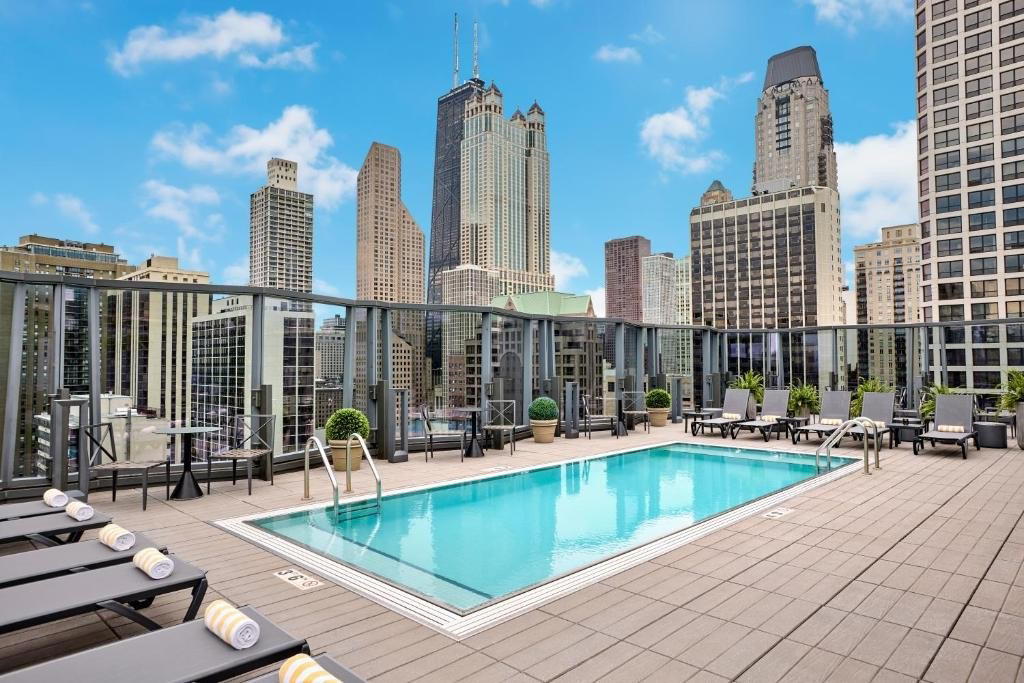
In Chicago, outdoor dining is a seasonal asset with real monetary value. The city's climate compresses usable rooftop weeks into a narrow band between late May and early October, which means any venue that controls refined outdoor space holds a capacity and atmosphere advantage that its indoor-only competitors simply cannot replicate. Ada Street's rooftop terrace functions as a second venue within the same address, drawing a different kind of visit from the covered bar below. On a warm evening in July, the distinction between neighbourhood bar and destination bar collapses: people travel for the combination of the setting and the moment rather than purely for the food program.
This seasonal asymmetry is worth understanding before booking. Weekends in summer, particularly during Chicago's festival calendar, will test your willingness to queue or plan ahead. Shoulder-season visits, in late April or September, tend to offer the rooftop without the competition for it. The indoor bar operates year-round and carries a different energy entirely, closer to the classic Chicago corner bar register than to anything in the contemporary dining tier occupied by Kasama or Next Restaurant.
Where Ada Street Sits in Chicago's Bar-Restaurant Spectrum
Chicago's bar-restaurant category is more layered than it appears from the outside. At the upper end, places like Moody Tongue operate with fine-dining ambitions inside a bar format. Further down the price curve, the division between serious food program and pure drinking venue becomes blurry in useful ways. The restaurant occupies that blurry middle ground: a place where the kitchen is taken seriously enough to anchor an evening, but where arriving purely to drink and graze is equally legitimate.
This positioning is structurally different from what you encounter at Chicago's tasting-menu addresses or even at the more structured à la carte operators. The format is more analogous to what has emerged in other American cities with dense neighbourhood dining cultures: think of the bar-forward, food-attentive model that Lazy Bear in San Francisco disrupted at a higher price point, or the way Emeril's in New Orleans demonstrated that neighbourhood-origin stories can carry serious culinary weight. The restaurant works at a less ceremonial register, but the underlying logic of place-as-identity holds.
For context on where Chicago's serious dining sits at the other end of the spectrum, the tasting-menu tier has international reference points: Le Bernardin in New York City, The French Laundry in Napa, and Providence in Los Angeles define one end of the American fine-dining axis. The restaurant is not in conversation with that tier, which is not a limitation so much as a choice about what kind of evening you are constructing.
The Bucktown Address as Editorial Context
Bucktown has undergone a familiar urban arc over the past three decades: industrial to artist-led to gentrified to stabilised. The neighbourhood now sits in a relatively settled state, with property values and rents that have filtered out particularly speculative operators and left behind a mix of long-established businesses and newer venues that understand the local register. The restaurant's location on the quieter residential spine of the neighbourhood, rather than on the Milwaukee Avenue commercial corridor, places it in the category of destination-by-intention: you go because you know it is there, not because you stumble across it.
That geography creates a particular dynamic. The clientele skews local and repeat rather than tourist-adjacent, which affects everything from the bar's pace to the noise level to the likelihood that your server recognises faces at adjacent tables. For visitors staying downtown or in River North, the trip to Bucktown requires a deliberate northward move, either by Blue Line to Damen or by rideshare. It is not far, but it requires the kind of intentionality that filters the room in useful ways.
American Comparisons Worth Making
The neighbourhood bar-restaurant format that restaurant represents has close analogues across American cities, each shaped by local real estate and drinking culture. Frasca Food and Wine in Boulder demonstrates how a neighbourhood address can carry serious culinary authority without formal dining ceremony. Blue Hill at Stone Barns in Tarrytown operates at the opposite extreme, where setting and sourcing philosophy define the experience as much as the cooking. Single Thread Farm in Healdsburg and Addison in San Diego represent the West Coast's version of precision-led dining in non-urban settings. None of these are direct peers to the restaurant, but they illustrate how American dining has developed a range of formats that sit between the casual and the ceremonial, each coherent on its own terms.
Within Chicago itself, the neighbourhood-casual tier is populated by a range of operators that have made similar bets on residential address over high-visibility location. The ones that survive more than a few years tend to have two things in common: a bar program strong enough to drive repeat visits on its own, and a food menu that rewards loyalty without demanding it. The restaurant's longevity on the restaurant suggests it has navigated both requirements successfully.
Planning a Visit
The restaurant is located at 1664 N Ada St in Bucktown. The Blue Line Damen stop is one practical transit option from the Loop, with a short walk north from the station. For visitors arriving from other American cities with serious dining cultures, it is worth cross-referencing the Chicago visit against what venues like Atomix in New York City or The Inn at Little Washington represent in their respective cities: the point is not direct comparison but understanding where on the formality spectrum you want to spend your evenings.
Rooftop availability depends on season and weather. Summer weekends fill; weeknights and shoulder season remain more accessible. The indoor bar runs independently of the weather calendar and is the appropriate choice for a low-key evening that does not require planning several days in advance. For visitors building a broader Chicago itinerary, this works well as an opening or closing move rather than a centrepiece. International context for the kind of place-driven, ingredient-attentive cooking that has influenced American neighbourhood dining can be found at Atelier Moessmer Norbert Niederkofler in Brunico, where the relationship between address and menu is similarly foundational.
A Lean Comparison
Comparable venues nearby, for context on price, style, and recognition.
| Venue | Cuisine | Price | Notes |
|---|---|---|---|
| Ada StreetThis venue — the venue you are viewing | West Town, Modern American Small Plates | $$$ | Not listed |
| Allium Restaurant and Bar | Not listed | $$$ | Streeterville, Farm-to-Table Regional American |
| Bull Moose | Not listed | $$$ | Lincoln Park, Classic Chicago Steakhouse & Cocktail Lounge |
| The Hampton Social | River North, New England-Style Seafood | $$$ | Not listed |
| Penumbra | Logan Square, Latin-Inspired Steakhouse | $$$ | Not listed |
| The Alderman | Not listed | $$$ | Pilsen, Award-Winning Cocktail Bar with American Classics |

At a Glance
- Intimate
- Romantic
- Cozy
- Modern
- Industrial
- Date Night
- Casual Hangout
- After Work
- Standalone
- Open Kitchen
- Craft Cocktails
Current opening hours
- Monday
- 5:30–10 PM
- Tuesday
- 5:30–10 PM
- Wednesday
- 5:30–10 PM
- Thursday
- 5:30–10 PM
- Friday
- 5–11 PM
- Saturday
- 5–11 PM
- Sunday
- 5:30–10 PM
Hours can change for holidays and private events. Last verified .
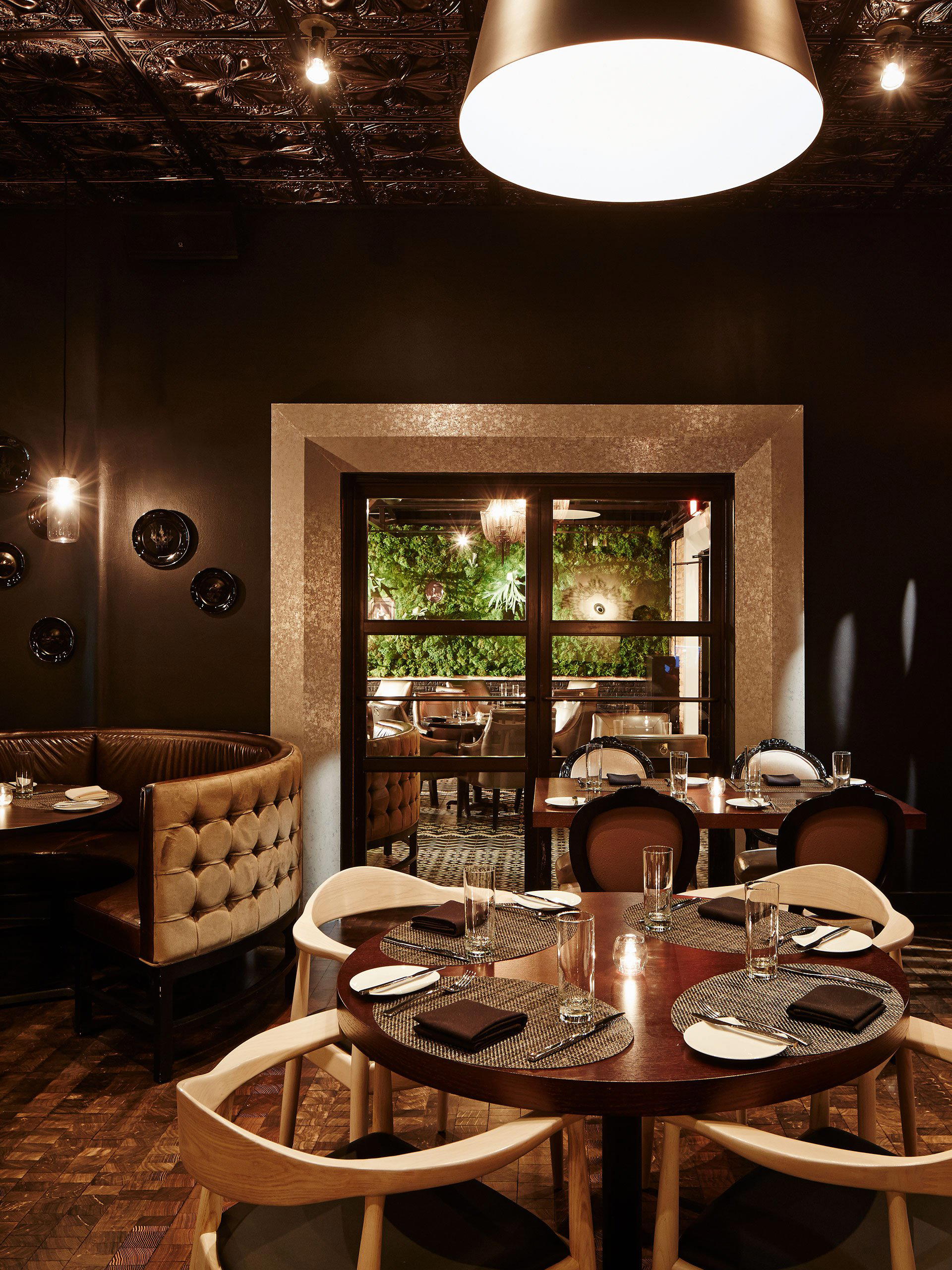
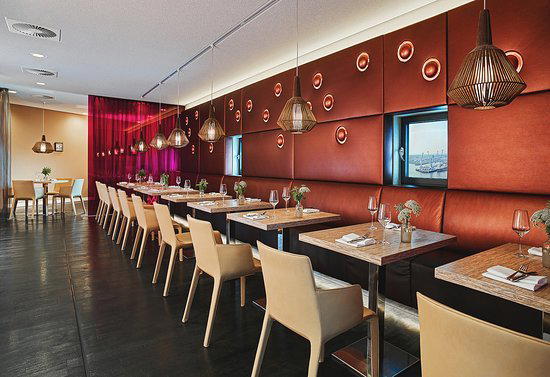
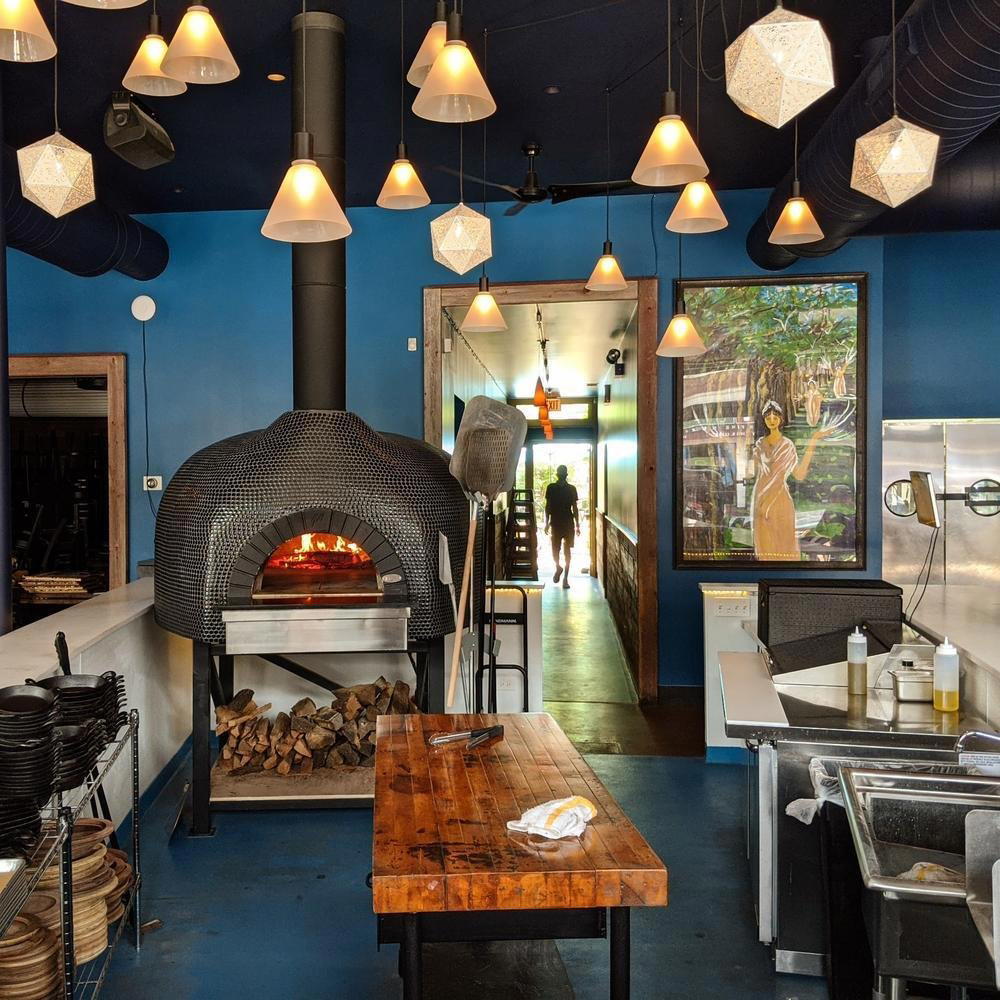
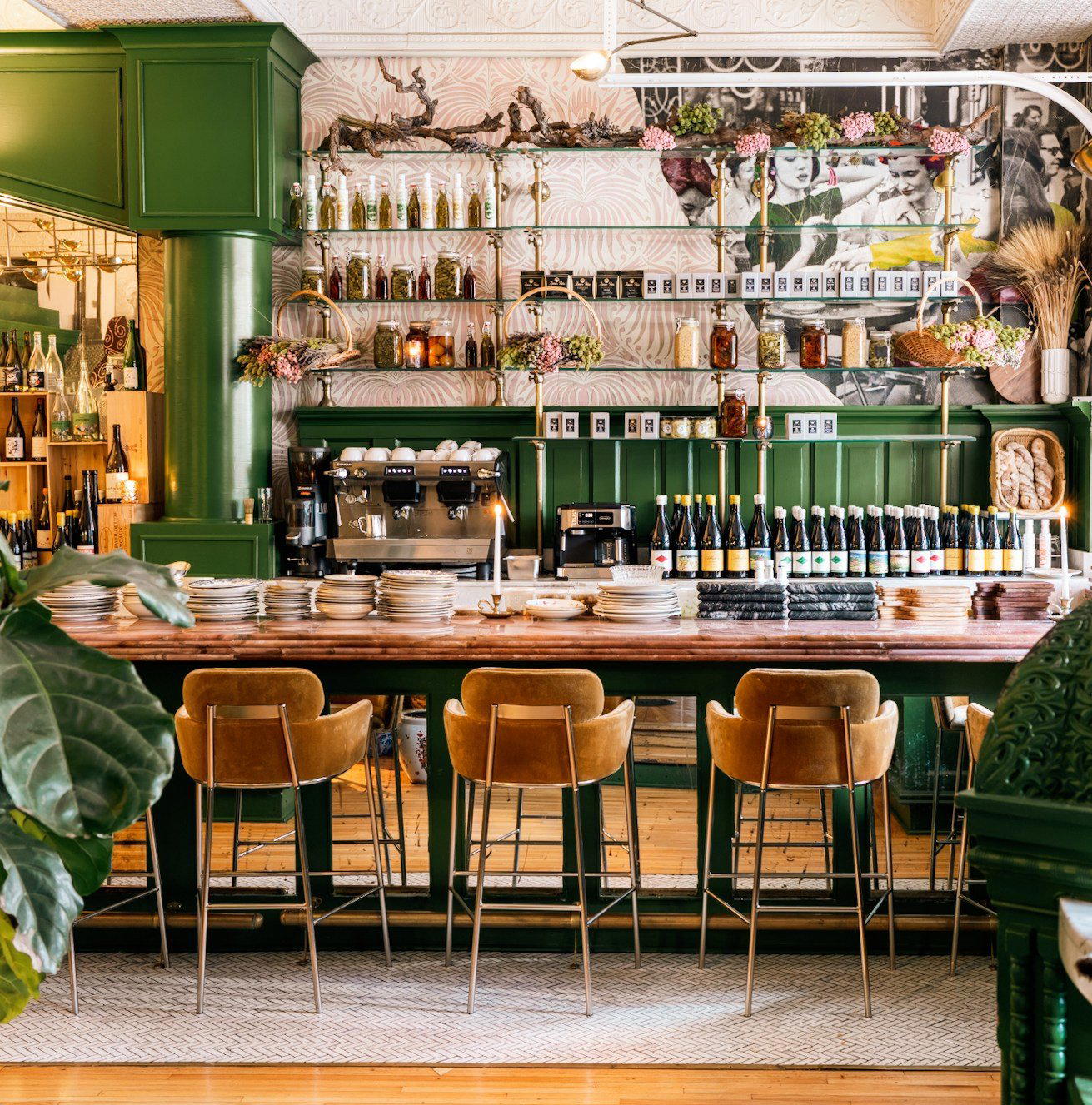
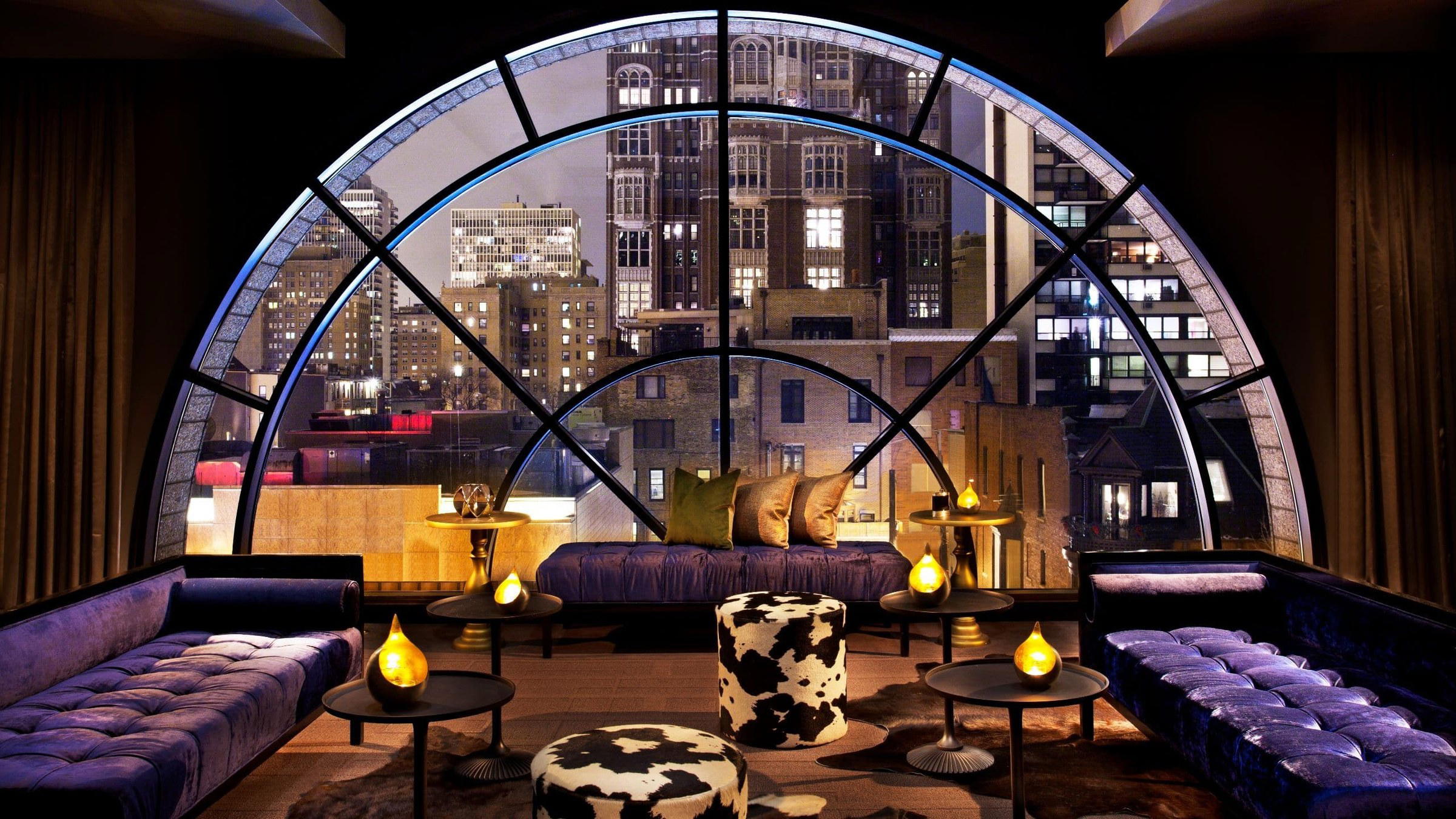
Intimate and moody with industrial charm; large garage door windows open to a patio, vintage record player in corner, cool and spacious room with soft lighting creating a cozy, off-the-beaten-path New York West Village feel.