
Michelin Plate
Our verdict
Alder brings Mediterranean cooking to Toronto's King West neighbourhood with consecutive Michelin Plate recognition in 2024 and 2025. Priced at the $$$ mid-tier, it occupies a different bracket from the city's starred Mediterranean-adjacent tables while operating at a level of consistency that the Michelin inspectors have twice confirmed. For visitors oriented toward the southern European table, it warrants serious attention.

Pearl is the En Primeur Club membership app — saves, bookings, and concierge access live there. Same editors, same standards.
- Address
- 51 Camden St, Toronto, ON M5V 1V2, Canada
- Phone
- (416) 637-3737
- Hours
- Mon 5–9 PMTue–Thu 5–10 PMFri 5–10:30 PMSat 10:30 AM–10:30 PMSun 10:30 AM–9 PM
- Website
- aldertoronto.com
- Directions
- Get directions
- Booking
- Book on OpenTable
The menu
What to order
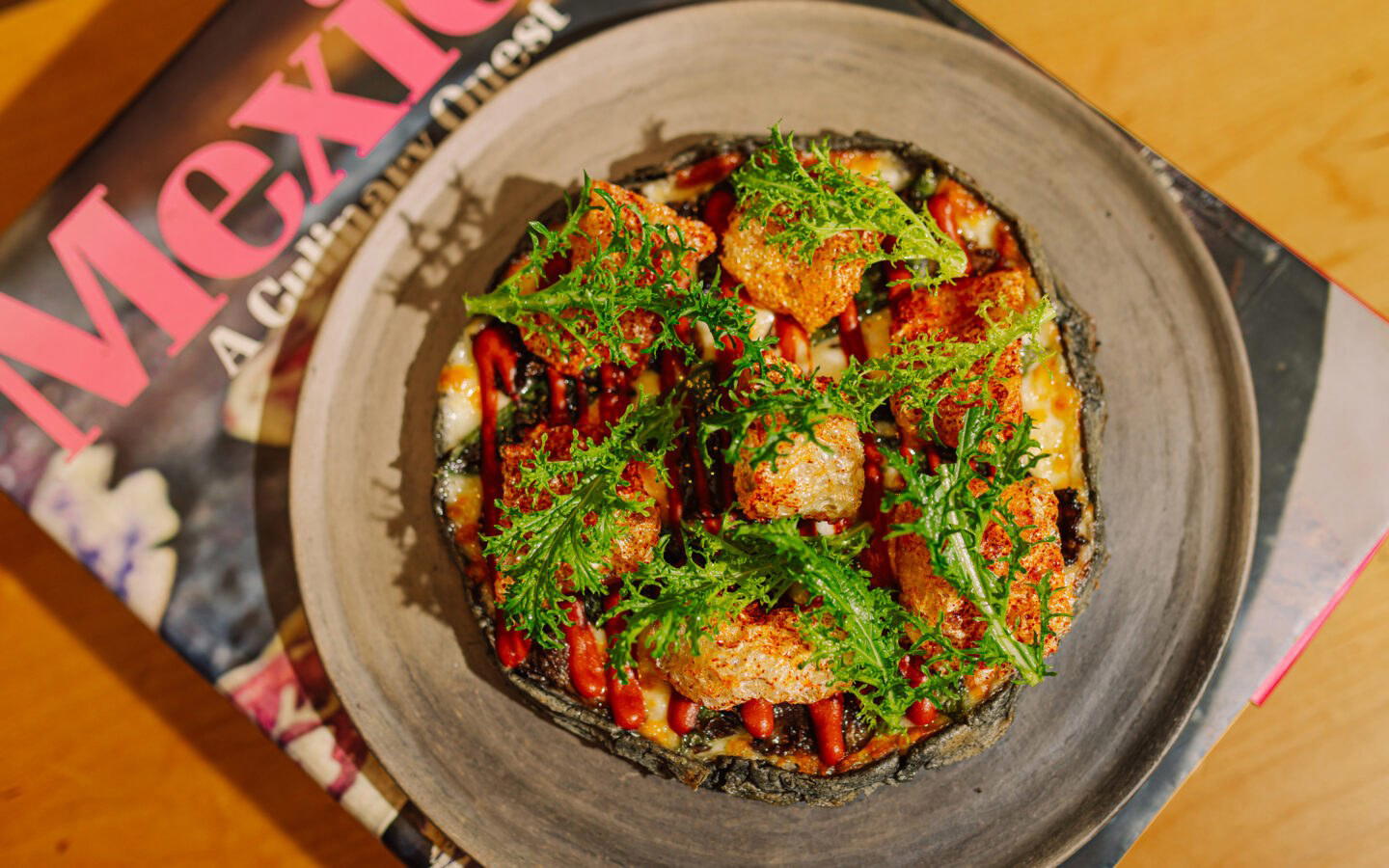
- Suckling Pig
- Half Grilled Chicken
- Grilled Sea Bream
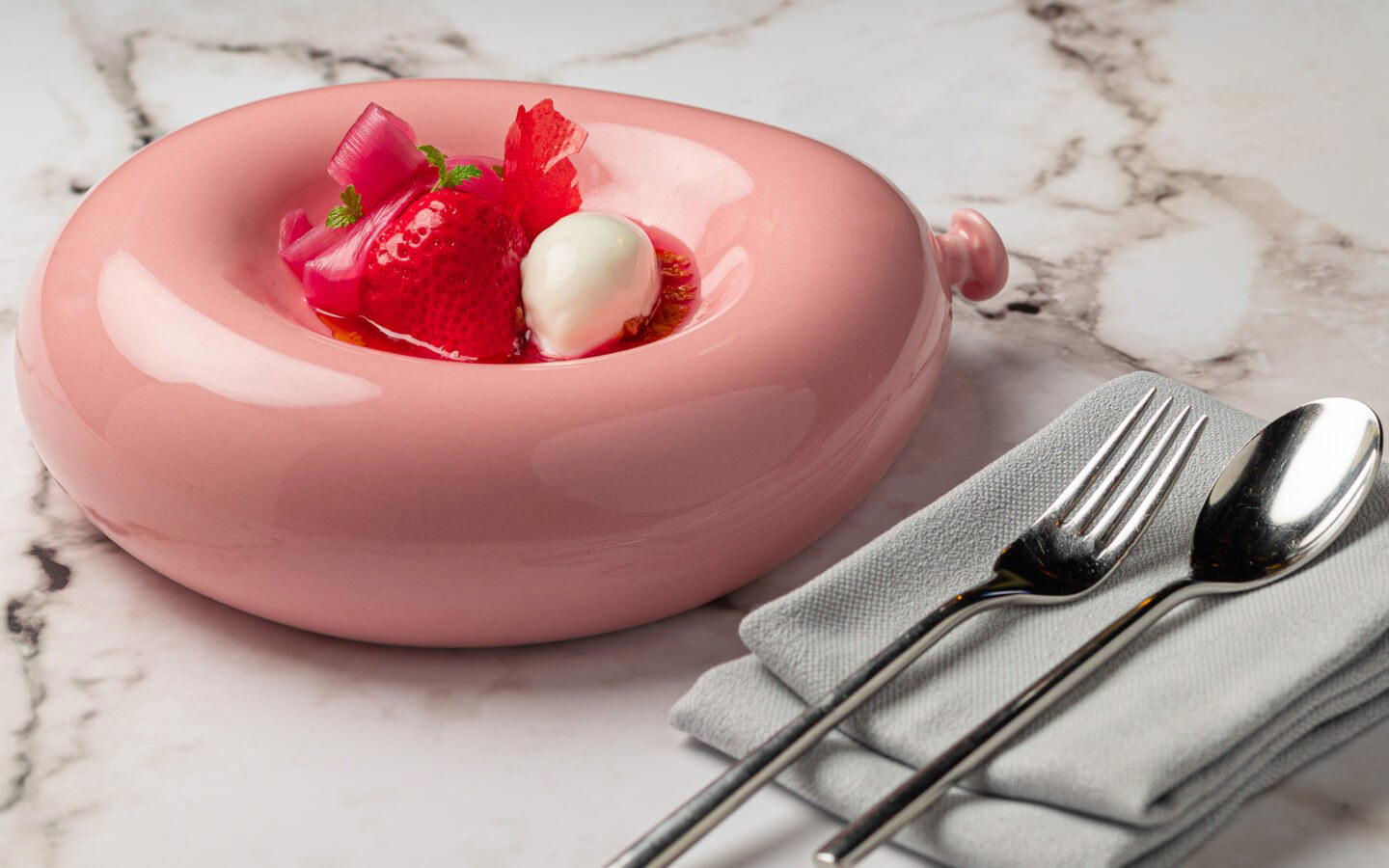
- Coconut Cream Pie
- Beef Carpaccio
Camden Street and the Mediterranean Tradition in Toronto
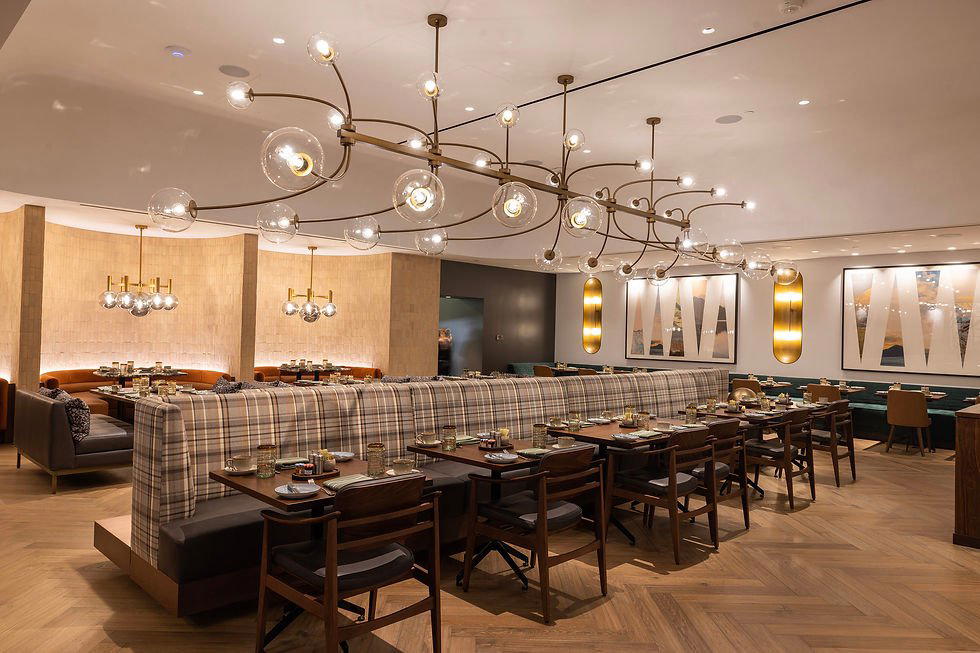
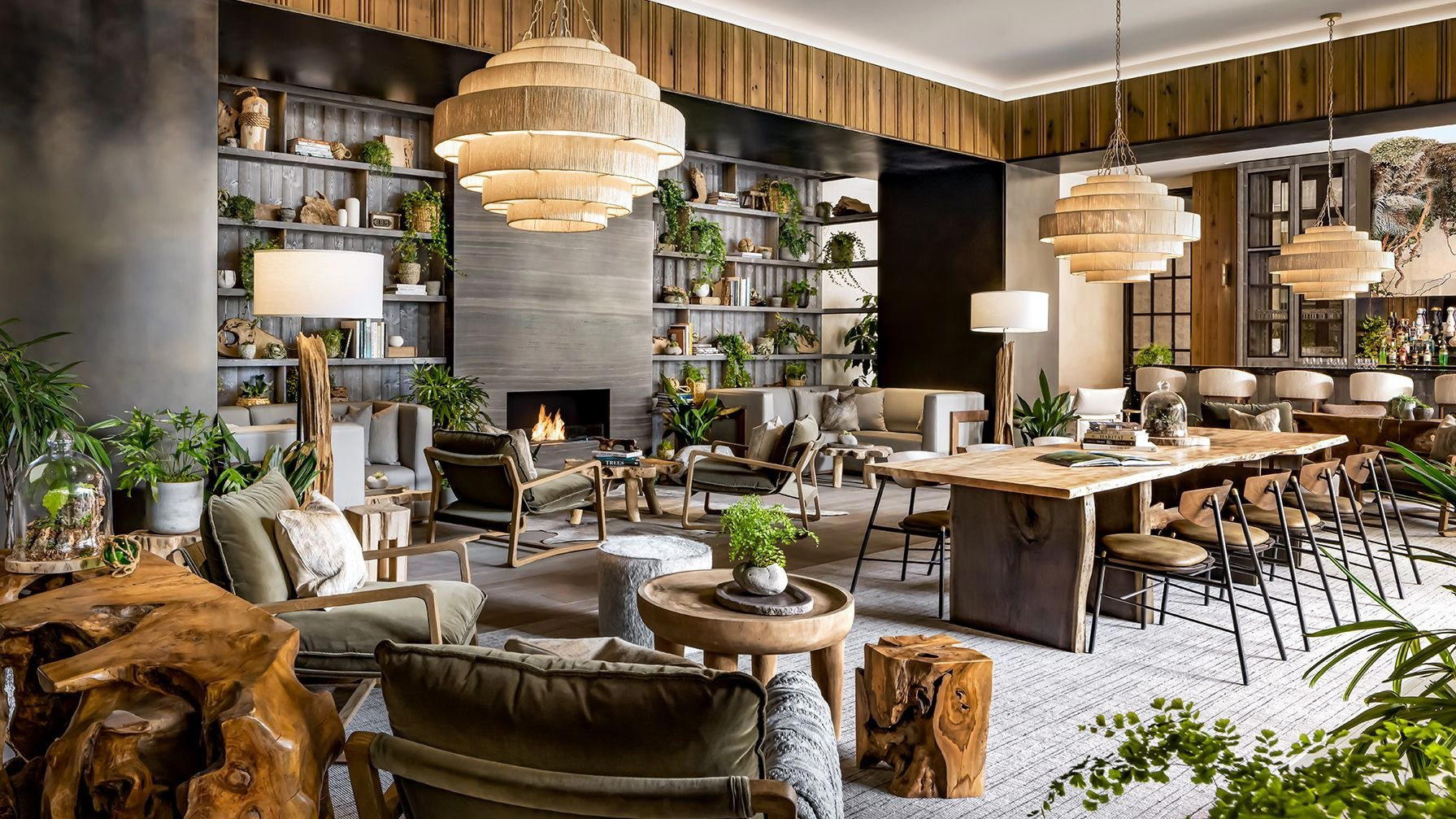
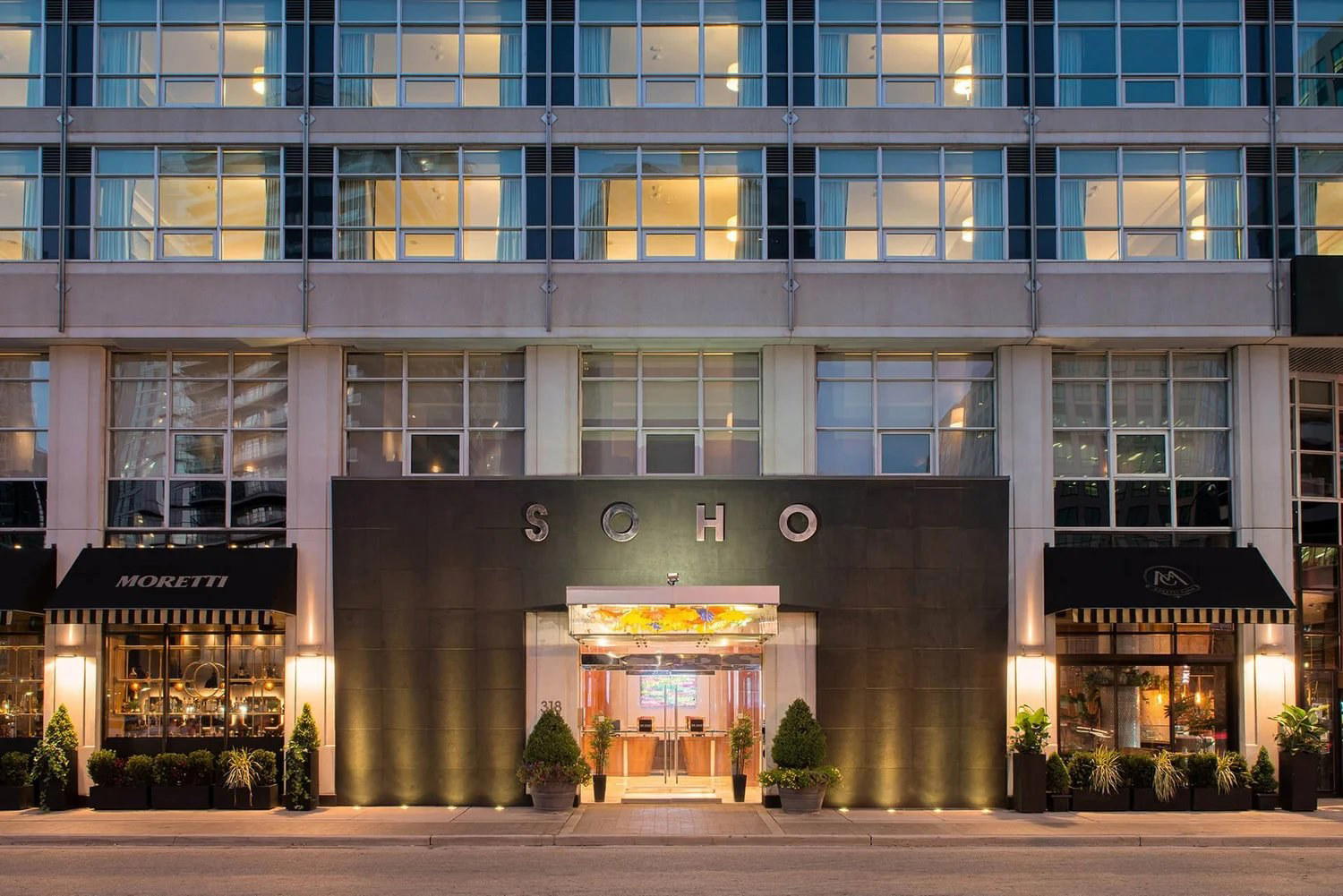
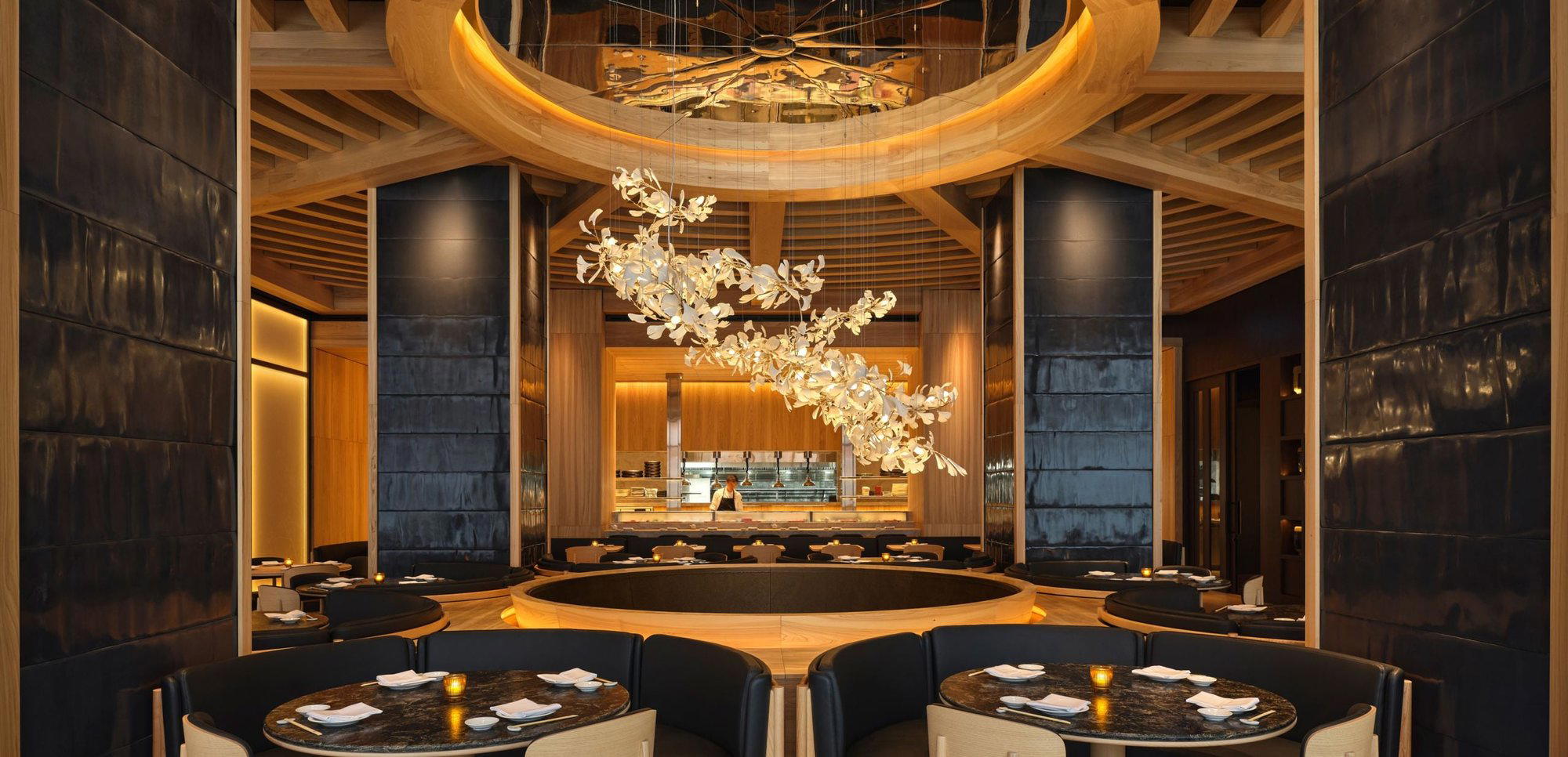
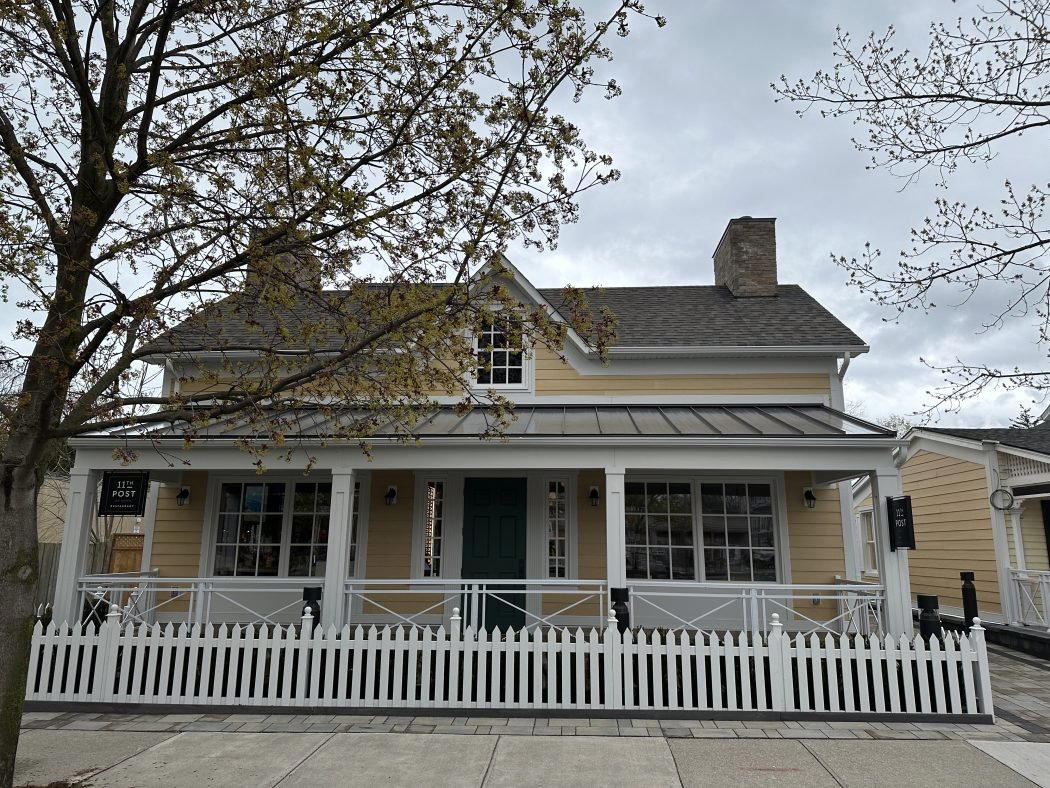
King West's Camden Street sits in a block that has absorbed successive waves of Toronto restaurant ambition without becoming a destination in the way that, say, Ossington or Chinatown East have developed distinct culinary identities. The address at 51 Camden places Alder in a quieter pocket of the neighbourhood, away from the louder stretches of King Street itself. Walking up, the tone is residential-adjacent: low signage, a facade that doesn't announce itself. Inside, the room reads as considered restraint rather than minimalism for its own sake — the kind of space where the lighting does the heavy lifting and the surfaces stay quiet so the food can speak.
That physical register matters in a city where Mediterranean cooking has historically struggled to find its footing. Toronto diners are well-served at the upper end of Japanese dining, with Sushi Masaki Saito holding two Michelin stars and Aburi Hana earning one for kaiseki. Italian has a strong presence through DaNico and Don Alfonso 1890. But the broader Mediterranean canon — the olive oil cultures of Greece, Lebanon, Turkey, Spain, and the eastern littoral, has fewer serious practitioners at any price point. Alder has positioned itself in that gap, earning consecutive Michelin Plate recognition in 2024 and 2025 in the process.
The Wine Argument for the Mediterranean Table
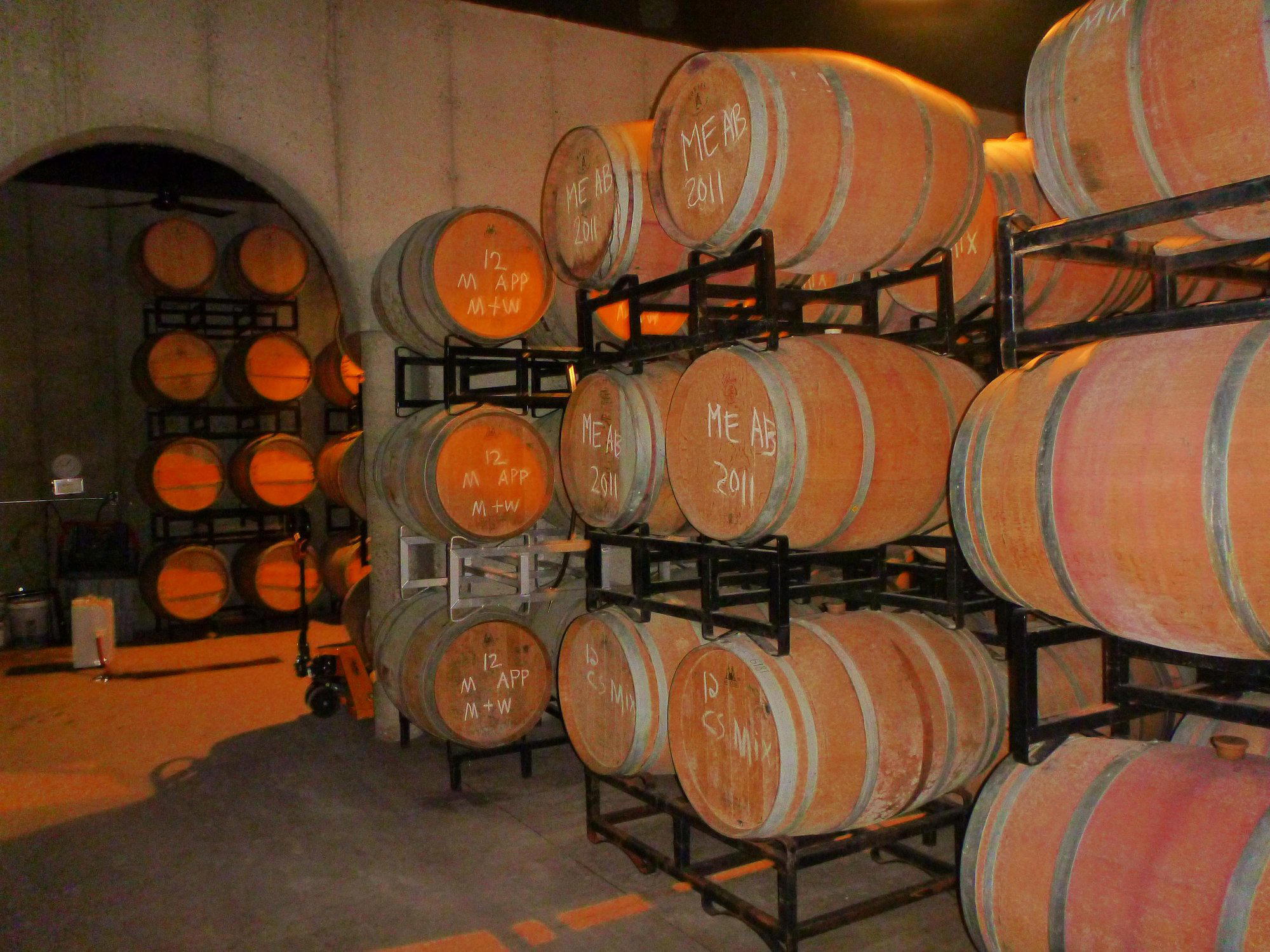
Mediterranean cooking and wine are inseparable at the regional level, and that relationship shapes how any serious practitioner of this cuisine should be read. The Mediterranean basin produces some of the planet's most geographically specific grape varieties: Assyrtiko from Santorini's volcanic pumice soils, Cinsault from Lebanon's Bekaa Valley, Vermentino along the Ligurian and Sardinian coasts, Xinomavro from the highlands of northern Greece, Grenache across southern Spain and Roussillon. These are varieties that carry place in the glass in a way that international cultivars rarely do, the salinity in a good Assyrtiko, the dusty tannin structure of a mature Xinomavro, the aromatic lift of a Sicilian Nerello Mascalese are not effects that can be replicated elsewhere.
A wine programme built around these varieties says something specific about a restaurant's editorial point of view. It signals that the kitchen is cooking with the same geographic honesty it expects from the cellar, that dishes built on preserved lemons, dried herbs, braised pulses, and high-quality olive oil will find their counterparts in wines that share those mineral and aromatic registers rather than competing with them. At the $$$ price tier, which Alder occupies, the margin for a serious cellar is narrower than at the $$$$ level commanded by Alo, but the Mediterranean's sheer range of affordable, characterful varietals gives any committed programme more to work with than a comparable French or Californian focus would.
The broader Canadian dining scene has been slow to commit to indigenous Mediterranean grape varieties in depth. Compare the wine-forward positioning of Restaurant Pearl Morissette in Lincoln, which built its identity substantially around its estate wine programme, or the considered approach at AnnaLena in Vancouver. The restaurants that have achieved the strongest critical traction in Canada are increasingly those where the wine list functions as an argument, not just a support document for the food. That is the standard against which any Mediterranean-focused programme in Toronto should be measured.
Where Alder Sits in the Toronto Tier
The Michelin Plate designation, held for two consecutive years, is the guide's signal that a restaurant is cooking at a consistent, commendable level without yet reaching the star tier. In Toronto's current Michelin cohort, the Plate sits below the starred restaurants, including Sushi Masaki Saito's two stars and the single stars held by Alo, Aburi Hana, and Don Alfonso 1890, but it represents meaningful quality recognition in a guide that Toronto received only recently.
At $$$, Alder prices itself a bracket below most of the city's Michelin-starred competition. That differential matters practically. A table here is accessible to a wider range of occasions, a serious midweek dinner rather than a celebration booking, a wine-focused evening without the full commitment of a multi-course tasting menu at $$$$ pricing. For visitors working through Toronto's dining scene after consulting our full Toronto restaurants guide, Alder functions as the Mediterranean argument in a city where that tradition has been underrepresented at the serious-table level.
For those oriented toward comparative regional dining across Canada, the contrast is instructive. Tanière³ in Québec City and Jérôme Ferrer - Europea in Montréal represent different expressions of Quebec's serious dining culture, while The Pine in Creemore and Narval in Rimouski show how Canadian kitchens further from urban centres are approaching their own ingredient traditions. None of those references are Mediterranean, which underlines how specific Alder's niche is within the Canadian fine-dining map.
Internationally, the Mediterranean cuisine category contains restaurants operating at very different registers. Arnaud Donckele and Maxime Frédéric at Louis Vuitton in Saint-Tropez and La Brezza in Ascona occupy the rarefied end of that spectrum. Alder is not competing in that tier, but the category comparison clarifies its position: it is a serious practitioner of a cuisine tradition with deep European roots, operating at a price point designed for regular engagement rather than once-a-year occasions.
Planning a Visit
Alder is located at 51 Camden Street in Toronto's King West neighbourhood, accessible via the King streetcar with a short walk north. At the $$$ price tier, it sits comfortably as an evening destination that doesn't require the full financial commitment of the city's starred tables. For visitors structuring a broader Toronto stay, our Toronto hotels guide, bars guide, wineries guide, and experiences guide cover the full itinerary.
Frequently asked questions
Is Alder expensive?
Pricing at Alder is listed as $$$.
Side-by-Side Snapshot
| Venue | Cuisine | Price | Awards | Notes |
|---|---|---|---|---|
| AlderThis venue — the venue you are viewing | Wood-Fired Mediterranean | $100–150 | Michelin Plate | Not listed |
| Alo | Modern French Fine Dining with Asian Influences | $200–300 | 1 Michelin Star · La Liste Top Restaurants | Contemporary |
| Sushi Masaki Saito | Edomae-Style Omakase | $500+ | 1 Michelin Star · La Liste Top Restaurants | Sushi, Japanese |
| Aburi Hana | Modern Japanese Kyō-Kaiseki | $300–500 | 1 Michelin Star · The Best Chef One Knife | Kaiseki, Japanese |
| Don Alfonso 1890 | Modern Italian Fine Dining | $200–300 | 1 Michelin Star · La Liste Top Restaurants | Contemporary Italian, Italian |
| Edulis | Mediterranean Seafood Tasting Menu | $150–200 | 1 Michelin Star · World's 50 Best #25 | Canadian, Mediterranean Cuisine |
Recognition history
Dated appearances from independent guides and award organizations, with the underlying list record or original source where available.
Michelin Plate
Michelin
Full recognition history (2 entries)
Michelin Plate
Michelin
Continue exploring
More in Toronto
More from Chef Patrick Kriss
Browse all →
Restaurants in Toronto
Browse all →
Bars in Toronto
Browse all →
Hotels in Toronto
Browse all →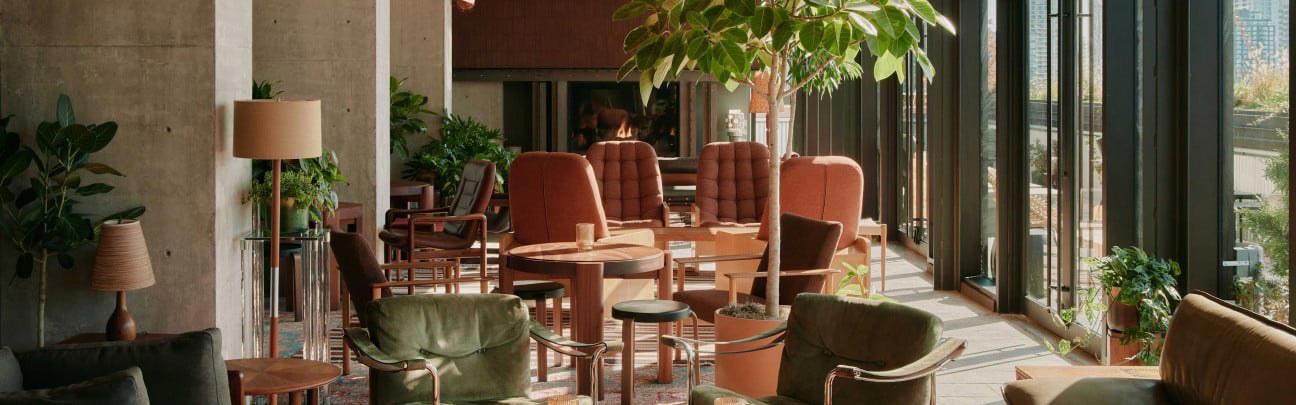

Details
- Elegant
- Sophisticated
- Cozy
- Modern
- Intimate
- Date Night
- Business Dinner
- Group Dining
- Special Occasion
- Open Kitchen
- Hotel Restaurant
- Design Destination
- Craft Cocktails
- Beer Program
- Local Sourcing
- Farm To Table
- A La Carte
- Small Plates
- Craft Cocktails
- Wine
- Vegetarian Friendly
- Pescatarian Friendly
- Allergy Accommodating
Current opening hours
- Monday
- 5–9 PM
- Tuesday
- 5–10 PM
- Wednesday
- 5–10 PM
- Thursday
- 5–10 PM
- Friday
- 5–10:30 PM
- Saturday
- 10:30 AM–10:30 PM
- Sunday
- 10:30 AM–9 PM
Hours can change for holidays and private events. Last verified .
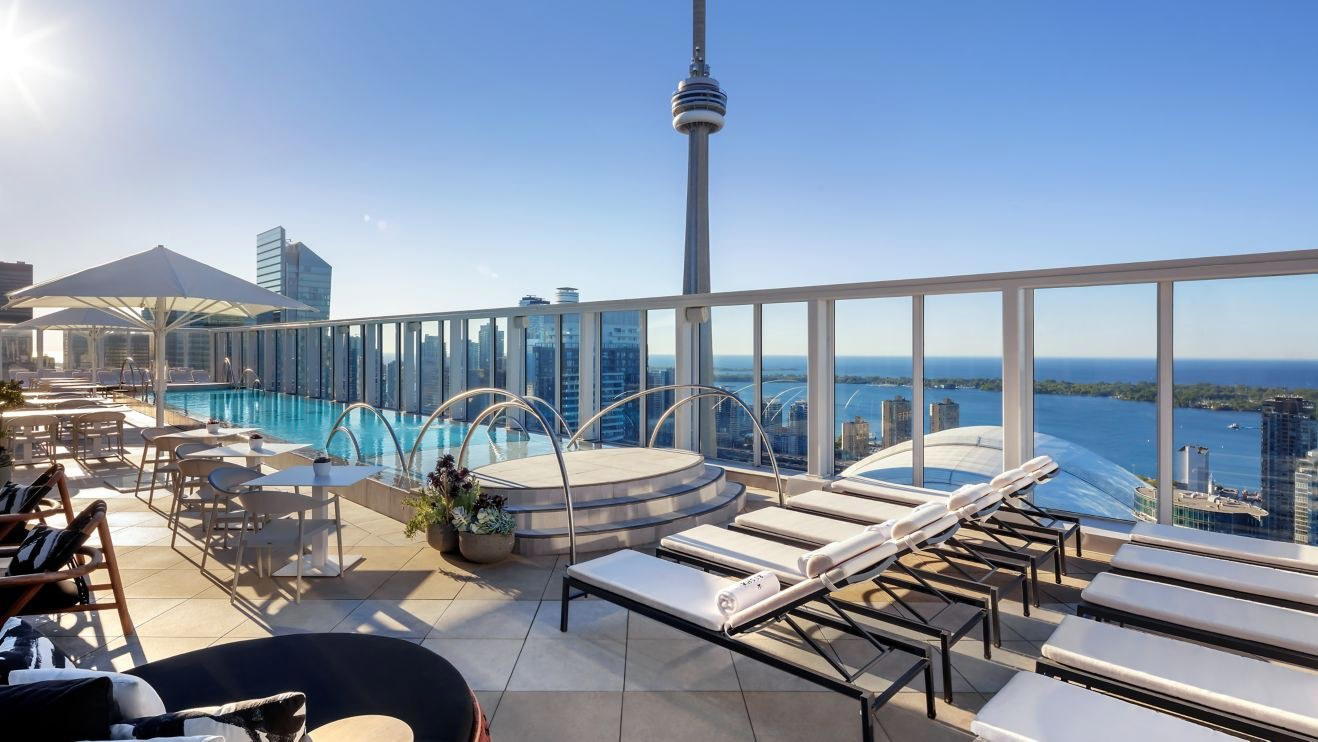
Moody, warm, and inviting with dark brick floors, sleek wood finishes, large windows providing natural light, glowing wood-fired grill, and cozy booths creating an unfussy yet exquisitely curated atmosphere.