Michelin Plate
Our verdict
On Calle de las Huertas, a short walk from the Plaza Mayor, ConSentido serves contemporary cuisine rooted in the ingredients and recipes of Castile and Salamanca province. Chef Carlos Hernández del Río holds a Michelin Plate (2025) and has earned consecutive rankings in the Opinionated About Dining Top Restaurants in Europe list. The tasting menu, "The Pillars of our Surroundings," runs to nine plates with optional extensions.

Pearl is the En Primeur Club membership app, where members save venues, book tables and use the concierge.
Where the Kitchen Is the Room
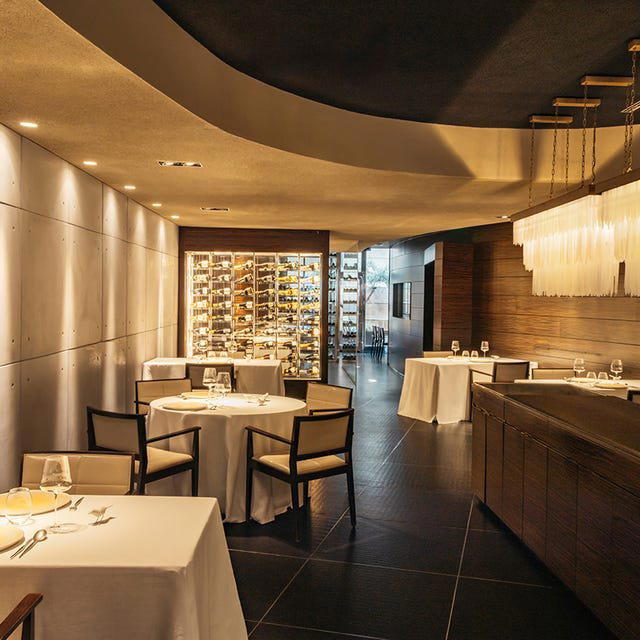
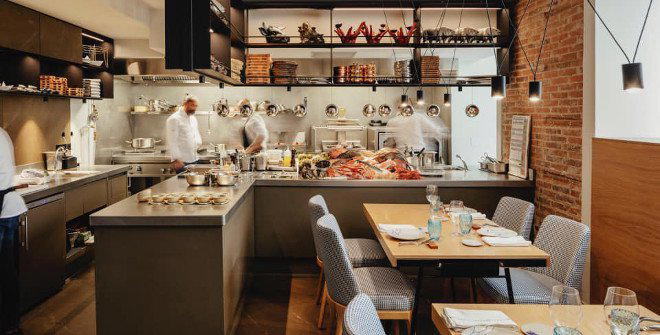
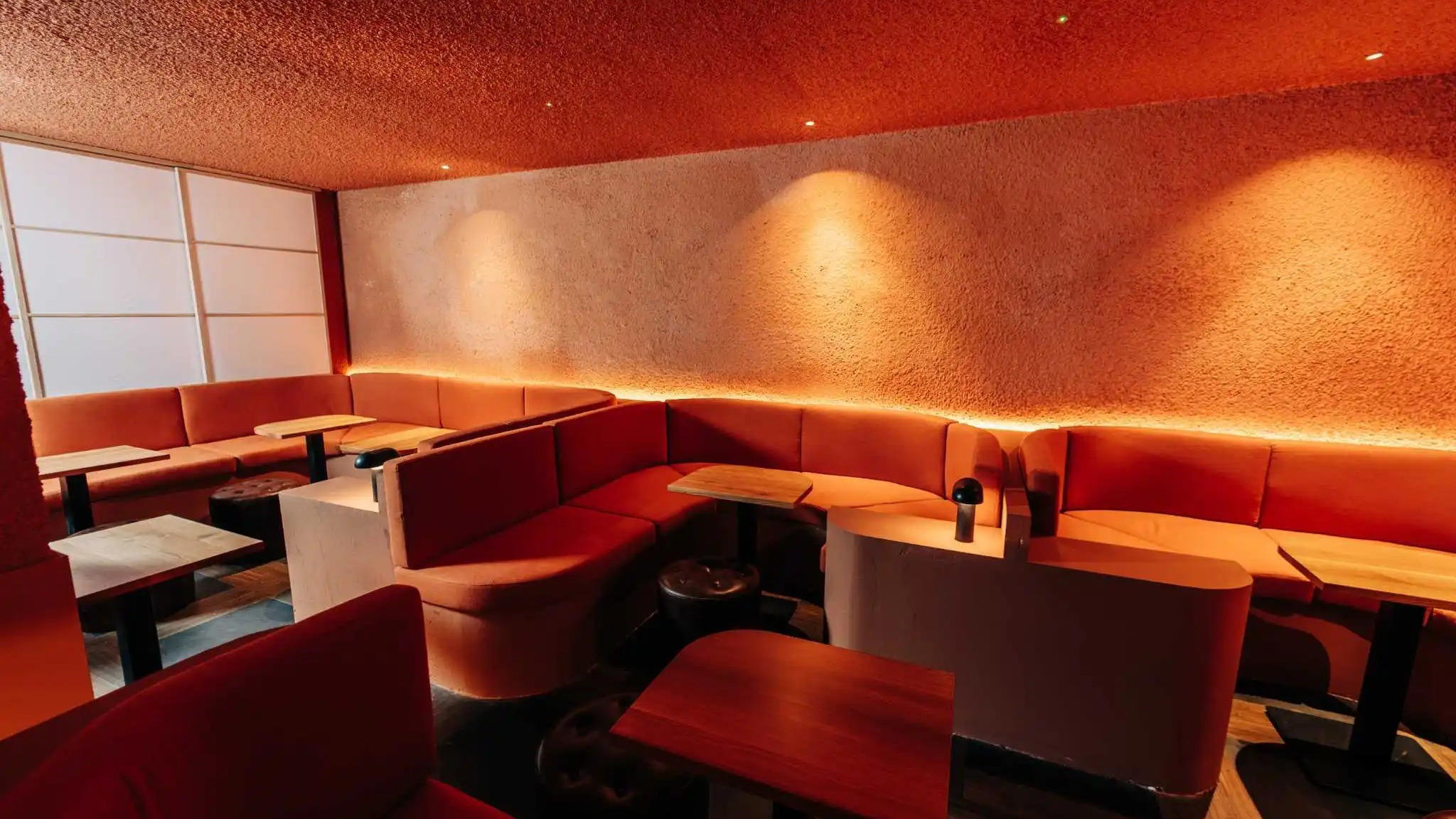
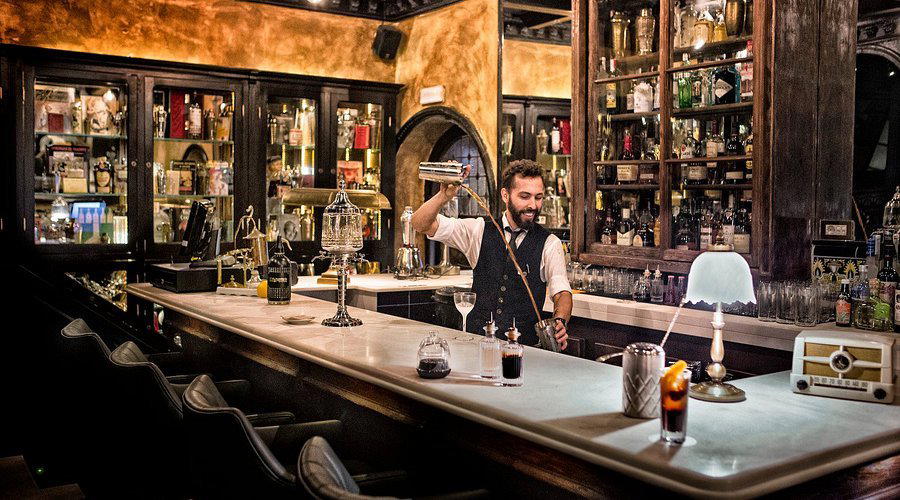
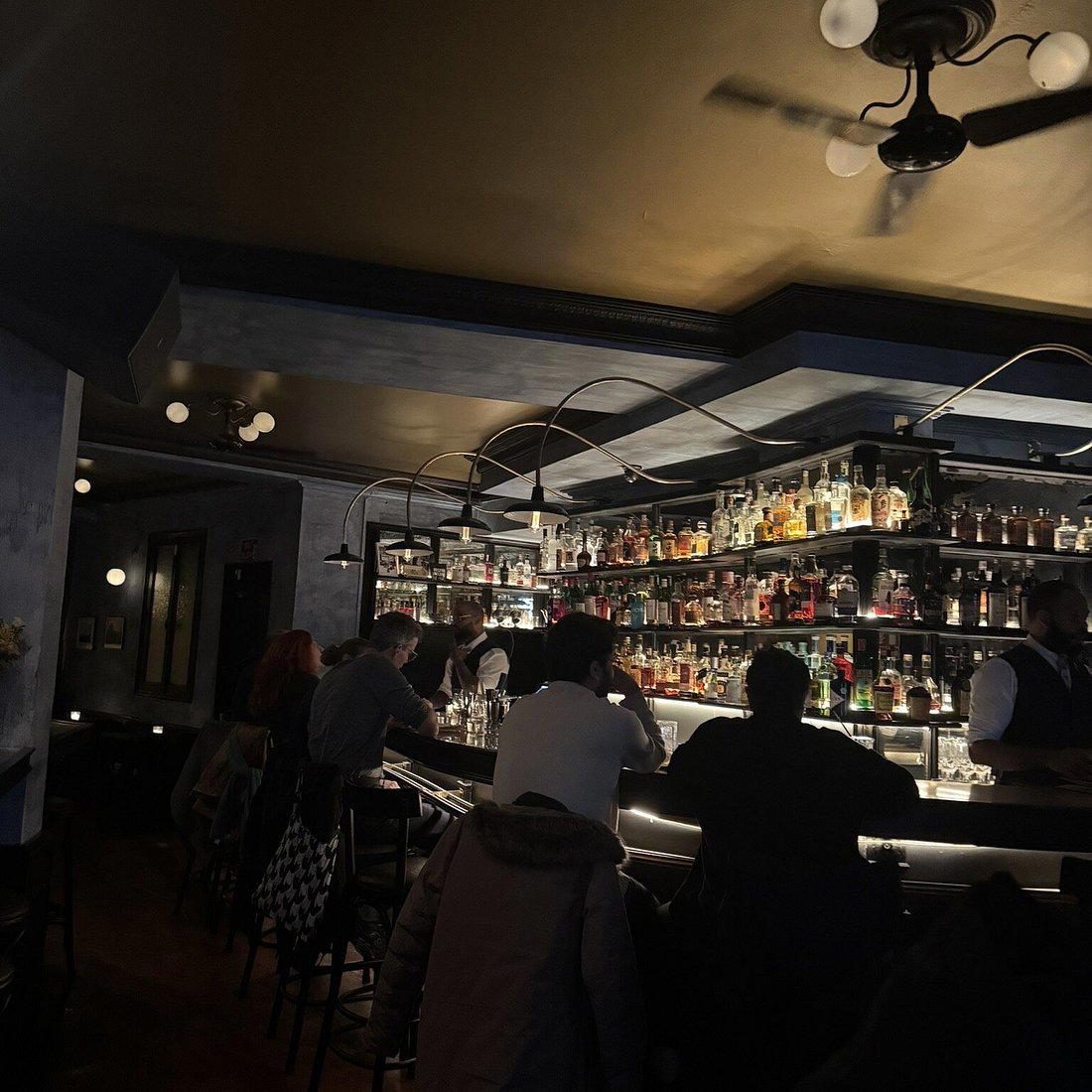
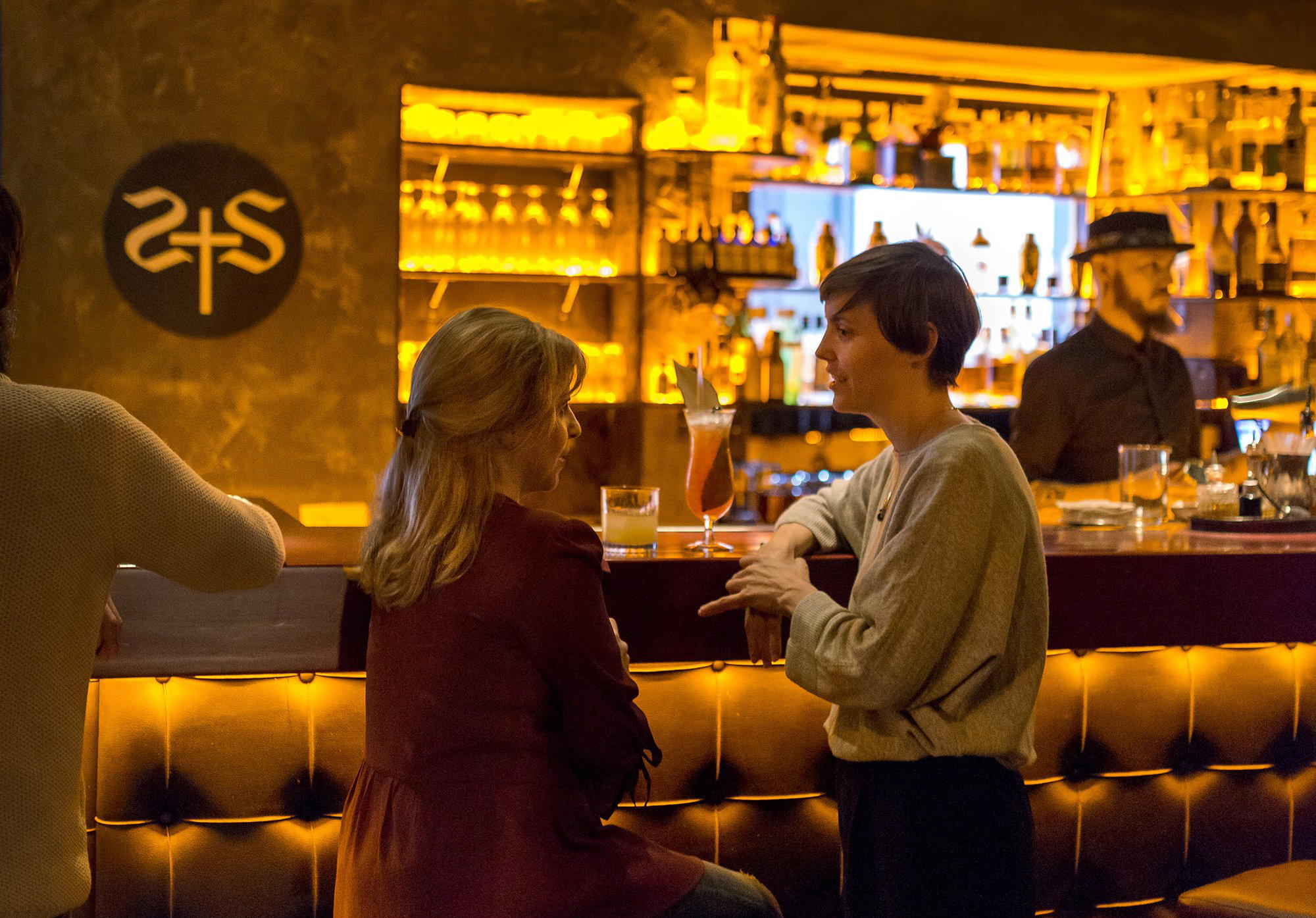
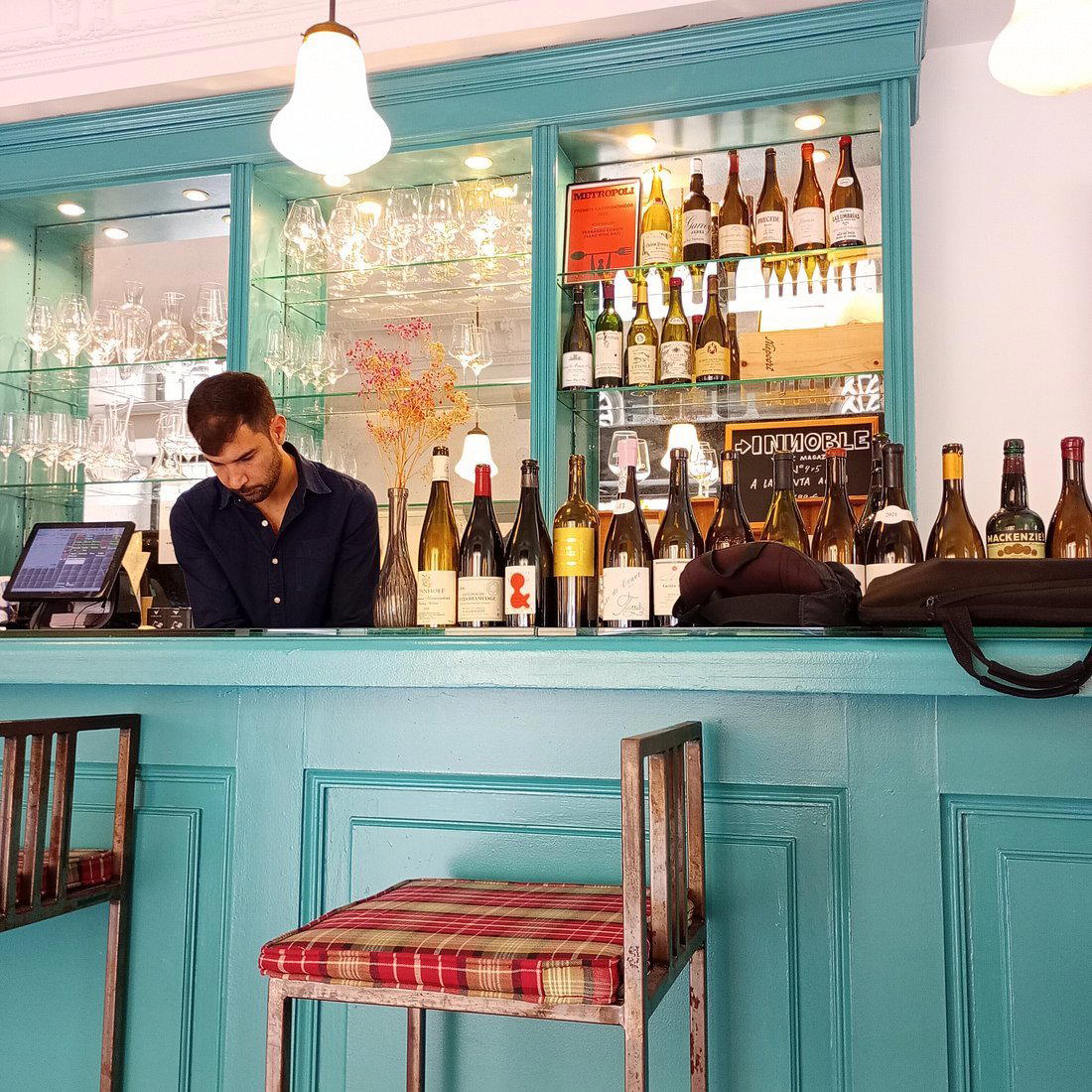
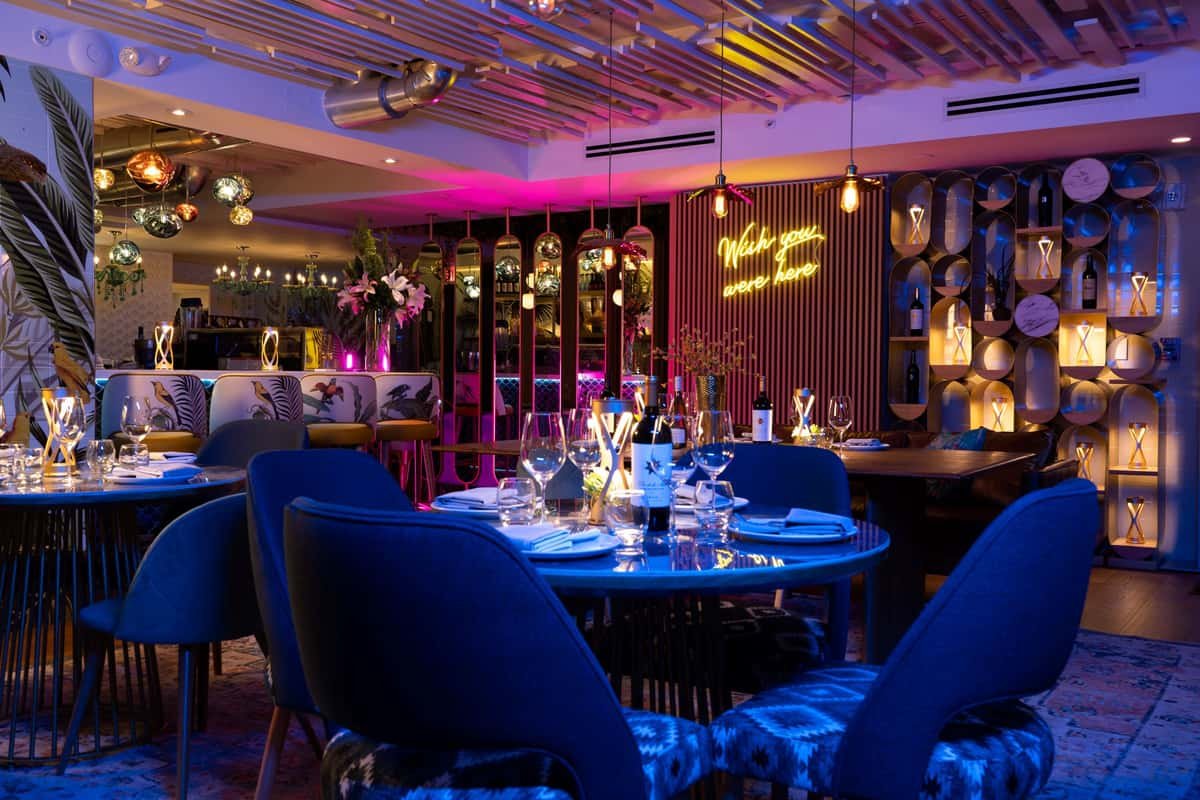
Calle de las Huertas sits in the Barrio de las Letras, a quarter of Madrid where the density of literary history, Cervantes, Quevedo, Lope de Vega all lived within a few blocks, creates a particular kind of street-level seriousness. The neighbourhood does not perform for tourists in the way that the streets closer to the Puerta del Sol do. Arriving at ConSentido, the address signals intent: this is a part of the city where people eat with attention rather than occasion. The room follows that logic. A counter running parallel to the open kitchen makes the cooking itself the primary spectacle, with the brigade's movements and techniques visible throughout the meal. Madrid's mid-range creative dining scene has, over the past decade, divided into two recognisable formats: rooms designed around the chef's theatre, and rooms where the ingredients carry the argument. ConSentido belongs firmly in the second category.
The Castile Premise
Contemporary Spanish cooking at the upper tier of the market, DiverXO, Coque, Deessa, DSTAgE, tends to read internationally, drawing on Asian technique, French structure, or abstract creativity that could have been assembled in any major European city. A smaller, quieter current in the same scene runs in a different direction: hyperlocal sourcing, regional recipe archives, and a kitchen logic that requires knowing where Salamanca province sits on a map before you can fully read the menu. ConSentido operates inside this second current. Chef Carlos Hernández del Río has built the kitchen around ingredients from Salamanca province specifically, with the restaurant maintaining its own organic vegetable garden and vineyards, and producing cocktails and drinks from ingredients harvested on-site. That level of vertical integration is not common even among restaurants that market themselves on provenance. It means the sourcing claim has an operational reality behind it rather than functioning purely as a menu narrative.
The culinary tradition of Castile and León, roast suckling pig, lechazo, legumes from the Meseta, river fish from the Duero and Tormes systems, is one of the most codified in Spain, and also one of the most resistant to abstraction. Chefs who work within it face a specific problem: how to apply technical ambition to a canon that is already considered finished by most of its practitioners. The approach here, as evidenced by dishes such as grilled spring onions from the banks of the River Tormes served with oregano and pistachio, reads as a precise rather than radical intervention, known ingredients, regional geography intact, technique applied at the level of preparation rather than concept. Comparable regional-anchor projects elsewhere in Spain, including La Botica de Matapozuelos in Matapozuelos, suggest this is a viable long-term editorial position for a kitchen, though it demands consistency of sourcing that larger operations find difficult to sustain.
The Menu Architecture
The à la carte at ConSentido offers half-plate options alongside full portions, a format that allows a degree of composition that a fixed tasting menu cannot provide. Alongside it sits "The Pillars of our Surroundings," a nine-plate tasting menu that can be extended with supplementary smaller dishes. Both formats reflect the same ingredient logic; the tasting menu simply imposes a sequence on it. It is worth noting that the kitchen operates with some flexibility around the à la carte: it is characteristic of service here for Chef Hernández del Río to highlight dishes that do not appear on the printed menu and to suggest specific plates based on what is available or particularly suited to the moment. That kind of chef-directed guidance is more common at counter-format restaurants than in conventional table-service rooms, and it shifts the dynamic of ordering from selection to dialogue.
Counter seating option, positioned in front of the open kitchen, changes what the meal is about. In Spain's most technical restaurants, at Arzak in San Sebastián, El Celler de Can Roca in Girona, Azurmendi in Larrabetzu, the kitchen is often partitioned or glimpsed rather than integrated into the dining experience. At counter-first formats, the cooking becomes a form of transparency: you are watching process rather than receiving a finished object. Madrid has relatively few restaurants in the €€€ tier that use the counter this purposefully. At ConSentido, the counter gives access to the texture and timing of a kitchen working with live-fire and fresh vegetable preparation, the kind of detail that is lost when cooking happens behind a closed door.
Recognition and Peer Context
ConSentido holds a Michelin Plate for 2025, the Guide's signal of quality cooking below the star threshold, and has appeared in the Opinionated About Dining Leading Restaurants in Europe rankings for consecutive years: ranked 577th in 2025 and 516th in 2024. Within Madrid's broader field, this places ConSentido in a different tier and price bracket than Santerra or the multi-starred rooms. The Opinionated About Dining methodology is crowd-sourced from frequent diners and industry professionals, making it a reasonable proxy for sustained repeat-visitor quality rather than single-occasion performance. Improving from 577th to 516th between editions suggests the kitchen is building recognition rather than resting on an initial placement. For reference, Spain's most decorated rooms, Martin Berasategui in Lasarte-Oria, Cocina Hermanos Torres in Barcelona, Aponiente in El Puerto de Santa María, sit significantly higher in the same list, but they operate at different price points and with larger teams. Within the €€€ bracket, ConSentido's dual recognition is a meaningful signal.
Planning a Visit
ConSentido is open Thursday through Sunday for lunch (1:30–3:30 pm), with dinner service added on Friday and Saturday evenings (8:30–10:30 pm). Monday and Tuesday are closed, and Wednesday offers lunch only. The address, Calle de las Huertas 22, a short distance from the Plaza Mayor, puts the restaurant within easy walking distance of the Antón Martín metro station and the concentration of hotels in the Huertas and Sol neighbourhoods. Lunch on a Saturday, when the kitchen runs both the à la carte and tasting menu formats and the counter is available, is the format that allows the broadest engagement with what the kitchen does. The limited weekly hours and the nature of the off-menu dialogue that service here is known for suggest booking ahead rather than arriving on spec.
For a complete map of eating, drinking, and staying in the city, see our full Madrid restaurants guide, our full Madrid hotels guide, our full Madrid bars guide, our full Madrid wineries guide, and our full Madrid experiences guide.
Frequently asked questions
Has ConSentido won any awards?
ConSentido has received recognition including: Situated in an impressive setting just a few steps from the Plaza Mayor, where head chef Carlos Hernández del Río conjures up contemporary cuisine that is both technical and in tune with its local surroundings. His focus is on showcasing in….
When can I go to ConSentido?
Hours at ConSentido: Hours: Monday Closed Tuesday Closed Wednesday 1:30–3:30 pm Thursday 1:30–3:30 pm Friday 1:30–3:30 pm, 8:30–10:30 pm Saturday 1:30–3:30 pm, 8:30–10:30 pm Sunday 1:30–3:30 pm.
What should I order at ConSentido?
The nine-plate tasting menu, "The Pillars of our Surroundings," is the most direct way to read the kitchen's argument for Salamanca-province ingredients, chef Carlos Hernández del Río can extend it with additional smaller plates. The à la carte is structured to allow half-plate ordering, which lets you cover more ground across the menu without committing to a fixed sequence. When you order, the chef is known to point out dishes not listed on the written menu and to steer guests toward specific plates, so take those recommendations seriously.
What type of food is ConSentido known for?
City Peers
| Venue | Cuisine | Price | Awards | Notes |
|---|---|---|---|---|
| ConSentidoThis venue (the venue you are viewing) | Contemporary Spanish Tapas | Not listed | Michelin Plate | Not listed |
| DiverXO | Avant-Garde Spanish Tasting Menu | $300–500 | 3 Michelin Stars · World's 50 Best #4 | Progressive - Asian, Creative |
| Deessa | Modern Valencian Fine Dining | $150–200 | 2 Michelin Stars · La Liste Top Restaurants | Modern Spanish, Creative |
| Smoked Room | Modern Japanese Fire Omakase | $200–300 | 2 Michelin Stars · La Liste Top Restaurants | Progressive Asador, Contemporary |
| Coque | Modern Spanish Fine Dining | $300–500 | 2 Michelin Stars · La Liste Top Restaurants | Spanish, Creative |
| Paco Roncero | Avant-Garde Spanish Fine Dining | $150–200 | 2 Michelin Stars · La Liste Top Restaurants | Creative |
Recognition history
Dated appearances from independent guides and award organizations, with the underlying list record or original source where available.
Michelin Plate
Michelin
Opinionated About Dining Top Restaurants in Europe Ranked #577
Opinionated About Dining
Full recognition history (5 entries)
Michelin Plate
Michelin
Michelin Plate
Michelin
Opinionated About Dining Top Restaurants in Europe Ranked #516
Opinionated About Dining