Albion
Albion occupies a corner of Shoreditch's Boundary Street that sits at the quieter edge of East London's café-bakery scene. Compared to the destination dining rooms of Mayfair and Knightsbridge, it operates with a different register: all-day, informal, and grounded in British larder staples. For visitors working through London's broader food culture, it represents a counterpoint to the city's tasting-menu tier.
- Address
- 2-4 Boundary St, London E2 7DD, United Kingdom
- Phone
- +44 20 7729 1051
- Website
- boundary.london
- Directions
- Get directions
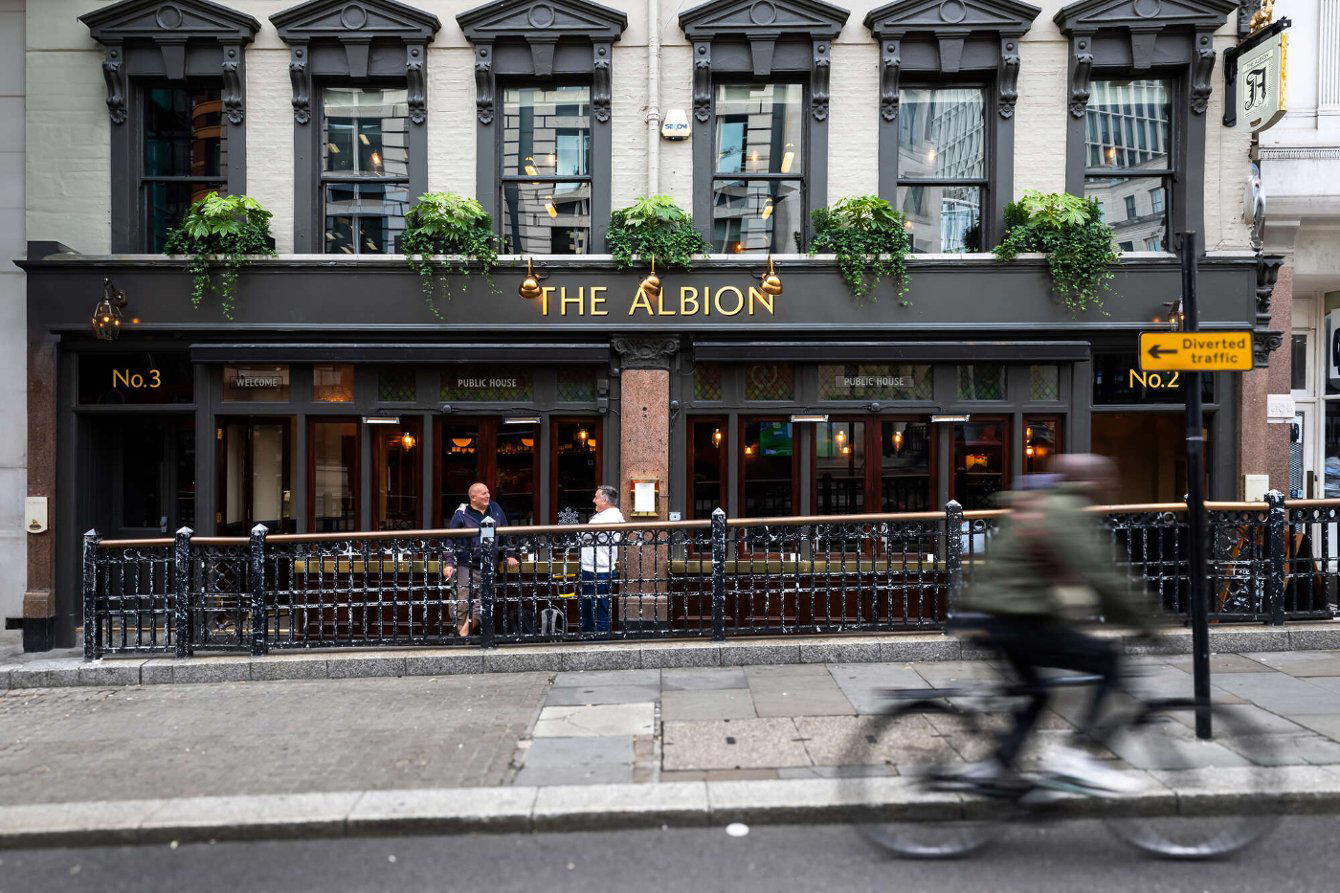
East London's All-Day Register
Albion is a restaurant in London serving French and Italian food at a price tier of 2. London's dining geography has always had a fault line running roughly along the edges of the City. To the west, the Michelin-weighted rooms of Mayfair and Chelsea, places like CORE by Clare Smyth, Restaurant Gordon Ramsay, and Sketch, The Lecture Room and Library, operate with the formal architecture of tasting menus and multi-hour sittings. To the east, the register shifts. Shoreditch and its adjacent streets have, over two decades, built a different model: spaces designed around permanence in the neighbourhood rather than occasion dining, where the room itself carries as much weight as the plate.
Albion, at 2-4 Boundary Street in E2, belongs to the eastern model. It is positioned inside the Boundary complex, a site that has been a recurring reference point in East London hospitality since Terence Conran's redevelopment of the Victorian warehouse building in the 2000s. That provenance matters because it frames Albion's physical logic: the caff-inspired interior, the long communal-style counter, the bakery display cases, and the deliberate preference for daylight and open shelving over the dimmed formality of destination dining rooms.
The Architecture of Informality
In British hospitality, the term 'caff' carries specific spatial codes: communal seating, hard surfaces, natural light admitted without ceremony, and a format that resists the separation of diner from kitchen or counter. Albion draws on those codes explicitly. The interior reads as a considered reinterpretation of the British café tradition rather than a nostalgic copy of it, white ceramic tiles, wooden furniture scaled for function rather than theatre, and a pastry and bread counter that doubles as the room's visual anchor.
This design approach places Albion in a category of spaces that have become increasingly deliberate about what they choose not to do. There are no architectural gestures toward exclusivity. The room is meant to be entered for a pot of tea and a slice of something from the bakery counter in the morning, or a full British larder meal later in the day. That flexibility of use is itself a spatial argument: the physical container has been built to support the rhythm of a neighbourhood rather than the single peak of an evening service.
Compared to spaces like The Ledbury in Notting Hill or Dinner by Heston Blumenthal in Knightsbridge, which present their interiors as settings for a defined and bounded experience, Albion's physical language is deliberately porous. The room signals that you are not required to perform the act of dining. You can simply be in it. That distinction in spatial intention has real consequences for how the space functions across a day.
British Larder in an East London Frame
The menu operates within a clearly British idiom. Baked goods, cured and smoked products, seasonal vegetables prepared without elaboration, and dishes that reference the vocabulary of the British kitchen without the ironic distance that often appears when contemporary restaurants engage with that tradition. This is not the reconstructed heritage cuisine of Dinner by Heston Blumenthal, nor the refined Modern British of CORE by Clare Smyth. The frame of reference is closer to the British café-grocer hybrid: food that is produced carefully and sourced with attention but served without ceremony.
That positioning places Albion apart from London's Michelin rooms. For visitors who have spent time at the starred end of the British dining circuit, at Waterside Inn in Bray, L'Enclume in Cartmel, or Moor Hall in Aughton, Albion reads as something genuinely different in register, not a lesser version of those rooms but an argument for a different mode of engagement with British food culture entirely.
The bakery counter functions as the room's most consistent editorial statement. Bread and pastry production at this level of visibility, in a space with Albion's neighbourhood permanence, signals a different set of priorities than the refined plating of, say, Gidleigh Park in Chagford or Midsummer House in Cambridge. The craft is present but the display is transparent and unpretentious.
Placement in the Shoreditch Context
Shoreditch's hospitality density means that Albion operates in a competitive local environment where the all-day café-restaurant format is not unusual. What distinguishes its position within that environment is the Boundary Street address and the heritage of the building it occupies. The Victorian warehouse context gives the space a physical weight and material depth that newer fit-outs in the area often lack. Exposed brick, existing structural elements, and natural light from large original windows contribute to a room that reads as earned rather than constructed for effect.
For visitors building an itinerary across British dining, one that might also include Hand and Flowers in Marlow, hide and fox in Saltwood, or further afield at Opheem in Birmingham, Ynyshir Hall in Machynlleth, or Restaurant Andrew Fairlie in Auchterarder, Albion provides a useful calibration point at the informal end of the spectrum. It answers a different question about what British food culture produces when the pressure of occasion dining is removed.
The comparison extends internationally too.Le Bernardin) and community-oriented daytime spaces has produced a similar two-tier ecosystem. In San Francisco, venues like Lazy Bear represent the opposite pole of that spectrum, where commitment to format and occasion is total. Albion sits at neither extreme, which is precisely its function.
Planning a Visit
Albion is located at 2-4 Boundary Street, E2 7DD, within walking distance of Shoreditch High Street Overground station. The all-day format means morning visits for the bakery counter and afternoon visits for the fuller menu are both viable approaches, and the room's design supports either without the awkwardness of arriving outside a narrow service window.
The Quick Read
Comparable venues nearby, for context on price, style, and recognition.
| Venue | Cuisine | Price | Notes |
|---|---|---|---|
| AlbionThis venue — the venue you are viewing | Bethnal Green, French & Italian | $$ | Not listed |
| Bancone Golden Square | Soho, Modern Italian Pasta | $$ | Not listed |
| Caponata | Camden Town, Sicilian Italian | $$ | Not listed |
| Franco Manca | Not listed | $$ | Brixton, Neapolitan-style Sourdough Pizza |
| Crisp Pizza | Not listed | $$ | Hammersmith Broadway, Crispy New Haven-style Pizza |
| Cotto | Waterloo, Authentic Neapolitan Italian | $$ | Not listed |
Continue exploring
More in London
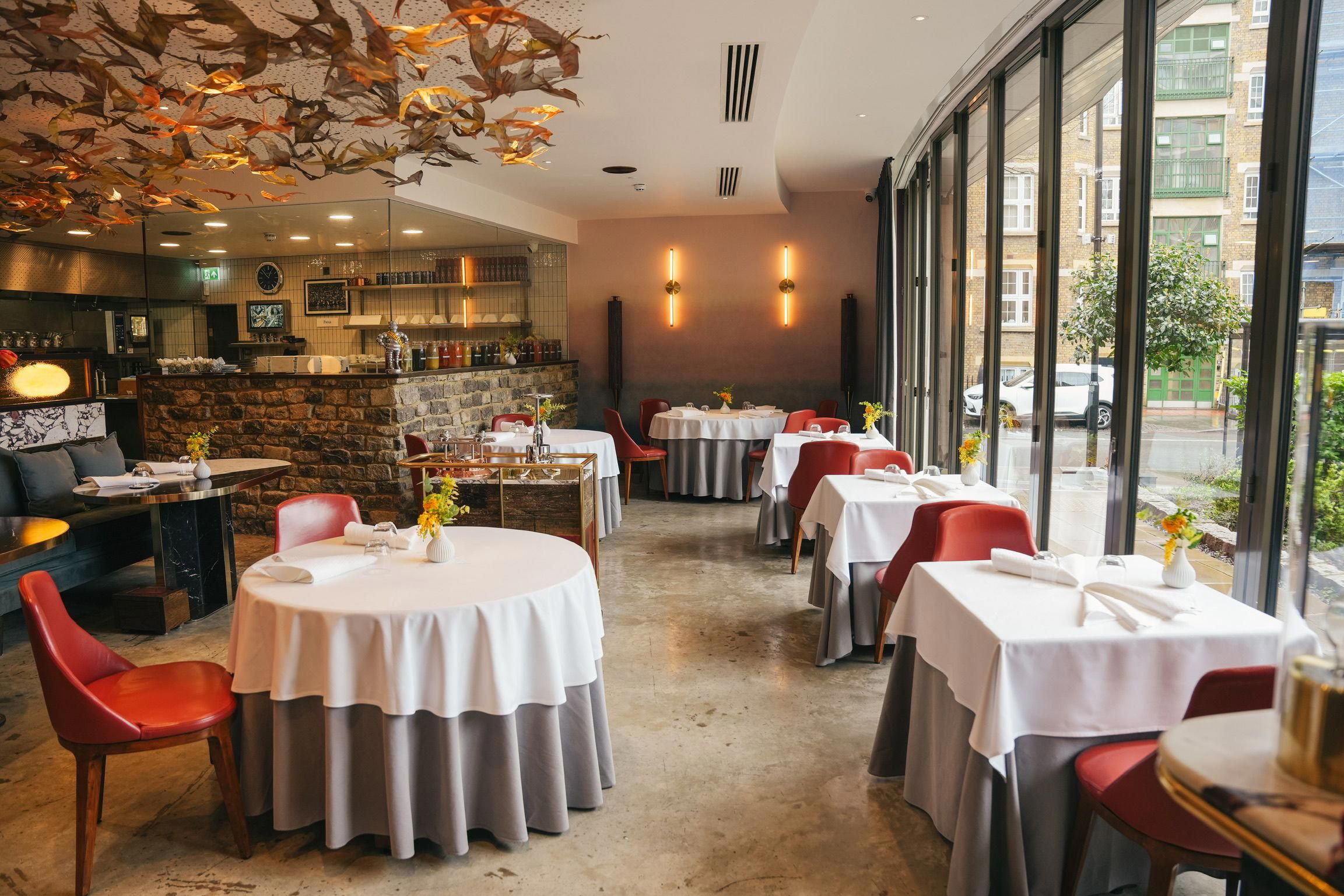
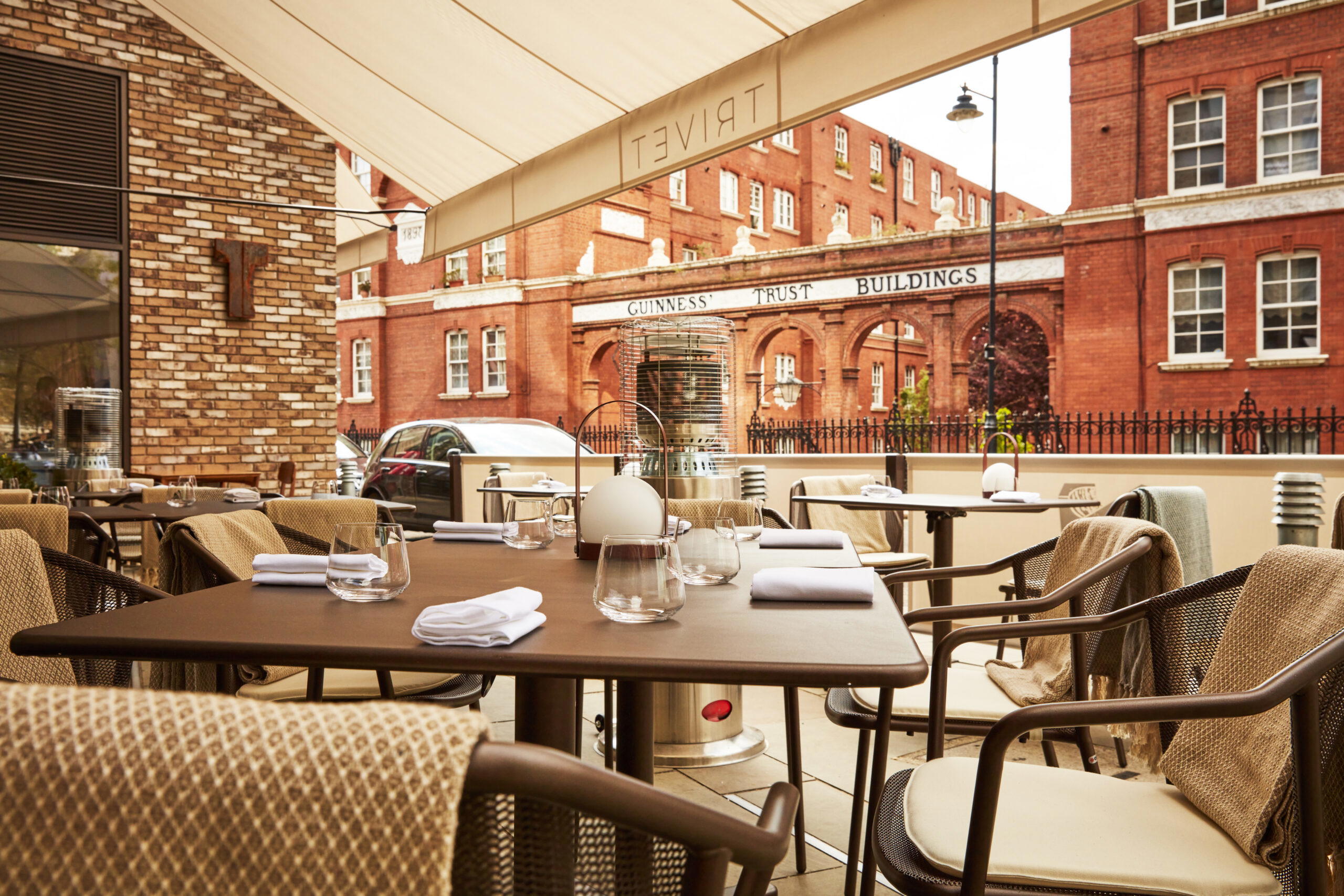
Restaurants in London
Browse all →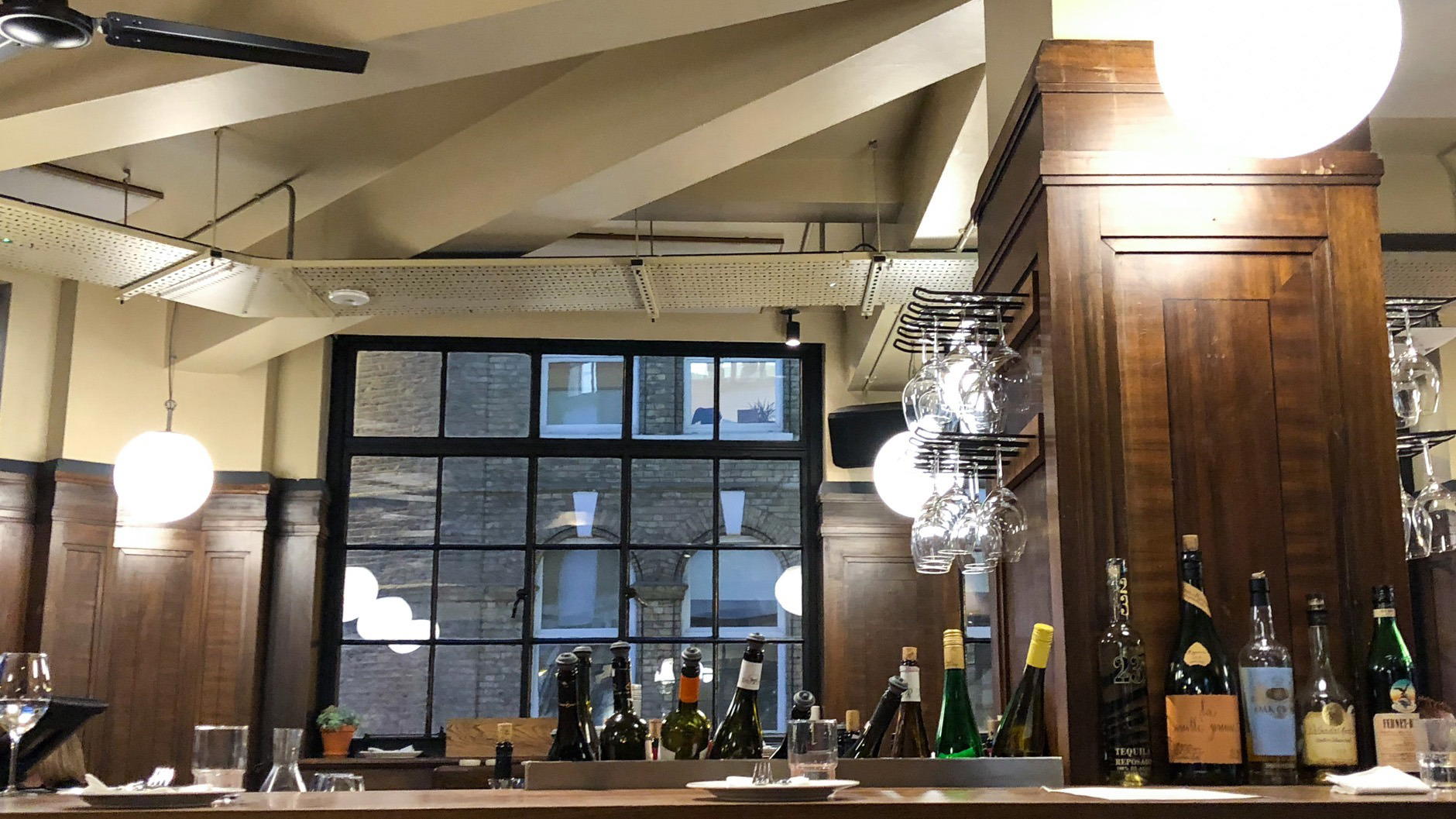
Bars in London
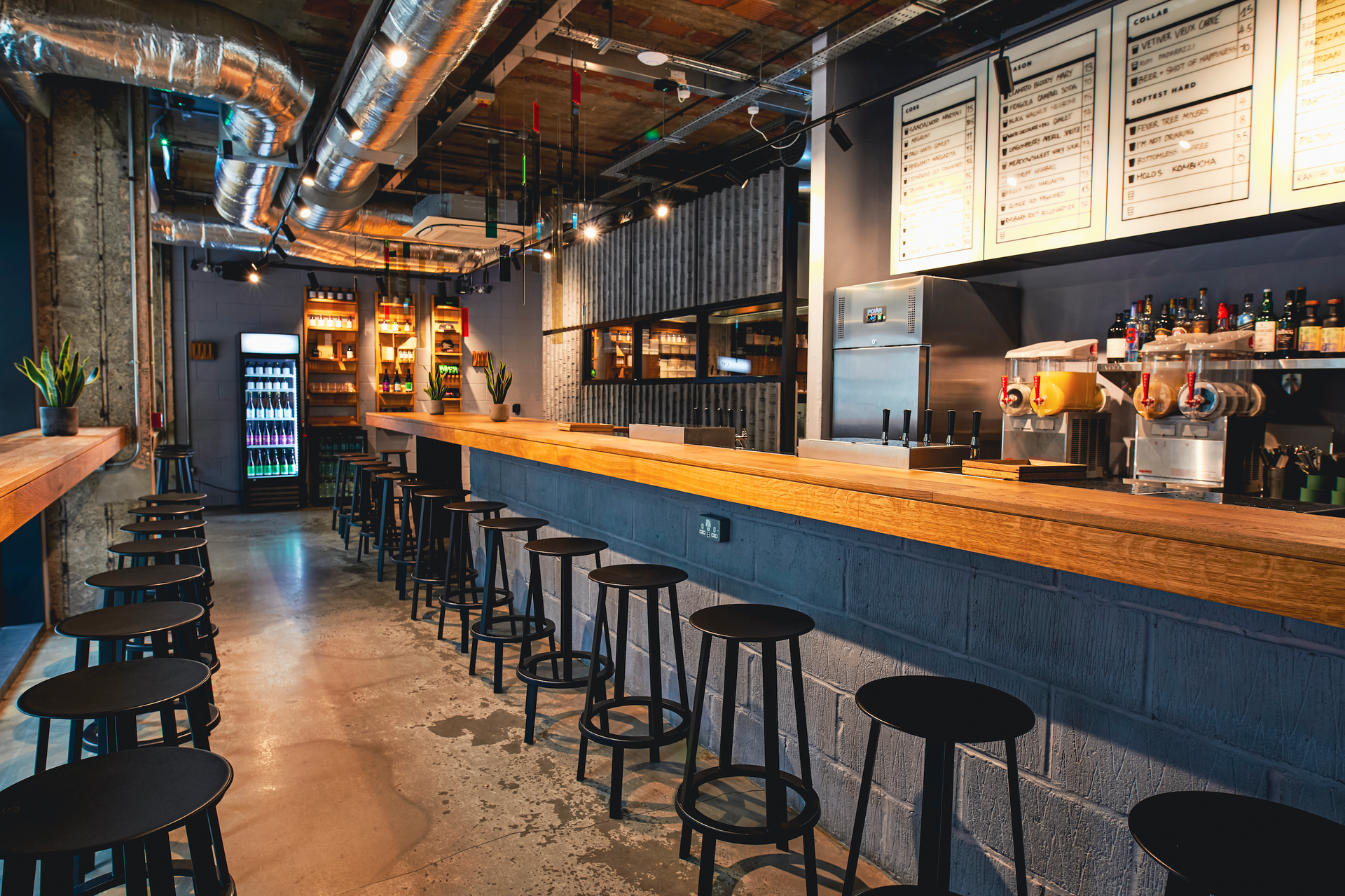
Browse all →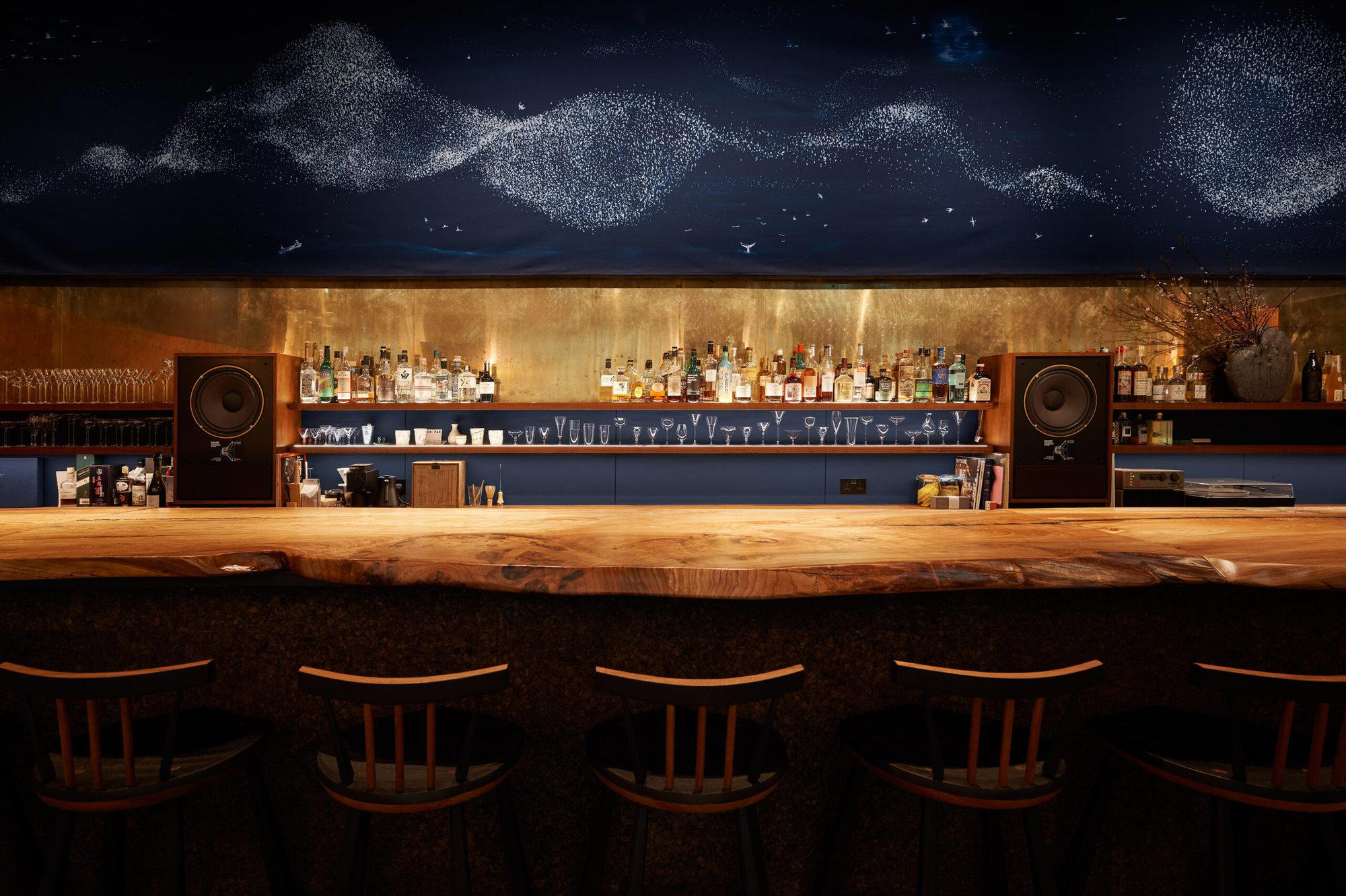
Hotels in London
Browse all →



At a Glance
- Modern
- Cozy
- Date Night
- Casual Hangout
warm and welcoming with focus on fresh, high-quality ingredients